

14 Ingredients You Need To Start Adding To Your Scrambled Eggs
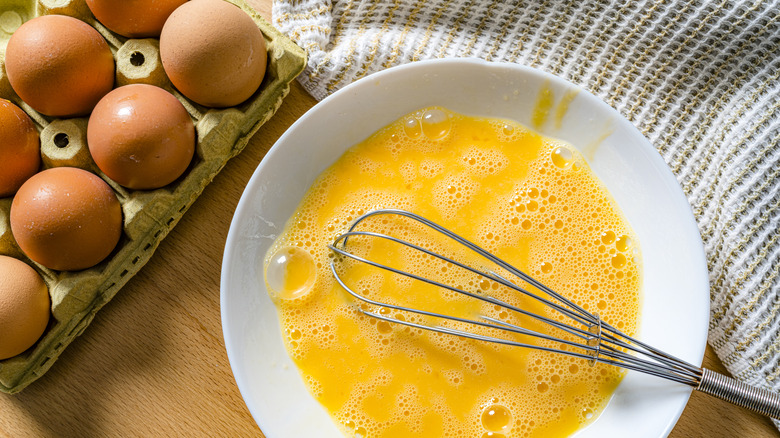
Making truly good scrambled eggs isn't as easy as just heating up a skillet on the stovetop, cracking a few eggs in the pan, and stirring them around a bit as they cook. You need to whisk those eggs to airy, golden goodness, add in a liquid or fat, and then cook them patiently in exactly the right kind of pan (non-stick, preferably). That said, once you've mastered the fine art of the scrambled egg — whether you prefer them fluffy or creamy and just a little runny — it's time to level up your scrambled egg game with a secret ingredient (or a few).
Sure, you know that adding in some chopped veggies and cheese is an excellent way to turn your scrambled eggs into a full-on breakfast, no need for any sides, and that getting a little fancy with some fresh herbs can make your breakfast effortlessly chic — but there's very likely a few ingredients lurking in your pantry or fridge that you'd never even imagine adding to your scrambled eggs. However, if you add one of the following unexpected items to your next breakfast spread, you could just be very pleasantly surprised.
Lemon juice
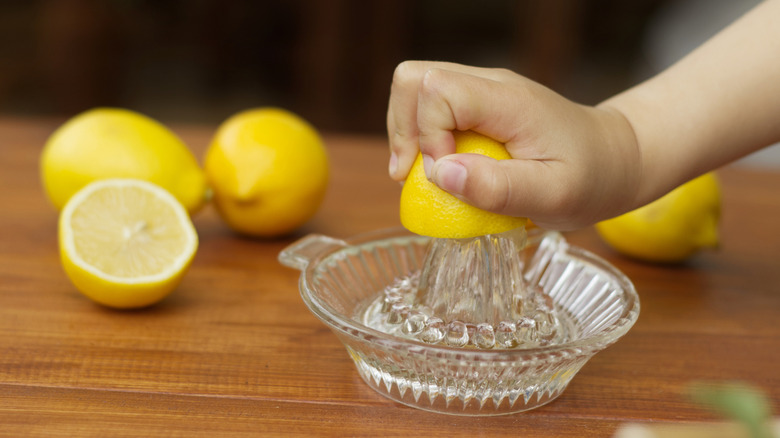
It adds brightness to a dish of pasta or a baked good. It's a crucial ingredient in your marinades, salad dressings, and cocktails. You can even use it to clean and deodorize your kitchen after you're done cooking. We're talking about lemon juice, of course — and you can add it to your scrambled eggs for a seriously fluffy scramble that also offers a certain zesty, acidic brightness, working well with the fat you're likely already using in the eggs.
The reason that lemon juice will make your scrambled eggs fluffier, though, comes down to simple science. As Lindsey Chastain of The Waddle and Cluck told The Takeout in a prior article, when you add an acid to eggs, it loosens the eggs' protein. The loosened protein traps more steam as the eggs cook. However, don't think that you can use just any acidic ingredient here. Lemon juice is the way to go, as the flavor won't overpower that of the eggs, and it won't change the eggs' color, either. You'll need the juice of about a quarter of a lemon for every two to three eggs you're cooking.
Peanut butter
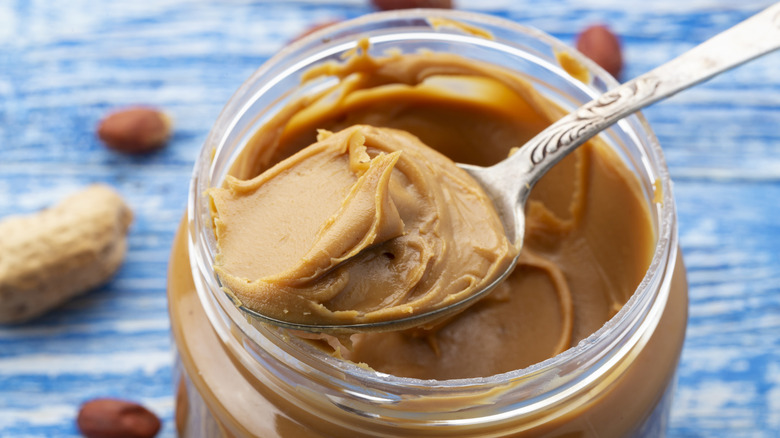
Sure, the jar of peanut butter sitting at the back of your pantry might make its way to your breakfast table when you're serving pancakes or waffles (and if that's not the case in your household, rest assured that peanut butter and maple syrup are a match made in heaven) — but scrambled eggs and PB?
While there are plenty of naysayers and skeptics, once you give this combo a try, you'll likely agree that peanut butter is the nutty addition that makes your scrambled eggs taste unexpectedly delicious. Not only can the peanut butter add a roasted, savory touch of umami to your eggs, but it can also offer a texture boost as well, thanks to the peanut butter's fat and emulsifiers. Just be careful when picking the peanut butter to add to your eggs. You likely don't want to go the crunchy route, and if your particular chosen peanut butter trends salty rather than sweet, you might not want to add much extra salt to the scrambled eggs themselves.
Sun-dried tomatoes
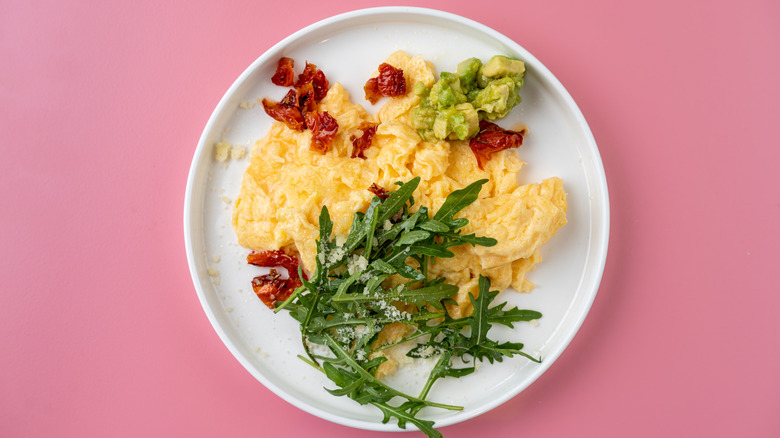
You won't need to look long or hard to find a quiche or omelet recipe that utilizes sun-dried tomatoes, so why aren't we adding them to our scrambled eggs on a more regular basis, too? Even if you're not all that much of a fan of raw tomatoes, you may find this addition to your scrambled eggs to be pretty tasty.
Whereas most raw tomatoes — if you purchased them from a big box at the grocery store versus from a local farm — are generally a bit bland and underwhelming, suitable for the occasional sandwich but not much else, sun-dried tomatoes pack a umami punch. Not all sun-dried tomatoes are the same, though. For the highest quality and best flavor, look for sun-dried tomatoes that are dry-packed and still pretty red and moist. If they've begun to turn color or if they look dry to the touch, they're not going to provide the level of flavor that you want. You can also buy oil-packed sun-dried tomatoes, which often come with various seasonings and herbs included, so you can further play around with your scrambled eggs' flavor profile.
Badia Complete seasoning
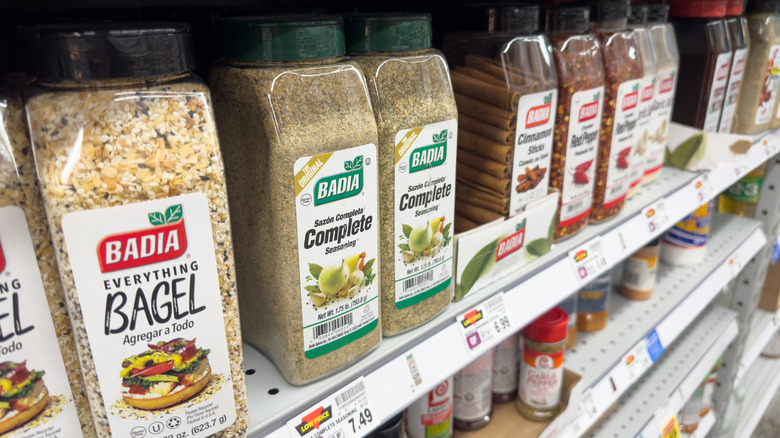
A good seasoning blend can be an absolute game-changer in the kitchen. Forget having to mix and match minuscule amounts of dried herbs and seasonings from your spice rack. You can go straight for one solution that does it all, like Badia Complete seasoning. This seasoning blend contains dehydrated garlic, onion, salt, and spices and herbs such as pepper and cumin, and can be used on just about everything — and according to Reddit, Badia Complete can totally transform bland scrambled eggs.
You can often find Badia seasonings sold for much cheaper than comparable spice mixes in your grocery store's Hispanic foods section. Once you've tried it on your eggs, add it to other simple dishes. For example, you can use it as a seasoning on your roasted vegetables. You can add it to a marinade for meats. You can also use it in the breading for fried chicken.
Medjool dates
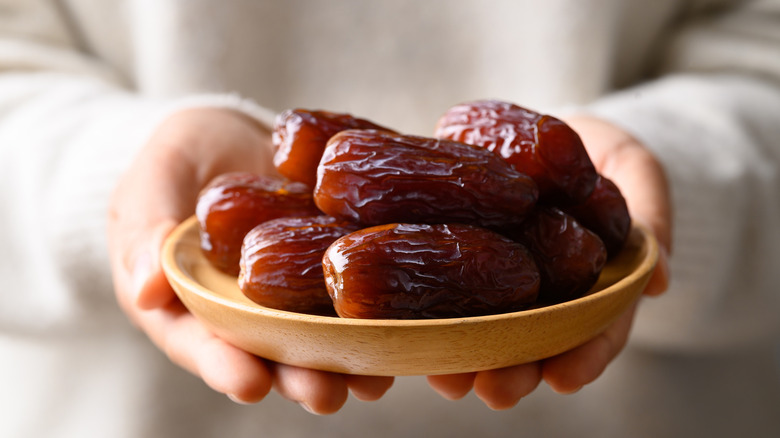
If you had to guess an unconventional fruit that you should be adding to your scrambled eggs, you might go back to the aforementioned tomatoes (it is a fruit, after all!) or avocado (also a fruit). You probably wouldn't guess Medjool dates, but date eggs are actually quite popular in Middle Eastern cuisine, and make for a sweet-savory, creamy combination.
When adding dates to your scrambled eggs, you'll actually want to cook the dates in butter first. This allows their flavor to develop and for them to soften a bit, so their texture doesn't stand in such sharp contrast to that of the creamy scrambled eggs. After the dates have cooked, you can add your whisked eggs to the pan like normal. From there, you can season your eggs however you like, or even possibly add in some extra ingredients, like cheese. You can also go a step further and make Persian dates and eggs, or khormah maloos, which also adds chopped walnuts and cinnamon to the mix.
Pasta water
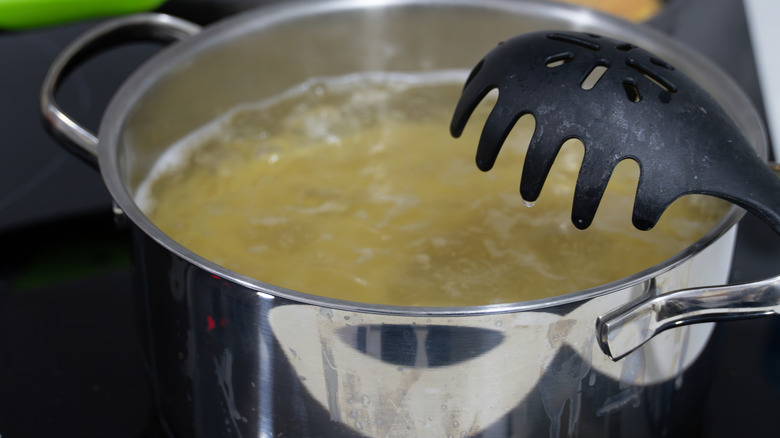
You probably know that you should hold on to your pasta water if you're making your own pasta sauce. The starchy water will help your sauce thicken up appropriately and stick to the pasta. However, pasta water can do a whole lot more, and if you have some leftover, you really should hold onto it. You can store leftover, strained pasta water in the freezer, in pre-portioned servings, or in the fridge. It'll last for six months in the freezer and for a few days in the fridge. From there, use it to bake bread. Use it to soak dried legumes. Use it for soup. And, of course, use it to make scrambled eggs.
When you add pasta water to your scrambled eggs, when whisking them before cooking, the result is a softer, tenderer scramble. The starchiness of the pasta water keeps the egg proteins from overcoagulating. Meanwhile, the saltiness of the pasta water (because, remember, you should always be salting your pasta while it's boiling) adds extra flavor to the eggs.
Mirin
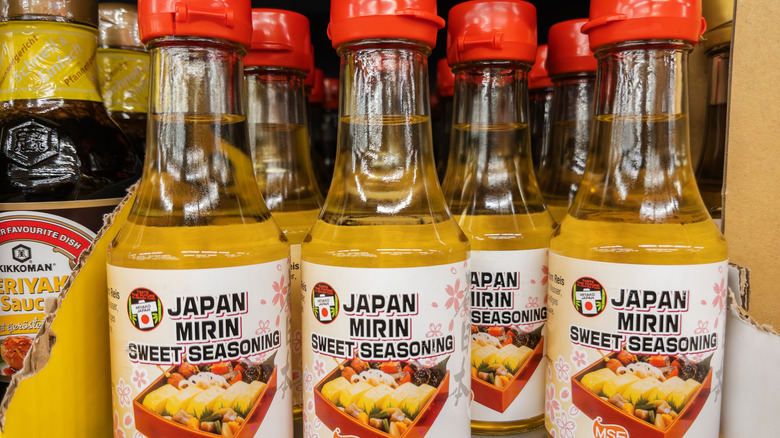
If you're not cooking with mirin, it's time you made your way to your local Asian market to pick some up, stat. Mirin is made by fermenting rice and sweet potato alcohol for up to two months, resulting in a sweet rice wine that's been around for centuries as a part of Japanese cooking. It's used to make various sauces, dressings, and marinades, as well as for cooking meat and seafood. It can also give your scrambled eggs a flavor boost. Just add half a teaspoon of mirin per egg as you whisk them together. From there, if you want to keep the Japanese theme running, consider making a tamagoyaki sandwich by bundling your scrambled eggs between two pieces of white bread, each covered with mayo.
Can't find mirin in your neck of the woods? An easy substitute is a mixture of sugar and sake. If you want a non-alcoholic substitute, mix rice vinegar with sugar.
Maple syrup
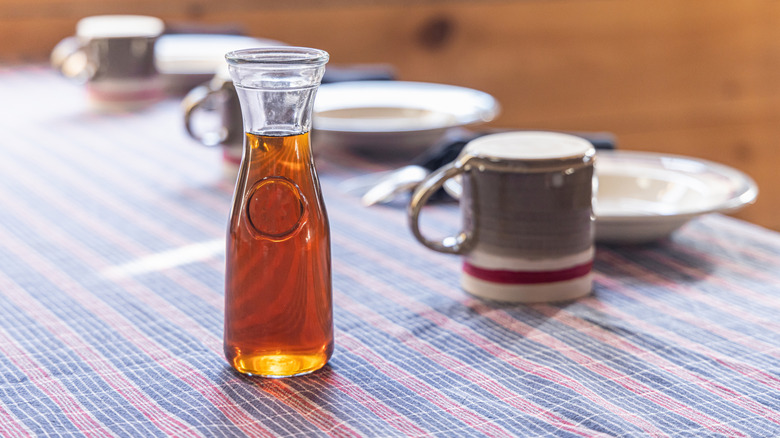
Upgrade the flavor of your scrambled eggs with another breakfast staple: maple syrup. This sweet addition to your eggs will give them a sweet-savory flavor profile perfect for pairing with some fatty strips of bacon or sausage links, or for use in a breakfast sandwich. Simply add the maple syrup to your eggs whenever you add your preferred liquid, before whisking and cooking. The maple syrup will lightly change the color of your eggs, but you may not mind once you give them a taste.
Pick your maple syrup carefully, though. There are differences between each grade of maple syrup and how best to use them. Golden maple syrup offers a lighter, more delicate flavor profile. Amber maple syrup has the most characteristic "maple" flavor. Dark and Very Dark maple syrup are progressively more intense. Try Amber syrup for your scrambled eggs. You can even add some to your breakfast coffee while you're at it!
Frozen corn
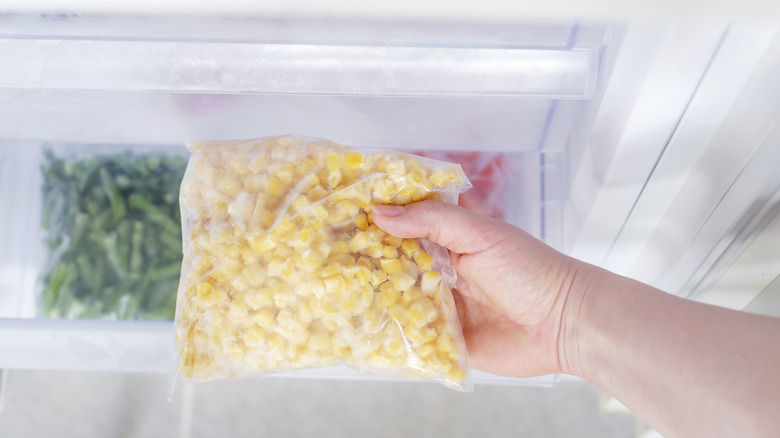
Corn pudding isn't the only place where eggs and corn can meet with fantastic results. Frozen corn can give your scrambled eggs a lift that you might not expect. You don't even need to defrost or cook the corn before you use it. All you have to do is heat some oil in your pan, add the corn, let it thaw right there, and begin to cook (ideally, you'd let it cook long enough that it begins to caramelize a bit). Then, add your beaten eggs. The caramelized corn provides flavor, while the kernels offer textual interest (in case you're one of those folks who've never really preferred the super-soft texture of a pile of scrambled eggs).
No frozen corn on hand? You can also blend fresh corn into your scrambled eggs. While you can cook fresh corn before adding it to the eggs, you can also add the fresh corn raw to the pan (like you would if it were frozen), letting it cook slightly before pouring in the whisked eggs-and-liquid combo.
Cottage cheese
Okay, we know, we know. You've seen enough cottage cheese cooking hacks by now. Everywhere you go on Instagram and TikTok, if you're looking at healthy food content, it seems that some thin or muscular home chef is telling you to eat more cottage cheese. Put it in your chocolate chip cookie dough alongside some protein powder! Turn it into pseudo-queso!
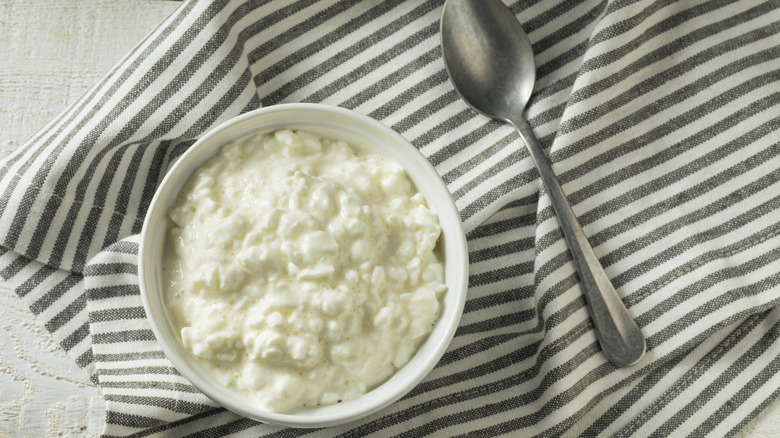
Adding cottage cheese to your scrambled eggs, though, isn't a health hack, and it's not about swapping out a supposedly "unhealthy" ingredient for a protein-packed one. Instead, it's all about flavor and texture. When you add about a tablespoon of cottage cheese (per egg) to your scrambled eggs, you get eggs that are slightly creamier, tangier, and fluffier than normal. Additionally, the texture will be slightly more varied, as the curds won't fully melt. (Any extra health benefits, such as the added protein, are just a little bonus.)
Soy sauce
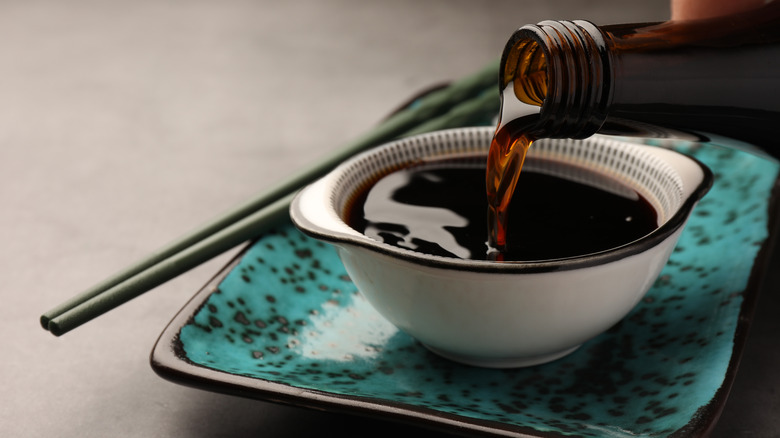
Skip the salt the next time you make scrambled eggs and, instead, add a splash of umami via some soy sauce. The addition won't impact the eggs' texture and doesn't require any additional cooking, unlike some of the other suggestions on this list, and will, instead, just provide a salty, crave-able flavor with every bite. There's a reason why this hack is a favorite with even Chef Alex Guarnaschelli.
Already tried soy sauce in your scrambled eggs and looking to level up the pairing? Consider making scrambled eggs inspired by the flavors of tamagoyaki, the Japanese rolled omelet, by not only adding soy sauce, but also a little garlic and sugar, before cooking the eggs in sesame oil and topping them with crumbled seaweed. Or, skip the scrambling and make soy sauce eggs by steaming your eggs (a gentler version of hard or soft-boiling), peeling them, and then marinating them in a soy sauce-based marinade for up to a day. Then, you can eat them for a savory breakfast, or add them to ramen or anywhere else you might normally use a whole, cooked egg.
Seltzer water
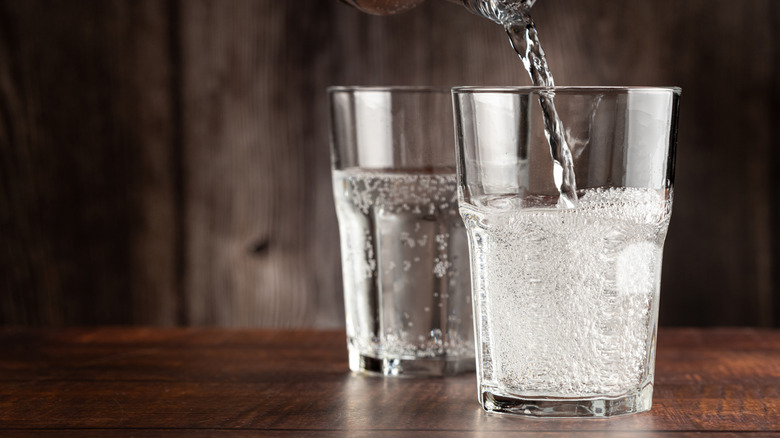
Ever looked at a plate of scrambled eggs and thought, "Hm, those could use more bubbles?" Well, maybe you should, because adding sparkling water to scrambled eggs makes for an extra-fluffy texture. Even if the addition sounds strange at first, it's a method that quite a few people swear by, from professional chefs to Meghan Markle.
The key is to use cold and (obviously) unflavored sparkling water. You only need about a tablespoon of seltzer for every two eggs you're cooking. If you add too much, you're going to end up with a potentially runny scramble. However, if you get it just right, the bubbles in the seltzer will expand as you heat the mixture, resulting in air pockets that turn into extra-fluffy cooked eggs. Do note that, while there are technically differences between the three products, seltzer, club soda, and sparkling water, can all work for this trick.
MSG
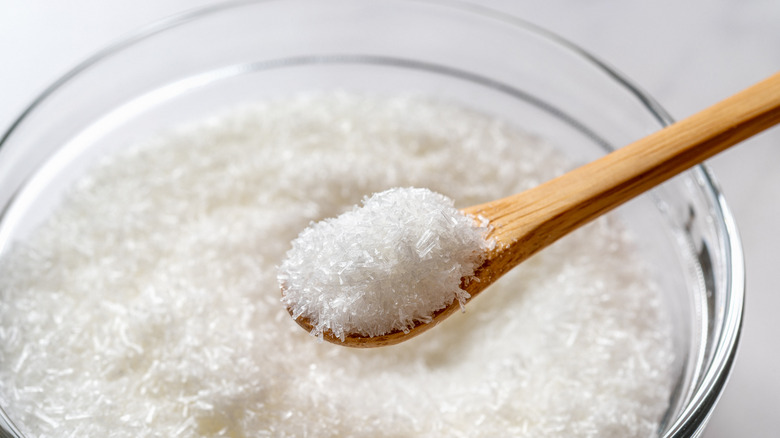
MSG had a bad rap there for a while. It all started in the 1960s, when a medical journal published some information calling into question what the writer called "Chinese restaurant syndrome." The theories presented had no scientific backing, but the damage was done, and consumers and brands began eschewing the MSG frequently used in Chinese cooking. Now, though, thankfully, the ingredient is making a comeback. The flavor enhancer, which is made from sodium and a naturally occurring nonessential amino acid, is being used in home kitchens and in fine dining restaurants alike, and the ingredient has been dubbed safe by the Federation of American Societies for Experimental Biology.
So, grab some of this underrated seasoning to take your scrambled eggs to the next level. Just mix your MSG with salt, 1 part MSG to 2 parts salt, and season your eggs like you might usually. You'll enjoy scrambled eggs that are umami-rich, and no one will ever be able to guess your secret ingredient.
Potato chips
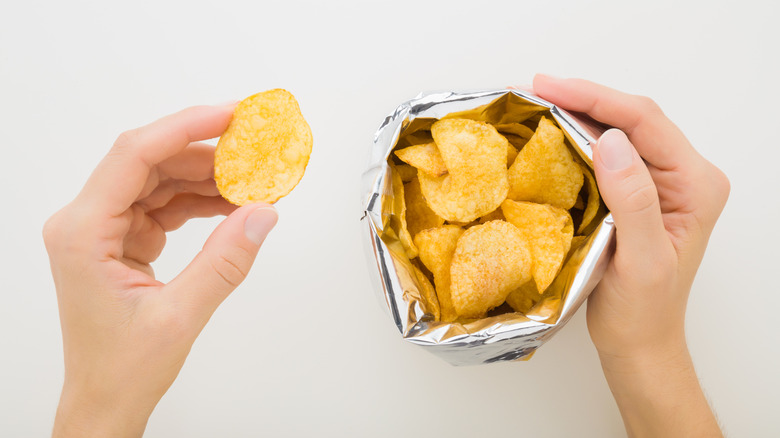
If you've ever tried to make the famous omelet from "The Bear", which simply features Boursin cheese and crushed potato chips as the main stars, then you already know that potato chips and eggs are a good combo. However, you don't need any culinary training or even the skills necessary to make a really good omelet to savor this flavor pairing.
The next time you make some scrambled eggs, dig through your snack stash and find some chips. Crush them up and add them to your eggs during the cooking process for a tasty, texture-heavy treat. You don't have to limit yourself to potato chips, either. You can add any crunchy snack, from Cheez-Its to corn chips, kettle cooked potato chips, to your favorite flavored crackers. Just note that if the addition is on the heftier side, like kettle-cooked potato chips, you might want to add them earlier in the cooking process. If, though, you're adding a normal potato chip, which is a little more delicate, hold off until you're almost done cooking the eggs, to ensure that the chips or crackers hold their texture and crunch.