

13 Major Food Recalls In 2026 That Have Us Wondering 'What Can We Eat?'
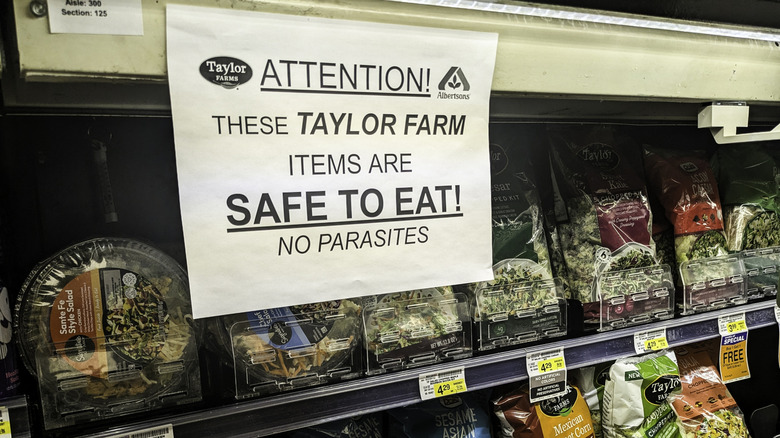
Eating is one of the most basic human functions, but even this seems complicated these days. Hardly a day goes by we're not hearing of some new food recall, meaning that if we make the wrong food choices they might be downright lethal, or at least highly unpleasant; like the lettuce-linked cyclospora outbreak that led to some pretty explosive outcomes. Since mid-July, over 10,000 people in 17 states have been affected by the diarrhea-inducing parasite spread by iceberg lettuce from Taylor Farms. Two people in Michigan have even died. The outbreak is winding down now, but the all-clear has yet to be sounded. (Until then, here are some things you can cook if you're worried about cyclospora.)
Are food recalls more common these days? It's hard to say since at this point in 2026 we only have data from a little over half the year. To date, there have been 162 recalls in 2026, which is on pace to match the 320 recalls in 2025 (we're hoping the end-of-year total will fall well short of 2018's 398 recalls). Would a lower number mean that our food is getting safer, though? Maybe so, but it could also be due to a lack of regulation resulting in outbreaks going unreported. Whatever the situation, it pays to do due diligence before you go grocery shopping, and this list is intended to help fill you in on some of the more major recalls we've experienced so far. As they used to say in the classic cop show "Hill Street Blues," let's be careful out there.
Bad news berries
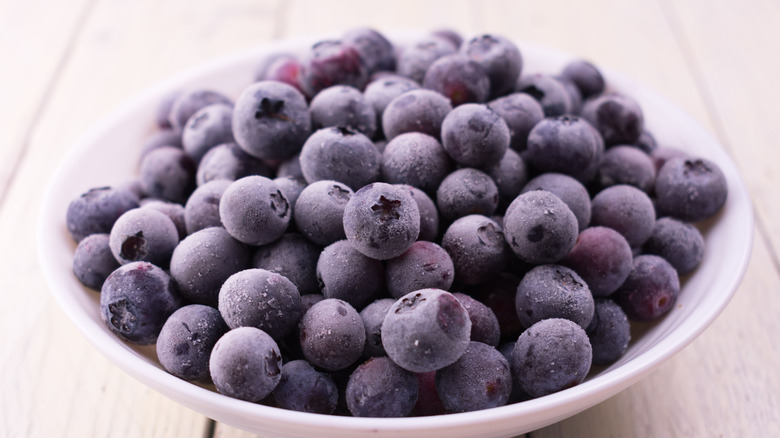
July 29 saw Publix pull four different frozen berry products from its shelves. These were all sold under the store's private GreenWise label, which is marketed as an eco-friendly line of goods. Unfortunately, the frozen whole blueberries and mixed berries (both the 10- and 48-ounce packages) were found to be E. coli-friendly too. There have been a dozen documented illness as a result of this outbreak, including four hospitalizations, so consumers are advised to return or throw away products that have UPC codes beginning with 41415 and ending with 06453, 06753, 12053, and 12153. At the time of writing, Publix still hasn't brought back the GreenWise frozen berries, but when they return you can be confident they will be E. coli-free.
Baleful beignets
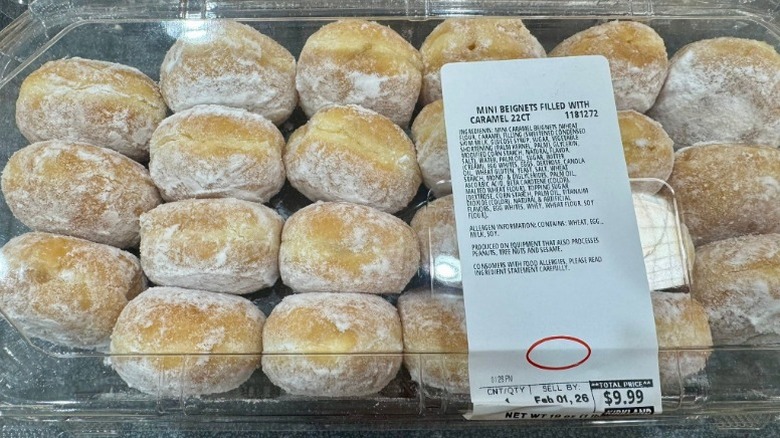
Costco is usually a pretty reliable source for baked goods bought in bulk, but it goofed up this past January when certain packages of Mini Beignets filled with Caramel were mislabeled. Some customers who bit into a beignet and found it filled with chocolate hazelnut may have been delighted, others disappointed, but anyone with a tree nut allergy may have been in serious danger. The retailer recalled the product in 22 states, but unless you have a package in your freezer it needn't concern you now. This item, like many Costco bakery finds, was a seasonal one. Currently, only Mini Beignets Filled with Chocolate Hazelnut (properly labeled this time) are available in the Costco bakery.
Chancy Costco cookies
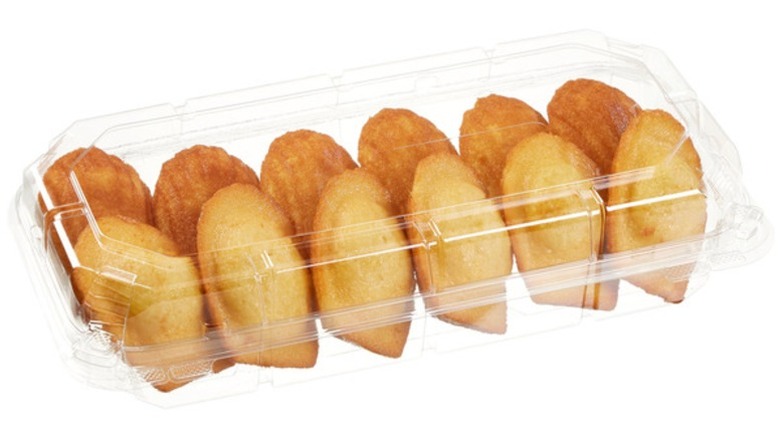
In early April, Costco was at it once again with another mislabeled product that also contained hazelnuts. This time it was the bakery madeleines that were recalled after they were sold as traditional when they were actually bundled together with madeleines that had a chocolate hazelnut filling. The latter contained both tree nuts and soy, and the packaging label failed to disclose either allergen. At present, the bakery doesn't feature any Kirkland-branded madeleines. Instead, the Costco warehouse stocks two different name brand products, one traditional and the other a chocolate hazelnut, but neither of these cookies have been linked to any recent recalls.
Endless egg issues
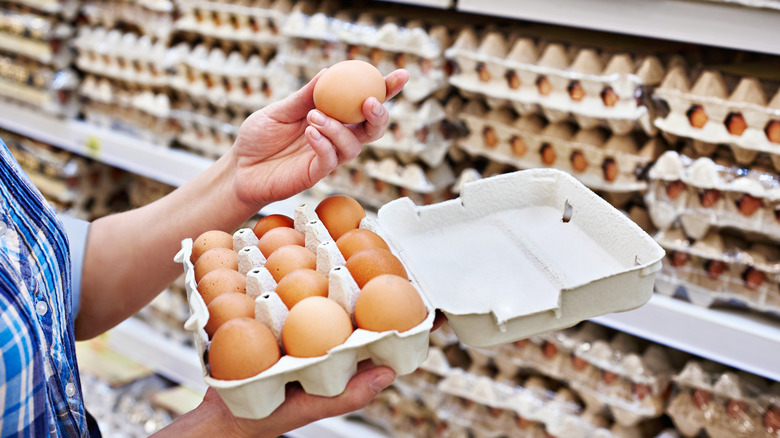
The incredible edible egg, as a marketing campaign once called it, has become an incredible pain in the rear in recent years. First it was soaring egg prices and grocery store shortages due to the avian flu outbreak (which is still ongoing), and now we have another egg-related emergency. Roughly 1.5 million eggs produced by Midwest Poultry Services may have been contaminated with salmonella and were recalled on July 22. Prior to the discovery, they were shipped to grocery stores in Louisiana, Oklahoma, Arkansas, New Mexico, Mississippi, and Texas and sold by Brookshire Grocery and Kroger. No known illnesses have resulted from the potential outbreak, but if there's a possibility you purchased such eggs check the carton for a code reading either P-1950 or -840962. If it has either of these, look to see if there's an additional three-digit date code that falls between 157 and 184. Only eggs with these designators are affected.
A fried rice fright
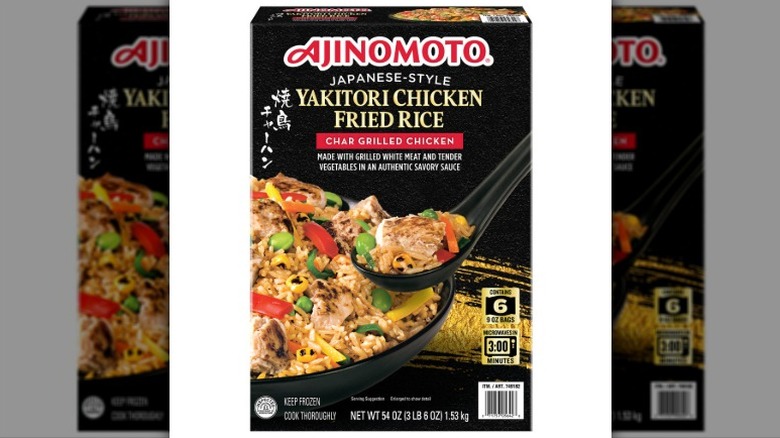
Back in February there was a frozen food recall that affected two major retailers. Ajinomoto Foods recalled its Yakitori Chicken with Japanese-Style Fried Rice, a product sold by Costco, as well as its Trader Joe's Chicken Fried Rice. (Yes, Trader Joe's outsources the manufacture of its fan-favorite chicken fried rice, a product we recommended boosting with adobo seasoning.) The reason for the recall was that multiple consumers reported finding glass in the product. It doesn't appear as if anyone has been injured, and six months later Costco once again carries the Ajimoto product, though Trader Joe's only lists the vegetable version on its website.
Fruit bars with foreign bodies
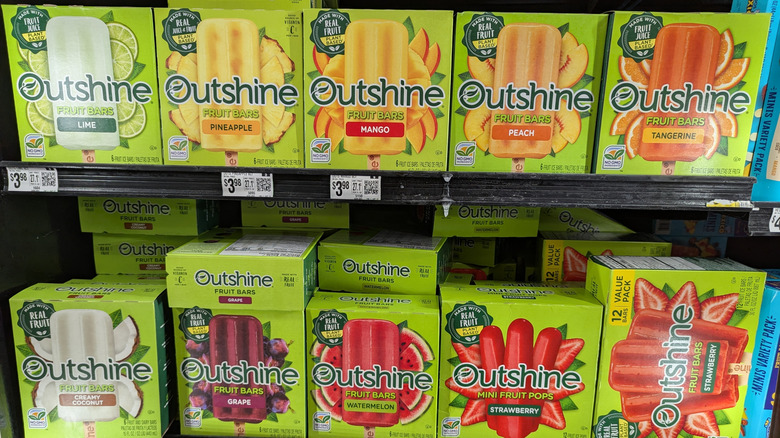
One of the more recent recalls also involves contamination by glass. On August 18, Dreyer's Grand Ice Cream disclosed that glass may have made its way into packages of Outshine Fruit Bars. Only certain flavors and package sizes have been affected, though. If you're in possession of a six-count box of Black Cherry, Grape, Strawberry, Tangerine, or Watermelon Outshine Fruit Bars, or else a 24-bar variety pack, you should take it back to the store. If the bars have been in your freezer a good long while they should be okay, as the recall only affects packages with best before dates between May 31 and November 30, 2027.
Metal-contaminated meatballs
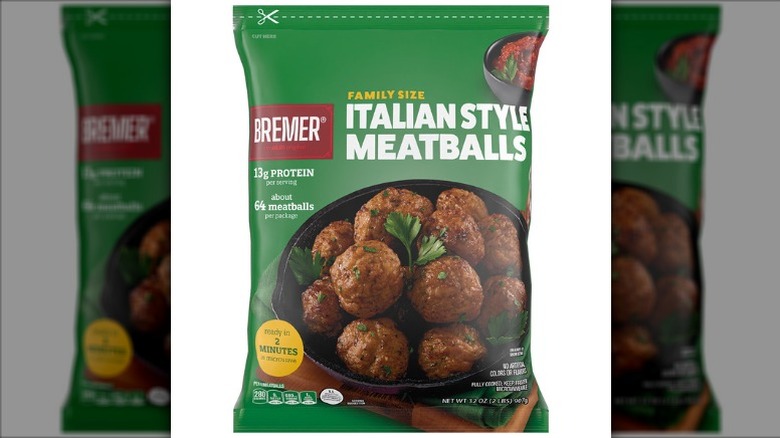
In a change from potentially glass-containing products, Aldi recalled frozen meatballs contaminated with metal a few months back. The February recall was for family-sized (32-ounce) packages of Bremer Italian Style Meatballs, a private label item produced by Rosina Food Products. One person said they detected bits of metal in their meatballs, but again no injuries were reported. Aldi is back to stocking this product, but if you have an older bag kicking around the freezer, check the best by date. The recalled meatballs are dated 10/30/2026 and time stamped between 17:08 and 18:20.
A misleading meat product
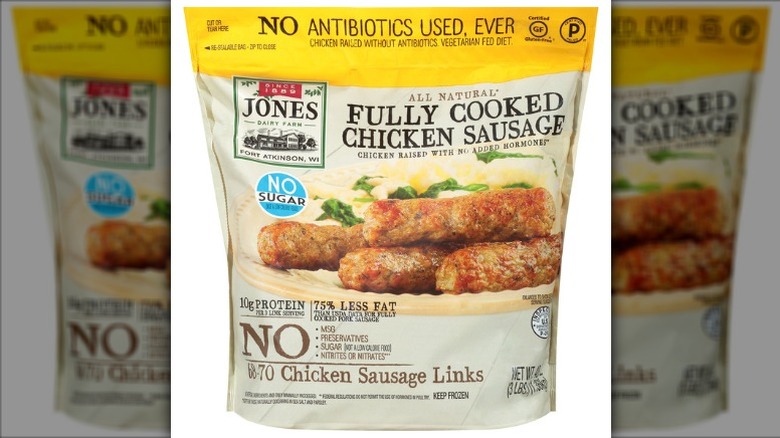
During the month of May, Costco sold sausages that may not have been as claimed. It's possible that some Jones Dairy Farm Chicken Sausage Links may have actually been pork, which is problematic for several reasons. Although pork allergies are rare, they do exist. What's more, numerous people do not eat pork for religious reasons and it would obviously be upsetting to them to consume the product inadvertently. Costco is once again selling the sausages since the only affected packages were ones with an April 29, 2027 use by date.
Potentially perilous peppers
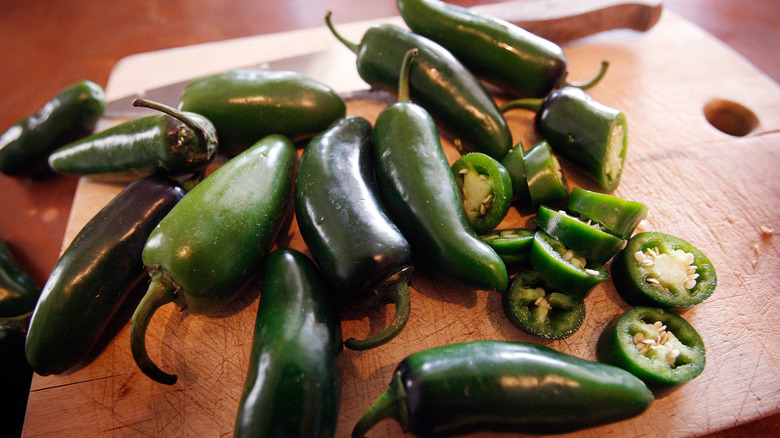
Just as we thought it was safe to enter the produce aisle again we got rocked by another vegetable recall. In early August, jalapeños were added to the naughty list after fresh ones grown by Coast Citrus Distributors were found to be contaminated with salmonella. To date over 400 people have become ill from eating them, and nearly 60 have required hospitalization. Many prepared products containing these peppers have been affected and you should definitely steer clear of any guac or salsa you bought from Whole Foods since that store has issued a voluntary recall of its products which contain Coast Citrus jalapeños, though its far from the only retailer affected.
Precarious peeled garlic
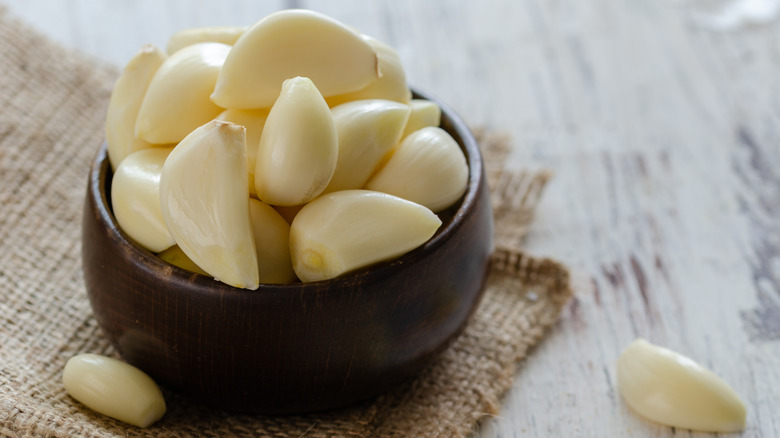
A spring recall of fresh garlic involved peeled cloves sold under the Christopher Ranch and Garland brand names. It was prompted by the product not being stored at the proper temperature, a condition that might have allowed the garlic to develop deadly botulinum spores. Luckily, the risk never materialized as no one was reported sickened by the garlic before it was pulled from the shelves. The recall was also fairly limited in scope, since only Tops Markets in the states of New York, Pennsylvania, and Vermont carried the affected items. Still, this unfortunate incident serves as a valuable lesson in proper garlic storage practices. Even though unpeeled garlic is okay at room temperature, peeled cloves need to be refrigerated.
Sickening milk products
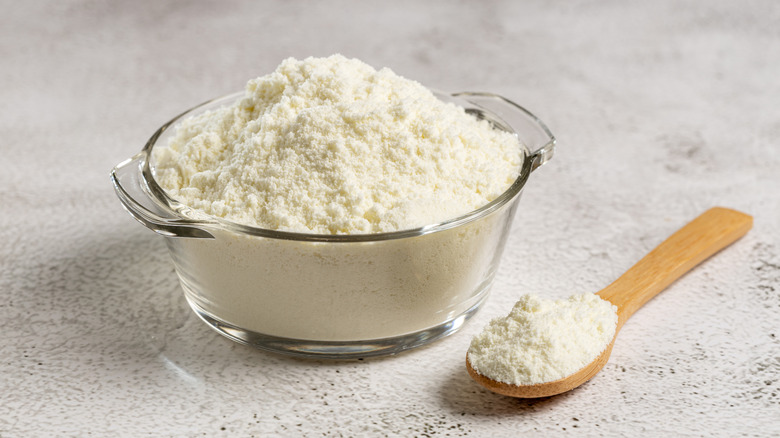
Another spring recall involved powdered milk and buttermilk, and had fairly wide-reaching effects. California Dairies produced and supplied the potentially salmonella-contaminated dairy products to a number of food and beverage companies. The discovery of the outbreak led to a recall on April 20 which was followed by subsequent recalls of numerous other products, including smoothie powder, cheese curds, seasonings, potato chips, and Motor City Pizza Co. Cheese Bread, which is a popular pizza product sold at Walmart and Costco.
Suspicious sourdough
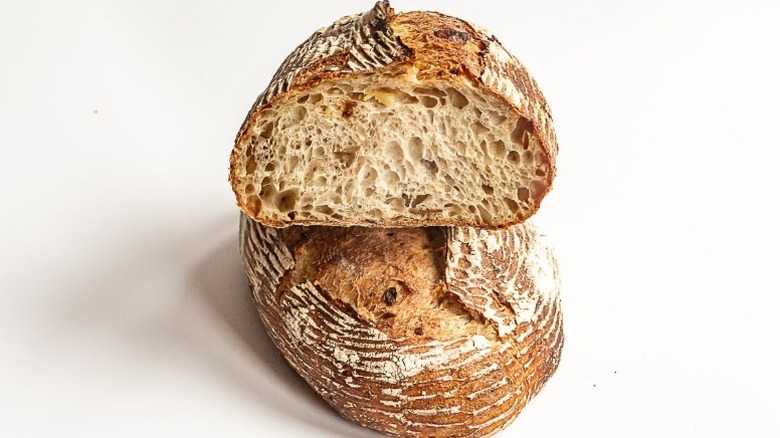
Grand Central Bakery is a local chain in the Northwest that operates several cafés and supplies baked goods to retailers, including Whole Foods and Fred Meyer. The bakery issued a recall after making a bad batch of potato sourdough bread in early August. It wasn't that the bread didn't rise, nor did the loaves burn in the oven. Instead, something far more hazardous may have happened: Bits of metal might have made their way into the batter. The recall resulted from a pallet nail being discovered in one of the loaves, but the affected loaves would be seriously stale now and Grand Central Bakery Cafe is back to selling its potato sourdough potato bread, so any possible issues with equipment seem to have been addressed.
Troublesome tomato soup
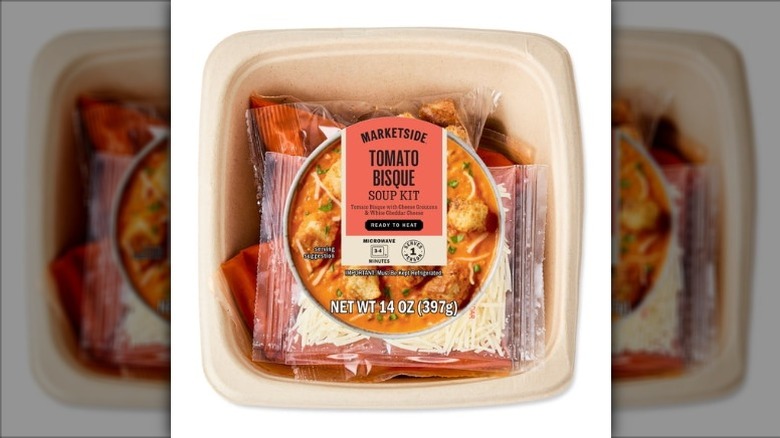
Marketside Ready to Heat Tomato Bisque Soup Kit Bowl is a popular Walmart grocery item with a 4.2-star rating. In addition to creamy soup in a microwaveable bowl, the kit comes with shredded cheddar and cheddar croutons, but one recent lot might have included a side of Listeria as well. At best, the bacteria might cause a nasty bout of diarrhea, but for anyone that's immune-compromised it can lead to potentially life-threatening symptoms. The affected soup kits were placed in stores between June 30 and July 7, but the recall didn't go into effect until August 12. If you think you might have purchased the product within that time frame, check the use-by date. If it says 08/22/26, take the soup back to the store for a refund.