

5 Foods To Skip During The 'Diarrhea Parasite' Surge, And 5 That Might Be Safe
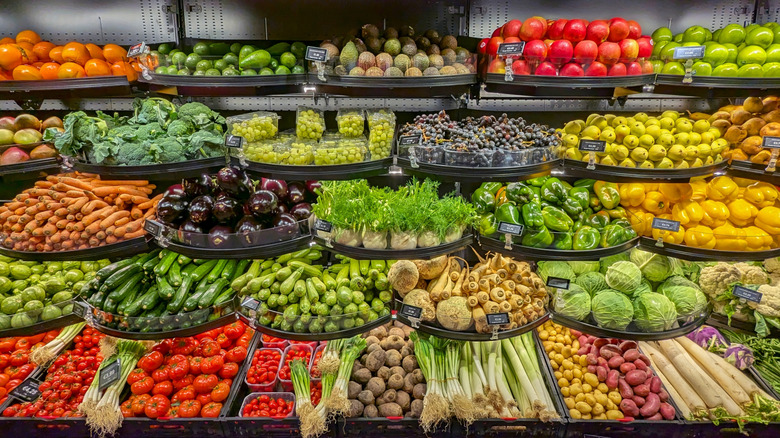
We are a food-motivated culture. Everyone enjoys eating a delicious brunch among friends, a meal at home with the family, or a romantic dinner out with someone special. We use food for enjoyment, celebration, gathering, and reward, but when our food turns against us, all bets are off. It's all fun and games until someone gets a case of the runs. Nothing kills the romance like explosive diarrhea.
Unfortunately, the United States is finding itself in a bit of a love-hate relationship with food due to the current cyclosporiasis outbreak. Cyclosporiasis is an illness caused by the microscopic parasite cyclospora, which gets in our food and water. When we consume it, we come down with symptoms such as nausea, fatigue, bloating, and, especially, watery diarrhea — so much so that the source of the illness is being called the "explosive diarrhea parasite." Since May 1, there have been 1,645 confirmed cases and more than 5,100 reported cases that have not yet been fully verified, according to data released by the Centers for Disease Control and Prevention on July 14, 2026.
If you're wondering which foods are safe to eat and which you shouldn't touch for all the Pepto-Bismol in the world, this list can help. Here are five foods deemed good-to-go and five better left alone.
Skip: Bagged salad kits
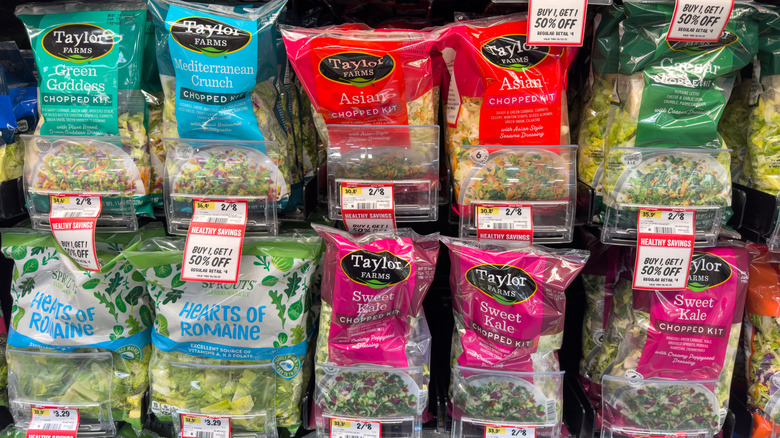
It's great to cut corners with a ready-made salad kit, but the time you'd save in whipping up that easy dinner, you'll lose later when you're spending hours on the toilet. Unfortunately, bagged salad kits have been identified as a possible cause of cyclosporiasis outbreaks, so steer clear. No Southwest chopped or avocado Caesar salad is worth it. Your bowels will thank you.
Safe: Bananas
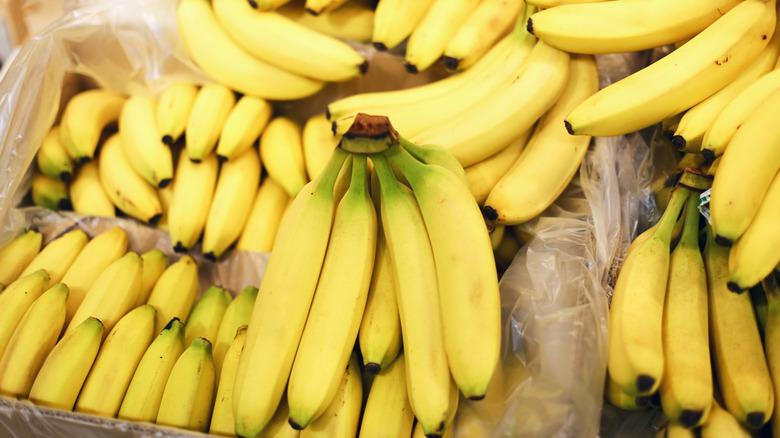
Bananas are considered safe because their peel acts like a shield against cyclospora. Think of the peel like a fortress around the inner banana, and no little buggers are going to be able to storm that castle. But if you're still concerned and want to be extra cautious, go ahead and start rinsing your bananas, too.
Skip: Bagged lettuce
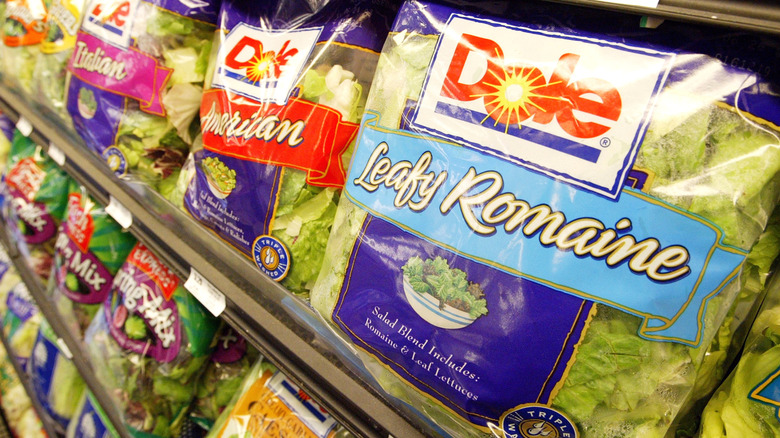
In the same realm as salad kits, bagged lettuce is not the way to go in the midst of a cyclospora outbreak. More than 2,600 people have come down with cyclosporiasis in the state of Michigan alone (per Detroit News). Following an investigation, officials have come to believe that the source of the parasite was lettuce. So much for eating your greens!
This may be due, in part, to the parasite being introduced in facilities where the lettuce is processed and packaged. For that reason, experts are recommending using whole heads of lettuce for your salads, but only after removing the first few outer layers of lettuce that may have been exposed and washing the rest in clean water.
Safe: Whole melons
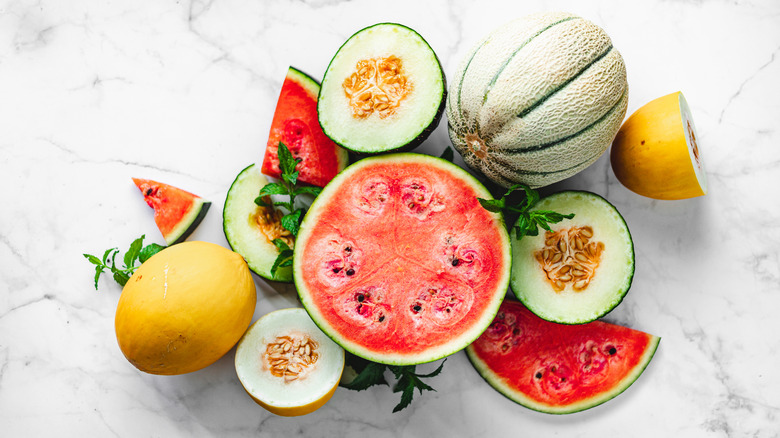
Like bananas, melons also have built-in protection from cyclospora, as long as you're using whole, unpeeled ones that you cut up yourself. Their outer rind keeps out all the riffraff and unwanted guests. However, because parasites can get as far as that rind and may try to gather there, be sure to wash your fruit first, as well as the knife you use to cut into it, so you don't risk bringing anything bad from the outside in. Discard the rind once removed.
Skip: Berries
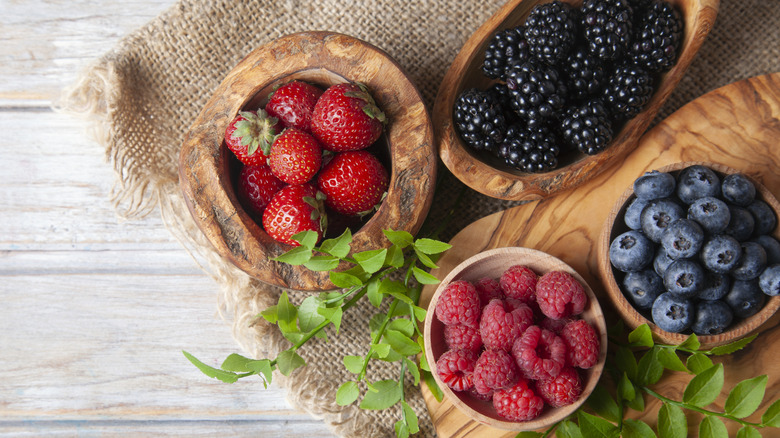
Berries, especially unwashed ones, have long been linked to cyclosporiasis. In fact, previous outbreaks were caused by raspberries — and this may be because it's awfully hard to scrub a raspberry. All signs point to washed fruit being better, though it's best not to take any chances. But keep in mind that rinsing fruit likely isn't enough to get rid of the diarrhea-inducing microorganisms, though it's still strongly recommended.
Safe: Avocados
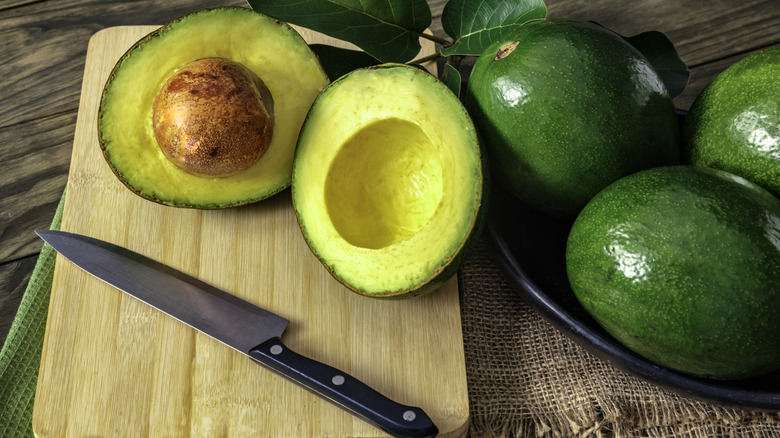
Avocados are another food with some natural defense against cyclospora. The peel is the barrier between the outside world, where parasites run free, and the edible portion within. Even if cyclospora make it as far as the peel, they're far less likely to reach the good stuff inside that you're going to eat — and that means no explosive diarrhea in your future. Once your rock-hard avocados are ripe and ready to use, just remember to wash them and keep your hands and anything else that might touch the fruit (like cutting boards and knives) clean so they don't end up contaminating the food.
Skip: Fresh herbs
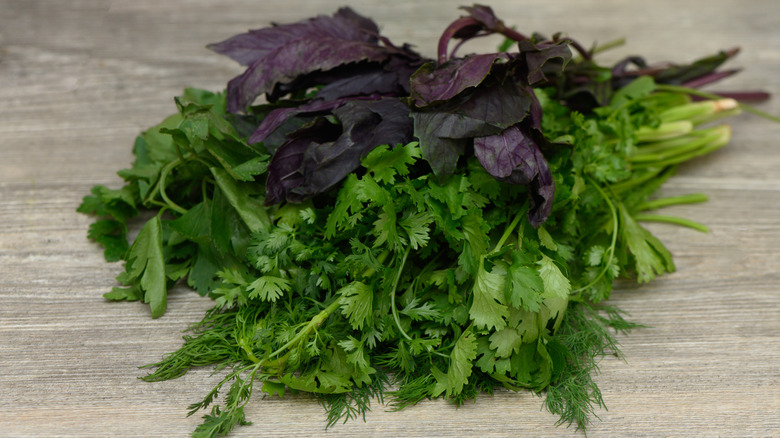
Herbs such as basil and cilantro have been pinpointed as the culprits in past cyclosporiasis outbreaks, so err on the side of caution and avoid them now. While none of the current cases of this unpleasant outbreak have yet to be directly linked to these herbs, tests are still being done, and other foods may still be infected. If history is going to repeat itself, this is history you want nothing to do with.
Safe: Canned or frozen fruits and vegetables
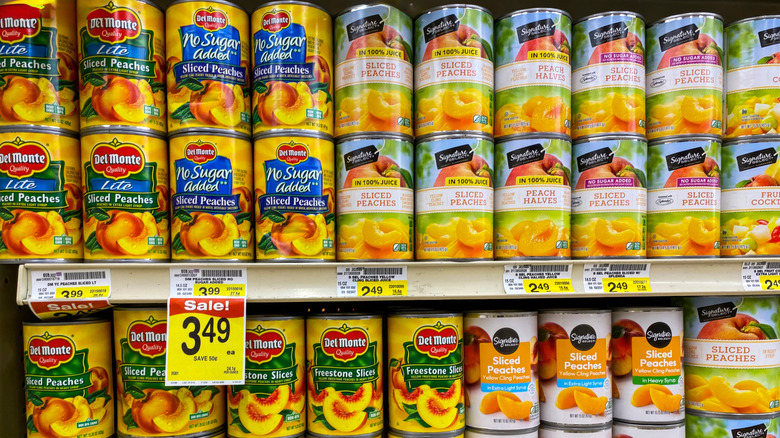
Can't imagine life without berries in your smoothie or basil pesto on your pasta? You don't have to forgo "unsafe" foods entirely while cyclospora runs rampant, but you may want to consider other sources and forms of the same ingredients. Opt for canned, jarred, or frozen variants of those risky foods that are on the Diarrhea VIP List. You'll still be able to make almost all your recipes — like this impossibly easy canned fruit sorbet — without worrying that those meals will come out the other end.
Skip: Snow peas
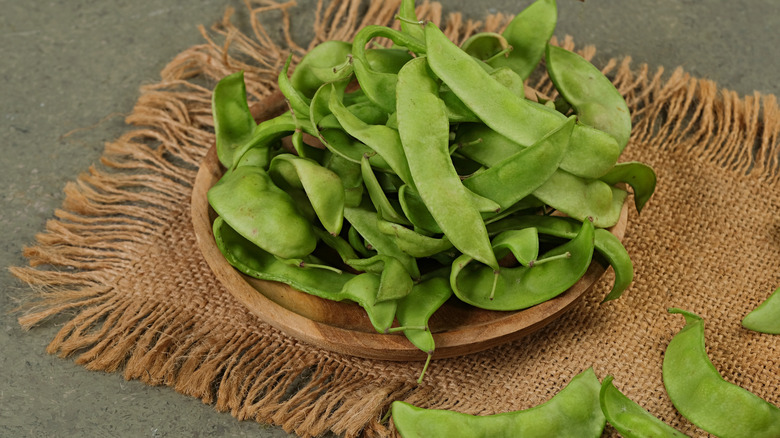
Yet another food that caused past cyclosporiasis problems, snow peas are simply not worth the risk. One of the problems with this vegetable is that people often eat them raw, dunking them in hummus or other dips, and that equals a much higher risk of cyclospora being dipped and eaten as well.
If you can't live without them, there are many good recipes for cooked ones. And if you absolutely must eat snow peas raw, try washing them under running water while rubbing them to get some of those parasitic critters off. That said, if it comes down to avoiding snow peas or avoiding explosive diarrhea, the choice seems like a no-brainer.
Safe: Cooked fruits and vegetables
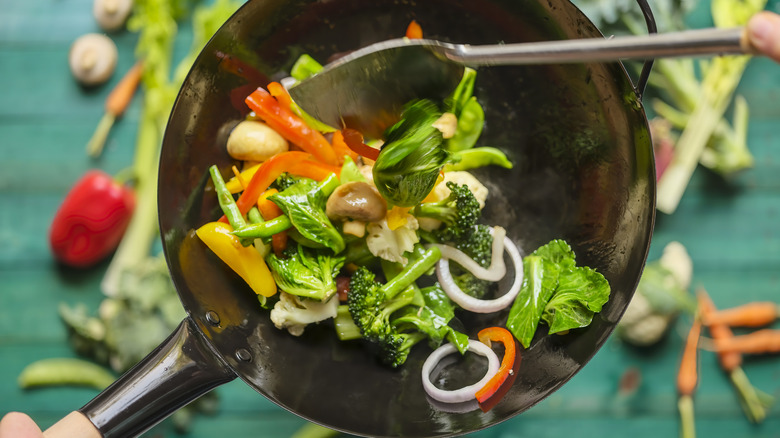
What does it take to kill a cyclospora parasite? About 158 degrees Fahrenheit of heat, for one. That means that whatever food you put in the oven or on the burner before cranking up the heat is almost guaranteed not to bring about an unpleasant result — at least not where cyclospora is concerned. Now is a good time to take a hiatus from that raw diet and cook anything and everything that might be at risk of parasitic invasion.