

11 Best Ways To Keep Chicken From Drying Out
We may receive a commission on purchases made from links.
If the chicken you make at home always comes out dry, it's because you don't know how to prepare it properly — that's the pure and simple truth. From the specific cuts you select to the steps you take before cooking to how you treat the meat after it comes off the heat, there are many strategies for ensuring the bird doesn't dry out.
If you know what you are doing, even a boneless, skinless unmarinated chicken breast can come out tender and juicy. If that's your cut of choice, many of these tips will help you make that happen. A lot of cooking methods can (and should) be used in conjunction, but even utilizing just one of any of the simple strategies in this list will significantly improve your chances of never eating dry chicken again. Once you crack the code, you won't even be tempted by store-bought rotisserie chickens anymore.
1. Buy dark meat chicken
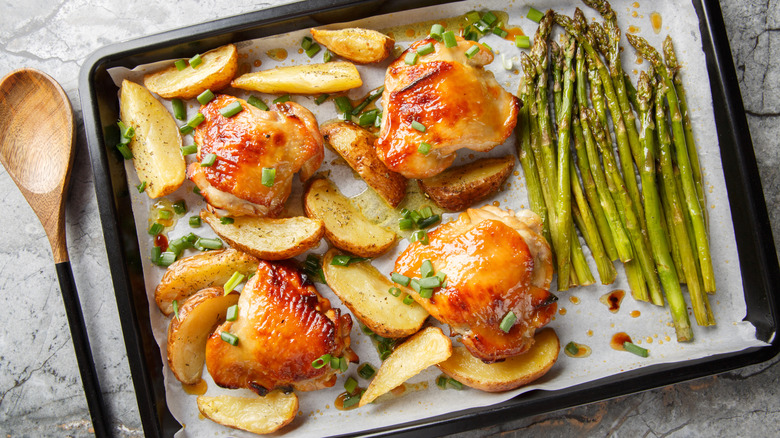
The legs and thighs of the chicken are the main cuts of dark meat. As you would imagine, these muscles get a lot of sustained action as the bird moves around. That means they need more fat storage and blood flow, the latter of which is facilitated by a protein called myoglobin — this is what gives these cuts a darker hue compared to breast pieces.
You, dear home cook, should care about muscle movement and fat because that translates to flavor and richness. If you struggle to make succulent chicken, simply purchasing legs and thighs is getting you well on your way to a tasty final product, since dark meat chicken really does taste better. It is seriously difficult for these cuts to come out dry from overcooking, and even with basic seasonings, the meat itself is more flavorful and moist than white cuts. Sear, bake, grill, or stew them — they are incredibly versatile. As a bonus, whole legs, thighs, and drumsticks tend to be cheaper than breast pieces, so if you're worried about messing up your meal, you don't have to put too much cash on the line.
2. Choose bone-in skin-on cuts
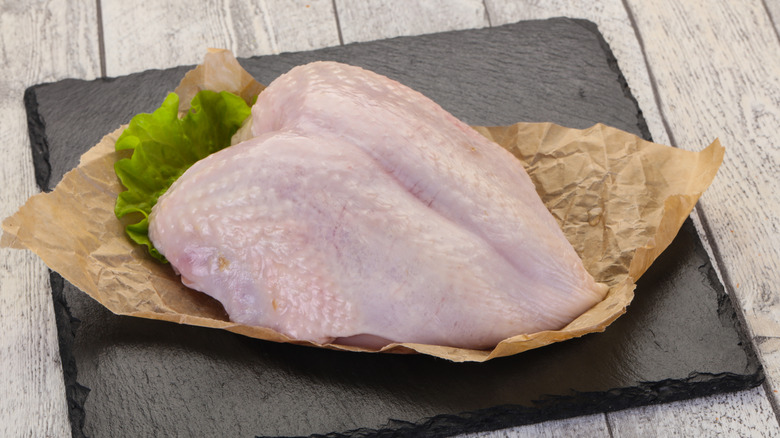
Opting for cuts that keep the bone intact and leave the skin on is another way to protect yourself from dry chicken from the very start. This is also a great strategy if you prefer the lighter taste of breast meat but still want a succulent bite. If you're one of those people who get squeamish about the bones, it's time to move on — at least if you're hoping for great chicken in your future.
Essentially, keeping the bones in slows down the cooking process, which is a good thing. The bone helps distribute the heat evenly throughout the entire cut, cooking the meat through without the outer layers getting too dry. The bone also adds flavor from the inside out, especially in slow-cooked methods. The skin too adds a layer of protection ... literally. It provides a barrier between the heat source and the meat, which is especially helpful in high-heat preparations such as grilling or broiling. As the chicken cooks, the fat from the skin starts to render, basting the chicken in the process — that's all moisture and flavor right there.
3. Dry brine it
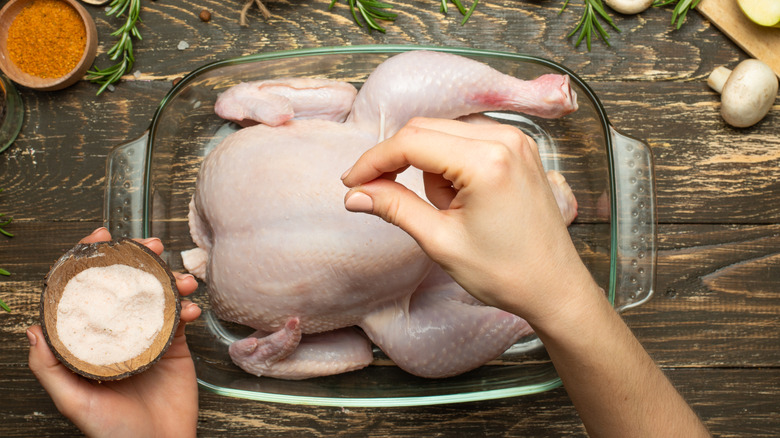
A dry-brined chicken breast is a revelation. Expect juicy, flavorful, delectable meat ... seriously. Letting a bone-in, skin-on, dark meat cut sit in a dry brine is a triple threat — it would be shocking to end up with dry chicken if you use all three of these strategies. However, even a boneless skinless chicken breast can be sumptuous and moist with a dry brine.
At its most basic, dry brining requires nothing more than salt, though you can incorporate sugar and spices, as well. Pat the meat dry, generously sprinkle it with coarse salt (about 1 teaspoon per pound), and let it sit for a few hours or up to a full 24-hours. The amount of time depends on the size and specifications of the cut, with whole birds and bone-in, skin-on pieces requiring longer than a tenderloin, for example. However, even just 30 minutes of a dry brine can work some magic.
Here's the science: Salt starts to pull moisture out of the chicken by way of osmosis, which dissolves the granules and coats the meat in a highly concentrated solution. That salt water then gets reabsorbed via diffusion, literally seasoning from the inside. The sodium impacts the structure of the proteins, which encourages the chicken to hold onto moisture. For best results, place the chicken on a wire rack-lined sheet pan so that air can move around the whole piece — this dries out the skin, which is essential for future crispiness. It's also important to thoroughly pat the meat dry before cooking.
4. Marinate it in buttermilk
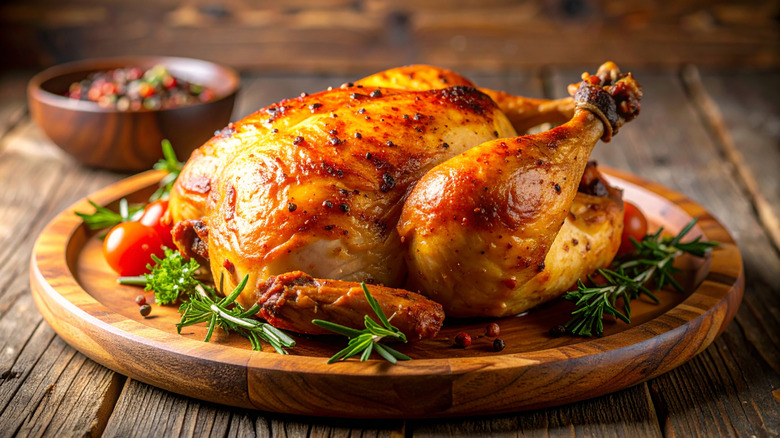
Chef Samin Nosrat, author of "Salt, Fat, Acid, Heat," popularized a chicken treatment that sounds almost too good to be true. It's nearly as simple as the aforementioned straight-up salt brine but includes one more ingredient: buttermilk. Her iconic recipe is for a whole roasted chicken, but she borrowed the technique from classic fried chicken recipes from the South that call for an overnight buttermilk marinade.
Salt does what salt does (seasoning, changing the structure of the proteins, etc.), while tangy buttermilk does an excellent job of tenderizing the meat. Between the sodium and the dairy, it's a double whammy insurance policy against dry poultry. The buttermilk also has natural sugars that caramelize when roasted, leading to the glassy, crisp, deeply browned skin you'd expect from the best rotisserie chicken. Of course, feel free to keep it traditional and make buttermilk-marinated fried chicken, or use the same technique to whip up the juiciest chicken nuggets.
5. Tenderize it with a mallet
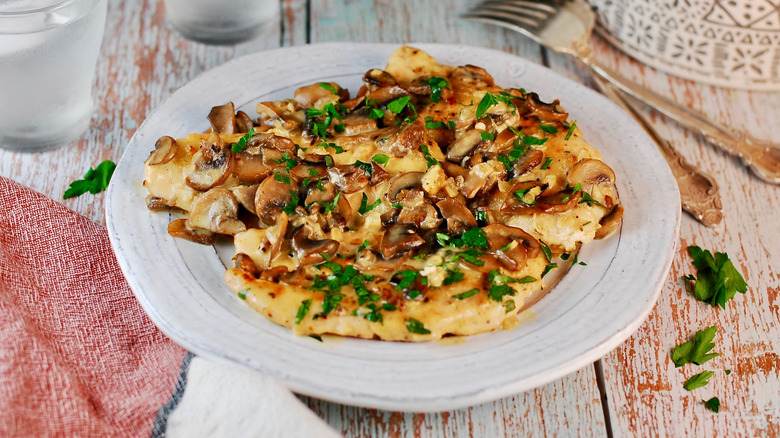
If you're not here for all the skin and bones and you don't have time to spend brining and marinating, we hear you. There are other solutions. Call it a cutlet, milanesa, scaloppine, or katsu, cultures from around the world have figured out how to turn lean, relatively tough cuts of meat into tender and delicious meals. Rather than relying on biology or chemistry to prevent dry chicken here, we're turning to physics. Tenderizing chicken with a mallet physically breaks down the fibers of the muscle, making the cooked meat more tender. It also evens out the thickness so that the whole piece cooks quickly and at the same rate, further protecting against dryness.
In this case, boneless, skinless chicken breasts or thighs are the way to go. Grab a meat mallet (or a rolling pin, frying pan, heavy can, or bottle of wine, for that matter) and get to pounding. To avoid accidentally sending bits of raw poultry flying around your kitchen, it's best to cover the cuts in a layer of plastic wrap or parchment paper or put them inside a heavy-duty plastic bag. If you are using a meat mallet, opt for the flat side since the toothed end can tear up delicate chicken. From there, dredge the pounded chicken pieces in flour, pan-sear, and cover them in mushroom sauce to make savory chicken Marsala. Alternatively, go through a three-step breading process (flour, egg, and breadcrumbs) to make any number of versions of a fried chicken cutlet.
6. Cook it in the slow cooker
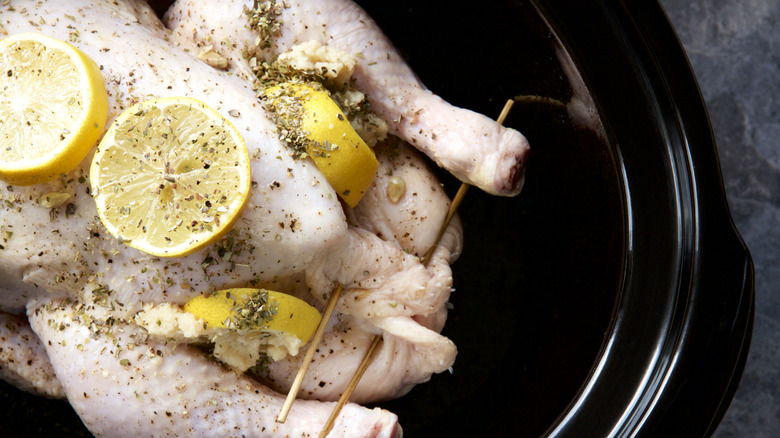
By definition a slow cooker is, well, slow. While you do have to plan ahead, the results are well worth it. The preparation times for slow cooker-friendly recipes are often only a few minutes, so you can literally set it and forget it as the chicken simmers away overnight or while you're at work.
By cooking chicken at a low temperature over a long period of time, the muscle fibers are able to break down. The electric device is sealed with a lid, so steam and resulting condensation (in other words, moisture) are trapped, which yields moist chicken. This is a very forgiving cooking method, so feel free to use whichever poultry parts you got on sale. There are a million recipes out there using practically any cut of chicken and a wide variety of sauces and seasonings.
Cover a whole bird or pieces of chicken in water or broth along with your favorite soup veggies, like carrots, celery, onions, and potatoes. After a few hours, shred the chicken and toss in some cooked egg noodles for a classic and comforting bowl of chicken noodle soup. With tomatoes (canned or fresh) and chipotles in adobo sauce, you can make spicy shredded chicken that's perfect for tacos and burritos, or cook down chicken in soy sauce, garlic, ginger, honey, and rice vinegar for a protein that's delicious served in lettuce cups or over steamed rice.
7. Braise it
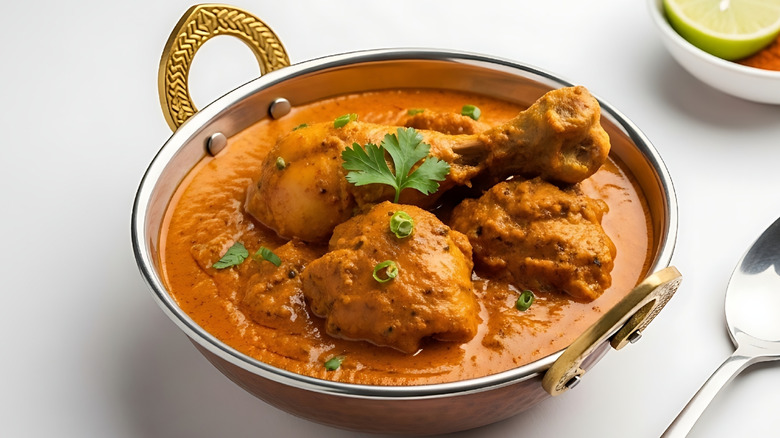
Braising also utilizes low temperatures and a longer cooking time to achieve tender results. It sounds fancy, but if you've made a stew or chili, you've already done it. The benefit that a braise has over a slow cooker is that you can sear the chicken first, which adds deep flavor. From there, set the partially cooked meat aside while you saute aromatics in the rendered chicken fat.
Then, you should deglaze the pan by adding liquid to scrape up all those delicious brown bits. Technically, you can just use water or broth, but this is also a great opportunity to add another layer of flavor. Don't throw out old wine — use it for braising instead, or opt for juice, beer, vinegar, or even the brine from pickles or jarred hot peppers. From there, add more water or stock, turn down the heat, pop those pieces of chicken back in the pan (along with hearty vegetables like carrots, potatoes, or cabbage), and let it simmer away until the sauce is reduced and the chicken is tender.
An Indian-style curry is another great reason to braise. After searing the chicken and deeply browning garlic, onion, and ginger (as well as blooming spices such as cumin, coriander, and turmeric), use pureed tomatoes for the bulk of the liquid and to deglaze the pan. The meat simmers in the aromatic sauce until tender, and a sprinkle of garam masala at the very end brings delectable sweet and warming aromas. Many recipes also call for marinating the chicken in yogurt as a first step, which works similarly to the aforementioned buttermilk trick.
8. Poach it
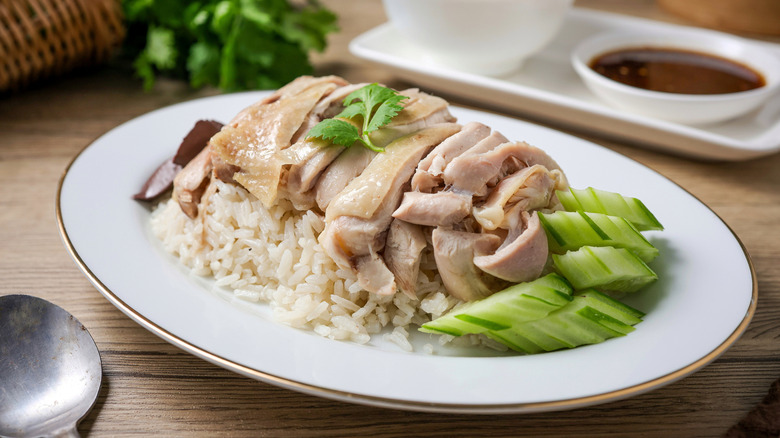
You can poach more than just eggs; your chicken is begging to be cooked this way. The gentle cooking method is especially well-suited for delicate boneless, skinless chicken breasts. There are a number of different ways to poach chicken, but all call for submerging the chicken in a cooking liquid that's not quite as hot as a simmer.
Season the water generously with salt at a minimum, but feel free to add tender herbs (cilantro, parsley, or Thai basil, for example), fresh citrus, alliums, or whole spices like black peppercorns or bay leaves. Some techniques call for placing the raw chicken in cold water before bringing it all up to temperature together. Other recipes boil the water first before adding the chicken, and then require you to cover the pan and cut the heat until the meat is cooked through.
Either way, you'll end up with chicken that is impossibly tender, well-seasoned, and chickeny — it's what makes Hainanese chicken rice so dang good. Meat cooked this way is great when topping off salads or rice bowls. You can also arrange it over a bowl of cooked noodles before finishing with chicken broth, a spoonful of the best chili crisp, and lots of thinly sliced scallions.
Because poaching cooks chicken very gently, if you don't do it right, the meat can end up undercooked. Pick a trusted recipe and follow it exactly.
9. Use a meat thermometer
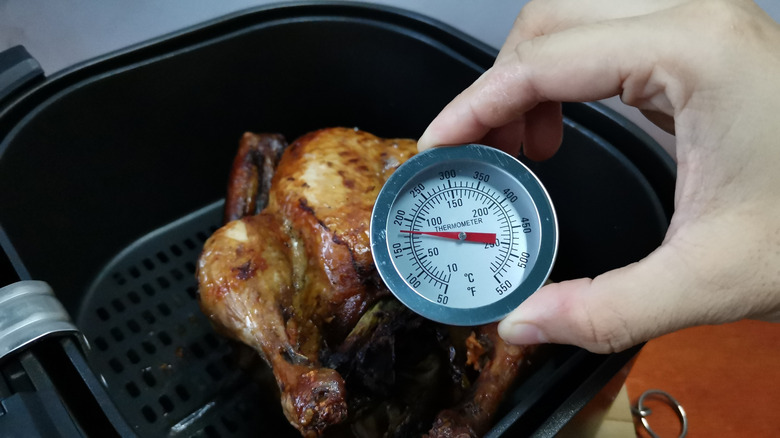
Speaking of properly cooked chicken, you don't have to be a professional to figure out how it's done. A meat thermometer is your secret weapon. Often, folks end up overcooking chicken because they are scared of serving raw meat, but then they overcorrect. An instant-read digital thermometer, like this one from TempPro, allows you to quickly and accurately check the chicken's doneness. Stick the probe into the thickest part of the muscle and pull it out slowly — the lowest number you see is the doneness of the meat.
According to the USDA, the safe temperature for poultry is 165 degrees Fahrenheit. This is true, but it's not the only way to ensure your chicken is safe to eat. Killing all the bacteria requires a combination of temperature and time. By maintaining the chicken at a lower temperature over a longer duration, it will be just as safe as briefly bringing it up to a higher temperature.
For example, for poaching breasts, you'll likely want to hold the chicken at 150 degrees Fahrenheit, but it will need to stay at that temperature for at least three minutes to be safe to eat. For fattier cuts, you'll need to increase the holding time.
10. Allow the chicken to rest
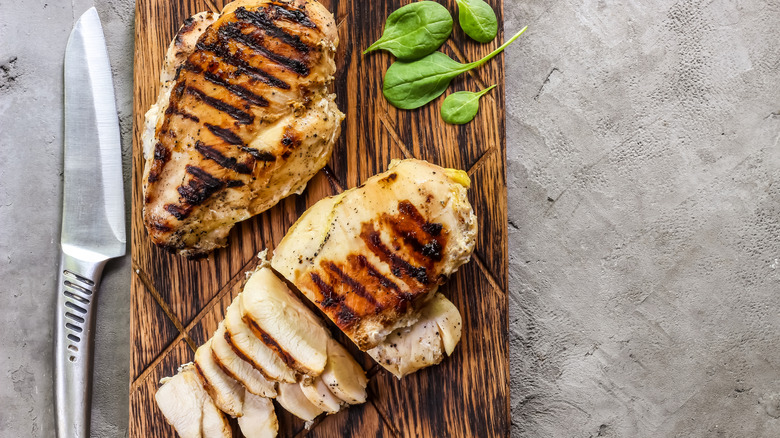
You may understand that it's necessary to rest steaks every time, but did you know that the same is true for chicken? Just like with beef and pork, the chicken's natural juices need some time to redistribute throughout the muscle. Otherwise, when you cut into it, all that moisture will come rushing out, leaving you with bland, tough, stringy meat. The reason chicken breasts made using the simple 3-2-1 rule are so juicy is because that method accounts for a resting period. With other cooking techniques, you really won't need longer than a five-minute rest after the chicken comes off the heat.
Resting allows for carryover cooking too, so use a meat thermometer to help you out. Try removing the chicken from the pan, oven, or grill when it barely reaches 160 degrees Fahrenheit. After five minutes, check it again to see that it hit 165 degrees Fahrenheit. If you pull the chicken when it's already at your goal temperature, it will be overcooked by the time it finishes resting.
11. Serve it with a sauce
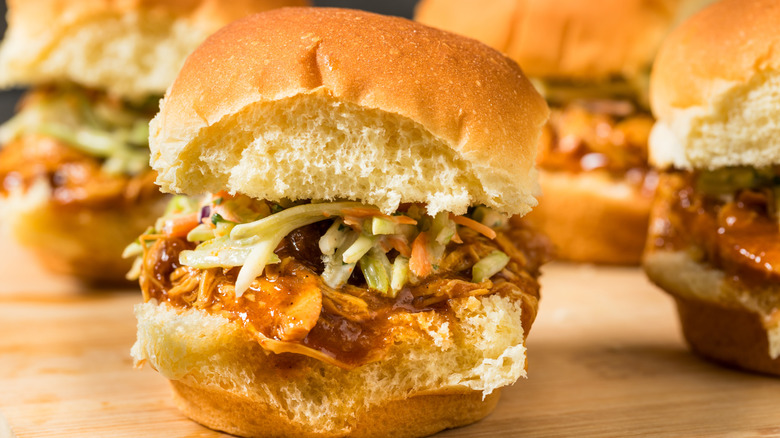
Sometimes accidents happen. You got distracted, you forgot to set a timer, or you misread a recipe, and now you're stuck with dry chicken. You can save it with a sauce. A creamy, mayo-based chicken salad is a tried-and-true dish that will salvage parched chicken. Go for recipes that incorporate moisture-rich additions, like sweeter chicken salad with canned fruit, or add in mashed avocado, tangy Greek yogurt, grated cucumber, or halved grapes.
Another idea is to toss cooked chicken with your favorite ready-made condiment, like popular store-bought barbecue sauces, buffalo sauce, or salad dressings. Saucy chicken like this is great in sliders, bowls, and burritos.
Add pieces of dry chicken to pasta sauces, vegetarian chili, soups, and stews. The key here is to heat the meat until it is just warmed through — since it's already overcooked, letting it go for longer won't help the situation. Extra cooked veggies or beans can distract from a less-than-ideal protein texture, and serving saucy repurposed chicken with something soft like mashed potatoes, polenta, or roasted sweet potatoes adds overall creaminess. As long as the sauce is tasty, you'll hardly notice that the chicken could have been better.