

14 Popular Brands Kraft-Heinz Actually Owns
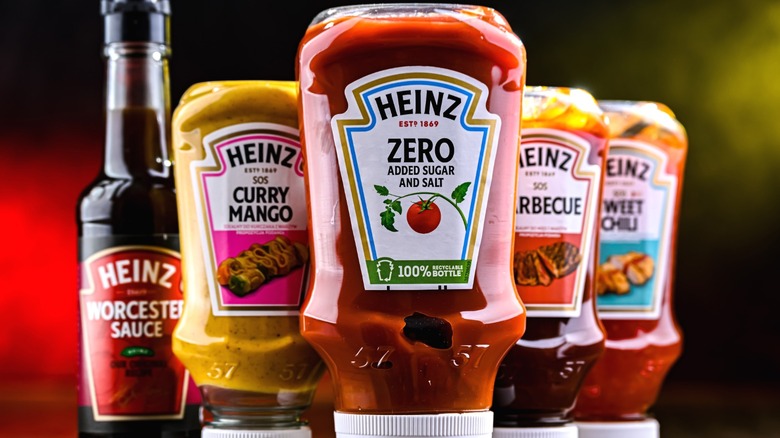
In 1903, a Canadian-American businessman named James Lewis Kraft started a wholesale cheese delivery business in Chicago. A few decades earlier, in 1869, a Pennsylvania man named Henry John Heinz began to sell horseradish, and his business expanded a few years later to include ketchup. Fast forward to today and Kraft Heinz is one of the largest food companies in the world. It was born from a merger between these two giant businesses, and as is often the case with food conglomerates, they own certain brands you may or may not expect them to own.
Just like Nestlé (which owns a number of non-chocolate brands) and PepsiCo (which sells much more than soda), Kraft Heinz's portfolio extends well beyond cheese and condiments. Lunchtime favorites, sweet fruit juices, and hearty potatoes can all be found among Kraft Heinz's brands — although we suppose that at least some of these can be enriched by Heinz ketchup or a generous sprinkle of Kraft shredded cheese. (Maybe not the coffee or chocolate, though.)
Oscar Mayer
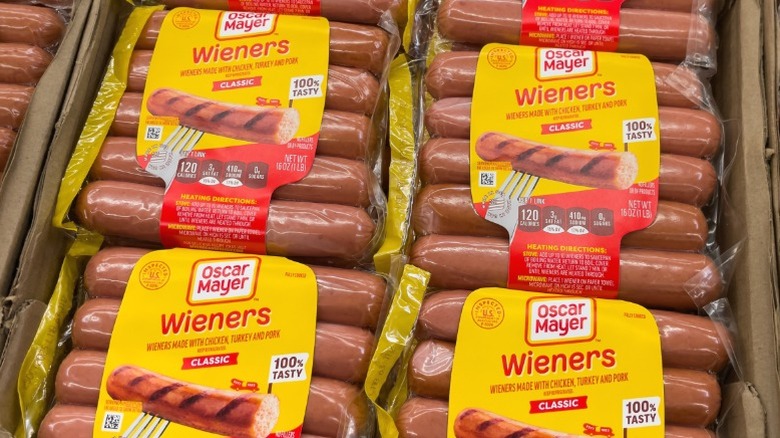
Whether or not you wish you were an Oscar Mayer wiener, you've doubtless enjoyed its products. If not its hot dogs, then certainly its assortment of lunch meats ranging from bologna to Braunschweiger (a kind of liver sausage). Born from a 19th century meat market in Chicago, the company stayed in the Mayer family for over a century before being sold to General Foods in 1981, which then merged with Kraft in 1989.
Velveeta
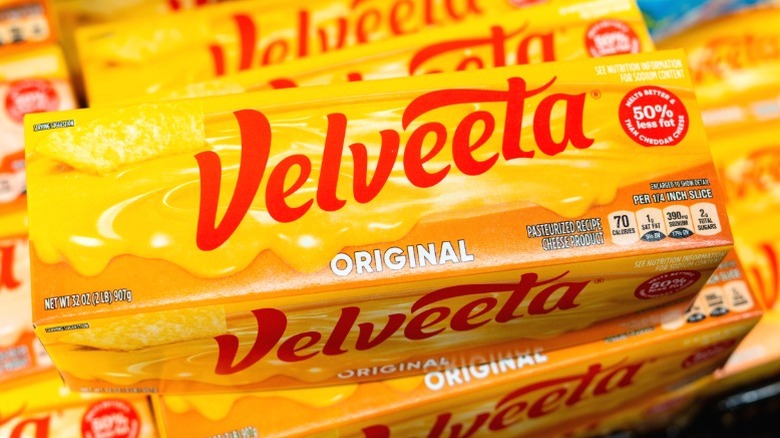
Whatever you might think is the most delicious way to use Velveeta, you can always find some use for this creamy, gooey cheese blend. (Velveeta may not be real cheese, but it's close enough for jazz, we say.) It was invented by one Emil Frey, a Swiss immigrant to America who worked in cheese factories most of his life before developing a way to repurpose scraps of cheese into a delicious, meltable block. The company was incorporated in 1923 and was acquired by Kraft just a few years later in 1927.
Classico
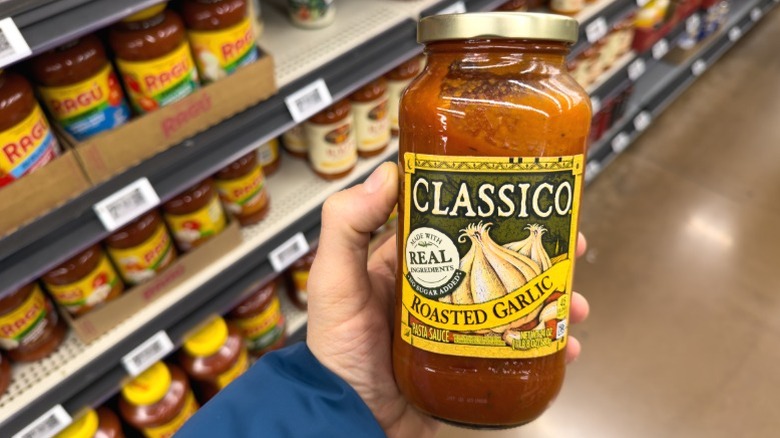
With its tasteful label design and classically Italian name, you might mistake Classico for a premium pasta sauce along the lines of Rao's or Carbone, but nope. Classico started life as a jarred pasta sauce brand from the now-defunct Borden Foods Corporation. The pasta sauce brand was sold to Heinz in 2001. Not a terrible destination for a tomato-based sauce, we're sure you'll agree.
Ore-Ida
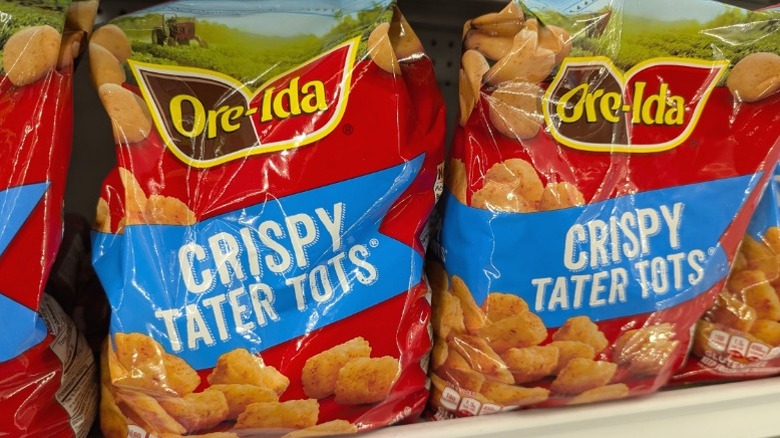
In case you were wondering, the brand name Ore-Ida refers to Oregon and Idaho, as the company started out on the border of the two states. Founded in the early 1950s by the Grigg brothers, Nephi and Golden, Ore-Ida started selling frozen corn and potatoes before inventing their most famous creation. By repurposing potato scraps from the french fry-making process, they introduced the world to the tater tot. Four years after going public in 1961, they were acquired by Heinz in 1965. After all, what could be a better dipping sauce for your fries and tater tots than ketchup?
Kool-Aid
Years before the Kool-Aid Man started breaking through walls in brazen defiance of his glass-based biology, the famous drink mix was invented by a Nebraskan man in his mom's kitchen. Edwin Perkins found a way to take the liquid out of a juice concentrate, resulting in a flavorful powder that could dissolve in water and create a yummy fruit juice. Kool-Aid was sold to General Foods in 1953, which was itself merged with Kraft by its then-owner, the tobacco giant Philip Morris. (Philip Morris is now known as Altria, and no longer owns Kraft.)
Capri-Sun
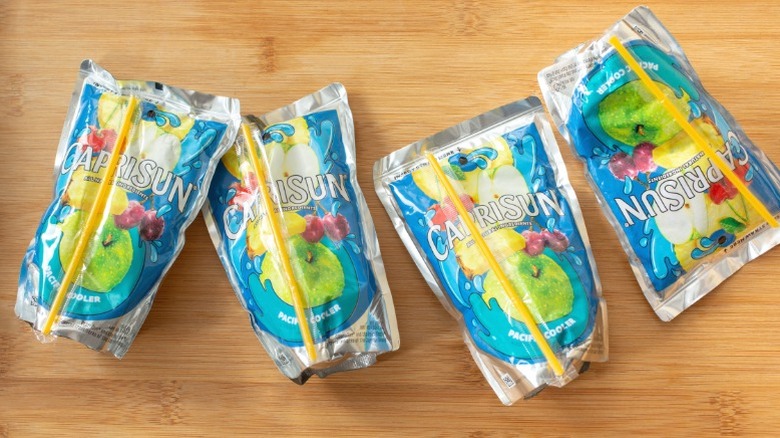
No soccer practice or pool party as a kid was complete until someone broke out a cooler full of these bad boys. Capri-Sun is an ultra-sweet fruit juice in a delightfully crinkly pouch. Believe it or not, this icon of unrestrained summer fun originated in Germany, where it was invented by Rudolf Wild in 1969 under the name "Capri-Sonne". (The name comes from Capri, Italy, a popular vacation destination for Germans.) Capri-Sun was bought by Kraft in 1991, who launched a colorful ad campaign and turned it into a juice juggernaut. Respect the pouch, indeed.
Lunchables
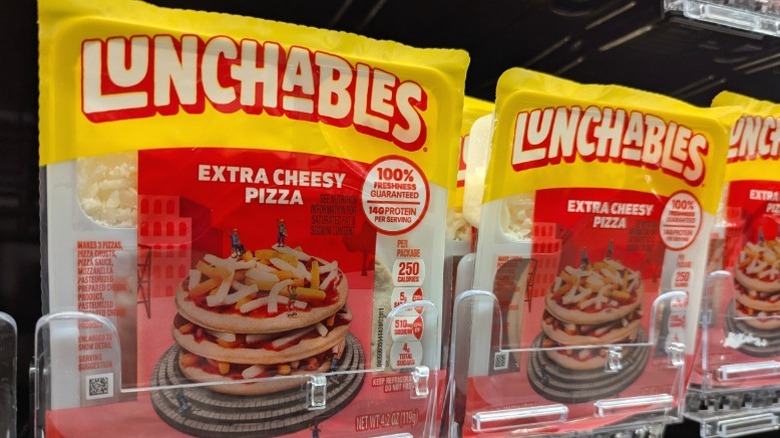
You remember these from your childhood, don't you? They made you feel like you were having pizza for lunch back in elementary school, even though you were basically just eating tomato sauce and shredded cheese on a cracker. Lunchables were developed by Oscar Mayer in 1985 as a way to sell more of its bologna, figuring kids would like having the option to build their own lunches. Eventually, Kraft and Oscar Mayer's parent company General Foods would merge, and the brand continues to this day — long enough to get ripped off by Mr. Beast.
Jell-O
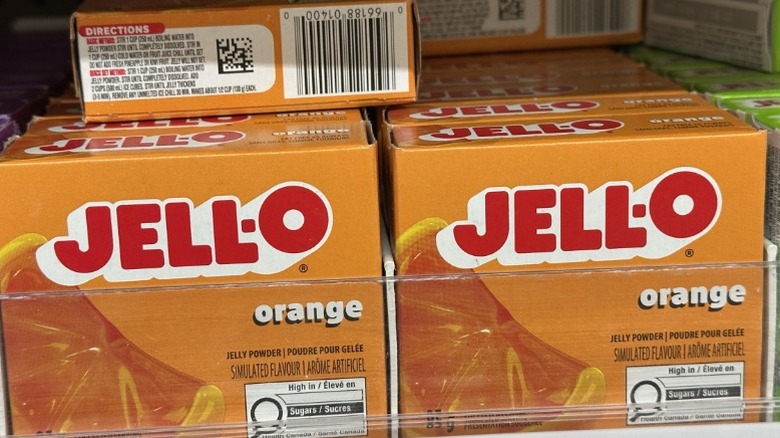
Whether you're enjoying a cup of sweet gelatin, partaking in a pudding cup, or taking after the late musical satirist Tom Lehrer and downing a vodka-spiked shot, you've doubtlessly come across Jell-O. While gelatin had been used in cooking before Jell-O, the invention of the powder-based dessert in 1897 brought it into the mainstream. Soon enough, people were enjoying Jell-O for dessert, and even making disgusting Jell-O salads. The company that originally produced Jell-O, Genesee Pure Food Company, merged with the Post Cereal Company to form General Foods, which later merged into Kraft.
Claussen
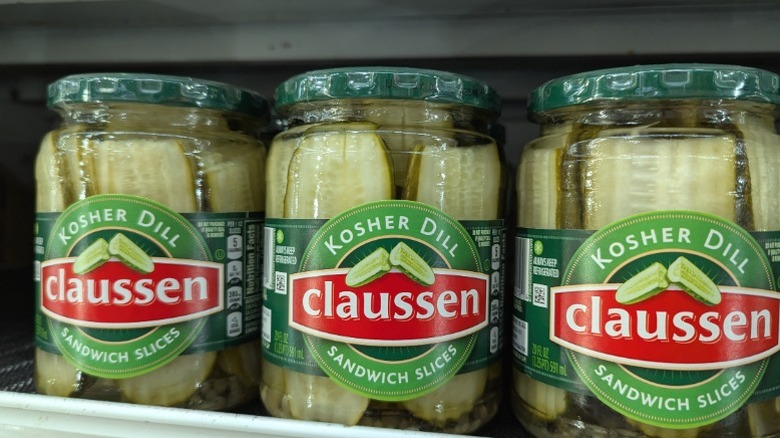
Who doesn't love a good crunchy pickle? If you're not charmed by Vlasic and its stork mascot, you're probably reaching for Claussen for all your pickle needs. The company was founded in 1870 by a Chicago vegetable farmer named Claus Claussen (this was back when Chicago had vegetable farms). Claussen grew way too many cucumbers that year (easy enough to do, as any gardener will attest), so he decided to pickle them. From there, a thriving business was born. The brand was eventually sold to a pre-Kraft Oscar Mayer in 1970.
Philadelphia
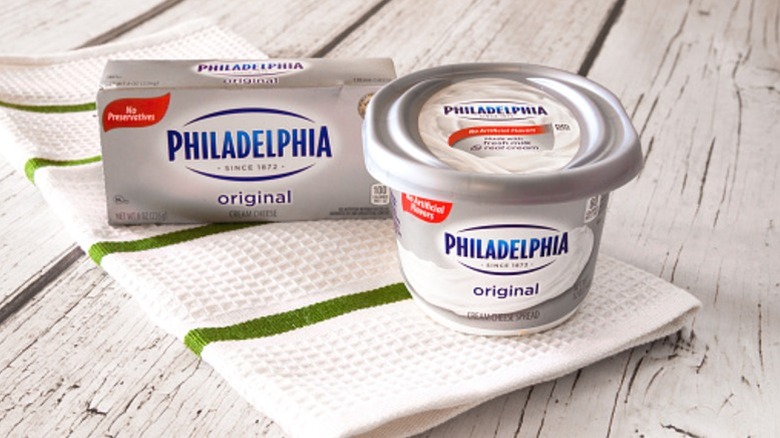
Prepare to have your mind blown: Philadelphia cream cheese is not actually from Philadelphia. In truth, it originated in upstate New York in 1872 and was given the name because Philadelphia had a reputation for making quality dairy products. The cream cheese's parent company, the Phenix Cheese Company, merged with Kraft in 1928. Today, Philadelphia is more or less synonymous with cream cheese around the world, whether smeared on a bagel or used in a Philadelphia sushi roll (which actually was invented in Philly).
Lea & Perrins
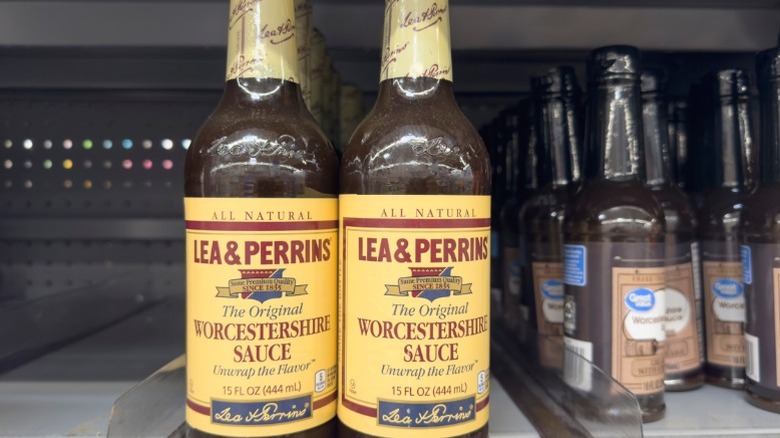
In 1835, a pair of British chemists named John Wheeley Lea and William Henry Perrins tried to create a new condiment, found it tasted disgusting, and put it in a barrel and shoved it aside to forget about it. Eighteen months later, they found the barrel, tried it again, and discovered that it had fermented into something delicious. Thus was Worcestershire sauce born, turning into a wonderful, if difficult to pronounce, addition to steaks and bloody marys. Lea & Perrins was eventually bought by Heinz in 2005.
Baker's Chocolate
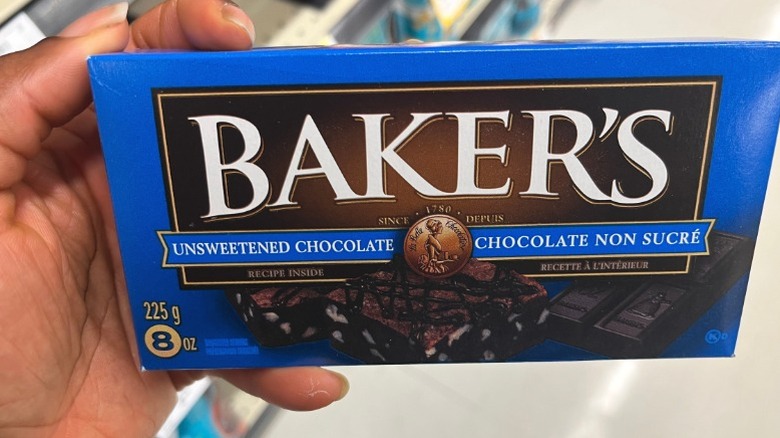
Although Baker's Chocolate is used for baking due to its malleable, unsweetened quality, that's not actually where the name came from. Much as German chocolate cake was invented by a guy named Samuel German, Baker's Chocolate was named after Dr. James Baker, who took over the company in 1780 after fellow founder John Hannon was lost at sea on a cocoa bean expedition. After years on its own, Baker's Chocolate was bought by Postum (or Post) in 1927 before it turned into General Foods (and then, eventually, Kraft).
Grey Poupon
For those whose discerning palate won't let them settle for simple French's, there's Grey Poupon, one of the most famous brands of Dijon style mustard on the market. (Dijon style just means it's made from brown mustard seeds soaked in a white wine mixture.) The Grey Poupon name dates back to 1777 in Dijon, France, but it wasn't mass produced until the 19th century. Eventually, it caught on in America due to an ad campaign in the 1980s selling it as a luxury product. Its parent company was acquired by Nabisco in 1985, which was itself acquired by Kraft in 1999.
Maxwell House
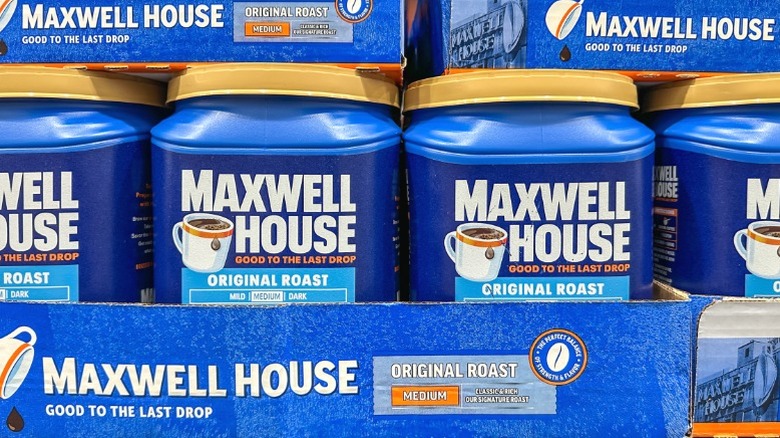
Maxwell House originated in 1892, when a man named Joel Cheek approached the Maxwell House Hotel in Nashville, Tennessee asking them to use his coffee blend. Eventually, they did, and it was a hit; earning an endorsement from President Theodore Roosevelt (who supposedly coined its slogan, "good to the last drop.") Eventually, the company came to General Foods, where it would later end up under Kraft's umbrella.