

11 Overpriced Canned Goods That You're Better Off Skipping
We may receive a commission on purchases made from links.
You certainly shouldn't skip all the canned foods in the grocery store aisle, but some products never need to be put in your cart. While you should avoid some canned ingredients because they simply don't taste very good, others are not worth purchasing because of the sheer cost.
The products on this list — including proteins, produce, and beverages — might very well be quite delicious, but they are often just too expensive for what you get. Sometimes this is because the quality suffers during the canning process, and other times it's because there's a much better alternative in another section of the grocery store. In many cases, a fancy label or marketing language can be intentionally misleading to make the shopper feel like the product is worth the spend when it's really not. No matter where you shop, here are some overpriced canned goods that you're better off skipping.
Bone broth
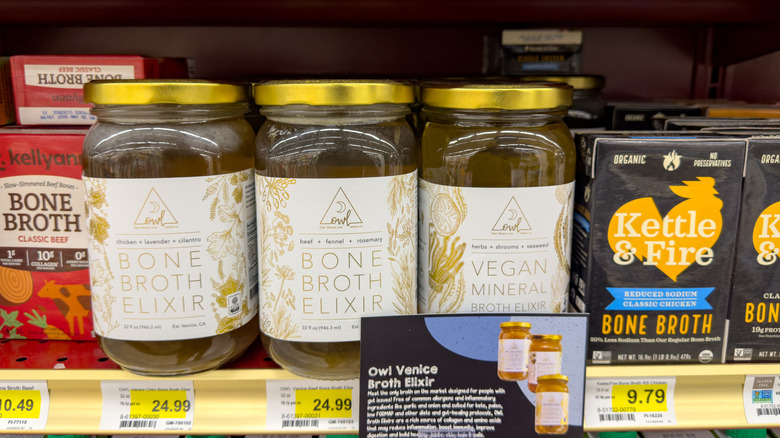
Truly, bone broth is just good old stock with a branding refresh. It is bones simmered in water for many hours, coaxing out rich flavor and silky gelatin, and it sometimes includes vegetables, herbs, and spices. Some folks say that bone broth uses more bones or that it is cooked for a longer period of time, but, really, there's no accepted standard for what bone broth actually means.
The only way to ensure your stock (or bone broth) has the taste and texture you're after is to make it yourself. Neither canned bone broth nor stock is going to taste homemade. Shelling out between $6 and $11 for 16 ounces or less of bone broth doesn't make much sense. Plus, although bone broth may be the trendier term, stock is also made with bones. Canned bone broth is a waste when even a store-bought stock will likely do the job for chilis, stews, rice dishes, and more.
If you're making a recipe where the broth should be the star of the show, like Vietnamese pho or French onion soup, you're much better off making a homemade base, and it will still be cheaper than the stuff on the shelf. Depending on where you shop, soup bones cost a few dollars a pound. You could make a heck of a lot of homemade bone broth with the 2 to 3 pounds of bones you could get for the price of one overpriced jar.
Organic chicken noodle soup
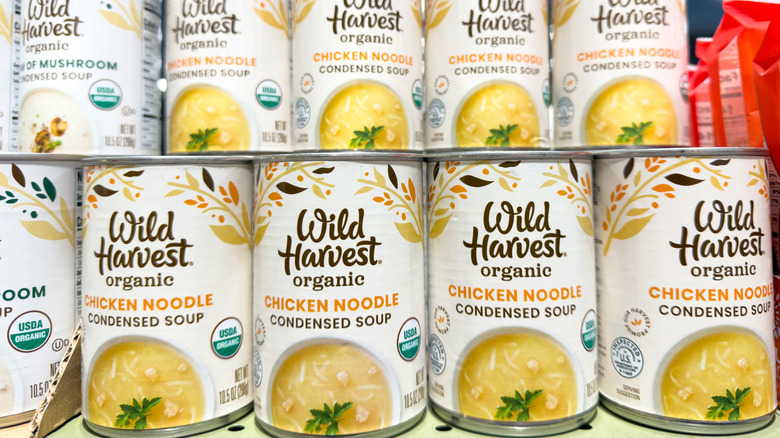
Chicken noodle soup is a veritable classic, but it never tastes like the from-scratch stuff, no matter how lovely the image on the can's label may look. Some soups might be organic, have a bolder broth, or deliver more bites of meaty chicken, but it's impossible for canned pasta to maintain or achieve the texture you are craving. There is truly a limit on how good any canned noodle soup can be because of inevitable mushiness, so there's no reason to splurge on organic brands.
In fact, in our ranking of canned chicken noodle soups, good old Progresso beat out more expensive organic options from Pacific Foods, Annie's, and Simple Truth — so it's not even guaranteed that a pricier can will taste better. Depending on exactly which brand you buy and where you shop, you can save around $2 a can by skipping the organic chicken noodle soup options.
Pesto
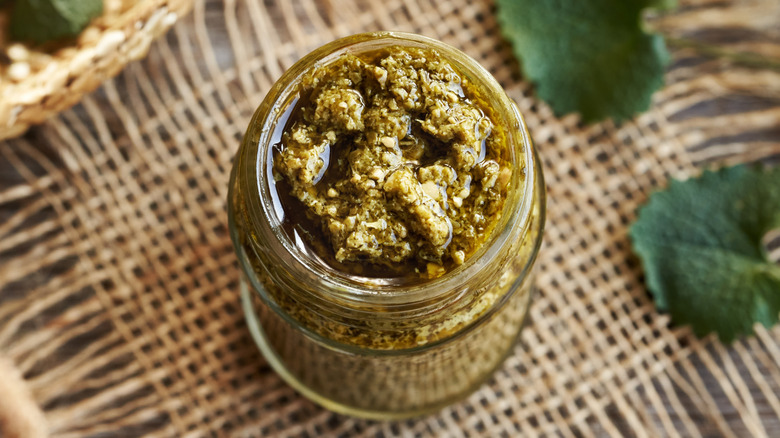
The jars of pesto you find in the canned goods aisle don't necessarily taste bad, but they don't really taste all that good either. The heat-treating process to make fresh ingredients shelf-stable decimates the flavors. Pesto relies on the delicate balance of fragrant basil, subtle pine nuts, umami-packed parmesan cheese, zippy garlic, and complex olive oil — these profiles are impossible to preserve once the sauce has been canned. Instead, the flavor can be aggressively tart (largely due to acids used for preservation in the canning process), and the texture is often greasy, paste-like, and even gritty.
Pesto should be a luxurious and simple sauce, but many jarred brands add extra stuff to stretch the ingredients or improve the muted flavor. This can include additions like sunflower oil, potato flakes, rosemary extract, or spinach. Don't be tempted by labels that say the pesto was made in Italy or ingredient lists that are short and feature all the right components, including fancy Parmigiano Reggiano cheese. Even at around $1 per ounce, higher-quality brands will still be a whisper of the fresh version. If you want the convenience of a ready-made product, head to the refrigerated section of the grocery store instead. Products like Costco's DOP-certified pesto are kept cold, so they don't need to be heat-treated — thus preserving fresh flavor.
Mussels
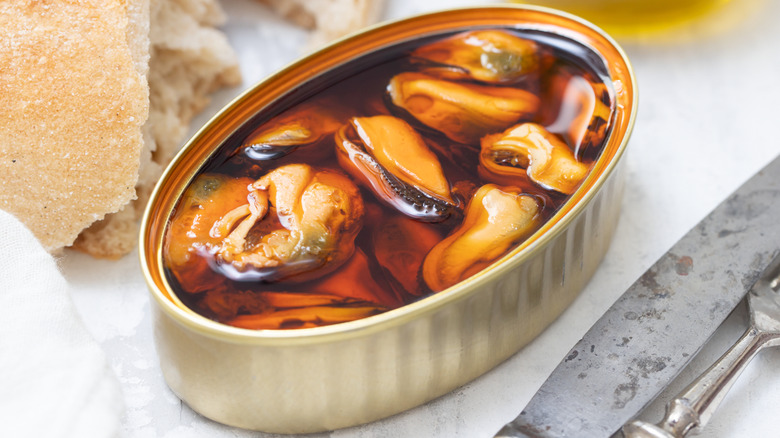
A theme seems to be emerging here, doesn't it? Many canned goods that are best left on the shelf are greatly affected by the canning process. There are indeed types of canned seafood that are worth the frequently high price tags, but mussels are not one of them.
Canned mussels can be chewy and gritty or mushy and grainy. Either way, they will never come close to rich, salty, and velvety fresh mussels. Really, it's the olive oil, tomato sauce, or flavorful brine that's making them taste okay. Some folks find the flavor of canned mussels a bit intense, too, especially when they're smoked. "Room temperature ripe ocean" is how one person described the seafood in a Facebook post.
That doesn't mean that canned mussels are inedible; they just have a very particular texture and taste. As such, they're not the best tinned seafood to eat on their own and are better incorporated into dishes like chowders, stews, and dips. You can get a whole pound of fresh mussels at popular grocery chains for around $5 (which includes the weight of the shell) or the same amount of frozen, cooked mussel meat for about the same price. Even still, the $6 or $7 price tag for a 4-ounce tin just doesn't make sense.
Baby eels
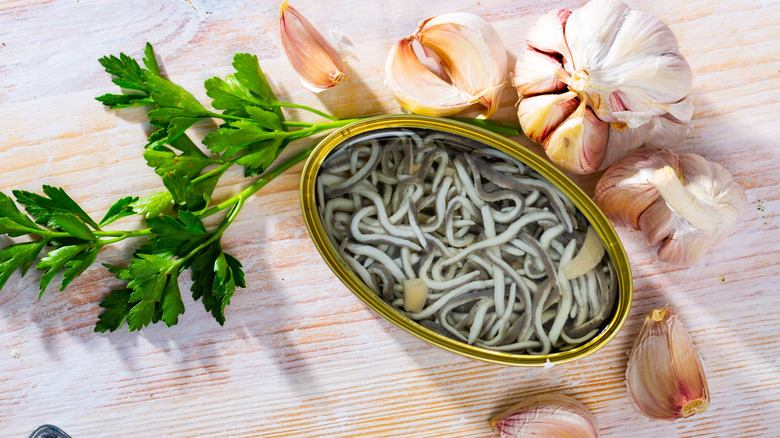
At an average supermarket in the U.S., you probably won't find canned baby eels on the shelf. Even if you do happen to see them, don't be tempted by the novelty — for most folks, they're not worth shelling out between $40 and $60 for a 4-ounce can.
They have a dramatic look: grayish-white, thin, and worm-like with little black eyes. Unlike canned mussels, these baby eels actually have a very mild, sweet flavor. That's the main reason why it's hard to justify the cost — they really don't taste like anything special. What makes these particular Spanish eels — called "angulas" — so prized is their interesting life cycle. Once these freshwater eels are around 10 years old, they travel huge distances to spawn in the Atlantic. The babies then take about two years to make it back to the Spanish coast, at which point they can be harvested during a short season beginning around November. What's more, the best time to gather these little eels is in the middle of stormy nights.
Naturally, these specific circumstances drive up the cost, as do the dramatic auctions where fresh baby eels are sold for a few thousand dollars per pound. If you're curious about the angula experience but unwilling to pay the exorbitant cost, you can find imitation products made out of surimi for a fraction of the price. For example, these Iberia surimi-style baby eels cost about $5 for a 4-ounce can.
King crab
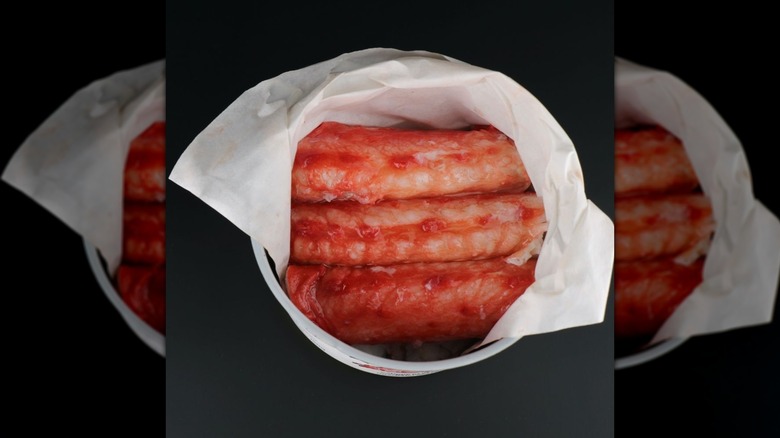
It's totally fair to save money and reach for canned crab instead of fresh, especially when combining it with other ingredients in pastas, dips, stews, and crab cakes. In fact, it's one of the best affordable seafoods, but not all varieties of crab are economical options. Canned king crab legs are one product you're definitely better off skipping. While most products cost a few dollars per can (with lump crab meat being pricier), tins of king crab that keep the leg intact can cost somewhere between $75 and $85.
Fresh king crab is already quite expensive, with prices per pound reaching up to around $100. Dwindling supplies, challenging harvesting conditions, fishing restrictions, and embargos drive up costs, and keeping the legs whole during canning complicates the packaging process.
At the end of the day, canned crab won't ever taste quite like fresh, even though it's a solid substitution. Paying a premium for a finicky preparation of a notoriously expensive variety of seafood just doesn't make sense, especially when frozen crab likely tastes better than canned anyway.
Smoked salmon
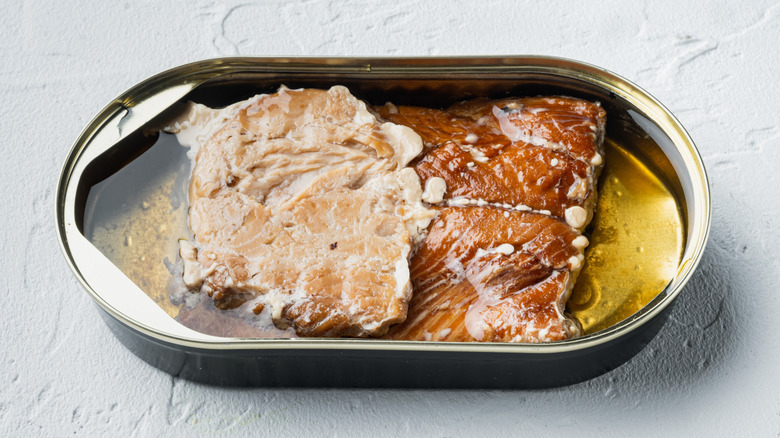
Tinned salmon is usually a great ingredient to have on hand, and it's definitely an affordable canned meat you should be eating. Options like Chicken of the Sea boneless, skinless salmon costs around $0.40 per ounce, while a brand like Wild Planet charges around $1.20. However, smoked salmon in sauce with a trendy label will run you nearly $4 per ounce, which is just too much, especially when there are suitable, cheaper replacements. While Fishwife Smoked Salmon with Sichuan Chili Crisp may be one of the best high-protein finds at Target, it (and products like it) are going to cost you.
If you've got a hankering for smoked salmon, skip the canned goods and head to the deli's refrigerated section instead. Just like you can eat canned salmon straight out of the can, those vacuum-sealed packs are ready to go — and they'll cost less than $2 per ounce.
Make sure you're grabbing smoked salmon and not lox. Refrigerated hot-smoked salmon has a flaky, meaty texture that's very similar to the tinned version. Cold-smoked salmon will have the woodsy, fire-kissed flavor you're looking for, but a softer, more delicate texture similar to lox, which is traditionally just salt-cured and not smoked. Rather than paying for a single serving of fancy tinned smoked salmon, you're better off getting a pack of hot-smoked salmon and a jar of chili crisp, the latter of which you can use in so many other recipes.
Organic canned fruit
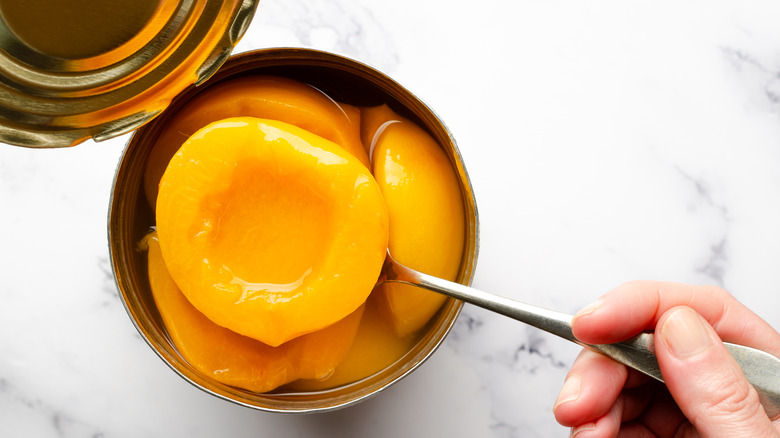
In a nutshell, canning requires heating the ingredients inside the container so they remain safe to eat at room temperature. How long canned fruit needs to be heated depends largely on acidity, but in all cases, the texture is closer to cooked fruit than fresh. While it won't be as soft as what's in a compote or pie filling, the fruit also won't have the snappy, crisp texture you'd expect from fresh produce.
Canned fruit is still canned fruit, texturally speaking, so it's not necessary to pay for a pricier organic brand. Organic produce is expensive for many reasons, and sometimes the flavor and texture are noticeably better, especially when it's farm fresh (think berries, apples, tomatoes, and carrots). But when it comes to the difference between conventional and organic canned fruit, the difference in flavor and texture is going to be negligible. As such, there's no point in paying more than double the price for it.
What will greatly affect the taste of canned fruit is what it's packed in, as it will absorb some of that liquid. Fruits canned in syrup will taste more like sugar than anything else. Fruits packed in juice will taste closer to how you'd expect them to, but they can be a little too sweet. The most nutritious type of canned fruit is packed in water, though these products can be on the bland side. A solid in-between option is fruit packed in its own juice with no added sugar.
Unpeeled whole tomatoes
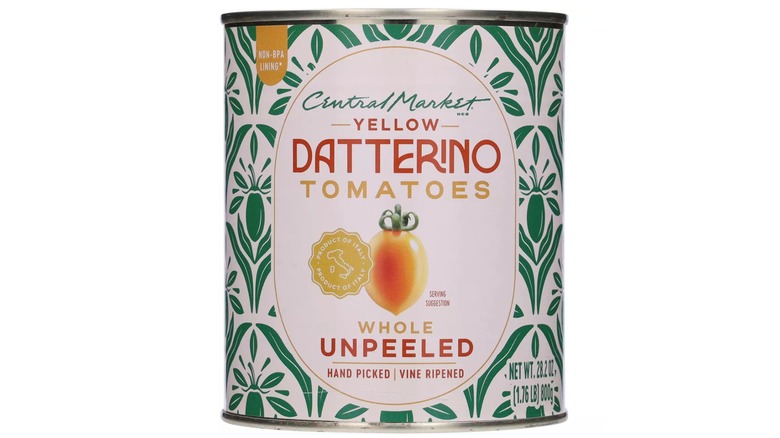
Folks out there have lots of opinions on which canned tomato brands are worth buying. For example, the canned tomato you should be using, according to Lidia Bastianich and many other chefs, is the San Marzano variety from Italy. The quality of canned tomatoes — whether San Marzano or not — varies a lot, and there is definitely an argument to be made for paying a premium for a trusted brand.
However, if you're buying imported tomatoes at a high price, they should be peeled. Otherwise, you're spending more money while also getting stuck with the task of removing skins. Plus, some skins, like those of datterini tomatoes, are thicker than many others. While peeled whole tomatoes are much more common, some brands do leave the skin on. Even if skin-on products look to be high-quality, they simply aren't worth the money. There are comparable canned tomatoes available in the same price range with the skins already removed, saving you lots of time as you cook.
Wine
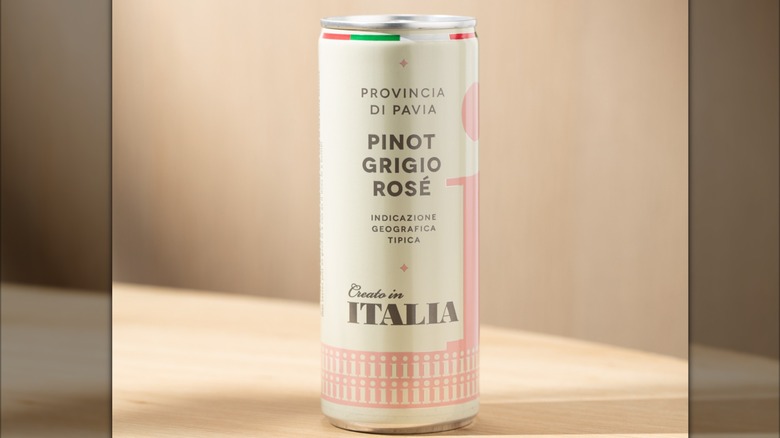
In theory, canned wine seems like a good idea when you want a convenient alcoholic beverage that's not beer or a hard seltzer. In practice, canned wine is often disappointing. Many wine producers have had issues with nailing canned wine because of the reaction between sulfites and the aluminum can. This yields hydrogen sulfide, which builds up in the can and releases a potent eggy smell.
This unfortunate reality isn't true with all kinds of canned wine. Liners inside the can help prevent this reaction, and red wine is generally less likely to produce that odor. But canned wine is the kind of thing you want to drink poolside or on the beach, so a white, rosé, or sparkling is likely what most folks would reach for over a richer red. Wine that has been recently canned is also less likely to develop a rotten egg odor. If you crack one open and detect an unpleasant aroma, pouring it into a glass, swirling it, and letting it breathe will often allow the hydrogen sulfide to dissipate.
However, the waiting period and need to break out the stemware essentially negate the convenience of a canned wine. Given that it isn't even markedly cheaper than bottles, there's not really a point in risking a subpar product. You're better off just spending the money on a bottle and a reusable tumbler.
Fancy sparkling water
Despite being undeniably crowded, the sparkling water market continues to grow. Everyone seems to have a different favorite: Topo Chico, Polar, Waterloo, La Croix, Nixie, and Rambler are some of the many brands folks return to, but they are far from the only options out there.
With so many great seltzers and sparkling waters on the market, there's really no need to pay a significant premium for what is essentially a pretty can or attractive marketing language. For example, Target's Good & Gather brand usually runs around $0.04 per ounce. La Croix and Waterloo cost about a cent more than that, which translates to a little more than $1 difference for an eight-pack. When you get into specialty products from brands like ArZo (vitamin-infused), Bubbl'r (antioxidant-enhanced), and Recess Mood (magnesium-supplemented), that per-ounce cost can be up to five times more expensive.
If you feel that your diet would benefit from more vitamins, antioxidants, or minerals, it's preferable to get them from the food you eat: It's cheaper, and the nutrients themselves are more bioavailable. If your diet isn't cutting it, you're better off buying the specific supplement you need and a more affordable brand of sparkling water.
Methodology
After reviewing opinion pieces, online reviews, and social media, we came up with a list of many products folks generally consider overpriced. From there, we checked the costs of these canned and jarred goods at several grocery stores. From price alone, some luxury tinned products made the cut for this list.
Then, we compared both the cost and quality of the items that frequently came up against similar canned and fresh products. In some cases, the canning process affects the quality of the ingredients so much that the price is unjustified. In others, there were equivalent or better alternatives for significantly less money.