

12 Ways You Are Overspending When Baking At Home
We may receive a commission on purchases made from links.
Home baking often holds a reputation of being budget-friendly, and in many ways it is. When it comes to a nice loaf of bread or a personalized cake, putting in the time and effort to make it at home will definitely save you some cash. However, if you've ever spent $40 on ingredients to make cookies that you just know would have cost you a mere $10 at the store, then you already know that the math doesn't always seem to add up in your favor.
If you want cookies and don't even regularly stock flour in your pantry, then you're going to have to either buy the cheap store bakery cookies, or choose to start building your supplies by spending on flour, eggs, chocolate chips, extracts, and so on ...
You can't do much about sudden spending when you aren't used to baking, but for consistent home bakers, the costs rise as a result of small habits that increase waste over time.
Buying premium ingredients that aren't going to improve your final result, overspending on decorative touches, wasting excess that you can save, or replacing whole portions of things you won't use rather than working around the missing ingredient, are all ways baking costs can add up.
Thankfully, there is good news. Once you see where the money is leaking from, you can adjust your habits without sacrificing flavor, fun, or satisfaction.
1. Buying specialty flours you don't need
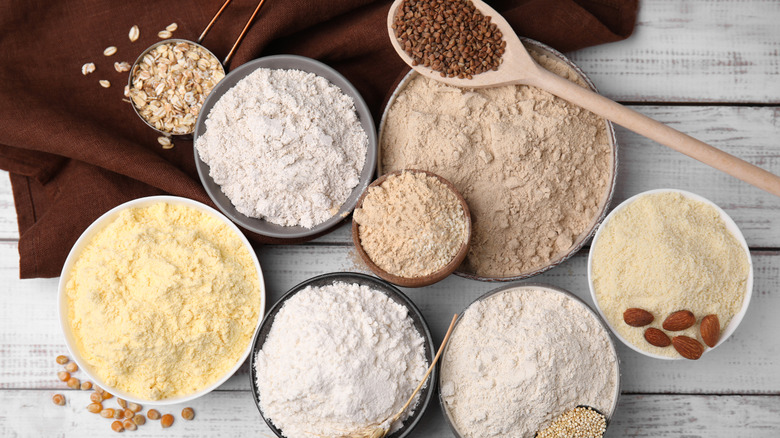
No matter how you slice your bread, or cake, there are an overwhelming variety of different types of flour, and every recipe seems to demand a specific one be used or everything will be ruined.
In some cases, like making classic French macarons, you need a specific type of flour, but in most cases it's more important to know what the flour brings to the party. For example, in almost every case that a recipe calls for cake flour you can simply use all-purpose flour instead.
Bread flour, also called strong flour by some, has more protein in it than normal flour which leads to more gluten development and helps create the stronger structure that makes bread rise. When it comes to the different types of flour, it's mainly about gluten content.
Buying an entire bag of cake or bread flour for a single recipe is far from cost-efficient. Instead of wasting money, try adding some cornstarch to your all-purpose flour to make it into cake flour, or you can knead your bread dough a little extra to help develop gluten in your loaves when you don't have bread flour instead of buying an entire bag of a flour you only want to use on occasion.
2. Spending on premium ingredients for the wrong recipes
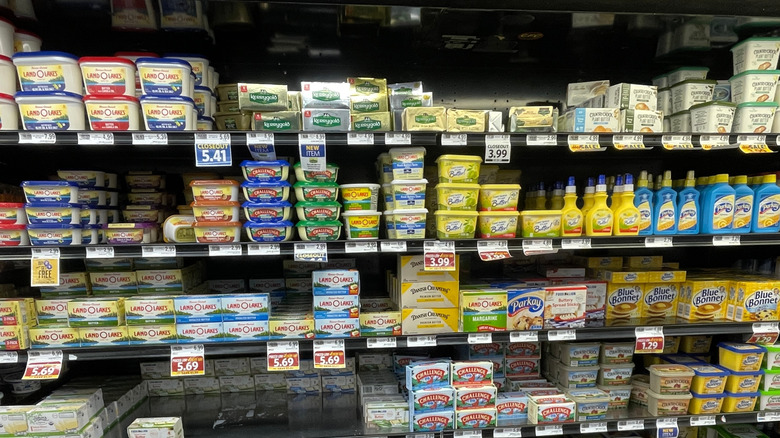
Premium European butters, single-origin chocolates, or imported whole vanilla beans all have a place in a home baker's fridge or pantry, but they don't necessarily improve a recipe's quality equally.
If you're curious about what sort of butter to buy, consider what you'll be baking. Expensive and rich European-style butter is worth it when you're baking laminated pastries like croissants. After all, the flavor of the butter you use will be front and center with croissants, which calls for the most flavorful butter.
Understanding when and why quality matters is as important as knowing what ingredient to use. When making a heavily-spiced carrot cake or rich chocolate chip cookies, you'll find the nuanced flavor of that expensive butter getting lost in the shuffle while a less flavorful butter would have been fine.
Learning when to indulge in quality and when to restrain yourself can make all the difference when checking out at the register. Save premium ingredients for recipes in which they are the star, and won't be buried under layers of sugar, flour, and other flavors.
It's not about choosing the cheapest every time. It's about learning to make your choices strategically. When you know what actually impacts flavor in a given recipe, you can learn to allocate your grocery budget in order to bake more effectively while avoiding unnecessarily high costs for minimal improvements.
3. Buying more of ingredients you could substitute
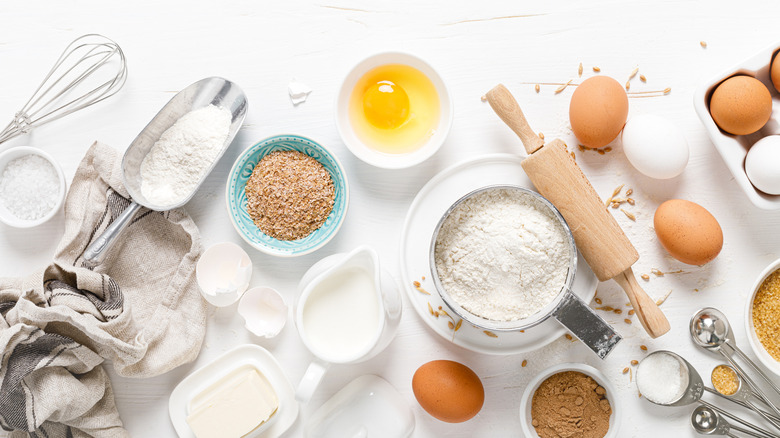
Flour isn't the only ingredient that is easy to overbuy. One of the quickest ways to overspend on baking is running to the store for a single ingredient you'll only be using once. Buttermilk, sour cream, brown sugar, or even heavy cream all have simple pantry-friendly substitutions that won't ruin your recipe but will stop you from wasting money on buying more than you need.
Learning what can be replaced with another ingredient is a must if you want to save yourself money and unnecessary trips to the store, and knowing what it is your missing ingredient brings to the party is the key. Buttermilk, common in biscuits and pancakes, brings fat, moisture, and acid. So, the best swaps are those that will do the same thing.
When it comes to baking substitutions, even eggs can be substituted surprisingly easily in many recipes. So, why make a trip to buy more?
Buying that full carton of heavy cream because you need half a cup means that the rest may spoil before you have a way to put it to use. It's easy to forget that the wasted portion is an undeniable part of your recipe's cost. Before heading to the store, check what you have, because a small substitution could save you money, reduce food waste, and keep your baking budget more manageable.
4. Spending extra on prepared products
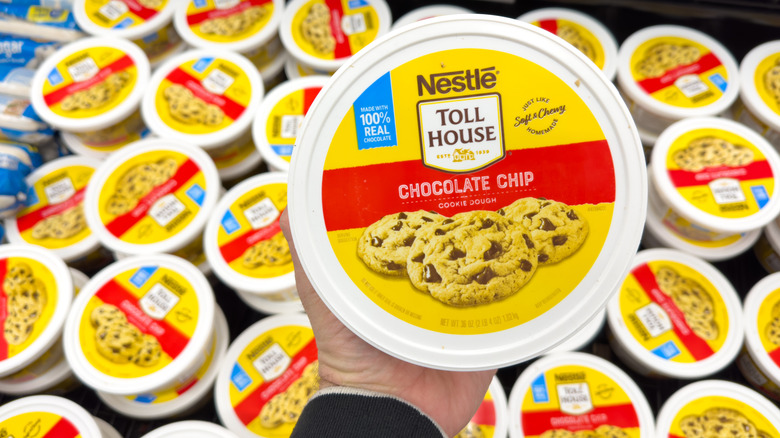
Whether you're buying pre-shredded coconut, chopped nuts, or sliced pineapple, convenience always comes with a markup. Whole ingredients are almost always cheaper by the ounce than their prepared counterparts and, while the convenience is nice, it can quickly take a toll on the baking budget.
Purchasing those prepackaged pie crusts is a great way to save some time, but if you have all the ingredients already in your pantry, then it's only racking up the cost of your recipe, not to mention wasting money you've already spent. Adding the extra time to make your own crust saves money in your budget, just make sure to allocate the time.
It's also important to remember that prepackaged ingredients often include anti-caking agents or preservatives that can slightly alter texture or flavor. While this won't be a huge change in many cases, those ingredients are part of what you're paying for, which is a waste when they aren't needed for your recipe.
Convenience has value, which is great when time is limited, but when saving money is your priority, choosing to do a little extra prep work yourself can make all the difference to your wallet.
5. Overpaying for decorative touches
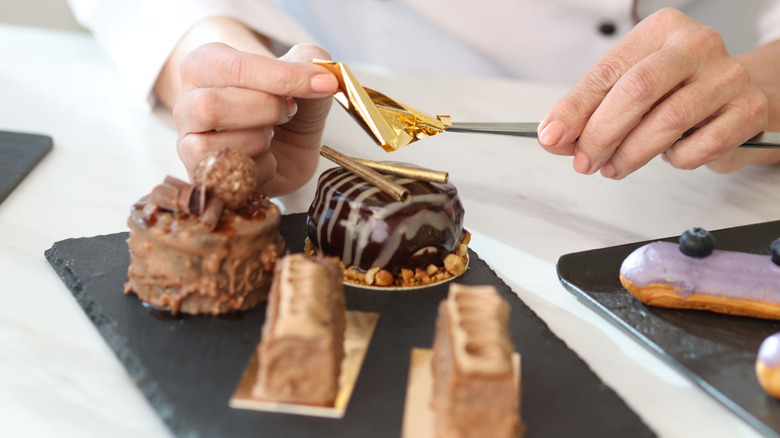
It's easy for decoration to quietly become the most expensive part of your bake. Specialty sprinkles, luster dust, gold leaf, tubs of fondant, piping tips, can quickly drive up the price of a simple cake. A person's face light up at the mere visual of your hard work is intoxicating, but calculating the cost of those little touches is less so.
For professional bakers, expensive tools and finishes can make the difference between making a sale or coming across as half-baked. When you're selling your products, those tools and finishes are often worth the investment. The cookies you're making for your son's bake sale though, not so much.
Underestimating those costs is far too easy, and before you know it, the cost of those cute cupcakes you made has doubled just to add some finishing touches — especially if you only use that jar of sprinkles for this cake and never again.
There's nothing wrong with decoration or showmanship, but if your goal is keeping baking affordable, then focusing on flavor is going to go further in the long run. Remember, there's always the option of learning to make your own finishing touches like colored sanding sugar.
A dusting of powdered sugar or cocoa powder or even a rustic swirl of frosting can look inviting and delicious without making your dessert into a crafting project.
6. Buying nonperishables in small amounts
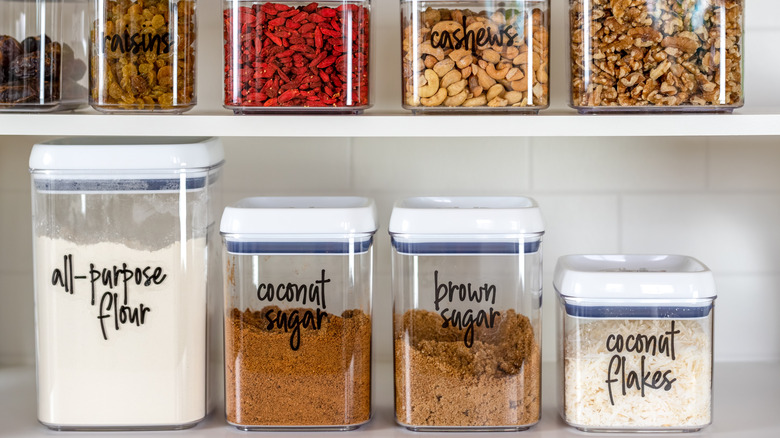
While a small 2-ounce container of cinnamon may cost just two or three dollars, which doesn't seem like much, that cost can quickly grow out of control when you have to replace those ingredients repeatedly. Especially, when you realize that a 1-pound container of cinnamon can usually be purchased for under $10. This isn't going to help much for those who only bake on rare occasions, but for the home baker who knows they'll go through a bulk purchase of an ingredient, the savings add up quickly.
Buying your non-perishable staples in larger quantities can significantly lower your cost per use. Flour, sugar, and even chocolate chips are usually cheaper by weight, as long as you make sure to store them correctly. Remember, airtight containers are a must, and cool, dry spaces help to extend freshness. However, keep in mind that buying your most common ingredients in bulk only saves you money if you'll actually use the ingredients.
Purchasing a pound of spice you'll never use is a waste, but knowing that you aren't in a rush to use it before it goes bad may be just enough inspiration to get you baking more regularly. Especially when you know that you're saving money over time instead of buying ingredients in costly small packages over and over again.
7. Throwing away what you can freeze
Many baking ingredients have a short shelf life. Eggs, milk, butter, and fresh herbs all expire within weeks or even days. It can feel like baking is designed to leave you with leftover ingredients that you must use quickly or watch as they turn into money thrown away.
A recipe may call for egg whites but not yolks, or a half cup of walnuts but the smallest package the store sold was almost three cups. An experienced home baker may know a dozen recipes to use up those extra ingredients, but time or desire to actually make those recipes is in short supply.
This is where freezing extra portions comes in. When ingredients spoil before having a chance to be used, waste becomes a part of your baking cost. Buying a quart of cream for a single recipe only to discard the rest is essentially the same as taxing yourself.
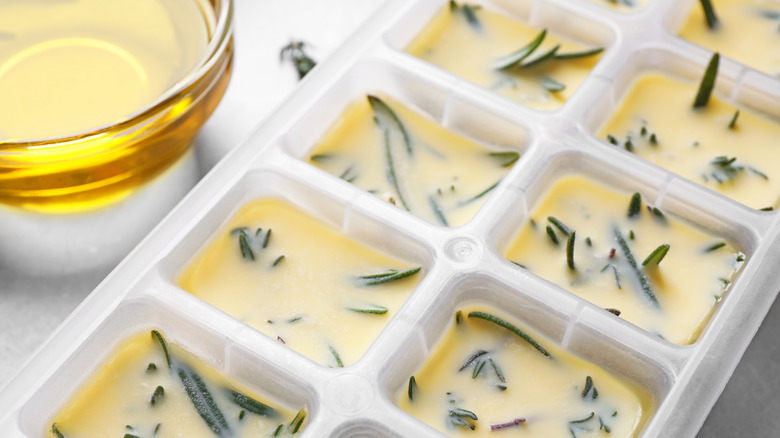
Freezing ingredients can extend their shelf life far beyond other methods of storage. Learning tricks like freezing herbs in olive oil or freezing the leftover egg whites from custard for next month's meringue can save a lot of money in the long run.
Many home bakers may be surprised to learn that even nuts store better in the freezer than the pantry, and for nuts like walnuts, which already have a shorter shelf life than most other nuts, freezing can extend a short shelf life by years.
8. Overbuying extracts you won't use
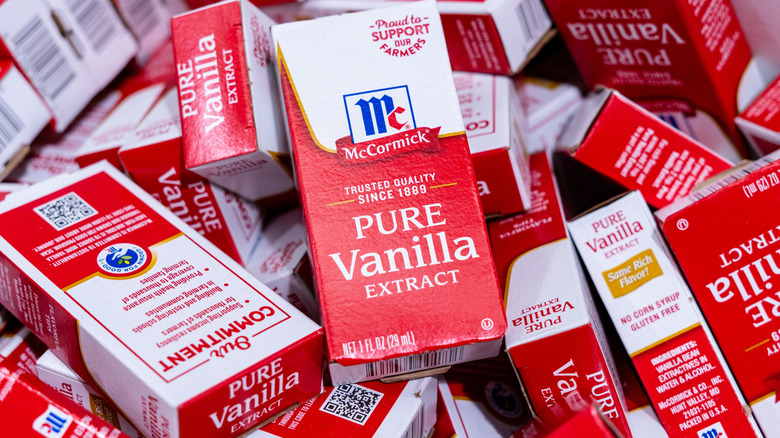
Extracts can pack a lot of flavor and aroma with little effort, but those little bottles of convenience often come with a hefty price tag. Almond, lemon, maple, rum, coconut, and the list goes on. It quickly becomes tempting to buy a bottle for every single recipe you even dream of making. If you only need a small amount of lemon extract for a recipe, however, then zesting a fresh lemon is a less expensive way to go and will give you a better lemon flavor.
Vanilla extract, for example, is a tool every baker needs in their toolkit, but that doesn't mean you need to immediately reach for the extra pricey bottles of pure vanilla extract. Nor should you always avoid imitation vanilla either.
If vanilla is the star then a few extra dollars is worth it to make the vanilla shine, but spending your whole budget for chocolate brownies on a small bottle of premium vanilla extract isn't necessary when imitation extracts still provide the aroma and sweetness without a noticeable change in the final product.
Extracts are powerful tools, but learning when you need to fork over your hard-earned money for a bottle, and when you can use a cheaper alternative can make a big impact on your weekly baking budget.
9. Buying unneeded or single use equipment
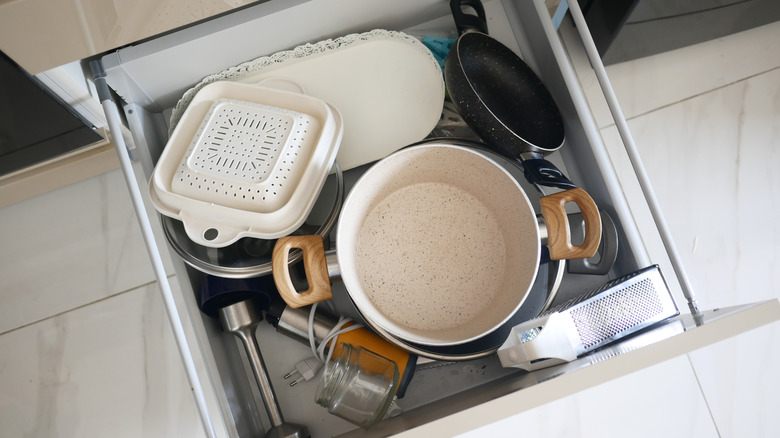
Specialty baking pans, gimmicky kitchen gadgets, or disposable cookware are designed to be irresistible. Bake-ware like all-edges brownie pans or cake pop presses might only get used a handful of times, while disposable aluminum pans are destined for the trash after just a single use or two. All of this typically turns into a wast of money.
If you bake regularly, spending your money by investing in high-quality, multipurpose tools instead of gimmicks and disposable baking tools makes much more fiscal sense. A sturdy sheet pan, classic muffin tin, reusable silicone baking mats, and a few cake pans handle a wider range of baking needs just as well. Between the time-tested baking equipment staples and the one-time-use gadgets and disposable baking tools the major difference is that, once purchased, sheet trays, cake pans, and baking mats will continue to justify their cost for years.
Specialty tools that only get used once or twice represent money spent only to turn into wasted space in your cupboards. Disposable baking trays make cleanup easy, but cost more than a quick wash. Even disposable aluminum foil and parchment paper is an ever-recurring cost when silicone baking mats can achieve the same effects without having to be purchased over and over again.
When it comes to baking, learning solid technique can make these unnecessary purchases easier to live without. A small, well-built toolkit will serve more affordably than a cabinet full of niche gadgets and tools.
10. Baking from scratch when you don't bake often

Home bakers who find themselves baking year-round can reduce much of their waste by learning to freeze, portion, and substitute, however, those who only bake during the holidays or on special occasions may find that no amount of added shelf life stops leftover ingredients from going bad.
Buying in bulk and better storage conditions quickly lose their economical nature when you just can't make it through what you have. After all, even unused flour only lasts so long before you have to throw it away.
In those cases, a quality baking mix is actually more cost effective than baking from scratch. Boxed cake, brownie, or pancake mixes work by bundling the ingredients you need in pre-measured portions, reducing the risk of waste and leftovers. They aren't cheaper by the ounce, but become the cheaper option when preventing waste and are just as flavorful when you learn how to upgrade them a little.
When you don't bake regularly, the convenience cost actually works in your favor while still making the actual baking easier and cheaper. Fewer steps, fewer purchases, and a less intimidating process save money over buying a bunch of ingredients you'll never use.
Homemade-from-scratch baked goods will always stand out, but what really matters is matching your shopping habits with your baking habits so you don't overspend at the grocery store.
11. Skipping over store brands
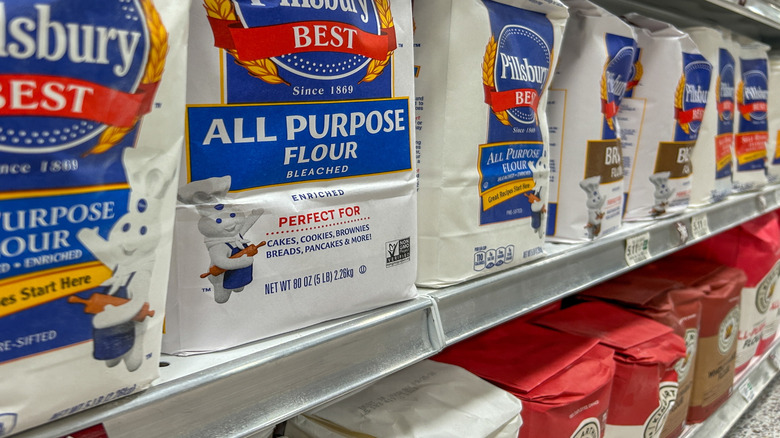
When it comes to baking, some brands just stand out. Which makes sense considering the massive budgets that go to marketing and name recognition. However, when it comes to being a home baker, brand loyalty doesn't always translate into better results.
Store-brand versions of products have become a staple for many as prices rise on products in every department. Typically cheaper, store-brand products are usually produced by large manufacturers for retailers and under their own private labels. Usually, this leads to less expensive versions of products very similar to the brand name products we're used to since they don't have the added marketing costs the manufacturer spends on their own products.
Staples of baking like flour, sugar, baking powder, or yeast won't be affected much by brand, so saving on the store brand will let you spend less without losing quality. If you find yourself automatically reaching for brand name products, consider testing the store's brand in your next low-risk baking project. You may find that the savings add up without sacrificing satisfaction.
Some recipes will always benefit from using the most top-of-the-line chocolate, coffee, or butter, but making small swaps for cheaper versions of staples will significantly reduce baking costs over the course of the year.
12. Baking more than you need
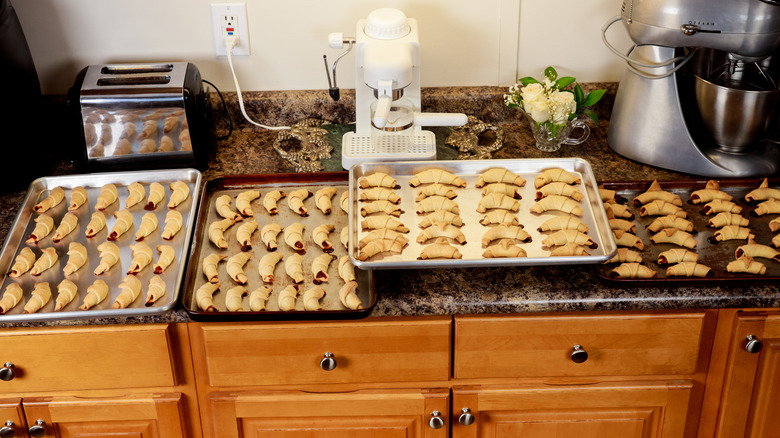
When it comes to baking, many recipes are written with the idea that they'll be feeding groups. It's common to find recipes for two dozen cookies, full-sized sheet cakes, or multiple loaves of quick bread, but batch size doesn't always match up with life's demands. If you're only baking for one or two people, you may quickly find large batch sizes draining your budget, or increasing your body fat.
Baked goods often don't stay fresh for long. Cookies soften or go stale and cakes go dry. If half your yield gets thrown away, or pushed into the freezer and forgotten, then all you did was pay twice as much for what you actually got the chance to eat.
This is where learning how to scale recipes down in size comes in handy. This is much easier when baking by weight, so learning what the weight measurements of your favorite recipes are is a big help. The precise measurements used in baking often make this much easier.
If your recipe isn't listed by weight, it's easy to use a kitchen scale to weigh each full portion and cut it down from there. Saving money doesn't have to be about cheaper ingredients, it can sometimes be about simply making less.