

12 Unexpected Benefits Of Cooking With Thyme

Thyme is an essential herb with a flavor profile ranging from woody and earthy to piney and minty or lemony and grassy, depending on the variety. Whether freshly picked sprigs or dried and crushed, thyme plays well with other ingredients in both savory and sweet dishes, adding its characteristic flavor without overpowering. Originating in the Mediterranean, thyme is a prominent ingredient in the traditional za'atar spice blend, but it is also an integral part of herbs de Provence, bouquet garni, Moroccan tagines, and Caribbean jerk seasoning. A versatile herb, thyme can be simmered in soups, rubbed into meat, sprinkled on vegetables, baked into bread, or added to a green salad.
Many cooks grow thyme in their gardens because it's one of the easiest herbs to grow –– it does well even if it is underwatered or pruned aggressively. Fresh thyme can be stored for one to two weeks in the refrigerator (with a wet paper towel in a Ziplock bag) or for three to 12 months in the freezer (in ice cubes or deliciously preserved in an herby compound butter). You can also store fresh thyme by drying the herb in the microwave, oven, or by letting it air dry for a few weeks. Thyme's culinary versatility and hardiness aren't its only superpowers, however. Continue reading to learn about the unique benefits of cooking with thyme, which are flavorful, functional, and nutritious.
Thyme is a good source of iron, vitamins, and antioxidants
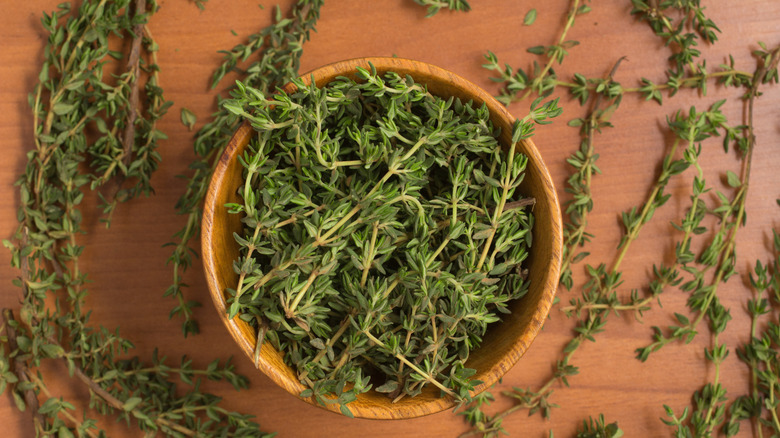
You may think of thyme as just something to sprinkle on food to make it taste better — which it does — and not even consider it as a healthy addition — which it is. Thyme delivers a surprising amount of nutrients that comprise a healthy diet. Within its tiny leaves are phytonutrients, minerals, vitamins, proteins, fiber, and flavonoids. It has one of the highest concentrations of antioxidants of any herb, and it's rich in iron, calcium, magnesium, folate, and vitamins C and A.
So how do you harness the big benefits of this little herb? Eating fresh thyme will provide more vitamin C than dried thyme, but the dried variety generally has more nutrients per serving. When herbs are dried, the water content is removed, and the volume decreases, leaving higher concentrations of nutrients in smaller measurements. And the difference can be quite shocking. Per 100-gram serving, fresh thyme contains 14 grams of fiber, while dried thyme has 37 grams. And the dried herb delivers significantly more calcium, manganese, and iron. In fact, just 1 teaspoon of ground dried thyme provides roughly 20% of the daily recommended intake of iron for adult men and women over 50. Considering a similar serving of dried oregano contains less than half this amount, you'll understand why thyme is the go-to seasoning for so many health-conscious home cooks.
Thyme is surprisingly easy to use

Timing is everything when using thyme, but it's generally a versatile and forgiving herb. As a general rule, fresh thyme should be added near the end of the cooking process, while its dried counterpart should be added early on. When incorporated in the last 10 minutes, fresh thyme keeps its herbaceous notes. When added early in the cooking process, fresh or dried thyme has time to develop a more earthy essence.
Time is on your side when using the herb in longer cooking sessions, as thyme is sturdy enough to withstand simmering and braising in its fresh or dried forms. The dried variety should be added earlier so its flavor can fully develop. Otherwise, it might taste bitter. On the other hand, thyme can interact with the acids in wine or tomatoes, and also become bitter if cooked for more than two hours. In recipes that call for prolonged braising or simmering, it's best to use whole sprigs of thyme and remove them within the first two hours.
It's also surprisingly easy to separate thyme leaves from their woody stem. Simply pinch your fingers at the top of the stem and slide down to the bottom. You'll have a tablespoon's worth in no time. If you have a lot of leaves to harvest, save time with this fast box grater hack. Once stripped, don't throw away the stems — there are ways to use leftover herb stems to prevent waste.
Thyme is a versatile ingredient for both savory and sweet recipes

If you purchased a bunch of thyme for a recipe and have a lot of leftovers, you're in luck because it is one of the most versatile herbs. Unlike many seasonings, which are primarily used in savory dishes, thyme can enhance preparations with all sorts of flavor profiles. It is a go-to spice for slow cooking methods, adding depth of flavor to soups, dry rubs, and marinades. It pairs especially well with the earthy flavors of mushrooms, onions, and potatoes -– think gravy, quiche, risotto, and grits.
Thyme is also a popular add-in for homemade breads and biscuits. You can even infuse rolls with a hint of thyme to make store-bought rolls look homemade. And the magic of the herb's earthy aroma melts easily into cheese and rich sauces –- just be sure to wait until the last 10 minutes to add it to a dairy-based sauce, or it could develop a soapy flavor.
One of the most common flavor combinations is lemon and thyme. You'll see this combo in cakes, sauces, scones, sorbets, cookies, and lemonade. Thyme can also bring a unique zest to other fruits, like in blueberry jam, peach tarts, grapefruit popsicles, or raspberry cocktails. It is also a great option for infusing water with flavor.
Thyme has natural medicinal properties
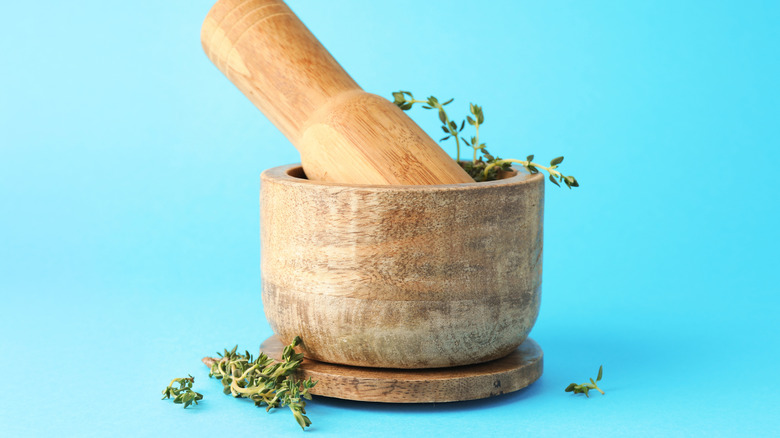
Throughout history, thyme has proved itself an effective ingredient for improving health. In fact, its flavor is often described as medicinal, and whether it's because of its hint of pine or because it has been a go-to spice for healing for thousands of years, thyme's health benefits are undeniable. Thanks to the antiviral, antifungal, and antimicrobial properties of its leaves, flowers, and oils, it's no wonder thyme is often used in deodorant, mouthwash, acne treatment, shampoo, and medicinal applications.
Thyme can be sipped, gargled, inhaled, or applied topically. For most medicinal and healing applications, thyme is used in a concentrated form, as an extract or essential oil, which should not be ingested. However, adding fresh or dried thyme to dishes still yields health benefits. Thyme contains phytonutrients, minerals, vitamins, and surprisingly high concentrations of antioxidants for such a humble herb. These nutrients are credited with health benefits such as reducing the risk of anemia, cancer, bone disorders, cataracts, and high cholesterol. They also help to improve poor circulation and cognitive function. Once used as a purifying incense by the Greeks, thyme remains a common ingredient in potpourri, sachets, candles, and room fresheners.
Thyme naturally relieves coughs and congestion

Time is of the essence when you feel that tickling cough begin to move into your lungs. Luckily, the essence of thyme has been used to soothe cold symptoms for centuries. With both antibacterial and anti-inflammatory properties, thyme can help clear out sinus congestion, soothe a sore throat, calm a cough, and break down bacteria. In a laboratory test, thyme essential oil was impressively effective against various types of bacteria, including those that cause pneumonia, UTIs, and staph infections. Thyme's healing properties can help relieve asthma symptoms, and when used as an aromatherapy, can even lessen the respiratory symptoms and headaches caused by COVID-19.
The best way to get the most benefit out of thyme's unique properties is to brew some thyme tea at home. The infusion can be made with fresh or dried leaves steeped in hot water for five to ten minutes. For a sweet cough suppressant, add honey and lemon juice to the tea. Another option is to boil several thyme sprigs in a broth or potato water soup. It couldn't hurt to breathe deeply over the steamy pot of thyme-scented liquid to help relieve congestion. Another plus –– the vitamin C in thyme can boost your immune system to help fight off illness.
Thyme improves digestive health

With thyme's antibacterial and antifungal compounds, it has the potential to reduce gas, soothe stomach cramps, and counteract some food-borne pathogens. Even Greeks, Romans, and Egyptians used thyme to remedy digestive troubles (and parasites). In modern times, there is no conclusive proof of the effectiveness of these compounds. Most claims about thyme's effect on digestion are based on results from tests on animals and in labs, not on humans.
It is generally accepted that the compounds in thyme responsible for alleviating digestive discomfort (thymol and carvacrol) are most effective in high concentrations found in extracts and essential oils. However, some benefits still can be achieved through everyday cooking methods. The volatile oils in the herb, which stimulate gastrointestinal muscles and could aid digestion and bowel movements, are released in higher quantities when thyme is boiled in hot oil or liquid compared to other preparations.
Thyme can help reduce your salt intake

Even with the variety of seasonings and spices at dollar stores, grocery shops, and bargain bulk bins, some people rarely purchase them, feeling intimidated by the sheer amount of options and the uncertainty of how to use them. Often, salt and pepper are the only seasonings a dish gets. Since the American Heart Association recommends adults consume no more than 1 teaspoon (2,300 milligrams) of salt per day, relying solely on salt to flavor your food can lead to overconsumption and the risk of high blood pressure. The CDC reports that a surprising 48% of adults in the U.S. have high blood pressure, so finding an effective and healthy salt substitute is imperative to your health.
It's time to use more thyme and less salt to enhance the flavor of your food. Thyme's earthy flavor makes a savory saline substitute in recipes, meaning a reduced-salt diet can be more palatable. Sprinkle thyme on vegetables, popcorn, and fresh slices of tomato. And if you struggle to get an even sprinkle out of your spice container, try this clever spice cap trick to overcome clumping issues.
Thyme is an anti-inflammatory food

Anti-inflammatory diets are believed to alleviate symptoms or risks associated with allergies, asthma, dementia, and autoimmune and cardiovascular diseases. Anti-inflammatory foods contain antioxidants and polyphenols, which neutralize free radicals and help lower oxidative stress in cells caused by chronic inflammation and lifestyle factors such as smoking, excessive drinking, inadequate physical activity, and poor nutrition.
Thyme can help inhibit inflammation thanks to thymol and carvacrol, two powerful antioxidants found in the herb. When consumed in tea form, they are said to provide relief from joint pain and stiffness. These antioxidants, which are both Generally Recognized As Safe (GRAS) foods, have also been studied for the ability to aid in the prevention of cancer and diabetes and to protect the liver.
Fresh herbs have higher levels of antioxidants than dried herbs, so try adding fresh thyme to a pile of pasta, a sweet drink, or to a warm honey butter sauce drizzled over carrots.
Thyme is a natural food preservative and could protect against food poisoning
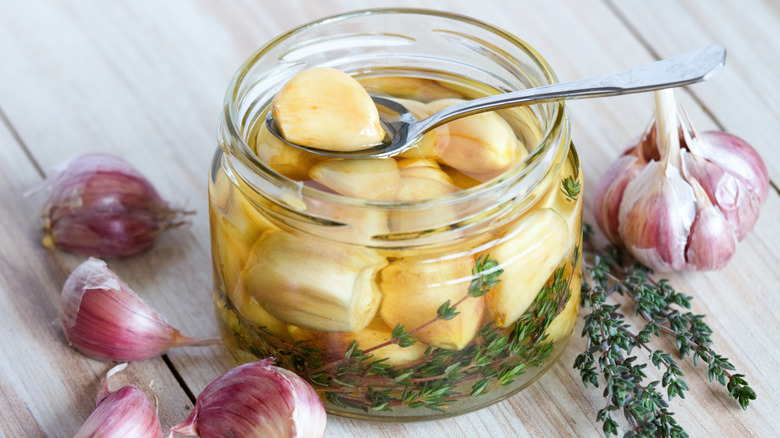
Thyme has chemical compounds with antimicrobial and antiseptic properties. Laboratory research has concluded that essential oil extracted from thyme is effective in fighting over 100 types of common bacteria, including antibiotic-resistant bacteria strains. Other studies found that a small amount of the herb's essential oil added to a washing solution significantly reduced the amount of bacteria on contaminated lettuce leaves. So, it might not be a bad idea to sprinkle fresh thyme leaves on a salad or use them in a meat marinade.
In a highly concentrated form, thyme can be used as a natural food preservative, protecting against foodborne pathogens, helping to preserve meat, and extending the shelf life of baked goods. Scientists are still studying ways to use it as a preservative in food products without affecting taste and smell. However, thyme's essential oils should not be ingested in large quantities. At high concentrations, thyme's antibacterial compounds could wreak havoc on the good bacteria in the digestive system.
As far as harnessing its preservative qualities in your own kitchen, consider using thyme to infuse cooking oils with flavor. The herb has been found to extend the shelf life of sunflower oil.
Thyme can boost mood and reduce stress

In medieval times, thyme was a common ingredient in herbal remedies concocted to lift one's spirits, heighten vitality, and amplify physical strength. Back then, they understood the properties of thyme based on their experiences. In current times, scientists have verified thyme's impact on mood through studies.
In its essential oil form, thyme contains concentrated levels of compounds that increase levels of the hormones that affect mood, specifically serotonin and dopamine. These hormones manage emotions and help lessen symptoms of anxiety and depression. They also help relax and calm the nervous system. Additionally, the vitamin B6 in thyme helps to reduce stress levels and the frequency of anxious thoughts.
Higher levels of these hormones are also linked to better cognitive health and have even been found to delay diseases like Parkinson's, Alzheimer's, and schizophrenia. So savor a cup of thyme tea or fill your house with its therapeutic scent as you breathe in the soothing effects on your emotions.
Thyme can help with weight loss

1 tablespoon of thyme has only 3 calories and is a natural substitute for artificial and over-processed additives. It also contains impressive levels of nutrients, which are better absorbed when eaten with healthy fats (think vinaigrette, infused olive oil, fish, and eggs). This nutritional herb also delivers amino acids and complex carbohydrates, which improve metabolism and blood sugar levels.
However, it's not its low caloric content and nutrients that make thyme a weight loss aid. It's the chemical makeup of the herb –– including thymol and polyphenols –– that gets the credit for helping people lose weight. Eating thyme can potentially increase metabolic rates, and its catechins also reduce the amount of sugars created by carbohydrates during digestion.
Obviously, we're not promoting an All-Thyme-All-the-Time fad diet, but adding this beneficial seasoning to your diet is a natural way to help manage appetite and control sugar cravings. Drinking thyme tea before a meal can also help avoid overeating, thanks to the warm water, savory taste, and aromatics.
Thyme is a reliable substitute for other herbs
You can never have too much thyme on your hands because not only can it be used in a variety of dishes, but it can also be used in recipes that don't call for it. Thyme often pairs with basil and oregano in spice blends such as Italian seasoning. They have complementary flavors because they are part of the same plant family. As such, they can be used interchangeably in many cases. Thyme is a great substitute for basil to bring an earthiness to an Italian dish. Or if you are out of oregano but need a pungent flavor with a hint of lemon for your sauce, thyme's similar notes will work in the recipe. It may not have as bright a flavor as mint, but when you're looking for a refreshing herbal addition to a drink or an alternative that pairs well with lamb, thyme is a great substitute.
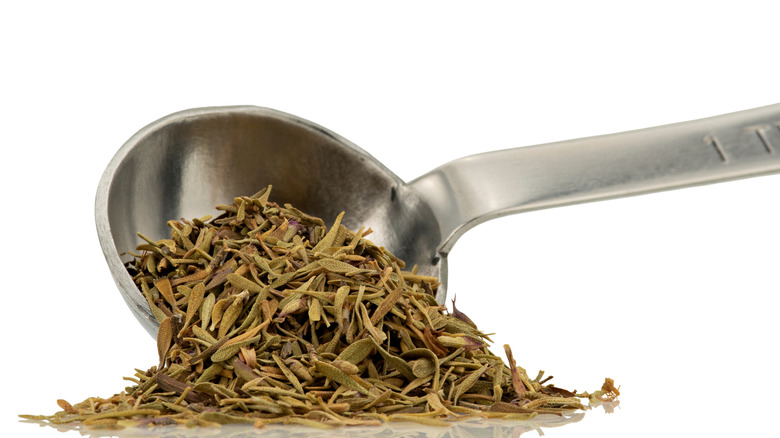
When substituting dried thyme for similar dried herbs, use a straightforward 1:1 ratio in most cases. However, it is recommended to use a 1:3 ratio when substituting dried herbs for fresh to adjust for the former's more concentrated flavor. That is, unless it has been sitting in your spice rack for a long time. After two to three years, dried thyme has potentially lost over 50% of its chemical content and flavor. So if you don't go through seasoning very quickly, avoid buying spices in bulk.