

14 High-Protein Foods That No One Asked For
If you follow any food or fitness-focused accounts on social media, then you probably have noticed the uptick in protein-centric content and recipes in recent years. However, you may've also noticed things changing beyond your feed. In the real world, protein-packed foods are stacking up on store shelves, and we're not just talking the protein-rich foods you'd expect. Sure, you're going to anticipate a nice amount of protein in tinned fish, Greek yogurt, or a bag of almonds. But protein in your Pop-Tarts? Your popcorn? Your pancakes?
Yep, protein is making its way into foods that you'd never even think about eating for any naturally occurring protein. The reasoning behind this trend in food manufacturing is fairly simple: More people are trying to up their protein intake because they think they need it. A 2025 IFIC Food & Health survey found that more than 70% of Americans are actively thinking about how much protein they're eating, and seeking out the macronutrient for their diets. However, some of us could actually be eating more protein than is necessary, and some high-protein diets (such as those involving over-consumption of animal protein) have been linked with health issues such as cardiovascular disease, constipation, and even cancer.
Health concerns aside, though, a lot of the foods that now contain added protein are simply a little weird. Personally, I'm not thinking about my protein goals when I eat a Pop-Tart, I don't want protein in my soda, and I don't want protein in these other high-protein foods that no one asked for.
Pop-Tarts
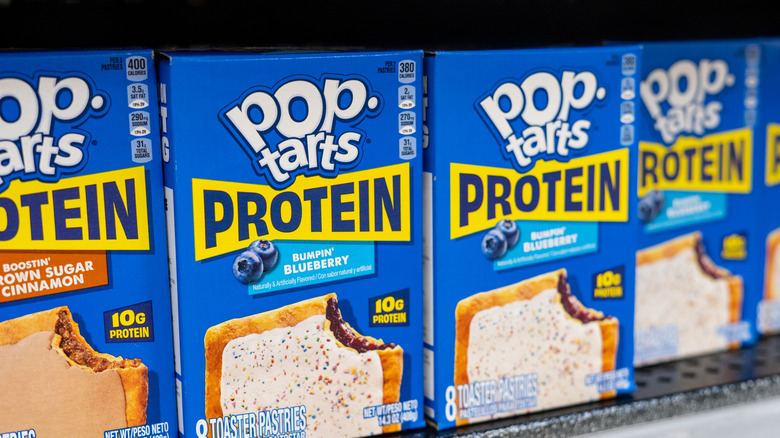
You can now purchase three different flavors of Pop-Tarts all packed with extra protein. You've got blueberry, strawberry, and brown sugar. Eating two of these bad boys will give you 10 grams of protein (or 11% of the average recommended daily value), alongside a not-insignificant amount of fat, carbs, and sugar — because ultimately it's a Pop-Tart, not a health food. When introducing the product in 2025, execs called it one of the brand's most innovative offerings to date. Actual consumer reactions to protein Pop-Tarts were less positive.
Sure, you get those 10 grams of protein, but some say that slapping a "high-protein" label on a box of Pop-Tarts can be misleading. Shoppers associate "high-protein" with "health" so much that they might assume that Pop-Tarts are indeed healthy, not realizing that the high-protein pastries still pack in a lot of sugar and fat. Some even brought the product release into conspiracy theory territory. As one Reddit user said, "This is a wink-wink handshake deal between Big Pharma and Big Food. Big pharma is banking off Ozempic/GLP1 drugs. Problem is most patients are malnourished because they aren't sticking to recommended protein values. How do you solve that? By putting protein in EVERYTHING."
Starbucks protein matcha and lattes
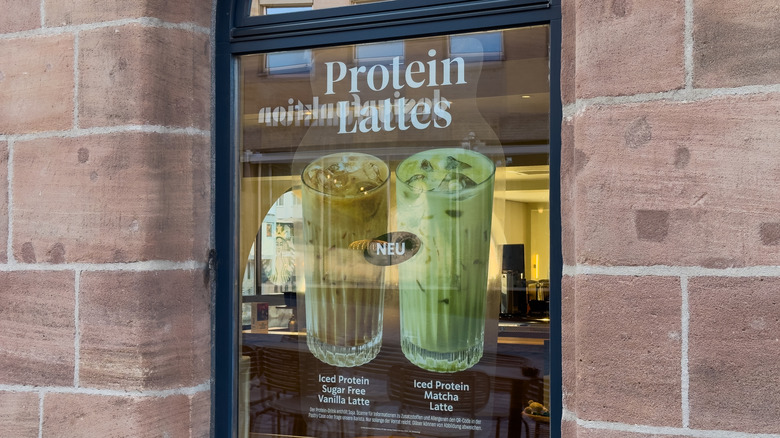
Starbucks is definitely not one to shy away from a trend. In fact, Starbucks is an OG trend-setter in a lot of ways. You can thank this brand for the slew of pumpkin spice-flavored products that you see throughout the grocery store come every September. So, it's not surprising that Starbucks would hop on the protein train as well. Starbucks offers a full line-up of protein-infused coffee and similar drinks now, including matcha, lattes, cold brew, and espresso, in varying flavors. With these drinks, you'll even get more protein than you would from a protein Pop-Tart. For example, a grande iced protein matcha comes with 36 grams of protein. Meanwhile, a grande iced vanilla protein cream shaken espresso gives you 19 grams of protein.
Starbucks makes the drinks using protein powder, which does come with some issues. If the barista doesn't mix the drink correctly, you could end up with powdery chunks (ew) in your drink. Reviews are also mixed on this one. Some say that the drinks taste basically like a protein beverage, just watered down with coffee. Meanwhile, a Tasting Table review stated: "The addition of protein powder doesn't alter the flavor too much — so why wouldn't you upgrade your usual drink?" However, we can all probably agree: No one has probably ever asked for protein in their daily Starbucks run.
SkyPop protein soda
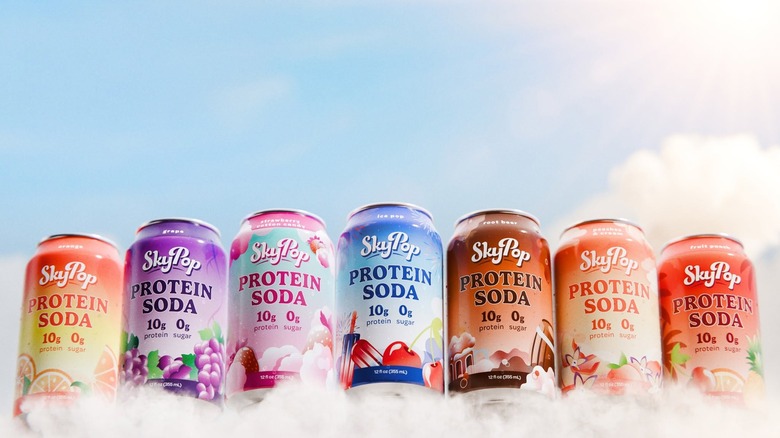
Don't care for protein in your coffee? What about protein your soda? No, we're not talking about the 2024 TikTok trend, in which some influencers began mixing together pre-made protein drinks and soda to form a truly cursed concoction. Instead, this is literally soda, in a can, that's been infused with whey protein. We're talking about SkyPop.
Each can of SkyPop comes with 10 grams of protein, no sugar, and a mere 45 calories. Meanwhile, the drinks come in fun flavors that range from your typical expected root beer and orange and grape soda, to more inventive varieties like strawberry cotton candy and peaches and cream. Unfortunately, while these flavors sound attractive at first, they've received poor reviews. SkyPop was featured on the StupidFood subreddit, where not only did Redditors discuss the potential grossness of combining soda and whey, but also the price tag. When a 12 pack of SkyPop costs $26.98 at Walmart, compared to $8.92 for 12 cans of Coke Zero, are you really willing to pay almost quadruple for the protein?
Khloud protein popcorn
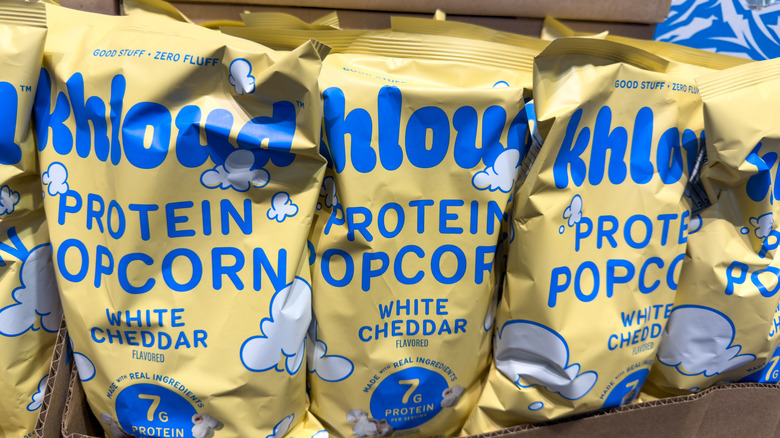
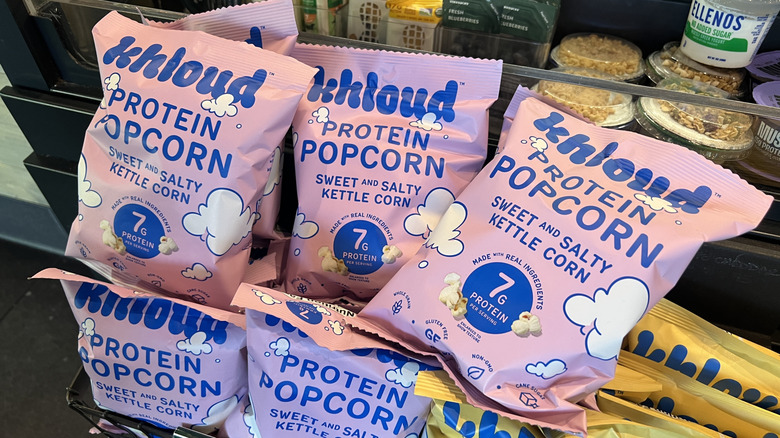
Popcorn on its own can be a very healthy snack, but someone decided that popcorn needed a health-related upgraded, via the addition of milk protein isolate. That someone was Khloé Kardashian – and since launching protein popcorn, the Khloud brand has also introduced protein chips in flavors such as nacho, buffalo, and sweet heat.
The popcorn features 7 grams of protein per serving, about double what you'll get in normal popcorn. The protein comes in the form of what Khloud calls, literally, "Klhoud dust" — basically a mix of seasoning and protein that's added to the popcorn. So, think of it as popcorn tossed in protein powder.
One of the main gripes that many have with Khloud, though, is that it's marketed as a better-for-you, non-guilty snack — and who's feeling guilty about eating popcorn to begin with? Additionally, it's been pointed out that Khloud is marketed as not containing any seed oils, when the theory that you should avoid seed oils has been widely debunked.
Cheerios Protein
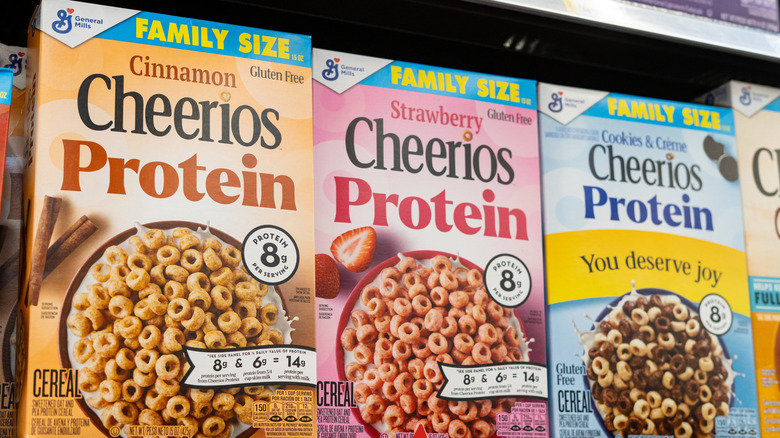
In a similar vein as popcorn naturally being a mostly healthy snack, with no need for improvement, Cheerios has likewise long been associated with a heart-healthy lifestyle. However, recently, Cheerios decided it needed to up its game, by introducing Honey Nut Cheerios Protein, with 8 grams of protein per serving (add on some skim milk and you can get that up to 14 grams of protein per serving).
While this cereal may seem innocent at first glance, though, the Center for Science in the Public Interest actually filed a lawsuit against General Mills regarding it. The nonprofit stated that the cereal's packaging was highly misleading, noting that some boxes say that eating the cereal can give you 11 grams of protein, but that's a bit of a fudge-y number as it relies on you adding milk to the cereal to actually reach that amount of protein. The Center also claims that Cheerios Protein lists a larger serving size on its nutrition label, as compared to regular ol' Cheerios — so, when you legitimately look at the cereals side by side, ounce by ounce, the difference in protein is barely noticeable.
What is noticeable? The sugar. You can multiply the amount of sugar in regular Cheerios by more than 15 and still not reach the amount of sugar you'll find in a bowl of Cheerios Protein, according to the Center for Science in the Public Interest.
Doritos Protein
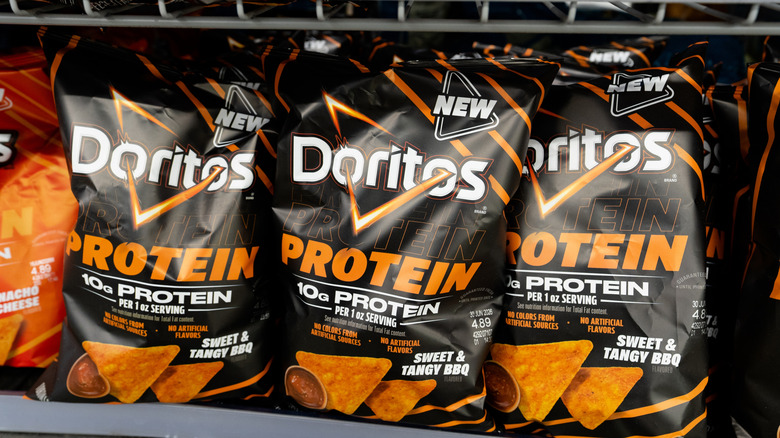
Just as Pop-Tart declared its addition of protein to its products a revolutionary measure, so did Doritos when parent company PepsiCo launched Doritos Protein. Admittedly, compared to a lot of "high" protein foods on this list, Doritos Protein do actually contain a fair amount of protein: One serving from a regular-size bag comes with 10 grams of protein, and a single-serving bag with 17 grams is due later in 2026. Doritos Protein are available in nacho cheese and sweet and tangy barbecue. At product launch, the brand basically said that the new offering was in response to consumer demand. The people want protein!
However, turns out not everyone wants protein in their Doritos, even if they do like protein chips in general — because, yes, protein chips are actually a thing, offered by brands like Quest Nutrition, which you might know more for protein bars rather than chips. Additionally, keep in mind that, while 10 to 17 grams of protein per serving is decent as far as added-protein foods go, if you're actively looking for ways to get more protein, you'd be better off cracking open a can of tuna – one can of this fish will give you 50 grams of protein.
Protein pancakes and waffles
IHOP was admittedly ahead of the trend when the breakfast chain restaurant introduced its protein pancakes, in 2022. The protein pancakes are made with whey protein and healthful ingredients like chia and rolled oats. A stack of four pancakes gives you 37 grams of protein. However, it's worth noting that even though you'll get an admirable amount of protein in these pancakes, they have come under fire for what else you'll get when noshing down on your breakfast. Without any toppings at all, the pancakes contain 3 ½ grams of saturated fat and 19 grams of sugar. Additionally, they're made with refined flour and contain TBHQ — a controversial food chemical and preservative that has been linked to DNA damage in some studies on rodents.
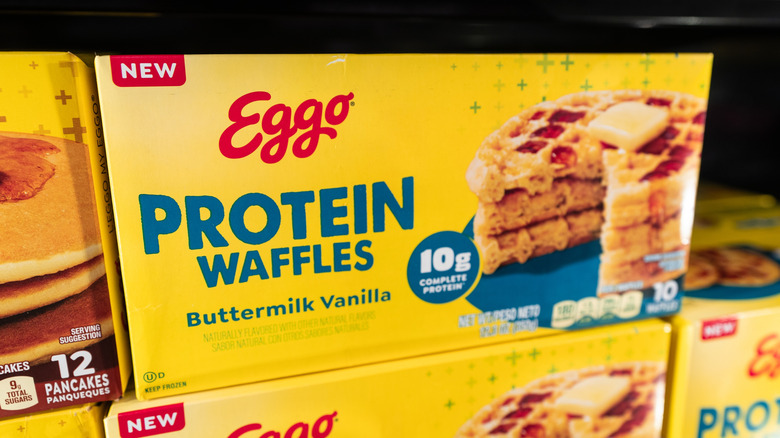
IHOP isn't the only breakfast-centric brand to try to infuse your morning meal with more protein, though. You can now also find Eggo protein pancakes and waffles, with 7 to 13 grams of protein per serving, in your freezer aisle.
Dunkin' Protein Refreshers
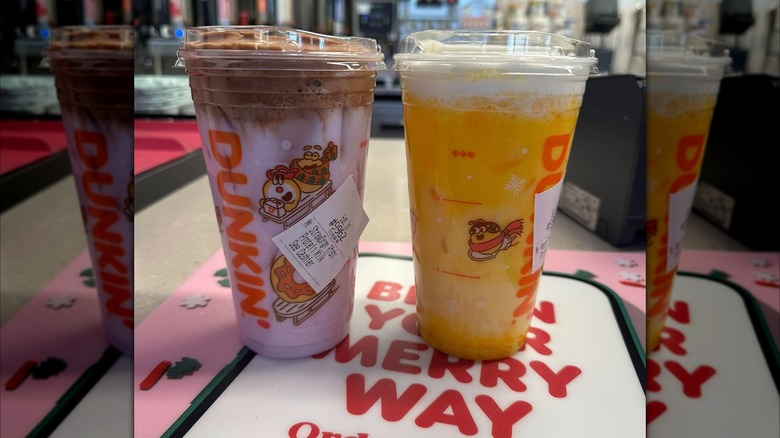
Dunkin' more recently added a fresh hit of protein to its menu, with the introduction of Protein Refreshers at the beginning of 2026. Made with Protein Milk, the refreshers come in mango and strawberry flavors, and contain 15 grams of protein in a medium beverage. Protein lattes and matcha lattes are also available. However, some have reported that Dunkin' isn't using anything necessarily special in its protein-based drinks, and you can easily replicate what the chain is doing at home. Rather than any sort of proprietary protein blend or powder, Dunkin' is just making these drinks with 2% Lactaid Protein Milk.
Additionally, if we want to compare coffee chains, Dunkin's protein milk drinks contain far less protein than some of the protein drinks you could get at Starbucks. That said, one Tasting Table review found that Dunkin' at least gets one thing right. Unlike the protein drinks at Starbucks and Dutch Bros', you're less likely to find a chalky, protein powder-esque texture in the drinks at Dunkin'. The review did say, though, that the flavors are hit or miss.
Kraft PowerMac
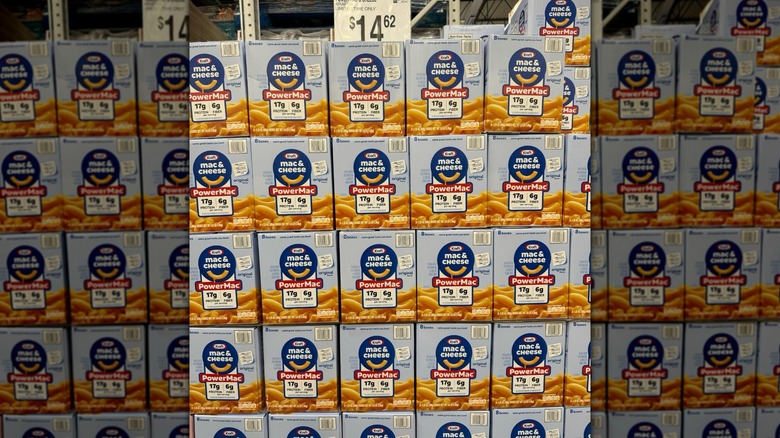
When you think of a box of Kraft macaroni and cheese, what do you imagine? If you're like me, you're thinking of a delicious, home-y, comforting box of macaroni and cheese that's nothing fancy, but nostalgic and delicious in its own right. Sometimes, it just hits the spot. I don't need to know what that neon-orange powder is made from. I don't need to look at the nutrition label. Just give me the Kraft. So why bother adding protein to a perfectly good boxed mac and cheese?
Kraft's PowerMac contains 17 grams of protein per serving and 6 grams of fiber. The Takeout's review of PowerMac was favorable, too — noting that the flavor was great and very much like the original, and observing the fact that the mac contains no artificial flavors or preservatives as an additional bonus. It was admitted, though, that the noodle texture does differ slightly, and that you have to follow the box's directions in order to get the desired result (probably because the mac gets its extra protein from the protein-enriched noodles, rather than any powder). All that considered, though, PowerMac does have more calories, fat, and sodium than its original counterpart, and it's still a processed food.
Skippy Protein
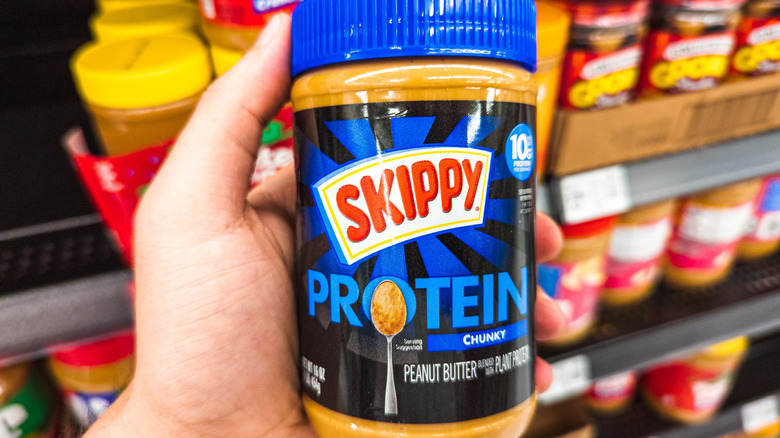
Peanut butter has long been a fast, easy, affordable source of protein for many a hungry broke college student (ask me how I know), so why in the world did we need to take something that already had protein naturally, and add even more protein to it? Whatever the reasoning, that's what Skippy did with the introduction of Skippy Protein.
With 5 grams of protein in each tablespoon of peanut butter, Skippy Protein is basically just normal peanut butter with pea protein added. This plant-based protein is generally healthful, but is not considered a complete protein, as it's low in one essential amino acid: methionine, which supports DNA and cell health. Additionally, pea protein can differ a lot depending on the maker, and it's not immediately clear where Skippy sources its pea protein; one form of pea protein may contain more protein than another, or more or less fiber or fat.
Protein ice cream
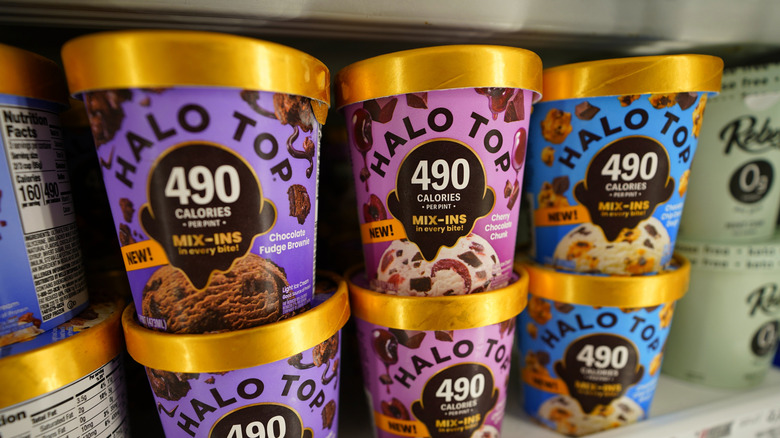
Go to the ice cream aisle at your local grocery store and you'll see that you have a vast array of options exceeding what you may have found 10 or 20 years ago. Not only will you find typical ice cream from all the big brands (as well as, usually, a few niche boutique brands), but also dairy-free ice cream, keto-friendly ice cream, and now, protein ice cream.
Protein Pints contain 30 grams of complete protein, significantly less sugar than your average ice cream (and so, what is the point, one might argue), no artificial sweeteners, and all-natural ingredients. The "ice cream" comes in flavors like cookie dough and cookies and cream. The ice cream's protein comes in the form of whey protein, but the actual milk and egg used in the ice cream also add to the final tally.
Protein Pints isn't the only brand that's offering something like this, though. While it's not as overtly advertised as such, Halo Top also contains a fair amount of protein, with the exact amount differing according to flavor (for example, the vanilla bean comes with 16 grams of protein, while the peanut butter cup comes with 18 grams). Even Blue Bell has come out with a protein ice cream, with its Blue Bell Pro — though it's worth noting that the brand calls this a frozen dairy dessert, meaning it doesn't meet the ingredient requirements necessary to qualify as real ice cream.
Protein water
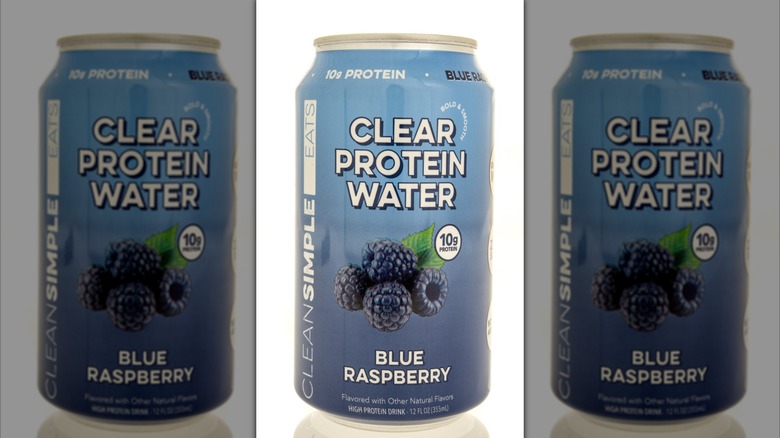
Do we really need to add protein to our water? If one did want to add protein to their water, could they not simply use protein powder? Maybe, but maybe not — because why else would we have water that comes ready-to-drink infused with whey protein isolate?
There's apparently enough of a market to support multiple brands selling protein water. You've got Isopure, which comes with 15 grams of protein; however, Isopure also adds flavoring to some varieties, and you ultimately end up with 60 calories per bottle versus the zero that you'd expect from a bottle of water. There's also Ready, with its Clear Protein Water, with 20 grams of protein and electrolytes. Again, you're getting some extra calories, though, at 90 calories per bottle. Ryse sells protein water with 22 grams of protein in flavors like Kool-Aid tropical punch. Meanwhile, Clear Protein Water from Clean Simple Eats comes with 10 grams of protein per 12 ounce can, and 50 calories.
Cup Noodles Protein
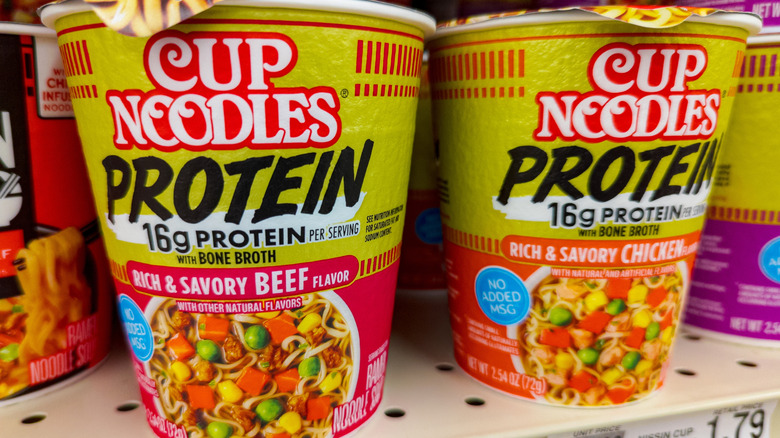
If there is any food in the world that you probably do not expect to be bursting with nutrients, it is a cup of instant ramen noodles. Yet, you can now find Cup Noodles boasting about just how much protein those Styrofoam cups contain, with the early 2026 nationwide launch of Cup Noodles Protein. The offering provides 16 grams of protein, or more than double what you'll get in your standard cup. In a press release from February 2026, the brand's senior vice president of marketing assured that Cup Noodles was not just following the trend with this product release (doubtful), but that it's all about trying to give the people what they want.
Whatever the case may be, we can't overlook the fact that the elements that have made Cup Noodles less than healthy from the start still exist, no matter how much protein is added to the pot. You're still going to get those high levels of sodium (1,390 milligrams, or 60% of your daily recommended intake, for the beef-flavored Cup Noodles Protein) and saturated fat (6 grams, or 30% of your daily recommended intake, for the same flavor) — and that's fine! No one wants less-salty, less-fatty Cup Noodles ... but no one likely wanted protein-packed Cup Noodles, either.
Papa Johns protein crust pizza
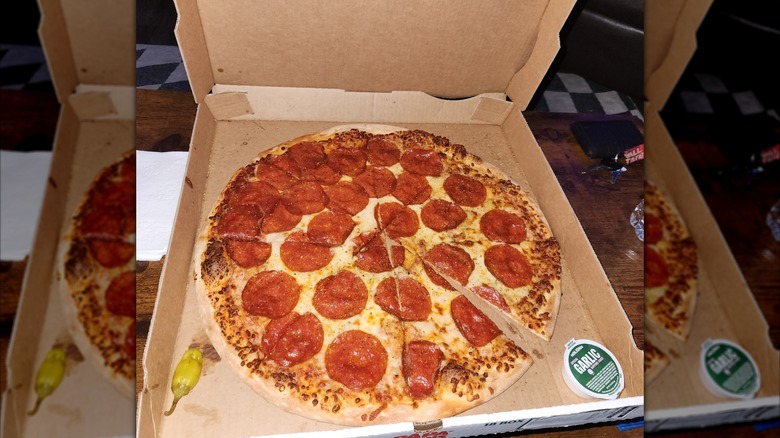
Yet another chain hopped onto the protein band wagon in early 2026. Papa Johns decided it was going to convince customers that it's a healthful option (you know, when you're scrolling DoorDash at 11 p.m., looking for something to eat), and it was going to do so by adding protein to its pizza crust. To be clear, this is not a nationwide product. In fact, it was just in testing at one location, for one day. The limited-time, protein-crust pizza delivered eight inches of personal pizza goodness with up to 55 grams of protein, in both meat and veggie variants. At the time, Papa Johns promised that, if that initial test went well, other locations could see it popping up on menus soon.
Unfortunately, not really anything else has been reported on this pizza since that initial trial in January. We can only assume that the test didn't go as well as hoped.
Static Media owns and operates The Takeout and Tasting Table.