

12 Ways To Punch Up Homemade Ranch Dressing
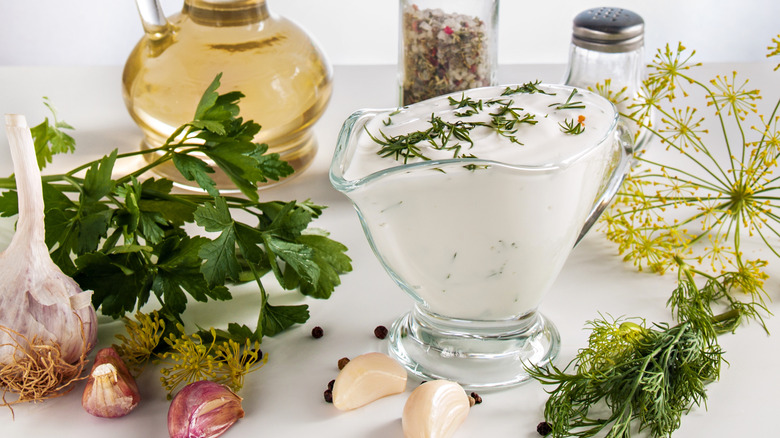
Some foods are just better store-bought than homemade. Pumpkin pie filling. Angel food cake. Puff pastry. Hash browns. But ranch dressing? Not only is it easy to make from scratch, but homemade ranch dressing tastes a million times better than bottled. Experts we spoke to agree. "I think there's nothing on the grocery store shelves that's anywhere near as tasty as what you're going to make in the kitchen," says licensed and certified nutritionist Abra Pappa of Abra's Kitchen. In her Stir It Up! Society cooking club, she teaches people how to make healthy eating easier, like making homemade salad dressing. Marwin Brown from Food Fidelity grew up on bottled salad dressing and even worked in Kraft Foods' dressing division, but now makes his own for an improved, more authentic flavor.
Michelle Morey of Barefoot In the Pines loves the versatility of ranch dressing, which can be a dressing, dip, or sauce, and is flavorful without being overpowering. Stephanie Hansen, creator of Stephanie's Dish and author of several cookbooks, loves to customize dressings. She says there are a million combinations to choose from. Well, we narrowed it down to 12 flavor combinations suggested by our experts that really give ranch dressing a memorable punch. So get a mason jar ready because you're going to want to try these tonight.
Replace the base
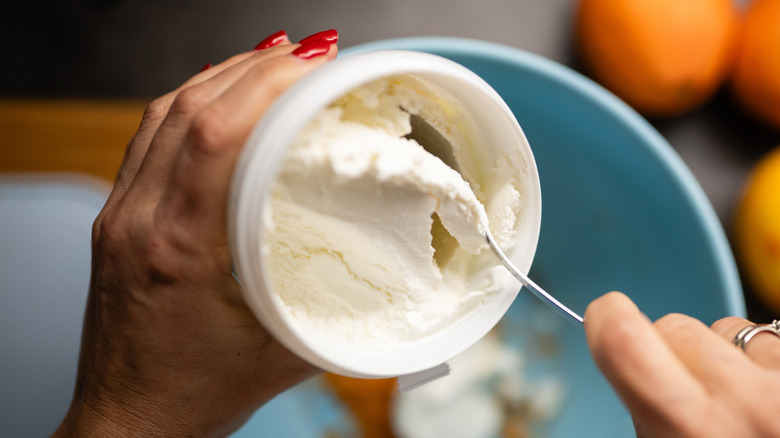
Typically, ranch dressing begins with a base of buttermilk, sour cream, or plain yogurt, and maybe some mayonnaise. Our homemade dressing experts recommend trying something untraditional to build a dressing with a more interesting taste or texture. Marwin Brown swaps out sour cream for silky-smooth Mexican crema in his buttermilk ranch dressing, which gives it a rich, tangy flavor and pleasing texture. "Crema has higher fat content, which gives it a richer dairy flavor," he says. Additionally, he points out that because it isn't as thick as sour cream, crema doesn't need much tweaking to get a good, pourable consistency that clings to the vegetables in a salad.
Abra Pappa makes her dressing with ricotta cheese, which has a thick, creamy texture and nutty taste. "I think the rich creaminess of ricotta is just dreamy," she emphasizes. She thins the ranch dressing with buttermilk, but if left thicker, she says it makes a flavorful topping for grilled chicken and dip for crudités or chips. She suggests her richer, thicker, creamier ricotta ranch dressing is ideal for a hearty salad, with chewy grains and summer vegetables.
Pair with pickles
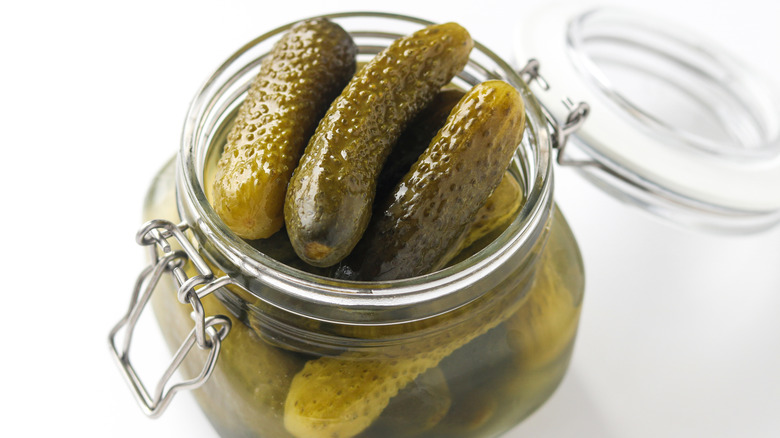
It seems there's no food that hasn't found itself "in a pickle" as part of the pickle-craze of the last few years. Many were a short-lived gimmick, like dill pickle Cup Noodles or dill pickle Oreos. But one of the premier pairings, which has been around for decades, is fried pickles dipped in ranch dressing. Ranch and pickles share some similar spices, but it's the delicious juxtaposition of the vinegary pop with the herby, creamy dressing that begs the question: Why aren't we adding pickles to ranch dressing more often?
Hidden Valley added Pickle Flavored Ranch to its product line in 2023, but Michelle Morey says you can add chopped pickles or just the juice to make your own, which is delicious on fried chicken and burgers. Her tip for using pickle pieces is to add them just before serving. The longer they sit in the dressing, the more liquid they will release.
Pickle juice is an ingredient that's usually on hand and so can easily be used as a substitute for lemon juice in homemade ranch dressing, says Stephanie Hansen. "If I'm low on like lemon juice, or I think it still needs a punch of acid, I'll either grate the lemon peel or use pickles or pickle juice, just to give it that little bump," she describes. She recommends the resulting salty, herbaceous dressing as a delicious base for a potato salad.
Heighten the heat
You may have noticed there's a growing trend of restaurants creating sauces to meet the popular demand for spicy ranch flavors. There's Little Caesars' Pizza Buffalo Ranch, Taco Bell's Diablo Ranch, Chipotle's Adobo Ranch, Jimmy John's Kickin' Ranch, Popeyes' Blackened Ranch — even online enthusiasts suggest Texas Roadhouse adds cayenne to its house ranch dressing.
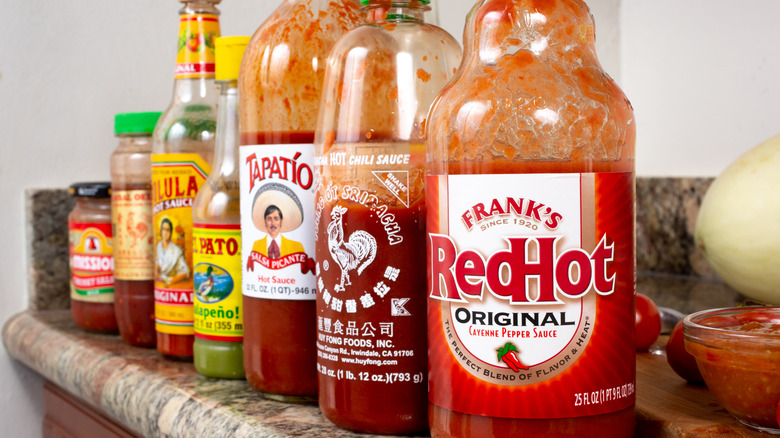
There are plenty of copycat recipes for these sought-after sauces, but an easy way to heighten the heat in your homemade ranch is to add whatever you typically use to spice up your food. Stephanie Hansen's Spicy Sassy Ranch Dressing recipe uses both Tabasco and Frank's RedHot, but it would be just as delicious if sriracha, gochujang, chipotle, or Tapatío is your thing. "Jalapeño can be really good if you're trying to make something a little spicier," Hansen adds. Michelle Morey uses hot sauce or sriracha but also suggests taco seasoning or dried cayenne pepper as other ways to give the dressing a kick.
There's just one thing to keep in mind when adding vinegar-based hot sauces to a dairy-based ranch dressing: You don't want to overdo it with the acidity. Adding more fat is one way to fix an overly acidic salad dressing. You could also leave out the buttermilk.
Up the umami
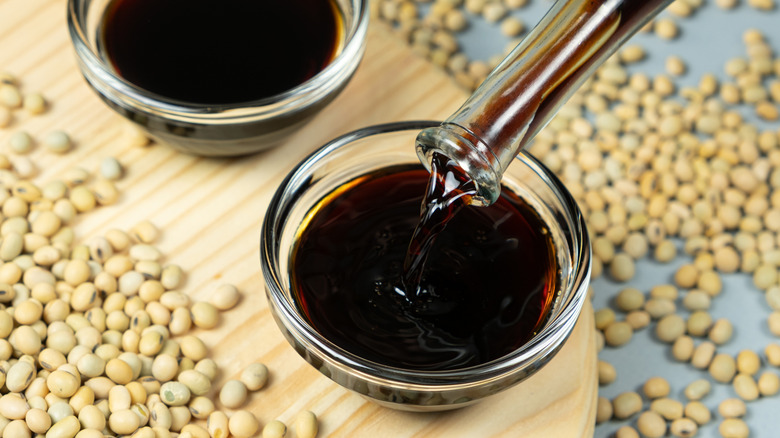
Ranch dressing has a salty, savory flavor profile that can be taken up a notch with the addition of an umami-rich ingredient. Marwin Brown likes to experiment with global flavors in his salad dressings. He lets the cuisine guide his choices and often ends up in the umami family for ingredients such as miso for a Japanese twist or bacon for Southern flavor. Ranch dressing with a meaty flavor makes a good accompaniment to foods that are mild in flavor, or dare we say, bland. Michelle Morey explains, "A small splash of Worcestershire or soy sauce for some umami depth [is] great for tempura veggies or shrimp."
Many umami-rich sauces — think soy sauce, fish sauce, and the icon of the health-food store, liquid aminos — all add complex flavors to ranch dressing but also come with a hefty amount of salt. That shouldn't discourage you from using them in your homemade dressing, according to Stephanie Hansen. "All dressings need salt because it's covering a lot of area in your dish," she explains. "So you want to have salt at multiple different points of entry, and making sure that the dressing is salted enough lends you to having a better tasting profile on the final finished salad."
Feature fresh herbs
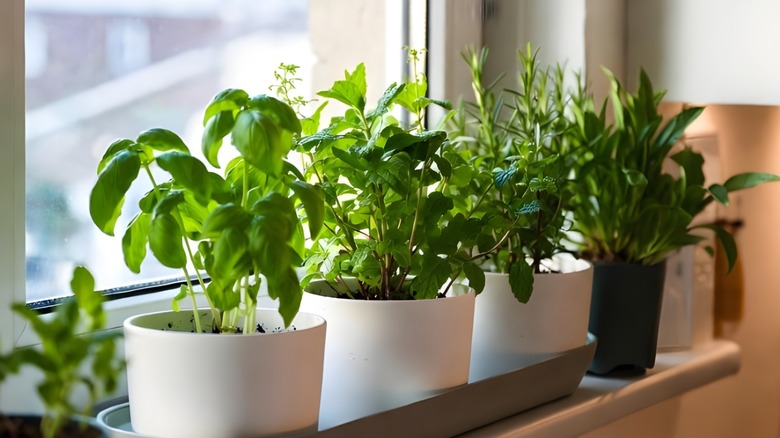
What makes ranch dressing so appealing is its blend of herbs, typically dill, chives, and parsley. Our experts usually go for fresh herbs instead of dried ones. "My preference is fresh herbs, just because I think it's a punchier, more interesting dressing," says Abra Pappa. She recommends the taste-as-you-go method after each addition of herbs, blending in more and more until you note the herby ranch dressing kick you're looking for. If it tastes like something is missing, Pappa says it's most likely the generous pinch of salt all salad dressings should have. And there's no need to be cautious about over-seasoning, adds Marwin Brown. "Use more seasoning than you think," he recommends. "Cold dairy tends to mute flavors." That's yet another reason not to serve salads cold.
Dried and fresh herbs have different flavor profiles, according to Stephanie Hansen. "The dried dill kind of gives you that oomph of herb flavor, but the fresh also has a different complexity," she explains. In her opinion, fresh dill has another advantage over dried: "You can really see it inside the dressing, and I think that looks pretty."
Stir in smokiness
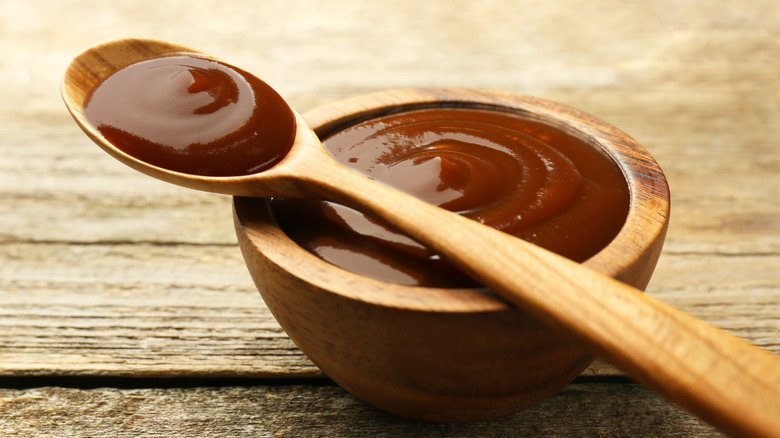
The herby flavors of ranch are compatible with a variety of flavor profiles. Stephanie Hansen often experiments with creative variations on her ranch dressing, adjusting the ingredients to get just the right flavor to match a dish. For example, she livens up a green salad topped with barbecued chicken with a sweet, smoky ranch concoction. "Putting a little barbecue sauce in there, and then amping up the acid to balance it, [gives] it a little more of that Southern sort of ranch-style barbecue flavor," she says. On her website, she shares how to add a smoky twist to a spicy ranch recipe by adding a bit of smoked paprika or a splash of liquid smoke.
The mixture of herby and smoky flavors is at the core of popular sauces like Chik-fil-A Sauce and Popeyes' Blackened Ranch dip. Similar blackened seasonings gets their kick from smoked paprika, cayenne, and a generous dose of black pepper. You can play around with various flavors by mixing and matching restaurant dipping sauces — a common Chick-fil-A menu hack — or personalize your own flavors in a homemade recipe. Just beware, spices and peppers tend to intensify the longer the dressing sits. Of course, creamy ranch can also tame spices, Michelle Morey points out. "It has this cooling, neutralizing quality that's perfect for balancing out spicy or acidic foods."
Add acid
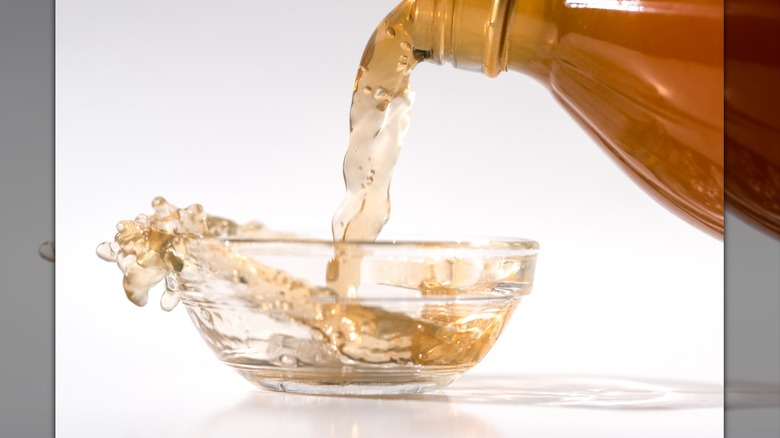
Ranch dressing is tangy but not what you'd call sharp. With her preference for punchy flavors, however, Abra Pappa tends to make dressing with more acidic ingredients. "Something like white balsamic in a ranch is really nice, because it's a little bit of a sweeter acidic hit, and I think it helps to balance out that creaminess well." She recommends the milder taste of white balsamic vinegar over the pungent, tangy flavor of dark balsamic. Even then, she's careful not to overdo it. "Too much acid in anything is not delicious, but certainly in the right balance, I think it can make a really big difference," she shares. According to Marwin Brown, a successful salad dressing is all about the ratios between fat, acid, sweetener, and salt. "[The] goal is to get to some level of balance where one doesn't drown out the others," he explains.
Acids should also be added to the dressing gradually, Michelle Morey advises. "Too much acid at once (heavy vinegar or citrus) ... can curdle your base or make everything watery and sharp," she cautions. In her experience, it only takes a small amount of apple cider or red wine vinegar to brighten the flavor of a salad dressing or veggie dip.
Choose a cheese
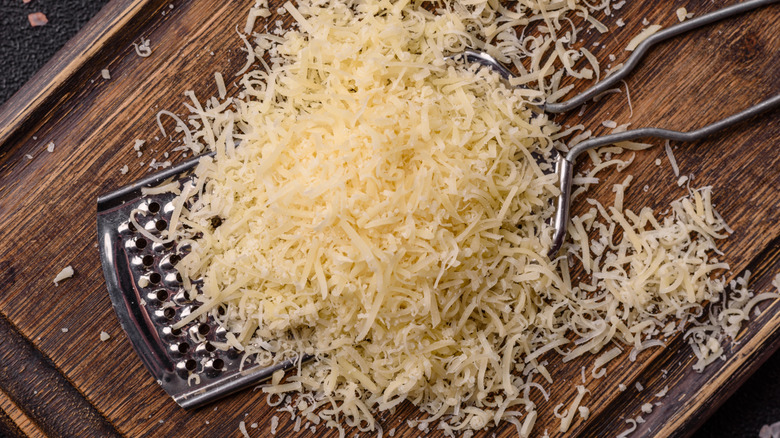
There are very few foods that aren't improved with the addition of cheese. Creamy, briny, or nutty cheeses can give new life to ranch dressing in both taste and texture. Michelle Morey has tried several in her dressings, such as stirring in crumbly cotija or feta cheese and taco seasoning to create a street-corn ranch that is delicious drizzled over corn. Sometimes she even swaps out a base ingredient for cheese. "For a hot ranch dip, swap in cream cheese for the mayo. It holds up to heat well and gives you a thick, scoopable consistency," she says. Alternatively, she replaces the mayo with blended cottage cheese for a low-calorie, high-protein salad dressing.
However, not all cheeses will work in a dressing. Some soft cheeses — which work best for melty grilled cheese sandwiches — don't incorporate well in a wet dressing. There are also bold-flavored cheeses, Morey says, that should be avoided, such as blue cheese or goat cheese. "Not bad flavors on their own, but those can wipe out the herb flavors in the dressing," she warns. However, a pungent parmesan works like magic. "Parmesan cheese for that extra salty, savory kick with some coarse black pepper is so good," Morey says. We agree — those just happen to be the flavors that make Olive Garden's Parmesan Ranch Dressing one of our favorite bottled ranch dressings at the grocery store.
Transform with tarragon
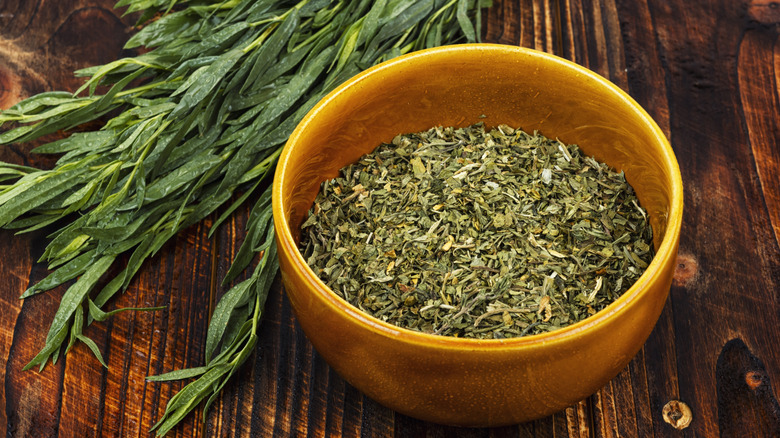
On her Emmy-winning TV show "Taste Buds with Stephanie," Stephanie Hansen loves to explore new flavors and recipes. She considers homemade salad dressing the ideal opportunity for flavor experimentation because it's so easy to adjust the seasonings and make it taste spicier or more herbaceous. "You can really change the profile and the complexity of the dressing," she says. Hansen believes she has cracked the code for making a better-tasting ranch dressing by adding dried tarragon, which emphasizes the herbier notes. "I really think that's what makes it taste as close to the Hidden Valley Ranch — without including all the extra preservatives," she muses. In her experience, people think they don't like tarragon and are surprised by its flavor when they taste her dressing.
Abra Pappa acknowledges tarragon can have an unwelcome, strong licorice or anise flavor and is therefore careful not to use too much. "It will overpower," she cautions. Her ranch recipe, which uses French tarragon picked fresh from her garden, always has her dinner guests asking, "What is this? Why does this taste so different and so delicious?"
Sub in citrus
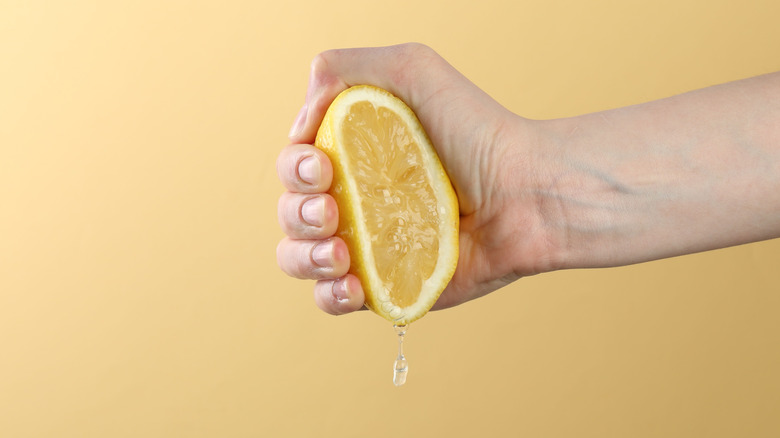
Want to take ranch dressing on a sweet and sour adventure? Grab a citrus fruit and get squeezing. Lemon juice is not a stranger to ranch dressing, but it's usually used for acid balance rather than its sour kick. Michelle Morey has found a way to get more zingy lemon flavor in her homemade dressing. "Thin out the mayo [or] sour cream with part vinegar or lemon juice instead of buttermilk or milk," she suggests. Lime juice is also commonly found in creamy dressings. At least, it's what some copycat recipe developers have guessed gives Cafe Rio's Creamy Tomatillo dressing its zesty punch. But there's more to citrus than lemons and limes.
Marwin Brown features a less common citrus fruit in his Cuban-inspired homemade ranch recipe: sour oranges. "Ultimately, I wanted to give the dressing a bit more character to help it stand out against other dressings, but I didn't want to get crazy with a bunch of ingredients used," he says. The juice from sour oranges takes on three roles in the dressing: it adds flavor, acid, and is a sweetener, though it is not overly sweet but just tart enough to balance the bitterness. Sour oranges — aka Seville or bitter oranges — can be hard to find, so Brown says a mixture of fresh lime juice and regular orange juice can be substituted.
Mix in mustard
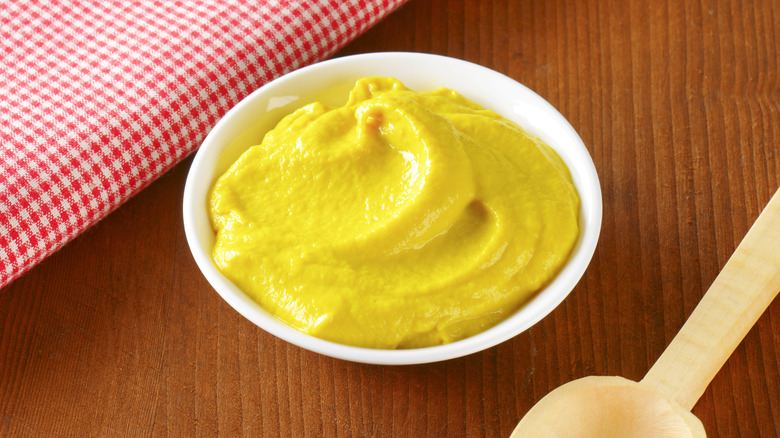
This is a pretty long list of mix-ins that promise to make ranch dressing taste even better, but don't start thinking anything goes. Stephanie Hansen notes anything too sweet is a no-go, and Michelle Morey warns against bold-flavored ingredients like tahini or pesto, which can mask other ingredients. Mustard is known to pack a punch of flavor that takes over both the taste and appearance of a dish, but it gets an exception because it pairs so beautifully with ranch's seasonings. While mustard in homemade vinaigrettes and creamy dressings acts as a binder, in ranch, it adds a sharp tingle and hint of heat. Our experts typically reach for the milder varieties. "A little Dijon mustard adds complexity and cuts the richness from the sour cream [or] mayo," Morey says.
Mustard's signature flavor also comes with its iconic bright color. Any yellow or brown variety can affect the color of a salad dressing, but prepared yellow mustard, whose vibrant color isn't actually from mustard seeds, is particularly potent. "I think people get mixed up and sometimes use too much," Hansen says. "If you're using a yellow mustard, it gives it kind of an off-putting color." Yellow mustard is mixed with turmeric, while other types, like stone-ground, Dijon, German, or even dried mustard powder, are not, so those are the types Hansen uses in her ranch recipes to minimize the risk of changing colors.
Give it garlic
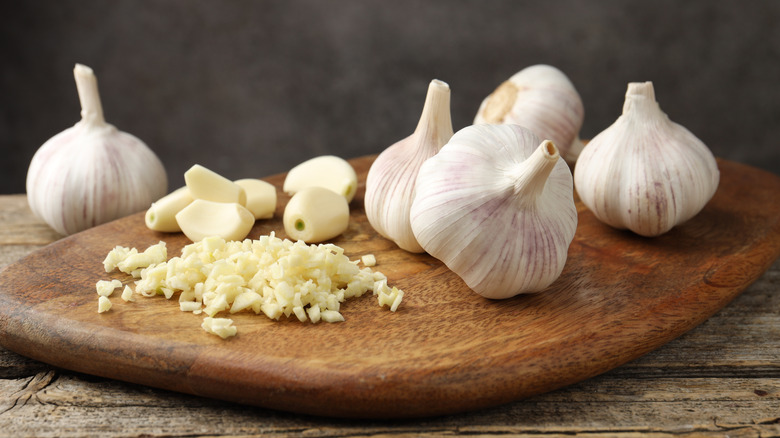
One potent ingredient that you really can't have too much of is garlic — at least that's what garlic-diehards who love ajo blanco soup think. Either raw garlic, with its sharp, intense flavor, or sweet and nutty roasted garlic is a flavorful addition to ranch dressing. Stephanie Hansen says the trick to using raw garlic is to cut it into small pieces. "I always microplane my garlic versus chop it, because I think that it really gives you more flavoring throughout the whole dressing, versus being like a giant chunk in someone's mouth," she says.
Another garlic hack is giving it time to meld with the other flavors. That's why Hansen makes her salad dressing before she starts working on the rest of the meal. "I think a lot of times people make [it] too late in their meal preparation, and that garlic hasn't had a chance to permeate all the liquid ingredients," Hansen shares. Whip up your salad dressing first, and by the time everything else is ready, the flavors have had time to mingle together. Often, Hansen makes the dressing in the salad bowl, throwing the salad ingredients on top, but doesn't mix everything until it's on the table to ensure the dressing has had time to set up.