

10 Ground Meat Shopping Tips Everyone Should Know
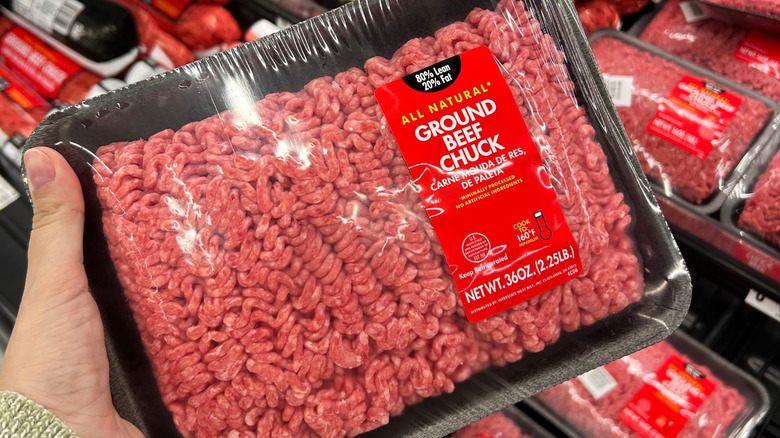
When you think of ground meat, beef most likely comes to mind. While ground beef is a popular ingredient in favorite dishes such as chili and spaghetti and meatballs, there are several other types of meat that are either finely or coarsely ground for a variety of purposes. For instance, ground turkey, chicken, and pork are all alternative options to beef. They all have different fat contents, depending on your diet preferences and restrictions, as well as individual flavor profiles.
Deciding on what type of ground meat to buy is only half the battle, however. After you get to the grocery store or the local butcher with your shopping list in hand, you must keep several tips in mind as you approach the refrigerated meat cases. To make a successful purchase, it's important to consider several factors when scanning the ground meat packaging labels and making a visual assessment. To make sure you get the best ground meat for your recipe as well as the most food for your money, don't forget these golden rules.
1. Skip the Wagyu
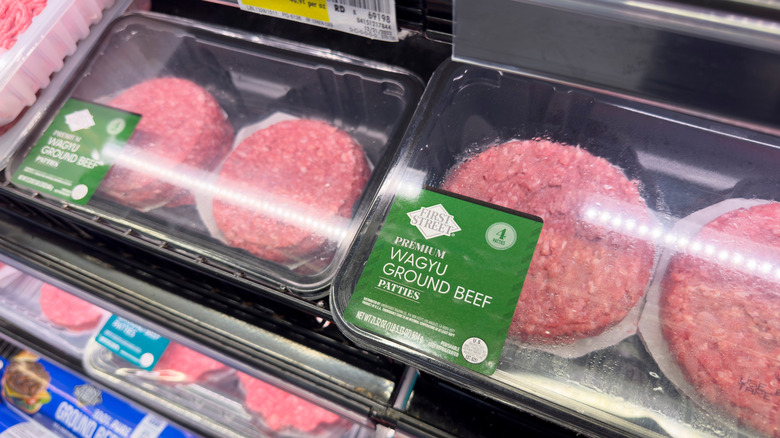
Every type of meat, including wagyu beef, has its own time, place, and recipe. Although it's highly regarded for its tenderness, extensive fat marbling, and rich, buttery flavor, wagyu beef may be better suited for a big, juicy steak at a fancy restaurant rather than casual backyard barbecue hamburgers. Since Wagyu beef typically has a 70/30 fat ratio, the excess fat can make the patties too soggy, and no one wants a floppy burger between their bun. To put it bluntly: don't waste your money on wagyu burgers.
Some of the properties that make wagyu beef so special and worth the splurge, such as the exquisite and extensive intramuscular marbling, get lost in the grind. Also, wagyu ground beef may just be the leftover cuts that didn't make it into steaks, so it may not be as high quality. With the high fat content, not only will burgers made from wagyu ground beef have a too-soft texture, but you may end up with mushy meatloaf or greasy spaghetti sauce when the fat is rendered out.
2. The more fat, the better
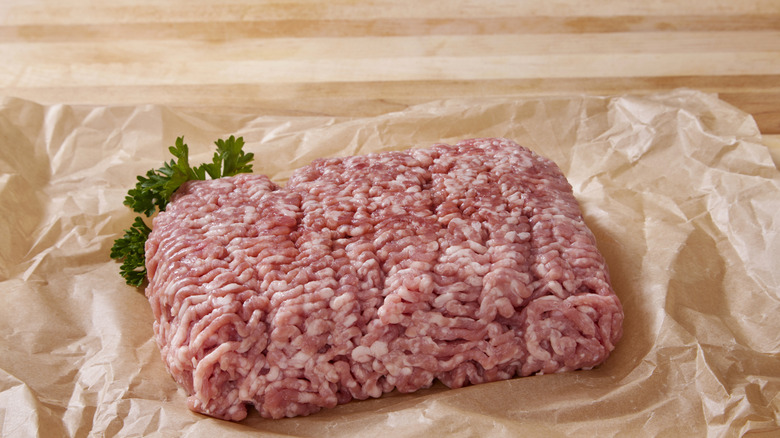
A lot of people are committed to low-fat diets for health reasons, but there's no denying that the more fat ground meat has, the better it tastes. In this case, fat is flavor, and not having enough of it may make your burgers and other recipes a bit less mouthwatering. It's best to aim for ground meat that has a fat ratio of 80/20, or as close to it as possible. Even if the meat isn't the highest quality, the high fat content will help make even the cheapest cuts taste better. To better understand the meat packaging label, the first number refers to how lean it is, and the second number tells you how much fat it has. There's a specific way to choose ground beef with the perfect ratio of fat.
If you opt for ground meat with a lower fat content, such as 90/10, it may be too dry. And there's nothing worse than a less-than-juicy burger, right? If you're making a recipe and find that there is too much fat in the ground meat, you can drain it before adding it to a sauce, casserole, or any other kind of dish. It's easier to get rid of too much fat than to add moisture to dry meat. Some types of ground meat, such as chicken and turkey, are naturally lower in fat.
3. Be aware of the 'packaged on' dates
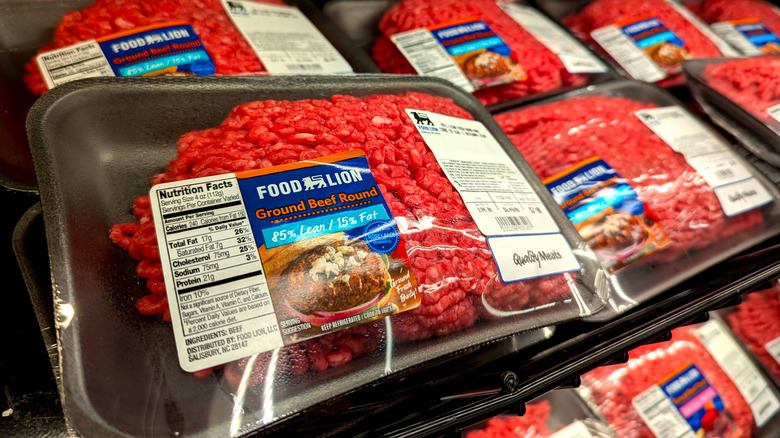
While it may be tempting to save a few dollars on ground meat that was recently marked down, it's important to inspect the "packaged on" dates. The general rule of thumb is to always purchase the ground meat, no matter what type, with the latest date. This will ensure you're getting the freshest meat available for the best taste and texture. The Food Safety and Inspection Service (FSIS) states that dates on meat products may be voluntarily applied as long as the calendar dates are truthful, expressing both the month and day of the month.
"Sell-by" and "best-by" dates also aren't federal requirements, but it's wise to pay attention to them when they're provided. The dates are more of a guide for retailers, so that they know how long they can display the product for sale for inventory management, rather than a safety date. In general, "sell-by" dates aren't good indicators for whether ground meat has gone bad — use your eyes and nose to determine that — and it's typically safe and tasty to eat for a few days after.
4. Know the difference of a coarse and fine grind, and when to use them
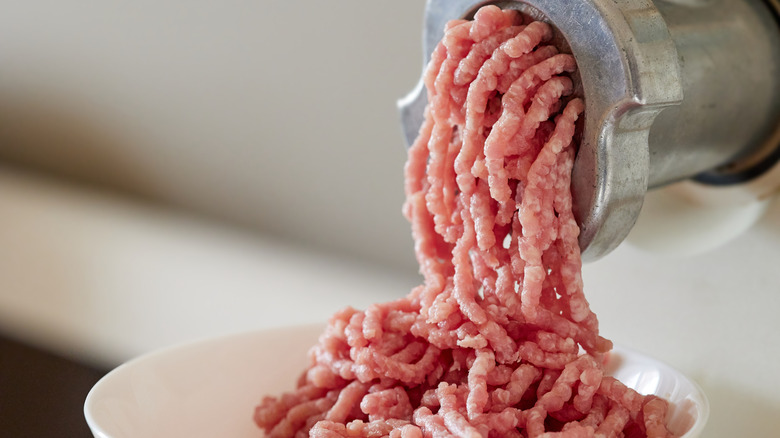
If you're under the assumption that all meat is ground equally, think again. Just as you should consider what cut of meat you're buying and its fat ratio, the type of grind also matters. And before you decide on the grind level, think about what recipe you'll be using the ground meat in. There are several options for grinding any type of meat, including beef, pork, chicken, and turkey, and the grind size is determined by the plate setting on the grinder head.
Grind sizes typically range between ¾ inch and ⅛ inch, but you can get a more customized option at a specialty meat market. This is the request you should make to your butcher when buying beef for the best burger possible. A coarse grind is also recommended for recipes with longer cooking times, including chili and pasta sauces.
Coarse grinds are typically best for hamburgers and sausages such as bratwurst and Polish sausage, as they add more structure and ensure a tender, juicy bite. For recipes such as meatballs and meatloaf, stick to a finer grind, which will allow the protein to bind more easily.
5. Check the USDA label for specifics
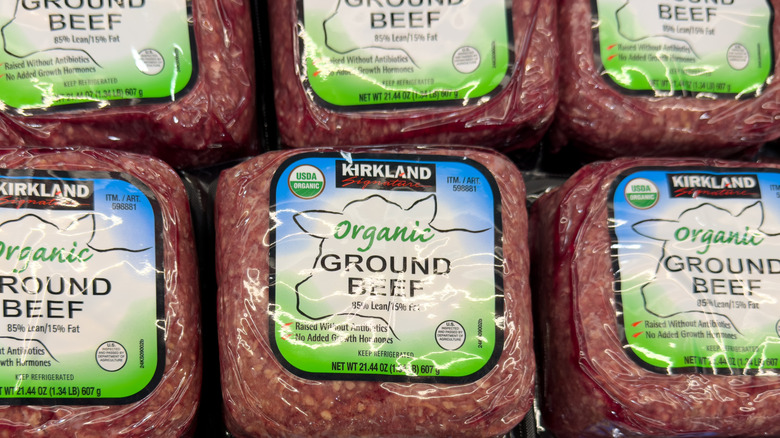
Another thing to pay attention to when scanning a package of ground meat is the USDA label. While it may be easy to overlook when you're searching for other information, such as the "sell-by" date, the small label will actually give you some important information. All USDA-inspected ground meat packages must display the product name, net weight, inspection legend, the USDA establishment number, and safe handling instructions.
Most ground beef that is sold in stores is processed in a USDA-inspected plant, and if you don't see "EST" followed by a number on the label, you can ask the market for the source. USDA labeling will also indicate if the ground meat is organic, which is a legal certification. Make sure that the meat has a USDA organic seal, a green-and-brown badge that indicates that the product is 95 to 100% organic and has passed every step of the certification.
6. Don't judge the meat by its color
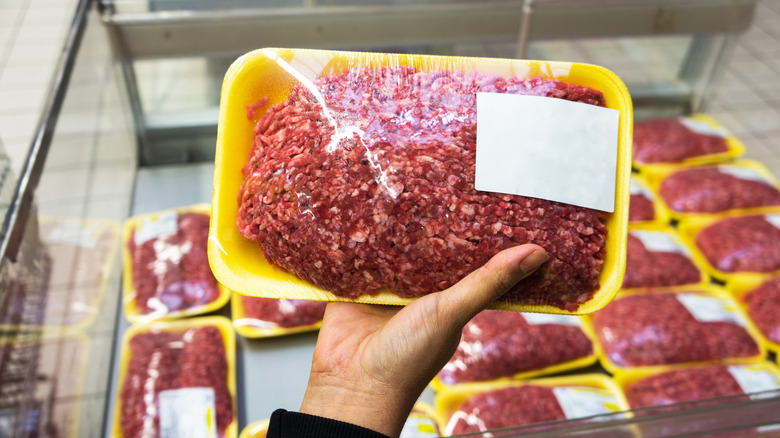
When shopping for ground meat, you most likely look for a package that is bright red in color, indicating freshness, and avoid a gray tinge at all costs. It may be time to throw those judgments out the window, however. I mean, trust us, you'll want to check the color of ground beef before buying it. But what if I told you that the hue doesn't matter as much as you think?
Warm-blooded animals contain myoglobin, a pigment that is found in muscle tissues and is a dark gray-purple color until it comes into contact with oxygen, after which it becomes a bright red hue. Grocery stores often sell ground meat in clear packaging to show off the appealing appearance.
Over time, ground meat can lose exposure to oxygen, especially the portion in the center of the package, and the myoglobin transforms into metmyoglobin, resulting in a brown or grayish hue. The off-color indicates that the ground meat may be past peak freshness, but it doesn't signal that it has gone bad. Before purchasing the duller-looking meat, inspect for other signs of spoilage, including a sour or rotten smell or a slimy texture.
7. Choose the correct cut for your recipe
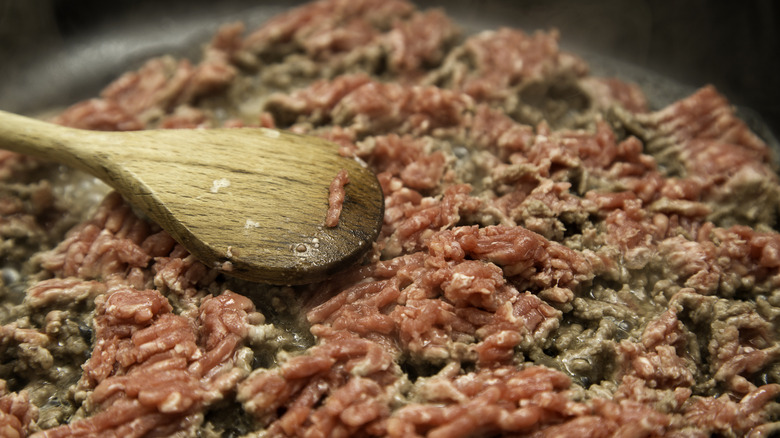
You might assume that all ground beef comes from one cut, but there are several different types, and they each have their own flavor, texture, fat marbling, and other characteristics. To customize the taste of a particular recipe, choose the correct cut of beef when purchasing ground meat. First, look for the grade of the meat, such as prime, choice, or select, which indicates the quality. The best all-around cut is 80/20 or 70/30 ground chuck, depending on your preferred fat content. Ground chuck is ideal for everything from hamburgers to meatloaf, and includes meat from the cow's neck and shoulder region.
Another option is ground round, which is derived from the animal's hips, rump, and hind legs, making the texture a little tougher. It typically has less fat than ground chuck and works in dishes such as casseroles, lasagna, quesadillas, enchiladas, Swedish meatballs, or rich sauces that contain a lot of fat or oil to compensate. One of the leanest ground beef options is ground sirloin, which generally clocks in at 90/10 and comes from the cow's mid-back region. This cut is ideal for using in all of the same recipes as the ground round. No matter what cut of meat you're using, avoid these mistakes people make when cooking with ground beef.
8. Consider the packaging type
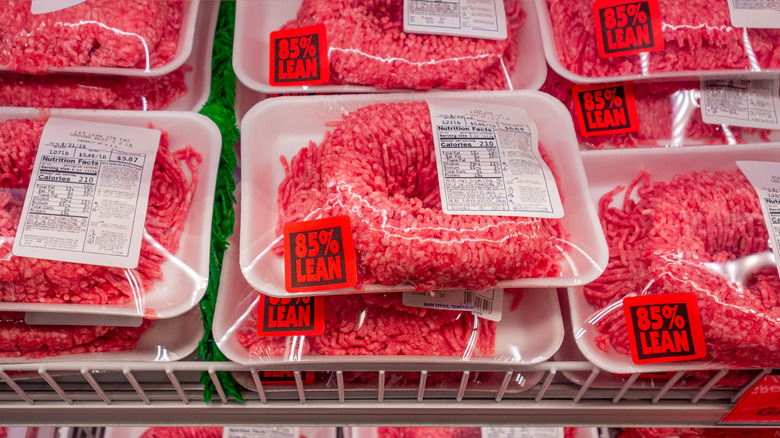
Another thing to consider when shopping for ground meat is the type of packaging it's in. Although you often see meat packaged in a foam tray and covered by clear plastic wrap, there are other options available. The U.S. Food and Drug Administration (FDA) has to approve all packaging types to ensure that the food is safe, so you can rest easy knowing that all ground meat on grocery store shelves has gone through a rigorous approval process. That doesn't mean that all meat packaging is created equal, however, so it's important to choose the correct one for your needs. Here is a fix for meat packages that leak in your cart (and everywhere else).
For instance, go with the traditional foam tray packaging if you plan on using the ground beef within two days, as this type allows the most amount of oxygen in. Traditional packaging is used in ⅔ of ground meat items since it's cheap and easy to manufacture, but it also allows the product to spoil the fastest. The next option is modified atmosphere and controlled atmosphere packaging, which replaces most of the oxygen inside with other gases, such as nitrogen or carbon monoxide.
If you plan on freezing the ground meat rather than using it right away, go with vacuum-sealed packaging so you can just pop it into the freezer as-is. Finally, there is chub packaging, which is shaped like a tube and is secured at each end with metal twists. Since it's also vacuum-sealed, chub packaging is perfect for freezing immediately.
9. Don't be afraid to mix meats
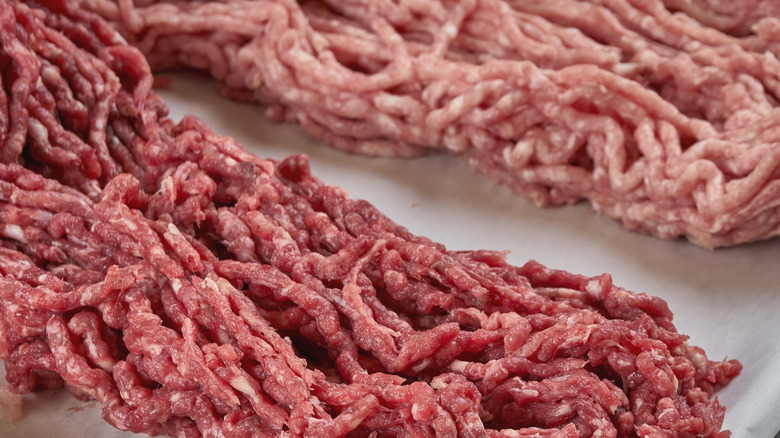
Much like you can mix sweet and savory ingredients in a recipe, you can also combine different types of ground meats. In fact, doing so may result in a tastier, more flavorful final product. Mixing meat varieties is also a handy way to use up anything you have on hand to save money and a last-minute trip to the grocery store. For instance, ground chicken and turkey will work for lean burgers, while ground beef and pork can be combined to create delicious meatballs, sauces, or hamburgers that are full of flavor.
While you can easily mix and match ground meats, be careful about how much you handle the product. Overmixed meat can result in a denser texture, which may not be ideal for burgers, but works for sausage. The less effort you put into forming patties, the better they will taste because loosely packed meat has more nooks and crannies for optimal browning.
One recipe that actually benefits from a combination of ground meats is meatloaf, especially when you use equal parts beef, pork, and veal. One-part ground beef and one-part spicy chorizo make a dynamic duo for a variety of recipes, as does a combo of ground beef and ground pork for infusing meatballs with an added depth of flavor.
10. Buy in bulk to save money
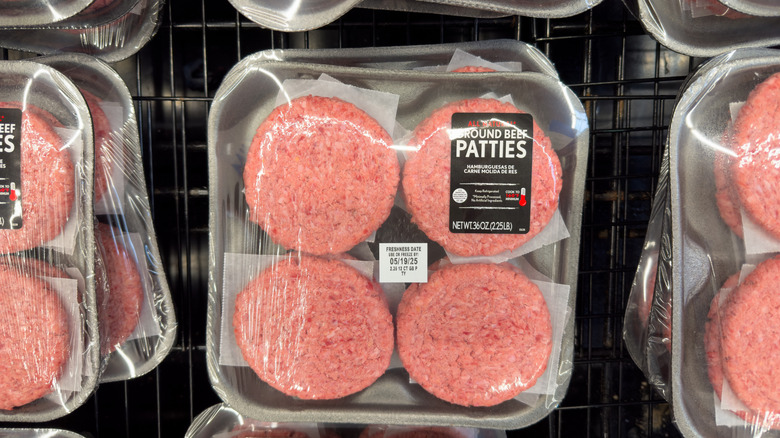
Everyone wants to save money these days, especially in the kitchen. The good news is that you don't have to sacrifice flavor in your recipes to get the most bang for your buck with ground meat. Buying the protein in bulk may end up costing less than purchasing it in smaller packages and is especially ideal for larger families. If you can't use all the ground meat before it goes bad, store it in your freezer in convenient meal-size portions. You can either stock up at warehouse-style stores such as Costco or Sam's Club, or purchase the bulk ground beef when it goes on sale at your favorite grocery retailer.
If you buy bulk ground meat in a 10-pound tube-style package, you can easily slice it up into hamburger-size portions and freeze them to have on hand for your next backyard barbecue. Put the burgers in airtight containers or freezer bags to keep the meat fresh for as long as possible. As another option, purchase a large cut of meat when it's on sale, and take it to a butcher to grind up and package into individual portions. You can also cut some into steaks in addition to the ground meat to get the most bang for your buck.