

12 Things That Never Belong With Steak
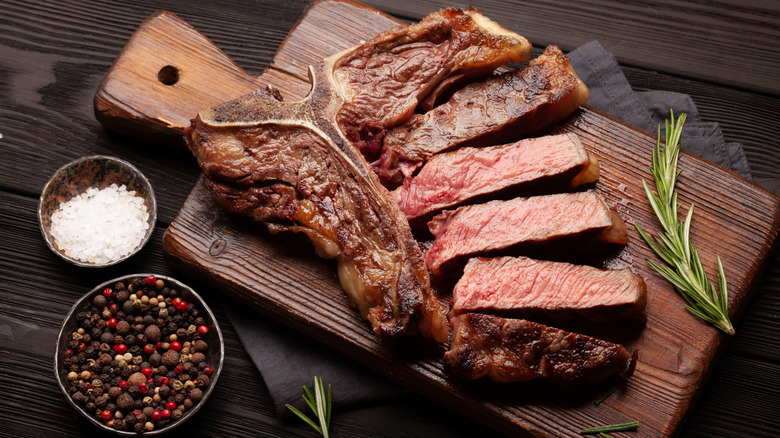
Red meat is one of the most expensive protein options, so whether you're grilling at a backyard cookout or treating yourself to a nice steak dinner, you want to get the best bang for your buck. And, while it is great to have a plethora of choices when it comes to steak preparation, sauces, and sides, some of these create carnivore bliss while others disappoint. As anyone who tastes soap when they eat cilantro will tell you, food choices are individual and we're entitled to our opinions — the Reddit threads on controversial food pairings seem to go on forever — but we believe there are some foods that simply do not go with steak.
Are these hard and fast rules? Of course not! But, when you're digging into a juicy T-bone worthy of Fred Flinstone, we want you to have the most enjoyable experience possible. Some of these are personal preferences and others are based in food science and research, but all of them are options we feel you should avoid if you want to optimize your steak dinner.
1. Jell-O
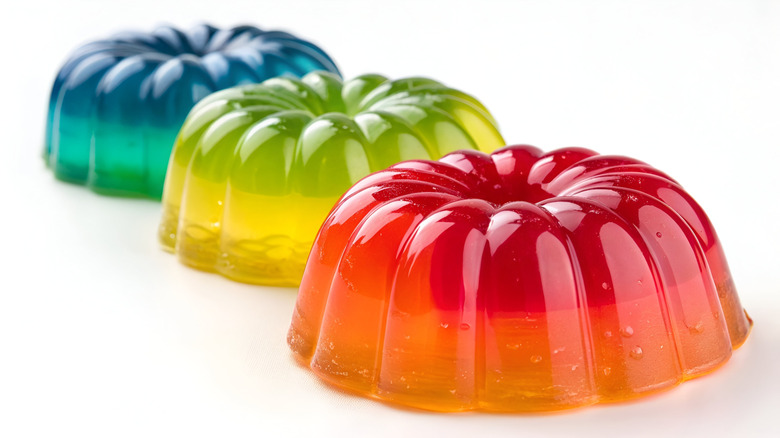
Unless you want unsightly liquid pooling up in the middle of your plate, it's best to skip a Jell-O side the next time you grill up a juicy steak. The heat from the meat could melt the gelatin, and possibly whipped topping or marshmallows, as they are popular Jell-O add-ins, leaving you with a savory-sweet mess of steak juices and Jell-O goo.
Some of the best flavor profiles to pair with steak have an astringent mouthfeel, characterized by a tingling, puckerish feeling on the tongue — think dry red wine or dark chocolate — because astringency helps counter the fat in the meat and balance out the mouthfeel. Jell-O is usually very sweet and smooth, and most flavors aren't especially astringent in nature.
Although there is a time and place for Jell-O, an expensive cut of steak deserves a side dish of equal footing and jiggly gelatin does not pass muster. If you're a die-hard Jell-O fan, however, feel free to serve this magical retro dessert after the steak dishes are cleared.
2. Sweet barbecue sauce
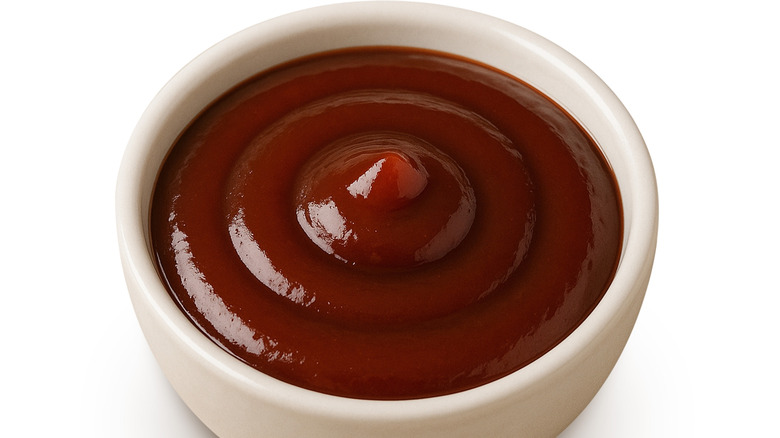
The best cuts of steak should not need a marinade or a lot of seasoning. In fact, Ruth's Chris' go-to way to season steak is simply with salt and pepper. However, if you are working with a budget cut, you might need a marinade. The best meat marinades contain a mix of acid, fat, and seasonings. Acid works to tenderize the meat, the fat balances the acid, and the seasonings impart flavor. Because it's high in sugar and low in fat and acid, sweet barbecue sauce is a poor marinade choice.
These sauces tend to be very thick, so it may just sit on the surface and not penetrate the meat even after a 24-hour soak. It's also loaded with sugar — just 2 tablespoons Sweet Baby Ray's original barbecue sauce has 17 grams of the sweet stuff. Sugar begins to caramelize at 340 F, then rapidly moves through stages as the temperature is increased until it burns at 392 F. So if your marinade is too sugary, your steak could taste burned.
If burned sugar doesn't deter you, barbecue sauces often contain other ingredients, such as liquid smoke or hot spices, that can mask the meat's natural flavor. The only time we say it's okay to slather barbecue sauce on a steak is at the finish — just a few seconds over the flame, and you'll have some great grill marks.
3. Cheesy broccoli or cauliflower
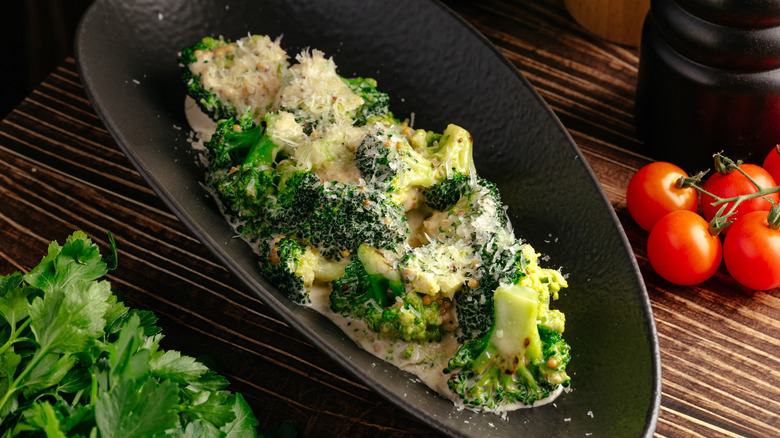
We are not anti-veggie and would actually recommend adding some vitamin- and fiber-rich foods to a steak dinner, but most cheesy broccoli or cauliflower recipes usually won't cut it. Mild cheddar and Gruyère are both popular options for veggie cheese sauce because they melt very well, but neither of them are good cheese options to pair with steak. Both are low in acid so their soft flavor lets broccoli or cauliflower shine, but is less stellar with steak. Steaks love acidity. It acts as a palate cleanser, rinsing the fat from the tongue between bites.
And, most cheese sauces start with a roux — a bland mix of butter, flour, and milk — to help thicken them. The thicker the sauce, the more it will coat the tongue and mask the delicious, savory flavors of the steak. If you are overwhelmed with steak dinner guilt and must have broccoli, try it with a citrus dressing instead. Or, if you're craving cauliflower, mash it with some blue cheese. Its tanginess offers rich steak a proper balance.
4. Tiki drinks

Even though you may be digging into a juicy steak to celebrate a birthday, anniversary, promotion, or other milestone, it's best to leave festive tiki drinks at the beach. If you order one at a fancy steakhouse, you might even get the side eye. Here's why: The lion's share of these tropical drinks are rum-based. Rum is made from sugarcane, so it has a strong, sugary, sweet taste that will stay in your mouth and clash with your steak instead of enhancing its flavor. And, although some of these drinks contain acidic ingredients that could potentially complement the meat, their sweetness is overwhelming. The worst offender: A piña colada. In addition to rum, it contains cream of coconut, which will coat the tongue and you probably won't taste anything but coconut throughout the rest of the meal.
That doesn't mean you can't have a drink! While red wine is the perennial red meat partner, there are other options if you aren't a fan, such as acidic whites that are aged in oak. If you like beer, ask for something dark or hoppy. If you are craving a cocktail, opt for something citrusy or sour, or whiskey- gin-, or vodka-based to complement the fat in the meat rather than overpower it. You can always celebrate with a classic ice cream drink for dessert.
5. Anything deep-fried
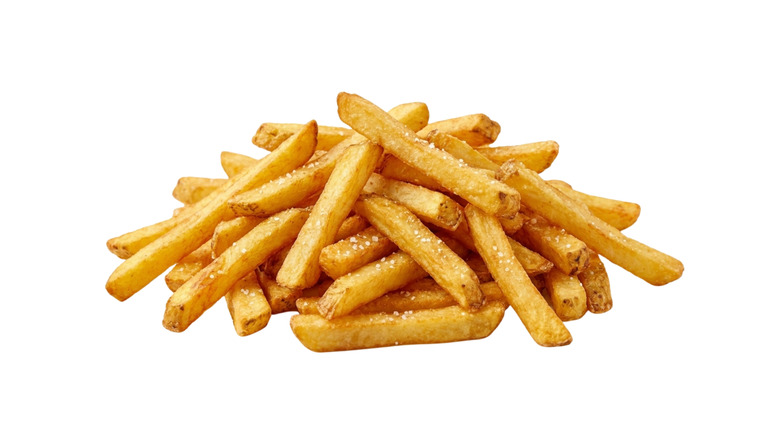
We've all felt the joy in consuming a meal that has a perfect balance of sugar, fat, and salt — it's not just in our heads, it's science. There is actually a term for it — bliss point — and researchers found that there is an ideal mingling of the three. It's just not as satisfying to have too much of one and not enough of the others. A perfectly seasoned steak should already have plenty of fat and salt, so there's no need to pile on more of either ingredient. Deep-fried foods are loaded with both. Let the steak be the star.
Because steak is high in fat, most people do not eat it every day, nor should they, but at least it contains protein, iron, and other essential nutrients. We will admit that a hot, crispy pile of fries or onion rings is a thing of beauty, but nutrition-wise, deep-fried food has no redeeming qualities. In fact, the USDA Dietary Guidelines say to use other methods besides deep-frying.
If fries are your thing, a baked potato might scratch your itch. If crunch is what you're after, order a crisp side salad. Your heart will thank you.
6. Creamy ranch dressing
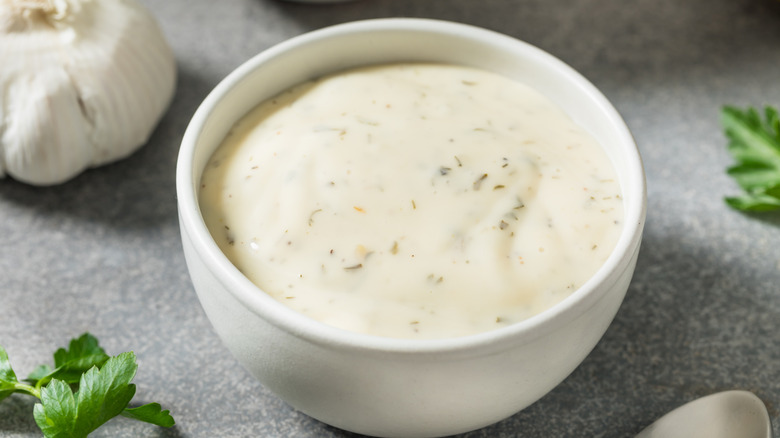
Yes, ranch dressing is wildly popular. According to research by the restaurant research company Datassential, 75% of consumers surveyed report they like or love it. While it has its place, its not on steak. If you're preparing a steak correctly over high heat and immediately dousing it with bottled ranch, it could break apart or curdle, leaving you with an unappetizing mess and some potential food safety issues. In fact, the folks at Hidden Valley Ranch do not recommend it for cooking at all. We also don't suggest using ranch dip made with powdered ranch mix as it is blended with sour cream, which can also curdle when exposed to high temps.
So what is a ranch lover to do? Its zesty, herby qualities do go well with red meat, so try it as a dressing for a side salad or a baked potato topper. Or if you need to marinade a tougher cut, like flank steak, use the powdered mix as the seasoning in a marinade. Just don't use it on a prime cut — you want to taste the steak, not the ranch flavor.
7. Sweet potato casserole
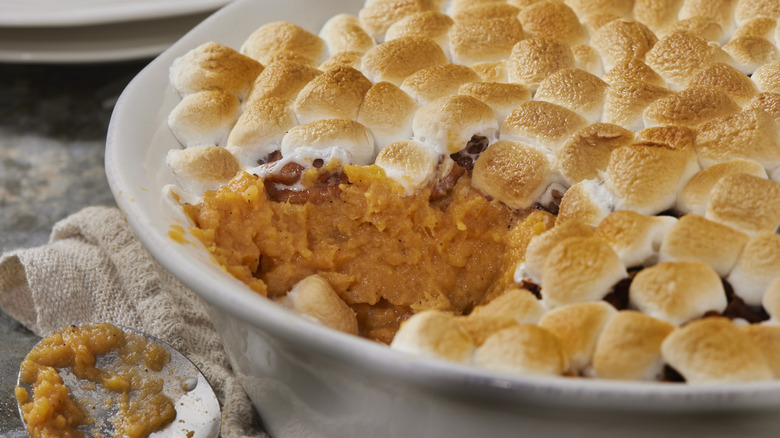
Although we love the combination of marshmallows and sweet potatoes in this classic Southern staple, we can't recommend it as a side dish for steak. For starters, it is incredibly sweet — it says so right in the name! All that sugar will compete with the meat's savory qualities instead of complementing it, resulting in an underwhelming taste experience. Its thick texture is also problematic, as it coats the tongue making it difficult for the steak's fat and juices to penetrate. And, the savory steak juices you've been craving will seep into the casserole, leaving you with unappetizing mush.
Save the sweet potato casserole side for the next time you're making tender pork ribs, as the saltiness from the dry rub will pair well with the sugar, but with steak, you want something that is more acidic: Think lemony asparagus or a salad with a citrus vinaigrette. All that said, if there is a place for a creamy, delicious sweet potato recipe in the steak experience, we say it is definitely as part of the dessert course.
8. A.1. steak sauce
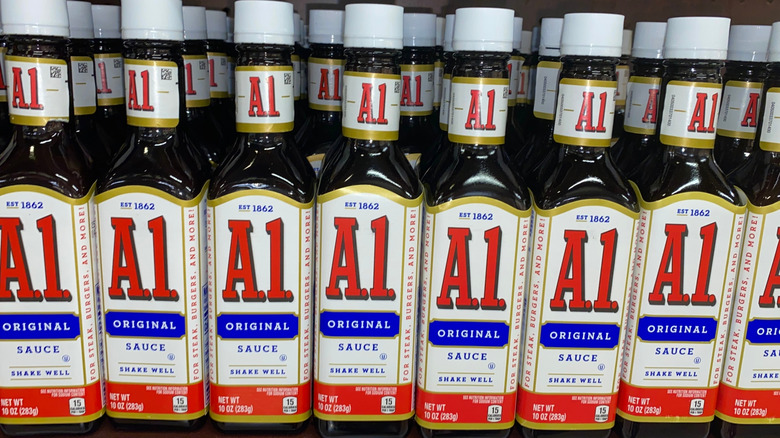
There are some strong feelings for and against using A.1. on Reddit, but you're not going to see us reaching for it when we're forking out big bucks at a fancy steakhouse. If you're paying for a top-tier steak, you can assume an experienced chef has prepared it with loving care and might be insulted if you ask for it. Why? Its strong flavor completely overwhelms the meat.
Some of its ingredients make it seem like it'll be the ideal accompaniment for a perfectly marbled steak — such as vinegar as an astringent and orange puree as an acid — the addition of tomato puree, corn syrup, and raisin paste make it so tangy, the sauce will be the only thing you taste. A dash of A.1. works much better with foods that need a little boost: Eggs, plain hamburgers, even mashed potatoes, so if you have a bottle, don't throw it out. Just don't use it on a good steak. If you are a die-hard sauce hound, we recommend ordering your steak with béarnaise, the king of steak sauces.
9. Extra virgin olive oil
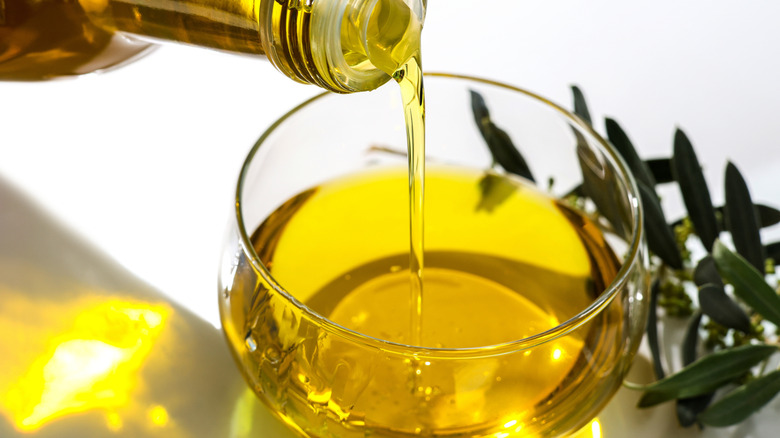
This one might be controversial, but hear us out. Although extra virgin olive oil is a common ingredient in marinade recipes, it's not our favorite fat to use for steak marinades because of its low smoke point and the high heat required for cooking a steak. If you've ever had to open all the kitchen windows after you let extra virgin olive oil get a little too hot, you know why it's useful to know the smoke point of oil.
According to experts, the ideal grill temperature for steak should be between 450 F and 500 F. Extra virgin olive oil has a smoke point of around 410 F, which means the oil could start to smoke, break down, and taste bitter at temperatures higher than that. Regular or pure olive oil has a higher smoke point, about 470 F, and a more delicate flavor than extra-virgin, making it a better alternative, especially if you are in a situation where you can't precisely control the temperature. Another option is refined avocado oil. It has a fairly neutral flavor and has a smoke point of 520 F.
10. Melons
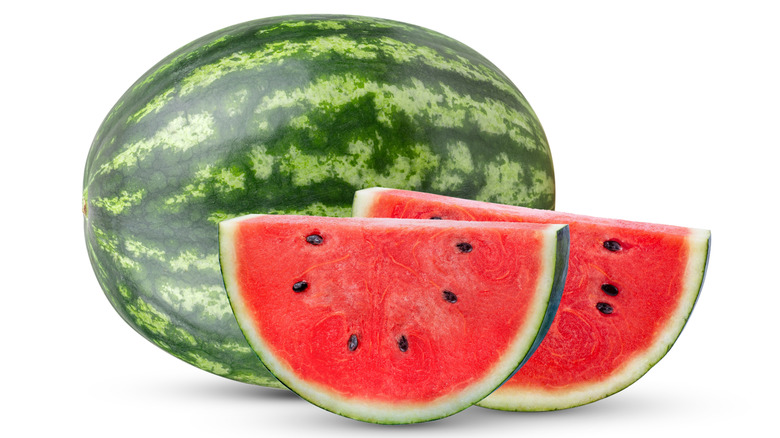
It's tempting to slide a wedge of watermelon alongside your steak at a cookout, but skip it next time. Although one would think melons' sweetness would balance out savory steak, it's not really the case. Melons are alkaline fruits, which means they are low in acid, but steak needs that tang to help cleanse the palate. Wine experts recommend fatty dishes, like a well-marbled steak, be paired with more acidic wines, so naturally, the same goes for sides.
Humans crave food combinations that provide a good balance of fat and astringency, which produces a puckery feel on the tongue. A choice cut of steak will provide plenty of the fatty component, but biting into a juicy, ripe melon feels about as opposite of a mouth-puckering experience as there is. We are not saying that melons don't have their place on summer picnic spreads — they absolutely do — but their inherent sweetness pairs much better with spicy or salty foods that don't need acid to balance them out.
11. Avocado
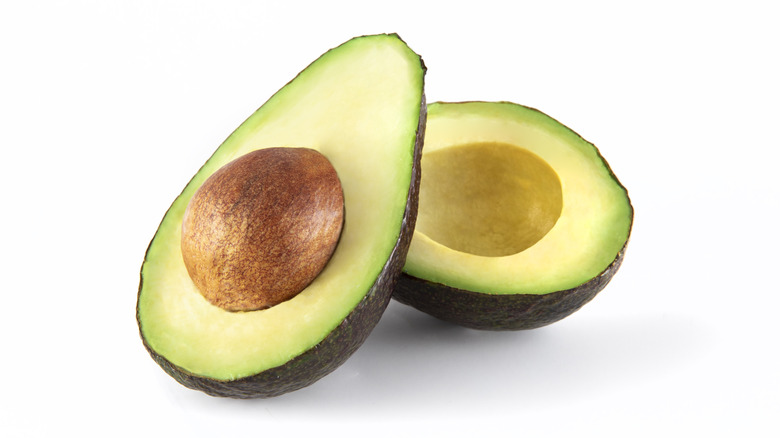
One of the things that makes the alligator pear so good for you is the same reason it is a poor pairing for steak. They contain a generous helping of oleic acid, which is a monounsaturated fat that benefits the heart that also gives avocados their thick, creamy texture. If you take a bite of avocado between bites of juicy steak, you'll coat your tongue in fat rather than cleanse it, and you'll miss out on all the savory steak flavor. Red meat pairs best with acidic flavors, and since avocados are alkaline, the duo just falls flat.
The reason red wine and red meat go well together is because the tannins in red wine have an astringent quality that plays very well with the fats, and, although underripe avocados have an astringent mouthfeel, ripe ones don't. So the mouthful of the ripe fruit and steak would just feel overly fatty. But, don't try the pairing with an underripe avocado. They taste terribly bitter.
If that's not enough to deter you, look at your grocery budget. Avocados tend to be on the pricier end of the produce spectrum and you're already springing for steak. The meh combo just doesn't seem worth the money. We say save the avocados for your smoothies, and don't throw out the pits — make tea instead.
12. Plain white rice
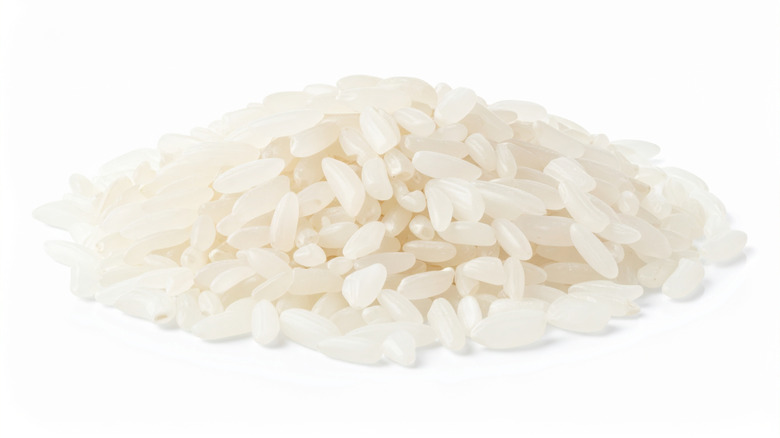
There's a reason you won't see plain white rice on a steakhouse menu — a top-grade steak is an investment deserving of a side dish that enhances its flavors instead of acting as a neutral sidekick. The goal is to enjoy the steak, hopefully all of it, and a bland, heavy starch will just fill you up fast. If you find yourself with a choice ribeye and all you have is Minute Rice in the pantry, give the plain rice a few shakes of soy sauce before serving. The simple umami addition will boost the steak's savory flavor. Just don't reach for the ketchup bottle. Commercial ketchup contains a lot of sugar, and the sweet-starch mix will clash with the meat.
In the rare instance you do spot rice on a steakhouse menu, it's probably a version of herbed rice pilaf, which is perfectly okay. Fresh herbs, such as rosemary, thyme, and savory, impart brightness and a bit of texture without overwhelming the steak, and the butter adds a comforting richness.