

14 Old-School Cooking Habits That Completely Confuse Younger Cooks
Younger and older generations have always butted heads. Whether it's technology, social behaviors, politics, or, yes, even cooking, there seems to be a divide. Sometimes, the divide is a good thing. Younger generations are leaving outdated and harmful behaviors and societal constructs in the past. In other cases, though, younger generations may be inadvertently missing out on some truly amazing experiences and ways of doing thing that have simply fallen by the wayside — and this is the case when it comes to cooking.
Yes, there's a lot to love about the way younger cooks do things. They might be more open to cooking a broader range of dishes from cultures all across the globe. They might have adopted methods and techniques that speed up the cooking process, making it easier to get dinner on the table amid the hectic pace of modern life. However, there are also a lot of things our parents or grandparents may've done in the kitchen that have more or less gone out of fashion — but that definitely need a resurgence among the younger sets.
To learn more about what old-school cooking habits are best revisited, we spoke with a handful of chefs to get their takes on the topic: owner and chef Daniel Perron of Locavore in Fredericksburg, Virginia; chef Josué Tello of Sumaq Machu Picchu Hotel; chef Francisco Sixtos of Grand Velas Los Cabos; Matthew Cutolo, executive pastry chef at Gargiulo's Restaurant; chef, celebrity caterer, and cookbook author Chris Valdes; and chef Nahum Velasco of Grand Velas Riviera Maya.
Buying and using the entire animal
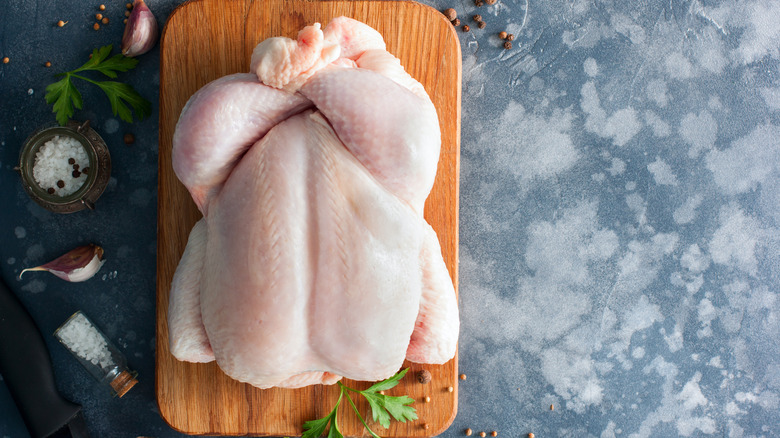
When was the last time you purchased an actual entire animal? If you even ever have at some point in your life, it might've been around the holidays, when you purchased a turkey. However, once upon a time, it was entirely commonplace to purchase an entire animal and break it down at home, using up every last part to its fullest potential. Through this, not only do you get to enjoy ingredients you might not always (hello, organ meat!), but you might also save a few bucks, too.
Not sure where to get started? Chef Daniel Perron said, "A whole chicken is a perfect example of something that can easily be bought whole and stretched out to multiple meals. Obviously, this includes the different cuts of meat from the breast, thigh, etc." Beyond using the various cuts, he also advised roasting the carcass and making a chicken stock or soup, as well as using the drippings to coat vegetables, for added flavor.
As mentioned, don't overlook organ meats, either. Chef Josué Tello incorporates organ meats into his culinary philosophy and noted, "Dishes such as anticuchos, made from beef heart, are deeply flavorful and culturally significant. Rather than being viewed as secondary ingredients, [organ meats] represent a longstanding tradition of full utilization and respect, values that are increasingly being rediscovered in contemporary cuisine."
Using animal fats
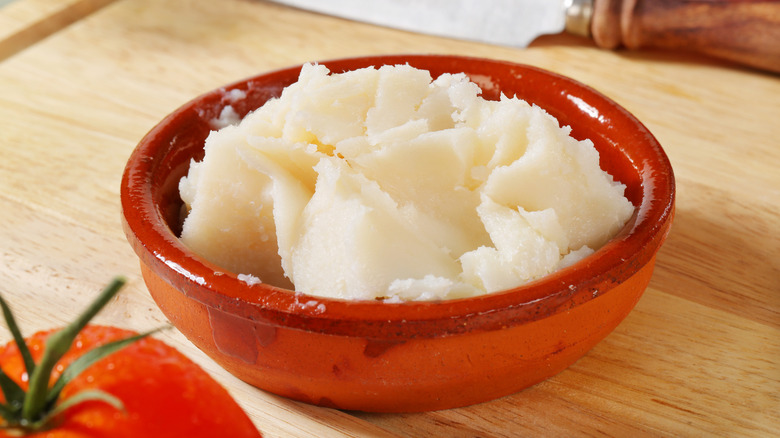
Along the same lines, animal fats — while seeing somewhat of a resurgence among chefs — still haven't gained the same footing they once enjoyed within the modern home. Think lard and beef tallow. This is in part due to the bad rep these fats have gained in relation to saturated fat and heart disease, but it's difficult to deny their tantalizing flavor and superior performance in certain dishes (such as when using lard for shortcrust pastry).
Chef Josué Tello is a big fan of utilizing pork fat and told us that, in Andean cuisine in particular, using animal fats isn't just about the flavor, but also respect for the entirety of the animal. "When used properly, it delivers depth, richness, and authenticity that modern techniques often sacrifice in favor of convenience," he said.
Likewise, Daniel Perron noted, "If there is fat leftover from beef, pork, chicken, etc., we never let it go to waste. It makes a great substitute for oil or butter in savory recipes like hushpuppies. It also adds great flavor to cooking vegetables like potatoes."
Pickling
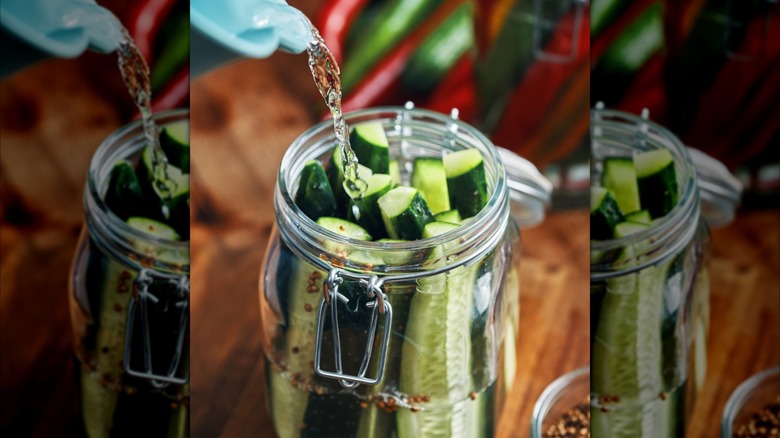
It's probably been a while since you pickled something. However, Daniel Perron advised that pickling vegetables is a great way to enjoy some of your favorite seasonal produce year-round. "The best part is that it is incredibly simple and will brighten up your meal when you are tired of the same fruits and vegetables," he said.
So just how simple is it? If you missed out on the quick pickling trend that was going around on social media, rest assured that this method is the easiest way to pickle something. Quick pickling, or refrigerator pickling, requires just a basic brine, a few jars, and a night in the fridge. You can quick pickle all sorts of veggies. Make up a batch of giardiniera, with baby carrots, cauliflower, celery, and peppers. Radishes, green beans, asparagus, squash — it's all game.
Of course, if you want to start simple, even the worst home cooks can make standard pickles at home. Just note that items that have been refrigerator pickled will only last about a month (compared to the much longer shelf life of a traditionally pickled item).
Making fruit preserves
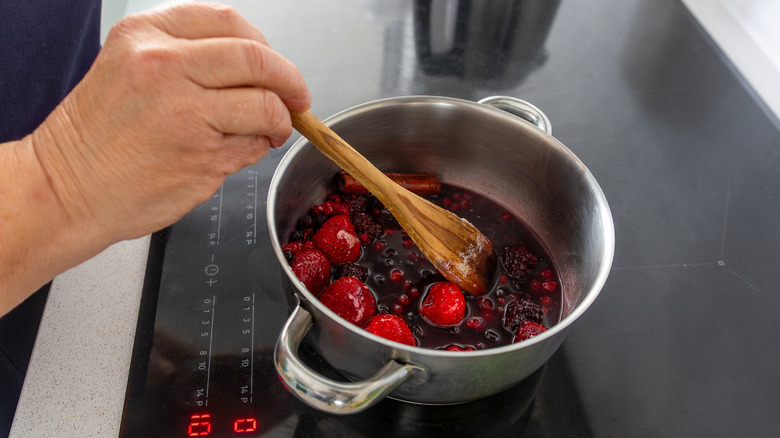
Along similar lines, chef Daniel Perron also recommended making preserves from fresh fruits as a way to enjoy your favorite produce year-round, and it's just one of those things that many home cooks might not consider even doing. So what makes a preserve different from a jam or jelly? It's pretty simple. All are fruit preserved in some form or fashion, but jelly is made with strained fruit juice, jam contains mashed fruit, and preserves often typically contain larger pieces of fruit. Additionally, some jams can be considered preserves, as sometimes "preserve" is just used to refer to a soft-set fruit spread that contains pieces of fruit and sugar.
If you want to make your own preserve or jam at home, though, don't worry so much about the definitions and, instead, just lean into the easiness of making this delightful fruity spread. Even without old-school canning methods, you can put together homemade fruit preserves and jams that'll last up to a month in the fridge. You'll need minimal ingredients — for example, if you wanted to make strawberry jam, you'll just need strawberries, sugar, lemon juice, and salt. There are multiple jam-making methods to choose from, including making it on the stovetop, no-cook methods, and making it in an Instant Pot.
Fermenting
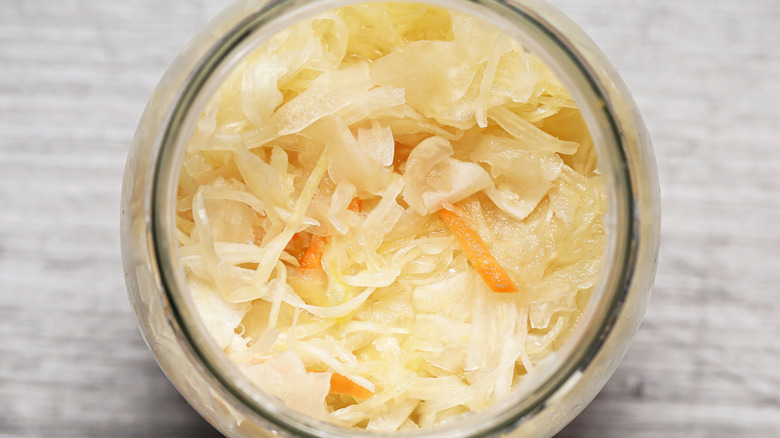
No, fermenting and pickling are not the same, even though it may be easy to confuse the two, and fermenting items at home has seemed to have fallen to the wayside just as much as pickling has. So what's the difference? While both pickling and fermenting result in very distinct sour flavors, in pickling, that flavor comes from soaking a more neutral food in an acidic liquid, which gives the food its flavor. In contrast, in fermenting, the sour flavor is due to a chemical reaction between bacteria and sugar.
While pickling is simple, fermenting is even more so, and requires fewer ingredients. According to chef Francisco Sixtos, fermentation and similar traditional preservation techniques are "transformative elements in cooking" and "almost magical in their ability to turn time into flavor."
Similarly, Josué Tello noted that fermentation is integral to traditional Andean gastronomy. "From chicha (fermented corn beverage) to preserved potatoes like chuño, these methods enabled entire civilizations to thrive in challenging environments. Today, they are being revalued not only for their complex flavors but also for their sustainability and deep connection to heritage," he said. If you want to begin fermenting ingredients at home, vegetables are the easiest place to start. For example, try making your own sauerkraut.
Nixtamalization
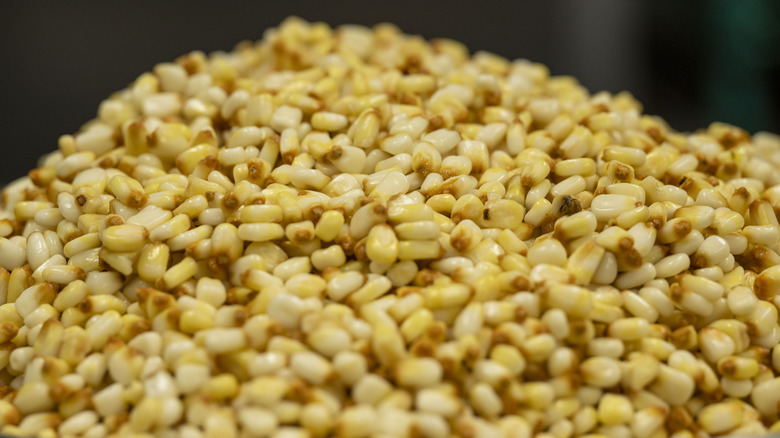
When asked about culinary methods or traditions that might be lost on younger cooks, Francisco Sixtos pointed to a technique that may be less familiar to you than fermentation or preservation: nixtamalization. Admittedly, nixtamalization is not an easy process. Basically, it's the technique of turning dried corn into nixtamal, or a corn product with Mesoamerican roots that can be transformed into authentic masa and that is used in hundreds of traditional Mexican dishes.
The nixtamalization process includes combining dried corn with boiling water and lime, and waiting for the mixture to soak for at least eight hours. The process changes the corn significantly, making it more suitable for culinary uses and more nutritionally viable. If you don't want to go through the process at home, though, you can simply buy nixtamal at the store: You'll find it labeled as hominy in the United States — and, if you want to buy the best store-bought corn tortillas, look for nixtamal in the ingredients list.
Slow cooking
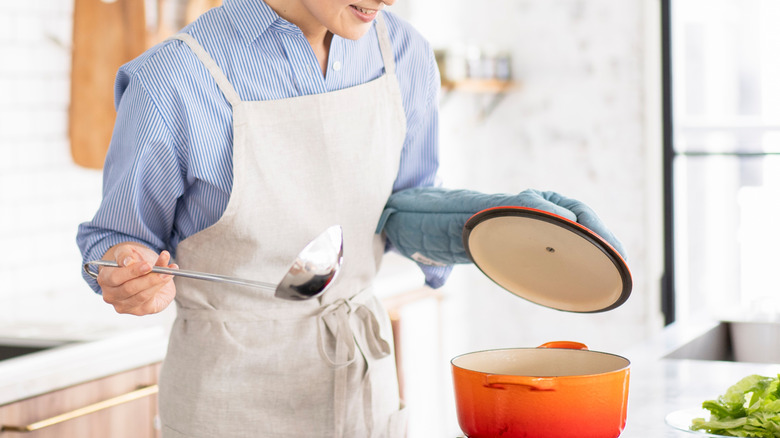
One thing that we heard again and again when talking with our chef experts? One cooking habit that younger cooks need to re-embrace is the practice of slow cooking. No, we're not talking about just throwing things in the slow cooker and walking out the door. Instead, think letting something simmer on the stovetop for hours and hours.
"In a culture built on speed, slow cooking has been pushed aside — but you simply can't replicate the depth of flavor that comes from a long-simmered sauce or braise. It's less about effort and more about patience, and that's something worth bringing back into modern kitchens," said chef Matthew Cutolo.
Chris Valdes concurred, saying, "With everything moving so fast today, we've lost the beauty of letting food take its time. Dishes like braised oxtail, ropa vieja, or a pot of lentejas develop layers of flavor you simply can't rush. I think there's a way to bring this back using modern tools when needed, but still respecting the process and patience that makes these dishes special." Likewise, chef Nahum Velasco expressed a need to return to prioritizing flavor over immediacy. Sure, speed and having a nice-to-look-at dish can be nice, but patience, time, and care can do wonders for building a dish that makes a long-lasting impression.
Making a sauce essential vs. incidental
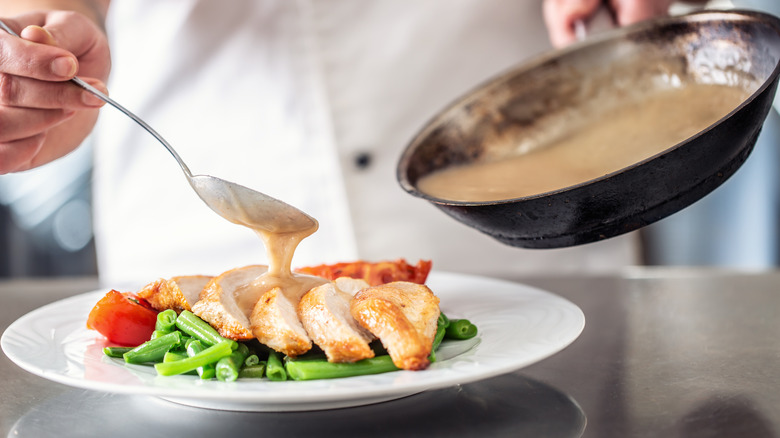
When you think of incorporating a sauce into whatever it is you're cooking, how much attention do you actually give to the sauce, all on its own? For many of us, the sauce is just a second thought. It's something that you might need for moisture or a little bit of flavor, but it's not a highlight. If your recipe didn't call for it, you'd probably never even give it a glance.
However, chef Nahum Velasco stressed the importance of young home cooks reconsidering the importance of a sauce to a dish, noting a sauce's essential, rather than incidental, nature. "A well-executed sauce adds layers of flavor, refines a dish, and brings all its elements together," he told us, adding that "sauces are one of the clearest expressions of technical skill, revealing a cook's understanding of balance, depth, and composition."
If you want to begin making truly restaurant-worthy sauces, there are some sauces that are worth making at home, and others that aren't. Chefs agree that the sauces you should put in the effort to making from scratch include mole, chimichurri, béchamel, and hollandaise, among others, but the ones you can skip include the classic French sauce espagnole and veal jus.
Using oil-packed vegetables
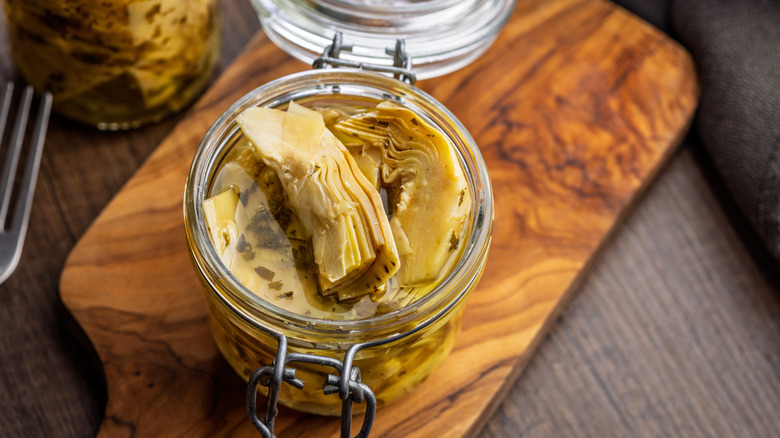
Many can probably all agree that oil simply makes vegetables taste better. Sliced or chopped veggies tossed in olive oil (or, as already mentioned above, animal fats) and roasted? Perfection. You can even slather your vegetables in mayonnaise before roasting them, for a flavorful, fatty side. Buying and using oil-packed vegetables, like eggplant, artichokes, mushrooms, or giardiniera, may not cross your mind if you're under a certain age. However, Matthew Cutolo said it's one of the old-school ingredients that deserves a spot in your kitchen.
"Preserved vegetables in oil — like eggplant, mushrooms, artichokes, and giardiniera — were once a cornerstone of Italian American pantries, adding instant flavor to sandwiches, salads, and antipastos," he said. "They've faded out of everyday use, but when incorporated right, they deliver complexity and balance with almost no effort."
It's worth noting that, in addition to purchasing such ingredients, you can also preserve herbs and vegetables in oil at home. However, it might be a tricky process for the beginner home cook, as careful preparation and storage are necessary — otherwise, you could end up with a nasty case of botulism food poisoning.
Opting for oil-packed tuna
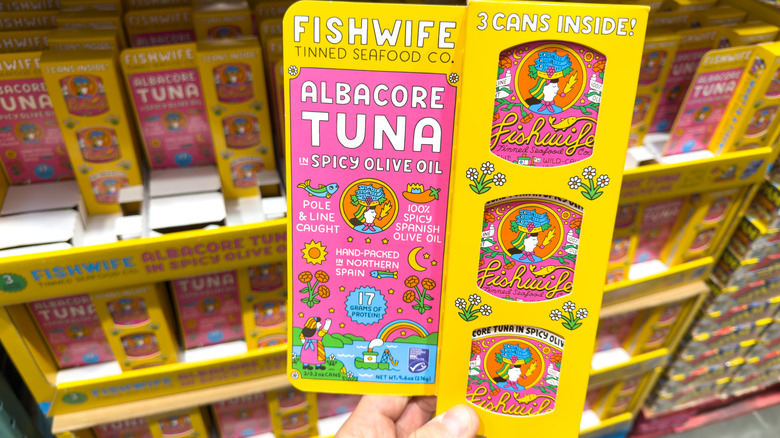
When it comes to buying canned tuna, you have a lot of options. For many of us (especially younger cooks), the first instinct might be to grab the most affordable brand on the shelf, but Matthew Cutolo recommended specifically avoiding the water-packed options and looking for tuna in olive oil.
"Tuna packed in olive oil used to be a staple in Italian and Italian American kitchens, treated more like a preserved protein than a pantry afterthought. It's often overlooked today, but when you use high-quality tuna, it brings richness and depth that water-packed versions just don't deliver," he said.
It's an opinion shared by none other than Julia Child, particularly if you're aiming to make the creamiest tuna salad possible. Oil-packed tuna can be more tender, moist, and heavy, as compared to water-packed tuna, and that makes it a good fit for not just a classic tuna salad, but also a Niçoise salad.
Overnight marinating
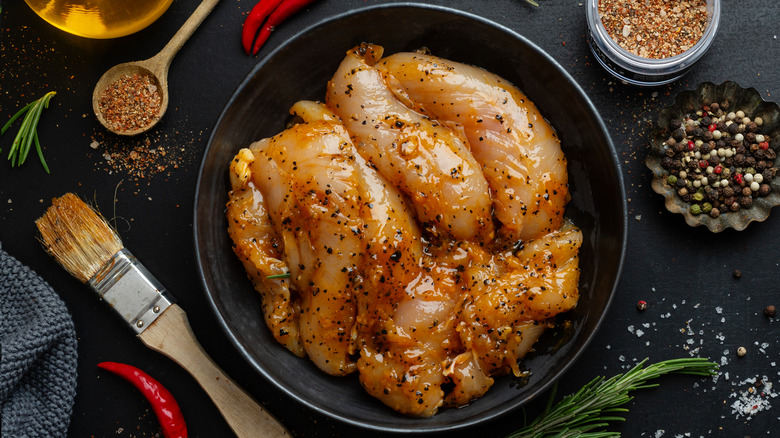
Sure, there's something to be said for a quick marinade. You throw it together when you just start thinking about making dinner, let your protein soak for about half an hour, and then move on with cooking your meal. However, overnight marinating is something that chef Chris Valdes says has been "lost in the rush of everyday cooking" — and it deserves renewed popularity.
"Letting proteins sit in mojo, adobo, or citrus-garlic marinades overnight transforms flavor in a way that last-minute seasoning just can't. Think about dishes like lechón or pollo asado. Time is what makes them unforgettable," he added.
When choosing how long to marinate something, just make sure that you're taking into account the type of protein you're marinating, how large it is, and your marinade ingredients. For example, a larger, thicker cut of steak would need longer marinating — like overnight. Meanwhile, if you're using a highly acidic marinade, you may find that you need less time, and a longer marinating time results in a protein that's more mealy than tender.
Toasting spices and aromatics
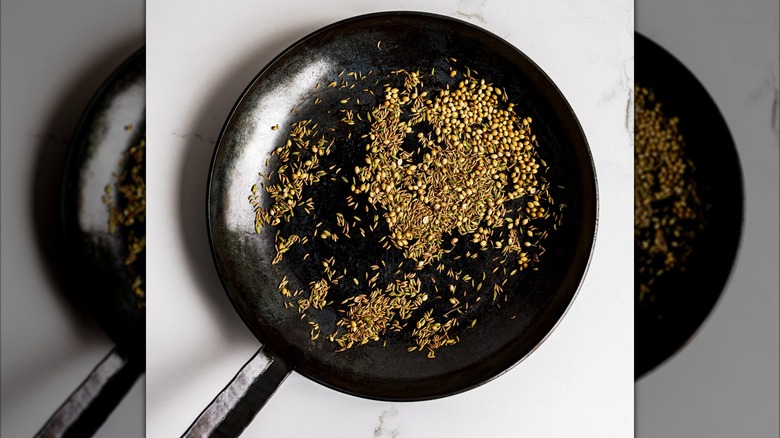
Again, this is just one of those culinary techniques that's often abandoned by some younger cooks in the name of time and convenience. However, as chef Chris Valdes said, toasting spices and aromatics is well worth the extra effort.
"Before everything went into the pot, there was intention, garlic sizzling in oil, onions softening, spices toasting to release their full aroma," he said. "It's a small step that adds incredible depth. Whether it's starting a sofrito or building a base for beans or rice, this technique makes all the difference."
Additionally, while, yes, toasting spices and aromatics before building your broader dish is an additional step that adds time, it really doesn't take that much time. If you have two minutes, you can toast some spices. Literally all you need to do is add the spices to a dry skillet, set it on medium heat, and shake them occasionally for up to two minutes, until they become fragrant. Whole spices will take longer, while ground spices will take less time.
Cooking by feel vs. measurements
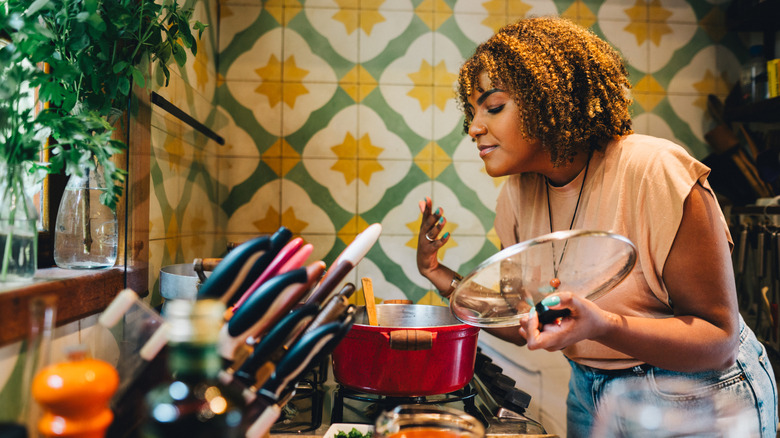
Think about how you cook versus how your grandparents cook. Chances are, for many a meal, you may spend half your time hovered over your phone, scrolling through a recipe that you sourced from a blog or social media. You might, on occasion, pick up a physical cookbook and follow along that way. However, if you've ever asked your grandparent for a beloved recipe or familiar favorite, they probably didn't point you to a blog or Instagram post, and maybe not even a cookbook. Instead, they may've given you a list of ingredients, a few tips for the execution, and very vague, if any, quantities.
In generations past, it was very common to cook by feel rather than measurements. As Chris Valdes said, "A lot of us learned to cook without measuring cups, watching, tasting, and adjusting as we went. While recipes are helpful, I think it's important to bring back that sense of intuition. Knowing when something needs more salt, acid, or heat is what really makes someone a confident cook."
As such, the next time you're cooking, consider putting the recipe down and relying on your senses instead. It might just level up your culinary skills more than you expect.
Using whole, unprocessed ingredients
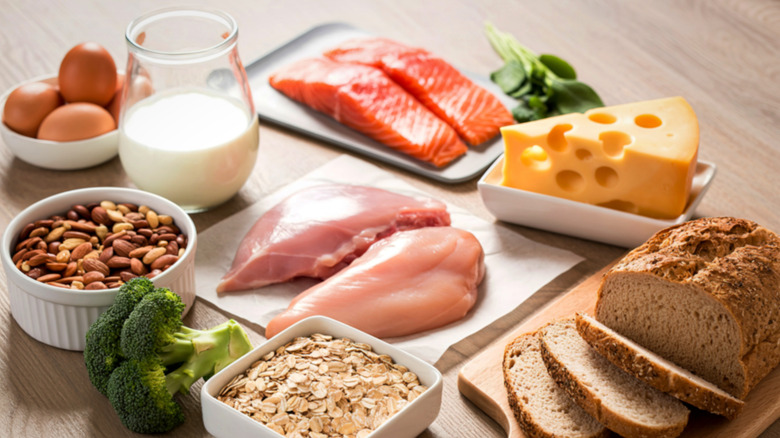
Chris Valdes noted that in the past, using whole ingredients and fewer pre-processed shortcuts was the norm. Today, not so much. "We've gotten used to convenience: pre-minced garlic, jarred sauces, pre-cut everything," he said, "but going back to whole ingredients — chopping your own onions, blending fresh sauces, crushing garlic by hand — brings a completely different level of flavor and connection to the food. It's also a reminder that great cooking doesn't require fancy equipment, just good ingredients and intention."
Accordingly, if you're looking to incorporate more whole and unprocessed foods into your life, consider making some of your typical grocery store staples from scratch. There are a few in particular that are going to be most worth your efforts, including pie crusts, salad dressings, pasta sauce, gravy, and cake frosting. Again, it might take more time, but you may end up with not only a better dish, but also less money spent in your grocery budget.