

12 Things You Need To Know Before Using A Countertop Deep Fryer
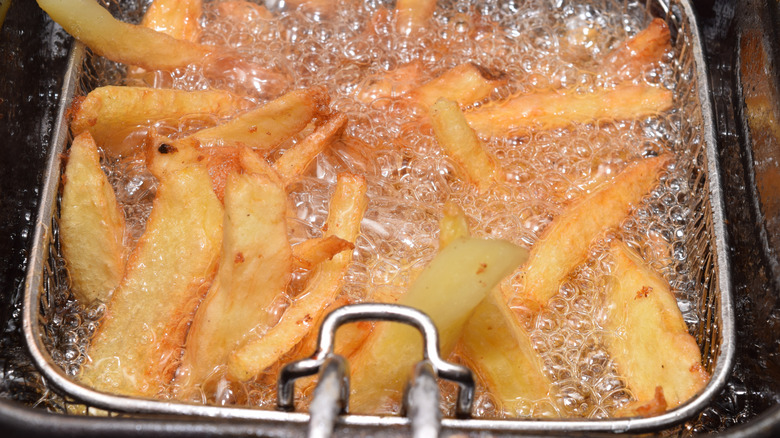
With all the attention air fryers get, you might forget that deep fryers are a thing. And, while you can make crowd-pleasing air fryer party snacks, there are just some things that are better when cooked to a golden crisp in boiling, hot oil. Frankly, it really is the only way to revive soggy French fries.
But, deep frying has had some bad press. We've seen the fascinating videos of grease fireballs and deep fry fails, heard the burn horror stories from line cooks, and read about the fuss over high fat diets. At the same time, the latest crazy thing they're frying up at the state fair always makes headlines, and French fries, donuts, and chicken tenders aren't falling out of fashion any time soon.
So, if you have a desire for perfectly crispy, fried food any time you want — and you have a clear countertop and some culinary common sense — go ahead and dive into the wonderful world of deep frying. There are just a few things you need to know first. We asked Josh Tuinstra and Christine Pittman for their tips and advice about what's important to consider before using a countertop deep fryer. Tuinstra is the director at Stratas Foods, where he specializes in restaurant fryers and oil selection. Pittman is the founder and CEO at COOKtheStory, TheCookful, and COOKforTWO. With 30 years of experience in the food industry, she loves to help people gain confidence in cooking.
Know if you actually need a deep fryer
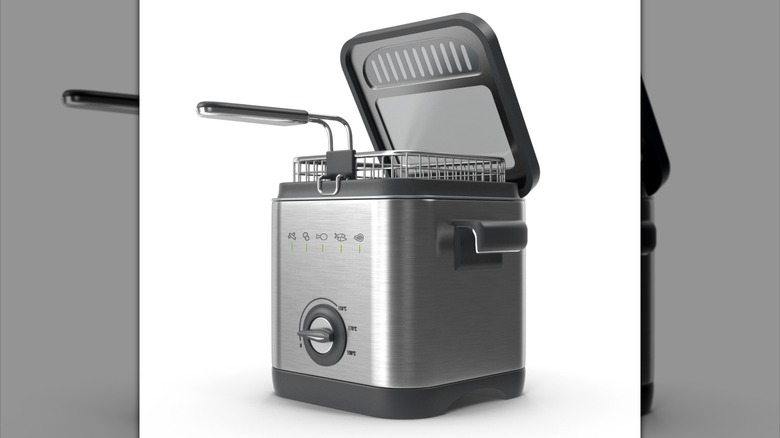
Is a deep fryer the best tool for what you want to cook? Is it a unitasker that will take up unnecessary space on your kitchen counter? Should you just stick to deep frying in a pan on the stovetop? Before you buy a deep fryer, or pull it out of the appliance garage, ask yourself what foods you want to fry, how much, and how often. "A countertop fryer is best suited for repeatable, higher-volume cooking where consistency matters," says Josh Tuinstra. "Pan frying in a pot or skillet is often better for small, one-off batches or foods that require more hands-on control, such as shallow-fried items or delicate coatings that benefit from closer monitoring."
There are pros and cons for both frying methods. Frying in a pan on the stovetop requires constant attention, Christine Pittman says. "If you are doing multiple batches, then you are constantly adjusting your stove temperature and trying to keep the oil at the right heat, which gets annoying and is difficult to keep constant." In contrast, countertop fryers have built-in thermostats to maintain steady temperatures and extend oil life. Frying in a pan can also be wasteful. "If you fry things often, using a pan or pot is not ideal because you will likely find yourself discarding the oil each time and needing new oil. Many deep fryers store the oil and some filter it so it stays cleaner longer," Pittman says.
Know how to fry safely
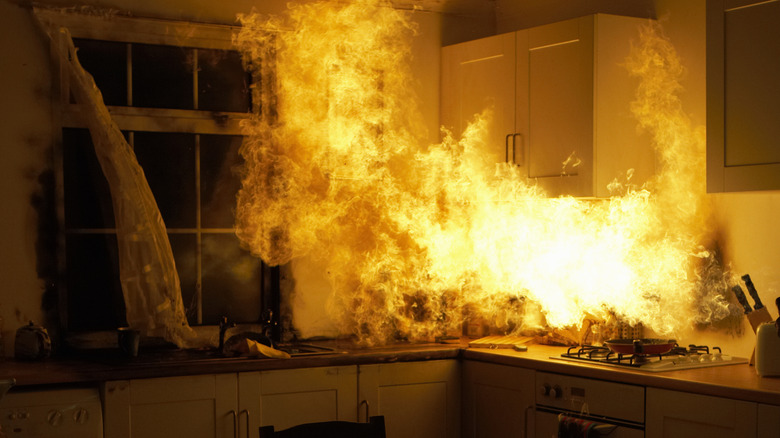
It's easy to get caught up in the golden oil and rich smells of frying foods, but remember, you're dealing with extremely hot, flammable oil. Oil can cause more severe burns than water because it's hotter, thicker, stickier, and remains on the skin longer. "Burns from hot oil are intense and fast," says Christine Pittman. She says spills and splatters are the most common hazards. Overfilling the fryer can cause boil overs and adding wet foods can cause oil to spatter.
Neglecting cleaning and maintenance of oil is also a recipe for disaster, says Josh Tuinstra. "Allowing crumbs to build up, failing to filter oil, or extending oil use too long can lead to off-flavors at best and smoking, foaming, or fire hazards at worst," he says. "Simple habits like skimming debris, monitoring temperature, and respecting oil limits help keep frying safe and consistent." He recommends having a fire extinguisher within reach, and knowing how to use it. And, of course, never use water to put out a grease fire.
The placement of the fryer can also prevent unnecessary hazards. Make sure the area you plan to use your fryer has a stable surface, is away from walls or dishtowels, and is not directly below a cabinet that is so full, items might randomly fall out. Always read the instruction manual for safety tips specific to your model.
Know what deep fryer features are necessary
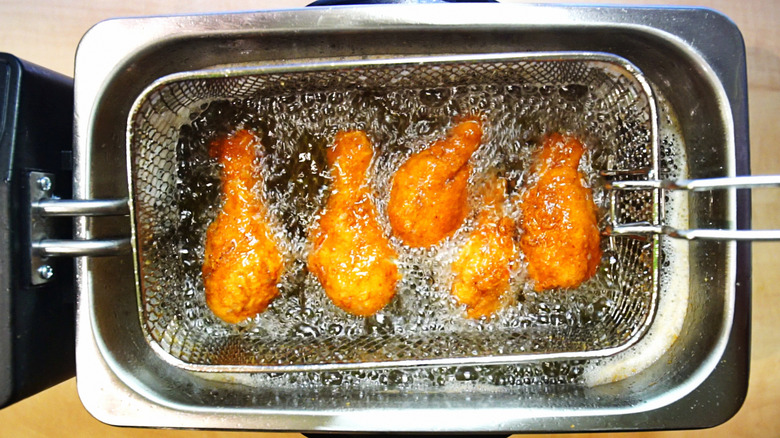
Before you purchase a countertop deep fryer, consider which features you really need and which would just be "nice to have." Different brands and models have various features to make frying more safe, effective, and convenient. There are models with LED screens, automatic shut-off, multiple baskets, or basic units with minimal features. You may be tempted by an automatic basket lifter, on-board timer, and pre-programmed settings, but Josh Tuinstra says the biggest factors to consider are consistent temperature control with quick recovery time and an easy-to-use filtration system. Christine Pittman explains why an oil filtration system is so important: "You want to be able to reuse the same oil multiple times. Why? Draining the oil and cleaning it can be messy and you don't want to do that super often," she says. "Also, the units use a lot of oil so if you have to change it often, it's expensive."
Another fryer feature Pittman can't live without is a lid with a window. A lid prevents oil spattering on the countertop and can contain a lot of the grease smell. With a window in the lid, it is easy to check on the food without disturbing the oil. She also recommends finding a unit that has cool touch handles to make holding and moving the appliance easier.
Know which type of oil to use
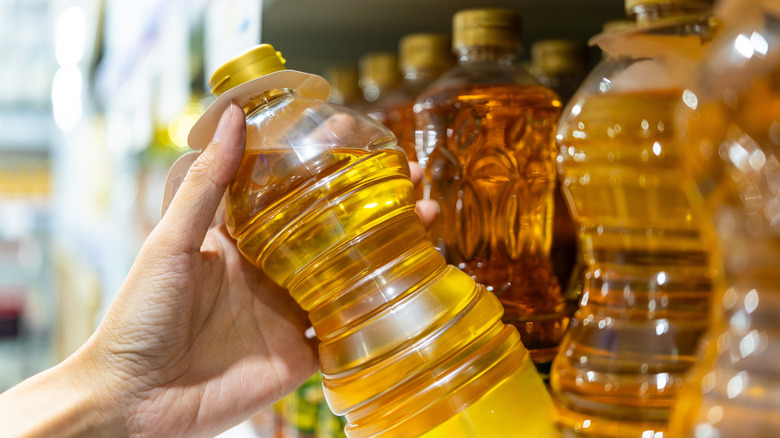
Choosing which oil to use in your deep fryer is a matter of safety, taste, effectiveness, and economics. The best oils for deep frying have strong oxidative stability and a high smoke point to be able to handle high heat and frequent use without breaking down. "Even the best fryer won't perform well if the oil degrades quickly," says Josh Tuinstra. "Choosing a stable, high-performing oil makes a noticeable difference in food quality."
Common frying oils include avocado oil, peanut oil, and vegetable and seed oils. Tuinstra prefers cottonseed oil because it has a smoke point of about 450 degrees and also has a neutral flavor. "It handles extended frying without breaking down or transferring off-flavors. That stability helps deliver even browning, crisp texture and more consistent results. Whether you're frying chicken, fries or battered items, cottonseed oil gives you a consistently crisp finish every time," he said.
Filling a fryer with grease can get expensive, even if you opt for blends, like vegetable oil, which cost less than pure ones. Fortunately, oil can be used more than once. There are steps you can take to reuse your frying oil, like filtering it and keeping track of what you fry in it. A simple rotating oil hack is to use a batch half a dozen times to fry foods that are mild in flavor, then fry fish, onion rings, or messy battered foods before throwing it out.
Understand the importance of cooking temperature
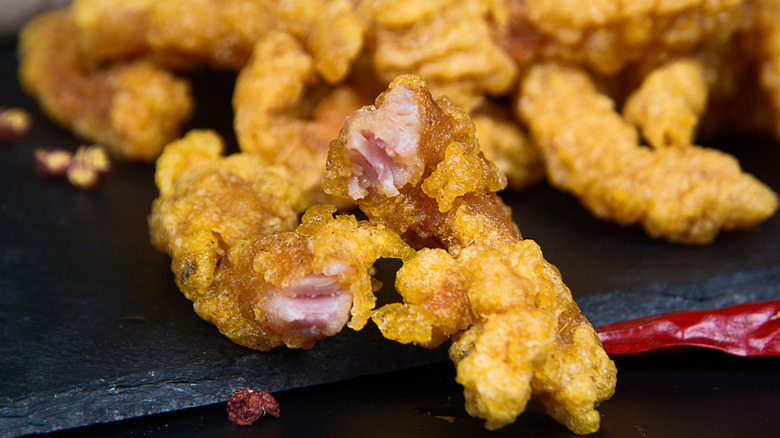
When using a deep fryer, you can't just turn it on, throw the food in, and set a timer to know when it's finished cooking. Frying requires accurate and precise temperature control, Christine Pittman says. "It is very important to maintain the right temperature or else the food won't cook evenly and can end up greasy/soggy (temperature too low) or burnt (temperature too high)," she says. You don't want to serve greasy food, or worse, undercooked meat that could make someone sick. You also don't want oil to get overheated, break down, and potentially burst into flames.
Getting the perfect, golden brown crisp that makes fried food so delicious requires the right temperature, which varies depending on what you are preparing. Some countertop fryers have cooking presets or a chart showing recommended temperatures for common foods. You can also find temperature charts online.
Once you set your temperature, most electric deep fryers will have an indicator light to let you know when it's ready, so you don't have to rely on any tricks to check if your frying oil is hot enough. The fryer can also automatically adjust the temperature to maintain the ideal cooking environment as cold food is added or hot food is removed. However, throwing a carrot in might help maintain the temperature of the oil.
Basic frying techniques you should know
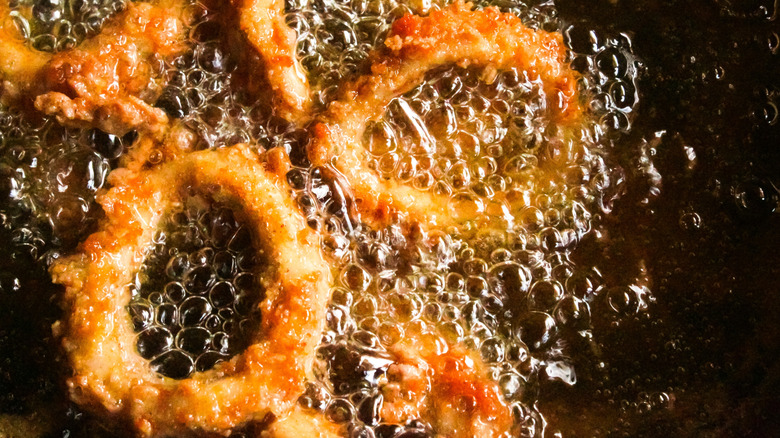
Expert fryers know the techniques and tricks for streamlining the deep frying process and avoiding dangerous and costly mistakes. At the top of the list is patience. Don't give into temptations to take shortcuts. Yes, you really have to wait until the oil is up to temperature before adding any food. If you don't, the food will absorb too much oil or fall apart and make a mess. And, yes, you do have to cook in small batches because the food needs to be surrounded by the hot oil.
Taking precautions to prevent oil contamination is something Josh Tuinstra says professionals know to do, but that not many home fryers are aware of. He recommends frequently skimming the oil to clean up particles of food and breading left behind. Even something as simple as salting or seasoning your fries over the fryer can dirty the oil.
The internet is full of frying hacks and tips, like adding flour directly to oil for mess-free fried food, or putting battered foods directly into the oil instead of the fry basket. Always do some research and check reviews before jumping on a frying trend that could end up being messy or unsafe.
Know why size matters
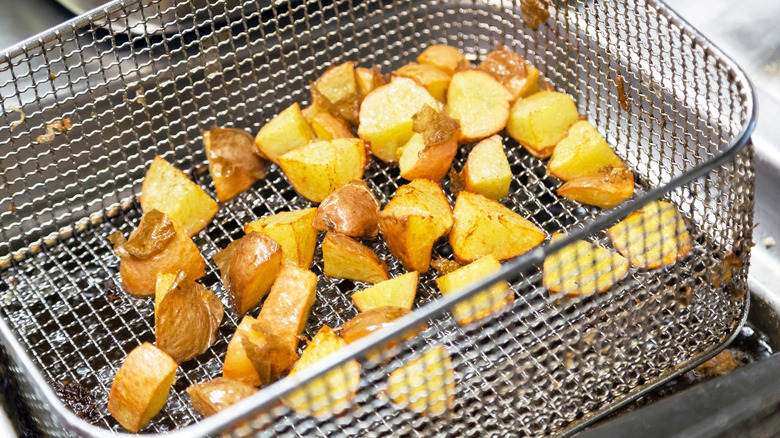
Choosing the right capacity for your countertop deep fryer will save time, money, and frustration. If you buy an appliance that is too big, you're going to resent the space and money it takes to use it. If the unit is too small for your needs, you'll spend more time cooking batches of food and never get to eat anything while it's hot. Sizes are determined by oil capacity, ranging from about 1 to 10 liters
Christine Pittman recommends an electric deep fryer with a three liter oil capacity and a food basket that holds 25 ounces. She says that's a good size for when cooking for two or preparing just one part of the meal for a small family. If you want to cook for a larger crowd, it's best to invest in something larger, or just be prepared to have to cook several batches. Don't be tempted to fry bigger batches of food in a smaller unit, Pittman cautions. "The pieces of food should not be touching and should be able to move around a bit in the basket. Otherwise they won't cook evenly," she says. "Also, putting too much in at once drops the temperature of the oil quickly and then you have too low of a temperature, resulting in oily/soggy food."
Know which foods to fry and which to avoid
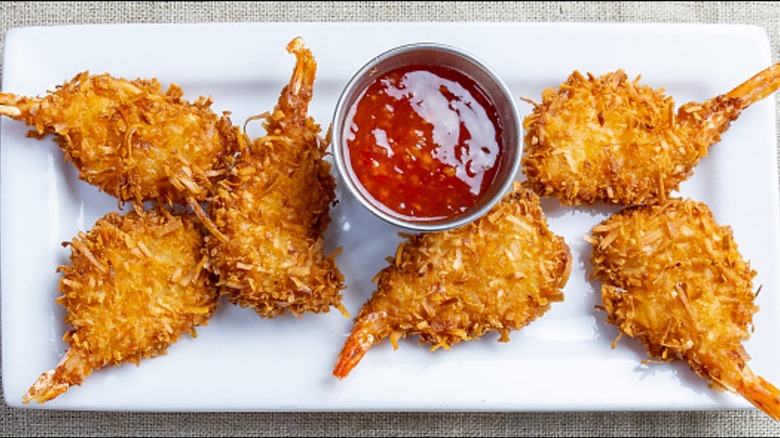
As with any skill, frying takes practice to master. Josh Tuinstra cautions against starting out by trying to deep fry battered fish, tempura, or other delicate and wet foods, which can set up a beginner for discouragement. "These foods are more prone to sticking, breaking apart or causing oil instability if temperature and handling aren't precise," he says.
"For those new to countertop deep frying, it's best to start with forgiving, consistent foods," he says. "Breaded items like chicken tenders, mozzarella sticks, and French fries are ideal because they have predictable cook times and perform well in a controlled fryer environment. Pre-battered or par-fried frozen items are especially beginner-friendly, as they're designed to deliver consistent results with minimal variability." Christine Pittman recommends fried shrimp as an ideal dish for a first attempt at deep frying.
There are some foods which should not be deep fried. Most vegetables do not turn out well when deep fried, owing to their high moisture content, capacity to absorb too much oil, and the fact that they can lose a lot of their nutritional value when exposed to the high heat of hot oil. And, then there are common sense no-no's that will result in high pressure explosions, like raw gnocchi or whole eggs in the shell.
Know the dangers of frying wet and frozen foods
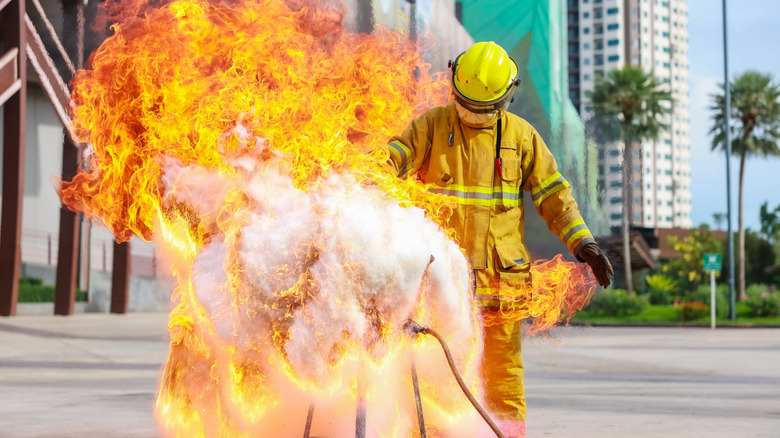
Watching videos of frying turkey mishaps where a frozen turkey is lowered into boiling oil and results in a fireball is a great way to pass some time, but it also teaches a valuable lesson: Mixing water and hot oil is dangerous. Frying wet and frozen foods in your deep fryer requires extra steps. With frozen foods, you'll need to brush loose ice crystals off the frozen tater tots or chicken tenders to reduce direct contact between the ice and the oil. Frozen foods should also be cooked in small batches to limit the size of any potential reaction.
Wet foods, such as fresh fish or potatoes soaked in water to make crispier fries, should patted dry before frying. Christine Pittman explains why this is a good practice: "Damp items like fresh fish can be challenging because they introduce moisture into the unit which can cause spattering."
Water doesn't just cause a safety hazard, Josh Tuinstra says. "Water drives hydrolysis, one of the primary pathways of oil breakdown." That's why he suggest other simple precautions, such as making sure your frying unit is completely dry after it is cleaned, to minimize the potential exposure.
Know how to set up a frying station
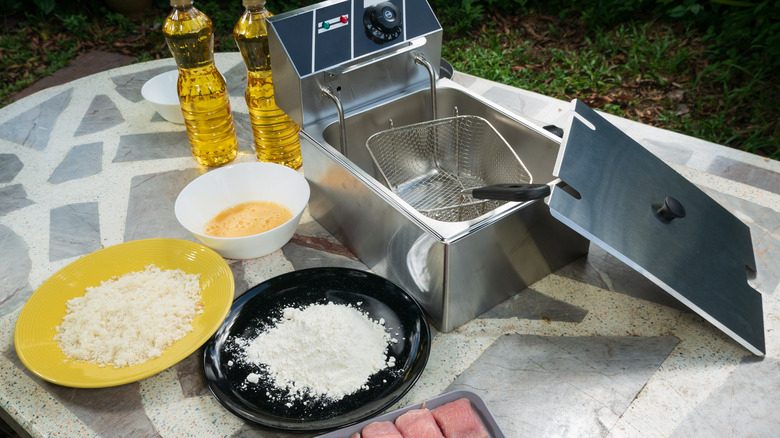
Setting up a frying station is the smartest way to prevent messes and accidents and to fry efficiently in your kitchen. The fryer should be set away from flammable items, such as dish towels and plastic utensils, but also away from walls and cupboards. A good way to keep messes contained is to set up your deep fryer in a rimmed baking sheet pan on the stove top. The pan catches any spill overs and utilizes the exhaust fan hood, preventing steam and grease splatters emitted by the machine from ending up sticking to your cabinets, countertops, and even ceilings.
You'll also need a space for prepping, dredging, and battering, and another for cooling and draining your food. Just placing fried food on paper towels can lead to sogginess. Instead, use a metal sheet pan fitted with a cooling rack to allow air to circulate around foods fresh from the fryer. Have everything set up and ready before you begin frying. Your fryer has a basket to safely removed hot food but you'll want some metal utensils, like a spider or slotted spoon and tongs, nearby to help get food in and out of the oil and to clean out debris that breaks away as the food is frying.
Know how to maintain your deep fryer
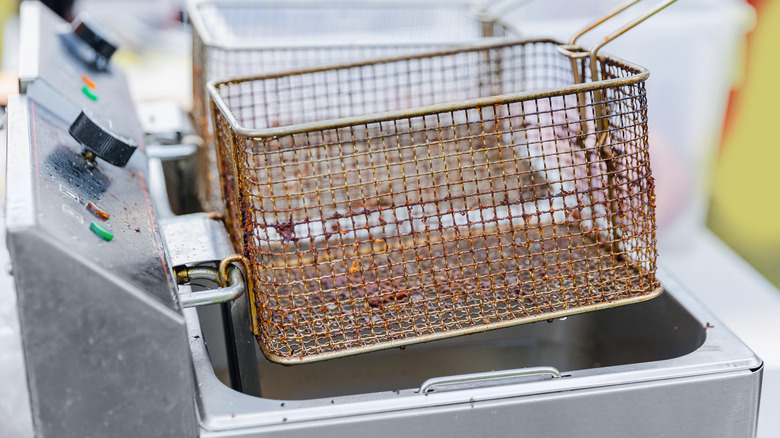
There's an old adage that says: "Take care of your things and they'll take care of you." Keeping your fryer clean and in good condition will save you time, money, and frustration. "One lesson many operators learn the hard way is the impact of poor housekeeping," Josh Tuinstra says. When oil isn't filtered or is used after it starts to degrade, it can impact the taste of the food and be a fire hazard. If your fryer model doesn't come with a filter, you'll need to filter the oil manually as part of your cleanup routine, once it cools. Then it can be stored in the container it came in, in the refrigerator, if possible.
Next, the fryer needs to be cleaned. Christine Pittman shares her cleanup routine which includes "wiping down the outside once it cools, cleaning the baskets (often they're dishwasher safe), removing and replacing the oil if it smells or looks off." Tuinstra cautions that if you use any caustic cleaners on the inside of the fryer you need to neutralize them with a vinegar rinse to prevent oil contamination.
If the oil is no longer usable, it can be thrown away without filtering, which can be a messy job. Never put oil down the sink drain. Ideally pour it into a disposable container and throw it in the garbage. Another option is to purchase an oil solidifier for an easy and mess-free cleanup.
Health considerations you should be aware of when deep frying

Some people refuse to buy a deep fryer for their kitchen because they are intimidated by the amount of time, money, or potential danger involved. Others swear them off because of health reasons. Fried foods can be high in fat and may contribute to health problems, such as high cholesterol and clogged arteries. It is assumed that if you have a countertop deep fryer, you will probably eat more fried foods, which could have a negative effect on your health.
You may not realize that deep frying cooking methods also contaminate the air in your home. Cooking food in oil at such high temperatures releases a large amount of pollutants and particulate matter into the air, especially if the frying area is poorly ventilated or if the hot oil is uncovered. Always turn on the stove's exhaust fan on or crack open a window while deep frying to reduce the harmful particulates in the air, which can cause respiratory issues or even stroke and cardiovascular disease. The more particulates in the air, the stronger the smell. "Years ago, deep frying at home could result in a fried oil smell," Christine Pittman says. "Modern deep fryers often have oil filters and lids, and sometimes even filtration systems that result in less (but not zero) smell."