

Osteria Vs Trattoria: Is There A Difference Between These Types Of Italian Restaurants?
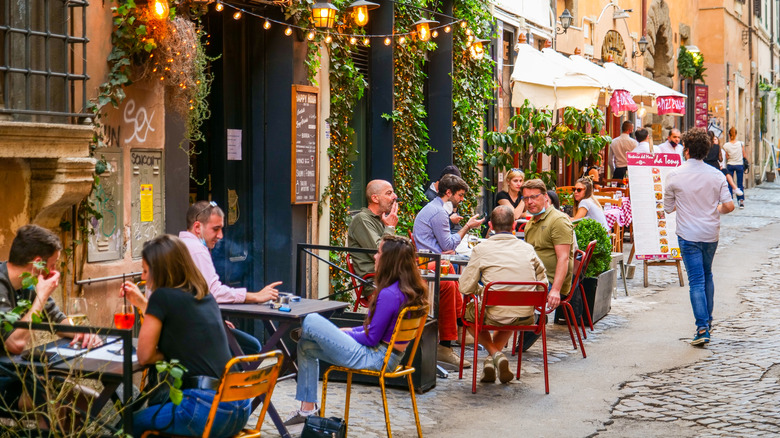
Italy is packed with fascinating history, artistic masterpieces, and natural wonders. However, let's be real — one of the biggest attractions of the boot-shaped country is its cuisine. Luckily for hungry travelers, there's one simple trick that can help you make the most of your precious meals in Italy: knowing the difference between various types of Italian restaurants. Just like you'll find diners, bistros, and delis in the United States, Italy has its own tasty canon of restaurant styles, and two of the most popular options for those seeking cheap but tasty European eats are the osteria and the trattoria.
The more rustic and casual of the two, osterie were originally inns where travelers could order wine to enjoy with their own provisions at shared tables (sort of like the opposite of BYOB). Over time, many osterie began to serve up snacks and simple fare, and these days, they typically offer a small, rotating menu of relatively affordable, local dishes alongside an excellent wine selection. If you're craving budget-friendly regional Italian fare with no-frills service and great wine, an osteria is the perfect match.
Trattorie are traditionally inviting, family-run spots serving Italian comfort foods with an emphasis on local, seasonal ingredients. They're typically a bit more formal than osterie (you may need a reservation, for example). If you're looking to enjoy a sit-down meal in a cozy atmosphere and taste perfect pasta sauce whipped up by an Italian nonna, a trattoria is where it's at.
Key differences between an osteria and a trattoria
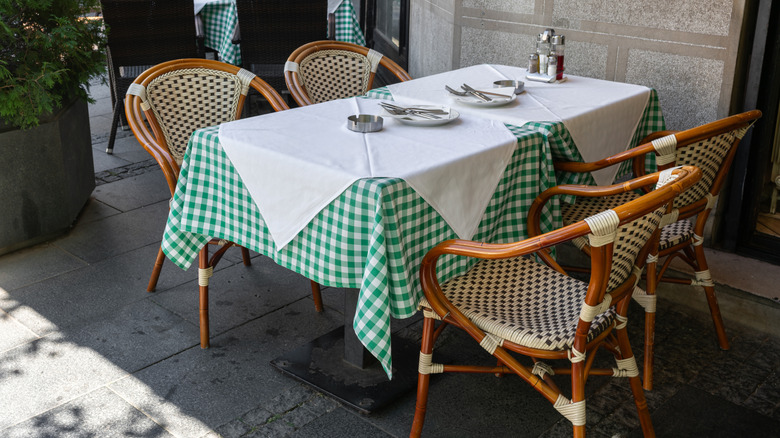
A trattoria is generally viewed as a slight step up from an osteria, but both restaurant styles are traditionally on the more relaxed and affordable end of Italy's culinary spectrum. The key differences between the two are that osterie generally have a smaller, ever-changing menu and a heavier emphasis on wine, while trattorie offer a larger menu and are more food-focused. With that in mind, while it's often acceptable to only order a glass (or a few) of wine at an osteria, you wouldn't typically go to a trattoria without ordering some delectable Italian restaurant dishes.
The line between osterie, trattorie, and other Italian restaurant styles has historically been relatively clear-cut, but the terms have become increasingly fluid and interchangeable in recent decades. For example, Modena's Osteria Francescana is helmed by world-famous chef Massimo Bottura and boasts three Michelin stars and a 350 euro tasting menu – not exactly a casual neighborhood joint. Still, these basic definitions are a great guide to help you choose an Italian dining spot that matches your vibes (and budget). If you're looking for other ways to dine out like a pro in the "Bel Paese," check out the tips for navigating a menu like a true Italian.