

6 Types Of Canned Beans You Should Never Use In Your Chili (And 6 You Should)
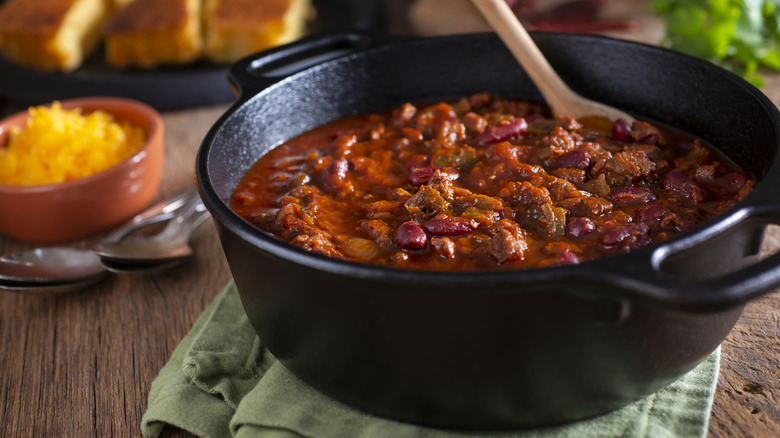
Chili is a comfort food that frequently simmers on stovetops across the country. Everyone has their own recipe, and everyone knows that theirs is the best and most authentic version of the dish. In truth, chili comes in many different styles. There are a few notable regional variations including Cincinnati chili, Springfield-style chili, Colorado green chili, and Texas red. With that many options, there isn't a single bean that is best for every pot, but there are several that work better than others.
The many variations of chili are due to the way it spread across the country. Chili, as we know it, is believed to have developed as a campfire food enjoyed by cowboys and gold miners in the American West. It was served in San Antonio as early as the 1860s, and that is widely considered the beginning of chili's documented history. A San Antonio chili stand at the 1893 World's Fair in Chicago introduced it to a new region and helped popularize it in the Midwest.
While chili ingredients vary, it's always a no-fuss comfort food. As such, it's one of the times we often reach for canned beans versus dried. There are tons of options that are ideal for chili night. Which bean is right for your chili will depend on the rest of the ingredients and your personal preference, but there are characteristics in flavor and texture that make some better suited than others.
Never Use: Any canned beans
Since chili is one of the iconic dishes created in the Lone Star state, it's only fair to give Texans a chance to make their timeworn argument before getting into the meat of the article. (Or bean of the article, if you will.) Traditionalists from Texas are adamant that no beans belong in chili. It doesn't matter about the variety: If it's a bean, it doesn't belong in chili. Period. Subscribers to this argument are steadfast in their belief, and they can stop reading now fully confident that their viewpoint has been acknowledged.
It's not a meritless claim — anyone who has enjoyed a bowl of Texas-style chili con carne knows the straightforward flavor of beef and pepper is something to savor. But there are those of us who can enjoy chili in its many different forms without getting bogged down in semantics. Outside of chili, Texans are serious bean eaters, and some of them might be surprised what a tasty addition they can be in a chili. A Texas Monthly columnist once broke the no-beans rule to see how much damage they could do to the state dish. The final assessment? "The truth is, chili with beans is aromatic, piquant, and delicious, just like chili ought to be." He used pinto beans for his experiment.
Use: Kidney beans
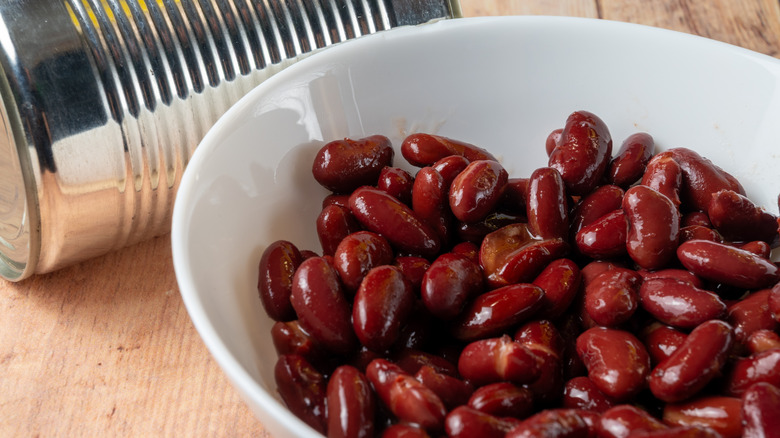
Kidney beans are arguably the most popular legume added to chili. The red beans are named for their kidney shape and have a firm texture that holds together in long simmered dishes. In addition to chili, kidney beans star in dishes such as Cajun red beans and rice and some Indian dishes. The flavorful bean is readily available in American grocery stores and is used in many different types and styles of chili.
Part of the popularity of the bean has to do with its long history of human consumption. The kidney bean is one of the "common beans" that is believed to have been cultivated in Peru as long as 8,000 years ago. They were grown in Louisiana by Acadian farmers in the 1700s, and spread along the Mississippi River. The U.S. is one of the leading producers of kidney beans, with Minnesota being the largest producing state.
The adaptable kidney bean can be found in chili recipes from around the country. Illinois Country Living published an award-winning chili recipe that called for a mixture of ground beef and Italian sausage along with kidney beans. The New York Times also recommended kidney beans in its slow cooker chili recipe. Cincinnati is known for a distinct style of chili that is served over spaghetti noodles with a hefty handful of cheddar cheese, but it still commonly incorporates kidney beans in the recipe. For a classic, time-tested option, confidently reach for a can of kidney beans.
Never use: Garbanzo beans
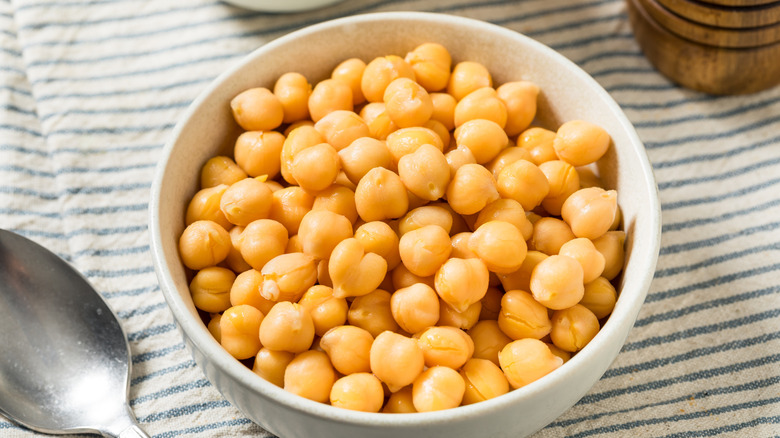
A versatile bean, chickpeas an be turned into numerous easy meals. While the neutral flavor works well blended into a creamy hummus or fried into crispy falafel, it's not ideal for chili. The issue with chickpeas — aka garbanzo beans — isn't so much about the flavor as it is the texture of the bean. Chickpeas are high in starch and have a slightly grainy texture that some people don't like with ground meat. It's also a firm bean, and while that allows it to hold its shape in chili, it doesn't soak in as much seasoning and provide the deep, earthy flavor of a classic chili.
However, the same qualities that make garbanzos a poor choice for meat-centric chilis also make them a popular option for vegetarian and vegan renditions. In these styles, chickpeas are often used as part of a multi-bean mix to provide a contrast to softer legumes. So, while they are not the best option for traditional meaty chilis, they can be a good choice for meatless renditions.
Use: Pinto beans
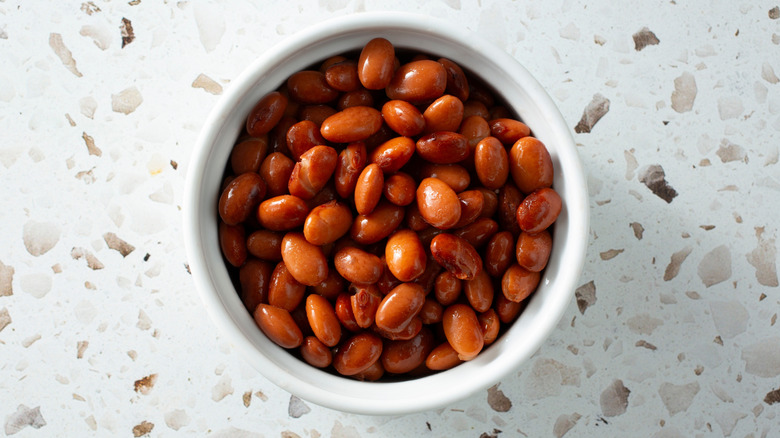
Pinto beans are right up there with kidney beans as one of the most popular for a pot of rich chili. They are one of the common beans that originated in the Americas around 7,000 years ago. These beans are all over America — the popular legumes constitute 42% of the beans produced in the U.S. — and they have a firm texture and high amounts of fiber.
While found throughout the U.S., pinto beans are especially prominent in the West and Southwest where they feature in many common Mexican and Tex-Mex dishes. The creamy texture is ideal for refried beans, and the firmness allows them to be simmered in a pot of charro beans. These qualities also make them a top-notch option for a pot of chili.
A couple of cities claim to be the pinto bean capital of the world including Dove Creek, Colorado. Its claim is based on the fact that it produces up to 30 million pounds of beans annually. Mountainair, New Mexico also claims the same title, though its assertion is more historical than current. The town once housed the nation's largest bean processing center and played a vital role in providing rations to soldiers during World War II. The love for pinto isn't confined to the U.S. borders. Pinto Macbean, an 18-foot-tall pinto bean statue wearing a cowboy hat and a six-shooter, is the town mascot for Bow Island, Alberta. It's so popular for a reason and makes a good chili bean, adding a welcome rich creaminess to the dish.
Never use: Fava beans
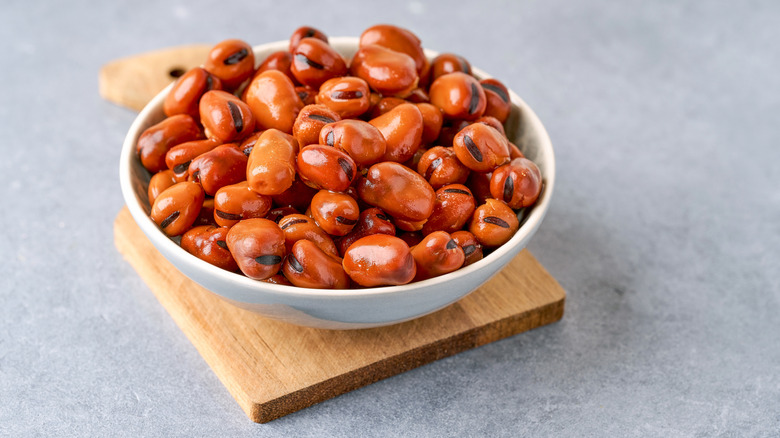
Fava is another type of bean that is not well-suited for chili. While fans of "The Silence of the Lambs" remember fava beans as one of the foods that Hannibal Lecter paired with liver and a nice chianti — that is not the best use for them either. They have a light taste that is buttery and slightly nutty. This often makes them a better fit for salads, burrata and toast, dips, and other refreshing dishes rather than an addition to a hearty chili.
Favas are an ancient Old World bean with evidence of cultivation as far back as 10,000 years ago. They were brought to Britain by Neolithic farmers around 5,000 years ago. While their popularity has grown slowly in the U.S., the beans are widely consumed in the Middle East, Asia, Africa, and Europe. They grow in a green pod and have a tough clear skin that is removed before eating. This labor-intensive process means that canned fava beans tend to cost more than the average bean. While there are plenty of ways to enjoy fava beans and let their delicate flavor shine, it's best to leave them out of chili.
Use: Chili beans
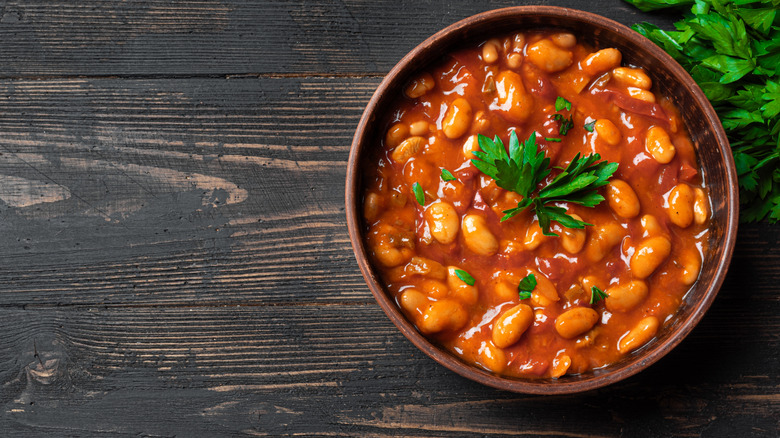
How could chili beans not be included among the top beans to add to a pot of chili? The name says everything you need to know. Unlike the other beans we've examined so far, chili beans are not technically a variety of beans, but rather a preparation method. While they can be made from different beans, kidney beans are often used — which we already know are a good option for chili. The difference between chili beans and kidney beans is that chili beans have been simmered with tomatoes and spices, giving them a burst of flavor that goes nicely in chili or chili-adjacent dishes.
Canned chili beans are inspired by a chili preparation technique where the beans are simmered in one pot and the meat in another. The beans are cooked with onions, garlic, tomato, and spices and then combined with the meat as a final step. This method gives the beans depths of flavor that complement the meat and make for a flavorful stew. Buying chili beans from the canned aisle is a shortcut to the layers of flavor the two-pot method creates, and still provides the upsides of using kidney beans. It's hard to go wrong with a can of these when making chili.
Never use: Lima beans
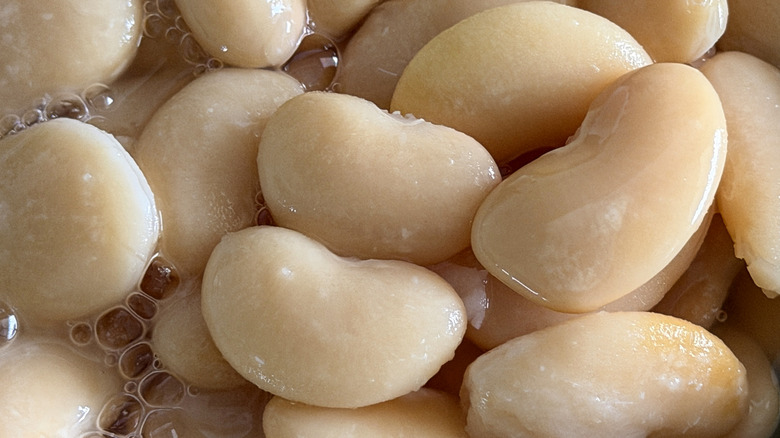
Lima beans (also known as butter, double, Madagascar, or wax beans) are commonly confused with fava beans due to their similar appearance. While there are quite a few differences between the two beans, one thing they have in common is that neither is well-suited for a pot of chili. Lima beans are even less preferable than favas. They have a starchy texture and tend to crumble during long cooking times, which can contribute to a mushy consistency.
Like fava beans, limas are thousands of years old, but they are a New World bean that originated in South America. They were named after the capital of Peru, although the pronunciation is different. In ancient days (around A.D. 100-800), lima beans took on a special significance and became a status symbol reserved for the warrior class.
Although not an ideal chili bean, lima beans have a rich, buttery flavor that is excellent in other dishes. A popular use is to turn them into a summer succotash with sweet, fresh corn. Lighter dishes are where the bean stars, and you can also find it in Japanese curries, salads, and soups. There are plenty of ways to use lima beans — one of the types of canned beans you should always have in your pantry — but chili doesn't highlight the bean's strengths.
Use: Black beans
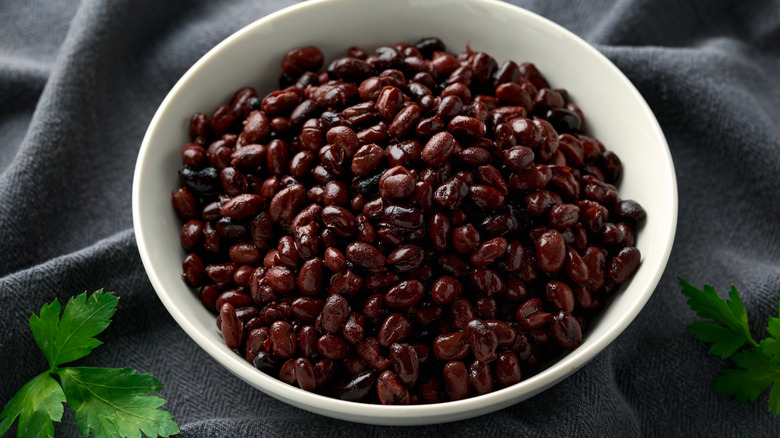
Also known as turtle beans, black beans originated in the Americas thousands of years ago. They have a meaty texture that is superb in a pot of chili. The beans are especially popular in South America and the Caribbean, where they are often served with rice. They are the star of some well-known regional specialties such as Cuban rice and beans and Brazilian black bean stew (feijoada). In the U.S., they are often used in burritos and are also prominent in Cajun and Creole cooking.
Black beans share some similarities with kidney beans that make them a good option for chili. Like kidney beans, black beans hold their shape well in a long simmering chili. While both beans have a mild, versatile flavor, black beans have a creamier texture. They are one of the top consumed beans in the U.S. and are adaptable to a wide array of dishes, including chili.
Never use: Mung beans
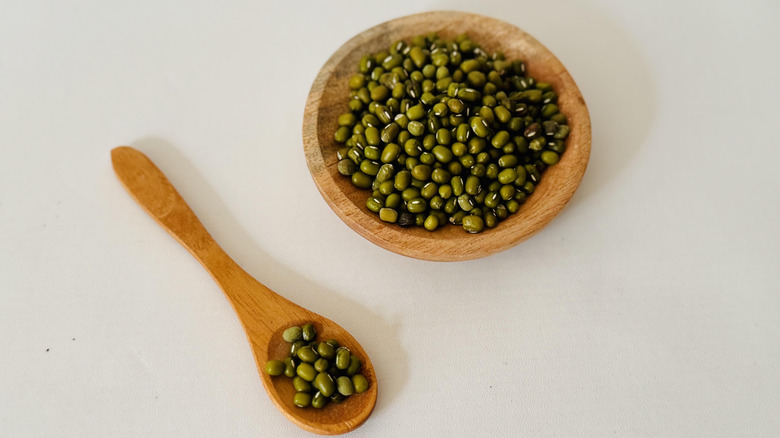
Mung beans are thought to have originated in India and are widely used in many Southeast Asian cuisines. They are commonly found in sweet and savory dishes, and even in desserts. In other words, dishes that are not at all similar to chili. This is especially true when using canned mung beans since there are often added ingredients.
The canned beans come in two varieties, and the most popular is a sweet version that is soaked in a syrupy sauce and makes a good topping for desserts. This version is particularly ill-suited for chili since the added sugars dramatically alter the flavor of the dish. While more difficult to find, there is also an unsweetened variety that consists just of cooked mung beans. These mung beans have a unique flavor that is most similar to peas or lentils. While the beans are beginning to grow in popularity in the American diet, mung bean sprouts are more familiar to most U.S. consumers. The bean itself is nutritious and delicious in salads and stir fries, but not the best option for chili.
Use: Cannellini beans
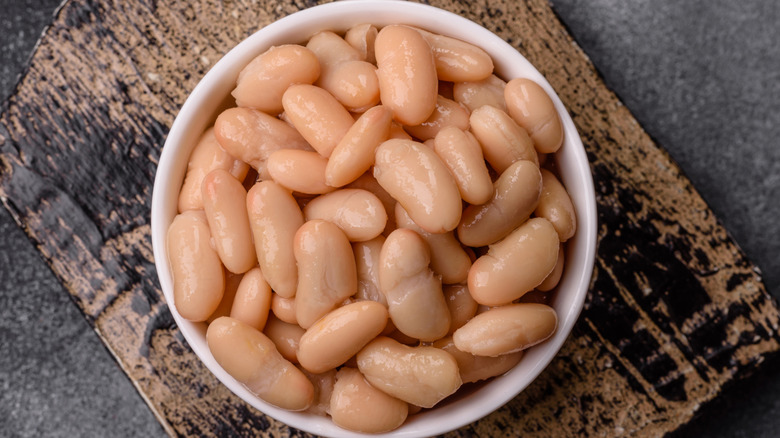
Chilis come in multiple varieties, and the type of chili can dictate what type of bean goes well with it. Cannellini, and other white beans such as great northern, go particularly well in a white chili made with turkey or chicken. Sometimes cannellini beans are labeled as white kidney, which is a good clue they go well in chili.
The bean has a nutty and earthy taste, with a creamy texture but enough firmness to hold its shape when simmered in a chili or stew. Although it was popularized by the Italians, the bean originated in South America. It was taken to Italy by immigrants, and became a staple in Italian cuisine where it is found in a range of pastas and soups.
White chili comes in many different styles and, despite the name, it's not always white. Some are creamy, like this creamy white chicken chili recipe, while others have a thinner, more tomato-based broth. The common characteristics of most white chilis are that they include poultry as a protein and white beans. When making a white chili, cannellini beans are an exceptional choice.
Never use: Baked beans
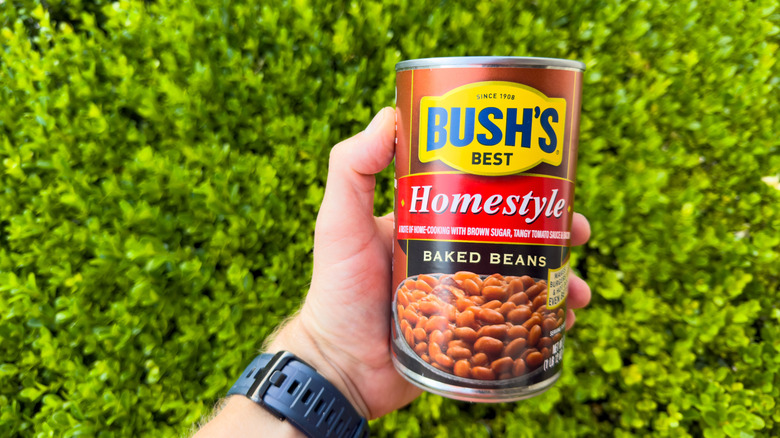
Like chili beans, baked beans are a style of beans rather than a variety. They are usually made out of a white bean such as Navy or Great Northern. These are mixed with something sweet and some sort of pork to create a sweet, sticky, smoky bean dish that is familiar to anyone who has been camping or attended a backyard barbecue. Bush's sells around 80% of America's canned baked beans, according to Forbes. Its recipe uses navy beans cooked with cured bacon, brown sugar, and a signature blend of spices.
Baked beans taste great on a paper plate alongside potato salad and smoked ribs, and there are plenty of ways to upgrade canned baked beans so they star on their own. But chili is a poor choice for using baked beans. Both the sweetness and the stickiness create issues. A good chili bean soaks in the flavors of the pot and adds a subtle earthiness that complements the rest of the dish. Instead of complementing the flavors, baked beans add competing flavors and a pasty texture.
Use: Cranberry beans
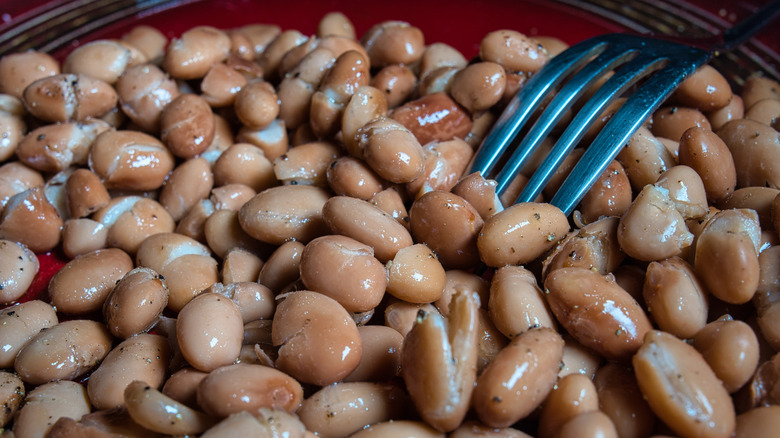
Cranberry beans have a similar history to cannellini beans. They originated in South America, but were popularized in Italy where they are known as borlotti beans. They are similar to pinto beans, though less popular. The dried beans are slightly larger than pintos, white or tan in color, and speckled with cranberry-colored spots. The flavor is similar to pinto beans, but milder, and the texture is creamy. The bean has a thin skin that helps it create a rich broth.
Cranberry beans not only contribute flavor to the chili, but they are also a nutritional powerhouse.
They contain more protein than most beans, packing 16 ½ grams into a cup of cooked beans. They are also high in fiber and provide more than 20% of the recommended value per serving. For exceptional flavor and a boost of nutrients, pinto lovers might enjoy adding cranberry beans to their next batch of chili. Keep in mind they might be in a can labeled borlotti or Roman beans.