

Grocery Shopping At Target In 2026 Is About To Be Easier Thanks To These 3 Changes
Target has always been a go-to destination for budget-friendly essentials, from trend-forward clothing and home décor to beauty products and household necessities. Decades ago, however, like when Target stores had food courts, the brand began introducing larger grocery departments, following the success of Walmart Supercenters' one-stop-shop experience. Since then, Target has continued evolving its grocery offerings across both SuperTarget and standard store formats. Now, some of the biggest changes are coming to Target in 2026 (or are already underway) — and the grocery department is a major focus of these efforts.
According to a recent Target press release, the company is investing billions — yes, that's billions with a B — into improvements both in-store and online. As a result, shoppers may notice their local Target undergoing a remodel to allocate more space for groceries, or entirely new store openings in some areas. These changes are designed to better serve the way customers shop today — with convenience at the forefront. The goal is to make it easier for shoppers to accomplish more in a single trip, while moving through the store efficiently from start to finish.
Expanded food and beverage selection
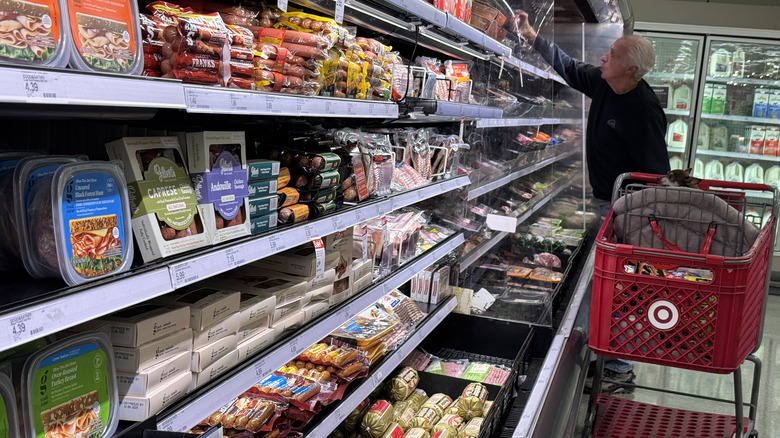
Perhaps the biggest change to Target's grocery game is the expanded selection of food and beverages, with more than 3,000 new items added in Q1 of 2026. Some are geared toward wellness, a category that aligns with the interests of roughly 70% of Target shoppers, and caters to the health trend of the century — protein. Joining Target's list of high-protein finds are subscription-based meat company ButcherBox as well as protein bars and powders from consumer-favorite brands such as Misfits, David, and FlavCity. Shelves are also making space for better-for-you beverages, like Naked Life non-alcoholic cocktails and Ryze mushroom coffee. Within this same product initiative, in 2026, Target became the first national retailer to carry only cereals made without synthetic colors.
Its own private label Good & Gather continues to expand through celebrity chef collaborations, including its latest partnership with chef Roy Choi. Additionally, 600 new food and beverage items across Good & Gather and Target's other store brand, Favorite Day, are expected to roll out, offering shoppers an assortment of quality, affordably priced products.
While 130-plus stores are being remodeled to accommodate additional grocery space, more than half of those locations will double their fresh foods departments, allowing for expanded selections of fruit and vegetables.
Faster supply chain for all groceries
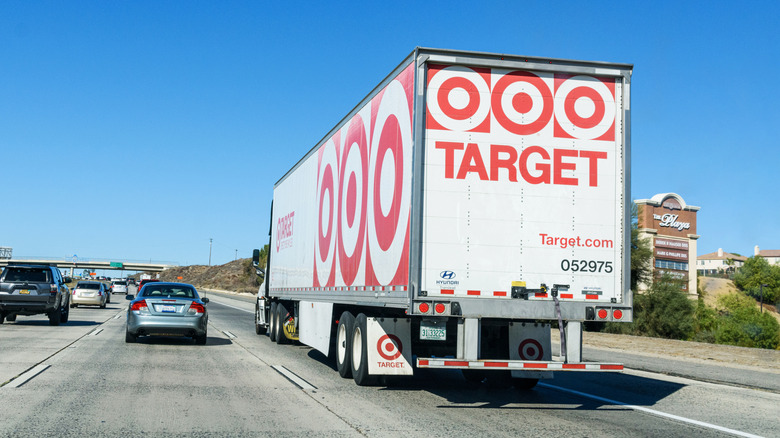
With so much new grocery inventory, Target has also made significant investments in expanding its supply chain network for groceries, helping stores replenish products more quickly and efficiently while reducing the likelihood of out-of-stock items. The company is accomplishing this through its growing network of supply chain facilities. Target's newest and largest food distribution center recently launched in Thornton, Colorado, with the ability to service 129 stores across 11 states up to two days faster than previous methods.
In addition, the company's first-ever Receive Center opened in Houston, Texas in April. This 1.2 million-square-foot warehouse was designed to receive and store products from national and global vendors until they're needed elsewhere based on store and guest demand. For grocery shoppers, this could mean faster access to products that often have longer lead times, such as imported foods likely to be impacted by tariffs, seasonal baking ingredients, limited-time food and beverage offerings, and bulk products that may not typically be stocked in large quantities within stores.
Other tools being used to better manage supply chain flow include AI-powered technology to improve demand forecasting to reduce items running out of stock. For example, if a particular protein bar, sparkling water flavor, or old-school grocery item making a comeback surges in popularity, AI may help identify the trend earlier and get additional inventory moving through the supply chain before shelves are emptied.
Enhanced checkout, delivery, and loyalty experiences
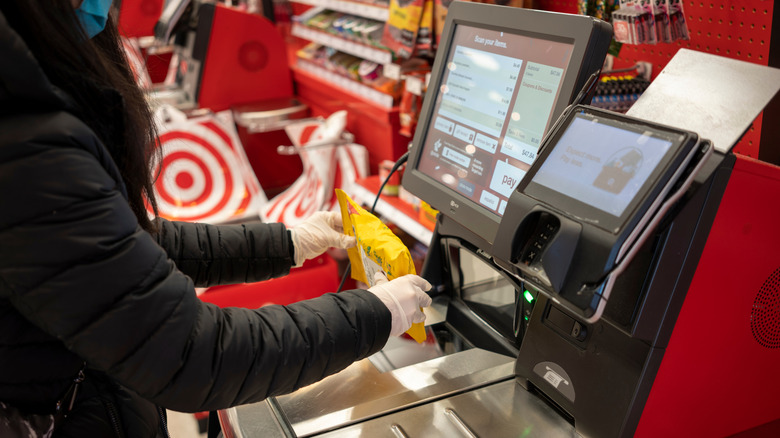
Purchasing groceries in an easy, efficient, and personalized way can make all the difference, which is why Target has continued advancing its checkout, delivery, and loyalty offerings in 2026. Self-checkout stations are now equipped with additional features for shoppers who are blind or have low vision. These features include braille, high-contrast button icons, and audio guidance through headphone plug-ins.
Since same-day fulfillment services, including unlimited delivery through the Target Circle 360 membership program, as well as Drive Up and Order Pickup services, account for two-thirds of Target's sales, shoppers can expect this service to be faster. For grocery shoppers, that could mean receiving forgotten or last-minute ingredients the very same day or within hours they're ordered. Next-day brown-box delivery is also expanding this year by leveraging drivers from Target's Shipt subsidiary to help fulfill eligible orders directly from stores whenever possible, rather than relying solely on traditional shipping and delivery systems.
As for loyalty, Target Circle (free to join) and Target Circle 360 (paid membership) loyalty programs will evolve to deepen shopper engagement. One of those ways is through more personalized deals, bonuses, and rewards. Though store loyalty programs are a shady way for grocery stores to benefit from your shopping trips, it may help save you money on frequently purchased groceries.