

10 Best Cuts Of Tuna To Use For Sushi And Sashimi
Tuna is a star player on sushi menus. Not only can you find it in popular rolls such as a spicy tuna roll, but also in delicate slices of umami-rich sashimi. But the difference between cuts is mystifying to many diners. Why is tuna on the menu multiple times? Is there a reason to pay more for otoro than akami? We asked Joel Hammond, chef de cuisine at Uchi, West Hollywood, to explain the different cuts of tuna to us. The guy knows his way around a fish. Prior to his current position, he worked at Momofuku and also trained under Chef Morimoto.
One of the reasons that sushi confuses many diners is its relatively rapid ascension on the American dining scene. Technically, sushi restaurants have been in the country for a long time, but it wasn't until the 1970s and '80s that they emerged as mainstream destinations. Even then, for many Americans it was an unfamiliar meal served at a handful of high-end restaurants. The COVID-19 pandemic propelled sushi's popularity for at-home dining and now it is available at most grocery stores as a quick, prepared lunch.
With popularity at an all-time high, it's time to dive into cuts of tuna and learn the difference between otoro and chutoro. Why are some cuts of tuna ubiquitous in plastic to-go trays while others are only found at the most expensive sushi restaurants in the country? What makes a cut rare, and can you taste the difference?
Types of tuna
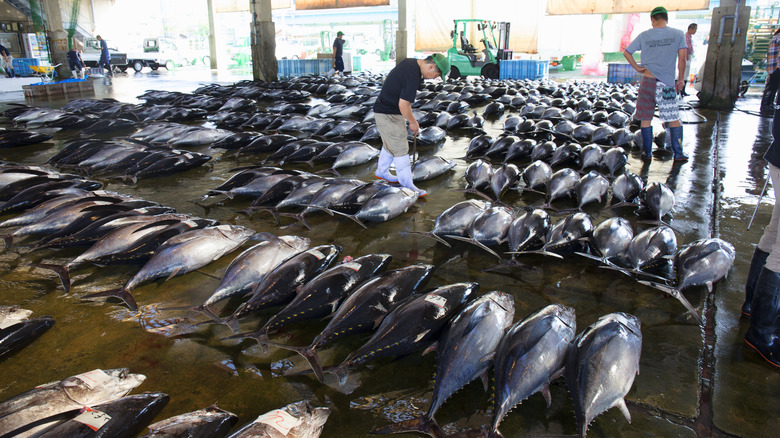
Before getting into all the different cuts of tuna, it is necessary to examine the different species of tuna. It's one of the most widely consumed fish, partially due to its flavor and partially because it is found in most oceans. There are 15 different species of tuna, but only a few are fished commercially. The type of tuna determines how it is likely to be served. "Each tuna is unique to its own," chef Joel Hammond told us.
By its nature, tuna is an expensive fish that is worth the splurge. Skipjack and yellowfin are by far the most commonly fished. Combined, they account for 87% of the tuna caught. Skipjack is almost always destined for a can due to its fishier flavor and softer texture than other tunas, while yellowfin is often carved into steaks. Albacore joins skipjack in the canned food aisle. Those are the smallest of the major types of tuna, although an albacore can still grow to 5 feet in length and weigh 90 pounds.
When it comes to sushi, bluefin is the king. "Bluefin is the fattiest tuna of them all," Chef Hammond said, and fat equals flavor. The largest bluefin can weigh up to 1,200 pounds, and these behemoths aren't cheap. The most expensive tuna ever sold fetched more than $3 million at auction in Japan. Chef Hammond performs tuna breakdowns at Uchi, and he said the bluefin they bring in are typically between 150 and 300 pounds.
Sushi vs Sashimi vs Nigiri
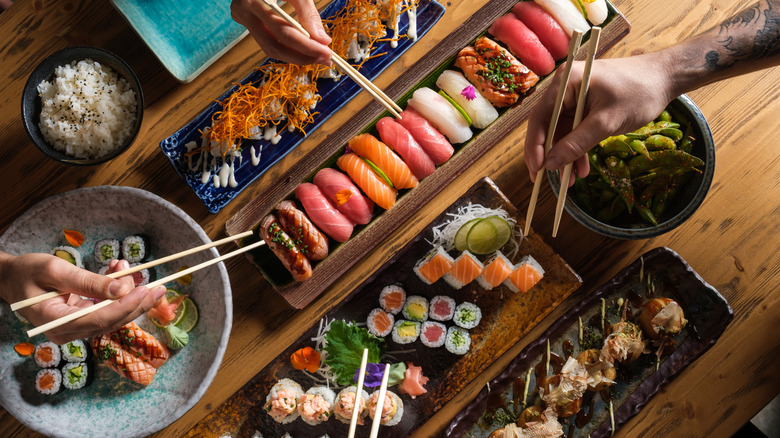
Sushi is an umbrella term that includes dishes made with rice flavored with vinegar. This includes sushi rolls, which are prominent on many American menus. While many traditional Japanese sushi rolls are simple and usually only consist of a piece of fish rolled in rice, Western chefs often make creative rolls that include multiple components, such as a a Philadelphia roll.
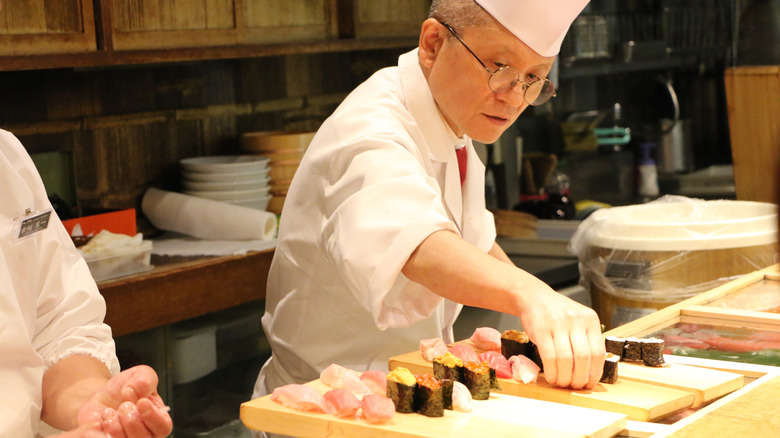
Nigiri is a subcategory of sushi. It consists of a small mound of vinegared rice topped with a slice of seafood or other protein. Sashimi is a thin slice of raw, premium-grade seafood. Tuna is cut into distinct types of sashimi. The most common are akami, otoro, and chutoro. Each cut comes from a different part of the fish and varies in flavor, color, and texture.
Chef Joel Hammond said it's not that one cut is better than another, but they each have distinct characteristics that make them open to personal preference. Each has to be sliced differently, and some of them need a quick blast from a torch to break down the fat. Some of the highest-prized slices of sashimi are rare cuts. In some cases, a bluefin will only yield a few slices of the precious meat and obtaining it often requires breaking down a whole tuna.
Akami
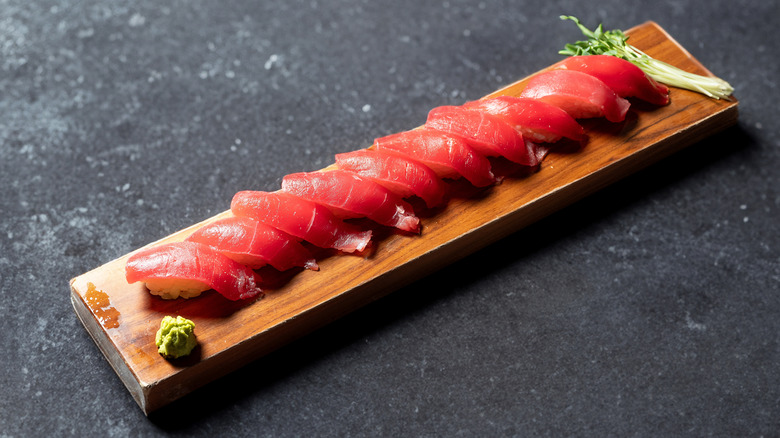
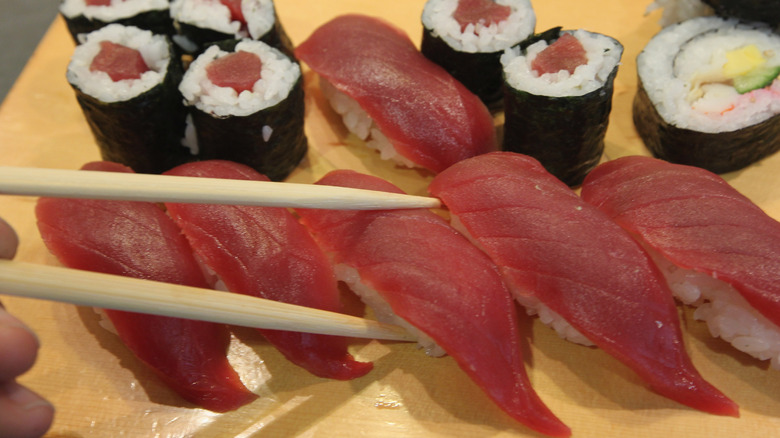
Akami is often the first cut that many sushi fans are introduced to. It comes from the meaty, back section of the fish where the majority of the meat is found. Since there is more of it, akami is less expensive than some of the obscure cuts. That doesn't mean it lacks quality, though. Akami is a lean cut that showcases tuna's rich umami flavors. While it's not the priciest cut on the menu, it is a favorite for many diners.
The meat is a vibrant red with very little marbling and a firm, pleasantly chewy texture. It contains a deep flavor with a good amount of minerality. Thin slices of the raw fish are often served over a ball of rice as nigiri and the meat is also featured in some sushi rolls.
If you are going to attempt making sushi at home, chef Joel Hammond recommended starting with akami since the firm meat is easier to slice. Slicing correctly requires training and practice, however. "Watch a lot of videos," he advised, before you pick up a knife. For a demonstration of how it is done, he suggested attending a tuna breakdown like the ones he hosts at Uchi, and watching as a tuna is sliced into different portions.
Chutoro
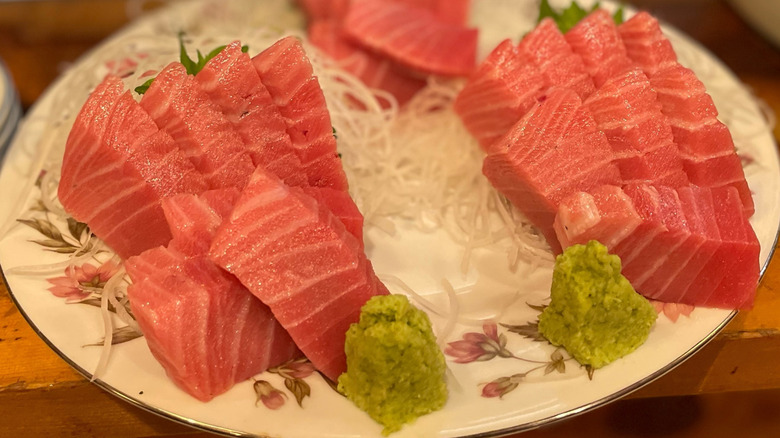
The word toro is derived from a Japanese word that means to melt in your mouth. It's an apt description for the choice cuts of tuna that come from the umami-rich belly of the fish, but toro is not exclusive to tuna. The term is also used for the fat-rich portions of other fish such as salmon. There are two primary cuts of toro: chutoro and otoro.
Chutoro is a cut that is well-loved by sushi diners. It's the perfect middle ground between akami and otoro. It has a higher fat content than akami, which adds a luxurious umami flavor. However, it's also leaner than otoro and has a firm texture with a slight chewiness. The meat is a light red color with visible marbling. The 15% to 20% fat content creates a flavorful bite that is served as both sashimi and nigiri.
Chutoro doesn't just find the middle ground in flavor — it's literally located between akami and otoro in the fish. It comes from the belly of the tuna, straddling the area between the akami meat near the tail and the otoro located near the head. There is significantly less chutoro than akami in a tuna, so the price is higher than akami.
Otoro
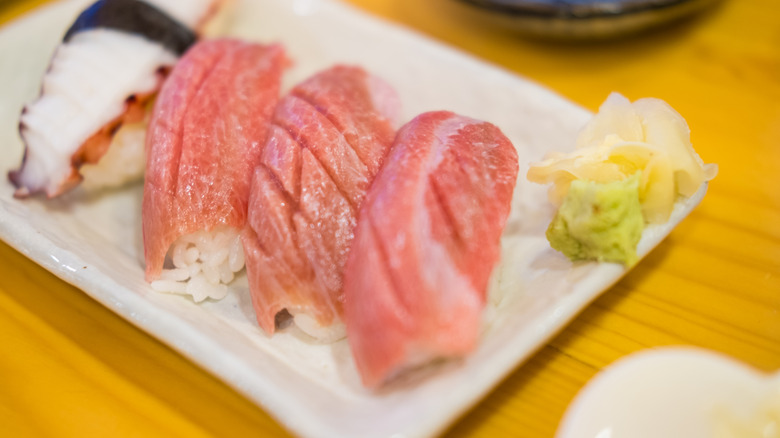
Otoro is the second primary type of toro found in tuna. It is one of the most prized and luxurious cuts of sushi. The meat comes from the fattiest part of the bluefin's belly and is exceptionally flavorful with a creamy, butter-like texture. Many people consider it to be the premium cut of tuna and the ultimate luxury bite. The meat is a pale pink color that resembles wagyu and is filled with rich marbling. The soft texture literally melts-in-the-mouth, and it is a highly esteemed piece of sashimi that is a star on many sushi menus.
Otoro translates to "great fatty," but the creamy meat isn't greasy. It can be served pressed over a mound of rice as nigiri or on its own as sashimi. It's often coursed near the end of the meal during an omakase service due to the richness. The high fat content also leads some chefs to kiss it with a torch to add a subtle smokiness that balances the fat.
Otoro doesn't just taste like a luxury item; it's priced like one as well. There is precious little of the meat in a fish, and demand for the tasty morsel is high.
Kamatoro
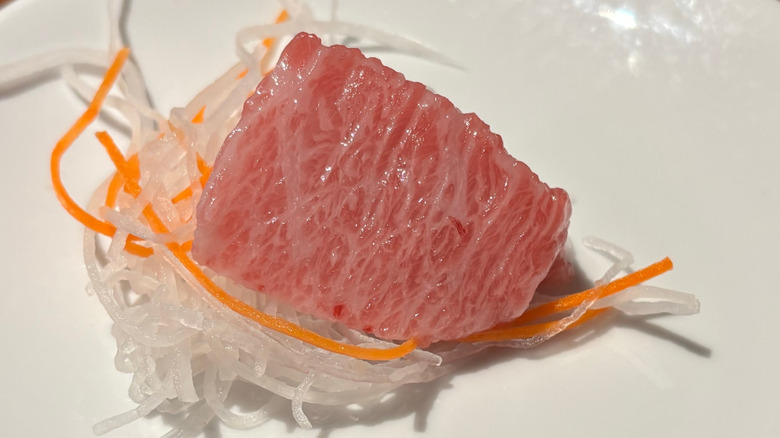
It's difficult to surpass the luxurious creaminess of otoro, but kamatoro makes a valiant attempt at it. This rare and flavorful cut comes from behind the jaw, in the fat-rich head area of the tuna. There are no veins in this area, and the meat is soft and slightly sticky. It has a high fat content, an oily texture, and a sweet taste. This meat melts in the mouth and has rich flavor.
A point of conversation among sushi eaters is whether it should be eaten in its pure form, to appreciate the natural flavors, or whether it is okay to drown sashimi and nigiri in soy sauce. It's an especially pertinent question when eating rare pieces. The simple answer is, the sauce should not be overwhelming, but it can enhance some flavors. The rice should never touch the soy sauce, as it acts like a sponge and soaks in too much. Instead, the fish should be lightly dipped in sauce without the rice making contact.
It's difficult to find kamatoro on the menu since there is a scarce amount of the meat available. Sushi and sashimi are not the only ways that it is used. The meat is also found as a premium ingredient in shabu-shabu. While it is difficult to find, sushi lovers appreciate it for the rich flavor that comes from the fattiest section of the fish. It's a delicacy worth hunting for at high-end sushi bars.
Hohoniku
Chef Joel Hammond told us that akami, chutoro, otoro, and kamatoro are the most common cuts of tuna. "Those are the main ones, but there are lots of other less heard of ones too," he said. Kamatoro is already pretty rare, so the cuts we'll examine moving forward are rare finds that make special appearances on sashimi menus, if you are lucky.
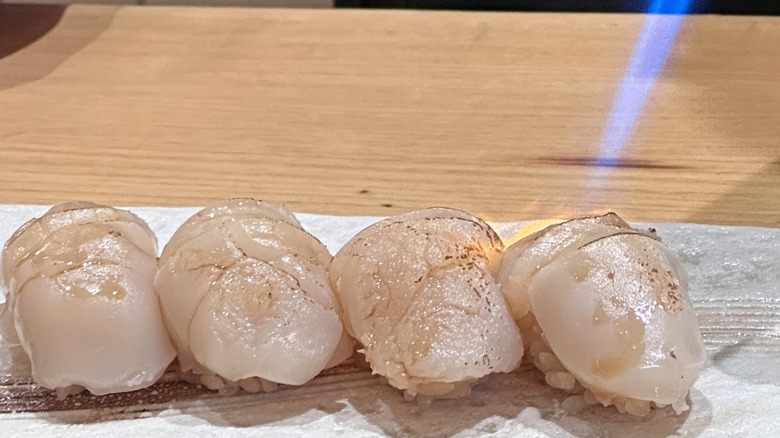
Hohoniku is one of the rare cuts. This meat comes from the cheek of the tuna and there is a minuscule amount of it. A 220-pound fish yields less than a pound of hohoniku. The meat is a light pink color. It's fatty yet firm, juicy, and flavorful.
Obtaining the cut requires having the head of the tuna, which is rare for many sushi restaurants. To be used in sushi and sashimi the meat needs to be fresh. Once it's been frozen, some chefs suggest combining it with bold flavors such as garlic and pepper instead of using it as sashimi. The best bet to find it on a sushi menu is attending a tuna breakdown, but even then, this rare cut might not be served. The scarcity makes it a prized bite. Before serving, some chefs elect to sear the tuna with a torch to soften the natural stringiness of the meat.
Noten
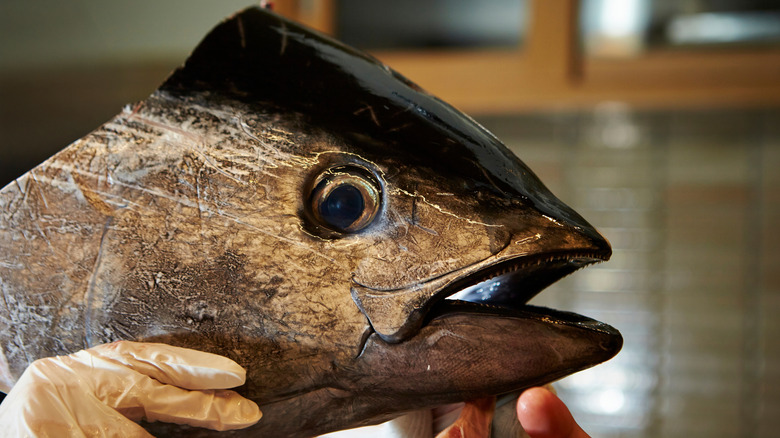
The cheek meat (hohoniku) is not the only cut that comes from this part of the fish. Noten is held in high esteem by many tuna aficionados. This meat comes from the top of the head — around the forehead area. Chef Joel Hammond told us the cut is much more common in Japan, but a rare find in American sushi restaurants. The rarity makes it a holy grail sashimi for some diners who trade tips and strategize on online forums on how to find it.
The meat is a light pink color with a flavor similar to chutoro. Some industry insiders admit that the rare cuts like this often aren't available to the general public. Sometimes they are served to the staff as a special pre-service meal, or reserved for the owner and their friends. Those lucky enough to sample it describe a melt-in-your-mouth texture, but with more structure and umami than otoro. This rare cut deserves a spot on any sushi lovers' bucket list.
Harashimo
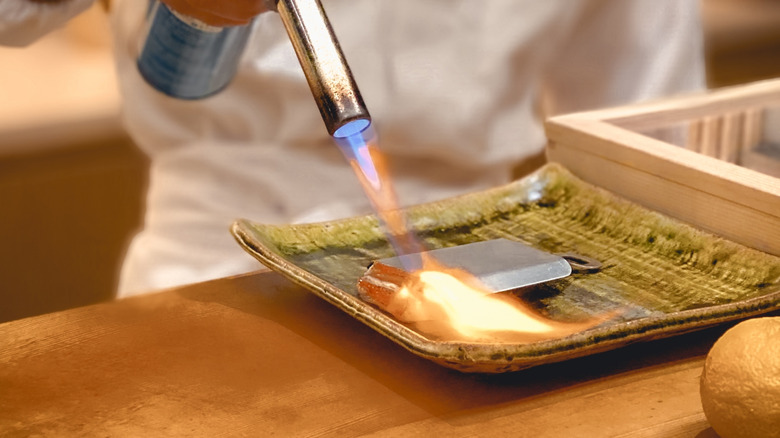
Harashimo is an example that being rare doesn't always mean better. There isn't a lot of harashimo in a fish, but unlike the esteemed hohoniku and noten, it's only considered a moderate quality of meat. Some people even claim it is a less desirable cut. It comes from the thin abdominal strip near the tail and is a semi-fatty meat that is heavy with tendons. While that description doesn't sound great, it's important to keep in mind that it is relative to other ultra-premium cuts.
While the nature of the meat isn't ideal for sashimi, the flavor is pleasant and the meat is often on the menu in other formats. It is good when shredded or diced, and is often used as a tuna roll filling. It also works well as a tartare. So, while it's unusual to see harashimo on the sashimi menu, it plays a role in many sushi dinners, and can be an excellent choice for the always popular spicy tuna roll.
Hireshita
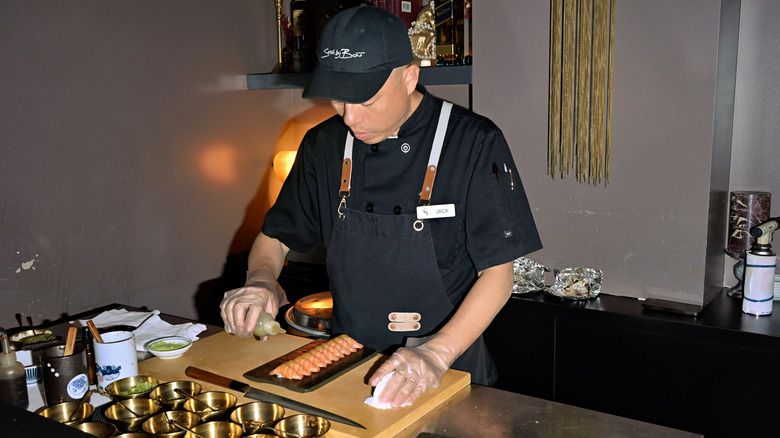
Hireshita is an exclusive cut that is rarely available to the general public. A 400-pound fish may only yield enough for 10 pieces of sashimi. Not only is the meat rare, it's also difficult to get to and intertwined with veins that require a skilled chef to properly remove them. The meat is a delicacy that combines the richness of otoro with the meatiness of chutoro.
While hireshita is rare, it's praised by those who have tasted it. "It is by no means cheap, but holy crap, it's really good," one fashion blogger wrote after finding the cut at a Japanese restaurant in Indonesia. Due to the limited quantity, it's surprising they found it on the menu at all. Typically, it is not listed as a menu item and receiving a serving is a sign of honor. The limited supply is often reserved for esteemed friends and regular customers.
Wakaremi
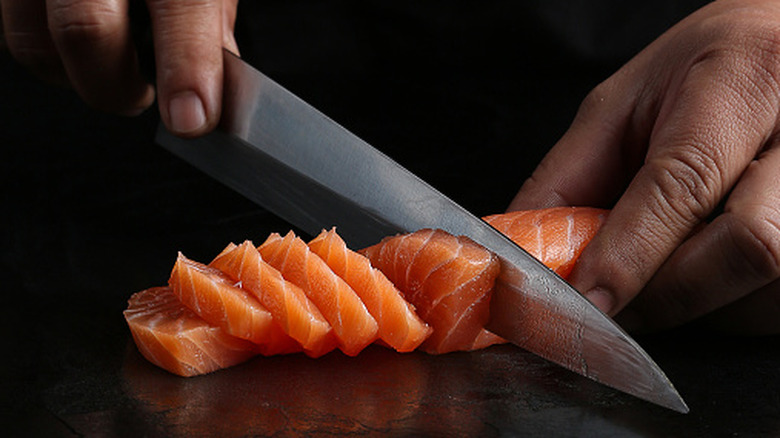
Wakaremi is a rare and valuable cut that comes from near the dorsal fin. There is a very small amount of this meat on a fish, even the large ones, and it is a special find to have an opportunity to sample it. If the opportunity arises, the meat is incredibly tender and flavorful. It's considered to be a more premium cut than chutoro, and has a high fat content that makes it exceptionally flavorful.
Illustrating how difficult it is to find wakaremi, one industry insider wrote on the Japanese Bar that after more than 15 years working in Japanese restaurants, they had only tasted the delicacy a few times. In his experience, the available supply was often eaten by the chefs, and occasionally featured on the omakase menu.
Omakase is a popular style of dining in sushi restaurants where all the dining decisions are made by the chef. The word translates to "I leave it up to you." The chef chooses which cuts to serve and the order of the dishes. It is often an opportunity to sample the highest-quality fish available at the moment. Ordering omakase sometimes provides an opportunity to sample rare, off-menu bites.
Nakaochi
Nakaochi is a different style of tuna than what we've seen in the other cuts of sashimi. It's a flavorful, tender meat that comes from the ribs of the fish. It's a rich meat that a vibrant red color. At a tuna breakdown, chef Joel Hammond turned nakaochi into an interesting dish that exemplifies the unique and creative dishes served at Uchi restaurants. "We use the nakaochi for our nakaochi 'nachos'," he said. "It's an al pastor-flavored tuna tartare served on pork chicharrones." It's an interesting take on giving nachos a seafood twist.
This cut is not usually served as a nacho, however. Since the meat is attached to the ribs, it is often scraped out rather than sliced. Many high-end restaurants serve it still attached to the bone so diners can scrape it free themselves using a clam shell or spoon. The rich, tender meat is coveted by sushi lovers, and is one of the unique cuts that is a must-try order when available.