

The Company Behind Oreo Owns Way More Of Your Favorite Foods Than You Realize
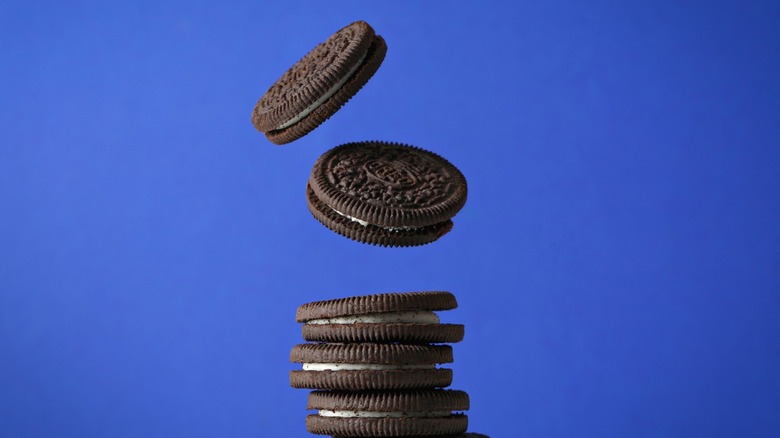
A fun bit of trivia is that Oreos, those ubiquitous black-and-white sandwich cookies, actually started life as a knockoff of another product. Oreos were launched by the National Biscuit Company (aka Nabisco) in 1912, imitating the popular Hydrox cookies which had debuted two years earlier. Hydrox still gets made today (despite its unappetizing name), but Oreos have vastly outpaced them in popularity; turning Nabisco into a food industry titan. (A titan which got bought up by Kraft in 2000, which then morphed into Mondelez International in 2012.)
Today, Mondelez (like its onetime company partner Kraft-Heinz) owns an eye-popping number of brands. In this era of endless corporate consolidation, it's honestly more surprising when a beloved brand isn't owned by a large, many-tentacled conglomerate. For better or worse (mostly for worse, but we won't get into that right now), this is the reality of modern capitalism, so it's worth finding out just how many brands are owned by companies like Mondelez.
Chips Ahoy!
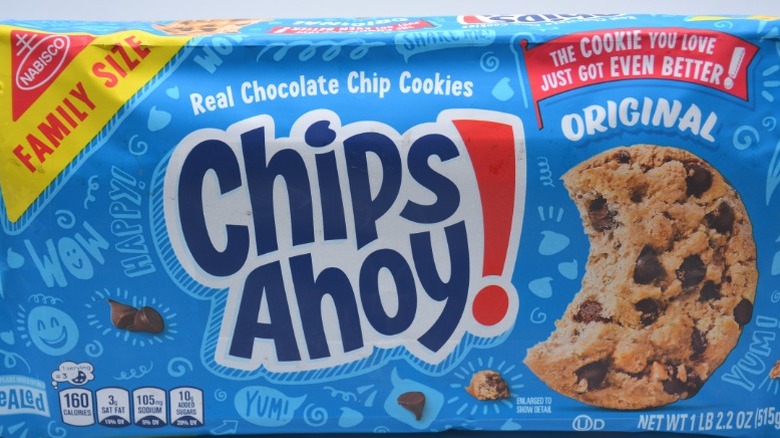
We'll say this for Chips Ahoy!, the exclamation point is charming. It's nice to have a snack that's excited to see you, even if some may find these chocolate chip cookies unpalatably dry. (Ironic, considering the name is a pun on the nautical term "ships ahoy".) The brand was launched by Nabisco in 1963, and after 60 years (and the occasional macabre ad featuring singing cookies getting picked off one by one), it's one of the most popular cookie brands in America. Like the rest of Nabisco's products, it was weaved into Mondelez in 2012.
Cadbury
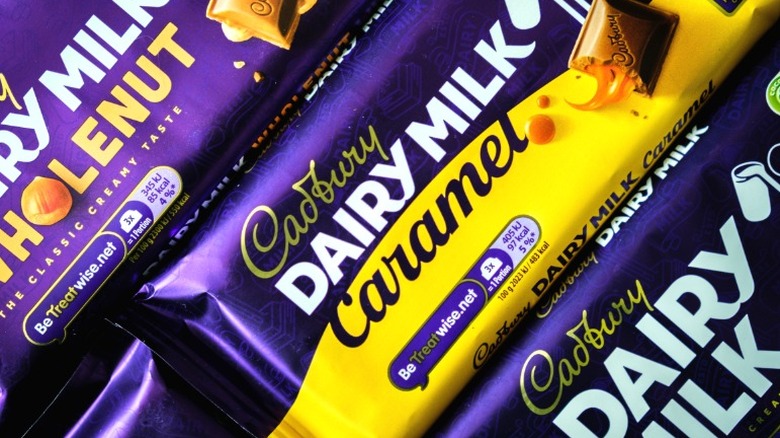
This is where things get a little complicated. The Cadbury chocolates Americans find in the candy aisle at CVS are actually one of the many brands sold by Hershey, who owns Cadbury distribution rights in the United States. (Which is a shame, because Hershey's Cadbury products are kind of the worst.) But the British candy giant, founded in 1824 by a Quaker named John Cadbury, is owned by Mondelez, which acquired it in 2010 back when it was still Kraft. If you want to try the superior, British version of Cadbury in America, though, you're kind of out of luck since Hershey blocks its import.
Ritz Crackers
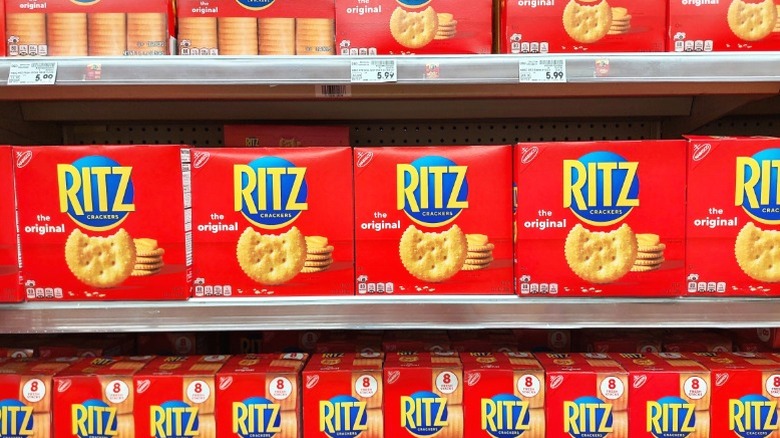
What snack is more dependable than Ritz Crackers? Not only are they sweet and toasty eaten by themselves, they make a perfect base for cheese, chocolate, or peanut butter (maybe even chocolate and peanut butter at once). Introduced by Nabisco in 1934 and named after the swanky Ritz hotel in order to sell a small luxury to a nation battered by the Great Depression, Ritz is still going strong (albeit under Mondelez) almost a century later; remaining one of the top-selling crackers in America.
Sour Patch Kids
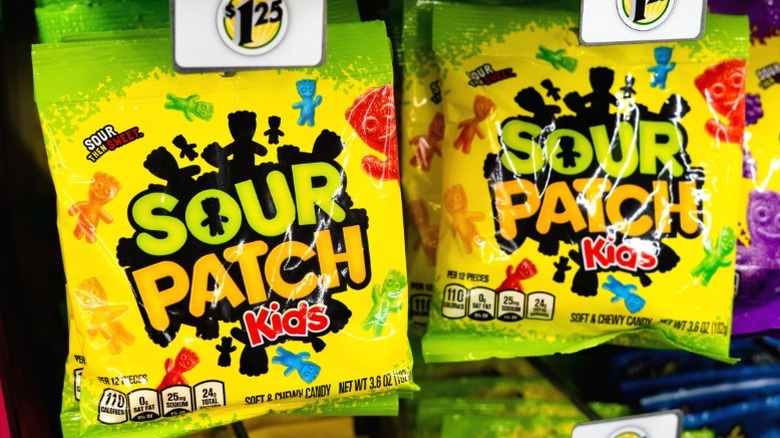
Sometimes we want a snack that fights us back. Sour Patch Kids aren't unbearably sour — they're a long way from War Heads or Toxic Waste — but they have a tart, ingratiating kick that melts into a mellow sweetness after a few chews. They were first developed in the early 1970s by Frank Galatolie, who originally called them "Mars Men." Perhaps to avoid being confused with Mars, the candy company, they were renamed Sour Patch Kids in 1985 to capitalize on the Cabbage Patch Kids craze. Sour Patch Kids were sold to Mondelez in the late 1990s, where they remain to this day.
Teddy Grahams
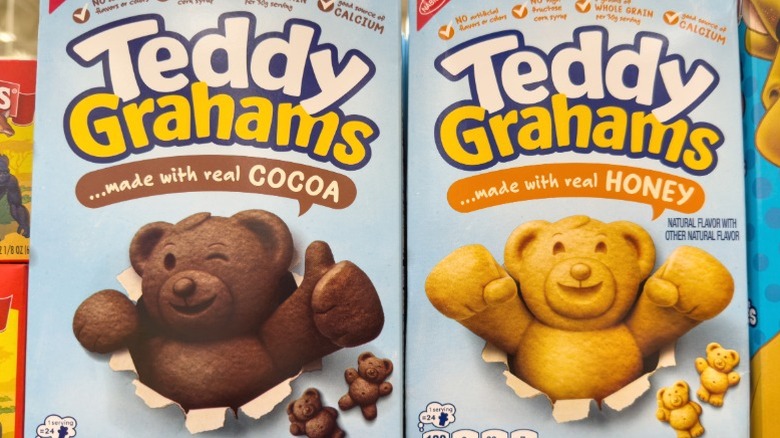
Never underestimate the power of a friendly, marketable mascot. Teddy Grahams are pretty unremarkable cookies on the surface — when they first launched in 1988, there were only chocolate, honey, and cinnamon flavors — but they were an instant smash; raking in over $150 million for Nabisco in their first year and becoming the third best-selling cookie in America (behind Nabisco stablemates Oreo and Chips Ahoy!). Today, Mondelez still sells these "beary" tasty cookies to kids across the country.
Swedish Fish
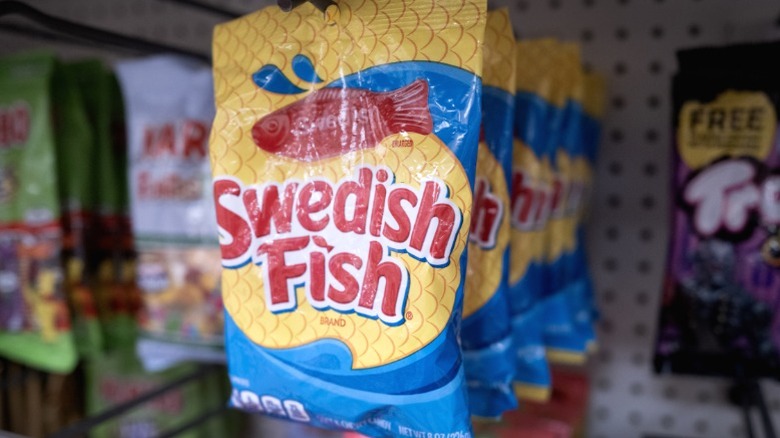
What's so Swedish about Swedish Fish? Well, these red (or orange, yellow, or green) little swimmers were introduced to Americans in 1957 by a Swedish candy company called Malaco, who chose the shape to honor Sweden's world-renowned fishing industry. American rights went to Mondelez after it bought Cadbury Adams. For Sweden's part, Malaco still sells these tasty little fish in its home country under the name "pastellfiskar". (They even sell them in salmiak flavor, that super-strong licorice candy Swedes use to prank foreigners and, presumably, enjoy themselves.)
Triscuit
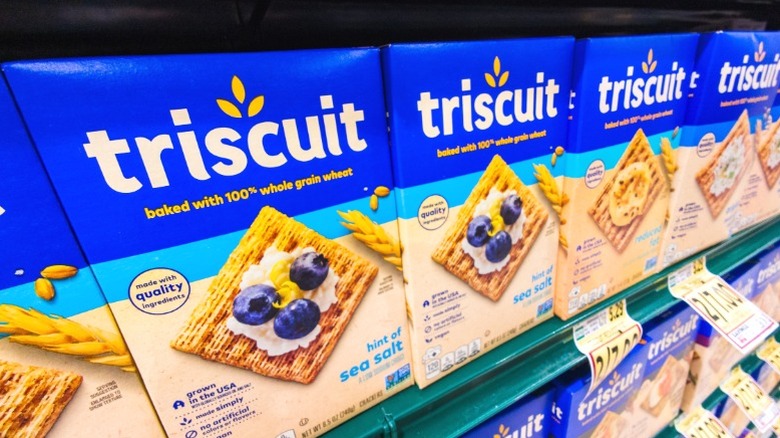
If Ritz Crackers are a little too rich for your blood, you might enjoy Triscuits. These crackers look like giant squares of shredded wheat, and there's a very good reason for that: Triscuits were actually first sold by the Shredded Wheat Company beginning in 1903, which marketed the product as being baked with newfangled electricity. (The factory was right near the hydroelectric plant in Niagara Falls, New York.) Shredded Wheat (and Triscuit, by extension) was bought by Nabisco in 1928, and later ended up under Mondelez' umbrella.
Nutter Butter
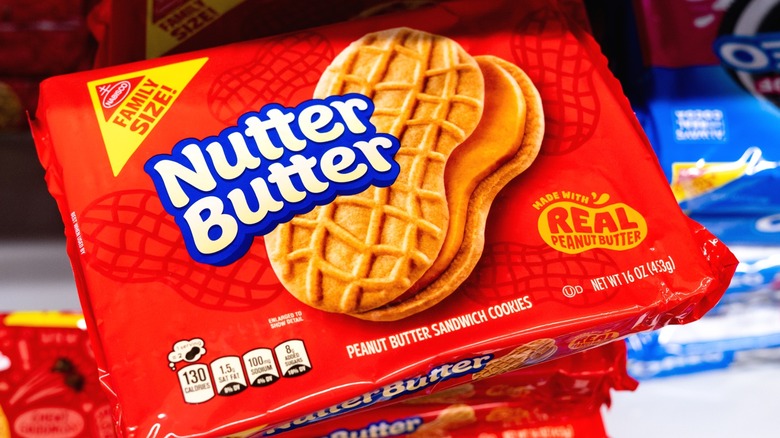
They're the peanut butter sandwich cookie beloved by children and blood donors alike. (When the American Red Cross briefly stopped offering them in Atlanta, donations plummeted.) But where did they come from? They were an original creation of Nabisco launched in 1969, although nobody knows who first came up with the idea. Nutter Butter enjoyed a recent boost in popularity once it started to embrace surreal memes and bizarre TikToks, which we guess means we'll have to deal with brands trying to make dank memes for another decade or two.
Tate's Bake Shop
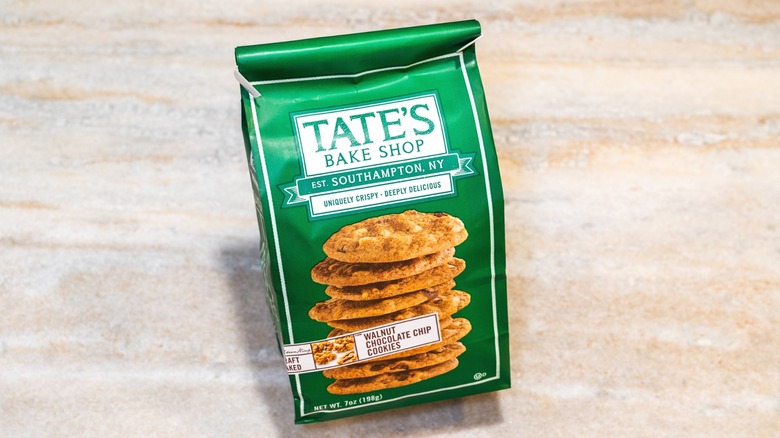
The Hamptons, a collection of towns in eastern Long Island, are famous for hosting the summer homes of countless celebrities, but there are plenty of locals who live there year-round, some of whom operate farmstands. One of those people was Kathleen King, who started to sell thin, shatteringly crisp cookies from her family's farmstand in 1980. King started Tate's Bake Shop (in honor of her dad's nickname, Little 'Tater) in 2000, which was eventually sold to Mondelez in 2018 for $500 million while still retaining some independence.
Lorna Doone
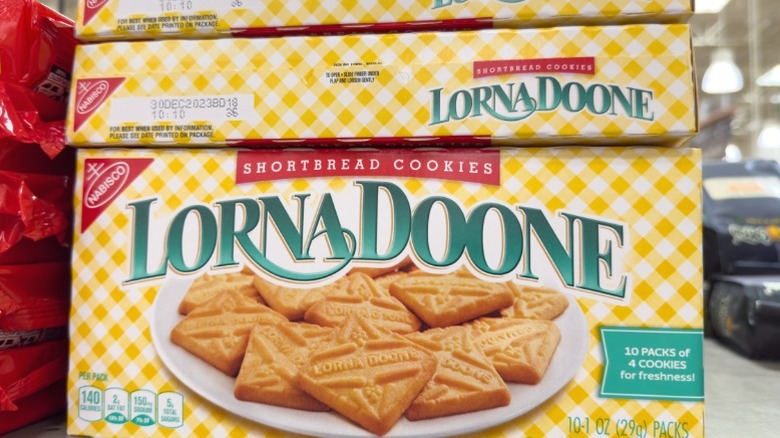
Are they as good as Walker's? No, but that's a pretty high bar to clear. And if you just want something sweet and inoffensive to go with a cup of tea, you could do a whole heck of a lot worse than Lorna Doone. These shortbread cookies were introduced by Nabisco in 1912 and possibly named after the eponymous character of a novel by R.D. Blackmore. (Despite the close association between shortbread and Scotland, the Lorna Doone from the book was English.)
Clif Bar
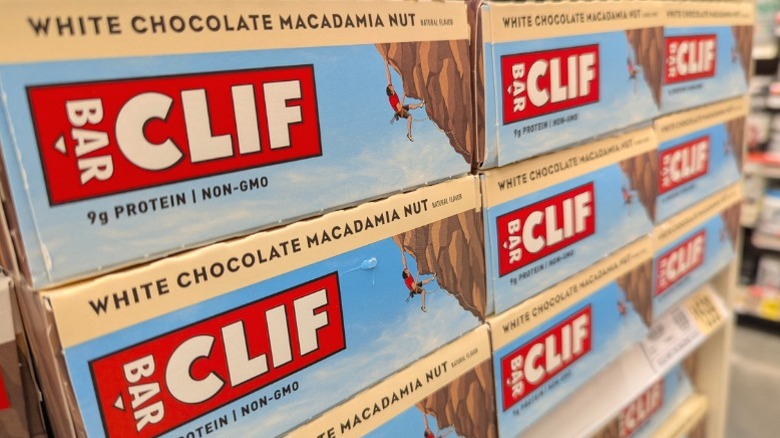
First launched in 1992, Clif is the go-to energy bar for bikers, hikers, and anyone who doesn't do those things but really wants to look like they do. They were invented by Gary Erickson, a guy who set out on a mountain bike trip in 1990 and got powerfully sick of the energy bar options he had with him. He spent a couple of years devising a recipe for a new energy bar, eventually naming it after his father, Clifford. After a few decades as an independent company, Clif was sold to Mondelez for $3 billion in 2022.
Toblerone
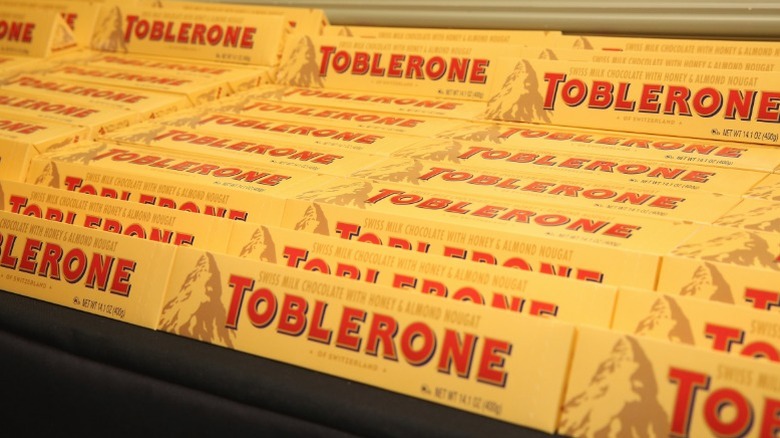
You may know Toblerone as the giant, triangle-shaped chocolate bar people buy from the duty-free section of the airport; but the Toblerone story actually begins in 1899, when Swiss chocolatiers Emil Baumann and Theodore Tobler opened their first factory. The Toblerone bar was then introduced in 1908, with its name being a portmanteau of Tobler's surname and the Italian word for nougat. The brand was eventually bought by Kraft Foods (later Mondelez) in 1990, but thankfully, the bear hiding in pain sight in the mountain logo remains untouched.
Belvita
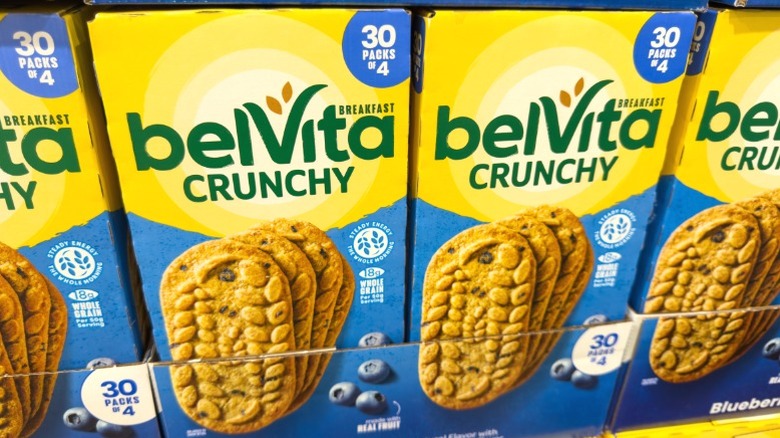
Belvita (stylized as belVita) are a line of sweet, inoffensive breakfast biscuits. In the words of Gabriella Paiella writing for GQ, they taste as though they're made for "people between the ages of 2 to 6 and 80 to death." First introduced in France in 1998, it took almost 15 years for these cookies to make their way stateside in 2012 — not long before Kraft Foods, which owned Belvita, split into Mondelez.