

13 Nutritious Caffeine Alternatives That Beat Energy Drinks
Between 9-to-5s, school, hobbies, and trying to maintain a social life, most people are looking for some kind of energy boost. For many that means cracking open a Monster Energy or other brand of energy drink. These drinks make billions of dollars in sales each year for good reason. They're an easy and convenient way to get through the day, especially for young people and athletes. But, hiding behind the colorful packaging are some downsides to keep in mind before reaching for another sip.
While the caffeine in energy drinks provides the energy spike customers are craving, many of these drinks have a high sugar content, which means after the initial boost, you may experience a crash. The sugar content can also pose risks to dental health. Consuming too much caffeine can also be detrimental, leading to dehydration and even cardiovascular issues down the line. The energy drink with the most caffeine contains 300 milligrams of the stuff per can. That amount of caffeine adds up quickly.
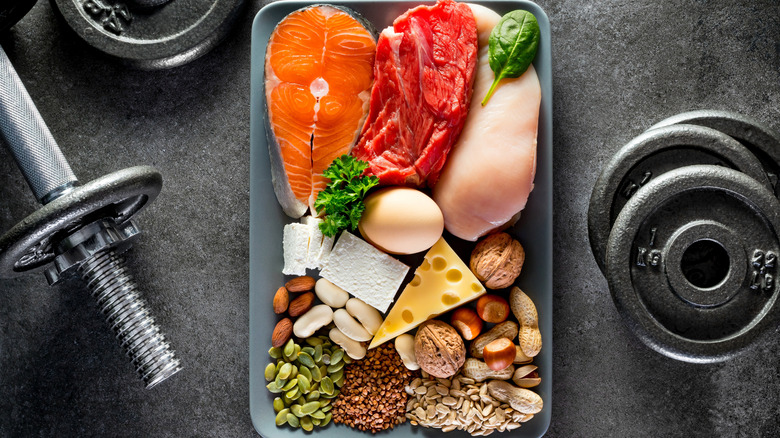
While you don't have to quit energy drinks cold turkey, there are some great, healthier alternatives to consider adding to your diet. Many are simple staples you probably already have in your kitchen. The complex carbohydrates, proteins, and healthy fats found in these foods are the key to revitalizing your body. And, unlike energy drinks, these alternatives provide long-lasting energy, alongside other vital nutrients, that will keep you going from sunrise to sunset.
1. Water

This one might seem like a no-brainer, but many people overlook the power of good ol' H2O when they're craving a pick-me-up. If you're running low on energy, it's a good idea to take stock of how much water you've taken in. Hydration is vital for many bodily functions. It keeps your blood circulating efficiently and helps deliver more oxygen to your brain, to name a couple. On the other hand, when your body's running low on fluids, it has to work harder, leaving you feeling more tired than usual.
Luckily, for all the benefits that water has to offer, it's one of the simplest swaps to make. Getting into the habit of carrying a reusable water bottle when you're out and about is a friendly reminder to top off your fluids throughout the day. Just make sure to adjust your water intake based on your activity levels. If you're training for your next marathon, you'll want to drink a little more than usual. If it's the fun flavors of energy drinks that you're hesitant to let go of, there's a solution for that too. Infusing water with fresh fruits and herbs like mint and basil leaves you with a better-for-you beverage you won't regret choosing.
2. Trail mix
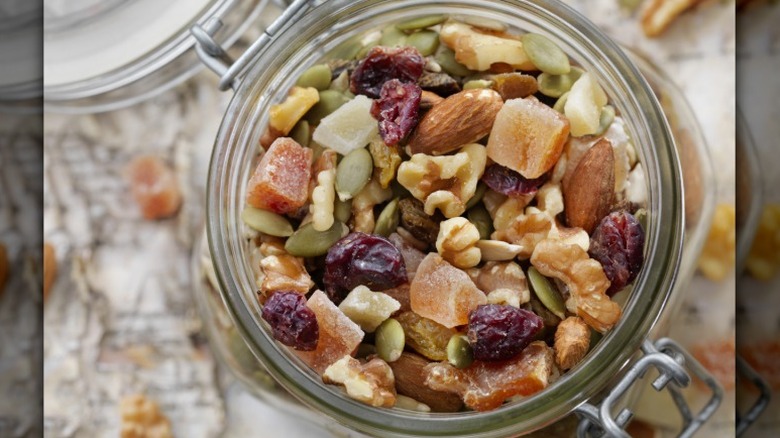
If you're looking for an energy drink alternative that checks all the boxes, then trail mix is the way to go. Not only is this snack delicious, it packs a whole lot of nutrients into one small handful. Additionally, it's highly customizable. The base of a good trail mix is a healthy assortment of nuts. Peanuts, almonds, walnuts, cashews, the list goes on. What they all have in common is a good dose of protein. This protein helps keep you satiated and energized for longer. Add some seeds into the mix and you'll get even more protein, healthy fats, and vitamins.
But, of course, no trail mix is complete without dried fruit. Additions, like raisins, cranberries, and apricots, pack in fiber and vitamins, as well as antioxidants. For those with even more of a sweet tooth, throwing some dark chocolate in can satisfy the sugar cravings while still offering other health benefits. Milk chocolate's grown up cousin happens to be rich in antioxidants and minerals. It can even improve circulation and support a healthy heart.
3. Smoothies
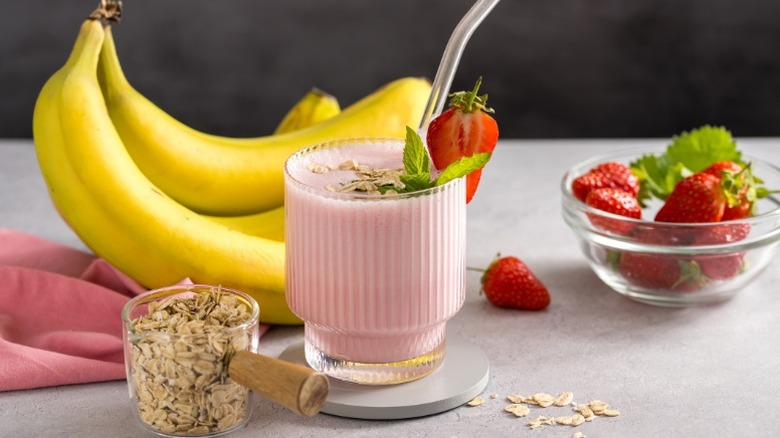
Much like trail mix, smoothies are a great way to knock out two (or more) birds with one stone. Pretty much every key ingredient to an energized body can be packed into one portable drink. You can have it for breakfast or sip it throughout the day. Plus, you can play around with flavor combinations to your heart's desire. To start your day off right, what a balanced breakfast smoothie needs first is a good base. You can choose a liquid, like water (the energy-boosting hydration hero you already know of), or opt for fruit juice, milk, or a plant-based milk alternative. The added fluids will boost your hydration levels, and, depending on which you choose, pack in some vitamins and calcium.
Next up is protein. Everything from yogurt to nut butter and protein powder can help keep your body fueled and double as thickeners to make your smoothie taste that much more indulgent. These ingredients also provide some of the healthy fats you need. When it comes to fruits and vegetables, the options are endless. Bananas, peaches, and oranges are good energy-boosting fruits to include. Avocado contains healthy fats, is fiber-rich, and blends in with the smoothie's other flavors so you won't even notice it's there. Get creative and come up with your own unique combinations.
4. Oatmeal
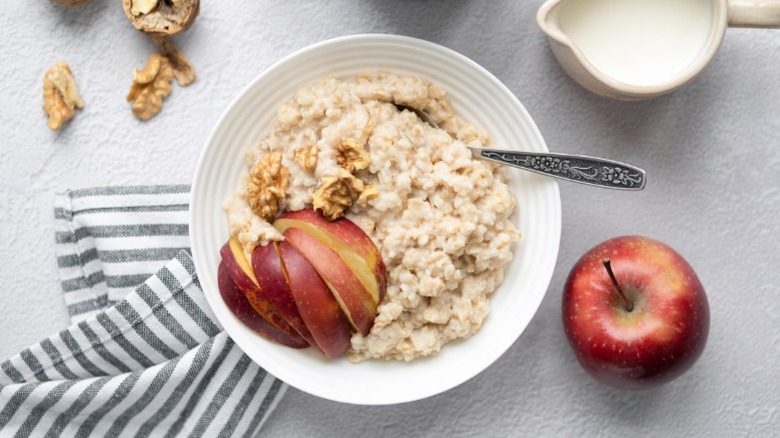
Carbohydrates have garnered a negative reputation in nutritional circles. When people think of carbs, their mind automatically jumps to loaves of white bread and sugar-filled pastries. While simple carbohydrates, like the foods mentioned, should be eaten in moderation, there is another type of carbohydrate that you should actually be seeking out. Complex carbohydrates break down more slowly. This means your body doesn't get hit by a glucose surge all at once. Instead, they leave you with long-lasting energy. Oats are a good example of a healthy complex carbohydrate.
If you're on the hunt for a breakfast that will actually keep you going until lunchtime, then a bowl of oatmeal is a great choice for this reason. Not only does it provide a long-lasting energy boost, it also contains high amounts of fiber which help you feel full for longer. To make oatmeal as healthy as possible, opt for oat groats or steel-cut oats. Take in protein and healthy fats through additions like milk, yogurt, and nut butters. Fresh fruits and natural sweeteners, like honey, impart some sweetness and a healthy dose of antioxidants. That said, not all oatmeal has to be sweet. Savory oatmeal is a great alternative to the usual breakfast bowl. Try adding Asian flavors with chili oil and soy sauce, or top your oats off with eggs and sautéed vegetables.
5. Salmon
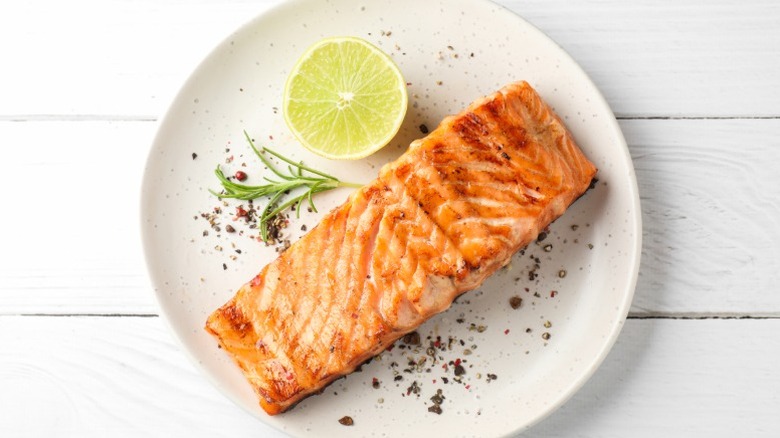
Protein comes in all forms, from plant-based options, like nuts and beans, to dairy and meat products. But, of the many options out there, salmon is one of the most nutritious ways to get your fill of this vital nutrient. Just three ounces of cooked salmon comes in at around 19 grams of protein. Not only is it a great source of protein, it is also rich in omega-3 fatty acids, which are important for heart health and improve cognitive function.
Cooking up a nice salmon fillet for dinner is what most people go for, but if you eat it around breakfast time, you can really take advantage of the energy boost it provides. Add some flaked salmon into your breakfast scramble for double the protein or take the path less traveled and put it into a savory oatmeal bowl. Trying out different marinades, seasonings, and glazes can keep things interesting, while the nutrients stay the same.
6. Green juice
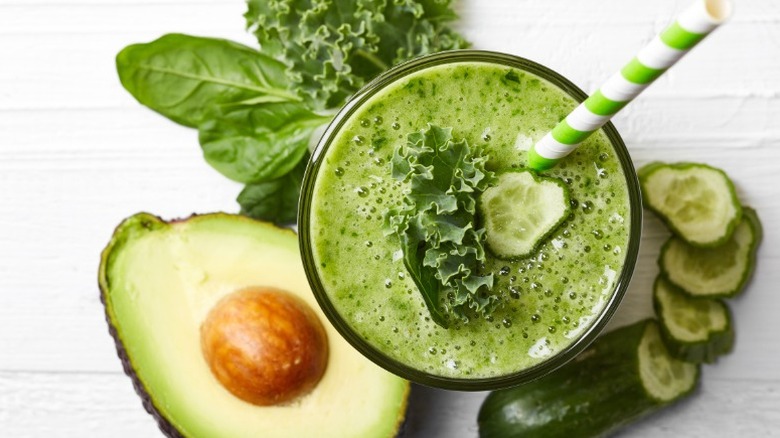
If you still prefer to drink your energy, then a tall glass of green juice might be right up your alley. This isn't your average cup of juice. After all, green juice is part of Martha Stewart's daily routine for a reason. Leafy greens and other similarly-colored veggies are packed full of vitamins and minerals. That, combined with fruits and herbs, can help reduce inflammation, hydrate, and, of course, give you energy.
You can find an array of green juices available at your local grocery store, and, while a thorough label review can help you find the best ones, an even better option is to make your own. This allows you to control your ingredients and gives you the freedom to get a little whacky with your flavor combos. Stewart's version takes on a citrusy and herbaceous flavor from ingredients like parsley, celery, and orange. But, you can always mix things up with fruits, like banana and apples, or other add-ons, like ginger and mint.
7. Yogurt
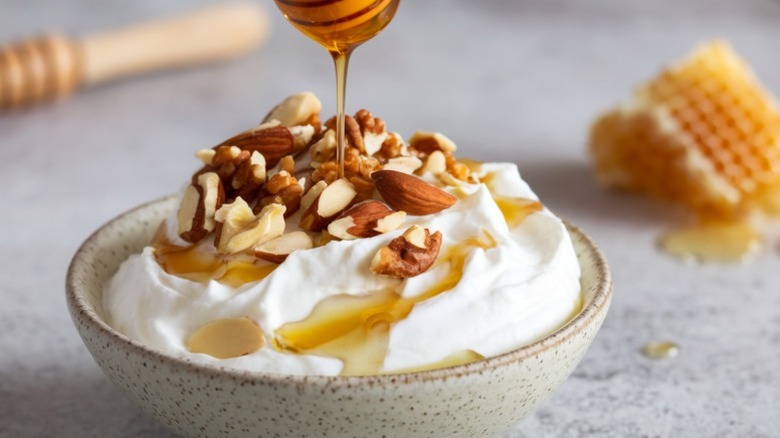
Yogurt is another versatile alternative to the standard energy drink. It makes for a filling breakfast, especially when it's loaded up with other nutritious ingredients. Think fresh fruit, like bananas or berries, nut butters, seeds, and granola. Yogurt also makes a great on-the-go snack. Pack some into a mason jar with your favorite toppings and you're set. If sweet isn't your thing, you can also take a savory approach by making a tzatziki-style dip and using sliced veggies as a vessel.
Just one cup of yogurt can contain around 13 grams of protein, one of the main reasons it keeps you satiated for so long. On top of that, yogurt can also support healthy digestion with probiotics, and it can contribute to good cardiovascular health.
If you make a trip to the grocery store, you'll be faced with an overwhelming number of yogurt options. For the most nutrient-dense choices, skip the pre-flavored, fruity cups and opt for plain or lightly sweetened brands. Some of the best yogurt options for your health are the Greek variety and skyr, which are both much thicker than your typical plain yogurt. While the tang of these yogurts may turn some away, the lack of sweetness actually makes the perfect blank canvas for any sweet or savory additions you can imagine.
8. Grain bowls
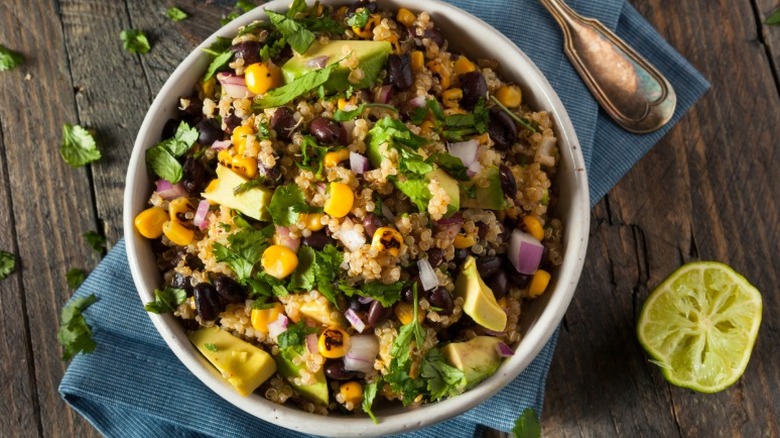
The build-your-own bowl restaurant niche has been all the rage for some time now. This meal style is a more filling, sometimes healthier alternative to the usual fast food and fast casual fare. And, the customization makes it easy for patrons to tailor their food to their unique preferences and dietary needs. But, have you ever thought about replacing your daily energy drink with a grain bowl? Though it's not a one-to-one swap by any means, a good grain bowl can give you just as much energy, if not more, with a lot more flavor.
Starting with a base of whole grains gives you the complex carbohydrates your body needs to sustain its energy levels. They also contain high amounts of fiber, keeping you full and supporting gut health. There are many options and you can mix and match to create your own unique base. Try brown rice, quinoa, or bulgur, and add in a handful of seeds for added health benefits and textural contrast. Once you have your base, the toppings are completely up to you. For protein, add salmon, roasted chicken, beans, or tofu. Top the bowl with a colorful range of vegetables, a drizzle of sauce, and you have a well-balanced meal.
9. Eggs

On busy days, it's easy to reach for a bowl of cereal or a granola bar and call it a day. Some even start their day off bright and early by cracking open an energy drink. But, while these options are convenient, they aren't meant to keep you feeling fresh for long. Instead, opt for eggs to start your day, or for a late afternoon pick-me-up, if you are so inclined. Eggs are considered a "complete protein." This means they contain all nine essential amino acids. The body doesn't naturally produce these amino acids, so eggs are a great food to knock them all out in one go. The protein boost from eggs in the morning provides sustained energy, while eating eggs later in the day can help build muscle and replenish nutrients.
Eggs may be more time-consuming to prepare than a bowl of cereal, but there are many ways to cut down on the labor time. Meal prepping egg bites or breakfast sandwiches and freezing them, for example, can make busy mornings a little less hectic. You won't have to worry about getting bored either. Eggs can be scrambled, boiled, added to soups, stir-fries, and more.
10. Nut butter
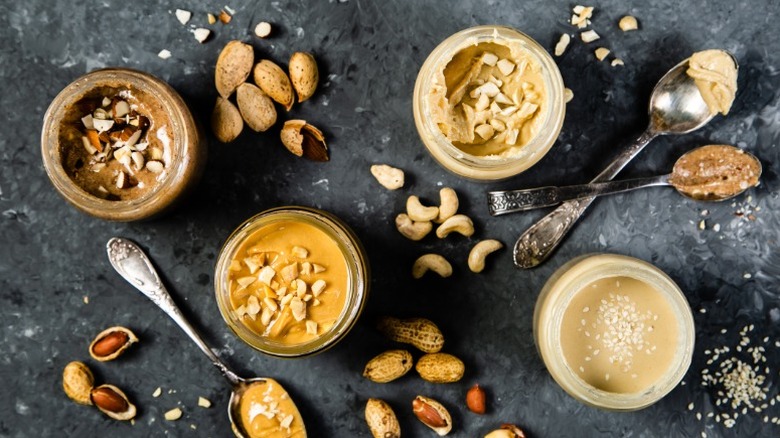
Nut butter is one food that you probably already have sitting in your pantry somewhere. It's an affordable, shelf-stable food that has all kinds of uses. Slather it between two slices of bread with some jelly and you have an American staple. Add a dollop to a bowl of yogurt for an extra hit of protein, or test its savory capabilities in a pile of spicy peanut noodles. Whatever you choose to do with it, you can feel good about the nutrients you're getting along with it.
Nut butters are packed with protein, good-for-you fats, and are heart-healthy. Though peanut butter is one of the most popular nut butters, there's lots of other varieties available, such as almond butter — which is one of the healthiest of the bunch — cashew butter, and more. Aim for spreads with simple ingredients and jazz them up at home. Pairing them with other filling foods, like yogurt and whole grain bread, is a great way to maximize their benefits and build a balanced meal or snack.
11. Homemade energy bars
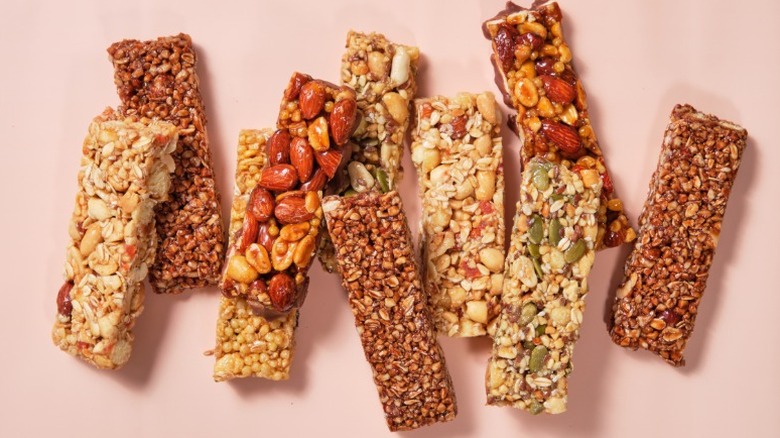
When it comes to quick energy, if it's not energy drinks you're picking up, it's probably an energy bar. These bars are another convenient and portable way to get yourself feeling rejuvenated. But, much like their liquid counterparts, energy bars don't impart long-lasting energy and many are high in sugar. This, however, doesn't mean you have to sacrifice convenience for a more nutrient-dense option. Making homemade energy bars is a relatively simple process with big rewards.
The key to a good bar is balance. Combine whole grains, like oats or quinoa, with a variety of nuts and seeds for protein, fiber, and fats. Toss in dried fruits, like dates and cherries, and even throw in some dark chocolate chips for a hint of extra sweetness. They don't have to be bars, either. Try making no-bake energy balls that you can pop in your mouth as you go about your day. You can also make a big batch of energy bars or bites ahead of time and enjoy them throughout the week for all the benefits with none of the hassle.
12. Bananas

On the topic of convenient food options, a simple banana is a nutritious and portable alternative to store-bought energy drinks or bars. Bananas make a great snack at any time of day, but the energy boost they provide is especially advantageous in the morning or early afternoon. If you start feeling run-down later in the day, having another can be just the pick-me-up you need. Since bananas are made up of about 75% water, they also help hydrate your body, another essential factor in maintaining energy levels.
If that isn't enough to convince you, it may come as a shock to learn that bananas are the perfect sports food. Studies have shown that bananas are comparable to sports drinks and sometimes provide more benefits for athletes than these beverages. Both the bananas and drinks help with recovery after workouts, but the former have the added benefit of antioxidants, potassium, fiber, and vitamins. It seems like the trade-off here isn't all that bad.
13. Hummus

Hummus is a relatively simple food, typically consisting of chickpeas, tahini, lemon juice, garlic, and olive oil. Nowadays, you can find flavored tubs of red pepper hummus, olive tapenade hummus, and brightly colored concoctions made with beets and pesto. But, at its core, the stars are the simple ingredients and spices, which also happen to have complex health benefits. Hummus contains plant-based protein from the chickpeas, iron, and folate. It also has a good amount of healthy fats and fiber.
Hummus comes highly recommended by dietitians as a replacement for less nutrient-dense options as it keeps you full longer and can give you a boost prior to any workouts you may be doing. It's easy to work into meals by adding a dollop onto a grain bowl or spreading a layer on a sandwich. You can also dip all kinds of vegetables in it for a creamy and crunchy nutrient-packed snack. Store-bought hummus is a convenient option, but making creamy hummus at home is easier than you think.