

11 Ways To Spice Up A Bland Grain Bowl
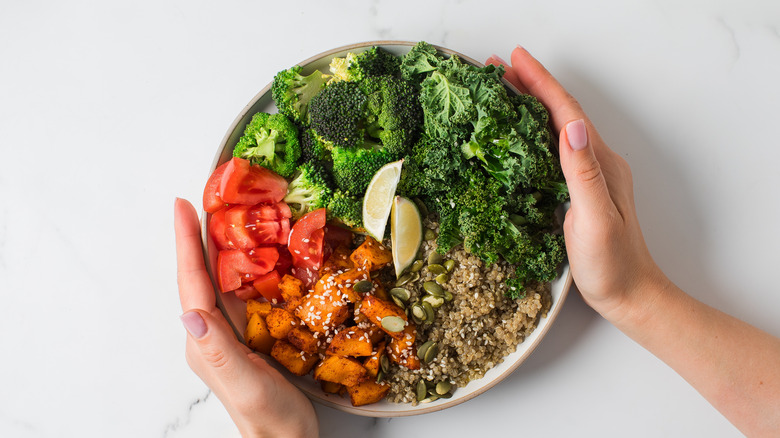
Who says that healthy eating has to be boring? If you're looking for a one-bowl meal you can enjoy for breakfast, lunch, dinner, or anytime in between, consider incorporating grain bowls into your weekly rotation. The satiating bowls typically start with grains such as quinoa, brown or white rice, or farro, but they're completely customizable. After filling your bowl with a base layer of your preferred grains, the real fun begins. Get creative with a combination of proteins, fresh fruit, and vegetables, and then top it off with a sauce or dressing to bring all of the flavors together.
Making grain bowls is a delicious way to clean out your fridge, or use up last night's leftovers. Additionally, producing tasty grain bowls that are anything but blah is a sneaky way to get kids — and, let's face it, some adults — to eat their veggies.
That said, even with the best culinary intentions, a bland grain concoction is still possible. The beauty of these bowls, however, is that you spice them up any way that your palate desires. With just a sprinkle or dash of the right ingredients, you can instantly upgrade the bowl from boring to crave-worthy. Whether you like your bowls hot or mild, sweet or salty, piled high with produce, or swimming in sauce, you can have it your way with some of these unique upgrades.
1. Cook your grains in a flavorful liquid
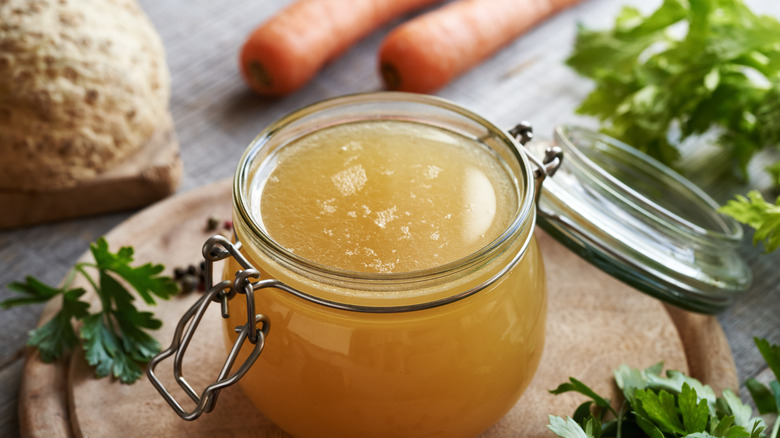
One of the simplest and fastest ways to add some excitement to your bland grain bowl is by boiling your grains in a flavorful liquid. While boiling water will do, a rich, tasty liquid, such as broth, will infuse the grains with deep flavor. Since the grains make up a large portion of the bowl, the enhanced liquid will make each bite tastier. In addition to beef, chicken, and vegetable broth or stock, several other types of liquid will add depth and richness to the grains. If you've made a big batch of homemade bone broth, use some to cook your grains in.
Before choosing the perfect liquid to boil your grains in, consider what type of taste and texture you're going for. For instance, cook the grains in tomato juice or even a spicy bloody Mary mix as a tangy touch. If you want your grains to be creamy, cook them in any type of milk, including cashew, almond, or coconut. The nuttiness of the latter will add another flavor dimension, as well. For a Spanish-inspired bowl, boil rice with a pinch of saffron, which will also give the grain a vibrant yellow hue. As another option, simply flavor boiling water with mouthwatering ingredients, such as pickle brine or juice, cinnamon sticks, or garlic cloves. You can also make an infusion of dried herbs and spices to deepen the flavor of any type of grain.
2. Look beyond quinoa
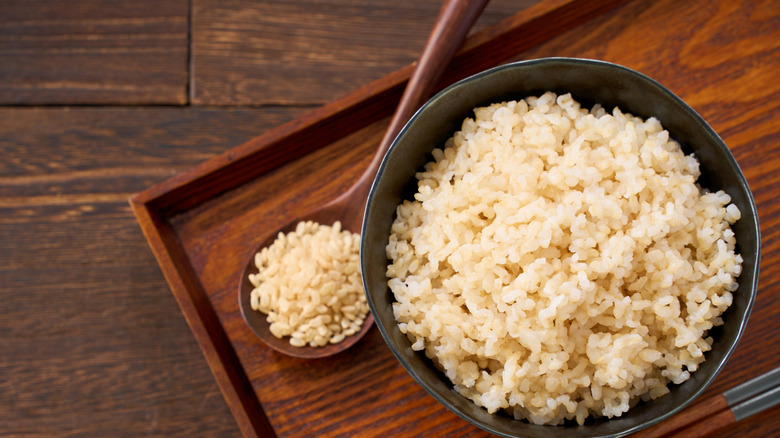
A grain bowl is only as good as its base layer, and this typically consists of quinoa. Although quinoa, which is known to be high in protein and fiber, is one of the most popular additions to grain bowls, you have many other options. If fact, using a different type of grain may be one of the easiest ways to jazz up a boring bowl, especially when it's seasoned well. One thing that all good grain bowls have in common is that each layer is tasty on its own, beginning with the base. A simple way to spice up a bland bowl is to look beyond traditional quinoa and consider alternative grains.
A grain that you most likely already have on hand is either white or brown rice. If you're making an Asian-themed grain bowl, you can also use sushi rice. Not all rice is created equal, and there are several differences between short and long-grain varieties. If you're feeling adventurous and want your grain bowl to have an earthy flavor, you can't go wrong with hearty wild rice. Other grain ideas include farro, couscous, and even polenta. You can also make savory-style rolled oats cooked with broth and tomatoes for optimum flavor. If you plan to eat multiple bowls throughout the week, cook the grains ahead of time and store them in an air-tight container in your fridge for convenience.
3. Get saucy with it
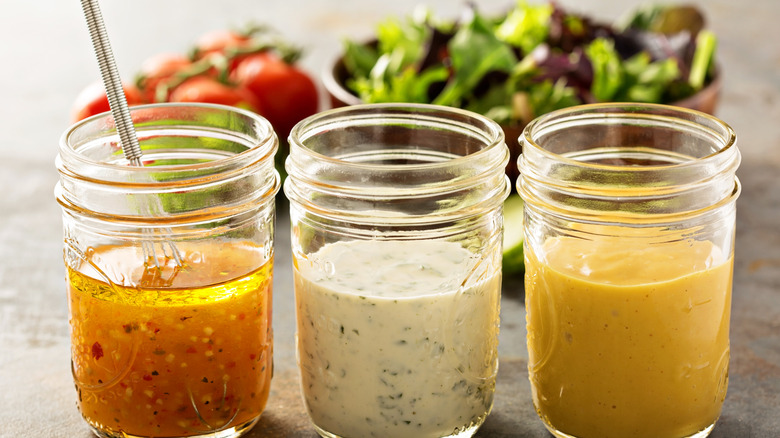
Just like with salads, pasta, and other favorite dishes, sauces can make or break a recipe. Grain bowls are no exception, and sauces are a fast and convenient way to spice them up. Sauce ideas range from basic, such as an olive oil and balsamic vinegar dressing, to more elaborate ethnic-inspired ones. Not only do the right sauces infuse each bite of your grain bowl with flavor, but they also add moisture, which may be lacking if you're not using juicy ingredients, such as tomatoes. You can either make a customized sauce yourself or use whatever you have chilling in your refrigerator.
If you desire a cool and creamy touch, go with ranch and blue cheese dressings, or reach for a tangy tzatziki sauce. For a Latin twist, top your grain bowl with a zesty chimichurri sauce or a spicy salsa verde. A homemade green goddess dressing featuring Greek yogurt, chopped herbs, lemon juice, and garlic will instantly elevate your grain bowl, and blend well with a variety of fresh produce. In case you were wondering, Green goddess dressing's fancy name hails from a 1920s play. Other tasty sauce options include harissa, tahini, pesto, and sriracha.
4. Bulk it up with protein
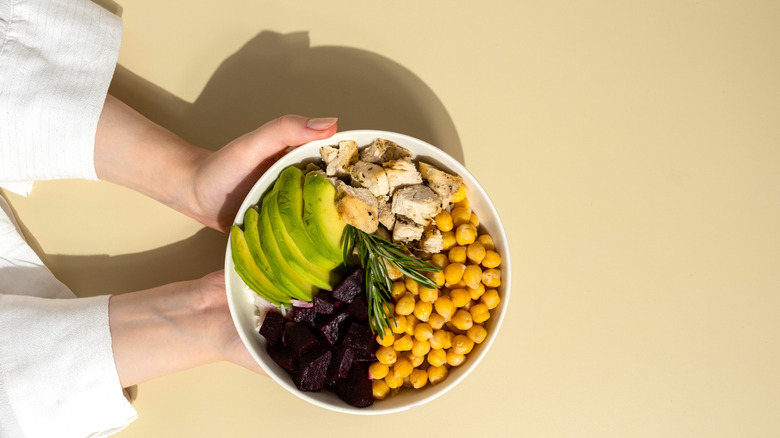
Do you want to turn your favorite grain bowl lunch into a filling, satisfying dinner? Bulk it up with a variety of different protein options, depending on your preferences and what you have on hand. If you're a vegetarian, there are plenty of ways to pack a protein punch as well, including marinated or grilled tofu, beans, such as garbanzos and lentils, and tempeh. The opportunities are endless, and they add flavor as well as abundant appetite-satiating proteins. If you're in a hurry or want to use up leftovers, consider laying on meat from last night's barbecue or what's left of a rotisserie chicken.
Outside of meat and beans, grains such as quinoa and brown rice are protein-heavy, as are some vegetables, such as squash, avocado, and greens. Add a layer of sliced steak, cubed ham, chopped chicken, or even grilled fish to your savory grain bowl. Place a crispy fried egg and a few slices of bacon on a breakfast grain bowl. Get fancy with fried shrimp, sautéed scallops, or cheese it up with feta or brie. Hard-boiled eggs, hummus, and roasted nuts, including almonds and cashews, are additional ways to add protein to your grain bowls. There are several pro tips for making the creamiest hummus at home, if you prefer this to store-bought versions.
5. Hit it with some heat
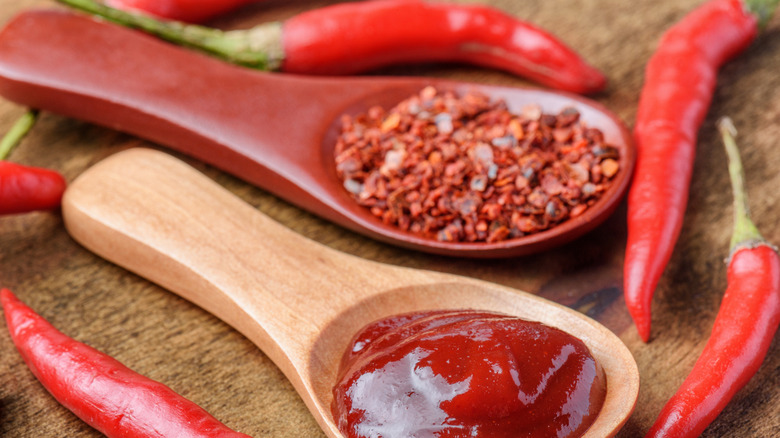
For those who like it hot, kicking your grain bowls up with some spicy sauce or seasonings is the perfect way to add interest. Depending on how spicy you want your bowl to be, you can sprinkle on a bit of heat, or cover all of the ingredients with the hot stuff. Grain bowls are completely customizable, so you can make your taste buds tingle while family members stick to milder dishes. Use just one spicy ingredient, or mix and match a few different options to reach your desired heat level. If you can't decide what type of hot sauce to use, these 7 will improve virtually any meal.
As an Asian-inspired touch, turn up the heat with a bold gochujang sauce, a sweet, spicy, savory, and funky Korean condiment featuring chili peppers, sesame oil, soy sauce, garlic, and other flavorful ingredients. You can also dd a touch of chili pepper flakes to your grain bowl, or layer on sliced jalapeños. Salsa, pico de gallo, and guacamole are other delicious ways to spice up your bowls. Another way to pack a peppery punch is with hot pepper relish, spicy pickles, and chili crunch oil. You can also add some heat by way of protein, such as zesty peanut sauce-glazed tofu or spicy grilled salmon or chicken.
6. Make it cheesy
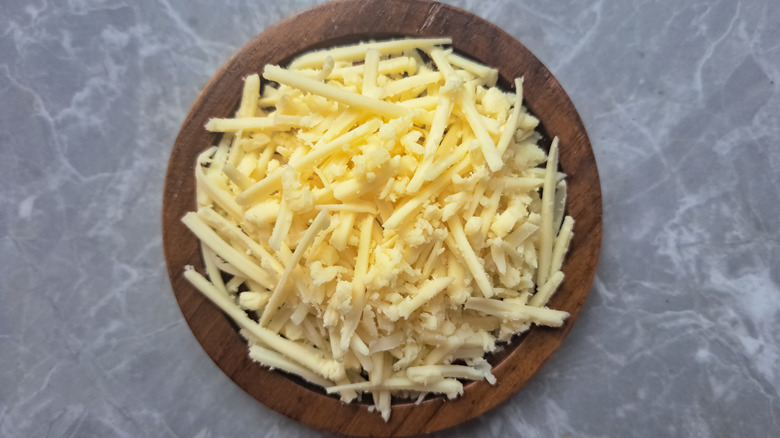
Is there any dish that cheese doesn't make better? The answer is no, and grain bowls will benefit from the creamy, tangy goodness just as much as any other meal. There are almost as many ways to add cheese to the bowl as there are grains, ranging from convenient shreds to gourmet, fried halloumi — a semi-hard, unripened cheese that originated in Cyprus. You can also layer on sliced cheeses, such as cheddar and Monterey Jack, and even melt them down, depending on if you're making a warm or cold grain bowl.
As another idea, make a yummy caprese salad-inspired grain bowl piled high with fresh basil and slices of creamy mozzarella. You can also use fried mozzarella sticks for a warm grain bowl that's ideal for dinner. Crumble a bit of blue cheese or feta over your grain bowl, or hit it with a sprinkle of high-quality Parmesan. Gouda will complement heartier, fall-themed bowls filled with sweet potatoes, Brussels sprouts, and roasted nuts and seeds. Crumbled farmers' cheese also makes a delicious addition to autumnal grain bowls. Full-flavored, buttery goat cheese will complement a rustic bowl layered with roasted vegetables, dark, leafy greens, earthy grains, and a drizzle of balsamic glaze.
7. Liven it up with fresh herbs
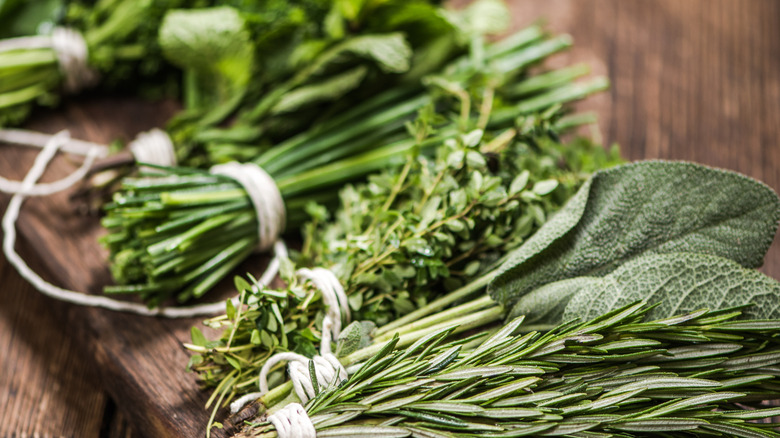
Not only will fresh herbs spice up a boring grain bowl, they'll also add a pop of vibrant, green color. Herbs are versatile bowl additions that will complement all of the other ingredients, from hearty grilled meats to delicate roasted vegetables. Each herb will give a grain bowl a different flavor profile, and lend even the most boring bowls a bright, lively taste. When preparing the fresh herbs you just brought home from the farmers market or plucked from your garden, avoid the biggest mistakes that people make with them, including pre-chopping them and storing them incorrectly.
You can enhance your grain bowl with just one type of fresh herb, such as parsley, chives, or rosemary, or combine a few different ones to match a specific cuisine. For instance, if you created a Mediterranean-inspired grain bowl filled with quinoa, olives, feta cheese, and tomatoes, sprinkle on some chopped basil and oregano. Cilantro will enhance a Mexican-themed bowl, while warm, earthy herbs, such as thyme and marjoram, will brighten up a bowl filled with grilled chicken or steak. Mint will instantly brighten up any boring grain bowl, and works will with citrus flavors and savory meats, such as lamb.
8. Add color with seasonal produce
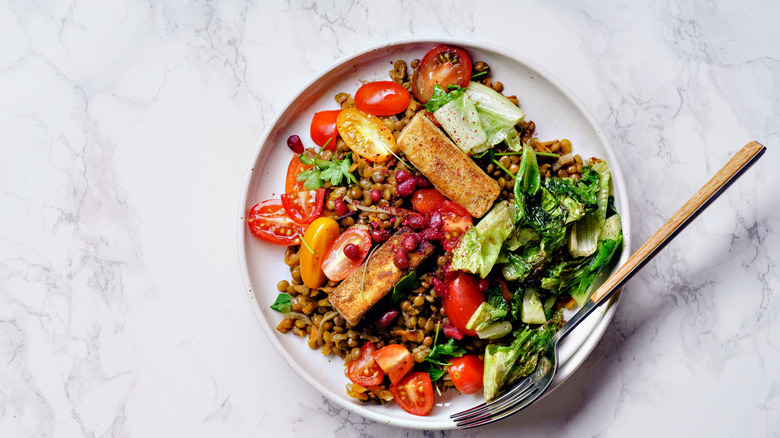
You can't have a grain bowl without layers of fresh, vibrantly colored produce. But, not all fruits and veggies are created equally. "Eating a rainbow" is easy to do when you have a healthy grain bowl filled with farmers market finds for lunch or dinner. There is a specific time to shop to grab the freshest produce at your local farmers market, so plan ahead when making your grain bowls. For the most nutrient-dense, full-flavor produce, it's important to pick up what's in season, such as peppery arugula, cauliflower, and baby broccoli during the springtime. Summer is the time to load your grain bowls up with juicy tomatoes, crisp green peppers, and crunchy radishes. Fall grain bowls topped with sweet potatoes, sautéed kale, and Brussels sprouts also have a special place in our hearts.
When it comes to adding produce to your grain bowls, you can go either the raw or cooked route. While there's nothing like a cool, crunchy cucumber, grilling certain vegetables, such as tomatoes and squash, will bring out their natural sweetness and make them extra-juicy. Give the bowls a decadent touch with crispy fried potatoes or eggplant, or add maximum flavor with vinaigrette-marinated mushrooms. If you're making an oatmeal-based breakfast grain bowl, layer in fresh blueberries, strawberries, and blackberries, along with bananas.
9. Experiment with contrasting textures
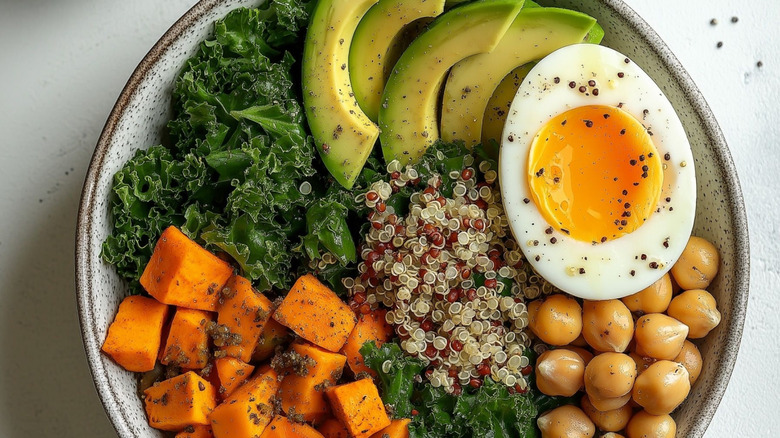
One aspect of grain bowls that makes them so appealing is their mixture of flavors and textures, such as soft, chewy rice and crunchy, fresh produce. If your bowl is lacking in the texture department, it's time to add in a few layers of contrasting ingredients. It's the combination of sweet and savory, and soft and crunchy ingredients that make grain bowls so exciting to eat. When a grain bowl is filled with all chewy or all crunchy elements, it can become boring to eat. The remedy to that problem is to incorporate a few different items that will tease your taste buds in the most delightful way.
While your contrasting texture opportunities are endless, you can't go wrong by topping a grain bowl with a layer of crunch. Some ideas include roasted nuts and seeds, croutons, crackers, and toasted coconut flakes, depending on the type of bowl you have. You can also add a crunchy texture with fresh produce, such as shredded cabbage and shaved carrots. Fried food, including onions, cheese, and pickles, lends richness in addition to texture. Since contrast is key when assembling grain bowls, don't forget the creamy and chewy ingredients as well.
10. Sprinkle on some seeds and nuts
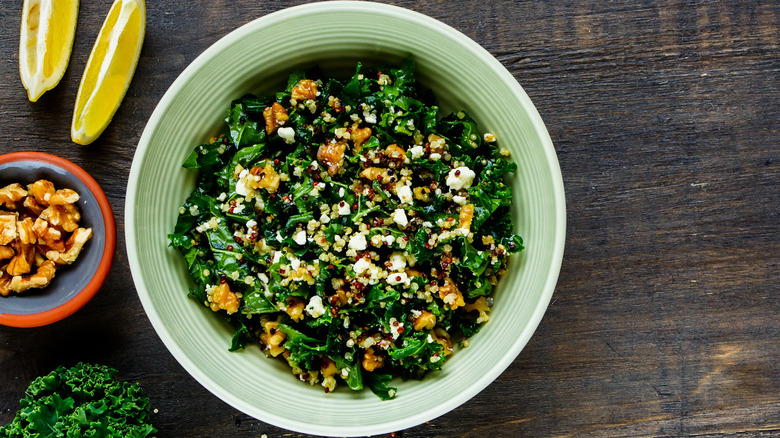
If grain bowls sound too bougie to make for breakfast or lunch, consider the fact that you most likely have most of the main ingredients — including rice, oatmeal, a variety of produce, and a selection of sauces — in your pantry or refrigerator. If the ingredients come together in a less-than-appealing way, there's a secret topping you may be missing: Seeds or nuts. While they may seem small or basic, seeds and nuts will give your grain bowls a roasty, toasty flavor as well as an irresistibly crunchy texture. In fact, they may be one of the easiest ways to spice up your blah bowls.
When it comes to what types of seeds and nuts you can layer into your grain bowls, the sky is the limit. Add protein and plenty of crunch factor with roasted cashews, almonds, and pine nuts, or sprinkle on a handful of sunflower seeds. You can also add a chopped nut blend featuring walnuts, pecans, and peanuts. Macadamia nuts, hazelnuts, and pistachios are other deliciously crunchy options, and work especially well on hearty breakfast bowls featuring fresh berries. If you can't decide what nuts to use in your grain bowls, there are six types to stop eating and eight to choose instead.
11. Give it an Asian twist
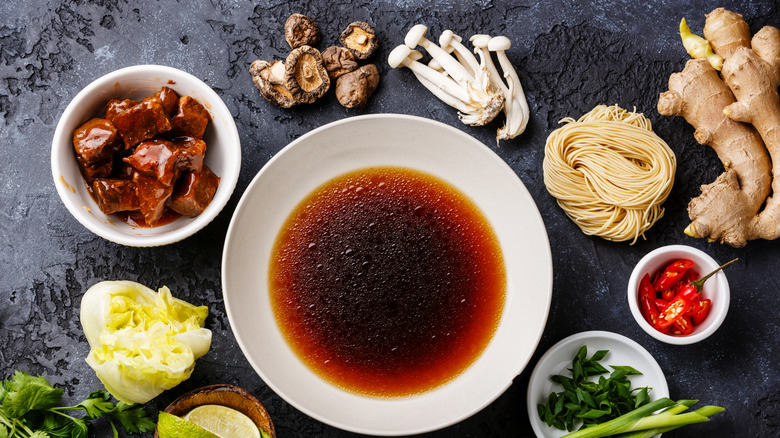
One way to ensure that your grain bowl doesn't slip into the boring category is by giving it an Asian twist. With so many different flavor and texture combinations available, a blah bowl will be the least of your culinary concerns. You can pick one type of cuisine, such as Japanese or Korean, to use as grain bowl inspiration, or incorporate elements from a variety of them. An Asian-themed bowl starts with the right type of grain, with jasmine or sushi-style rice being the top contenders. Don't be afraid to use other types of grains, such as quinoa and millet, in the bowls, if that's what you have in your pantry. One of the best things about grain bowls is their "anything goes" vibe. You can also use leftover stir-fried rice as the bowl's base layer as an unexpected touch. Cauliflower rice is a low-carb, gluten-free grain alternative that will blend well with the Asian ingredients.
After you've chosen the base-layer grain, start adding on a variety of Asian-inspired ingredients, such as soba or rice noodles, edamame, cabbage, and Thai basil. Protein options include tofu, sweet and sour chicken, and miso and soy sauce-glazed steak. Top the bowls with wonton strips and drizzle on soy sauce and sesame oil. If you want to make a vegetarian bahn mi grain bowl, layer on pickled carrots, cilantro, tofu, and a creamy mayonnaise and sriracha sauce.