

14 Fiber-Rich Fruits Better Than An Apple
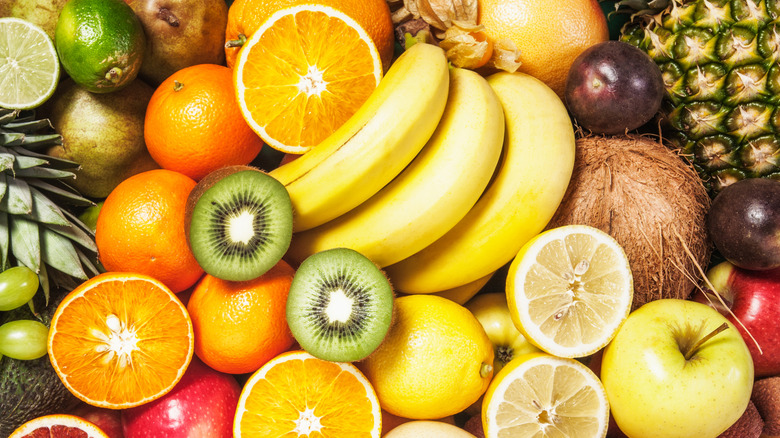
One of the healthiest and most widely available fruits in the United States is the apple, a nutritional powerhouse that ranks in the top three fruits grown worldwide (via Statista). One medium-sized apple provides about 95 calories and around 4 grams of fiber, providing numerous health benefits. Studies have shown that eating one to two apples a day may lower the risk of developing type 2 diabetes. It is no wonder that the saying "an apple a day keeps the doctor away" has endured over the years. If you are curious about getting more out of this wonder fruit, you need to familiarize yourself with the various types of apples available and their individual strengths and advantages.
That said, the nutritional value of apples does not mean that other fruits are any less important. Fruits, by and large, are beneficial to health, and several studies have shown that eating adequate amounts of fruit with a high fiber content plays an important role in improving weight management, wellness, and healthy aging. While apples may have a rep for keeping the doctor away, some fruits are actually even more impressive on the nutritional front. The following are fruits that may not always provide as much fiber as apples, but have other major advantages that warrant just as much attention.
Passion fruit
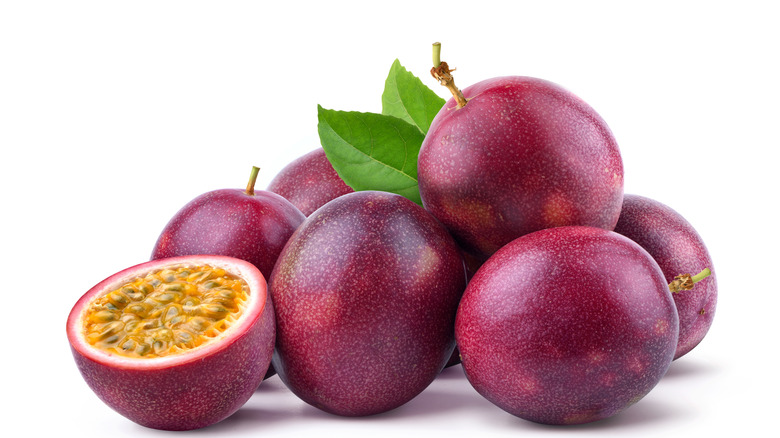
A nutritious, tropical fruit, passion fruit is rich in fiber, antioxidants, vitamins, and plant compounds. The fruit itself has a tough outer rind and a juicy, seed-filled interior, filled with numerous health benefits. For example, with more than 2 grams per 100 grams, I bet you didn't know that passion fruit also packs a punch when it comes to protein?
Nutritionally, a single purple passion fruit provides approximately 17 calories, about 9% of your daily recommended intake of vitamin C, 8% of your vitamin A, and 2% of iron and potassium. The 2 grams of fiber content round off its nutritional profile, slightly less than the amount found in your average apple, but with fewer calories. This fiber content helps to manage cholesterol levels while also supporting gut health.
The yellow variety of passion fruit is slightly larger and more acidic than the purple ones, but both are versatile and easy to incorporate into your daily diet. Enjoy passion fruit fresh, or add the pulp to yogurts and salads for a nice tangy flavor. The raw fruit can also be used to top cakes and desserts, while you can drink the juice or use it to elevate cocktails.
Raspberries
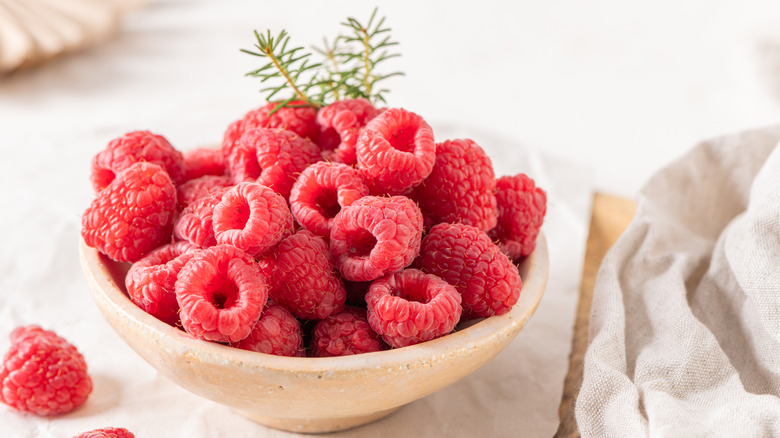
If it's high fiber content you're after, then you can't go wrong with raspberries. A cup of raspberries contains a whopping 8 grams of fiber — almost as much as a cup of green peas, and significantly more fiber than a medium-sized apple.
There are over 200 varieties of raspberries out there. In addition to their high fiber content, they are also an excellent source of vitamin C, with 25 milligrams in every cup. Raspberries are a very delicate fruit with a high rate of respiration (the rate at which a fruit maintains cellular functioning by breaking down its own nutrients). This is one of the reasons why they're often frozen immediately after being picked, as this helps preserve their flavor and nutritional value. If you're working with fresh ones, knowing the best way to clean raspberries without making them mushy can make all the difference.
Raspberries have a sweet-tart flavor that works well with both sweet and savory dishes. They can be blended to make smoothies or a zesty sauce that pairs well with meat, added to your breakfast of oatmeal, made into a salad, or used in innumerable other ways. Just keep in mind that much of a raspberry's fiber is concentrated in the pulp and seeds, so be sure to consume the whole fruit to get the full benefit.
Pears
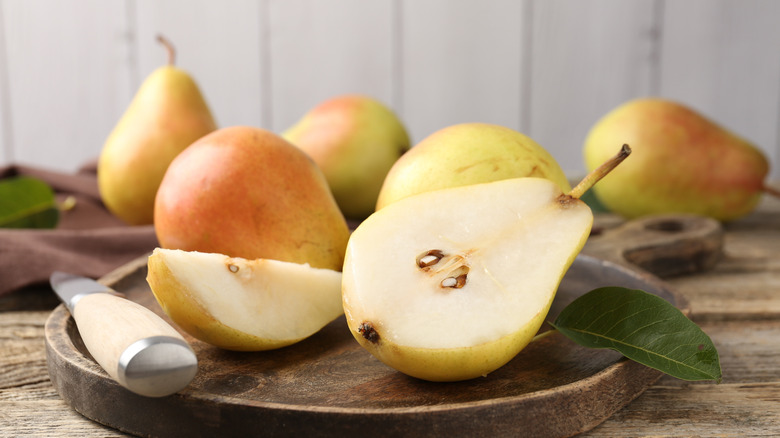
Pears, much like apples, are nutrient-rich fruits with an impressive fiber profile. The fiber content of pears is, in fact, higher than that of apples. There are 6 grams of fiber in an average medium pear, making it the preferred choice if you are looking to boost your intake. This fiber content is a mix of both soluble and insoluble fiber and is good for both gut and heart health.
Let's take a look at the nutrients in a medium pear. In addition to providing 80 calories, the average pear contains essential minerals such as vitamin C, vitamin K, potassium, and copper, making it a nutritional powerhouse. They're also high in antioxidants.
When it comes to cooking, pears are a truly versatile ingredient. Don't limit yourself to just eating them raw. Poaching them is an easy task, and they combine well with other fruits. Pair them with different cheeses to make pies and delicious pizza toppings. Alternatively, use pears to make desserts. juices, cocktails, salads — the options are truly endless.
Avocado
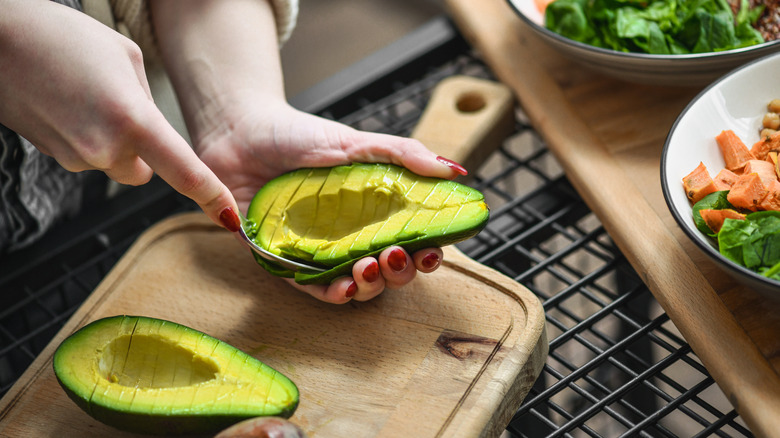
Known for their creamy flesh, avocados — also known as alligator pears — are a fruit that continues to grow in popularity worldwide. Popular in many different cultures, avocados are best known as the main ingredient in guacamole but are just as enjoyable in numerous dishes or eaten on their own.
Avocados have a nutritional profile that makes them an excellent choice in a healthy meal plan. They have high fiber content, at 10 grams in the average medium avocado — more than twice the amount found in the average apple. Avocados also contain high levels of monounsaturated fats, which are considered healthy fats. This makes them a popular choice for low-carb diets, and for vegans and vegetarians alike. Studies have shown that high avocado intake is also associated with a lower risk of cardiovascular disease.
In the kitchen, avocados can be used in numerous ways, from eating them plain by scooping the flesh out with a spoon to dicing them and mixing them in salads, soups, and tacos. They can also be mashed and used as a sandwich spread, mixed with seeds and berries, and even used as a sushi filling. And let's not forget guacamole and its numerous uses. If you've ever been stuck with unripe, hard avocados, there are a few tricks to choosing the perfect, ready-to-eat avocado every time. Once you've mastered that trick, there's no stopping the love for avocados that continue to rank as a star performer among fruits.
Grapefruit
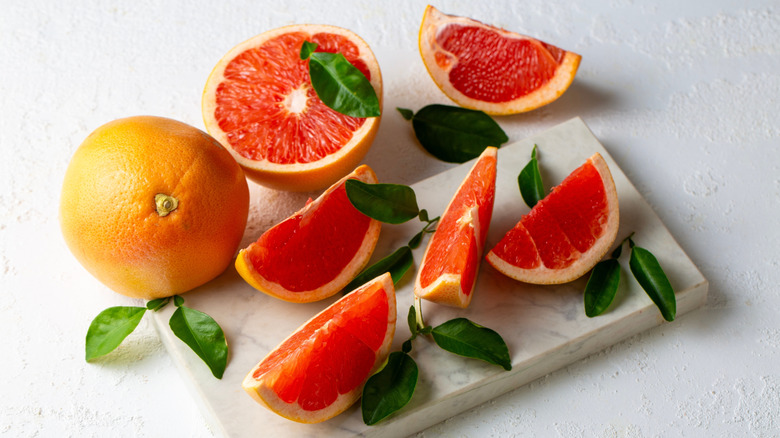
Originating in Barbados, the grapefruit is a tangy and juicy fruit with a distinctive flavor. It is a cross between a sweet orange and a pomelo and has moderate fiber content, with half a grapefruit containing just under 2 grams. A significant portion of grapefruit's fiber is in the chewy inner membrane of the fruit, a section that is usually ignored and discarded. The good news is that these sections are perfectly edible, so if it is fiber you are after, it's worth keeping them. While grapefruit juice delivers plenty of essential vitamins and minerals, the fiber content will be lost.
Apart from the fiber content, grapefruits also contain plenty of other essential nutrients. These include high levels of vitamins C and A, along with potassium, thiamine, and folate. Lycopene, an antioxidant found in tomatoes and watermelon, is also present, helping protect the body's cells from daily damage. A word of warning, however, to those considering eating grapefruit: It is a highly acidic fruit and may not agree with those with digestive or stomach issues, so it's wise to consume it in moderation.
Kiwi
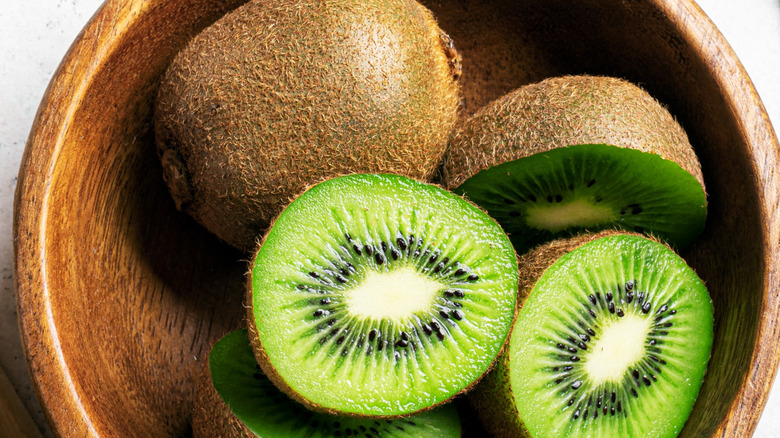
The Chinese gooseberry was introduced to New Zealand by a schoolteacher in the early 1900s, before later becoming known as a kiwifruit. While it still isn't as widely appreciated in the United States today, the kiwi is popular across Asia and Europe. With its high nutritional content — including an impressive amount of fiber — this fruit more than deserves a place alongside everyday fruits like apples.
There are several varieties of kiwi fruit, the most common being the green ones. Don't be fooled by their small size; they pack a wallop of essential nutrients. A serving of kiwi has over 300 milligrams of potassium, comparable to a banana, and more vitamin C than an orange. No slouch in the fiber department either, kiwi contains 5 grams per cup. It also contains an enzyme called actinidin, which aids digestion and even plays a role in naturally tenderizing meat, making it surprisingly useful in the kitchen.
The benefits don't stop there either. Kiwi's combination of nutrients and digestive support makes it a standout addition to a balanced diet. And if you're looking to get the most out of it, explore the benefits of eating kiwi skin for an extra nutritional boost. Kiwi can be enjoyed raw on its own or added to salads, desserts, or even salsas.
Banana

The ideal snack for people on the go, bananas come very conveniently packaged — just peel back the skin and take a bite. Athletes love it not only for the energy it provides, but also for its potassium and magnesium content, which helps boost muscle function and performance.
A banana's nutritional benefits are plentiful. One medium-sized yummy fruit provides approximately 105 calories of energy along with roughly 3 grams of fiber, comparable to an apple. The high levels of potassium can help your body remove sodium, which can lower blood pressure and, in turn, be beneficial for your heart health. Bananas also aid digestion and contribute to gut health, helping regulate bowel movements.
When choosing your fruit, it helps to know the signs that indicate an overripe or underripe banana. Beyond eating bananas as is, this versatile fruit can be blended into milkshakes and smoothies for an easy energy boost to start your day. They can be served with pancakes, waffles, custards, fruit salads, and more. They are also a staple ingredient in baked goods like bread, cookies, cheesecakes, and energy bars. You can even slice and fry them into chips for a different take.
Guava
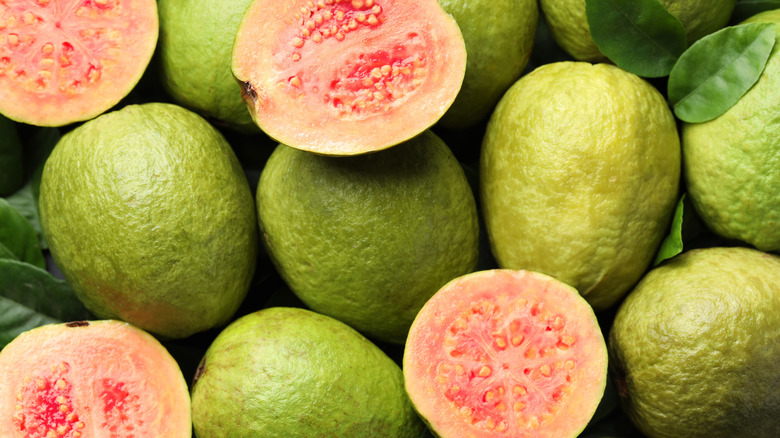
Guava is a tropical fruit that originated in Mexico, Central and South America, and the Caribbean, and has since traveled the world, becoming a favorite in many regions. Guavas come in different colors, with the pink or red variety especially popular for its sweeter and juicier taste. The vibrant pink color comes from lycopene, an antioxidant that helps protect cells from damage.
One advantage guava has over other fruits, apples included, is its low calorie count. There are about 40 calories per guava. But the health advantages go far beyond the low calorie count. High levels of fiber (about 9 grams per cup), protein, vitamin C, and potassium make this fruit a highly nutritious addition to any diet.
Guava is one of those handy fruits that can be enjoyed in its entirety. The skin is edible and loaded with antioxidants. The pulp is sweet and juicy, while the seeds add fiber-packed crunch to every bite. It's easy to learn how to eat guava the right way if you are unsure about where to start.
Strawberries

Strawberries are both a summertime favorite and a nutrient powerhouse, packed with vitamins, minerals, antioxidants, and other phytonutrients. While their fiber content may not be as much as an apple's, there is still about 3 grams of fiber in a cup of strawberries – nothing to turn one's nose up at! That cup will also provide you with more vitamin C than an orange, all while keeping sugar levels relatively moderate at about 7 grams.
These berries make for the ideal snack, loaded with nutrients and low in calories. Studies suggest that daily consumption of strawberries may even improve cognitive function. Even though they are sweet, they can also help regulate blood sugar levels as they have a low glycemic index.
Fresh strawberries can be eaten whole or cut and added to different dishes. For breakfast, you could add them to cereal, yogurt, or oatmeal. You could also combine them with leafy greens for a delicious salad.
Pomegranate
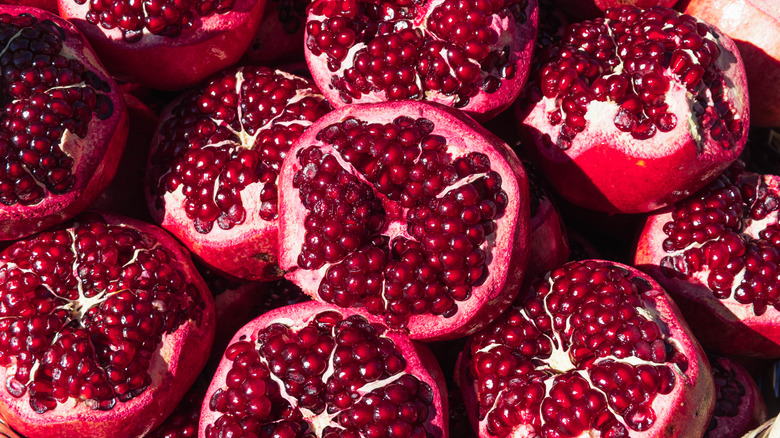
A seasonal fruit that's typically available from October to January in the Northern hemisphere, pomegranates contain a multitude of edible red seeds known as arils. They have a sweet-tart flavor and are packed to the gills with nutrients.
Pomegranates are high in antioxidants that can help tackle inflammation, making them beneficial to heart health. They may also help lower LDL cholesterol levels and regulate blood pressure. As with many other fruits, the real benefits come from eating the whole fruit rather than just drinking the juice. If you've ever struggled with it, there is an easy way to open and eat pomegranates that can make the process far less intimidating.
A half cup of pomegranate contains just 72 calories, plus 3 grams of fiber. It's also high in vitamin C, which can help increase iron absorption while protecting cells from the damaging effects of free radicals. Studies have also found positive links between pomegranate consumption and cancer prevention. Pomegranate can be eaten plain, but can also be used to spruce up salads, added to a breakfast toast with nut butter, mixed with yogurt, mixed into salsa, and even used to make jelly. In the apple versus pomegranate debate, we may have a winner!
Orange
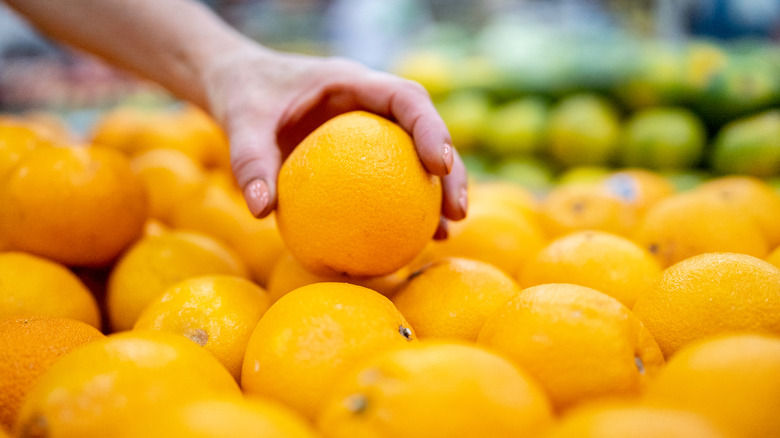
While apples may contain more fiber, especially when eaten with their skin, oranges have other nutritional advantages that should not be ignored. For starters, they have a lower calorie content, but their primary health benefit stems from high levels of vitamin C. A medium orange can contain more than 80 milligrams of this vitamin, which is nearly 10 times the amount contained in an apple.
Oranges also contain a multitude of phytochemicals, biologically active compounds that help the body ward off diseases, some of which have antioxidant and anti-inflammatory properties. The beta-carotene content of the fruit helps protect the skin from damage, while the vitamin C helps stimulate the production of collagen. Remember, if you are having orange juice, stick to the freshly squeezed type that contains the pulpy part (the bit that's high in fiber) in order to enjoy all the benefits of this wonderful fruit.
Prunes

Prunes are dehydrated plums, and while they may not be as popular a fruit as apples, they absolutely deserve a place in your diet. They are a deep reddish brown and have a naturally sweet flavor with a chewy texture. Several kinds of prunes are available, stemming from the Japanese and the European varieties. The former are larger and are yellow to light red in color, while the latter are smaller and range from dark blue to reddish-purple.
A single serving (five prunes) will provide you with just over 100 calories, along with 3 grams of fiber, which is marginally less than an apple. Prunes are an age-old remedy for constipation due to their fiber content, which is also why they help in improving digestive health. As if that's not enough, prunes can support bone health, regulate cholesterol levels, and keep blood pressure in check. Impressive.
Prunes can also help with weight management, as their fiber content slows down digestion and promotes satiety. However, eating too many can have the opposite effect, so limiting your intake is important.
Apricots
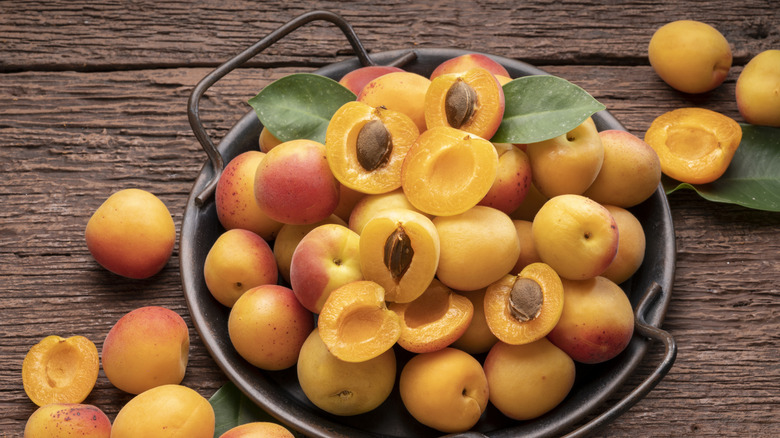
Mostly grown in the Mediterranean, apricots are a seasonal fruit closely related to peaches and plums. Traditionally, they are eaten fresh, but are also dried in order to preserve them. They are used in many different culinary dishes as well as in traditional medicines to treat respiratory and digestive issues. These properties have made apricots a valued fruit across many cultures through the ages.
Nutritionally, apricots have a rich mix of active phytochemicals that contribute to their health benefits. Their fiber content (roughly 1.5 grams in every two apricots) helps stimulate gastric motility and prevent constipation, while the soluble fiber helps lower cholesterol levels and keep blood sugar levels low. The same size serving also contains 8% of your daily recommended intake of vitamins A and C, plus a respectable amount of antioxidants such as beta-carotene and lutein.
In the kitchen, apricots are incredibly versatile and can be used in a number of dishes, from making apricot jam to using them as a stuffing for a pork roast. Whether fresh or dried, apricots are a fruit that adapts beautifully across both sweet and savory dishes.
Blueberries
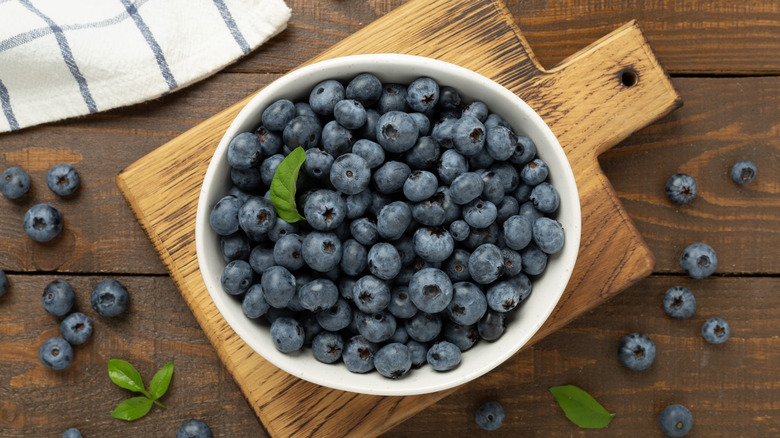
A much-loved fruit with fiber content comparable to apples, blueberries are a rich source of many antioxidants and beneficial phytochemicals. So rich are they with nutrients like vitamin C that they are often labeled a superfood.
With that in mind, it's no surprise that the list of health benefits associated with blueberries is extensive. Their magic stems from the hue that gives them their name. Anthocyanin, a phytochemical linked to protecting the body from heart disease and type 2 diabetes, may also have cancer-fighting properties and reduce inflammation. Research suggests they also have a positive effect on gut microbiota, which can improve overall gut health.
Their high water content contributes to their low calorie count, with roughly 80 calories in every cup. You can eat them plain, mix them with yogurt, add them to your cereal, or bake them into a cake or pie mix. Best of all, they can be frozen and used at a later date. Just ensure that you clean and store blueberries properly to avoid wastage.