

12 Foods That Unexpectedly Contain Caffeine
People today tend to be very health-conscious, and that's a good thing. Eating nutrient-dense foods that don't contain potentially harmful substances is a worthwhile goal. You may wonder about caffeine. This stimulant does, in fact, have some health benefits. It may help reduce your risk of developing colon cancer, Parkinson's, and other chronic diseases. Of course, too much of it can raise your heart rate and blood pressure, cause anxiety, and, as we all know, make sleep difficult. If you are sensitive to caffeine, then you really need to monitor your intake. It is also a good idea for everyone to watch their daily caffeine consumption.
Although coffee's effects go far beyond caffeine, everyone knows that their morning joe contains significant amounts of the stimulant, and most also know that tea and colas also contain it. Other foods contain caffeine, too, but it's not always easy to determine the amount from the labels. The FDA mandates food companies list caffeine as an ingredient, but not the quantity. In addition, companies aren't required to list caffeine if it comes from naturally occurring sources like tea or coffee.
If you are watching your caffeine intake, you need to do your research. We want to help get you started. We present this list of some foods that unexpectedly contain caffeine to help set you in the right direction.
Decaf coffee

Since coffee is perhaps the most popular morning beverage as well as the biggest culprit when it comes to caffeine, intake can be reduced by altering your java drinking habits. A simple switch to decaf solves the problem, right? Not so fast. Decaffeinated coffee has about 97% less caffeine and, per USDA regulations, contains no more than 0.10% of the stimulant. Nevertheless, it does still contain a small amount. For example, an 8-ounce cup of decaffeinated coffee contains about 7 milligrams of caffeine.
This reduction is significant enough not to cause problems for most people. However, it is always a good idea to monitor caffeine intake, particularly if you are sensitive. A cup of decaf in the late afternoon could potentially interfere with sleep. A 2017 study found that up to 400 milligrams of caffeine per day is generally a healthy amount for most people. That may seem like a lot, but if you are not paying attention, you could easily take in more than that number.
Chocolate
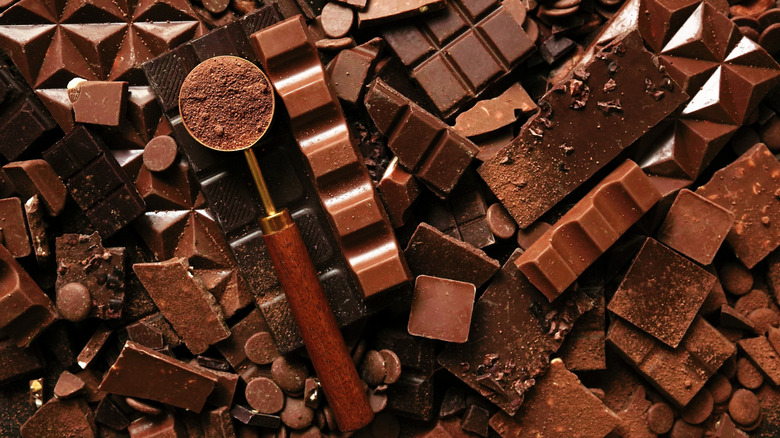
Chocolate is one of the most popular foods and can be found in everything from desserts to savory dishes, such as Mexican mole. In 2024, the National Confectioners Association reported that 94% of shoppers occasionally buy chocolate as a treat for themselves. Furthermore, nearly 75% of consumers feel that eating chocolate is part of enjoying a good quality of life. Science has found some health benefits of cocoa — such as possibly helping heart health — due to its antioxidant content.
Before you go pounding Hershey bars, you need to be aware that chocolate does contain caffeine. The amounts are fairly small, with darker chocolate having more of the stimulant than other types. Dark chocolate with 60% to 69% cacao solids has 24 milligrams of caffeine per ounce, while 45% to 59% has around 12 milligrams. Milk chocolate has very little, containing about 6 milligrams per ounce.
So, while chocolate isn't a major source of caffeine, it should be included in your daily count. Keep it in moderation. If you want to enjoy a sweet with no caffeine, try white chocolate. You may wonder if white chocolate is real chocolate. Technically, yes. This confection contains enough cocoa butter to classify it as chocolate, but no cocoa solids, and thus, zero caffeine. You may want to watch your sugar intake when enjoying white chocolate, however.
Decaf tea
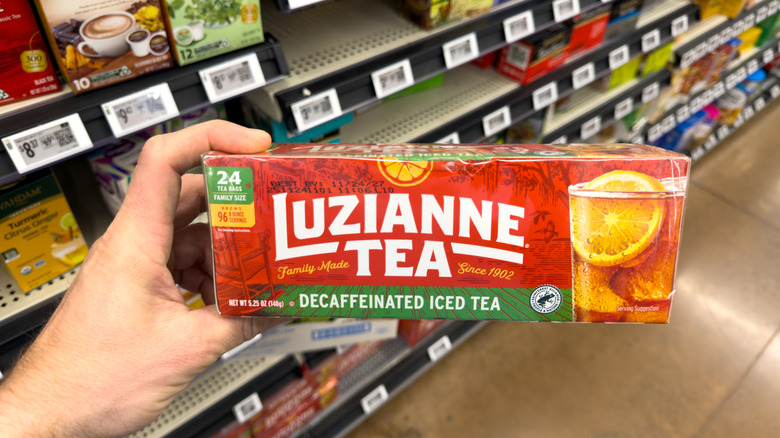
Tea can be soothing and a pretty good substitute for coffee. It's worked for the Brits for centuries and is a popular drink in the U.S. as well. Tea is generally considered to have less caffeine than coffee, and that is essentially true, but a bit complex. Tea leaves actually contain more of the chemical than coffee beans, but fewer leaves are used to brew a cup of tea than beans for coffee. Hotter water is also used to brew coffee, which extracts more caffeine. This all means tea typically has less caffeine than a cup of joe. Nevertheless, you may want to drink decaf tea.
Like its coffee counterpart, decaf tea still has some traces of caffeine; about 1% to 2% per cup. Some brands may contain a little bit more, as accurate labeling is not monitored closely. If you are sensitive to caffeine or watching your intake, be aware of this. Drinking decaf tea reduces caffeine content, but not to zero. Your favorite decaf iced tea in the summer, for example, still contains some caffeine. To avoid the stimulant altogether, your best bet is an herbal tea or rooibos, both of which are caffeine-free.
Non-cola soda
Most people are aware that colas, such as Coke and Pepsi, contain caffeine. These are easy enough to avoid because there are plenty of non-colas out there that are tasty and refreshing. The problem here is that many of these flavors contain significant amounts of caffeine. For example, Barq's Root Beer has 22 milligrams per 12 ounces. It may also surprise you that Sunkist Orange soda contains 19 milligrams per 12 ounces. Either may increase your caffeine intake more than you'd like.
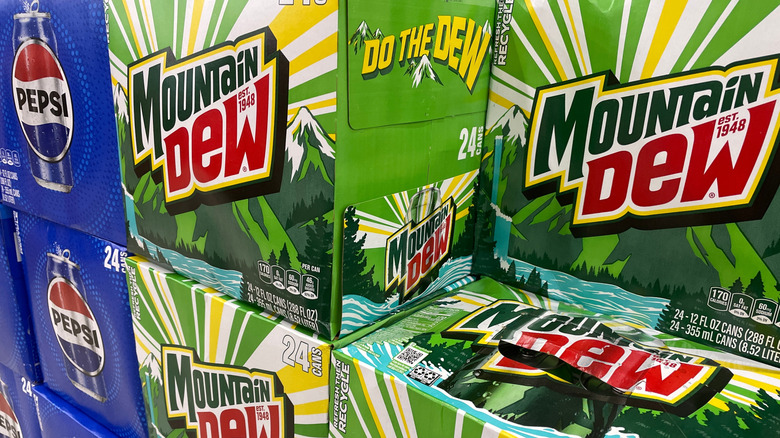
The biggest culprit in this category, by far, is Mountain Dew. It's one of the more popular brands, and there are multiple Mountain Dew flavors. There is even a somewhat obscure vodka cocktail called a Dew Driver that uses this soda. Let's look at the caffeine content. Regular or diet Mountain Dew has 54 milligrams per 12-ounce can. Switch to zero sugar, and you'll be getting a whopping 68 milligrams in 12 ounces. This comes close to coffee's 80 to 100 milligrams per cup, which may eliminate the benefits of no sugar for you. If you are a fan, be aware of these numbers, and maybe "Do the Dew" less often.
Cereal
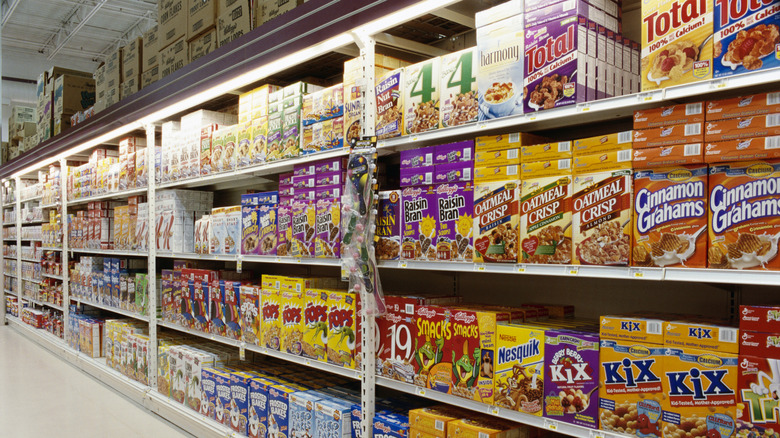
Cereal is probably the first meal you were able to prepare for yourself as a child. Kids love it, and it's a good breakfast for adults too. Although breakfast cereal sales are in decline and it's falling out as a morning option, some brands are very healthy. But caffeine in cereal? The answer is yes, especially in varieties flavored with chocolate. These are also some of the most popular picks, especially among children, and you might not want your kids consuming too much of the stimulant, if any.
Are you cuckoo for Cocoa Puffs? A 1-cup serving contains a little over 2 milligrams of caffeine. Malt-o-Meal Cocoa-Roos have 1.8 milligrams in ¾ cup, and the brand's Chocolate Marshmallow Mateys delivers 1.5 milligrams in the same serving size. Chocolate cereals are not the only ones to watch out for. Some cereals are flavored with matcha green tea, such as Baby Yoda Pancake cereal. Matcha is a caffeine-rich food. These cereals don't all mention the caffeine content on the labels, but matcha powder can contain up to 175 milligrams of caffeine per teaspoon, so you want to be careful with these foods as well. Particularly with your kids, who may be drawn to Baby Yoda.
Bottled water
Staying hydrated is important, and water is the most commonly utilized liquid for the job. Pure H20 contains nothing extra, and certainly not caffeine. Although convenient, bottled water is essentially just trash, and it's bad for the environment. That is not the only potential problem, however. Some bottling companies add caffeine, especially to flavored varieties. A 12-ounce bottle of flavored water can contain up to 60 milligrams. A stick of True Lemon Energy — which makes 16 ounces of flavored water — delivers 120 milligrams of caffeine. That's less than a medium Dunkin' Refresher, which has 99 milligrams.
Some caffeinated waters are designed to give you a boost with your hydration. These drinks can contain between 45 and 125 milligrams of caffeine. Put away three or four of these during a busy day, and you will certainly feel the side effects. Sticking to pure water is better for people who are watching caffeine intake. Even better is milk, which studies have found is more hydrating than water. The protein, sodium, and fat content in the dairy beverage help keep fluids in the stomach for longer. The milk's water content stays in your body where it's needed and not as much is released through urination. Keep a close eye on those labels, and remember what your mother said about drinking milk.
Energy bars
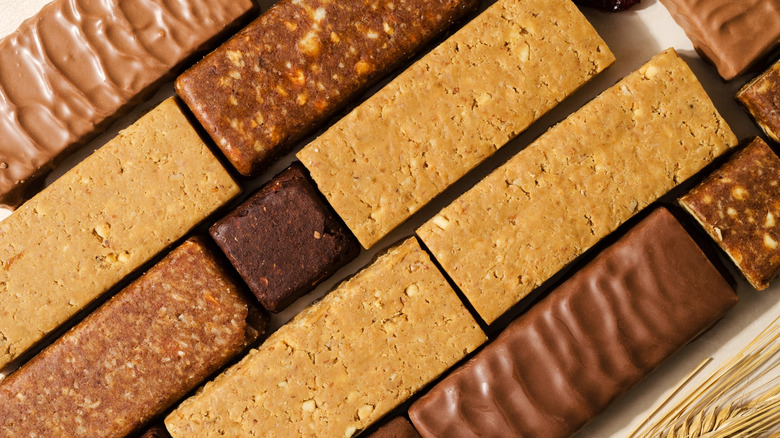
Energy bars have become very popular. They work well as a quick breakfast for busy people on the go, or as a prelude to a gym workout, run, or bike ride. Some options deliver nutrition, but other energy bars are pretty unhealthy. Caffeine is what we are focused on, however, and many energy bars contain fairly significant amounts of it.
The very popular Clif bars are a good example. While some of them are caffeine-free, there are other flavors to be careful of. According to Caffeine Informer, the Cool Mint Chocolate bar has 49 milligrams of caffeine. Be very mindful of the caffeinated collection — with flavors like Vanilla Almond and Caramel Chocolate Chip — which contains 65 milligrams of caffeine per bar. Brands like Verb make caffeinated protein bars for a boost, but you should be super cautious. The energy bars have 80 milligrams of caffeine derived from green tea, putting them in coffee territory. You also need to be mindful of energy drinks, especially Red Bull. Sure, it gives you wings, but you will be flying on the power of 80 milligrams of caffeine per 250-milliliter can. This is the same as a cup of coffee, so think twice about how much Red Bull you drink. When it comes to these meal substitutes and pick-me-ups, label reading is essential.
Ice cream
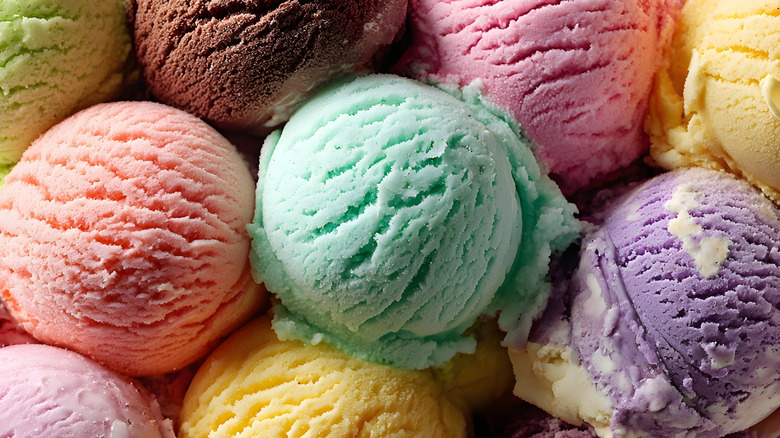
Ice cream is a beloved dessert and snack that is refreshing on a hot summer day. Surely there is no caffeine content in this innocent favorite food item, right? Well, some flavors do have a bit. Vanilla, which is caffeine-free, often ranks first among people's favorite flavors. Chocolate is a close second, and we know that it has caffeine, although not an excessive amount. A serving of ½ cup of chocolate ice cream may contain around 3 milligrams of caffeine, not necessarily a concerning number.
Another favorite ice cream flavor is coffee. Is there actually caffeine in coffee ice cream? Yes, there is. According to Caffeine Informer, a small 3-ounce tub of Häagen-Dazs coffee ice cream contains around 19 milligrams. Ben and Jerry's various coffee flavors contain between 70 and 100 milligrams per cup. It is safe to assume that any coffee ice cream brand is going to contain some caffeine. If you enjoy coffee ice cream, this is something to be aware of, as it can increase your daily intake. So, have a vanilla cone once in a while.
Desserts

Ending a meal with something sweet is a tradition in most cultures, and certainly in the U.S. While watching the amount of calories is important to some, caffeine content is another consideration to monitor. Decadent chocolate desserts are very popular. Although specifics vary depending on the recipe and type of chocolate, some of your favorite desserts could deliver between 10 and 40 milligrams of caffeine. This includes a small slice of chocolate cake, brownies, a nice mousse, or even chocolate pudding.
Like with ice cream, coffee-flavored desserts have much more caffeine. The one to watch out for most is the classic Italian cake, tiramisu. Lady fingers soaked in coffee, generally a strong Italian variety, and cocoa powder add quite a bit of caffeine. One slice of the delicious sweet treat can contain anywhere from 10 to 100 milligrams of caffeine, depending on how much and what type of coffee and cocoa is used. Trader Joe's tiramisu contains 170 milligrams of caffeine, for example. This can be a problem in a restaurant where it isn't likely you can get the recipe from the chef. Check labels when you can, and exercise caution. Maybe have less caffeine during the day if you are going out to dinner that night.
Kombucha
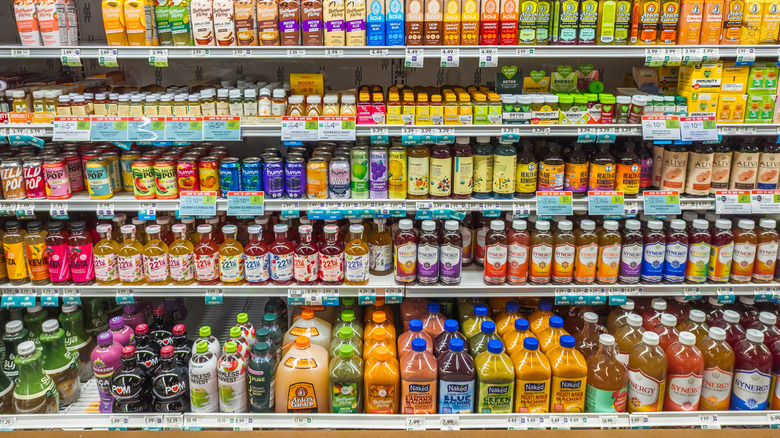
In recent years, kombucha has been a trendy beverage, although it may date back around 2,000 years. It contains probiotics, which are healthy bacteria that are good for gut health. Made with fermented yeasts and teas, it has a sour taste, but there are many flavors available. You can also make your own, and a big part of kombucha's popularity is that in addition to gut health, it has other benefits.
Since it is made with green or black tea, kombucha boasts many of the same advantages. Its antioxidants can help prevent many chronic diseases and improve heart health. The fermented tea also contains caffeine, as you would expect. An 8-ounce serving of kombucha has roughly 24 milligrams of caffeine. Not a huge amount, but enough to take note. This is less than you would get in a standard cup of green tea, which has from 30 to 50 milligrams. Nevertheless, if you are a fan of this fermented drink, be conscious of how much you drink daily and factor it into your caffeine count.
Protein powder
Protein is an essential nutrient for good health. It is especially important for building muscle, so people who work out need plenty. Those who are 65 and over also need extra, and many people take supplements in the form of protein powder. It is generally made from sources such as whey, soy, eggs, or pea. Whey protein is especially good as it contains all nine essential amino acids.
Some protein powder brands add caffeine, as studies show that it may boost exercise performance. It is important to know this because some caffeinated protein powders contain as much as 95 milligrams per serving, which is the same as drinking a cup of coffee. There are coffee and chocolate-flavored powders that contain 10 and 5 milligrams per serving, respectively. This is much less, but it's still important to note. People who are serious about training are careful about what they put in their bodies, and even casual exercisers should be too. Another important point is that you might want to avoid adding protein powder to coffee. A health supplement should be used as intended; not everything needs to be optimized.
Gums and mints
Gums and mints are great for freshening your breath when you don't have time to brush. They also come in tasty flavors, and chewing can help relieve stress. Many people are concerned with the sugar content of these products, especially those watching their calories. That is certainly a good idea, but there is another potential cause for concern.
There are gums branded as "energy gum" and they contain caffeine. People chew it for the same quick boost they get from eating energy bars or drinking energy beverages. You need to be careful, though. Rev Gum, for example, delivers 60 milligrams of caffeine per piece. That is a significant amount, particularly when you consider how easy it is to chew multiple pieces of gum in a day. There are also energy mints, such as Rally Energy Caffeinated Mints. Each piece of these also has 60 milligrams. Not to say these products can't be useful, but the caffeine content should be added to your daily count. Be careful not to mistake them for regular gum or mints. Although they are labeled "energy," there is nothing wrong with extra caution.