

11 Celebrity Chefs Who Completely Changed How People Cook And Eat
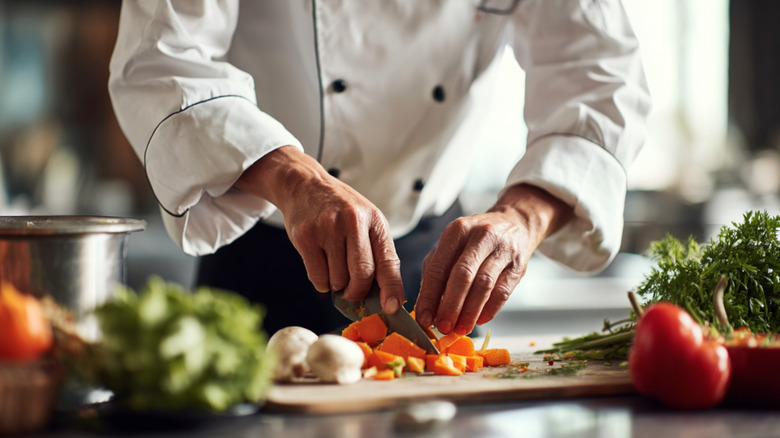
Throughout history, there have been chefs who have transformed the culinary world not only with their creations but also through their personalities and philosophies. They are celebrated globally for their outstanding innovative abilities in the kitchen and have shared their passion with the world through their restaurants, books, and shows. Yet, what makes them such media favorites goes way beyond the magic they weave in the kitchen. It is their charismatic personalities combined with their passion for what they do that make them stand head and shoulders above the rest. These qualities resonate in the shows they host, the books they write, and the dishes they create.
These personalities have transformed the way we perceive food and approach eating. From Julia Child, who changed the way America ate and introduced us to once-unfamiliar ingredients like mushrooms and French cooking techniques, to Jamie Oliver, who reformed the way school children are fed, and Massimo Bottura, whose dishes blur the line between cuisine and art. Each of these celebrities has had a huge impact on society that extends way beyond the culinary world. Individually and collectively, has left their imprimatur on the culinary world by changing the way we think about food, prepare it, and present it to the world.
Julia Child
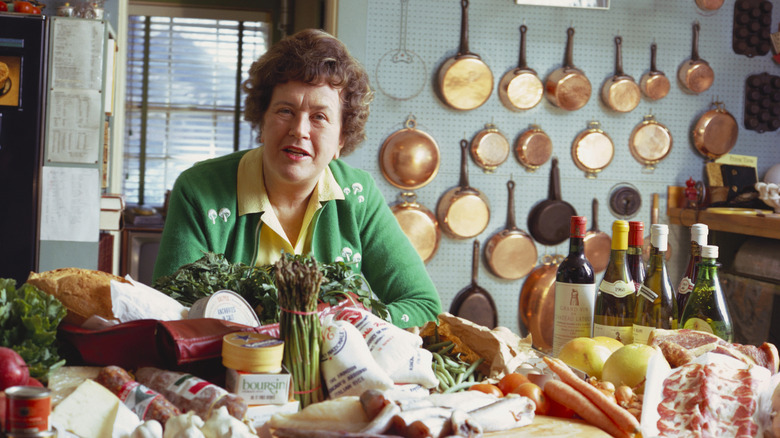
Calling Julia Child a "celebrity chef " is akin to referring to the Statue of Liberty as a "statue." It completely minimizes the accomplishments of this towering personality, who was a cultural tour de force, someone who completely changed the way Americans cooked and thought about food.
Her journey began in 1961, with the publication of her book, Mastering the Art of French Cooking (which, by the way, is now worth thousands). Her book was an attempt to change the way America perceived food and taught people to eat differently. She was a staunch traditionalist, a believer in the French way of cooking. Her recipes were the antithesis of the ready-prepared foods that Americans were used to. She basically taught us to have fun while cooking and learn from our mistakes.
Her award-winning TV show, The French Chef, ran for a full decade and introduced the nation to foods like the classic omelet, to leeks and mushrooms. Such was the influence of the show that it created a demand for these foods, compelling grocery stores to stock them. While her independence didn't win her any favors with the producers, it endeared her to audiences. Decades later, her legacy continues to inspire new generations of cooks, and she remains one of the most loved and influential chefs of all time.
James Beard

A true believer in the potential of American cuisine powered by local farmers, James Beard was a visionary who pioneered the farm-to-table movement. From humble beginnings as the owner of a small food store, he published his first cookbook on cocktail food. During the Second World War, he helped set up sailors' canteens in Puerto Rico, Rio de Janeiro, Marseilles, and Panama, reinforcing his belief in food as the backbone of nourishment and morale.
Post-war, he wrote several culinary cookbooks and began appearing on the then-new medium of television. It was on television that he truly came into his own and became a household name in America. He established the James Beard Cooking School in 1955 and taught all over the country for the next 30 years.
His message, repeated often during his innumerable travels, was that good American food could be prepared with wholesome, local ingredients. Today, his legacy remains synonymous with American food, and his philosophy has come full circle with the farm-to-table movement growing in popularity amongst the latest generation of chefs. The James Beard Awards, established in 1990 by the James Beard Foundation is often regarded as the "Oscars of the food world," honoring excellence in restaurants, journalism, broadcasting, and culinary leadership across the United States.
Jamie Oliver

Jamie Oliver, with his youthful good looks and charismatic personality, needs no introduction. Every inch the celebrity chef, he started his culinary journey at the age of eight. He has, in a career spanning over two and a half decades, sold over 50 million books worldwide. His TV series, The Naked Chef, has earned him millions of loyal followers and cemented his place in the pantheon of great chefs.
But his greatest achievement (apart from his own Nintendo game – just kidding) has been in changing the way school kids in England eat. His mission is simple: to make the food system healthier, more equitable, and sustainable for all. To this end, his Ministry of Food Program reaches out to schools and communities throughout the country, teaching both adults and children how to cook healthy, nutritious food. While there was initial resistance to the changes he sought to make, he managed to convince the British government to invest millions to improve the quality and nutritional value of school meals.
His efforts also include support for neurodivergent kids, and his "10 Skills" program has been a key to making this change. In short, Jamie Oliver, through his efforts, has had a marked influence on the eating habits of a nation. More than just a chef, an author, and a TV star, he is one who stands tall amongst his peers.
Nigella Lawson
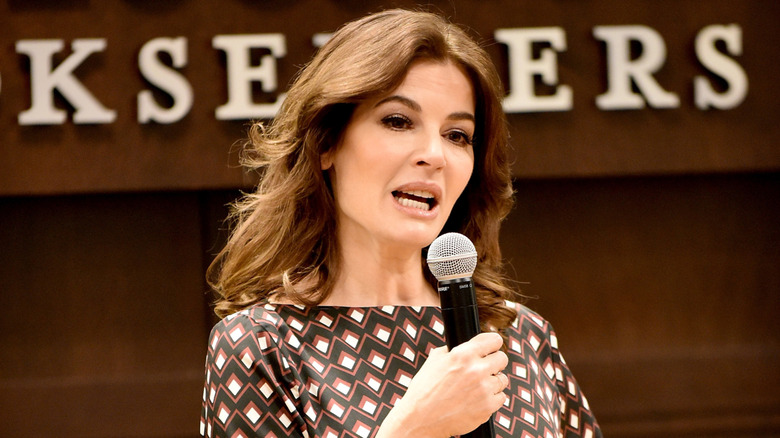
One of the most famous names in the world of gastronomy, Nigella Lawson, is an international superstar. Known globally for her popular cooking shows, Nigella Express and Simply Nigella, she has graced shows such as Masterchef Australia, Iron Chef America, and The Taste. She is also the author of numerous bestselling cookbooks, including Nigella Bites and How to Eat.
Starting out as a literary editor, she quickly moved on to writing for various publications before finding success as a writer of cookbooks. Such is her charisma that her very first cooking show, Nigella Bites, earned the Best Television Food Show award at the World Food Media Awards.
Her focus is on cooking comfort food at home — simple recipes to make delicious food. To her, the distinction between a chef and a home cook is very important because, as she has often reiterated, she doesn't have the skills that a restaurant chef needs. Her narrative is stylish yet effective, one that weaves historical context with culture in a very compelling manner, and her shows and books have been a boon to home cooks the world over. Lawson elevated home cooking into a sensual experience that the viewer could enjoy either from the comfort of their couch or in the kitchen itself while replicating her recipes. Her tips for the best cooking chocolate to using pasta water to bake bread (among countless other gems) continue to win over fans from around the world.
Anthony Bourdain

Anthony Bourdain was a man who helped give modern travel depth by combining it with the joys of local cuisine. His seminal writing helped travellers immerse themselves more wholly into the culture of the places they were visiting, often discovering new culinary pleasures that enhanced their experience. His passion for cooking ignited at an early age, and his career quickly rose as he took over as head and executive chef at many of New York's top restaurants. But more than his talent in the kitchen, it was his charisma that made him a luminary in the world of media. His memoir, "Kitchen Confidential: Adventures in the Culinary Underbelly," cemented his position in the industry, and his fame grew worldwide.
From then on, the wider world of cooking, food, and travel beckoned. His series for the Travel Channel, "Anthony Bourdain: No Reservations," proved to be a mega-hit, running uninterrupted for nine seasons. This was followed by "Parts Unknown", where he travelled to some of the more obscure corners of the world and shone a light on foods that were seen or tasted beyond their local lands.
His high regard for authenticity in food made him a passionate advocate for cooking communities around the world, and helped travellers plan itineraries around the food they discovered on his shows. His loss in 2018 has made the world of food, travel, and media a much poorer place, and he continues to be missed by his millions of fans.
Alice Waters
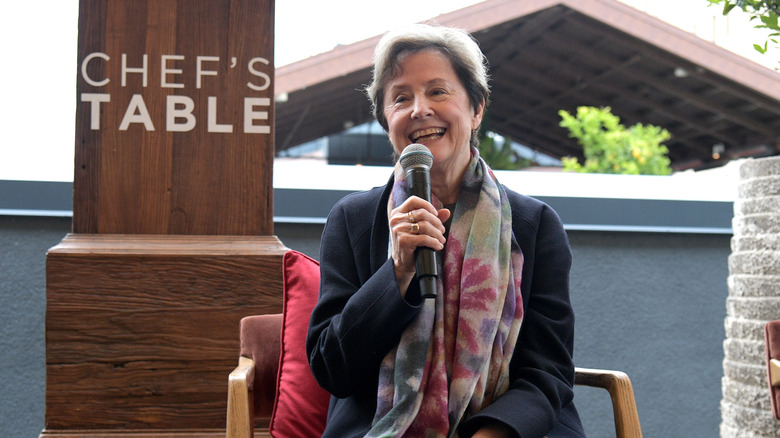
An activist-chef who has changed the way in which Americans eat and think about food, Alice Waters is the creative force behind The Edible Schoolyard Project. The idea was born out of a project she started, an organic garden with an integrated curriculum, at a local school near her home. The idea caught fire across the country, and today, the project empowers students to make individual decisions regarding their food choices that are healthy for them, the environment, and the whole community.
Her work that unites the ethical with the edible, as well as her promotion of comprehensive nutrition and wellness, earned her the National Humanities Medal in 2015. Her restaurant, Chez Panisse in Berkeley, fuelled by her unique approach towards food, has earned her recognition in the form of a Michelin Green Star.
A grandmother herself, she is also considered the guiding matriarch to generations of chefs, farmers, and students inspired by her vision. Calling her a "celebrity chef" feels almost reductive. Her work is less about personality and more about a movement — the belief behind which is how we eat can change the world. Thanks to her tireless championing of seasonal cooking, local agriculture, and food education, she has changed the way Americans think about sustainability and responsibility.
Gordon Ramsay

Arguably one of the most recognizable celebrity chefs in the world, Gordon Ramsay's skills extend way beyond the kitchen. He is a Michelin-starred chef who has won the coveted award on many occasions. His perfectionism and dedication, backed by a keen business mind, have made him a successful restaurateur, the owner of several eponymous restaurants in countries as diverse as Britain, the United States, France, Dubai, Singapore, Malaysia, and more.
His fiery temperament and uncompromising standards soon became the focal point of his public persona. In doing so, it also reshaped how professional kitchens were viewed. Through globally successful shows like Hell's Kitchen, MasterChef, and Kitchen Nightmares, he then introduced his audience to the discipline and hierarchy of restaurant culture. His publishing career, marked by multiple international bestsellers, turned kitchen technique and organization into mainstream conversation. Even ventures like the mobile game Restaurant Dash with Gordon Ramsay expanded his reach, reinforcing his brand across platforms.
Probably his greatest contribution to the culinary world has been in making gourmet dining more accessible to the general public. His many restaurants showcase his culinary style by offering a range of dishes that are as diverse as they are creative, made with the highest and freshest quality of ingredients. And beyond the hard-headed businessman is also a heart of philanthropy. The "Gordon and Tana Ramsay Foundation" has done great work in supporting charities that help sick children.
Padma Lakshmi

As host of the reality cooking competition Top Chef and creator of the award-winning series Taste the Nation, Padma Lakshmi is an unabashed advocate for immigrant rights. She has consistently used food as the lens through which to examine migration and belonging. Her show brings a seamless blend of food and politics into American homes, raising awareness of individual immigrant communities through the meals they cook and preserve. For Lakshmi, it is the only way to understand how global flavors have enriched the American table. A prolific writer, she has also written about how different immigrant communities have adapted their cuisine to suit American palates while retaining their core identity.
Her book, "The Encyclopedia of Spices and Herbs," part of her award-winning body of work, catalogues all the spices and herbs that define global cuisines. Her advocacy, in turn, has resulted in ingredients — once considered niche — that are now pantry staples. Perhaps most importantly, she has helped dismantle the notion that French cuisine is the sole benchmark against which all other culinary traditions must be measured, thereby broadening the framework through which culinary excellence and authenticity are understood.
David Chang
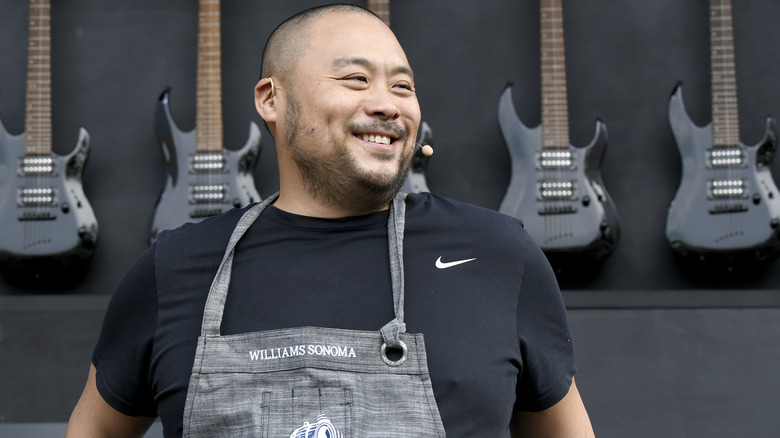
Chef, restaurateur, and television personality, David Chang is the force behind the Momofuku group, responsible for changing the manner in which modern Asian cuisine is viewed. So great has his impact been on the world of gastronomy that Time magazine named him as one of the "100 Most Influential People" in 2010. His list of accolades also includes being named as "One of the most influential people of the 21st century" by Esquire and being a six-time James Beard awardee.
Born to Korean parents who owned two bistros in DC, he learned his craft in New York, first at the French Culinary Institute and then at the award-winning Craft. He next moved to Japan to broaden his horizons by learning about ramen, returning to New York to eventually set up the first restaurant of the Momofuku chain — the Momofuku Noodle Bar.
The biggest change he has brought to the way we eat is introducing America to fusion cuisine that blends his Korean heritage with American culture. Foods such as baos and ramen, once wrongly considered 'low-brow', today command the same respect as traditional haute cuisine thanks to David Chang and his penchant for "ugly-delicious" food. The success of his acclaimed show "Ugly Delicious" on Netflix (and its thought-provoking episodes) attests to how powerful his influence has been on the eating habits of Americans.
Massimo Bottura
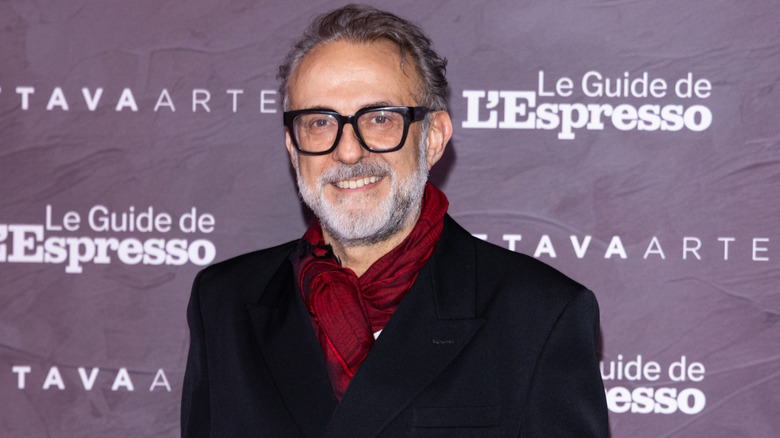
Massimo Bottura stands as a colossus in the world of Italian gastronomy, the creative genius behind the Three-Michelin-star restaurant, Osteria Francescana in Modena. His reputation as one of the world's best chefs is rooted in his deep love for the kitchen, a passion inspired by the culinary genius of the women in his family. This heritage shaped his foundation and the creative way in which he incorporates contemporary art and design to create visually striking dishes that taste even better than they look. He has fundamentally changed the way we experience food and how we eat by deconstructing classic Italian dishes and breaking them down to create new experiences. He names his dishes like one would name a work of art, which is exactly what they are. So, "Oops! I dropped the lemon tart," famously born from a mistake, transforms imperfection into intention.
But his finest achievement has been in changing the manner in which we perceive food waste. He has done this by using leftovers, ingredients that would have been otherwise thrown away, and creating signature dishes that compare with the best. His multiple Refetorrios or community hubs that have been created in many cities across the globe utilize ingredients that may have been otherwise discarded by suppliers. They allow the most vulnerable segments of society to enjoy high-quality meals with the same level of hospitality as in his fine dining restaurants. This is giving back at its best.
Martha Stewart
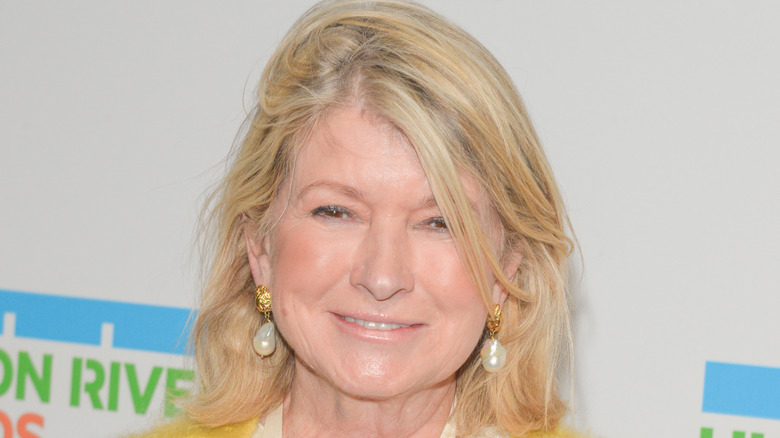
A self-taught chef with a varied bunch of interests (culinary and otherwise), Martha Stewart epitomizes the concept of good food as an essential part of a good life. Her interests lie far beyond just cooking, encompassing everything from the plants in the garden to the crockery in the dining room. She changed the way many housewives in America regarded cooking, from being a chore that had to be completed to the basis of a well-lived life. In doing so, she liberated a generation of women (and men, too) from their perceived shackles and set them upon a gastronomic journey that made food such a pleasure.
As a chef, she is a perfectionist, and this makes even her simplest recipes an aspiration to achieve. She makes the process look easy, and at the same time, the result is elegant and desirable. Her dedication and uncompromising attitude have helped her legions of followers elevate home cooking into an art form, a way to express themselves. Martha's detailed and accessible approach has established her as a leading culinary art and home management authority, and her recipes, like "Martha's Classic Apple Pie," have become favorites in many American households.
A staunch supporter of sustainable practices, she has transitioned smoothly between her roles as TV personality, celebrity chef, and restaurateur, and her impact on American culture is apparent from the increasing popularity of home cooking and the rise of sustainable practices in the food industry.