

Try These 12 Unexpected Ingredients On Your Next Cut Of Steak
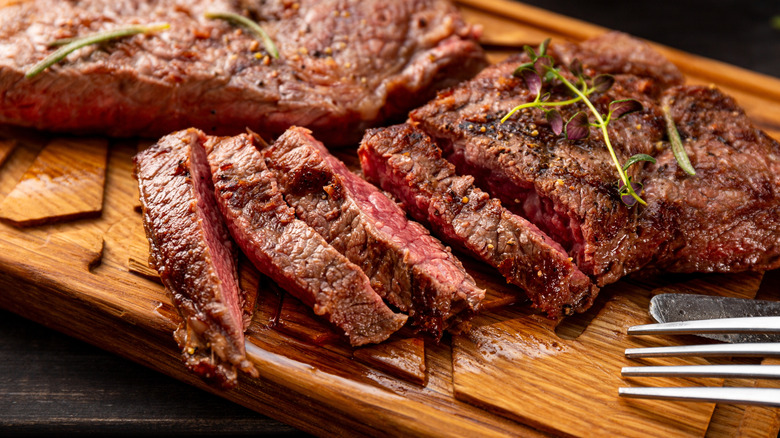
No matter where you look, who you ask, or what you read there is no end to the advice on how to season, prepare, cook, and eat your steak. Which isn't surprising, when you consider the variety of cooking styles and techniques and how they interact with different cuts of meat. Every cut of steak has different qualities that affect how tough, tender, juicy, dry, or flavorful it can be.
While those well versed in beef know that the most tender cuts of steak are the filet mignon, flat iron, top sirloin, strip steak, and ribeye. No matter what cut of meat you have there are countless ways to make it easier to cook and more flavorful, tender, and overall mouth-watering. While some cuts of steak are easier to cook than others, no matter how you choose to cook your steak, how you choose to season it can make all the difference.
While some like to keep it simple with just salt and pepper, others like to be bold, using time-tested flavors and cooking methods to make a leaner cut more flavorful or a tough cut more tender. Whether you're looking for a new flavor, or a way to make your marinade even better at tenderizing your steak, trying one of these unexpected ingredients can make your next filet more satisfying.
1. Oranges
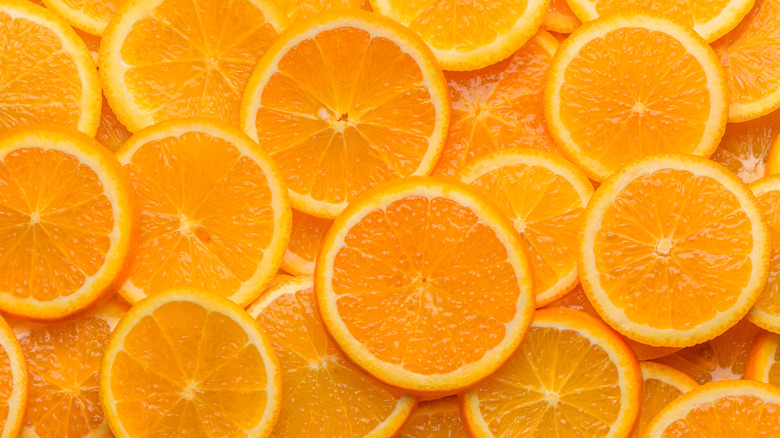
Oranges may not be your first thought of something to reach for when preparing seasonings for your next steak, but you'd be amazed at the flavor this simple fruit can bring to the grill. Citrus and steak aren't strangers, and many will recognize the combination of lemon and pepper from pre-mixed seasonings available in grocery stores. The tangy and bright flavor of citrus combines well with the earthy and spicy flavor of black peppercorns, so it's worth taking another look at the citrus aisle when you're picking up steaks at the store.
Using the juice for its sweetness and acidity, or the zest for its bright, aromatic, and lightly bitter notes, oranges bring a distinct signature flavor to a steak that makes for a nice change from the more common lemon and steak pairing. The aromatic oils and citrus flavor adds dimension to the steak, while the citric acid in the orange juice helps to denature and break down the proteins in your cut of steak, making it more tender.
Known for pairing well with herbs like thyme, parsley, rosemary, mint, and spices such as cardamom, ginger, turmeric, and clove, orange zest and juice can be added to almost any recipe or marinade without clashing with the other flavors present. Remember though, a little goes a long way when it comes to orange zest.
2. Coconut milk
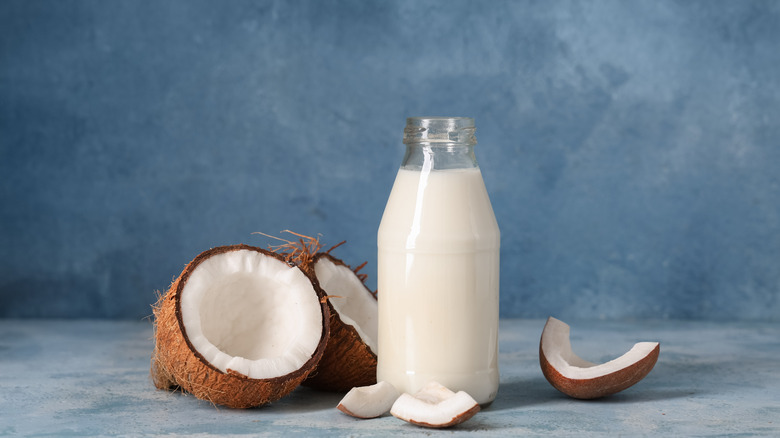
While people most often look to acids, enzymes, or mechanical methods to tenderize tough cuts of steak, making a steak more tender and enjoyable can also be done by adding fat to help seal in the moisture as it cooks. A great way to do that is with a good marinade, and coconut milk is an amazing base for all of your favorite marinade recipes.
Marinating meat is one of the most well known methods of adding flavor and tenderness to a cut of meat before cooking. Typically made with three basic components, marinades consist of seasonings, a fat or oil, and an acid or enzyme capable of breaking down the proteins in your steak. When you find an ingredient that helps satisfy not one, but two, of those ingredients then you know you're onto something.
Using high-fat coconut milk replaces the oil in a typical marinade, while adding a low-key sweetness along with a rich nutty flavor which can be a great way to upgrade and add depth to your chosen seasonings. The natural sugars and proteins in the coconut milk also help with browning your steak, while the fat helps retain moisture in the meat. Be sure that you buy a can of unsweetened coconut milk though, or else you run the risk of turning your steak into a dessert.
3. Pickle juice
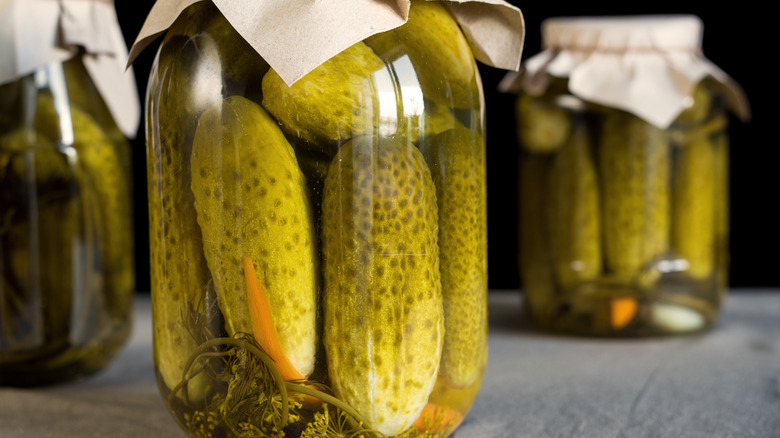
Pickle juice is an amazing flavor base that already comes with acid and seasonings built in to help make your next marinade more unique. Used as a brine, pickle juice is a great base for your marinades and needs little more than some fat for balance before you let your steaks soak.
While dill pickles are most common, it's easy to find garlic, jalapeno, and many other varieties that can all be enjoyed before their juice is drained to become the base of your next mouth-watering steak dinner. In many cases you'll want to add some extra fresh herbs or seasonings, but for those who absolutely love pickles, the brine can be used on its own if pickle is the specific flavor you're going for.
Whatever flavor you choose, just add some oil, touch up your seasonings to taste, and let your steaks marinate for anywhere from 30 minutes to a few hours before putting them on the heat. Bold flavors like black pepper, mustard, smoked paprika, or chipotle, can punch up the flavor and take it in a direction that balances out the bright tangy brine, especially if you used classic dill pickles known for flavor.
4. Chocolate
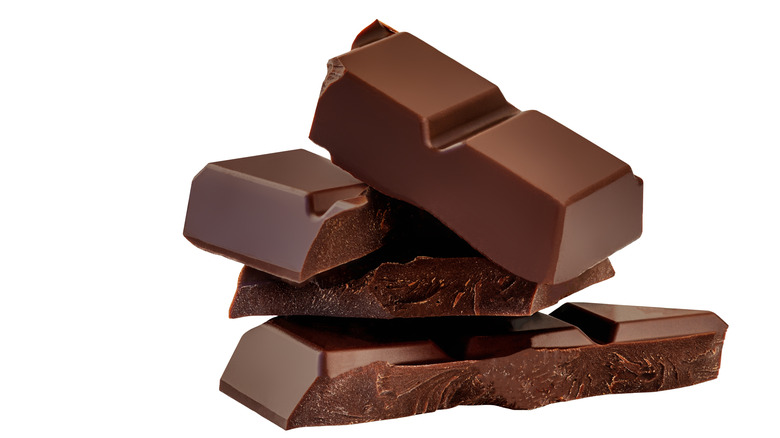
When most people think chocolate they think of candy. To be fair, that's understandable. Most of the time we hear the word chocolate thrown around, it's followed by other words; like ice cream, cake, éclair, donut, and other delectable treats you'd expect to find displayed in a bakery window. Chocolate, however, can also be an amazing steak marinade.
With its natural bitterness, earthy umami flavors, and rich flavor, chocolate or cocoa powder can make for a surprising and inspiring ingredient in your next marinade or finishing sauce for your next steak dinner. Dark or semi-sweet chocolate work best when grated and added to your spices while they also add sweetness to your steak, but if you don't want the sugar content the simple addition of unsweetened cocoa powder to your marinade or dry rub can give you the same bitterness and depth.
On its own, chocolate may not have the acidity or enzymes to make your steak more tender, but the natural ability of chocolate to complement sweet, sour, fatty, and bitter flavors means that it can work well with any flavors in your marinade without getting lost or taking over.
5. Soda

Putting soda on your steak may sound like a sixth grade science experiment designed to teach you a lesson in what not to do, which is why we're sure most people wouldn't find it on a list of things they should actually consider trying. Whether you're using unflavored soda water, your favorite cola, or a glass of sweet lemon-lime pop, that can of soda carries more benefits than you'd expect when it comes to both flavoring and tenderizing your steak.
While cola is sometimes used in bbq sauce recipes, lemon-lime sodas like 7-Up and Sprite are commonly used in some Korean dishes to add both flavor and a bubbly crispness to dishes. We already talked about how citrus and meat make a great pairing, and this is just another way to get the benefits of a bright citrus flavor while the acidity in the soda helps to break down the protein structure of the meat and make it more tender. Similarly, you get the same effect from a can of cola, but instead of bright citrus flavor you find a sweet spiced note to your steak that pairs with herby and spiced flavor alike.
If the idea of sweet, spiced steak doesn't appeal to you, then try some simple unflavored soda water as your next marinade. The carbonation still acts as a mild acid and helps to break down the meat and make it more tender without altering the flavor.
6. Coffee

While they may not make the most famous pairing in history, steak and coffee make a surprisingly natural couple. Like chocolate, coffee can bring a rich earthy aroma and bitter flavor notes to a cut of steak, along with a nutty flavor that comes from the beans having been prepared for brewing by roasting them beforehand.
Ground coffee can be used as part of a dry rub and pairs wonderfully with other savory or spicy seasonings like cumin, chipotle, black pepper, paprika, and the list goes on
Instant coffee can also be used in a marinade, perhaps with some red wine, molasses, and chili powder to add acidity and depth of flavor to tenderize the meat. Or try adding coffee into a sauce to glaze your steaks with. You can simply cook some coffee down in a pan with some balsamic dressing and a touch of maple syrup to make an amazing sauce, then add some lemon to make the rest into a bright and rich dressing for your salad on the side.
If bold flavors and well-charred steaks are your thing, coffee is an unexpected ingredient that feels novel and refreshing instead of strange or off-putting.
7. Bouillon

Bouillon may seem too boring and out-of-place to count as an unexpected ingredient, but it can give a massive boost to your steak's flavor when used. Packed full of concentrated umami goodness, bouillon adds meaty flavor and saltiness while enhancing the flavor of your steak without replacing its natural beef flavor.
When it comes down to it, bouillon is just concentrated broth. The flavor you get when you boil down all the rich essences of a meat or vegetable broth until the water is gone and you are left with nothing but the flavor. Professional and home cooks all over the world use this simple ingredient to help flavor broths, soups, sauces, and more. Even Professional Chef Marco Pierre White touted using bouillon as a way to create an amazing sauce for his steak au poivre.
Simply crush a cube or take a spoon of bouillon powder and add directly into your dry rub, or you can add it to a marinade by dissolving some in warm water before letting it cool and mixing it into the rest of your marinade ingredients.
While some may laugh the idea away, bouillon is pure flavor, and flavor reigns supreme in a good meal. As long as you use it correctly, this surprising addition will deepen flavor, add complexity, and make your cheapest cuts taste like the most flavorful you've had.
8. Apple butter
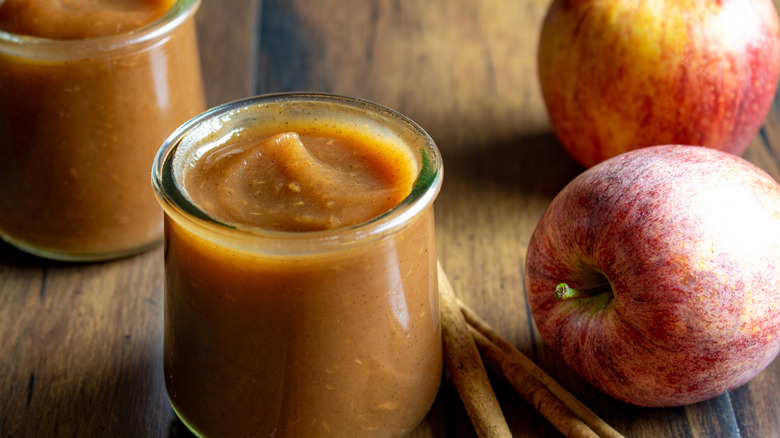
You may think apple butter sounds too sweet for a steak, but the spiced flavor can make it a surprisingly versatile ingredient. Unlike its less sophisticated cousin, apple sauce, apple butter is a thick, concentrated, and richly spiced spread made from cooked apples allowed to thicken and caramelize until the result has obtained a rich dark color and complex flavor. Heavy in cinnamon, cloves, and other warm spices, apple butter brings a fall flavor that complements savory dishes like steak perfectly.
There are a few ways to use apple butter effectively when adding it to your steak. For the most simple results, you can use it as a glaze. Just mix it with a little mustard, soy sauce, or even horseradish before lightly brushing it over your steak during the last few minutes of cooking. For another method, you can add it to a simple demi-glace, similar to an au jus but thicker, for an extra note to this simple yet classic steak topping.
Perfect for fall grilling, apple butter has a way of helping hearty and savory flavors stand out, rather than covering them up with its own sweetness. So, fans of sweet and savory flavors like traditional barbecue sauces will find this to be an amazing way to add flavor without risking your steak crossing over into dessert territory.
9. Tea leaves
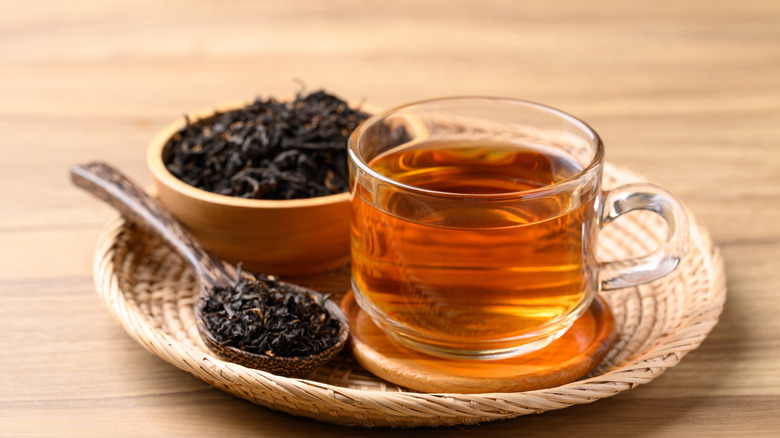
While putting leaves on steak isn't exactly a new idea, just look at rosemary, thyme, parsley ... the list goes on, but we bet you haven't considered using tea leaves as a seasoning before.
Tea leaves contain tannins, the chemical compound known for creating the astringent mouthfeel in wines and found in many common plants, which act as a natural meat tenderizer. Much like coffee, the rich earthy flavors you find in tea can enhance the natural flavors of your steak. In fact, some varieties of tea, like the traditionally smoked black tea Lapsang Souchong, can even be used to enhance your steak by adding a smokiness that makes even a pan-seared steak taste like it came directly from the grill.
Using tea leaves in your steak seasoning is simple, just add it to your dry rub spices, coat your steak in oil, and rub your tea based seasoning directly onto your steak. If you plan to let it sit and marinate for a bit, you can also mix the oil directly into the spices and coat the steaks before letting them rest for 15-30 minutes.
Another idea is to add tea leaves to your wood chips when smoking or grilling to infuse the meat with the nuanced but delicate aromatic notes tea is known for.
10. Maple syrup
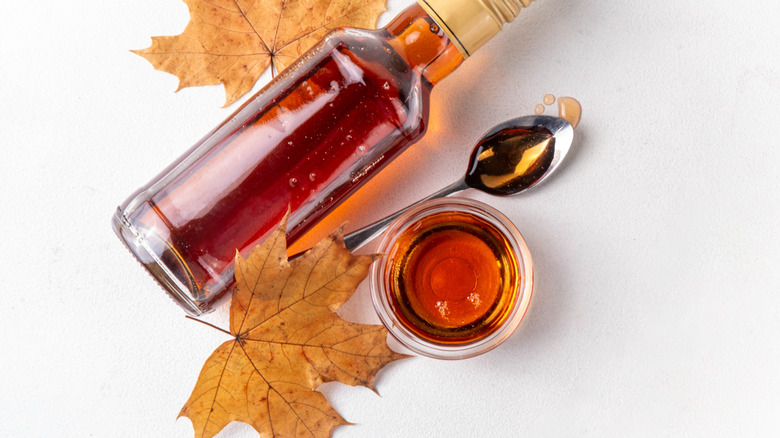
Because of its naturally rich sweetness and subtle smoky and nutty notes, maple syrup has a number of uses beyond pancakes. It can be a surprisingly complex and flavorful companion for steak.
Working best as part of a glaze or marinade, maple syrup can be mixed with a variety of other flavors, think soy sauce, mustard, vinegar, or even wine, to create a sweet-savory balance capable of enhancing the browning and crust on a steak while adding depth. For the easiest use, just whisk your syrup into your other marinade or glaze ingredients, and let your steaks absorb the flavor for 30 minutes to an hour. Then cook over a medium low heat, so as to stop the sugars from burning.
You can also season your steak with simple salt and pepper or your favorite mix before cooking on high heat as normal to create a rich crust on the meat before brushing your glaze onto your steaks in the last few minutes of cooking. This allows the meat to caramelize before adding extra sugars that risk burning if cooked at too high a heat.
Whether combining with smoky spices like chipotle and paprika, or with rich and mellow butter to make a simple finishing sauce, make sure you're using pure maple syrup rather than pancake syrup which doesn't have the same complex depth of flavor that real syrup brings to the table.
11. Milk
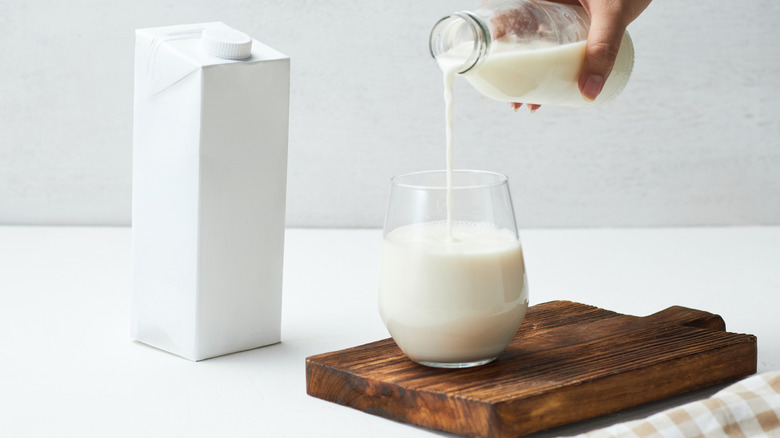
Don't knock it until you try it, but milk will actually help to gently tenderize steak while enhancing browning during cooking. Milk and other dairy products contain lactic acid which, like other acids, helps to break down protein chains and tenderize meat. Following this reasoning, you'll find that the same is true of most dairy products.
Yogurt has been used as a marinade ingredient for years for this very reason, however, milk also has a way of mellowing out and softening the sharp flavors used in many steak seasonings and marinades, which allow the natural flavor of the meat to shine without sacrificing the ability to add other flavors or your favorite seasoning blend.
Another surprising, even clever, option is milk powder. Whether added to your favorite dry rub or used alone with a touch of salt and pepper, powdered milk encourages browning while adding a subtle richness. Food-based content creator Guga Foods even tried out the technique and praised how effective it was.
Marinating in yogurt, soaking in milk, or dusting with powdered milk, the effects of dairy on your steak are both subtle and effective. It won't add massive flavor boost to your steak, but when working with inexpensive cuts it's sure to improve texture, appearance, and tenderness, all of which make a big difference in your final dish.
12. Mayonnaise
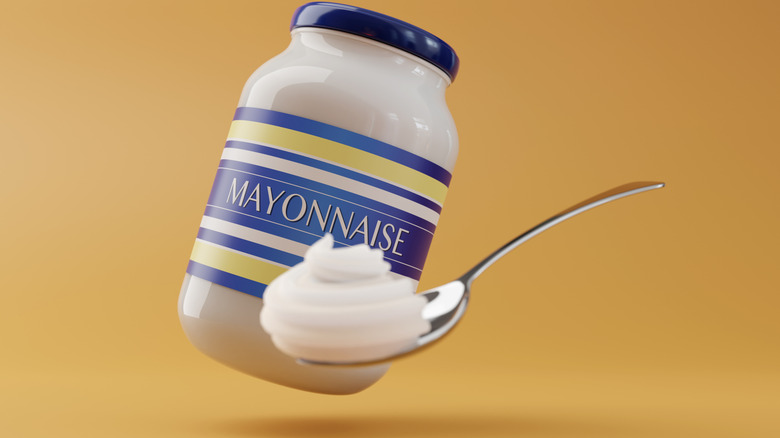
Surprisingly effective at making a steak pop, the fat content, light acidity, and subtle flavor of mayonnaise can really upgrade your next cut of meat.
When it comes to searing steak, everyone knows that the more browning you get on the outside the richer the flavor is going to be. After all, "brown food tastes good," as the late Chef Anne Burrell often said to novice cooks. The reason for this is the Maillard reaction.
As steak, or any food, gets to a certain temperature proteins, fats, amino acids, and sugars begin to undergo a chemical transformation that creates complex new flavors. The fats in mayonnaise melt out as they heat and sizzle to create that delicious crust you want to see on a good steak, while at the same time the sugars and proteins attach themselves to the outer layer of your steak and caramelize along with the meat itself.
When you combine the protective layers of fat and caramelized sugars to the outside of your meat much more moisture is trapped inside, allowing your finished steak to remain juicer and more tender after you take it off the heat. Just mix some of your favorite seasonings directly into your mayonnaise, spread a generous layer onto your steak, and cook as normal in a hot pan.