

The Biggest Mistakes People Make With Their Kitchen Knives
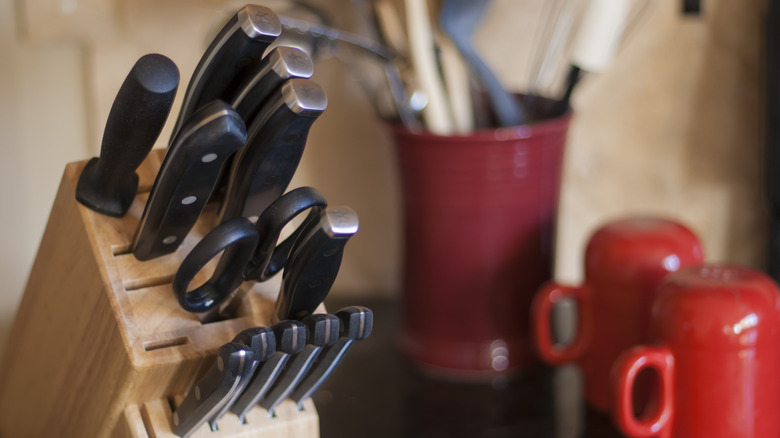
Unless you're a professionally trained chef, you might not know every rule regarding proper care for kitchen knives. In fact, there's an entire world of knife etiquette for keeping the utensils in good shape and lengthening their life cycle — much like how particular silverware is meant for certain foods, or certain glasses are meant for certain cocktails. In addition to guidelines around when to use particular knives, there are also safety precautions, cleaning tips, proper cutting techniques, and endless other dos and don'ts in regards to these stainless-steel slicers. While average home chefs aren't expected to have the professional skills and expertise of a culinary superstar, observing the rules of how to use, care for, and store your knives is still important.
Whether cutting up tomatoes for a quick salad or chopping through ribs straight off the grill, these 13 knife tips will keep you from making common kitchen mistakes.
Soaking knives in the sink
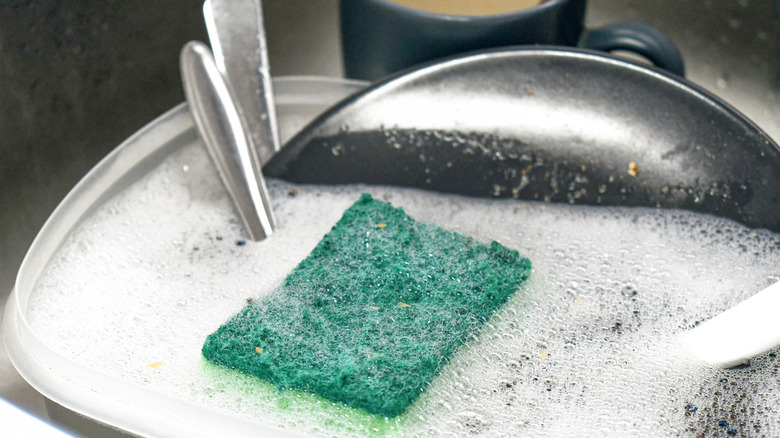
Once you finish cooking a meal, there's often an undeniable urge to toss everything in the sink to soak. Cutting boards, dishes, pots, pans, silverware and every other tool used during the process wind up submerged together in soapy water. While soaking dishes may streamline the cleaning process, many experts consider the pre-wash dip to be a horrible idea for knives.
Soaking knives is a surefire way to compromise their quality and effectiveness. Exposure to so much water can cause corrosion, rusting, and other irreparable damage to the blade. Additionally, the knife will inevitably bang into other kitchen items, which can chip, scratch, and bend the utensil.
Allowing knives to soak under the bubbles and then fishing around in a sink with low visibility is a bad idea as well. Many knives also have wooden handles or similar materials that don't fare well after being wet for an extended period of time. They can swell and crack, destroying the handle completely.
Putting knives in the dishwasher
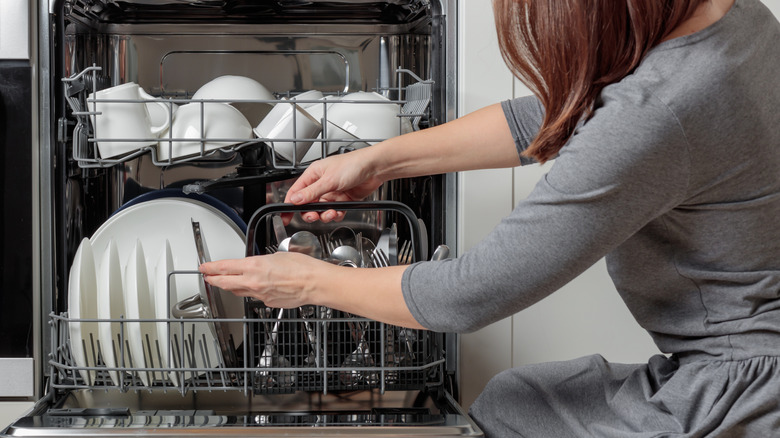
If soaking kitchen knives in a sink of soapy water is a bad idea, putting them in the dishwasher is even worse. This exposes them to all of the dangers associated with sink soaking, and then some. The prolonged contact with water — plus the added elements when using a dishwasher — are a huge no-no. The copious amounts of water which stream through a dishwasher can yet again compromise the knife's blade and handle.
Rust, corrosion, and the other dangers of soaking are still present. The dishwasher also adds heat to the mix, which impacts the glue keeping the blade and handle attached. If this isn't enough trauma for your poor kitchen knives, dishwashers also expose them to abrasive chemicals that can jeopardize overall integrity.
Since blades can't be soaked or put in the dishwasher, the best way to clean knives is good old-fashioned hand washing with gentle soap. By design, knives have a tough exterior. However, they are more fragile than most would think, and washing them the wrong way can ruin longevity.
Keeping knives in drawers with other utensils
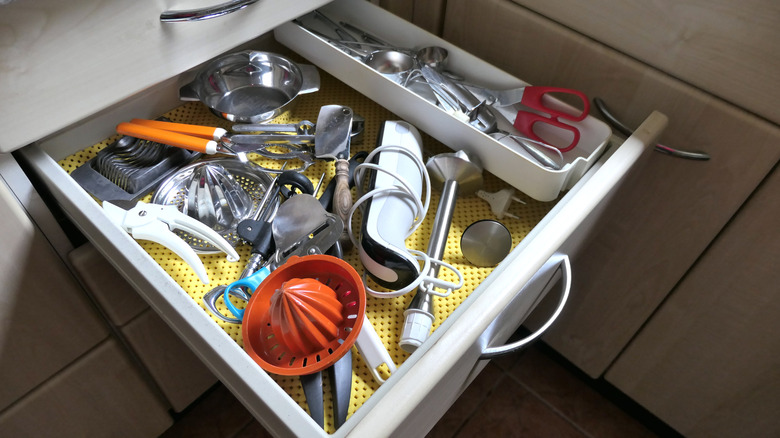
If not evident from the first two tips, it's important to remember that kitchen knives need some space — they just don't play well with others. Similar to an overcrowded washing scenario, tossing knives in a drawer with a bunch of other cooking utensils is a bad move. What might seem like convenient storage is an easy path to damaging the blade.
Investing in high-quality knives and then bouncing them around in a drawer with turkey basters, serving spoons, and other kitchen tools is a big mistake. Without secure storage, kitchen knives will bang against the other utensils and wind up with scratches and dings, ruining the blade's quality. Instead, secure knives safely and in a way that won't compromise longevity and effectiveness.
Whether or not you've found a way to expand your counter space, there are numerous methods to responsibly store kitchen knives. Knife blocks, blade sheaths, magnetic strips, knife safes, and other storage solutions are all viable options. Any one of these are better for the knife than being trapped in a communal drawer.
Not sharpening the blade
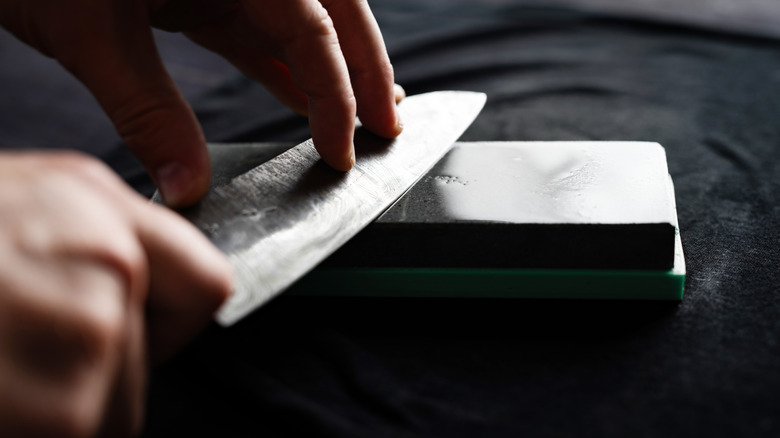
It's easy to look at a sharp, glistening blade and immediately understand the danger. However, many don't realize that dull knives can be even worse for safety in a different manner. While a properly sharpened knife can slice with no problem, a dull knife requires much more physical pressure. The work needed to use a dull knife effectively can lead to slippage and unwanted kitchen injuries.
Regularly sharpening kitchen knives is a cornerstone of proper care and maintenance. It allows more ease in cutting and chopping, maintains overall quality, and grants the knives more longevity. You can do it yourself with a tool called a whetstone. If this seems too daunting of a task, there are countless knife-sharpening services where an expert can handle the job and get you ready for slicing and dicing. The sharper the better, because a dull blade is not a safe one.
Not properly honing knives

With the importance of properly and consistently sharpening blades in mind, it's time to talk about honing. Honing is not the same as sharpening, and both are equally important to maintaining the integrity of knife blades.
Honing also requires a specific tool you probably already have without realizing. You know that steel rod usually found smack in the center of your kitchen knife block? That's for honing blades. At a 15 to 20 degree angle, simply run the blade down the rod. As opposed to grinding the blade down, this increases the knife's cutting power and refines the edge. Honing is basically the hype man to sharpening's main event.
It's natural for blades to experience wear and tear with continued use. Over time, knife blades can warp and become misshapen. Honing fixes this degradation by aligning and straightening the blade; sort of a chiropractic adjustment for kitchen knives.
Cutting on hard surfaces
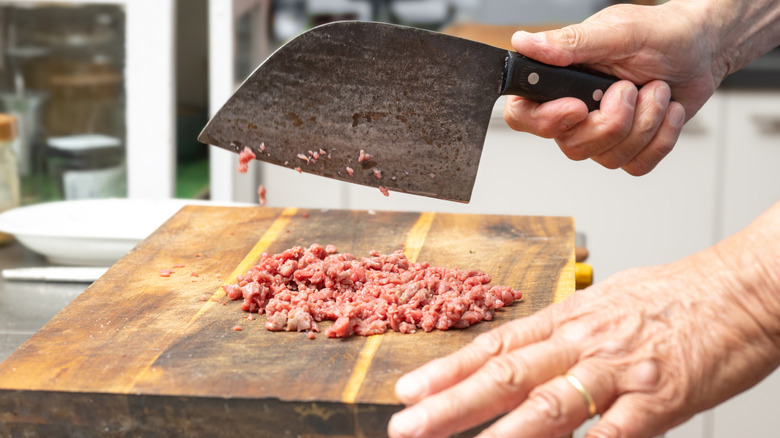
Before you start slicing and dicing on a new cutting board, take a moment to consider the material. Stone, glass, and bamboo boards might seem fancy, but can all leave a blade dull. As indestructible as knives can appear, cutting on the wrong material will affect the quality.
Avoid hard surfaces such as marble, granite, and glass. In particular, glass cutting boards create unseen dangers like slipping and chipping. Anything considered stronger or more durable than a knife blade is immediately off limits when cutting. Plastic, while better for the blade, is still not ideal , since slicing will create bacteria-collecting crevices as well as releasing microplastics into food.
The best surfaces for kitchen knives are cutting boards made from end-grain wood . Look for the butcher block style with the end-grain facing up. In particular, the vertical wood fibers offer higher durability and allow the knife's blade to pass through without causing damage.
Selecting the wrong knife for the job
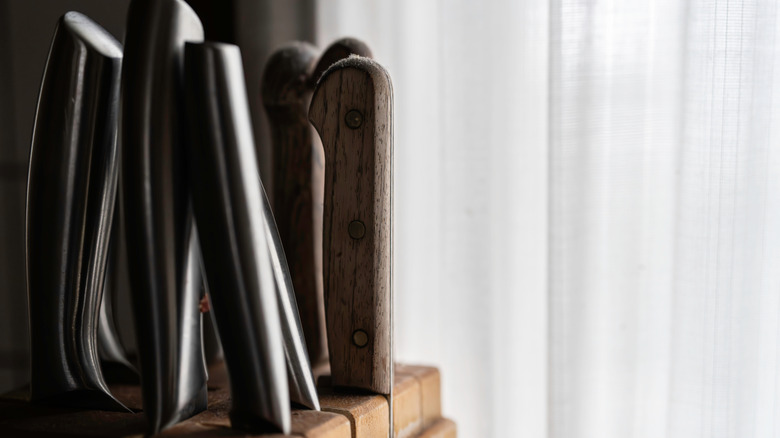
Not all knives are meant for all jobs. There are subtle nuances between blades, size, materials, and other characteristics. Each type is specifically crafted to achieve something different. At a restaurant, red wine, white wine, champagne, and cocktails are usually served in different types of glassware. You wouldn't want your cabernet to come out in a coffee mug, and similarly, you shouldn't slice into your chicken breast with a serrated bread knife.
Casually grabbing whatever kitchen knife is closest to you does not do your meal, or more importantly your blades, any justice. Before you cut, dice, chop, or julienne anything, take the time to select the proper knife and make sure you do it right — however, any knife can be used to rid your hands of garlic smell.
It's not all about aesthetics, as choosing the proper kitchen knife is also important for personal safety. Knives are all designed to cut certain things in certain ways, and the incorrect application can result in easily avoidable accidents. The same knife that allows for finely chopping an onion is not the same used for filleting a fish.
Holding knives incorrectly

Even the greatest knife can fail thanks to human error. The wrong grip or sloppy technique can trash solid knife work, as well as opening to door to accidents or injuries. No matter the dish, handling a knife properly is paramount.
For anyone cooking at any level, it's important to understand how to handle knives like a pro. When planning and executing a beautiful meal worthy of Instagram status, do yourself a favor and make sure you know how to properly handle kitchen knives first. This is not the right time for a "fake it 'til you make it" mentality.
For example, consider vegetable prep and what kind of cuts will cook better. If haphazardly chopped in all different shapes and sizes, the greens won't have the same end result as precise, uniform slices. Consistency is key for even cooking and aesthetics, and both directly relate to skill when using kitchen knives.
Using kitchen knives to cut non-food items

We've all done it: You walk in from work, grab the packages by the front door, and plop them on the kitchen counter. You reach for a kitchen knife and slice through the packing tape and cardboard without a thought. Or maybe the plastic packaging on an item is tougher than Fort Knox, so you grab a knife for the job. Both of these are textbook examples of how to ruin the integrity of a blade.
Knives should be solely reserved for food items, and even this general rule leads to more specific use cases. For example, everyday kitchen knives should never be used to cut through ice or bones in food, as both have bespoke tools. The more a knife is used — especially for non-food materials — the duller the blade becomes.
All kitchen knives come with an expected life cycle, but using them for tasks like opening boxes will inevitably shorten that period. A good set of knives can last on average anywhere from 2 to 15 years. Some may even last a lifetime, as it all comes down to how they are used and maintained.
Using steel wool to clean knives
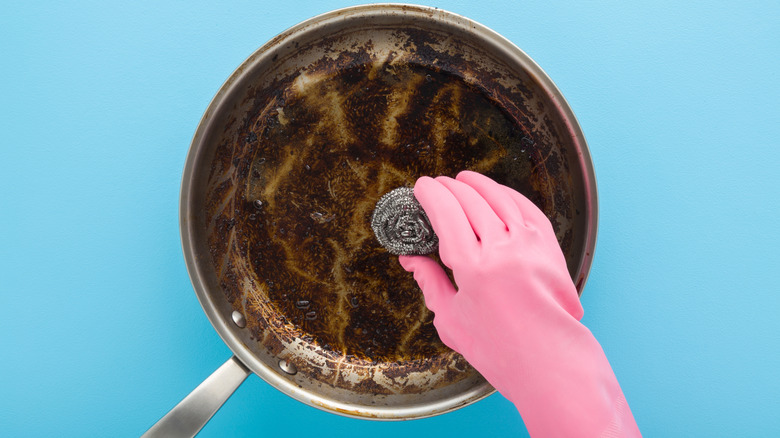
Never use steel wool to clean your kitchen knives, as their blades require a softer touch. Knives should always be washed delicately, by hand, and abrasive steel wool is the inherent opposite. Instead of a clean blade, the knife will be left with scratches and imperfections.
Kitchen knives are not always as durable as they seem. Sure, they can slice clean through a tomato with grace, but cleaning requires a touch of gentleness. Anything other than a light touch will hurt the ability to keep blades sharp and handles intact.
The longer food particles remain on the knife, the harder it becomes to remove them gently. The quicker a knife is cleaned after use, the easier it is to get everything off it — so there's no need for a cleaning tool as aggressive as steel wool. Make swift cleaning a priority to preserve your knives and your sanity.
Buying cheap knives
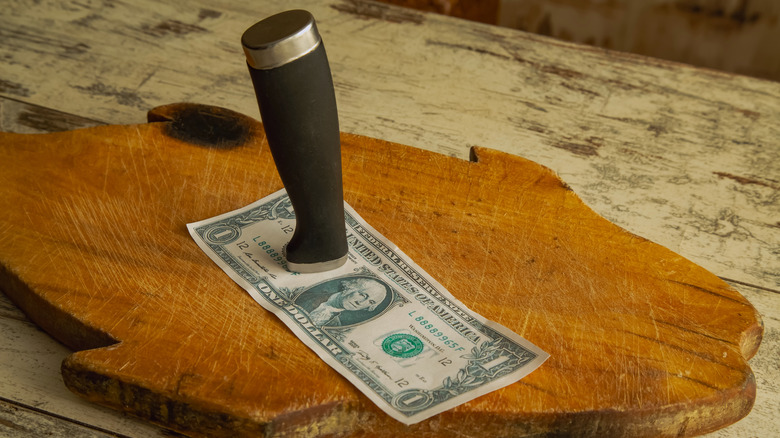
Kitchen knives are a prime example of getting what you pay for. Does this mean you have to remortgage your house to pay for an extravagant set of kitchen knives? Absolutely not — but don't skimp too much in this area. Cheap knives are typically crafted using cheap materials, and don't have the same properties as higher quality ones.
Budget knives also require more frequent sharpening and will not last as long overall as their more expensive counterparts. This difference in quality mostly relates to the craftsmanship of the blade and handle. Cheap knives are often fashioned using budget-friendly stainless steel for the blade, and go dull faster. Kitchen knives of better quality have blades made from superior materials, such as carbon steel. As such, they command a higher price tag. For frequent chefs, kitchen knives are well-worth the investment. They are the foundation of all cooking needs, regardless of if the meal is made professionally or in your own kitchen.
Using the blade to scrape
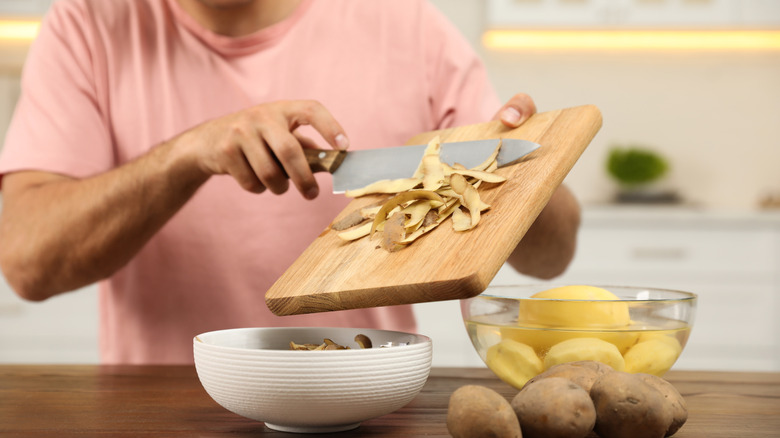
Ever take a kitchen knife after chopping vegetables and use the blade to scrape everything into a pan? It's an automatic action that many don't think about, but also one that can be disastrous to knives. What seems like a simple scrape — also known as corralling — will decimate a blade over time.
Knives are specifically designed to cut in a vertical motion. When they are scraped in a sideways motion, the blade is immediately compromised. It's a similar sort of degradation that occurs when using the knife to slice open a cardboard box.
Corralling is a common habit many people employ while cooking, but it can lead to the demise of kitchen knives. The scraping motion will eventually disfigure the blade, and dull it much faster. Anyone who can't break the habit and fight their urge to scrape should flip the knife and use the spine instead.
Not using mineral oil on the blade

Knives need TLC too. Proper use, cleaning, sharpening, and honing of the blade are all crucial to keeping kitchen blades sharp and effective. However, there's another finishing touch that gives your knives the true VIP treatment.
Food grade mineral oil provides another layer to kitchen knife care rituals. The oil helps keep the blade sleek and strong, and nurtures the handles as well. Make sure the oil is food grade, and remember that a little goes a long way. Just a few drops directly on the blade will do the trick. Clean fingers can be used to spread it on the blade — just be careful and push oil away from the blade's edge.
Mineral oil is also great for wooden handles on kitchen knives, and can be rubbed all over just as on the blade. Excess mineral oil should be wiped away carefully when spreading is done. It's recommended to wait 24 hours after using oil on the handles, giving it time to seep in and do its job.