

11 Beloved Boomer Meals That Satisfy The Whole Family

Ask a boomer to make dinner in a hurry and odds are they have a list of dishes that they could whip up without ever looking at a recipe card. Meals like casseroles, pot roasts, and sloppy joes aren't fussy or trendy, but they are built for uncomplicated comfort cooking. And, underneath all that convenience is real technique too, passed down through church cookbooks and family recipe boxes long before anyone thought to write it down properly.
For boomers, growing up the main focus was always convenience and budget, often stretching one pound of ground beef or one can of cream soup into dinner for six. A dish that came together fast and fed a crowd was worth more to a busy household than one that looked impressive but took all day. And, that's exactly why these 11 recipes are worth making again now. With easily available additions, like quick-set Jell-O or boxed cake mixes, be prepared to be wowed with classic dishes served with a hefty shot of nostalgia.
Casseroles
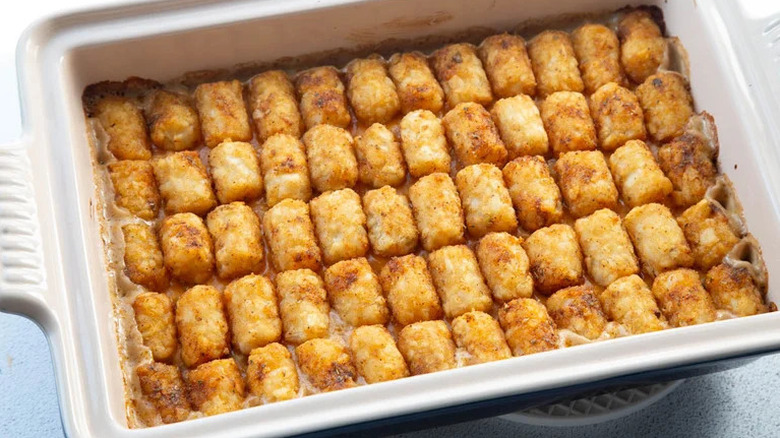
Much of the boomer recipe repertoire fulfilled one very specific requirement — how to feed multiple people easily and on a budget. Post World War II, when canned goods became a popular pantry staple, many companies started incorporating recipes on the labels. Suddenly a condensed cream of mushroom soup mixed with rice and beans became a weeknight staple. A chicken soup with pasta and cheese was a meal fit for a potluck. All casseroles demanded was a can, a protein, some vegetables (if at all) and tons of cheese. This range is honestly what made casseroles so beloved. As the decades progressed, the recipes became more involved and a lot more regionally specific as well. Texas households had their King Ranch chicken casserole, layered with tortillas, chiles, and a creamy sauce. Sitcoms may have made fun of the humble tuna casserole, but it continues to be a weeknight dinner workhorse.
A good casserole is still one of the easiest ways to feed a crowd on a budget, and there's something genuinely comforting about a bubbling dish pulled straight from the oven that a trendier dinner rarely replicates. This Cowboy Casserole, for example, mixes ground beef, corn, and green chiles, along with the ubiquitous cream of mushroom soup, all crowned with a crunchy tater tot topping. Perfect for a party and, more importantly, for delicious leftovers the next day
Pot pie
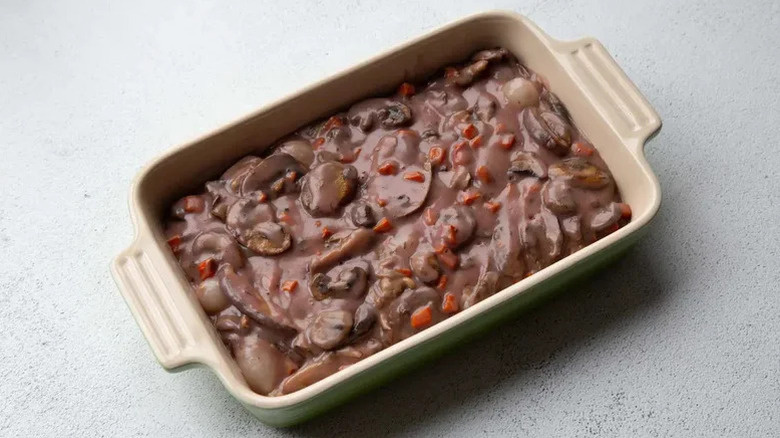
Truth be told, the pot pie has been around way before the boomers made it popular. It can be traced back to the European meat pies that colonists brought over. Over time, these simple, hearty meals were adapted to whatever ingredients were on hand. In the post war years, pot pies became an American dinner staple and appealed to anyone looking for a convenient and easy meal. Frozen food companies started mass-producing individual frozen chicken pot pies in the 1950s, and suddenly what would have once taken hours of rolling dough and baking, was ready in a matter of minutes.
Boomers loved it for its ability to feed a crowd or even one person thanks to individual versions being available. A pot pie delivered meat, vegetables, gravy, and crust, all in one self-contained package — no side dishes required, no extra pots to wash. The fillings soon became a place where creativity reigned. Today, you can indulge in vegetarian versions, like this mushroom pot pie, that gives the format an earthier, meatless spin without losing what made it comforting in the first place. You have tender vegetables and herbs folded into a creamy sauce, all wrapped in a flaky pastry sheet that can be pulled straight from the freezer and into the oven.
Recipe: Earthy Mushroom Medley Pot Pie
Sloppy Joes
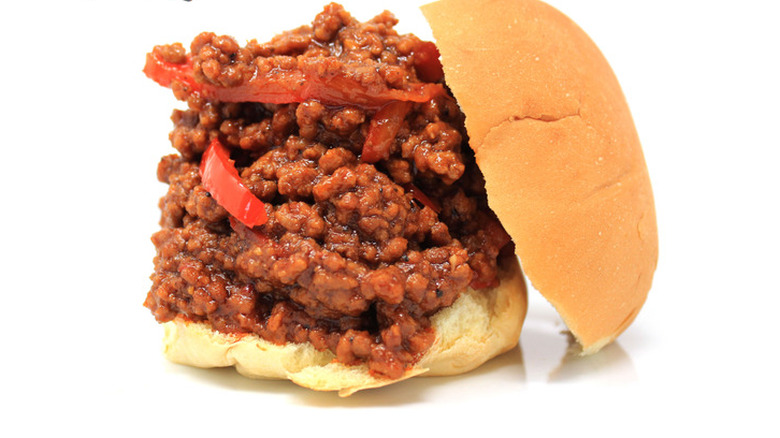
Legend goes that sloppy joes can be traced back to a diner in Sioux City, Iowa in the 1930s. Back then a "loose meat sandwich" is what Midwestern diners had been serving for years. Tomato sauce was thrown into the mix of loose ground beef and sandwiched between bread buns and you had the sandwich boomers grew up on. In 1969, Hunt's launched Manwich — cans of tomatoes that were added to browned ground beef and dinner was basically done.
As you can imagine, ground beef was cheap, and the combination of tomato sauce stretched it even further. No technique was required and it fed a table without complaint, naturally hitting that sweet spot of sweet, tangy, and savory that's hard for anyone to turn down. School cafeterias soon hopped on the bandwagon, and a generation of kids grew up with Sloppy Joes as a lunchtime staple. The appeal hasn't faded either, though thankfully, it's just gotten more room to experiment. Many prefer to build their sloppy joe mix from scratch, leaning into an even sweeter flavor profile. This recipe creates a more caramelized version by swapping some of the tomato base for cola. The sugar in the soda concentrates as it cooks down, and the ketchup's tomato-onion-garlic savoriness becomes enhanced. It's still the same idea it always was underneath, loose, saucy, ground beef, piled high on a soft bun, eaten a little messily and enjoyed every time.
Recipe: Cola Sloppy Joe
Chicken Divan
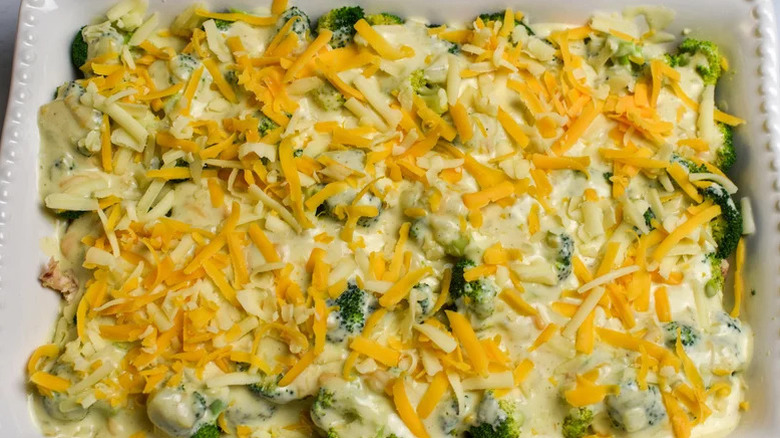
Now Chicken Divan is a genuinely retro dish! Despite it sounding fancy and French, it was first created at a New York restaurant sometime in the early 20th century. And, while the original recipe was never tracked down, home cooks started trying to recreate this restaurant favorite and it made its way into kitchens across the country in the 1950s. Built from chicken breasts, broccoli, parmesan, and a rich white sauce, home cooks soon took shortcuts involving canned cream soup (surprise, surprise) or package-mix sauces. The dish basically felt special and had a fancy-sounding name, without needing restaurant skills or an afternoon of prep.
And, while it may now have been relegated to the "chicken and broccoli casserole" category, it's a shame, because the basic recipe still holds the test of time. In this version, the sauce is built from scratch rather than reaching for canned soup. Modern additions, like curry powder, and using Parmesan and gruyere instead of regular cheddar cheese is what helps elevate the dish. The result is lighter, yet still comforting. All you need is a side of rice or potatoes and this boomer classic is bound to charm even a table of modern tastebuds.
Recipe: Elevated Chicken Divan
Meatloaf
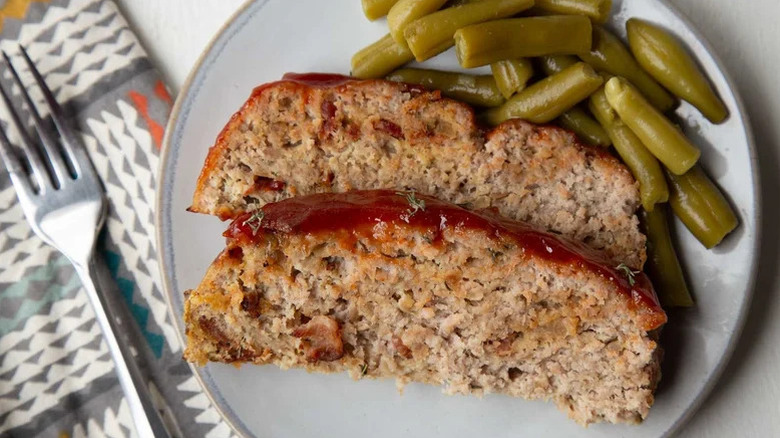
The meatloaf may have it roots in Europe, but for the boomers, this is a dish that they grew up with and is distinctly American in spirit. Good old (cheap) ground beef makes an appearance again, but this time it is stretched to last longer and feed more by padding it out with breadcrumbs and eggs and glazing it with ketchup for that snazzy finish. Families chose meatloaves to fed a crowd without draining the grocery budget, plus it was forgiving and super easy to make, needing nothing more than a mixing bowl and a loaf pan. Add to this the fact that it reheated beautifully, which made it just as good the next day tucked into a sandwich.
The recipe proves that meatloaf still deserves its spot on the table, and can be made lighter and more modern without lessening the comfort factor in any way. Here, lean, ground turkey stands in well for beef, appealing to anyone steering away from red meat, while crispy, fried bacon crumbled into the mixture gives it a welcome smoky depth. Top it with a ketchup glaze mixed with brown sugar and Dijon mustard, and it's every bit as satisfying as the original, just built for a modern palate.
Recipe: Turkey And Crispy Bacon Meatloaf
Meatballs
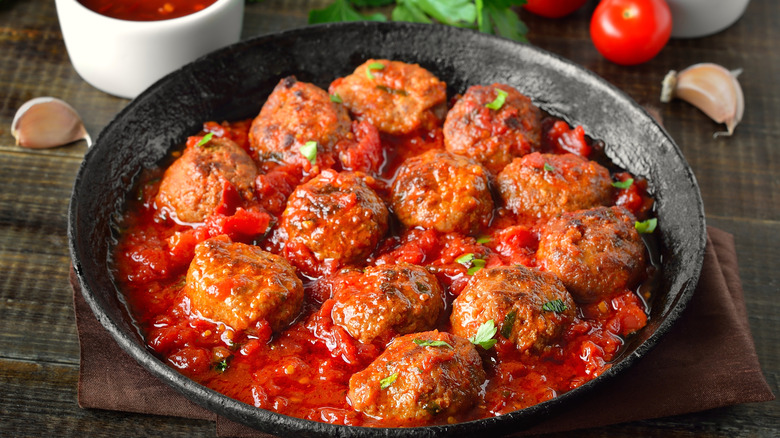
Italian immigrants were responsible for several new dishes being introduced to the American kitchen. Meatballs were one of them and they continue to delight, showing up on Sunday dinner tables, tucked into subs, or simmered for hours in a big pot of sauce before a family gathering. Needless to say, the meatball version boomers grew up eating was built on convenience. A jar of pasta sauce tossed with meatballs and you had the kind of dish a parent could pull together after work without much fuss.
They were also highly adaptable to whatever a household's background was. For example, Swedish meatballs were draped in a creamy gravy, rather than a savory tomato-based sauce. Party buffets always had that one platter of sweet-and-sour meatballs usually built from little more than grape jelly and chili sauce. Generations down the line, meatballs have evolved into highly personal recipes with very strong opinions on what belongs in them. Some cooks swear by an all-beef mixture, others insist a 50-50 beef and pork blend is the only way to get the right texture. The trick is getting the correct mouthfeel where the meat is packed in, but never too densely. Bouncy, juicy, and flavorful is what this recipe aims for, and with clever additions, like a chopped onion and dry breadcrumbs, you can stretch a pound or two of ground meat across a whole family. As a bonus, they froze and reheated well without losing much.
Recipe: Jeff's Pork & Beef Meatballs
Chili
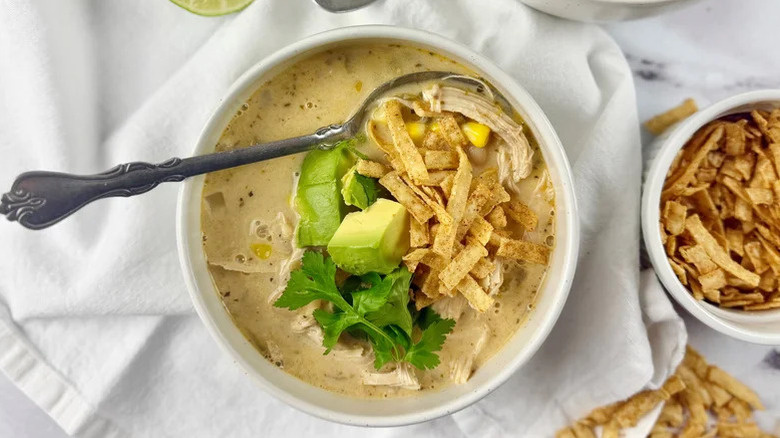
There's a specific kind of nostalgia tied to chili. Ask a boomer what they remember coming home to as a kid, and you probably will get the answer — a steaming batch of chili simmering on the stove. While the dish has its roots stretching back to 19th century Texas where women sold bowls of spiced and stewed meat, the dish evolved over the years, entering home kitchens with canned versions hitting grocery stores. Soon, bowls of ground beef simmered low and slow with tomatoes, chili powder, and whatever beans or peppers were on hand were found on almost every family menu rotation.
A genuinely flexible (and filling) dish, chili earned its place at the boomer table because it was cheap to make and endlessly adaptable. Plus, it fed a crowd without demanding any real effort. It's worth keeping in regular rotation today for exactly those reasons. The good part? You are no longer restricted to the meat and tomato versions of old. Today, this creamy white chicken version, built on cannellini beans, chicken, and a milder chili base, proves that a bowl of chili continues to evolve and, more importantly, offers a hearty, comforting bowl for kids and adults alike.
Recipe: Creamy White Chicken Chili
Stroganoff
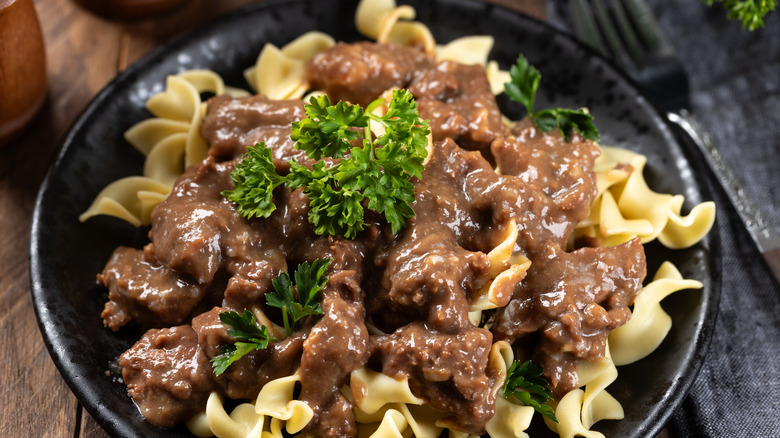
Beef stroganoff traces back to Russian nobility, but the dish first started showing up in American restaurants in the 1930s. One theory proposes that soldiers serving in Europe during the war came back craving the stroganoff they had tasted overseas. The dish hit its peak popularity during the 1950s and 60s when every restaurant offered this mix of beef, onions, and mushrooms served with egg noodles on its menu.
What cemented its nationwide popularity however, was the introduction of instant versions in the 60s and 70s. Manufacturers figured out how to compile the whole dish into a single packet. Suddenly, a previously upscale dish was accessible to families on a budget and those strapped for time. It's part of why stroganoff shows up in practically every mid-century church cookbook, right alongside the casseroles and meatloaf recipes of the same era. Beef stroganoff is still a pretty inexpensive recipe since the cuts of meat used don't need to be fancy. Thanks to basic pantry staples, like flour, broth, and sour cream, and the use of slow or pressure cookers, you have a relatively hands-off recipe that is built to impress. And, while it may not be the prettiest dish to look at, recipes like this Instant pot version taste delicious and feel like a hug in bowl on a cold, blustery night.
Recipe: Instant Pot Beef Stroganoff
Pot roast
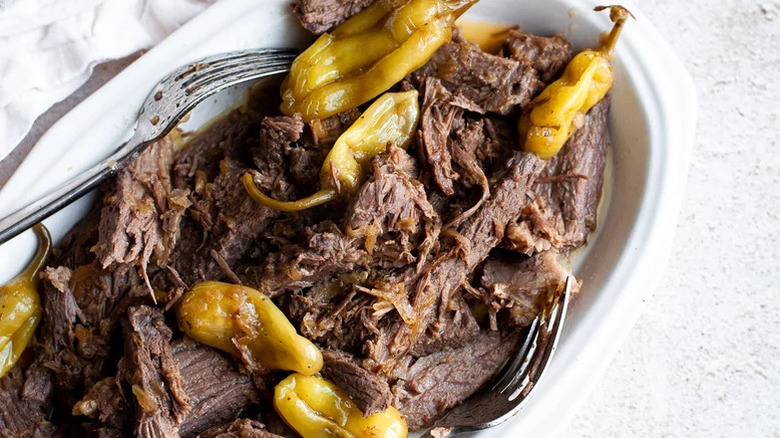
When tougher, cheaper cuts of beef, like chuck, became widely available at the butcher counter, cooks turned to longer, slower methods of cooking. Braising meats low and slow prevented stringy, unpleasant meat dishes and created recipes that were tender and comforting. Soon, the quintessential boomer Sunday dinner consisted of a pot roast where the smells of simmering beef and vegetables welcomed families around the table. Make no mistake, this wasn't a dish you rushed. It was one you started early and let take care of itself.
When slow cookers entered kitchens (in the not so distant past), this hands-off quality got significantly easier. Suddenly the fixings of a pot roast could go into a cooker before anyone left for work, and dinner would be ready by the time everyone made it home. Italian versions still prefer the stovetop to the oven for a braise built on red wine, tomatoes, and plenty of fresh herbs. And then you have modern, speedier versions, such as this recipe, which captures the boomer-era spirit perfectly. It only takes a handful of pantry staples, a stick of butter, onion soup mix, ranch seasoning, and a jar of pepperoncini, cooked low and slow until the meat falls apart on its own. Ultimately, perfect proof that pot roast never needed to be complicated to earn its spot at the table.
Recipe: Mississippi Roast
Jell-O
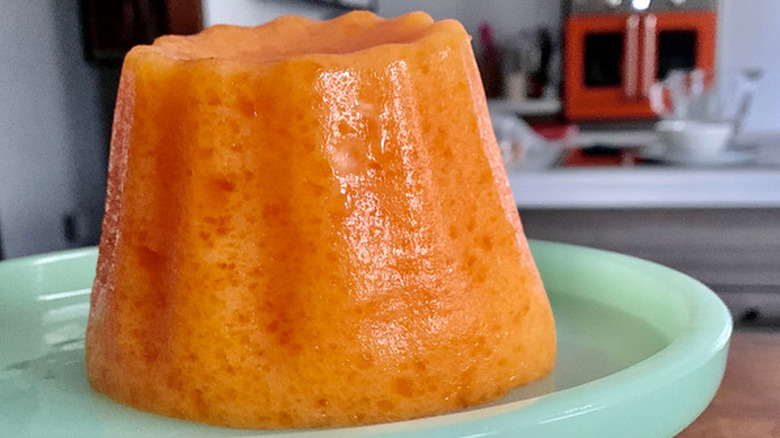
Molded Jell-O became something close to a status symbol at the midcentury American dinner table. Every table in the 50s and 60s would have a perfectly molded, jiggly, gelatin creation as the focus of a the party table — evidence that the hostess had both the patience and the skill to pull off something a little theatrical. Cookbooks during the time pushed these recipes hard and soon people were suspending almost everything they could get their hands on amidst a perfect gelatin backdrop. The famous Watergate Salad, built from pistachio pudding, marshmallows, whipped topping, and pineapple, became a beloved potluck staple in its own right.
The fact that it was no longer confined to desserts made it all the more appealing. Canned fruit, sliced meats, cubed vegetables — nothing was safe from these wobbly, colorful molds. It gave home cooks a way to stretch pantry staples into something that looked far more elaborate than the effort it actually took. Jell-O still deserves a spot on a nostalgia-driven table today. This simple, three-ingredient recipe keeps that spirit alive without demanding too much time. All you need is orange sherbet Jell-O for an easy, citrusy, palate cleanser that elicits the same wondrous reaction it did all those decades ago. Make it and make your boomer parents proud.
Cobbler
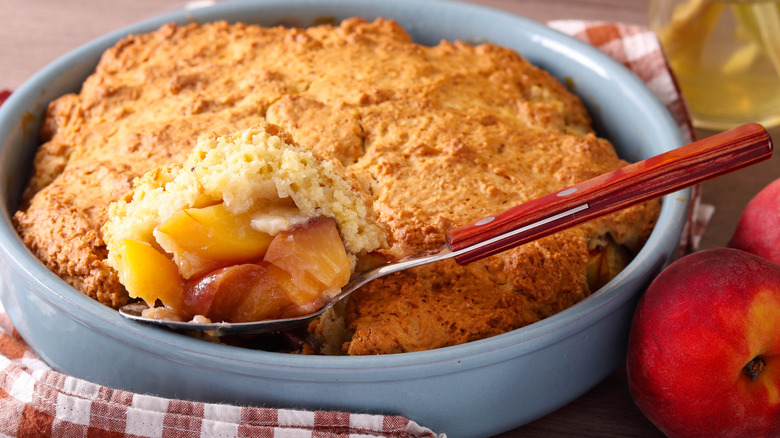
Cobblers were born out of necessity rather than tradition. While early settlers improvised dropping dropping spoonfuls of biscuit dough over stewed fruit due to a lack of proper pie crust ingredients, the dish's popularity grew because it was so much more forgiving than that of a traditional pie. No crimping, no lattice — just fruit and dough baked until bubbly and golden.
With the introduction of the boxed cake mix to American grocery shelves, an even easier version was born. All that was asked of you was to dump canned or frozen pie filling into a dish, sprinkle dry cake mix over the top, add pats of butter, and bake. It's the kind of dessert that can still be pulled together in minutes, making it a no-fail choice for boomer households juggling work, kids, and everything else on a weeknight. Using cake box mixes for your cobbler offers a whole load of experimentation as well. Pair sweet fruits, like peaches, that barely need extra sugar with vanilla or lemon cake mixes. Tart fruit, like berries, could be combined with a richer chocolate cake mix for an unusual interpretation of this boomer classic.
Recipe: Cake Mix Cobbler