

7 Best And 4 Worst Tequilas From Costco, According To Experts
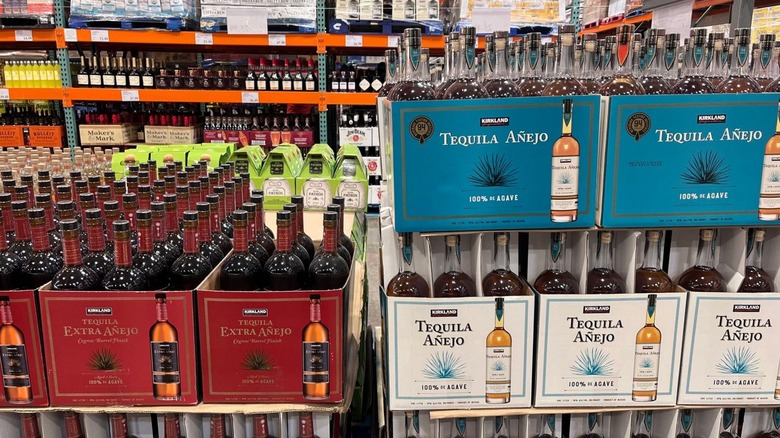
There's no doubt that Costcos everywhere are a wonderland for those looking to save a few dollars on their weekly grocery list. But for some lucky ducks, Costco is also a haven for those who want to grab some tequila on their way to the checkout. Unfortunately, you should be warned that not all Costco locations have alcohol (including tequila) available for purchase for a few different reasons. Some states may allocate a limited number of liquor licenses per business, while others have a government board strongly regulating the stores that can sell alcohol. In other words, you may want to cue up a strongly worded Google search on Costco, alcohol, and your state laws to confirm where yours stands before continuing to see all the products you're missing out on.
But if the stars and bureaucracy have aligned and you are in a state where this is possible, you may realize in the tequila aisle you don't even know where to start. There are a surprising number of tequila brands at Costco, though these may vary by location. To help us narrow down the ones that truly shine — and those to avoid — we've turned to some experts for assistance. The experience of Victor Tenorio, beverage director at Fat Rosie's taco and tequila bar, paired with that of Chris Mottler, a certified ITA tequila sommelier, and Lauren Castaño, a tequila sommelier and digital creator, has given us some serious knowledge on the topic.
Best: G4
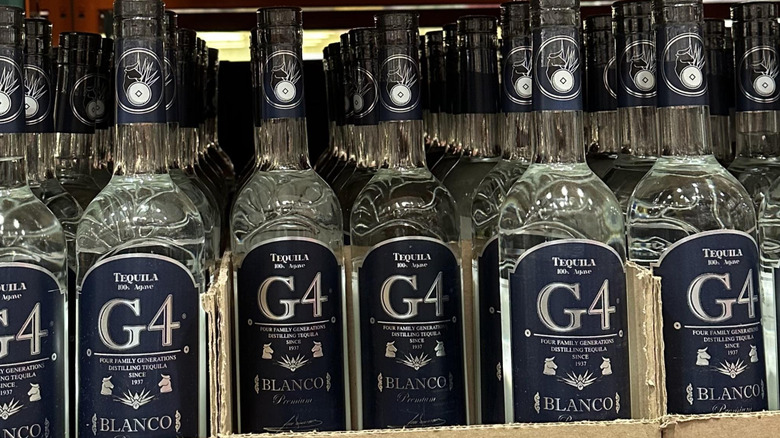
While the G4 bottle has a classy and attractive design, it seems that the tequila inside has a flavor to match. Victor Tenorio mentions G4 as one of his favorites, saying, "I am a big additive-free tequila fan." Lauren Castaño agrees with this sentiment, further mentioning, "It's an agave-forward tequila that represents the highlands of Jalisco; even [the brand's] aged expressions showcase the agave beautifully."
If you aren't sure what additive-free means, additives are additional ingredients incorporated into the tequila during the creation process. They can alter the final product by turning it a different color or changing the flavor, including extracts, sweeteners, and caramel color. While they aren't inherently bad, some prefer to shop for additive-free varieties. This way, the natural flavor shines through and isn't tarnished by artificial flavoring.
It is important to point out that incorporating additives into tequila is a regulated process. There are strict guidelines for tequila makers to follow in general, but additives must be less than 1% of the final bottle weight. Castaño continues, "Certain mellowing additives, referred to in the Norma as abocantes, are permitted under Mexico's tequila standard ... which is overseen by the Consejo Regulador del Tequila (CRT)." In the world of tequila, the "Norma" is Mexico's governing document for tequila production.
Worst: Don Julio
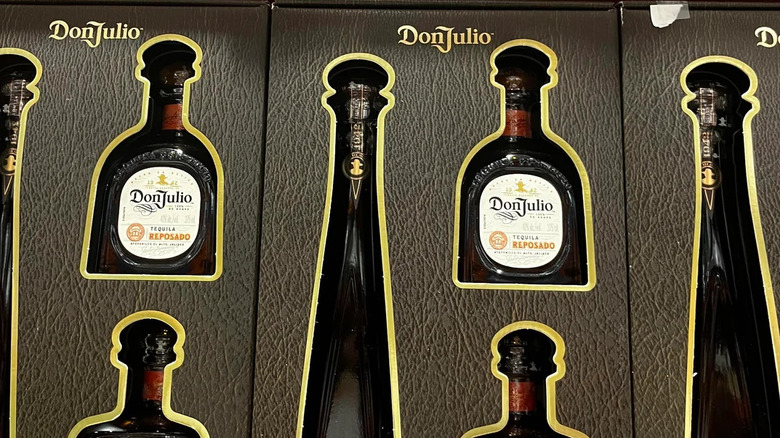
Even if you aren't a tequila fanatic, you may still have heard of Don Julio from the collaboration between Popeyes and the brand back in early 2025. The unexpected pairing had everyone and their dog wondering how to order a Popeyes Don Julio tequila chicken sandwich. The brand itself has been around since 1942 and is still a popular option within the tequila industry. However, in 2014, a company called Diageo acquired full ownership of Don Julio, leaving it no longer family-owned.
Victor Tenorio hints that the tequila itself may not be all that it's cracked up to after the company was sold. Tenorio shares that while his local Costco started carrying it more recently, the "Don Julio line is not as good as it used to be since Diageo bought them." What's more, over on Reddit, one poster asked which tequilas were better than Don Julio 1942, and many commenters chimed in with what they considered better options, adding that the bottle wasn't worth the price.
Tenorio also points to another important issue with the brand: A class action lawsuit filed against Diageo in 2025 alleged that tequila from both Don Julio and Casamigos (more on that brand later) is falsely advertised. Specifically, the claim focuses on the tequila not being made from 100% Blue Weber agave, as their labels state.
Best: Tequila Ocho
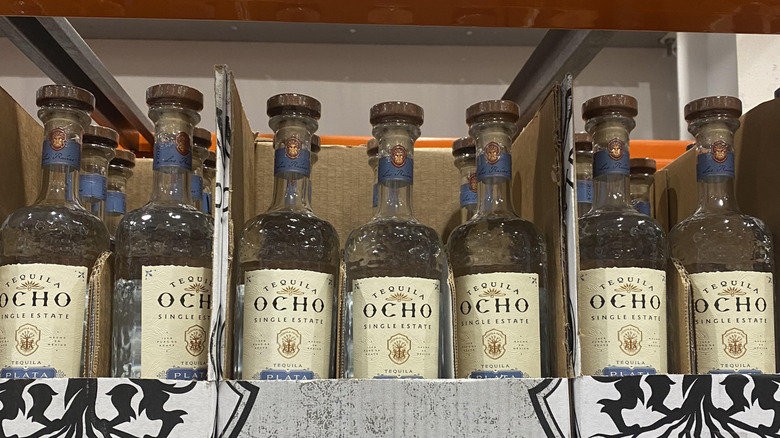
If you only know of Tequila Ocho as one of the best tequilas for making margaritas, then you are missing out. When looking at the favorites of our band of merry experts, Tequila Ocho seems to be one of the top picks for all three, specifically for sipping and drinking straight. Victor Tenorio speaks highly of the brand, sharing that "Tequila Ocho is from Tequilera Los Alambiques, which is under the Camarena family ... It is additive-free, and for me it is the best that Costco offers." The Camarena family has been making tequila for three generations and farming agave for five.
Chris Mottler agrees that the brand is of high quality and appreciates the "recognizable agave character, balance, and a strong connection to where and how it was produced." However, Mottler also enjoys it for a different reason: "One of the things I find particularly interesting about Ocho is its emphasis on individual agave estates and terroir. The brand itself identifies Ocho as a single-estate tequila, which makes comparing different fields and vintages especially interesting from an educational standpoint." With that in mind, if you mix this tequila into a sea of orange liquor and salt instead of sipping it, your taste buds will miss out on all its flavor nuances. Mottler also adds that the brand has an enjoyable reposado, meaning that Tequila Ocho doesn't disappoint with either its blanco or reposado options.
Worst: Kirkland Signature
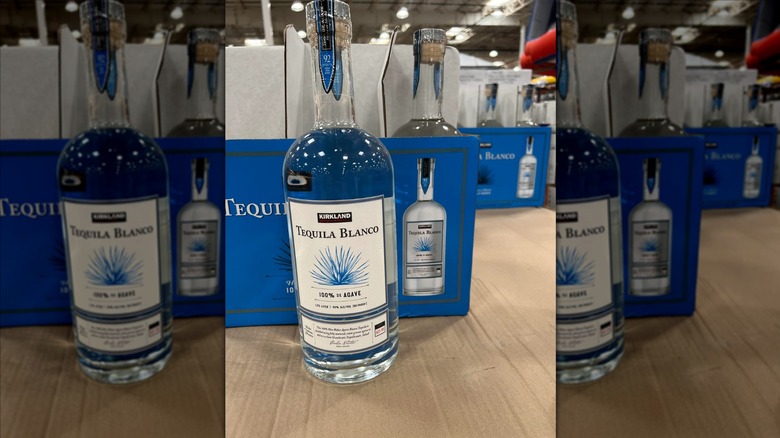
In 1995, Costco released its beloved Kirkland Signature brand to the masses. Since then, Kirkland has earned a reputation as the lower-cost alternative that still provides quality in many cases. But when it comes to alcohol, it seems that though the brand aims to capture the hearts of its clientele, it falls short. One example of this would be the worst Kirkland beer that Costco discontinued after only four years. Put simply: ouch.
Now, with this in mind, you might not have high hopes for Kirkland Signature tequila to begin with. According to our experts, however, there is an additional reason to be wary of the product. Similar to the situation with Don Julio, Costco is facing a class action lawsuit over its Kirkland Signature tequila. The allegations claim false advertising and that the tequila is not 100% agave as its label states.
"These are allegations, not established facts," Lauren Castaño explains, "but if proven, it would be hugely detrimental to the category." She goes on to say that, "Lawsuits aside, it is not a brand I can honestly suggest." Victor Tenorio also mentions the brand as one he would avoid, saying, "I haven't tried it, but the distillery also makes Grand Mayan and other brands that don't have a lot of brand recognition."
Best: Don Fulano
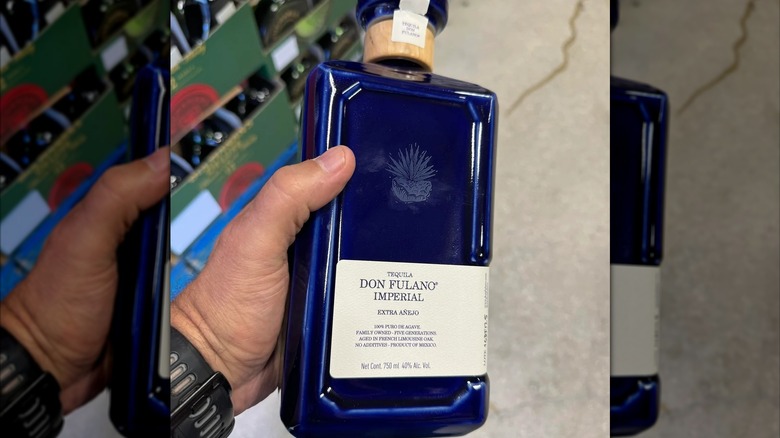
There is a fair amount of buzz on the web about Don Fulano tequila, even if many may not have heard of it. The brand is actually fairly new — first released in 2002 — but it's owned by a family of fifth-generation agave farmers. This means that the family produces the agave that goes into each bottle, while many other brands purchase the agave from other farmers.
When it comes to producing a high-quality tequila, this is far from a small detail. Lauren Castaño notes, "Quality comes back to the agave and how it's handled throughout production. Agave, water, yeast, fermentation, distillation, cuts, time, and ultimately taste all play a role." Castaño adds that the brand is one of her preferred options at her local Costco, right up there with Tequila Ocho and Patrón.
It is also interesting to note that when it comes to Blue Weber agave and tequila production in general, the Mexican government does not play around. While there are several species of agave available, only the Blue Weber variety that has been grown within specific parts of Mexico is permitted for tequila production. With that in mind, it's no surprise that the same government has also held ownership of the term "tequila" since 1974, which is why tequila can only legally be made in Mexico.
Worst: Cazadores
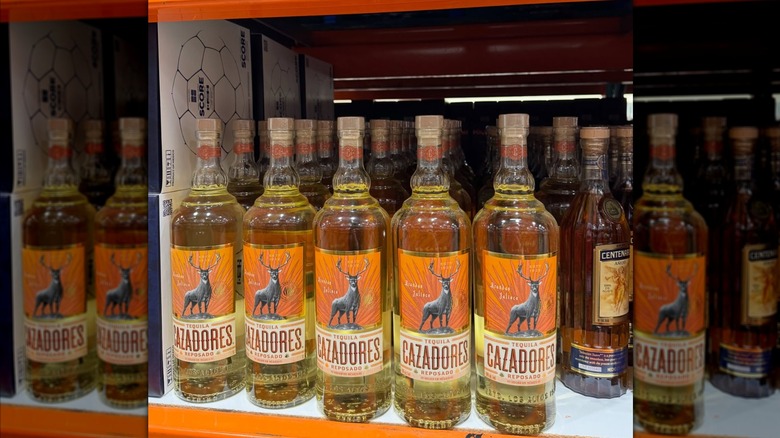
Cazadores is a brand that has been around since the early 1970s. A secret family recipe from 1922, combined with a family member who had the vision to open a distillery, spawned the brand's original release. A unique feature of the tequila-making process here is that the workers actually play Mozart to soothe the agave juice during fermentation, based on the theory that music can interact with the ingredients to create a more flavorful spirit.
Even if you are a Mozart fan, though, based on the reviews of this product, you may want to steer clear. Although the Bañuelos family founded the Cazadores brand, Bacardi purchased it in 2002. After the purchase, Bacardi changed the tequila recipe and strayed from some of the traditional methods to a more industrial, large-scale distillation. Many customer reviews mention the previous recipe being much better and more authentic than the taste of a current-day bottle.
Thankfully, our experts have provided some guidance on what to look for instead. Victor Tenorio says, "Look for additive-free tequilas and traditional methods." Chris Mottler agrees, adding, "I tend to lean toward tequilas made with more traditional or hands-on production methods, particularly when the producer is transparent about what they're doing." He goes on to say that you can't always tell a good tequila just from the bottle either. "The bottle and label can give me clues and information, but until I smell and taste the tequila, I don't have the whole story."
Best: Lalo
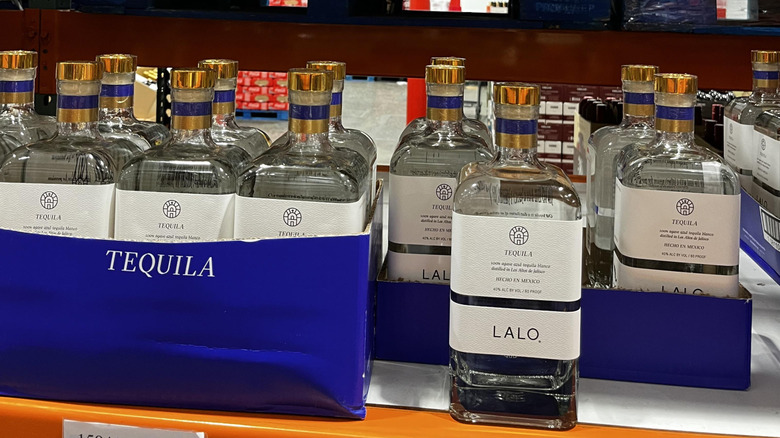
When you look at a tequila bottle, you may notice words like "blanco," "reposado," or "añejo" on the label. This is an important detail, as the different types affect the flavor profile. Some tequila brands make all three varieties, while others only focus on one. Lalo brand, for example, only produces tequila blanco.
Now, if you are unfamiliar with how these types of tequila differ, never fear; our experts have your back. "The biggest difference is maturation and the amount of barrel influence," Chris Mottler shares. Put simply, blanco is typically unaged but may be aged up to two months, reposado is aged between two months and a year, and añejo is aged from one to three years. Victor Tenorio shares that these different levels affect the flavor: "The time sitting in those barrels gives them all unique notes, and there's always an option for every palate."
As for Lalo, Tenorio mentions that it is one of his favorite tequila brands. He adds that when it comes to picking out a sipping tequila, "Lalo ... is enjoyable for me as a blanco-fan." When looking at the comments over on Reddit, it seems that Lalo tequila is a favorable option, with many expressing their enjoyment of the product.
Worst: Casamigos
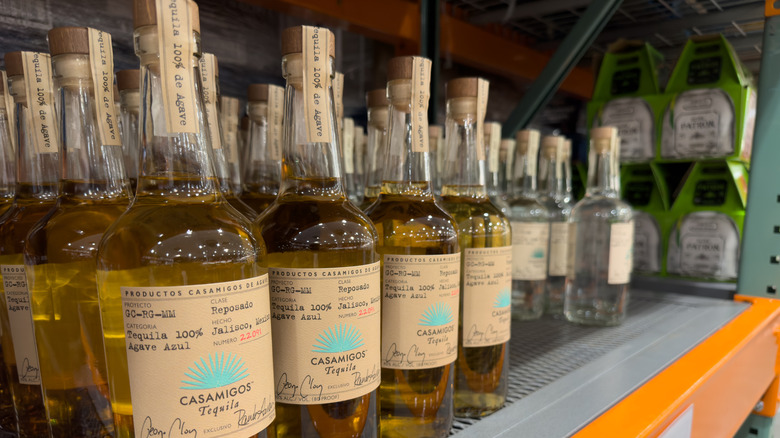
Casamigos is a tequila with an interesting history. The idea for the brand was originally thought up by George Clooney (if you don't know who this is, take a hiatus from reading and go watch "Ocean's Eleven"), Rande Gerber (a man who owns several bar and dining companies including Midnight Oil), and Mike Meldman, who works in real estate. Originally, it was created as a private specialty drink for the group of friends to share. But as more friends asked to try the mixture and enjoyed it, the news of this beverage spread. Eventually, the Casamigos brand was sold to Diageo. If that name is ringing a bell, yes, Diageo is the same company mentioned earlier that owns Don Julio.
Now, if you'll remember, there is a lawsuit against Don Julio alleging its 100% agave claims are untrue. Well, unfortunately, Casamigos is included with the same allegations stacked against it. As if that weren't enough to lower its place on our list, the price point does not match the quality (even at Costco), according to Victor Tenorio. "There are also a lot of celebrity tequilas that are expensive and not worth the price, like Casamigos," he shares. He goes on to list some others he feels are in the same category, such as 818, Terramana, and Gran Coramino.
Best: Patrón
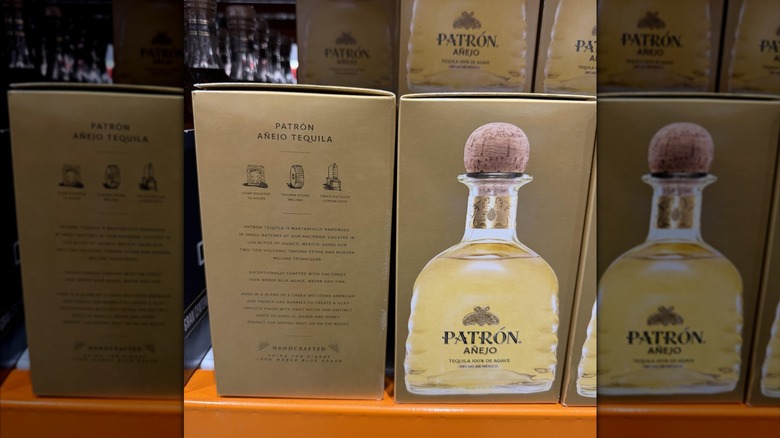
When a tequila has been mentioned in over 400 songs, many by popular artists such as Miranda Lambert and Taylor Swift, you know that it's a popular option. So it makes perfect sense that in 2025, Patrón was the third-best-selling tequila brand in the U.S. (via Business Insider). You can even begin to understand why some Florida men stole half a million worth of Patrón back in December 2018. People just can't get enough of the stuff.
It seems our experts agree with the sentiment, with all three having good things to say. Lauren Castaño tells us, "I would place Patrón on the high-quality list ... It was actually one of the pioneering brands that helped change how Americans viewed tequila and helped establish the premium tequila category in the U.S." Chris Mottler adds to this opinion, "Patrón is consistent, professionally produced, and has played an important role in introducing a huge number of consumers around the world to premium 100% agave tequila. I think that deserves acknowledgment."
Victor Tenorio shares a similar sentiment: "I have a lot of respect for Patrón, I know the history behind them, and the people who made Siete Leguas started making Patrón back in the day." He continues to fill in the blanks on the history of the brand, mentioning that after the split between Patrón and Siete Leguas, "the Siete Leguas master distiller actually went to Patrón. So, Patrón is a premium additive-free tequila."
Best: El Tesoro
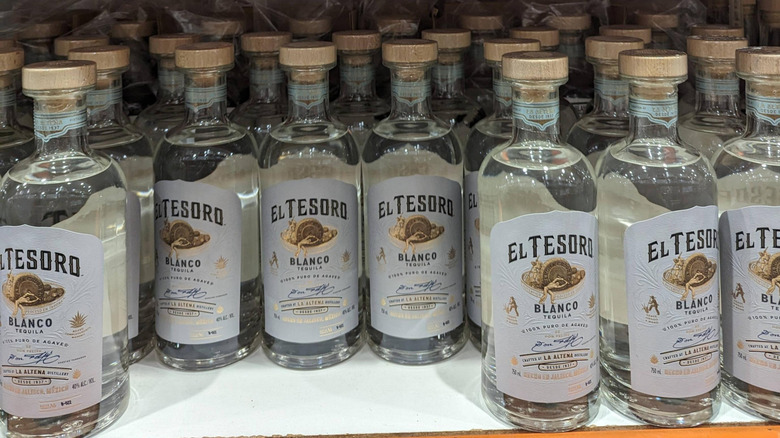
El Tesoro is a brand that prioritizes tequila-making methods that have been used for generations. One of these methods includes using a tahona, a large wheel made of volcanic rock shown on both its brand label and in the shape of its bottle cork. The large (and understandably heavy) stone is used to squash the agave plants during the tequila-making process. Only a select few tequila makers still employ the use of this large wheel, even if there are arguments that the method produces a greater flavor.
Although the brand produces a full range of tequilas from blanco to extra añejo, multiple experts recommend the El Tesoro reposado offering. Lauren Castaño says she enjoys this brand, going so far as to suggest that it offers one of the best reposados available at Costco. Chris Mottler also specifies El Tesoro reposado as a personal preference. "What I personally look for is balance. I want to be able to taste the agave while also enjoying what the barrel contributed," he mentions. Mottler added some words of caution as well. "I wouldn't imply that they're currently available at every Costco without confirming the inventory." This is a fair point, as even the best of Costco finds are not always in stock at every location.
Best: Cimarron
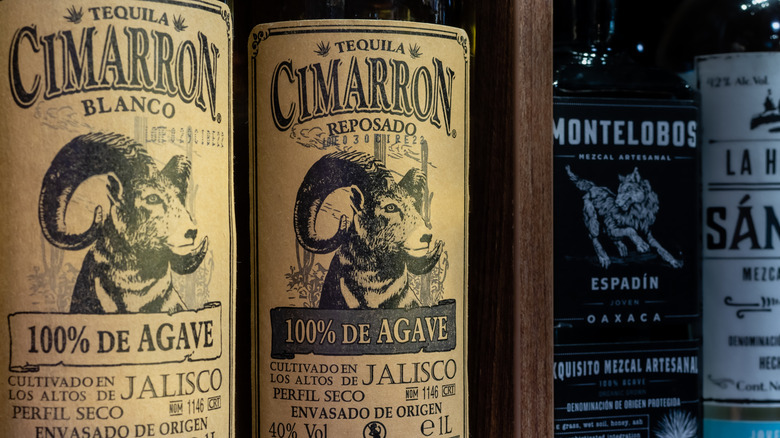
If you have been looking for an option that would work for both cocktails and sipping neat, Cimarron might be for you. The brand has a solid history, having been around since 1985. Its tequila offerings are advertised as completely additive-free, so you know you'll be getting the true flavor of the agave. But best of all, Redditors and bartending influencers alike mention it has high quality at an attractive price. Lauren Castaño echoes this preference, mentioning the tequila brand as one of her favorites. "Cimarron makes a great budget-friendly tequila. I typically use this brand for margaritas or tequila-inspired drinks."
Now, if you are wondering how a low-priced tequila can also be described as high quality, let the mystery end today. Our experts resoundingly say that a higher price point doesn't mean higher quality. In fact, in the words of Lauren Castaño, "Absolutely NOT!" Chris Mottler explains, "Price and quality aren't the same thing. Production costs certainly influence price, but so can packaging, marketing, celebrity involvement, distribution, scarcity, positioning, and what a brand believes the market will pay." Victor Tenorio adds another good point to the conversation: "Small production with traditional methods are more expensive and are often worth the price." In the end, whether the tequila is worth the price will heavily depend on your personal preference.
Methodology
Choosing the best and worst tequilas at Costco involved using our experts' recommendations along with our own findings from scouring Reddit and bartending blogs. For a tequila brand to be added to the "best" list, there had to be strong consistency in positive reviews and, in many cases, a direct reference from one of our experts themselves. To be added to the "worst" list, the brand needed to receive consistently mixed or negative reviews. Many times, those on this list fell under the category of those that our experts did not recommend. Additionally, tequilas with pending class action lawsuits were also added to the worst list.
The other piece of the process was ensuring the tequila was in fact available at Costco throughout the U.S., as many of the warehouses carry different stock. To ensure the tequilas were available, we conducted our own research to find Reddit posts that referenced seeing the brand within the last year. These posts were also scanned for the location of the Costco to ensure the country. This, paired with the witness provided by our experts in many cases, was enough to ensure Costco carries the tequila.