

The Grocery Store Items With The Biggest Markups Probably Aren't What You'd Expect
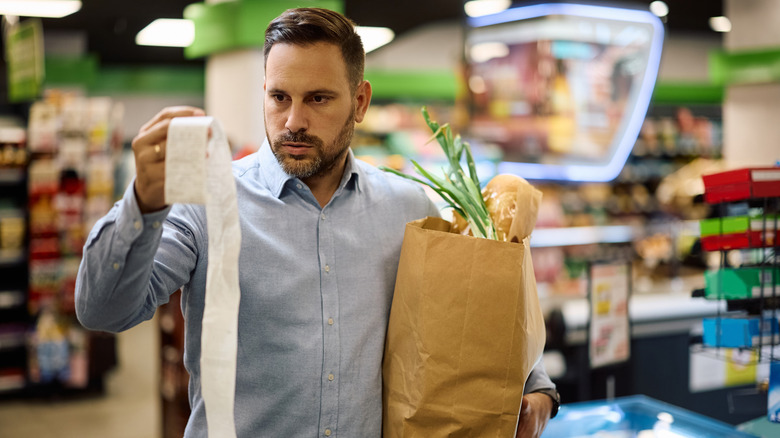
A trip to the grocery store these days can feel like going to a five-star restaurant with just $20 in your pocket. Everything is dauntingly overpriced, you need to make your budget stretch, and it seems like just yesterday that $12 box of soda was $7.99. Tomatoes, of all things, have increased nearly 40% in price in the past year alone and the price of beef is up 14% or more (all things considered, now might not be the best time to make your famous homemade spaghetti and meatballs).
Grocery stores will raise prices on certain items in order to keep themselves profitable, but supermarkets aren't charging several arms and a few legs just for the heck of it. These stores often barely squeak by to come out in the black with a mere 1% to 3% in net profits.
That means they often rely on specific products to be the real moneymakers, with a hefty price tag that reflects that. These might be items you've always thought seemed a little pricier than they should be, maybe even steeper than it seems worth paying (after all, how badly do you really need an $80 birthday cake?). Here are some of the worst culprits when it comes to grocery store markups.
Bottled water
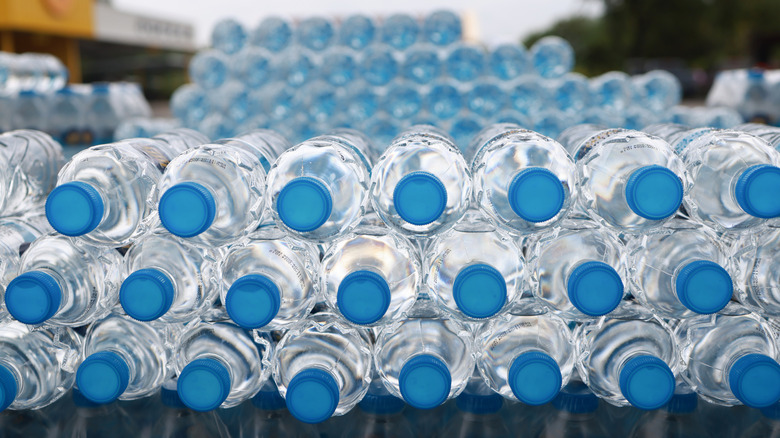
Bottled water is useful for so many reasons. You can grab one and go, avoid the hassle of handwashing a refillable water bottle, and there's presumably no concerns about water cleanliness or any little swimming creepies that we're not supposed to drink.
But all of that comes at a price. Literally. Even though a pack of bottled water seems like a relatively good deal, the grocery store markup over cost is actually 4,000%! That means that if water is priced at, say, $1 per bottle, it costs a little over $0.02 to make.
That doesn't seem to stop anyone from buying it, though. Despite markups that would blow you out of the water, Americans drank some 16.4 billion gallons of bottled water in 2024 (enough to fill the Houston Astrodome 50 times); earning bottled water companies $28.2 billion in revenue. So, while you might be keeping your body healthy and hydrated by drinking plenty of bottled water, producers and supermarkets are the ones that are really profiting.
Bags of ice
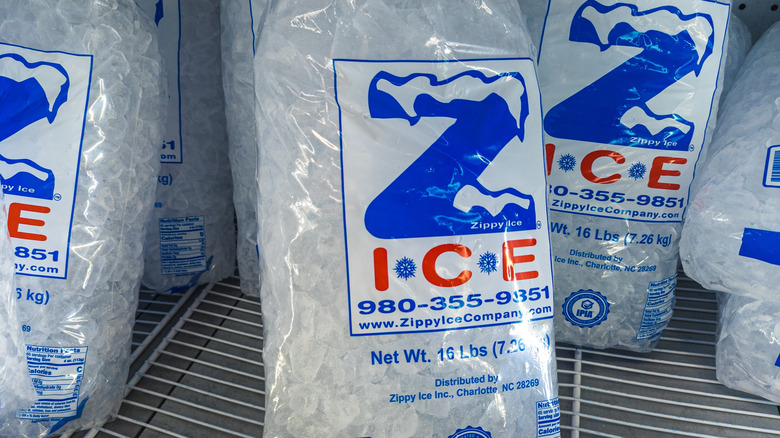
Some occasions just call for extra ice — like when you have 35 people coming over to your place for homemade frozen margaritas. That sort of demand can be too much strain on your average icemaker, and old-school ice cube trays could never keep up — it takes three to four hours for ice to form in trays in the freezer and by then your guests will have given up and gone home or moved on to sipping room-temperature wine instead.
This is where picking up bags of ice from your local supermarket comes in handy, as long as you don't mind a 700% markup. Ice costs somewhere around $0.25 per bag to produce, but the stores usually sell it for a couple dollars or more and pocket the difference. For the sake of iced tea and coolers of cold beer, most people are willing to pay it — bagged ice is an in-demand item sold in a quantity not easily reproduced at home. Still, it's no wonder ice is a $4 billion business in this country.
Bagged salads
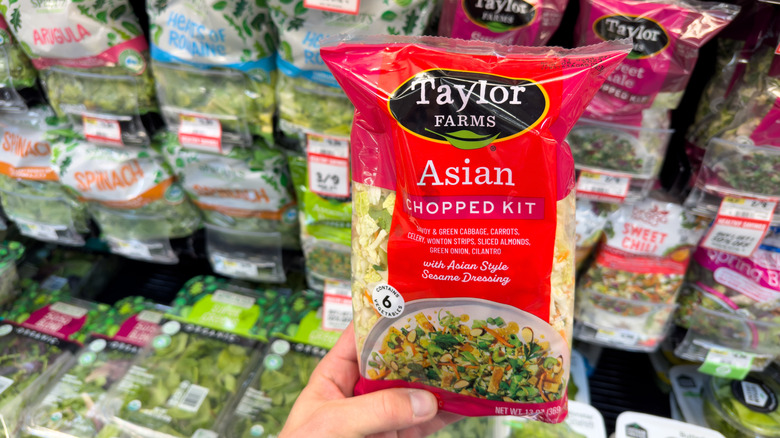
Salad in a bag has been in the spotlight a lot recently, and not in a positive way. But if risking a Cyclospora outbreak isn't enough to get you to steer clear, there's yet another reason to put packaged salad kits on the Heck No list: their insane markup. Bagged salads can be more than four times as expensive as just buying a head of lettuce, pulling out a knife and cutting board, and doing all the prepping yourself (after washing the lettuce off in clean water, of course).
Sure, salad kits are user-friendly and a nice way to cut corners so you can spend less time chopping lettuce and more time marinating, mincing, and mixing the main course. But at a 420% markup over ordinary lettuce, it just doesn't seem worth it even if you do manage to avoid the potential hidden bonus of a case of explosive diarrhea.
Baked goods
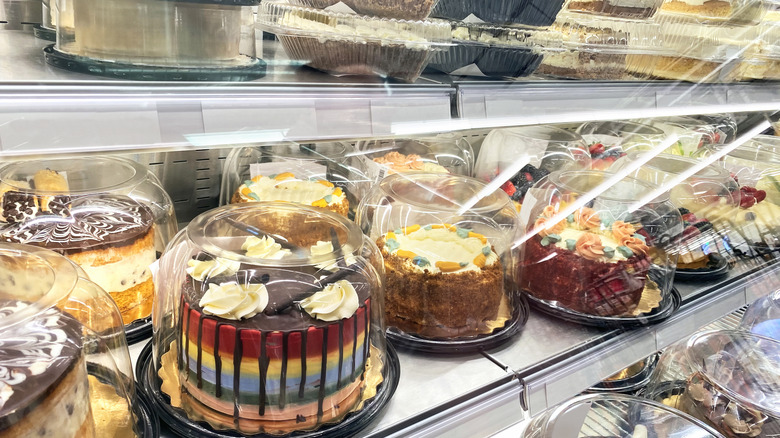
How good does a triple-fudge peanut butter brownie have to be to offset the price hike you know comes along with the chocolate buttercream icing? The fact is, it's cheaper to bake at home — as much as three times cheaper. Not everyone has the time, desire, patience, or the special cookie-making know-how to be a home baker. Grocery stores know that and are happy to capitalize on the fact.
Essentially, what they're selling you is convenience in cupcake form along with ease, selection, and speed sprinkled in. The higher price is due to the fact you're paying for the labor costs and some amount of professional baking talent. True, the cost of the ingredients will be cheaper, last longer, and go further (you can bake several batches with a collection of baking components); but there's something to be said for having access to delicious, ready-to-eat baked goods without so much as having to fire up the oven.