

11 Things Customers Steal Most Often From Restaurants
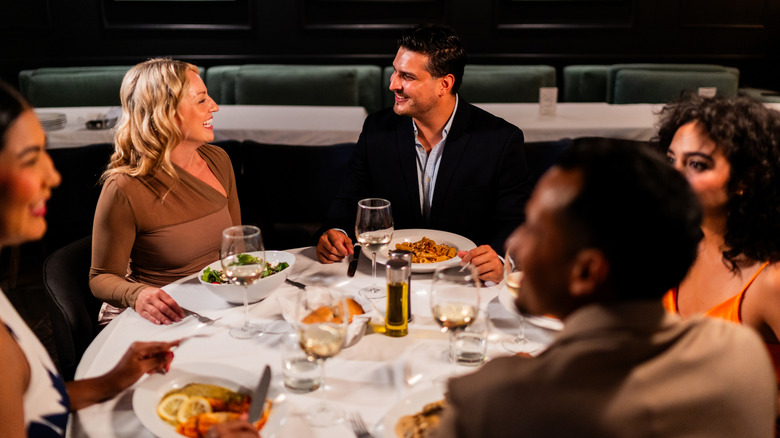
People can sometimes do odd things when dining out if they think no one is looking. But, while some people might lick their fingers or eavesdrop on other tables' conversations, it seems that there is a group of diners that participate in petty thievery. From cutlery to garnishes to drinking glasses, the things that some people will slip into their purses will have you questioning the origin of tableware in houses everywhere.
The reasons why customers feel entitled to take a little souvenir stowed away in their pockets from a nice dining experience seems to vary. Some sources guess that perhaps it's to reminisce on their positive experience in the restaurant. Others guess that maybe they are trying to get their money's worth, and this is what leads them to do it. But, when looking at the item list which people claim to have stolen, it really starts to seem like if an item isn't nailed down, it might get carried out the door when no one is looking.
To narrow down what the most common targets of this pilfering are, we turned to some experts for help. Jacob Martin, who is the Bar Director for Liberty Entertainment Group, has an educational background in food history, as well as the title of Worldclass Bartender Winner of 2023. His experience paired with that of Michael Kapusty, the General Manager of a fine-dining restaurant named DaNico, sheds some light on what people snatch when no one is looking.
Demitasse spoons
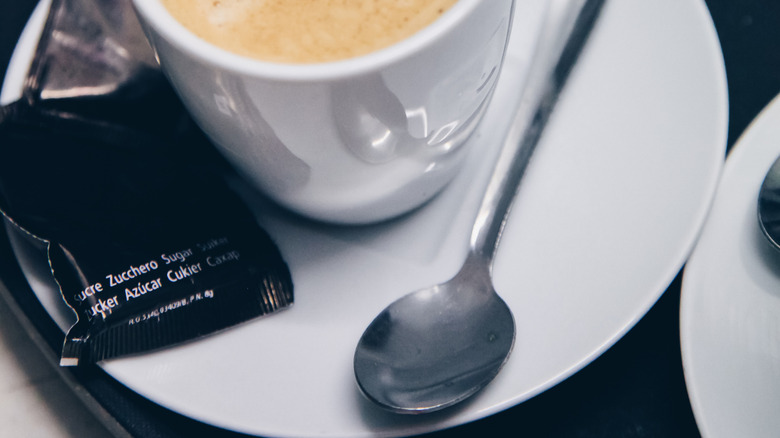
Most people will agree that occasionally, before or after a meal, an espresso can be just the pick-me-up that some may need to continue their day. The miniature cup the espresso comes in can also add a delightful bit of whimsy to your meal. But, it turns out that resting on the side of the saucer of these cups sits a common lure for restaurant thieves called the demitasse spoon. You may not know what exactly a demitasse spoon is, which is fair. Suffice to say that a demitasse cup, which is what espresso is often served in, is about half the size of a regular cup. The spoons are proportionate to this sizing, appearing like an adorable miniature sidekick.
The normal reaction these days to seeing a miniature version of items is mainly to squeal and proclaim how cute it looks. Perhaps this, combined with the size of it, is also one of the reasons that our expert Jacob Martin says that stolen items are often "small and easy to conceal. Think demitasse spoons." He also adds that another item that might fit into this category is napkin rings. If you think that the thief will likely be covert when doing this, though, you might be wrong. Martin explains that he's witnessed cutlery being swiped off a table with his own eyes.
Pictures
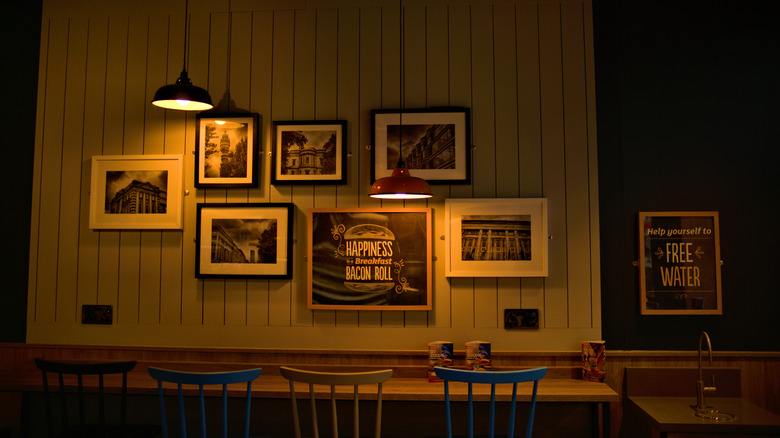
Stealing a picture from a wall might seem like an overly ambitious target, especially in a restaurant with not only servers, but other patrons and security cameras watching. But, it seems that there are some talented thieves out there with an eye for art. Jacob Martin confirms this, mentioning that the most common thing patrons steal in his experience is cocktail photos. It seems even when customers can get the real-life version at the bar, they still opt for the five-finger discount.
This is especially the case if that art happens to be hanging in a place where the person has a few private moments to conceal it. Take this mention of art theft at an eatery over on Facebook, for example. In this case, the photo was hanging inside a bathroom, where the individual conveniently had time to undo the hooks on the frame and snatch the photo from inside without detection. Another restaurant even has a memorial wall displaying dates on which artwork in its bathroom was stolen, as shown in this picture on Reddit, suggesting this is a common restroom issue.
The good news is that they don't always make a clean getaway, thanks to modern-day technology. In fact, a popular news outlet reported a couple of years ago that a woman who stole a painting from an Italian eatery returned the item after being identified from a video recording of the event. This was a lucky break considering the piece had sentimental value to the restaurant.
High-end soaps or lotions

Again, it seems here that bathroom items are the target of common restaurant thievery, but not for what you might expect, Jacob Martin says. "Not toilet paper, but items like ... high end soap and lotion," he shares, also adding that Aesop candles are a target. On the items-that-fit-into-purses scale, high-end soaps and lotions are typically purse-sized, so it makes sense they would be swiped, especially when they live in the privacy of the restroom.
It seems that stealing soaps and lotions is actually so common that one eatery owner mentions in a recent article that they had to attach their soap dispensers to the wall in order to deter thieves. A second article goes one step further, mentioning that another restaurant not only had to attach them to the wall, but procured an attachment with an Allen key lock. It's sad that such lengths need to be taken in order for restaurants' items to remain inside the building full stop. But, when you take into account the thin profit margins many of these places are working with (one of the problems in the restaurant industry that customers may not realize), it sheds a whole new light on the subject. The common net profit margin in the industry is often between 3% and 5%, which doesn't leave a hefty budget to plan for petty thievery.
Pens
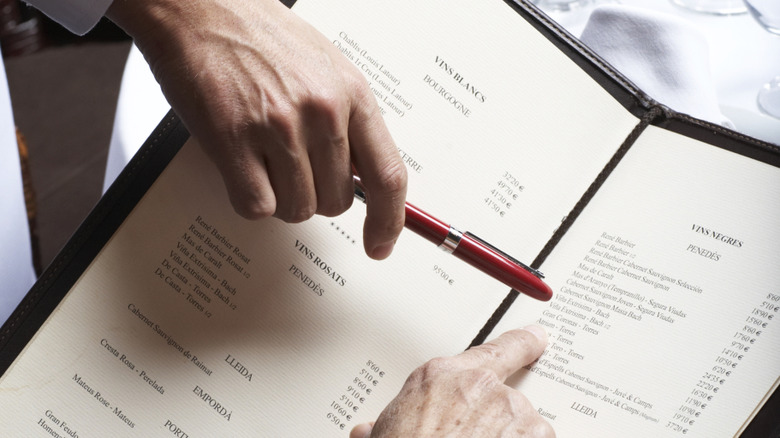
On the topic of small items which can fit into a purse or pocket, pens also seem to fit into this list. These pens may especially catch the eye of customers if they are branded for the restaurant or expensive-looking. Over in the lands of Reddit, in one thread in particular, there are many restaurant goers who admit to stealing pens, especially those that are branded. Sadly, though, there are also comments from the side of the servers providing a different point of view for readers. It seems that many times these pens are deducted from the servers' paychecks, which means pen theft actually costs direct money to the server.
Michael Kapusty agrees that pens go in the common-theft category and in the fine-dining category as well. "Generally, if it's small enough to fit into a purse or jacket pocket and has a distinctive or branded look, it's more susceptible to being taken," he shares. As for ways that restaurants can crack down on theft of these items, he admits, "there isn't a foolproof way to prevent it without compromising the guest experience. In hospitality, our priority is making guests feel welcome, not making them feel watched." This is a great point, shedding light on the delicate balance of keeping an eye out for theft without it being too obvious. After all, it would be hard to enjoy a hearty meal out with friends or family while feeling like you're under constant surveillance.
Cups
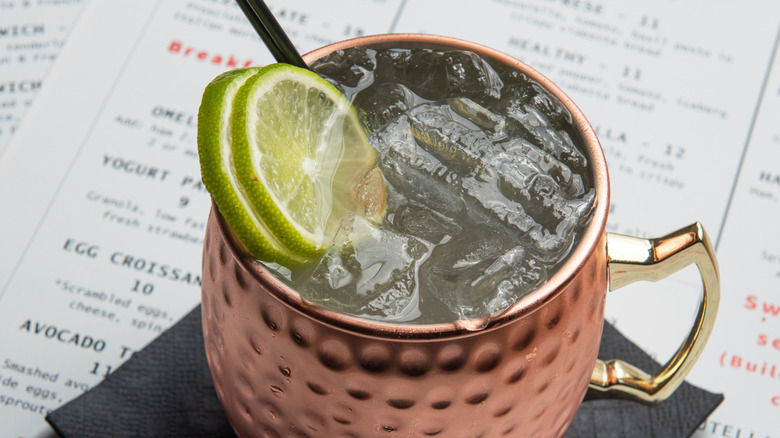
This one might surprise you as it's a bit larger of an item than those we have covered so far (depending on the type), but cups also seem to go missing in restaurants. One article from a popular news outlet that interviewed restaurant owners on the theft they've experienced mentions that the nifty cocktail glasses, which one owner was quite proud of, had customers grabbing them faster than the frozen desserts at Aldi. In one instance mentioned, a woman was caught pilfering three of the bird glasses at once. The boldness of grabbing three is a little bit shocking, frankly, especially when you consider that had she not been caught, the tinkling of glass from her purse would likely give her away.
Our experts, on the other hand, seem to have different experiences with glassware theft, which suggests that this is more common in certain types of dining environments. Jacob Martin says that he's experienced customers stealing cups quite a few times, whereas Michael Kapusty has not witnessed this as much in his vein of the restaurant industry. "Glassware is generally much more difficult to remove discreetly because of its size and fragility, and our team is constantly clearing and resetting tables throughout service," he clarifies. Based on this, it seems that this item may be more popular to pilfer in more casual eatery settings.
Tips
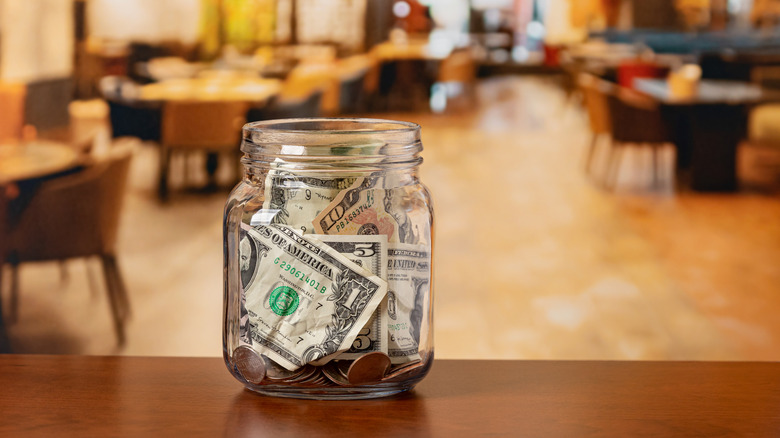
In the U.S., tips are generally seen as an expected portion of the server income, which is why tipping (although it may seem optional) is typically thought of as part of the expense of eating out. Everyone seems to have a different opinion on what constitutes a good tip these days. In fact, there are so many tipping systems out there that just thinking about it can make your head spin. But, regardless of where you stand tipping-wise, you are likely to agree on the simple fact that stealing them is wrong. That money is meant to go into the server's pockets to help pad their paychecks, not back into the hands of customers. However, it seems that based on the number of servers who have experienced it, tips are one of the most commonly stolen items.
Over on one Reddit post that questions if any servers have ever had their tips stolen, many commenters responded with stories of this happening to them, with some suggesting it is a common occurrence. Over on Facebook, users mention similar experiences, with one poster mentioning that when they handed their tip to their server directly, she mentioned that her tips get stolen frequently when left on the table. To make sure your tip goes into the pockets of the intended party, you may want to either hand it directly to the server or consider paying with a debit or credit card.
Anything that is antique or handcrafted
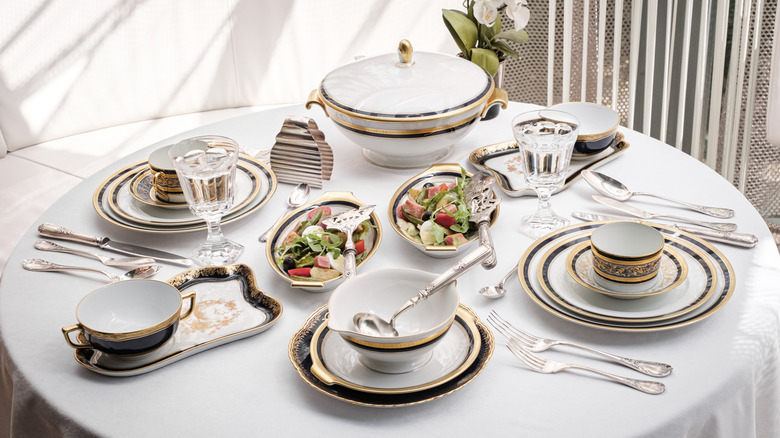
It turns out that sometimes the targets for thieves aren't that straightforward. Jacob Martin mentions one of the common targets is "specifically things that look unique or vintage." This may be because unique or vintage items are often worth more in value. But, regardless, it seems some customers have more audacity than the woman at Costco who reportedly tried to hide 21 stolen bottles of vodka under five packages of stolen toilet paper a couple years ago.
Martin shares one of these examples, going on to say that "probably the largest item would have been a vintage brass lamp, valued over 5k, unplugged and stolen in the middle of a busy service." Imagine casually unplugging a lamp during your dining experience, and waltzing out the door with it. For most people, the idea would be outrageous.
Our second expert, Michael Kapusty, also has a story to share in this category, it seems. "One example that stands out happened at DaNico, where we witnessed a guest conceal one of our specialty dessert plates. It's a handcrafted glass presentation piece valued at approximately $500–600." Kaputsy goes on to mention that the workers tried to discreetly obtain the piece from the diner without embarrassing her, to no avail. They eventually had to call the employer to explain the expensive situation. To make matters worse, it wasn't even a clean plate. Kaputsy shares that the woman actually ate her dessert off it before slipping it from view.
Metal cocktail picks and straws

A pretty cocktail is a hard thing not to appreciate, even if you don't happen to indulge in alcohol often. The glass used to serve it, the garnishes sprinkled overtop, and the delicious taste of bitters that seems to bridge all the flavors together in your mouth are all part of the restaurant cocktail experience. But, it seems that if customers aren't already pocketing the glass used to serve them, they are eyeing up the metal straws or cocktail picks that are added to them. Apparently poor bartenders just can't catch a break, especially with thieves. Perhaps this is some sort of retaliation for the occasional white lies which bartenders tell to customers.
"In my experience, the most commonly stolen items are actually small bar tools, particularly metal straws and metal cocktail picks," Michael Kapusty shares. He continues to say that (again) size seems to be a factor here, as they are perfectly sized to fit in a pocket or purse. The good news is that of the items on this list, metal straws and cocktail picks aren't as costly to replace as some things (looking at you vintage brass lamp). "While they're relatively inexpensive compared to other restaurant equipment, they disappear far more frequently than most people would expect," he adds.
Steak knife
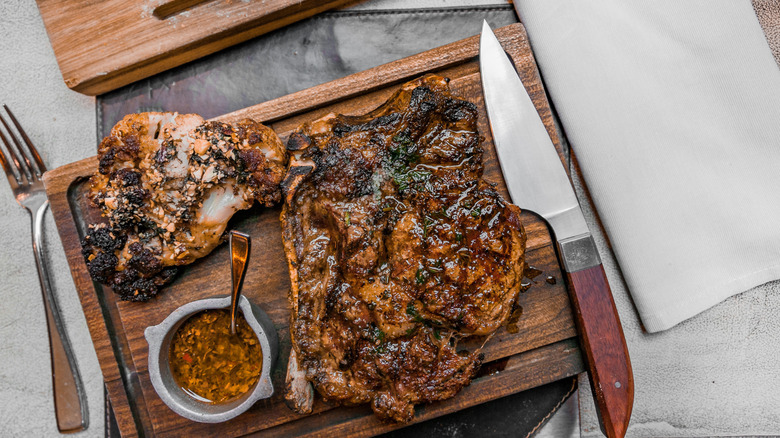
Steak knives seem to be such a popular target that Adam Perry Lang, a chef who opened his own restaurant in Los Angeles, has had some buzz surrounding his thief deterrent method. He spent so much time and effort into creating the knives (he both forged and hammered each knife in his restaurant himself — an impressive feat to begin with), that he adds a $950 fee to the bill for each one that is dispersed. If the steak knife is returned, the fee is removed from the bill. If you're wondering why he chose that cost, it's because this is the minimum amount for a felony charge in California.
Although this may greatly deter theft from Lang's restaurant, it seems steak knives remain a common thing to swipe elsewhere. One Redditor even posted a picture of his father's stolen collection. From stories of seeing them being swiped, to admissions of theft, it's pretty clear that they are common targets. Michael Kapusty mentions that he's often witnessed individuals stealing higher-end cutlery in general throughout his career. "I've occasionally seen guests take higher-end pieces of cutlery, particularly when restaurants use unique or luxury flatware," he explains.
Plants
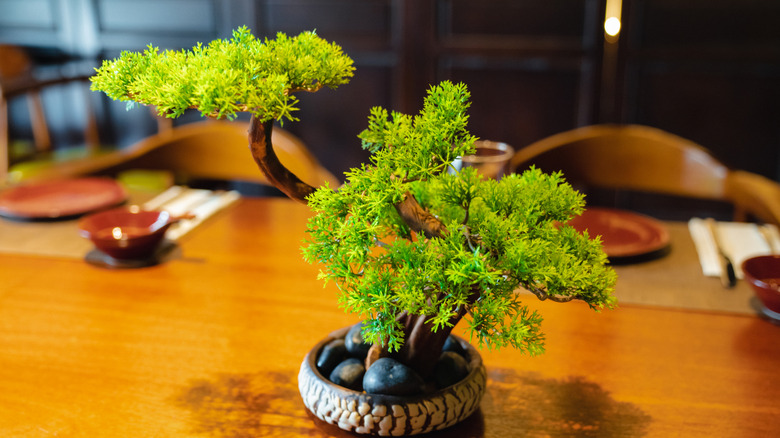
Now, when you think of plants being stolen, you might be picturing the cute little mini bonsai trees that occasionally adorn the table as centerpieces in some restaurants. Sure, that can be a target of theft. But, even larger plants that are displayed in planter boxes are not safe from this crime. In one security video posted on Facebook of a thief taking plants off a restaurant patio, the individual literally rips the entire plant out of the planter box and then heads off.
This isn't an isolated incident either. It seems that flower arrangements on the patios of these eateries are a common target for this, along with those inside the restaurant. In one example, customers left a Japanese Steakhouse with a bonsai tree, worth approximately $300. What these thieves do with their loot, we can only imagine. With one article reporting that the same thief had visited them three times, it's clear that authorities might only need to look for the most attractive garden in the radius.
There are also reports of customers doing something called "proplifting". This is when someone takes fallen leaves or breaks off a part of the plant, and then replants it in order to grow an entirely new plant. It seems opinions are split on whether this is considered thievery, vandalism, or simply thrifty, but, regardless, the customer is taking something home with them that isn't necessarily theirs.
Ramekin
If you're thinking at this point that we have covered every small piece of dishware possible for someone to snatch from a restaurant, you would be incorrect. There is at least one left, and to give you a hint, it's the gadget that makes foolproof Crème Brûlée every time. That's right, ramekins are a common target for those who like to pinch items. Hopefully the thief has emptied the ramekin of its contents before doing so, lest they risk the items in their purse.
It seems that some people admit to just popping the ramekin from their meal into their takeout container for a quick getaway. This certainly makes it easier for customers to use the old five-finger discount, especially if it's still full of food or sauce (of course, if you haven't got any leftovers to take home, into the purse it likely goes). Some comments on social media suggest some individuals have a fixation with ramekins, with a viral video of one woman proudly showing her display of over 50 stolen ramekins. Still more actually take them by accident, when they are perhaps rushing to pack up their food, or their mind is otherwise occupied. Regardless, it's clear this is a hot ticket item for theft.