

12 Tips For Making The Best Classic Slow Cooker Pot Roast
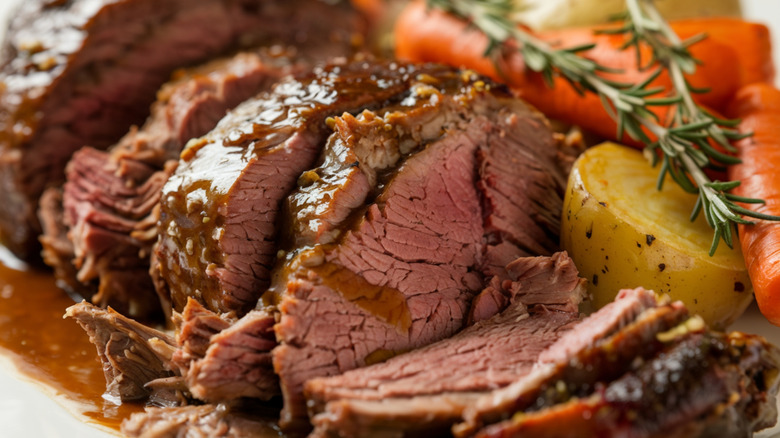
Slow-cooked pot roast is the ultimate comfort food, whether you want to "set it and forget it" as you go about a busy workday or sit down to a Sunday dinner that simmered in the kitchen from morning into mealtime. It seems like a simple method, but standard slow cooking can easily lead to dry or bland meat and mushy vegetables if you don't take a few precautions.
While the appliance does most of the heavy lifting, a handful of professional techniques can completely transform your results. That is why we leaned on the expertise of two seasoned pros for backup. Shawn Kjosa, the executive chef at Embassy Suites Myrtle Beach and Black Drum Restaurant, and chef Jonathon Sawyer of downtown Chicago's Kindling, break down the 12 golden rules for making the absolute best slow cooker pot roast. The beauty of this classic dish is that you can go the traditional route with time-tested ingredients, or modernize the dish a bit with some unexpected textures and flavors.
Consider cuts of meat other than chuck roast
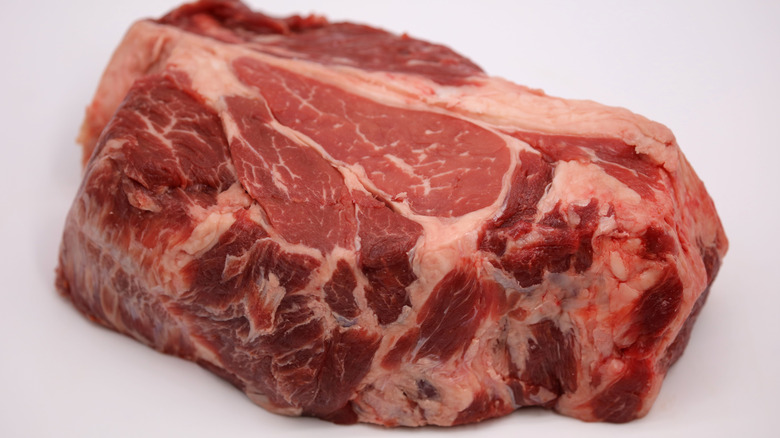
While chuck roast, which comes from the shoulder of the cow, may be one of the most popular cuts of beef for making pot roast, several other types are worth a try. If you're on a food budget, you'll be pleased to know that making pot roast won't break it, since the best cuts of meat for the dish are inexpensive. Cheaper cuts of beef are typically tougher and have more connective tissue, but you'll end up with fork-tender bites when the meat is cooked slowly over low heat. Other types of meat you'll want to consider include brisket, another tough cut, and bottom round, which is leaner and has less of a robustly beefy flavor.
"Honestly, chuck is great, but if you want to level up, go for shoulder clod," suggests chef Shawn Kjosa. "It's got big beef flavor, tons of collagen, and it breaks down beautifully without turning stringy." He adds that "If I'm feeling fancy, boneless short rib makes a killer slow cooker roast, too — rich, silky, and super beefy."
Chef Jonathon Sawyer, meanwhile, has another suggestion. "Prime beef shanks, aka Thor's Hammer, are the most underrated and most affordable cut of meat out there," he explains. "While I love cheeks, tails, and ribs of beef, the price is exorbitant lately, so I'm returning to a classic: a beef bourguignon recipe with the transformative beef shank."
Don't skip the sear
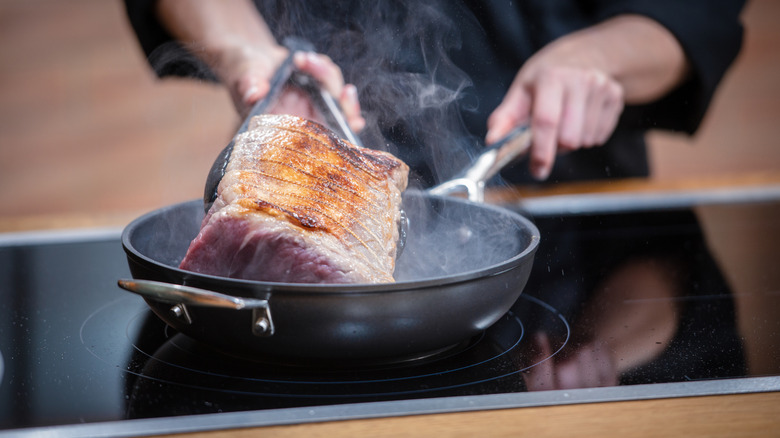
To sear or not to sear, that is the age-old question when it comes to making the best classic slow cooker pot roast. While you may be tempted to skip this step and just drop the raw meat into the Crock-Pot when you're in a hurry, you can end up sacrificing major flavor. Searing your beef is one of the best ways to make pot roast more flavorful. Chef Shawn Kjosa agrees. "You can skip it, but you're leaving flavor on the table," he says. "A slow cooker can't brown anything, so that quick sear is where all the deep, roasty flavor comes from. Even hitting just the two big sides for a minute or two makes a huge difference."
Chef Jonathon Sawyer says, "Searing while using the Instant Pot or hot pot is controversial because why dirty an additional pot or pan when you are going to just braise it slowly in your slow cooker? I say go for what makes you happy. I like to sauté veggies, mirepoix, and herbs in my slow cooker, and heat up broth in it while I sear [the meat] and deglaze with wine on my stovetop. If you have the capacity to do two things at once this speeds up your prep and cook time, and makes the flavor markedly better."
However, it's not always necessary to sear first if the meat is destined to be shredded, explains Sawyer. If it's going to become a sauce or filling for pasta or a sandwich, for example, then you could skip this step.
Avoid using too much liquid
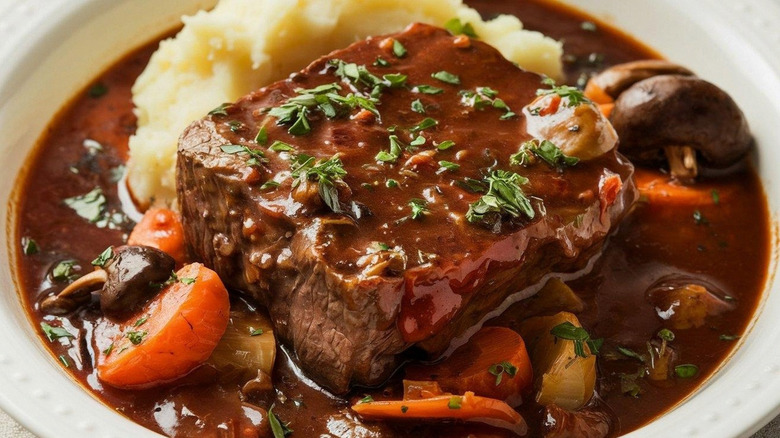
When you're making pot roast in a slow cooker, the ultimate goal is super tender meat that falls apart on your fork, melting in your mouth with a burst of flavor. You may think that the easiest way to ensure the desired texture is by adding a lot of liquid, but a little goes a long way in a slow cooker. Since pot roast is braised, or cooked low and slow with minimal liquid, pouring too much in can diffuse the roasted beef flavor.
"People drown their pot roast," says chef Shawn Kjosa. "You don't need much. My rule is about ½ cup of liquid per pound of meat. The roast is going to release a ton of juice on its own, and too much added liquid just washes everything out." Also, the slow cooker's lid will trap the moisture in, so you don't have to worry about the water or broth evaporating as it tenderizes the pot roast.
Chef Jonathon Sawyer relies on a different technique, however. "Every cut of meat is different, so I say over-liquid the braise and simply reduce your sauce afterwards," he advises. "That way you can finish your sauce with a knob of fresh butter and herbs, and maybe a squeeze of lemon."
Add veggies at the right time so they don't get mushy
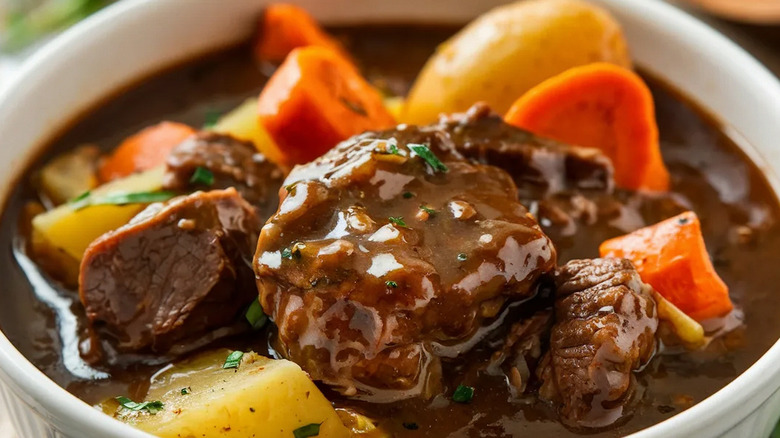
Perhaps the biggest mystery of slow cooker pot roast is how to get the meat perfectly fork-tender without ending up with a mushy pile of vegetables at the end? When eating the onions, carrots and potatoes along with the meat, you want them to still have a bit of a bite and not completely dissolve into the gravy. "If you toss everything in at the start, the veggies will be mush by dinner," warns chef Shawn Kjosa. So how to avoid this mealtime disaster? Add the potatoes halfway through the cooking process and the carrots in the last two hours, he suggests. "If you need to set it and forget it, cut the veggies big — like, really big."
If you decide to throw everything into the pot at once, consider layering them in the proper order to ensure the best results. For instance, place root vegetables, which take longer to cook than other types, at the bottom of the appliance where they'll be closer to the braising liquid and the most intense heat. You can also place more delicate vegetables, such as onions, in a mesh bag or cheesecloth if you prefer, so that they don't fall apart.
Consider cooking potatoes separately
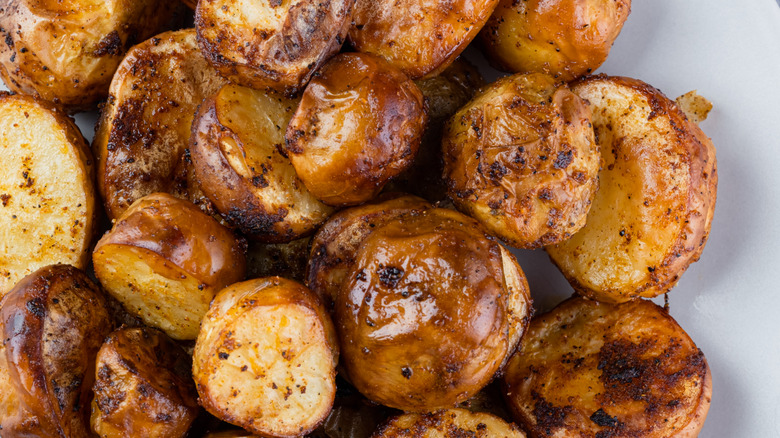
For the tastiest classic pot roast, consider how much cook time each ingredient you're adding to the Crock-Pot requires. Figuring out how much time each item requires to reach its desired consistency before you even turn the slow cooker on can make all the difference between a "meh" and mouthwatering meal. Since potatoes generally take longer than the other vegetables to become tender, cooking them on their own may be the best option.
"I never put the potatoes in the braise," says chef Jonathon Sawyer. "I cook them separately and perfectly and simply finish them in the sauce with the braise." To follow this guidance, place the roast in the slow cooker first, as it takes the longest to cook. When you're an hour or so from the end of the cooking process, roast the spuds in your oven so that they're the ideal level of doneness — boil the potatoes before roasting for a delicious texture. To infuse the potatoes with even more flavor, toss them with olive oil and herbs such as rosemary and thyme before roasting them.
Build layers of flavor
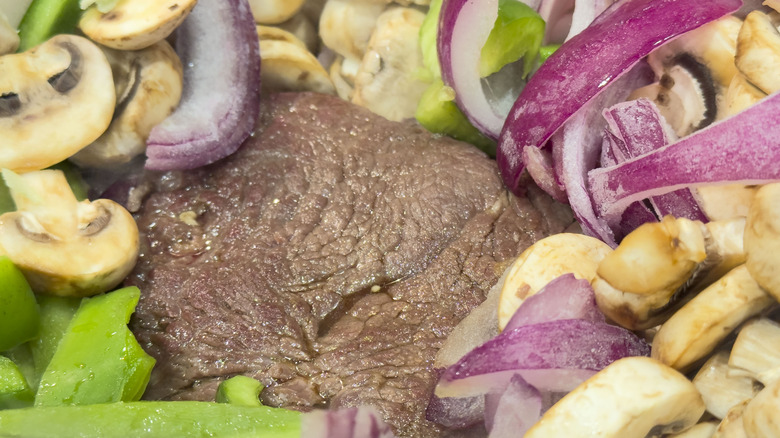
Another way to make the best slow cooker pot roast of your life is by building layers of flavor, infusing each meaty bite with complexity. While any one flavor or seasoning, such as salt or garlic powder, will work well on its own, together they create a pot roast your taste buds won't soon forget. The warm comfort food is known for combining the flavors of braised vegetables, slow-cooked beef, various herbs, and sometimes wine, in one satisfying dish — and there are several simple ingredients that help to take it to the next level.
Shawn Kjosa likes to build layers when making slow cooker pot roast, and adds "tomato paste for umami, Worcestershire for that savory punch, soy sauce instead of salt, mushrooms or mushroom powder for earthiness, and a splash of red wine or sherry vinegar to brighten it up." The chef also enhances the roast with anchovy paste, saying "trust me, it disappears and just makes it taste richer." This latter tip is popular with chefs; anchovies are one of Bobby Flay's go-to ingredients, too.
Keep it classic with seasonings
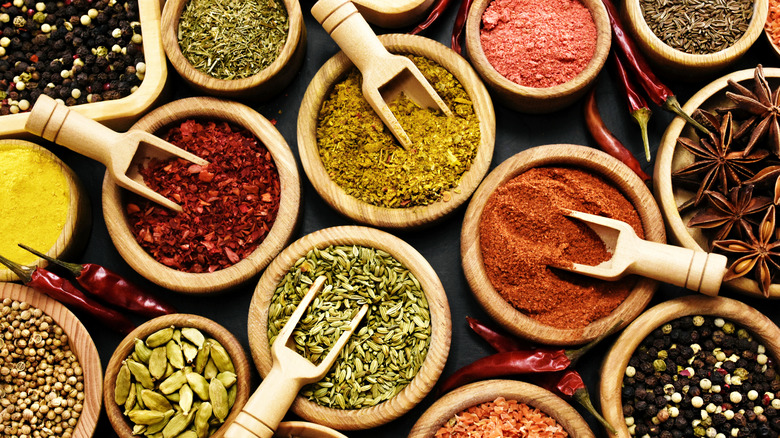
Since a homemade pot roast is a meal that can transport you back to childhood with just one bite, consider sticking to traditional recipes. Gourmet ingredients and seasonings have a place in the kitchen, but in the slow cooker with your simmering roast may not be it. In fact, some time-tested roast seasoning blends only contain a handful of basic pantry staples, including salt and pepper, garlic powder, onion powder, dried thyme, and smoked paprika, but still pack a powerful punch. If you want to intensify the flavors even more, you can marinate your roast in the dry brine for up to 24 hours before putting it in the slow cooker.
Chef Shawn Kjosa says that when it comes to seasoning slow cooker pot roast, "I keep it classic and add thyme, a little rosemary, bay leaf, garlic, and black pepper. Then I finish with fresh parsley or chives at the end to brighten everything."
Deglaze with a splash of red wine or sherry vinegar
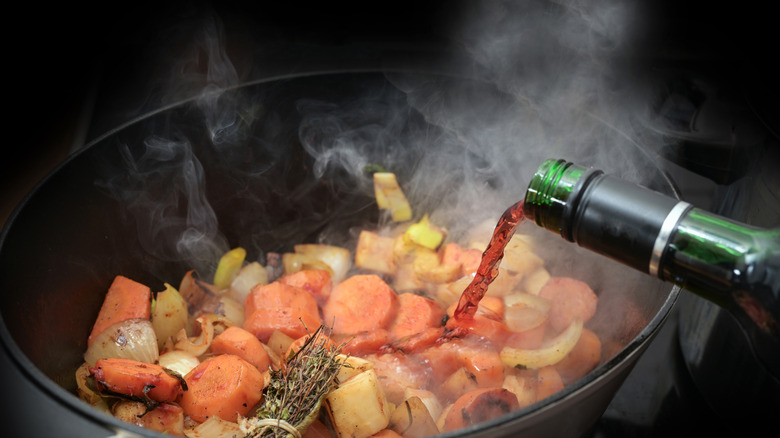
Just like searing your meat before putting your pot roast in the slow cooker, deglazing the pan afterwards is a step that is often up for debate. But it's the one step you should never skip for more flavorful pot roast. Although deglazing may sound like a fancy culinary term that you don't have time for, it simply means adding a bit of liquid to the hot pan after you've removed the seared meat. Deglazing may be the secret to a rich and flavorful pot roast gravy, since the process lifts the caramelized brown bits of meat from the bottom of the pan, allowing them to melt into the liquid.
As for what type of liquid you use to deglaze the pan, you can't go wrong with a splash of red wine or sherry vinegar. Not only will the vinegar help loosen the seared pieces of meat from the pan, but it will also infuse the dish with subtle acidity to help balance out the richness of the meat. If you opt to deglaze with red wine instead, go with a dry, medium-bodied variety such as Chianti or Merlot for the best result. You don't have to spend a lot of money on the bottle of wine, but make sure it's something you'd enjoy drinking. The red wine braise will make the roast fall-apart tender while giving the dish a deep, complex flavor.
Strain the liquid for smooth gravy
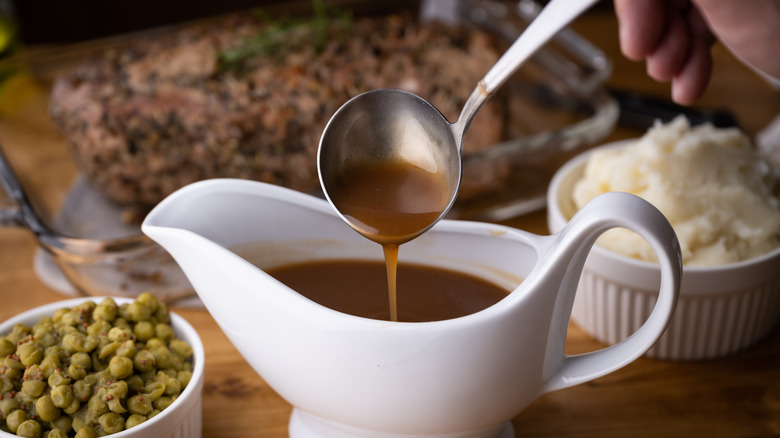
When you make pot roast in a slow cooker, the gravy shouldn't just be an afterthought. When it's done right, the gravy will bathe your roast and vegetables in a rich and creamy sauce, infusing everything with rich flavor. Traditionally, pot roast gravy is made by combining the meat drippings and corn starch, which thickens the liquid. The key to smooth, velvety gravy is straining the drippings to remove any meat bits first. If you don't have enough drippings to make your desired amount of gravy, you can add volume with beef broth or by dissolving a beef bouillon cube in water.
Chef Shawn Kjosa says to get the smoothest slow-cooked pot roast gravy possible, you should "strain the liquid, reduce it a bit, and then whisk in a beurre manié, which is soft butter mashed with flour. It melts smoothly with no clumps, and gives you that glossy, silky gravy everyone loves."
Use a blender to emulsify the sauce
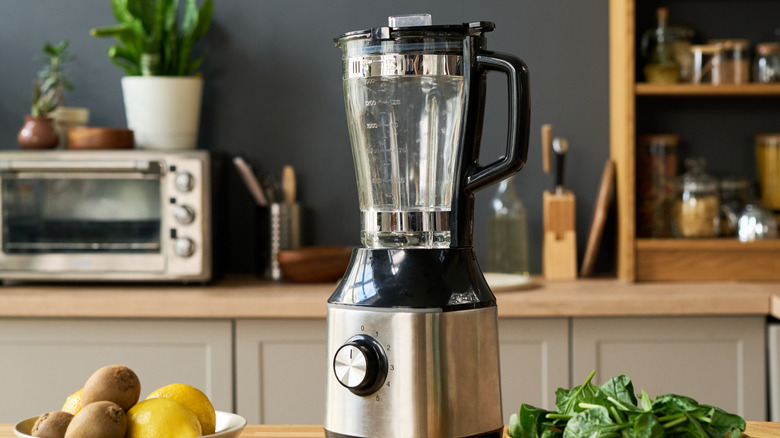
Another way to get the silky smooth pot roast gravy of you your dreams is by using a blender. That's right, the everyday appliance that sits on your countertop isn't just for making smoothies. Although it requires an extra step and a bit more kitchen time after the pot roast is finished cooking, blending the meat drippings with flour to create smooth gravy is worth it. Chef Jonathon Sawyer agrees. "Use a Vitamix blender — or any blender — to emulsify your sauce," he suggests.
Another benefit of making your pot roast gravy in a blender is that you can completely customize the flavor of the sauce. For instance, add some of the roasted carrots, onions, and garlic from the slow cooker to the mix to create a richer flavor that will complement the pot roast well. You can also add extra seasonings, such as salt, pepper, garlic and onion powders, and a mix of dried herbs if you'd like. If you don't have enough liquid from the meat drippings alone, use some beef or vegetable stock or broth.
Brighten the dish with fresh herbs
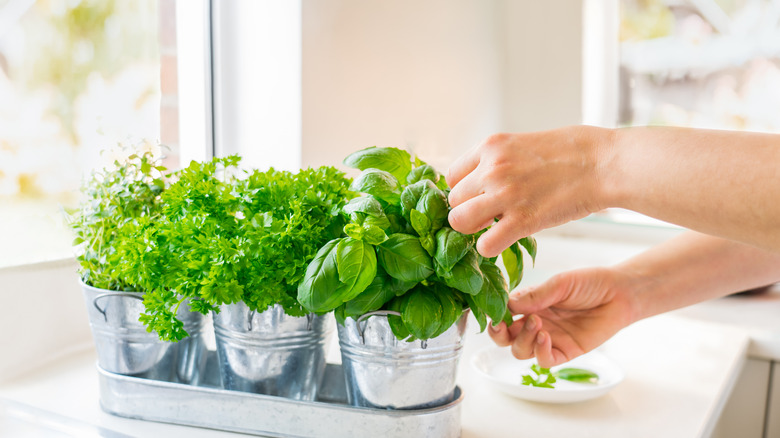
Seasoning your slow-cooker pot roast with fresh herbs may seem like a luxurious touch, but it's a delicious and aesthetically pleasing way to add vibrant flavor and a pop of color to the meaty dish. During the summer months, infusing pot roast with a variety of just-picked herbs from your garden or a farmers market haul is a fast and easy way to elevate the classic recipe. Chef Jonathon Sawyer suggests using "dried oregano to braise and fresh oregano to finish," but there are many more options, depending on what you have on hand or in your plant pot.
Some other fresh herbs to consider adding to your slow cooker include sprigs of thyme, rosemary, and bay leaves, all of which will give the roast, as well as the gravy, an irresistible earthiness. Since these herbs feature strong, woody stems and leaves, you can add them at the beginning of the cooking process, and they won't dissolve in the sauce. Not removing the piney rosemary leaves from their stems, along with overcooking more delicate herbs, such as basil and parsley, are among the biggest mistakes people make with fresh herbs.
Consider making a fresh herb bouquet by wrapping the sprigs with butcher's twine to infuse the dish with their intense and flavorful essential oils without having to bite into the leaves and stems. Also, don't forget to garnish plates of pot roast with a scattering of fresh herbs as a bright touch.
Add umami with fish sauce and dried mushrooms

Umami is considered the fifth basic taste — in addition to salty, sour, sweet, and bitter – and is responsible for giving certain dishes that addictive, crave-worthy quality. When your taste buds detect glutamate, an amino acid naturally found in a variety of plants and meat, they want more of the savory goodness. To keep our family coming back for more of your slow-cooked pot roast, make sure it contains plenty of umami.
According to chef Jonathon Sawyer, one way to give pot roast a rich depth of flavor is to add fish sauce and dried mushrooms. "The subtle umami bombs enhance everything they touch, especially a braise," he says. Fish sauce is a magic ingredient typically made from fermented anchovies, and is available in several varieties, including Vietnamese nuoc mam and Thai nam pla. Surprisingly, the ubiquitous sauce doesn't have a fishy taste, and will give your pot roast a deep, salty umami punch.