

11 Fast Food Items Employees Say You Should Probably Skip
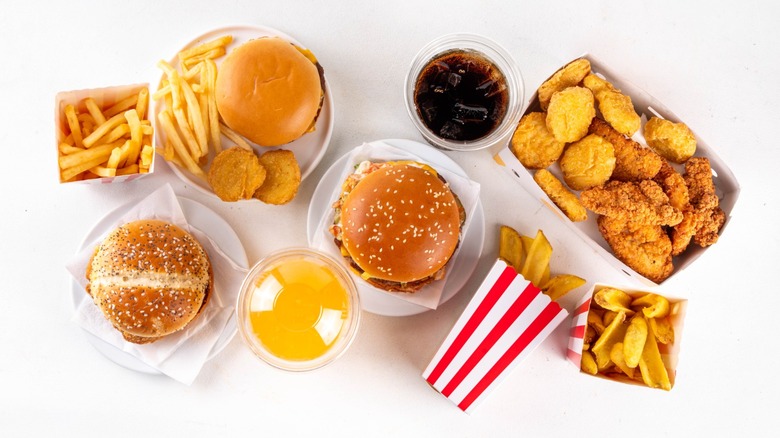
There's the fast food menu the public sees, posted up on boards as they read out their orders ... and then there's the version employees know from working behind the counter. The difference between the two can be eye-opening. While customers are busy debating which chain has the saltiest, crispiest French fries, the most savory secret sauces, and can't miss limited-edition items, employees in the kitchen are quietly clocking which menu items are repeatedly allowed to sit out too long, arrive frozen in anything but fresh-baked forms, or worse.
To be clear, this article is not about us trying to ruin anyone's favorite takeaway fix. Fast food is an American classic, after all, and sometimes you just want that juicy burger, fizzy soda, or decadent dessert cranked out of an ice cream machine. We get it! However, employees working in food restaurants across the country have been sharing plenty of honest opinions over the years, giving us behind-the-scene insights about the particular menu picks they personally avoid (and suggest you do, too).
Some workers point to items that are notoriously inconsistent in quality. Others mention foods that aren't necessarily prepared fresh during certain hours (or ever, for that matter). Some menu options are mentioned to linger longer than customers realize. And, think about it: Who would know better than the people actually making the food every day? So, before your next drive-thru run, you might want to hear just what these insiders have to say.
1. Ice Drinks and Slushies
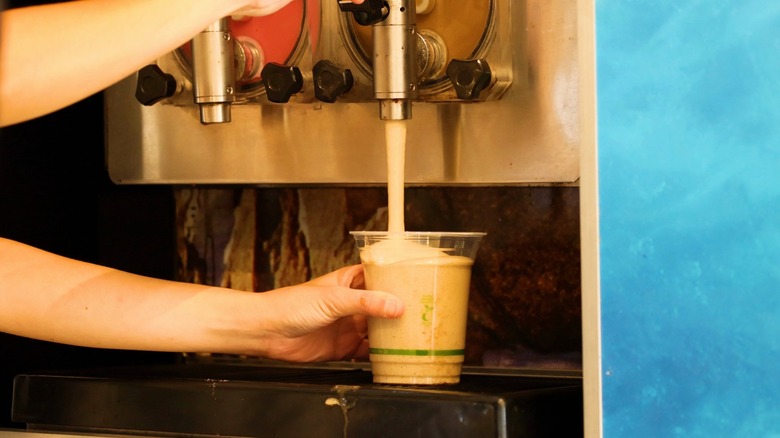
You may have heard rumblings about bacteria lurking in gas station Slushie machines. It's an unpleasant thought, but, as it turns out, there is actual merit to those bacteria misgivings. Even worse? It's not just gas station machinery, with fast food employees now admitting they've seen equally hair-raising alarm bells ringing in their workplace ice and Slushie machines.
According to actual worker tales from behind-the-curtain, everything from slushies to fountain sodas packed with pebble ice (pretty much anything from a fast food drink station) is giving red flag warning vibes. This is because those machines can get unbelievably grimy behind closed doors. Specifically, workers across several fast food chains describe mold hiding in internal compartments, buildup inside chutes, and trays that stay full (meaning they're rarely emptied for proper deep cleaning). Some technicians and health inspectors even admit they personally avoid restaurant ice altogether after seeing what accumulates in neglected machines.
The issue isn't always laziness as much as logistics. Properly sanitizing ice equipment takes time, training, and consistency during already hectic shifts. Self-serve dispensers can become especially messy because countless hands touch the area around nozzles and ice openings all day. Slushie machines add another layer of concern because sugary residue can cling to internal parts if maintenance lags. None of this means every fast food drink machine is a biohazard. Plenty are cleaned correctly. Still, employees say if there is one menu category they approach cautiously, it's often this one.
2. McCafe and espresso machine drinks
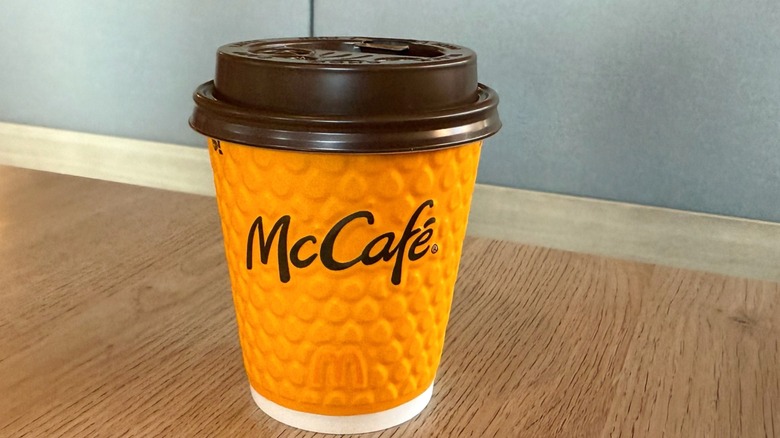
McDonald's coffee has been listed among the fast food menu items that have upset customers, leading to lawsuits even. In fact, it was one of the most unbelievable fast food scandals to date. But, that had more to do with McDonald's drip coffee and its high temperature than this next issue employees are warning customers about, which is McCafe and espresso machine drinks. It's common knowledge that fast food coffee drinks have become a hot trend.
In fact, some chains, like McDonald's and its impressively varied and extensive McCafe menu, are now holding their own against coffee shops, serving millions of drinks via highly specialized machines. But, according to fast food employees, those complicated espresso systems can pose a real maintenance nightmare.
Workers describe the machines as difficult to fully sanitize because of intricate tubing, milk lines, brewing chambers, and internal compartments. Proper upkeep often requires specific brushes, careful disassembly, and strict daily routines. The problem, according to employees, is that busy shifts and understaffing sometimes lead to shortcuts (which results in milk residue, old coffee grounds, and syrup buildup inside areas customers can't see). To be fair, many chains have rigorous food safety systems and employees who clean equipment thoroughly, meaning plenty of customers drink these beverages daily without issue. Still, workers say espresso machines are only as clean as the staff maintaining them, and the public usually has no idea whether yesterday's rushed shift skipped important steps.
3. Chili
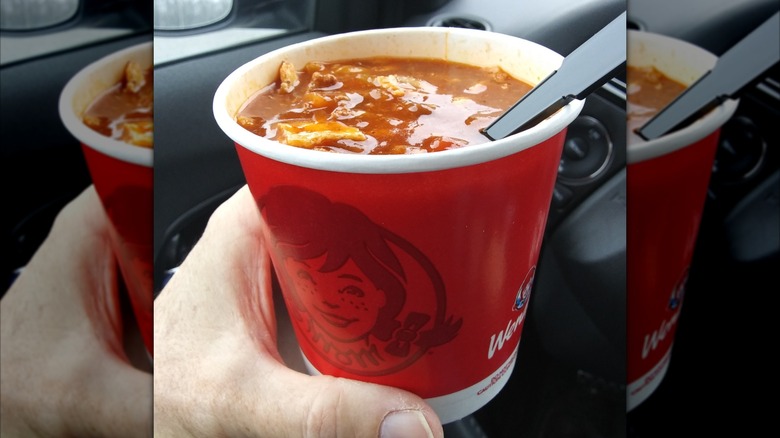
Even though we've explained the reasonings (justifications?) behind why some fast food spots, like Wendy's, uses leftover burgers in chili, it doesn't take away from the fact that knowing that bit of info still gives plenty of people the ick. For many customers, chili invokes images of warm, hearty, comfort in a bowl, and it seems like it would be the most (relatively) homemade menu pick compared to your standard burgers and fries. Then they discover the somewhat unsavory truth: The meat in certain chains' chili often starts as leftover hamburger patties that were never sold during regular service.
Workers explain there is method behind this madness, saying this practice is less about serving spoiled food and more about reducing waste. Reportedly, the burger patties that sit too long under warming conditions to be served fresh are collected instead of being tossed out. Later, employees describe those patties being stored, boiled, chopped apart, and mixed into large batches of chili alongside beans, spices, and sauce. While other restaurants are often praised for turning excess product into another profitable menu item, fast food chains (notably Wendy's) get lambasted for it.
There's just something about knowing the origin story that seems to completely change the experience for some customers. Even people who admit the chili tastes good confess the mental image alone gives them pause. Clearly, there's a psychological difference between images of savoring slow-simmered beef chili and grubbing out on repurposed burger leftovers.
4. Subway meatballs
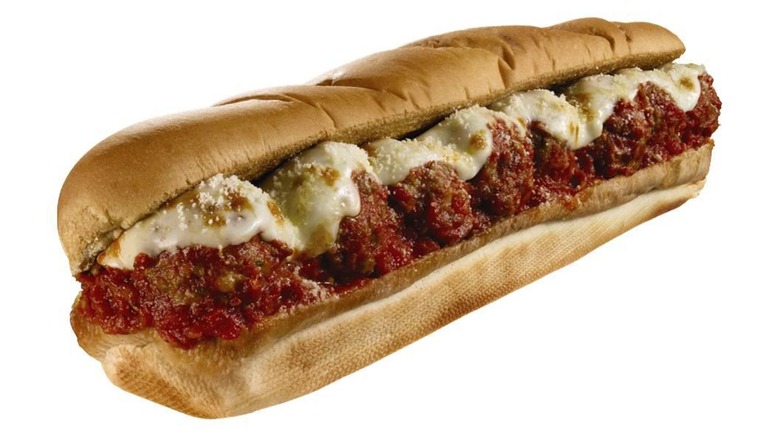
Among the Subway menu items employees have warned customers to avoid is the meatball sub. The meatballs in particular are what reportedly gives them pause. Specifically, employees describe the meatballs as a product that tends to linger far longer than customers probably assume. Granted, while corporate rules may call for regular replacement throughout the day, some workers claim that certain locations (not all, mind you) have been known to stretch those limits considerably in order to reduce food waste and save money.
Staffers have described sauce being continually topped off, meatballs repeatedly reheated, and containers simply transferred into fresh pans instead of fully discarded (a clear flouting of protocol). The big issue is not necessarily that the meatballs begin rotten. Of more concern is more the cycle of near endless reheating and holding that really grosses workers out. Some Subway employees say the same batch could survive multiple shifts if a location was slow enough. Others have claimed that much of the blame lies in bad management, which encourages relabeling or extending expiration dates on prepared ingredients rather than tossing them when protocol normally calls for it.
Of course, not every Subway operates this way. Many locations follow safety procedures carefully and keep ingredients fresh. But, the meatballs have developed a pretty nefarious rep among workers precisely because of these reported pitfalls that can crop up when proper protocol fails.
5. Lemons, pickles, and garnishes
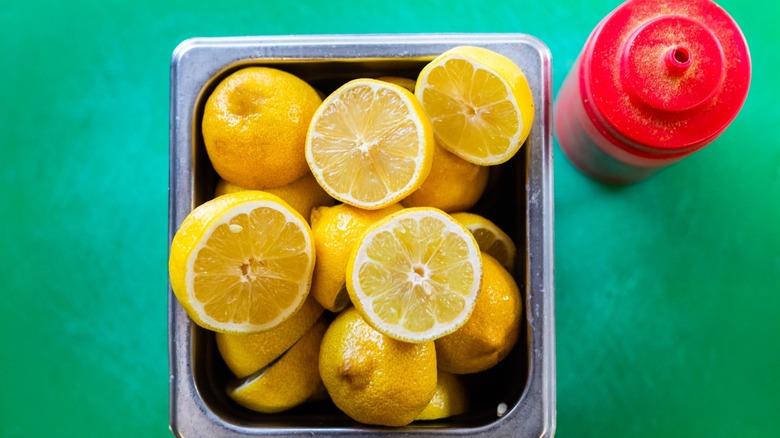
While those tiny garnishes sitting in containers at your favorite fast food spot may seem harmless, employees are sharing why these morsels may be a bit more menacing than you'd imagine. That lemon wedge floating in your iced tea, those pickle slices piled on your burger, even the onions scattered across other sammies too ... all of these staple finishing touches barely register in most people's minds. But, fast food employees say garnishes are often handled far more casually than customers realize, which can turn these itty bitty accoutrements into one of the germiest parts of a takeaway meal.
For example, workers admit garnishes are grabbed quickly during rushes (without fresh gloves or utensils, because stopping to switch tools constantly slows everything down). Lemon wedges, for instance, may sit exposed in open containers for hours, while dozens of hands reach into the same tray all day long. Pickles and onions also create their own issues, as employees sometimes dip gloved hands directly into communal bins repeatedly, spreading juices and cross-contaminating between ingredients.
The biggest jolt for many customers is that lemons themselves are rarely washed carefully before slicing, with employees admitting to inconsistent sanitation standards. Studies have even found microbial growth on lemon slices, which certainly changes the vibe of that lemon water order. None of this means every pickle spear or citrus wedge is dangerous, but workers do say garnishes live in a strange gray area of food handling.
6. Filet-O-Fish
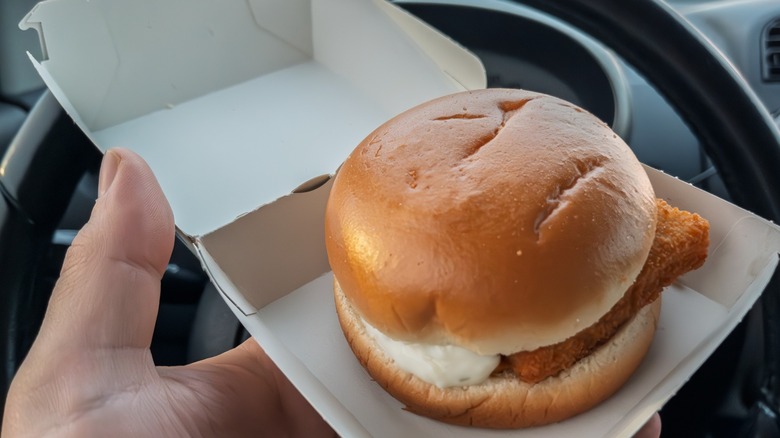
For customers trying to avoid meat cross-contamination, the Filet-O-Fish often feels like a safe selection. Technically, many fast food restaurants do cook the fish patties separately from beef and chicken products. But, employees say the reality of standard fast food fryer systems is more complicated than most realize. Workers explain that while fish may sit in its own designated vat of oil, the filtering systems underneath the fryers are often shared. As such, during cleaning and circulation cycles, oil from multiple sections can pass through the same filtration area before being pumped back into service. Translation? While separation does exist, complete isolation isn't guaranteed.
Employees point out how easily accidental contact can occur, particularly during busy kitchen rushes. Fish baskets pass over neighboring fryers, crumbs scatter between vats, shared tools occasionally move around faster than protocols intended. Even workers themselves admit that achieving absolutely zero cross-contact inside a cramped commercial kitchen feels practically impossible.
For customers with severe allergies or strict dietary concerns, that distinction matters. The Filet-O-Fish may contain no meat ingredients directly, but some employees caution that trace contamination can still occur simply because of how fast food fryers are forced to operate behind the scenes. To be clear, this is not unique to one chain (no hate directed at the Golden Arches!), as shared filtration systems are common across the industry. Still, the Filet-O-Fish surprises people because the advertising gives the impression of complete separation, when the actual setup sounds considerably messier.
7. Soups and macaroni & cheese
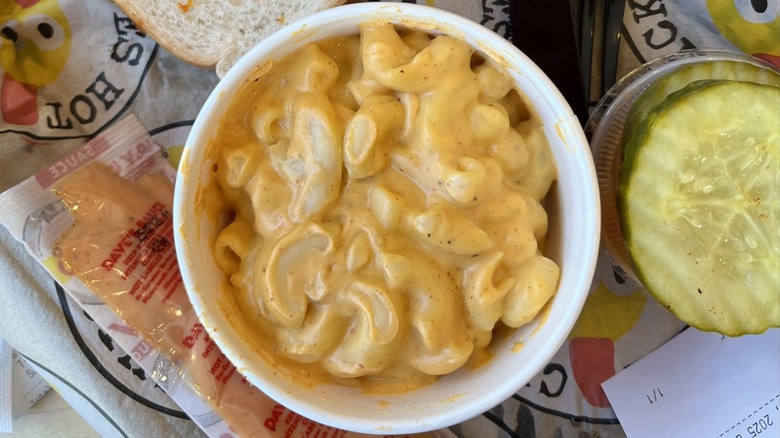
Some fast food restaurants have mastered the art of making factory produced food feel pretty darn close to homemade. Their genius marketing, complete with using words like "freshly prepared," only adds to the homey appeal, lending the impression that somebody is actually back in the kitchen whipping up recipes from scratch. Well, we hate to break it to you, but according to employees, the reality is usually far less warm and toasty (think frozen, to be exact).
For instance, we have Panera, which not only no longer has fresh baked bread, but also has soups and mac and cheese that apparently arrive onsite frozen. Panera workers have explained how menu items arrive frozen inside sealed plastic bags. Instead of being cooked from scratch on-site, the products are reheated in hot water systems (sometimes called thermalizers) before being poured into serving containers.
For many people, the shock isn't so much that places use prepared foods, but the disconnect between branding and reality. It feels almost dishonest, perhaps? Employees themselves seem divided on whether this matters. Some argue there's nothing wrong with frozen products as long as they are handled safely and taste good. Others admit learning the truth ruined the illusion for them permanently. The funniest part may be that plenty of people still happily order these items after finding out. Apparently, for some, creamy mac and cheese can survive almost any revelation.
8. Freshly Brewed Sweet Tea
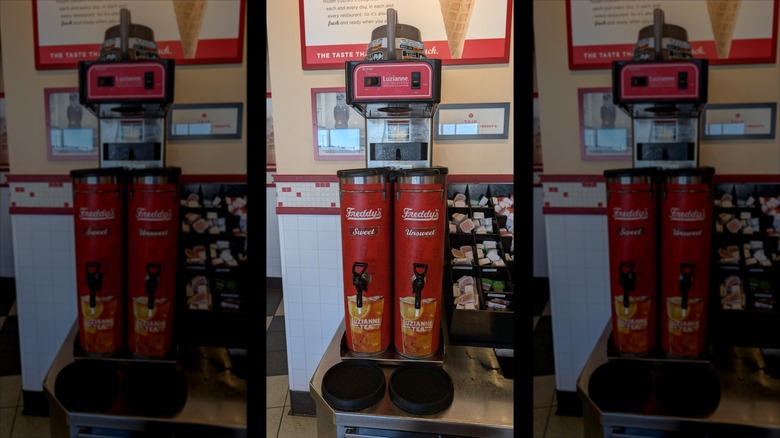
The next selection is sweet tea, which fast food restaurant employees say can be pretty problematic. Most point to improperly maintained tea systems as the culprit, which are said to become surprisingly disgusting if staff neglect cleaning routines. The problem starts with sugar. Specifically, sweet tea leaves sticky residue inside containers, spouts, nozzles, and dispensing valves, brewing the perfect environment for bacteria and mold to grow if those parts aren't regularly scrubbed. Workers have described seeing tea urns with buildup hidden inside overlooked components.
Some employees point to the spouts as the worst offenders, because staff clean the visible container but forget the tiny internal pieces where old tea collects. Over time, this residue can sour, ferment, or develop an unpleasant (let's just say plain funky) taste. Workers who have deep-cleaned neglected machines describe discovering slimy, moldy buildup inside areas apparently untouched for quite some time.
Food safety experts explain that brewed tea itself becomes vulnerable once it cools into temperatures where bacteria thrive. Add sugar, leave it sitting for hours, and microbes can multiply swiftly if contamination occurs through hands, utensils, or even dirty dispensers. While not every tea station is filthy, obviously, employees say sweet tea equipment tends to be deceptively high-maintenance compared to what customers assume. Suffice to say, that tea urn perched quietly in the corner of your favorite fast food joint may look innocent enough, yet workers insist it can hide some deeply unpleasant gunk underneath those little plastic spigots.
9. Pre-closing cooked items
Late night fast food runs can feel almost exhilarating, sliding into the drive-thru by the skin of your teeth, just making it to the order window mere minutes before closing. You quietly pat yourself on the back, glorying in managing to still get your fix of fries, tacos, burgers, or nuggets before employees switch that closing sign around and turn the lights off.
But, what you may not realize is that many fast food kitchens have already basically closed up shop by the time you roll up, with staff (at least mentally) already having checked out (and your order? Not on top of their priorities list). Employees have admitted this, saying the final stretch of a shift can become a balancing act between food safety, cleanup, utter exhaustion, and simply just wanting to get home after a long day.
By closing time, many food stations are already at least partially broken down, with ingredients consolidated and fryers already being filtered or cleaned. While some employees insist they always follow proper procedures, others admit standards slip once closing duties start piling up. Workers even describe greasy gloves touching buns after cleaning tasks, ingredients being scraped from nearly empty containers, or older food being reheated simply to avoid restarting equipment. Granted, it depends entirely on the crew working that night and how seriously they take protocol. Most employees agree on one thing, though, which is that showing up right before closing is a roll of the dice.
10. Secret Menu items
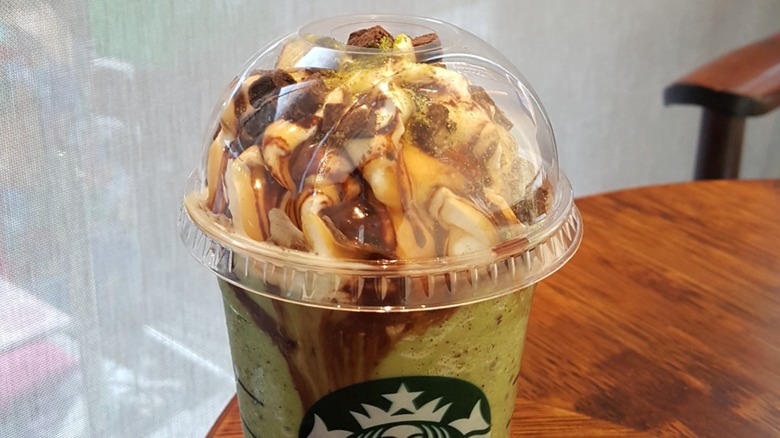
Ordering secret menu items, at least from a customer perspective, can feel really special and fun. You sense you're getting something no one else knows about, and there's something really cool about that. But, from an employee standpoint? They are far less enthusiastic, explaining that these unofficial concoctions can be the sources of headaches and confusion. The biggest problem is that workers are not actually trained on secret menu items because, technically, those items do not exist.
Basically, customers walk in confidently requesting super-customized, colorful concoctions with catchy nicknames that are currently trending online and expect the poor staff to magically know exactly what they are talking about. Yet, staff aren't mind readers, or magicians. Actual baristas and fast food cashiers claim this can create immediate stress, especially during busy rushes when complicated modifications start backing up the line. Some workers describe customers becoming irritated when employees ask for clarification, even though the recipe was invented online by strangers rather than the restaurant itself.
Even when staff members try accommodating the requests, the results can vary wildly. Different employees may substitute ingredients differently, ring items up inconsistently, or guess at proportions. One location's version of a so-called secret frappuccino could taste completely different somewhere else. The experience can become even messier if customers argue over pricing because there is no official button for this internet-famous (but technically fictional) fare. Bottom line: It is no secret that secret menu ordering is not an employee favorite.
11. Pre-made tuna salad
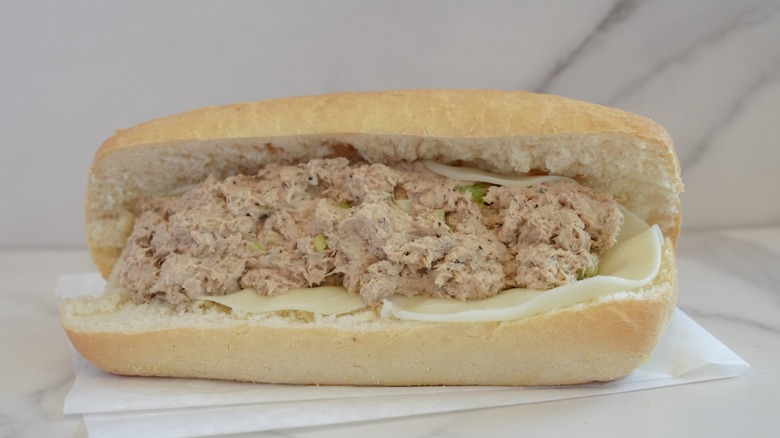
When it comes to fast food menu items employees warn customers about, among the top of that list is tuna salad. You could say there is something fishy about it, with workers from fast food sandwich chains saying those creamy seafood mixes are often among the riskiest items behind the counter. The main issue is not the tuna itself, but more the combination of mayo, slower than predicted sales, and large, pre-made batches left hanging around refrigerators far longer than most realize (or safety protocols mandate).
Employees say tuna salad gets prepared in oversized containers, the contents designed to last several days. In busy locations, that might not matter much. At slower stores, however, workers admit the fish mix can sit untouched for long stretches before ever ending up on someone's sandwich or salad plate.
Staff describes giant tubs getting stirred repeatedly, older leftovers being mixed into fresher batches, and questionable textures being hidden far beneath globs of extra mayonnaise. Several workers at some chains also point out that instead of freshly flaked tuna mixed by hand, some outlets resort to compressed industrial tuna blocks that get mashed together with heavy amounts of mayo until everything becomes one uniform, scoop-able spread. While not every location handles tuna carelessly, employee warnings pop up often enough that many workers now avoid fast food tuna salad entirely (and warn customers to do so also, while they are at it).
Methodology
For this list, we dug through Reddit threads, employee forums, and online discussions featuring firsthand fast food worker stories to find the menu items employees themselves say they'd avoid. While experiences can vary by location, the picks on this list are based on the items workers mentioned again and again as lowkey red flag fare.