

The 12 Chicken Marinade Tricks And Tips Chefs Swear By
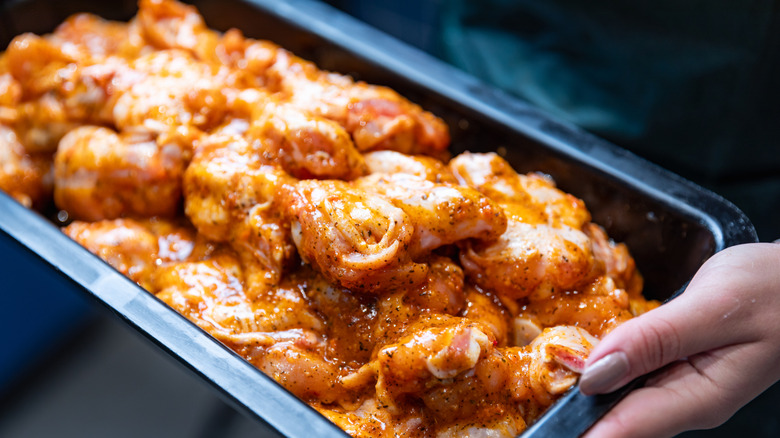
You most likely have a go-to chicken marinade recipe that tastes good, but professional chefs know all the tips and tricks to take that brined bird to the next level and beyond. There are several benefits to using meat marinades, with enhanced flavor being just one of them. Some ingredients also have a tenderizing effect, making the chicken even more succulent. Marinades also infuse typically dry pieces of chicken, such as breasts and wings, with a much-needed moisture boost. When it comes to chicken-marinating secrets, knowing which ingredients to use and the best ways to implement them will make or break your next batch of grilled or baked chicken.
We called on several chefs from around the country to spill some of their best chicken marinating tips, which you can try out at home. Whether you're using the freshest seasonal herbs and produce or drawing inspiration from your favorite cuisine, these tips and tricks will help you create your best marinade yet. Shawn Haynes, the executive chef of Jones Oyster Co. of Greenville, South Carolina, lends his expertise, as does Beau Owens, the executive chef of Tavola Italian Restaurant, which is located in Simpsonville, South Carolina. Chef Bill Kim, Partner & Culinary Director at Chicago-based Cornerstone Restaurant Group, and Rodney Freidank, Corporate Chef at Table 301 Hospitality, also in Greenville, weigh in as well.
1. Build layers of flavor
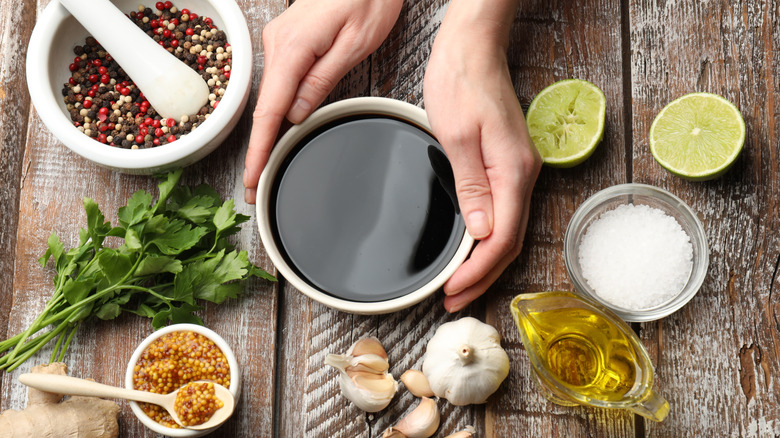
Layering a variety of complementary ingredients into your marinade creates a depth of flavor that one element alone cannot. Marinades start with some type of liquid base, such as vegetable or chicken broth or stock, which bathes the chicken in moisture. From there, other ingredients are introduced to the party until it tastes exactly how you like it. Each component plays an important role in the marinade, giving it complexity and infusing the chicken with richness. The different ingredients build on each other, working in unison to balance the sweet, salty, and sour flavors.
Coming from a coastal Southern California cooking background, Chef Shawn Haynes said that he learned early that a marinade should enhance the chicken, not overpower it. "I like building layers with salt, aromatics, fresh herbs, citrus zest, garlic, olive oil, and just enough acidity to brighten everything without 'cooking' the protein," he explained. Not only do these elements pack a powerful flavor punch, but they also provide technical support in the marinade. For instance, fats, such as butter and oil, help the seasonings adhere to the meat more easily, while salt can help tenderize the protein strands in the chicken.
2. Balance the acid
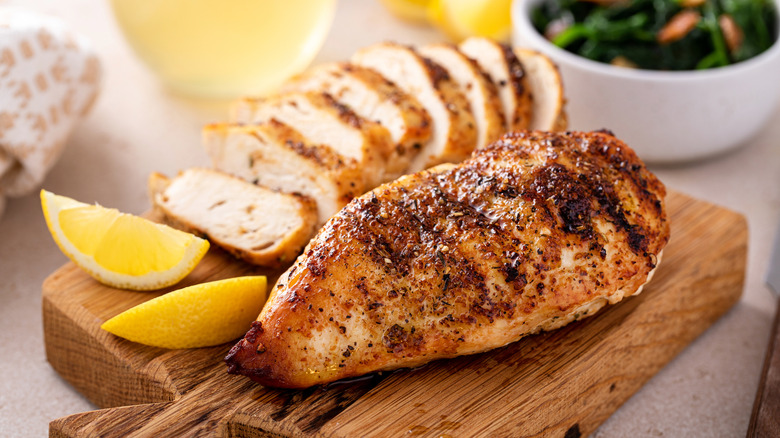
All good chicken marinades contain some type of acidity, as it adds brightness and lends an irresistible tang. Like any tasty recipe, however, it's all about balance. If you use too much acid, it will overtake the marinade and give it an overwhelming bitter taste. If there's not enough, you may go undetected. The secret to the perfect balance is to blend the acidic elements with the right complementary ingredients. You can introduce acidity into the marinade via a wide variety of ways, such as fresh-squeezed orange, lemon or lime juice, apple cider or balsamic vinegar, or even a bit of spicy brown or yellow mustard.
To keep the tartness in check, Chef Shawn Haynes says his biggest tip is to balance acid carefully and "let salt do the heavy lifting." He shares, "A lot of people over-marinate chicken with too much citrus or vinegar, and end up changing the texture before it ever hits the grill." Acid can even turn raw chicken white if it rests in a marinade too long, as its components break down protein in the meat "Don't underestimate time," Chef Haynes adds. "Even 4-6 hours with a well-balanced marinade can outperform an overnight marinade that's too aggressive.
3. Add smokiness with charred and smoked ingredients
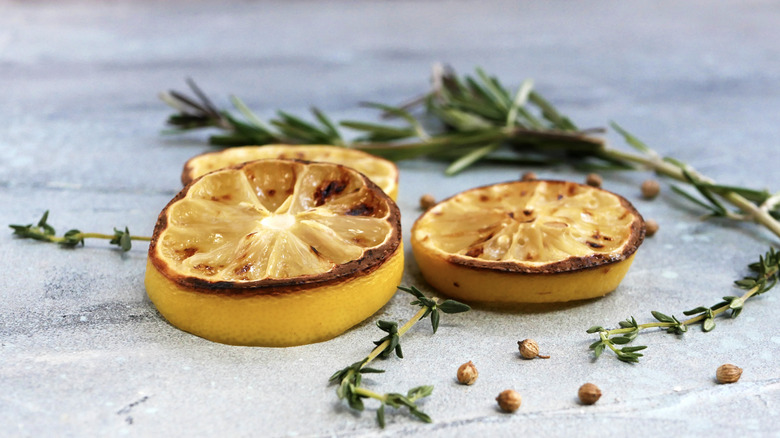
If you love the smoky flavor of grilled chicken, consider incorporating charred or smoked ingredients into your marinade. Adding them to the sauce may be faster than actually grilling the chicken, and will come in handy if you don't have access to a grill. While you can slather your chicken in a smoky barbecue sauce, bathing the bird in a marinade with charred ingredients will give it a deep, infused flavor. As an added benefit, you can freeze some of the charred ingredients to have on hand for future chicken marinades.
One of the easiest charred ingredients to add to a marinade is a lemon. To make this delicious chicken bath, start by pan-searing or grilling lemon slices along with olive oil and spices. The high heat will caramelize the citrus, toning down the acidity and bringing out its natural sweetness. After the lemon slices are cooled, squeeze the juice into your marinade, or blend the citrus (peel and all) with yogurt, garlic, onion, and seasonings. Chef Shawn Haynes says that he loves pulling inspiration from Baja, Southern California, and coastal Mediterranean cooking, and that some of his favorite marinade additions are "charred citrus, smoked chiles, fish sauce, fresh herbs, fermented ingredients, and even coconut water."
4. Incorporate citrus zest
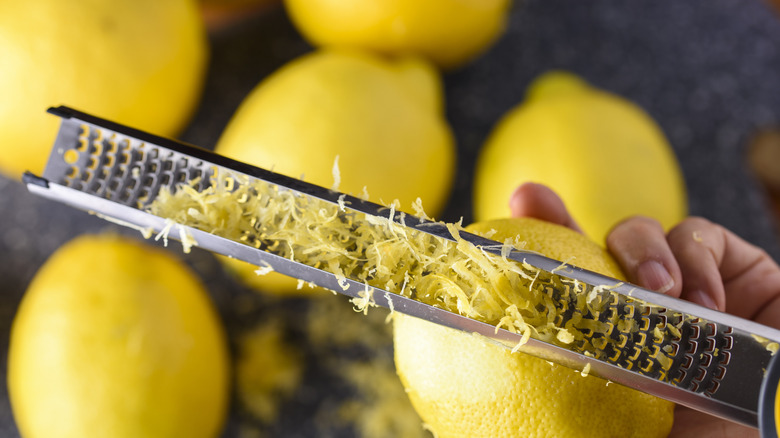
Another way to brighten up a chicken marinade and add a bit of acidity to the mix is with citrus zest. If you crave the flavor of lemon, lime, or orange in your marinade, but don't want the tangy bite that comes along with it, zest is your best friend. Citrus zest infuses marinades and sauces with a deep, pungent flavor without any of the bitterness or acidity. Citrus zest also naturally contains essential oils, which packs a powerful punch with minimal effort. Since citrus juice contains some water, the flavor is somewhat diluted.
To add citrus zest to your next chicken marinade, use a microplane or a box grater and stop before you get to the white, pithy part of the fruit, which has a strong, unpleasant taste. There is a specific way to properly zest citrus. Stir the zest into the marinade, along with some the fresh herbs and seasonings of your choice. You can use just one type of citrus fruit, or a combination of two or more to create a customized flavor for your chicken.
5. Brine the chicken first
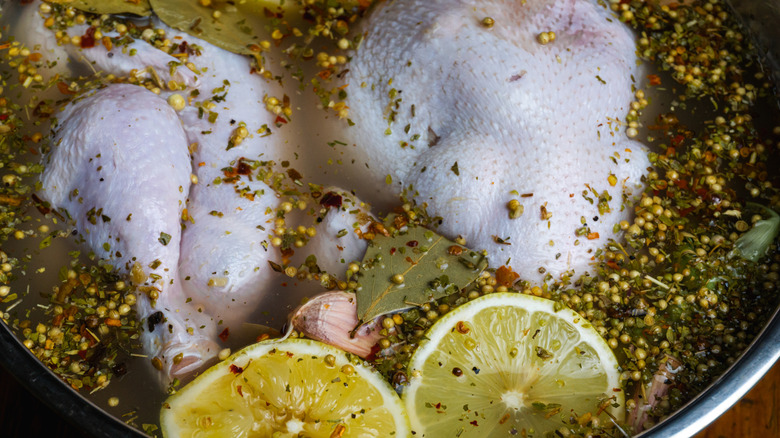
Sometimes simply marinating your chicken isn't enough to infuse it with the right amount of flavor, and that's when a brine comes in handy. Marinades and brines work double duty to give your grilled or roasted chicken an unforgettable taste that will be the talk of the backyard barbecue. The fun part is that you can use almost any type of liquid to brine your bird, including the breakfast beverage of choice, coffee, which will give your chicken a rich, unique flavor. Other brine ideas include pickle juice, apple juice, buttermilk, or some type of vinegar, such as apple cider. The right brine injects both flavor and moisture into your chicken, making it as juicy and succulent as possible.
Or you can make your own customized brine using a mix of fresh ingredients, such as produce and herbs, like Chef Beau Owens. "My go-to is always brining the chicken for a few hours," he says. "A basic brine with consists of 1 gallon of water, 1 cup of kosher salt, ½ cup of white or brown sugar, 1 yellow onion, a few sprigs of fresh thyme, rosemary, bay leaf, black peppercorn, and 3-5 pieces of whole garlic." He shares that the brine really helps to enhance flavor and moisture through osmosis. "After the chicken has brined, I will add a dry rub or a marinade to the chicken for about 20 minutes prior to cooking," he concludes.
6. Use seasonal ingredients
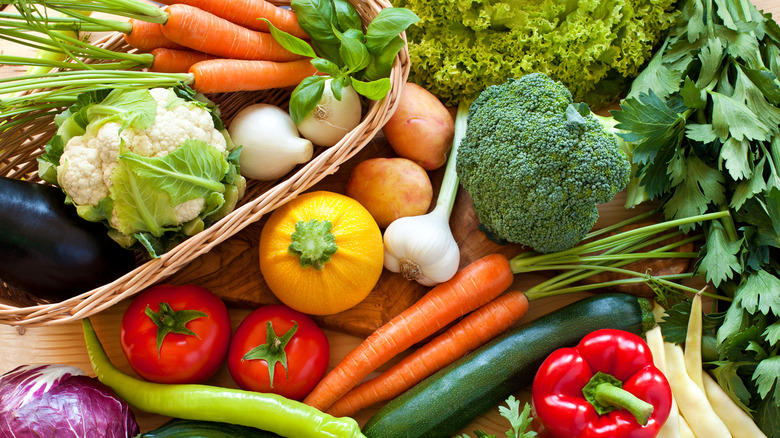
When it comes to cooking, using seasonal ingredients whenever possible is almost always the best option. Making fresh, flavorful chicken marinades is no exception to this rule. Chef Shawn Haynes often incorporates in-season ingredients into his marinades and says that "growing up around the produce culture in Southern California really shaped the way I cook. When ingredients are at their peak, you need to do less to make something taste incredible." He also shares that a really great marinade should hit multiple notes — savory, bright, aromatic, and balanced.
"I love ingredients like roasted pineapple, tamari, Calabrian chile, preserved lemon, or fresh grated ginger for depth," Chef Haynes says. "In the summer, I lean heavily into grilled citrus, stone fruit, fresh herbs, peppers, and tomatoes. During colder months, I gravitate toward roasted garlic, rosemary, sage, citrus, and warm spice profiles." Chef Bill Kim relies on seasonal apples, pears, and kiwi to naturally tenderize chicken and add sweetness and depth to marinades.
7. Hit it with a bit of heat
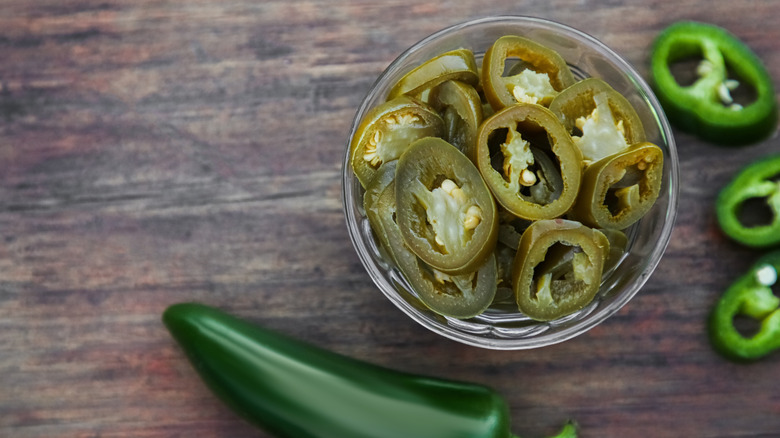
Hit your chicken marinade with a controlled amount of heat to give it an instant upgrade. The secret to successfully adding heat to the marinade is all in your technique, says Chef Shawn Haynes. "For me, layered heat is always better than aggressive heat." And, how does he layer different types of heat without overpowering the marinade? "I'd rather use multiple sources, something fresh, like serrano or Fresno chile, something smoky, like chipotle, and maybe a fermented or dried chili component, instead of just making something painfully spicy," he shares. "The goal is flavor first. Heat should build slowly and complement the chicken rather than dominate it."
Chef Beau Owens agrees that less is more when it comes to spice. "I love adding jalapeño or habanero peppers to the brine and marinade if I want to add a little heat — but not so much that it will make you sweat," he shares. Weighing in on the spicy marinade debate, Chef Rodney Freidank says "If you want more heat you can go for a hotter pepper like a scotch bonnet, Reaper, or Ghost. Since I'm normally surrounded by non-heat-seeking folks, I will typically have something spicy on the side rather than in the marinade." That sounds like a smart plan to us.
8. Marinate the meat in a sealed bag
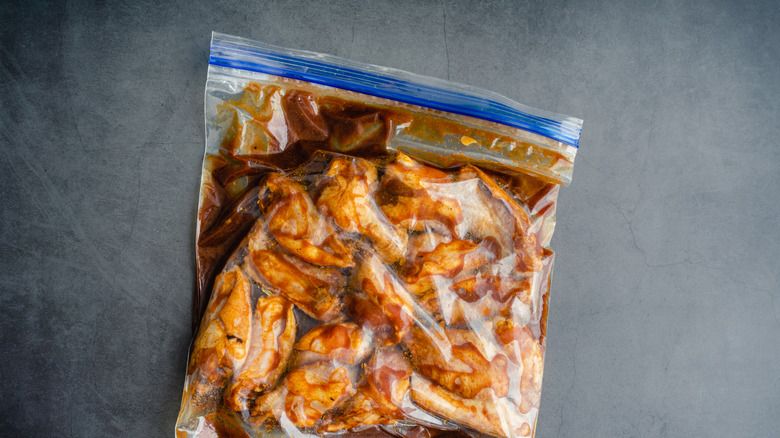
Not only is marinating your chicken in a sealed plastic bag convenient — you can toss it in the trash when you're done. The process also improves the meat's taste and texture. The deeper a marinade penetrates the chicken, the more intense the flavor and moisture level will be. Marinating chicken in a plastic bag will ensure that all of the ingredients, such as spices and seasonings, are evenly distributed. Whether you use an acid and oil-based marinade or one made with yogurt or another type of dairy product, the sealed bag method is the way to go.
"I like to marinate my chicken in either a Ziploc bag or, even better, in a vacuum-sealed bag," Chef Rodney Freidank says. " The vacuum sealing will infuse the flavors more quickly." On a scientific level, removing all the air from the plastic bag and creating a vacuum accelerates marinade penetration and maximizes flavors. This is especially helpful when you're marinating your meat on a time crunch.
9. Jazz it up with some spirits

If you think that your favorite spirits are just for sipping, you're mistaken. You can use all types of alcohol to create boozy marinades that will make your chicken drunk on flavor. You've probably heard of "beer can chicken" before, but why stop at a brewski? Get creative with wine or a wide variety of spirits to take your chicken to the next level. Chef Shawn Haynes says that he uses alcohol in his marinades "in moderation." "Beer, white wine, sake, tequila, or even bourbon can all work depending on the flavor profile you're building," he shares. "Coming from a coastal California perspective, tequila and citrus are a combination I naturally gravitate toward for grilled chicken."
Chef Beau Owens says, "I add alcohol depending on the final product that I'm looking for. Wine, bourbon, and even beer can transform the flavor of the chicken into something special." Chef Rodney Freidank makes beer-brined chicken using Kosher salt, sugar, Cajun Spices, water, and whatever beer he has on hand. "Keep in mind that some alcohol choices can be highly acidic and will denature the protein, giving it an unpleasant texture," he says. "As a general rule, the more acidic the marinade is, the shorter the time you need for marinating." Chef Bill Kim likes adding little brandy or soju, a Korean distilled spirit, to his marinades, as they "add richness and bring out deeper flavors in the meat."
10. Infuse it with fresh herbs and spices
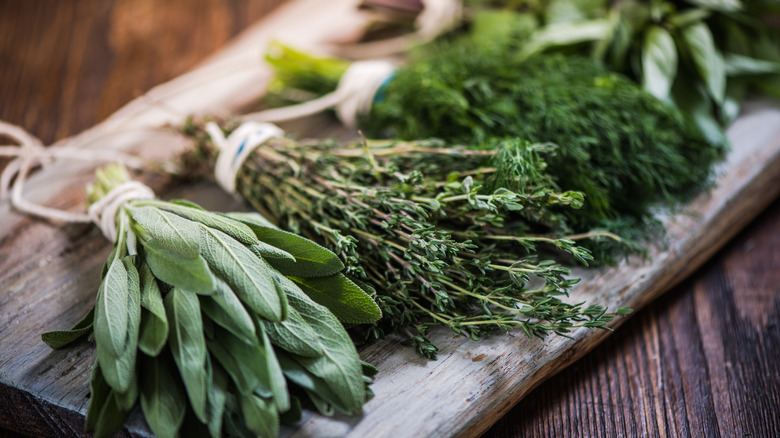
There aren't many types of food that fresh herbs don't make better, and chicken marinades are no exception. When you're working with the herbs, however, be sure to avoid the biggest mistakes that people make with them. Herb-marinated chicken is juicy and bursting with garden-fresh flavor, and the greens work well with a wide range of other ingredients, such as yogurt, olive oil, citrus, garlic, and hot pepper. For an herbaceous, sweet, and salty flavor explosion, work fish sauce and honey into your marinade as well.
You can use any type of herb to enhance your chicken marinade, such as parsley, chives, and thyme. If your marinade is inspired by a specific cuisine, use fresh herbs to enhance it, such as basil and oregano for an Italian-based brine, or cilantro for a Mexican-themed mixture. Chef Rodney Freidank says his favorite marinade for grilling chicken is "one part fresh jalapeños [with] the stems, seeds, and ribs removed ... one part fresh ginger root ... two parts peeled fresh garlic cloves ... ½ cup of Dijon mustard ... [and] 1 or 2 nice sprigs of fresh rosemary." He puts all the ingredients in a food processor until it's smooth, adds some kosher salt, and tosses the marinade with chicken parts.
11. Add some dairy
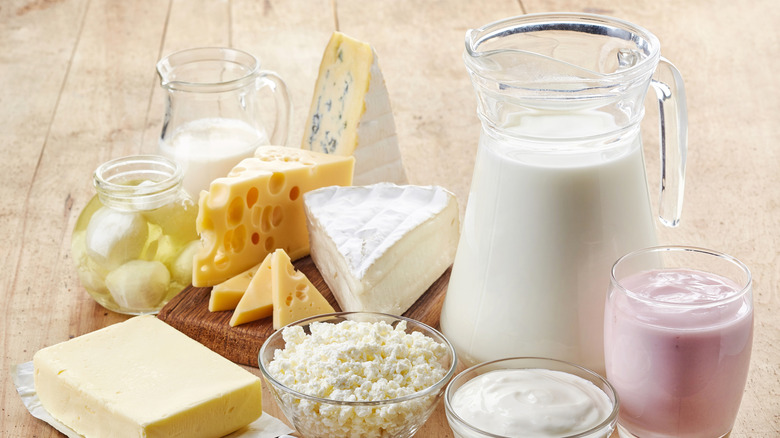
Another secret of mouthwatering marinades that professional chefs swear by is adding some type of dairy to the mix. You can also steal this double marination trick for the best butter chicken, which luxuriates in a creamy yogurt bath. Some ethnic marinade recipes also call for whole milk to add even more creaminess. Chef Shawn Haynes says that "yogurt and buttermilk are both fantastic because they tenderize gently while adding richness and flavor." He adds that "buttermilk fried chicken is a classic for a reason, and yogurt-based marinades are some of the best ways to build flavor while keeping chicken incredibly juicy. I especially love yogurt marinades with garlic, citrus, herbs, and warm spices cooked over high heat or open flame."
Chef Beau Owens shares that "adding dairy is great when you are looking to fry chicken or [are] creating a Greek dish." He also says, "I used to marinate chicken souvlaki in yogurt, garlic, lemon juice, sweet paprika, and garlic. This was fantastic for grilled skewers in the summertime."
12. Get inspired by a specific flavor profile or cuisine
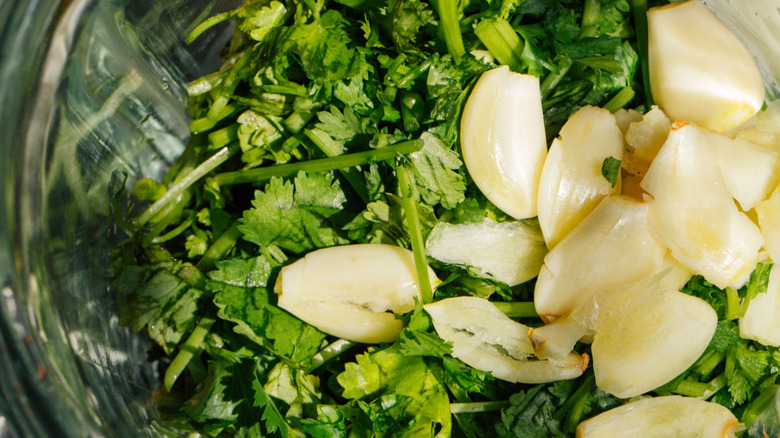
It's often said that travel is the best teacher, and that applies to cooking as well. Some of the most delicious chicken marinades are inspired by location-specific flavor profiles and international cuisines. Chef Shawn Haynes says, "A lot of my inspiration comes from travel, farmers' markets, conversations with cooks, and memories tied to food." He adds that "Southern California has such an incredible mix of cultures and flavors — Baja Mexican, Japanese, Korean, Mediterranean, Southeast Asian influences— and all of that naturally shaped the way I think about marinades and cooking in general. The best marinades are the ones that make people stop talking for a second after the first bite."
Chef Rodney Freidank's chicken marinade recipes are also inspired by a variety of cuisines, and he says that "sometimes we know there is a flavor profile we are working with for the finished dish, like Curry, Tandoori, Mediterranean, etc. In that case, I choose ingredients that work with those profiles. Other times, I am just working with things I have around the pantry."