

5 Retro Kitchen Essentials Boomers Still Use
We may receive a commission on purchases made from links.
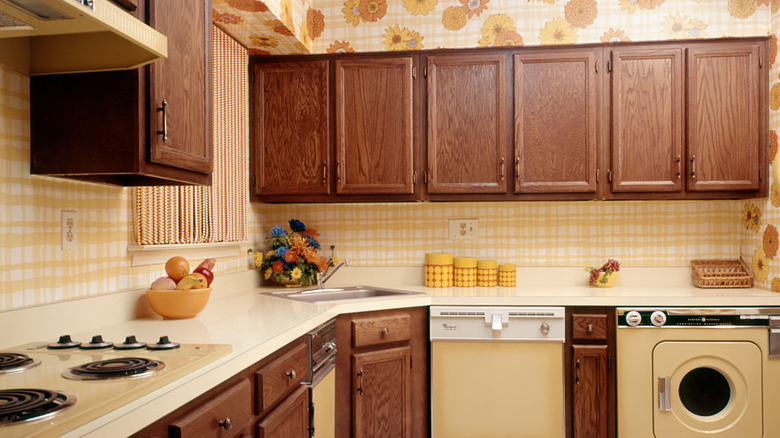
Every generation or so, new kitchen appliances take the culinary world by storm. Since the 2000s, the air fryer and Instant Pot have been all the rage, while '90s-era bread machines have been making a comeback despite having some major downsides. Older items from '70s kitchens haven't totally vanished, either. Back in 1978, a time when the youngest baby boomers were still kids, Julia Child called the food processor "revolutionary" during an appearance on "The Dick Cavett Show". Food processors today are hardly an ancient relic used only by the boomers and silent generationers who'd have been the primary purchasers of this brand new gadget back in the day. The rest of the items on this list may not be quite as ubiquitous as the perennially popular food processor, but they're just as handy now as they were in the 20th century.
Some of these items are sufficiently retro as to predate the baby boom years, which are designated as 1946 to 1964 (or 1961, depending on which demographers you ask). Infants are generally not big kitchen appliance users, however, so even the earliest boomers probably wouldn't have been doing much cooking before the 1960s. All of these items were still very much in use during that decade and the ones following, though. Although they're less common today, they're still pulling kitchen duty in many households. In fact, not only do these vintages essentials still hold pride of place in many modern kitchens, but newly manufactured versions are available for purchase. (We've included links for your shopping convenience.)
Electric can opener
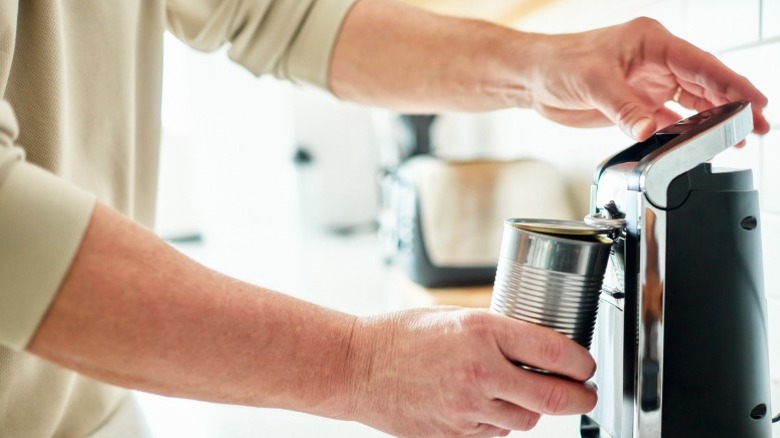
The electric can opener was invented in 1931, but the first model to become popular was released right at the end of 1956. The oldest boomers, then 10 years old, may have been allowed to use this exciting new appliance. By the '70s, they were a pretty standard sight in the American kitchen. These days, however, it seems to be more common for households to just have a hand-crank model.
Why did the electric ones disappear? Some speculate they fell out of popularity because they were once seen as a status symbol and the shine wore off once everyone had them. They also only performed one function and freestanding models took up valuable countertop space which was needed for shinier gadgets. The thing is, electric can openers are really quite handy (so to speak) for anyone with limited manual mobility, which is why some now-elderly boomers may have hung onto theirs all these years. People experiencing hand pain who don't own such a heirloom, however, can purchase brand new electric can openers such as the Proctor Silex Automatic Electric Can Opener. This next-gen model is portable and rechargeable with a USB cord and comes in three color options (black, red, and mint green).
Flour sifter
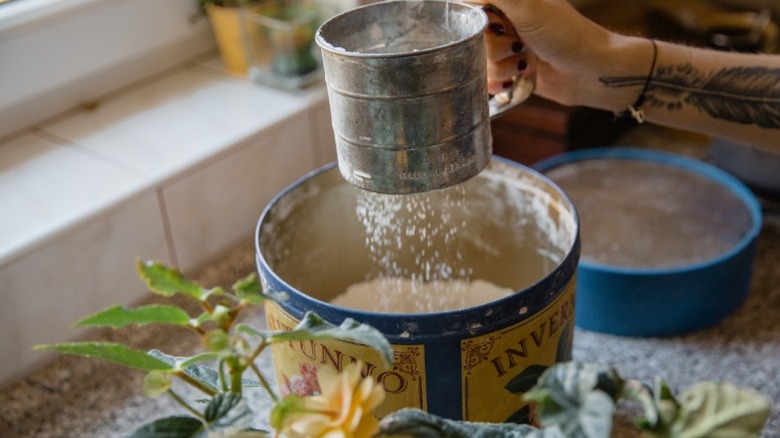
Back in the day, everybody (boomers, their Greatest Generation grandparents, even their unnamed generation great-great-grandparents) used flour sifters before baking. This uber-retro kitchen tool dates back to the early 19th century, and if you have a collection of vintage cookbooks you might have noticed that nearly every cake or cookie recipe starts off with flour sifting. Times change, though, and so does flour composition. Today's flour tends to be more finely milled and is far less likely to contain lumps or unwanted add-ins like stray seeds or insects. Newer recipes might also suggest measuring flour with a scale, spooning it into a measuring cup, or sifting it through a colander.
There are still some cooks who use their old sifters, though. There are also plenty of people who buy brand new ones, such as the Bellemain hand-crank flour sifter or the Cook Army one-handed flour sifter. Flour sifters are actually quite useful for delicate recipes like angel food cake, where you want to make sure the flour is light and airy. They also offer a great way to sprinkle an even dusting of powdered sugar over the surface of freshly fried donuts.
Food mill
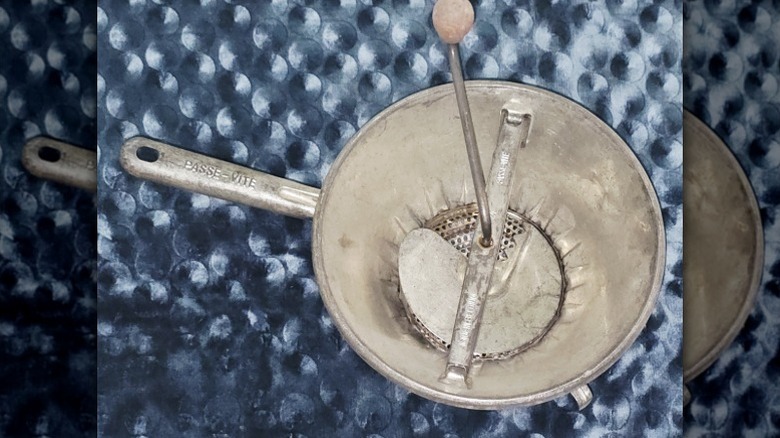
The hand-crank food mill is another old-timey appliance that survived into the boomer era and beyond, as it was first introduced in the 1930s by Minnesota's Foley Manufacturing Company. It looks like a small cooking pot with a colander for a bottom, but inside is a blade attached to a crank. You put the food in (cooked apples, cooked potatoes, raw berries, and canned tomatoes are all prime candidates), turn the crank, and out comes applesauce, mashed potatoes, fruit compote, or tomato sauce. Foley wasn't the only food mill manufacturer, mind you. Some Italian- and French-style food mills were much fancier, featuring different plates or blades that could be swapped out to provide different textures.
While many food mills may have been replaced by food processors, this item still has its place in some kitchens. For one thing, it's considerably more eco-friendly since it runs on nothing but elbow grease. For another, the Foley-type mills are a lot easier to wash up since there's just one piece. What's more, manual food mills incorporate less air into the mix, which can give the final product a thicker, fuller texture. Even premium kitchen brands seem to agree that food mills are still a thing. The Norpro stainless steel food mill is a fine example of the Foley style, while the Cuisinart food mill comes with three different cutting discs in the French or Italian food mill fashion.
Meat grinder
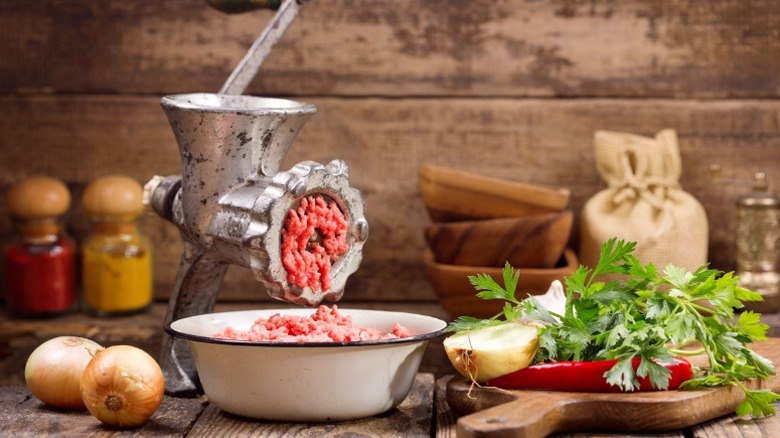
Even though the electric meat grinder made its debut in the early '60s, many baby boomers still have fond memories of its manual predecessor which was available as far back as the late 1800s. This gadget would clamp to a tabletop to hold it steady while you fed chunks of meat into a horn-shaped funnel on top. When you turned the crank, ground meat would emerge through a grate in the front, where you'd best have a bowl to catch it. It wasn't just meat that could be ground up, though, since people also used it for vegetables. One Facebook user recalls a unique way their household employed it: "Meat grinder my father used to attach it to our pull-out bread board then grind bologna, cheese, sweet pickles, sweet onion, and Miracle Whip, and mustard we would enjoy it on Ritz crackers. Yummm."
Old-style meat grinders are still a handy thing to have today, particularly if you want to be fancy and make your own gourmet burgers and sausages. They can easily be found in antique shops and on eBay where they sell for relatively cheap prices. (It's possible to pick one up for under $20.) Newly-manufactured ones are also available for purchase, including the Vevor manual meat grinder which comes with several different blades and cutting plates for different grinds.
Recipe box
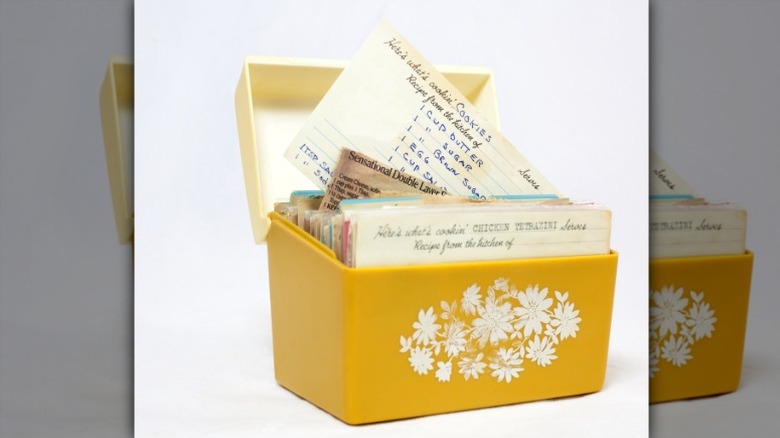
Back in the pre-internet era, people used to save recipes by cutting them out of the newspaper or writing them out by hand. In order to make them more durable, they would often either write the recipes on or glue the clippings to three-by-five cards. File card boxes were used to store and organize these cards, and some of these recipe boxes have been passed down in families. (Others probably hit the trash back in the late '90s, leading to people kicking themselves once they realized they had no idea how to recreate grandma's pie crust.)
While a recipe saver app may be more convenient, recipe boxes did have their charm. At one point, Aldi even revived them as an under-$5 weekly special. Those Aldi recipe boxes are now gone from the Aisle of Shame, although Aldi being Aldi you never know if they'll make a return some day. If you don't want to wait and see, you can purchase a wooden recipe box online for pretty cheap. This one is painted mint green with a white design and comes complete with 50 recipe cards, 10 dividers with labels such as "main dishes" and "baked goods," and a cute little carrot-shaped pen.