

10 Foods With More Vitamin C Than Oranges
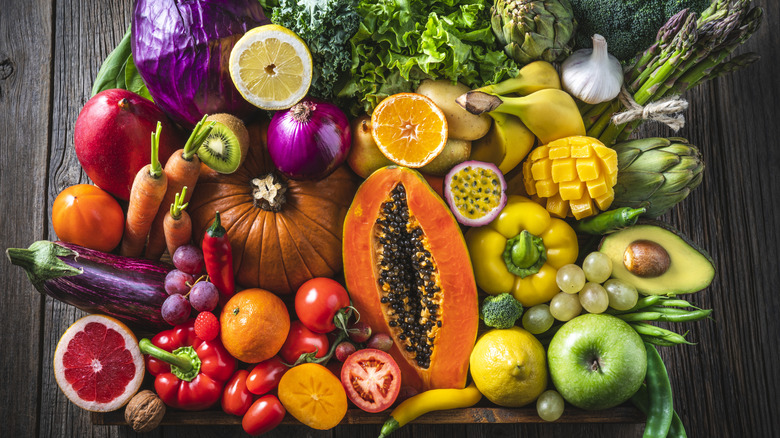
When many of us think of oranges, we immediately think of vitamin C — likely due to orange juice historically being marketed as a good source. This is true; however, not much juice comes from a single orange, which means one orange contains a lot less vitamin C than you might expect. For example, a medium orange (140 grams) provides 82 milligrams of vitamin C, or 92% of the Daily Value. According the the FDA, 90 milligrams is the recommended daily amount of vitamin C based on a 2,000 calorie diet. While oranges offer a significant amount, many fruits and veggies that are roughly the same serving size can pack several times more vitamin C.
If you're looking to boost your vitamin C intake — whether to support immune health, maintain skin and bone health, absorb more iron, or protect your cells from disease — consider adding any of the vitamin C powerhouses from this list to your diet. Many are just as tasty and even more nutrient-dense than oranges.
Guava
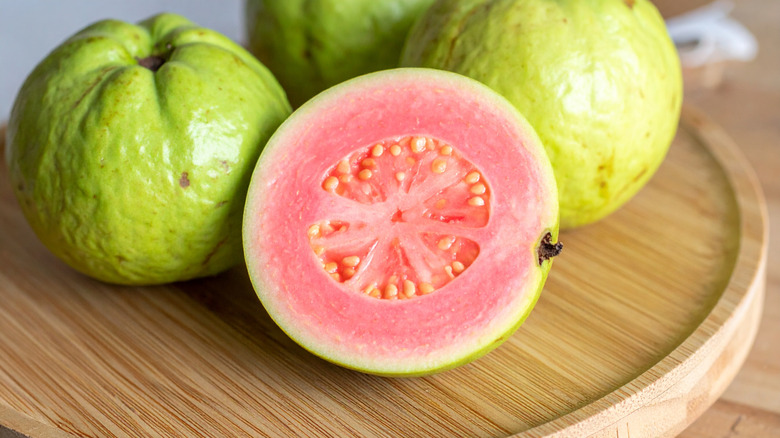
The next time you spot guava in the tropical fruit section, don't pass it up. One guava fruit (55 grams) delivers 125 milligrams of vitamin C, or an impressive 138% of the Daily Value. Popular in Latin American cuisine for juices, jams, and desserts, ripe guava is also easily eaten like an apple. You can either cut it into slices or simply bite into it, as both the skin and seeds are edible and add a high-fiber bonus.
Kiwi
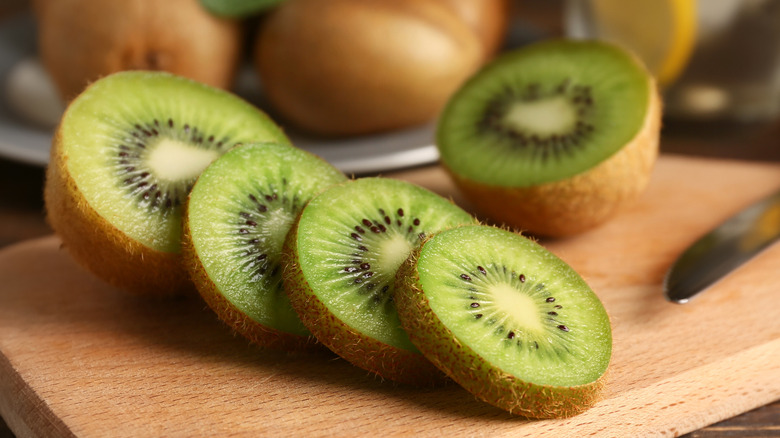
Kiwi has recently had a major moment on social media for its gut health benefits. This small, fuzzy fruit shouldn't be underestimated because not only is a kiwi (75 gams) great for digestion, it also provides 56 milligrams of vitamin C, or 62% of the Daily Value. Since the skin of kiwis are edible, you can bite right into them for a convenient grab n' go snack. Alternatively, you can peel, slice, or dice them for fruit salads, yogurt bowls, or smoothies for a tangy-sweet kick of nutrients.
Red bell pepper
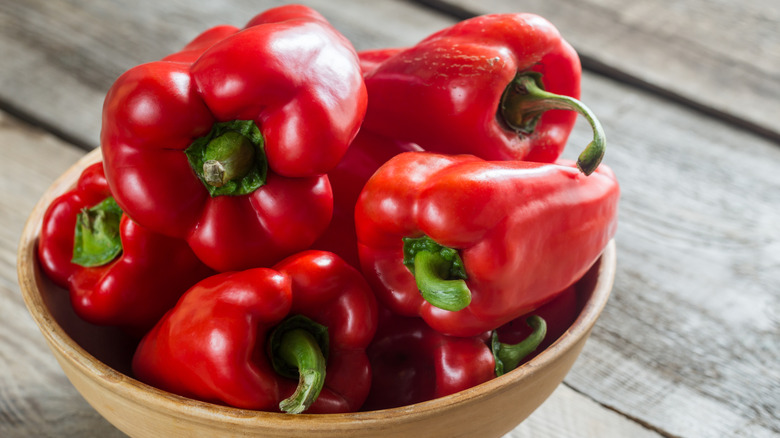
This may come as a shock, but red bell pepper — the sweeter, more mature sibling of green bell pepper — is a leading source of vitamin C. One medium red bell pepper (119 grams) contains 152 milligrams of vitamin C, or 168% of the Daily Value. Red bell pepper is delightful when roasted or sauteed, but because vitamin C is heat-sensitive eating red bell pepper raw (or any food with vitamin C, for that matter) allows you to get more vitamin C out of it. Try dipping hearty slices into your favorite dip, halved and stuffed with filling, or simply chopped up and added to salads for extra crunch.
Brussels sprouts
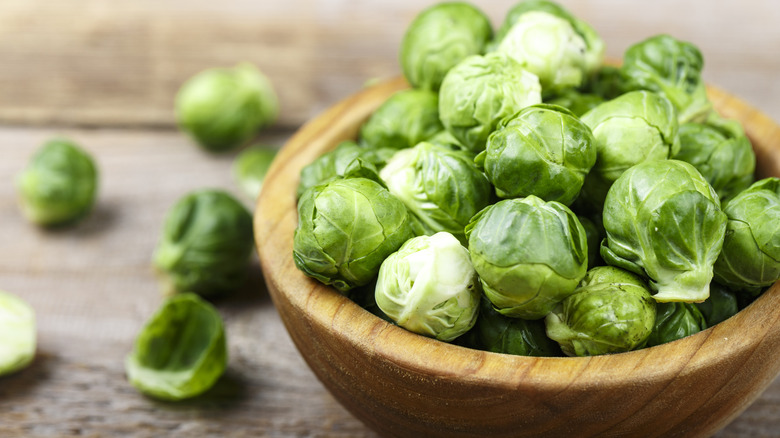
You might not expect brussels sprouts to make this list since they lack the juicy characteristics of other vitamin C-rich foods. However, just like any fruit or veggie containing vitamin C, it's found within the cell structure. Just 1 cup of raw Brussels sprouts (88 grams) provides 75 milligrams of vitamin C, or 83% of the Daily Value. While cooking Brussels sprouts is the most common preparation method, try eating them finely shaved into salads to consume the most vitamin C.
Papaya
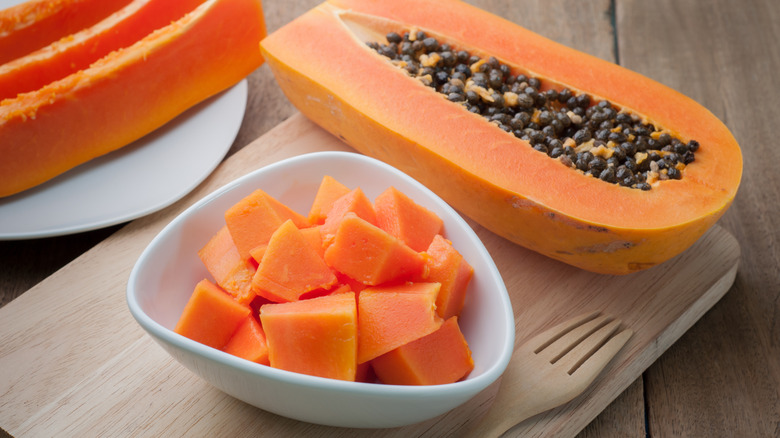
Papaya is also often overlooked in the tropical fruit section. The orange flesh of half a medium papaya (152 grams) provides 93 milligrams of vitamin C, or 103% of the Daily Value. When halved and deseeded, it creates a fantastic vessel for Greek yogurt and toppings — including the papaya seeds, which are edible and highly-nutritious. For a savory option, try a refreshing chopped papaya salad with crunchy veggies, avocado, and a light, tangy dressing.
Kale
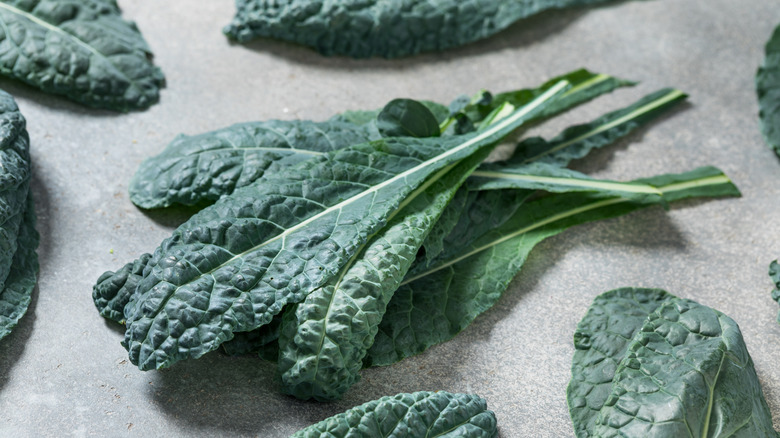
Kale salads, smoothies, and juices are some of the best and most popular ways to get a powerful boost of vitamin C from raw kale. There are several varieties of kale, but on average each type has about the same nutrients. With 1 cup of raw chopped kale (67 grams) you get 80 milligrams of vitamin C, or 89% of the Daily Value. Kale is also packed with additional nutrients like vitamins A, B6, and K as well as iron, calcium, potassium, folate, and fiber.
Strawberries
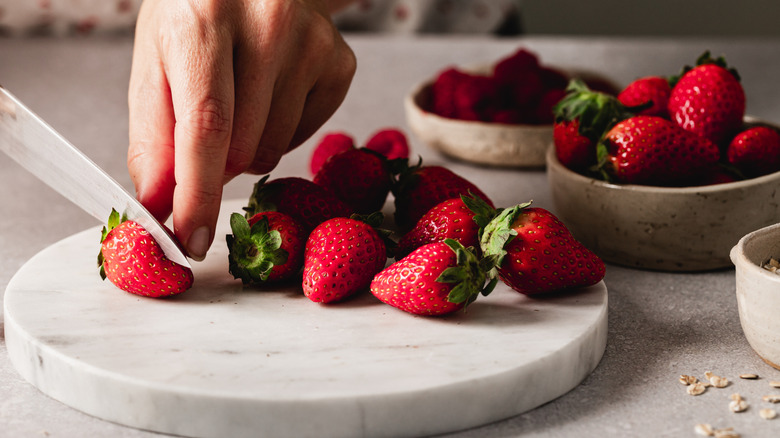
A single serving of strawberries is equal to eight strawberries, which has about the same vitamin C content as a medium orange; about 83 milligrams, or 92% of the Daily Value. However, it's easy to eat more than a single serving. Enjoy them on their own, add them to your breakfast, or use them in countless desserts. We like blending them into a two-ingredient sorbet and macerating them to form the top of poundcake or shortcake.
Kakadu plums
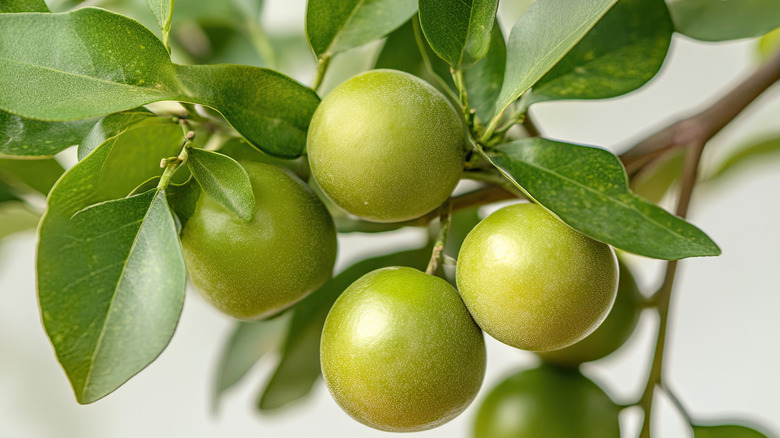
You may have never heard of a Kakadu plum since they're native to Australia, but these little green fruits have the highest vitamin C content in the world. They're miles above the rest, with an astonishing 2,907 milligrams of vitamin C (3,230% of the Daily Value) per 100 grams (about 28 Kakadu plums). While they aren't typically sold fresh in American grocery stores, Kakadu plums are available as a powder online. Though a vast amount of its vitamin C is diminished in this form, it still contains more than an orange.
Broccoli
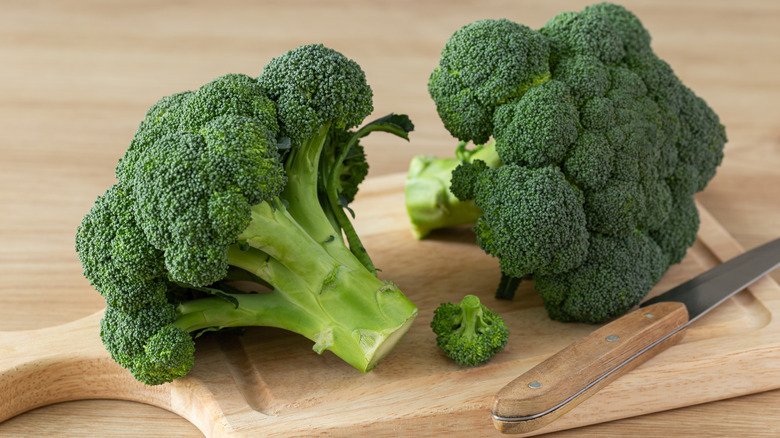
A close cousin to brussels sprouts and a distant cousin to kale, broccoli is another member of the cruciferous veggie family that's packed with an impressive amount of vitamin C. 1 cup of raw broccoli (91 grams) provides 81 milligrams of vitamin C, or 90% of the Daily Value. Broccoli is often enjoyed cooked, but to reap more of its vitamin C benefits, try it chopped in a raw broccoli salad with warm dressing. Better yet, studies show minced broccoli is even more nutritious.
Camu camu
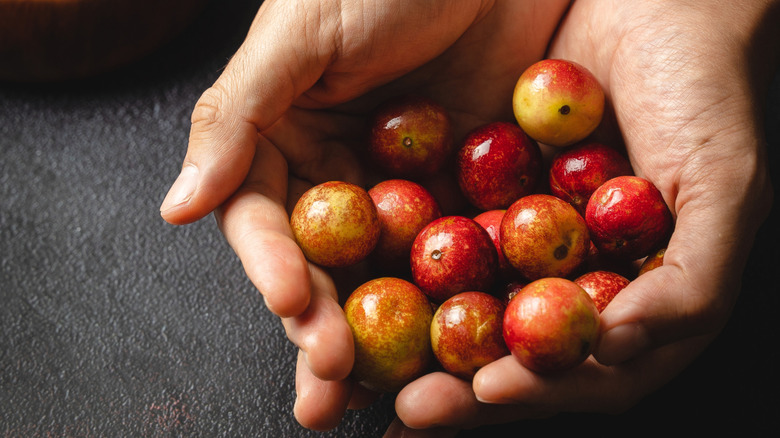
Like the Kakadu plum, camu camu is a fruit more familiar in its native country than in the States. Camu camu are tiny, round berries that are similar to cranberries. They're grown primarily in Central South America, and are among one of the richest sources of vitamin C. In 100 grams, camu camu delivers 2,780 milligrams of vitamin C or 3,088% of the Daily Value. Because camu camu is extremely sour, it's more common to find it in powdered form, juices, and purèes.