

12 Foods That Aren't Really Cheaper When You Make Them At Home
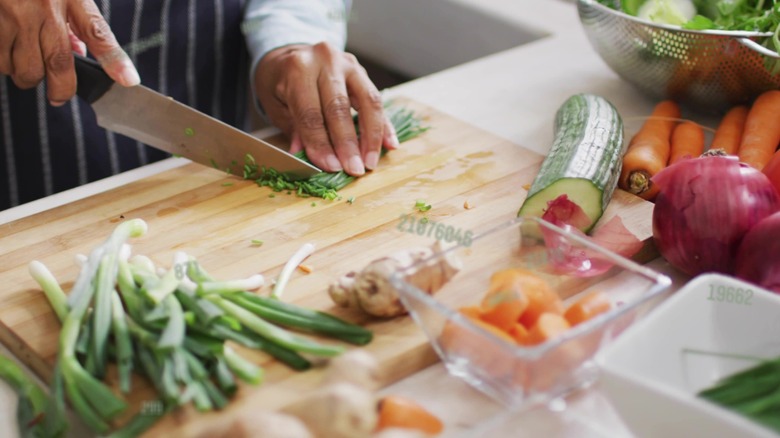
There's something incredibly satisfying about making food from scratch. Maybe it's the idea of rolling up your sleeves, gathering fresh ingredients, and spending time whipping up something homemade that just feels like it should be better (and more cost effective) than buying it ready-made at the grocery store.
Across America, do-it-yourself is often seen as the wiser, more budget-friendly alternative when it comes to the fare we consume. This is not always the case when all is said and done. While some scratch-made meals absolutely save money, others come with hidden costs that add up. After factoring in every ingredient (especially specialty items), the total cost of making certain foods at home can end up being more expensive than expected.
For this reason, some store-bought versions actually come out cheaper at the register. For the average shopper and home chef, if your goal is strictly saving money, it's worth knowing which items don't quite deliver on that DIY, money-saving aim. Here are 12 foods that aren't actually cheaper to make at home.
1. Rotisserie chicken
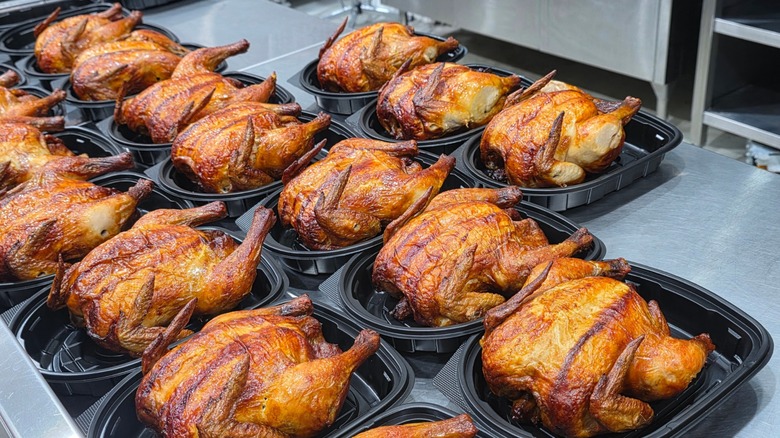
Roasting your own whole chicken seems like an ideal way to pinch pennies. However, when you actually sit down and start to compare prices at the store, it can be sobering indeed. You see, pre-cooked rotisserie chickens are often priced shockingly low (typically landing somewhere between $5 and $8). Meanwhile, raw whole chickens can cost the same amount (or even more) per pound, and that's before you've done anything to them. Once you factor in the costs of purchasing any seasonings you need, plus cooking time, and even energy use, the homemade version of that bird instantly loses its economical edge.
As for why these ready-to-eat birds are priced so affordably at the store? Some retailers intentionally price rotisserie chickens very low – sometimes even at a loss – to encourage shoppers to pick up additional items while they're in the store (pretty sneaky, and smart). Regardless of the reasonings behind it, the fact remains that this pricing strategy makes it incredibly difficult for a home cook to compete.
Now that we have (perhaps?) convinced you that buying rotisserie chicken is the way to go, Costco is an excellent pick, and these Costco rotisserie chicken hacks don't disappoint. Wherever you decide to buy your bird from, just watch out for this telltale rotisserie chicken red flag.
2. Dry pasta
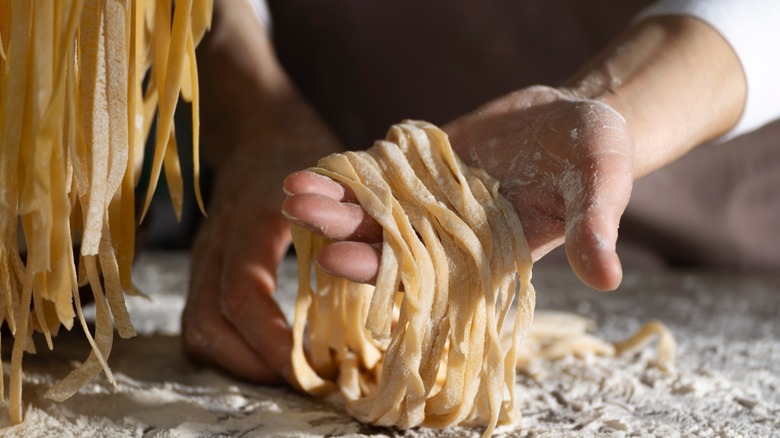
For those who dream of sun-dappled days in Italy, there's no denying that making pasta from scratch carries romantic appeal. We imagine ourselves rolling out the dough, cutting the noodles by hand, maybe even using one of those fancy pasta-making machines at home. But ... press pause on that Hollywood film playing in your head for a second while we drop a jarring truth bomb.
If your goal is strictly to save pennies, dry pasta is one instance when store-bought is the winning choice nearly every time. An ordinary box of pasta at the store is regularly priced at or under $1.50. Trying to undercut that price tag at home would be like mission impossible for most people. Even basic ingredients (think flour and eggs) start to add up. Then there's the equipment to consider. While you can technically make pasta by hand, many people invest in a pasta machine to get consistent results. That upfront cost alone (often $100 or more) immediately knocks dry pasta out of the running for smart from-scratch options for saving the most.
Now, if you've decided to heed these recommendations and are heading to the market to buy your pasta there, pay attention to texture when choosing the best grocery store dried pasta to purchase. Then, once you get home with your delicious loot, try some of the best pasta recipes to bring those noodles to the table with style, and great taste.
3. Hummus
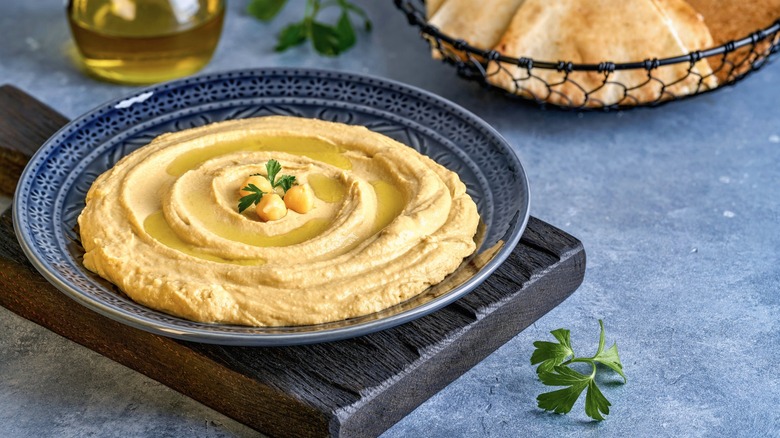
Another food that seems like it should be cheaper to make at home is hummus. The ingredient list is simple, and the process seems pretty straightforward. However, after deep-diving into the actual costs involved, the math just isn't mathing. A small, store-bought tub of hummus can often go on sale for $2 to $3. On the other hand, whipping up an equal amount of hummus at home calls for several ingredients that can prove quite costly when combined (tahini in particular).
Specifically, just a single jar of tahini can cost from $7 to $10, or more. And even though you won't be using all of that at once in a single hummus batch, that upfront cost still counts. Then, toss in the added expense of the other ingredients — chickpeas, lemon, garlic, olive oil, and even more spices if you want to get fancy with different flavors — and all of the sudden that "budget" spread you had such a brilliant brainstorm to create doesn't seem quite as cost-effective as it first appeared.
For those making really large batches regularly, the cost could eventually balance out. But for smaller households or occasional hummus eaters, the price per serving often ends up higher than just buying it pre-made. Now, once you do purchase that store-bought hummus, just be sure to keep track of how many days passed since you popped that lid. And for those needing a little assist: Here's a cheat-sheet on just how long opened hummus stays good.
4. Ketchup
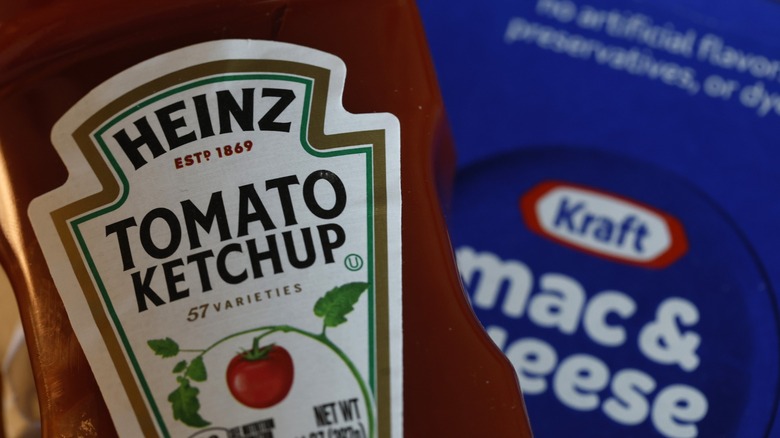
You could say this next one might really catch(up) you off guard. We're talking about ketchup, a condiment that seems like a no-brainer to make at home, saving some coin in the process. The facts of the matter, however, are that making that fries-accompanying-dip from scratch isn't nearly as easy (or economical) as most would hope. While the list of necessary ingredients starts off pretty basic (tomatoes, duh), once you are elbows-deep in the actual preparation, that's when what appears a black-and-white slam-dunk in DIY savings quickly becomes a bit more gray.
Case in point: A large container of ketchup bought at the store usually runs you somewhere from $3 to $5 – a relatively low price tag kept in check thanks to large-scale production. In order to replicate a similar cost per batch at home, that would require a significant quantity of tomatoes, as well as several other necessary ingredients (vinegar, sugar, a blend of spices).
The real rub comes in realizing that grocery store tomatoes aren't cheap. More than that, you as an individual shopper certainly don't have access to the lower-grade bulk produce that manufacturers use in order to dramatically cut their costs. On top of that, fresh tomatoes are perishable, meaning any waste further drives up your total expense at home. Simply put, while making your own ketchup can render a rich, perhaps more flavorful version tailored exactly to your preferences, it's rarely the cost-saving hack you'd hope for.
5. Sushi
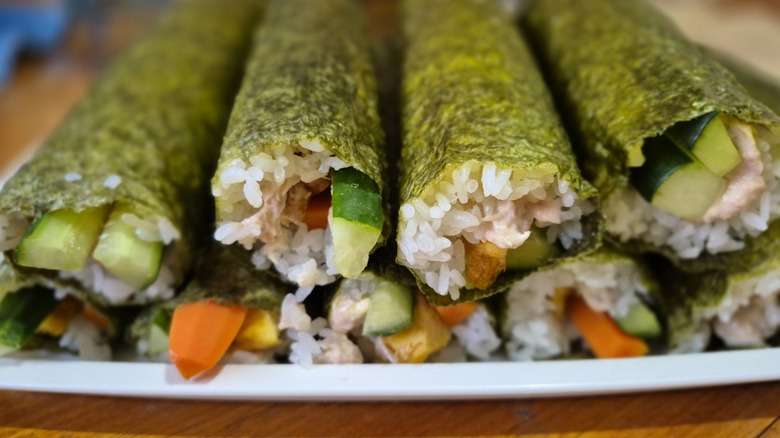
According to chefs, sushi is one of those dishes you should leave to the professionals to prepare. While these experts point to the difficulty level of replicating these fine dining fish rolls at home, another valid reason for not making them from scratch is the financial factor. Sushi is oftentimes seen among the foods people assume would be cheaper if they just took matters into their own hands and made it at home. Sounds solid, right?
Well, slow your roll (literally ... or stop it altogether), because something is fishy about that faulty assumption. Basic sushi rolls bought at the grocery store typically range from $6 to $12. If you're trying to be a sushi ninja at home, you'll likely find a number of challenging hurdles that quickly hike up your per roll price — particularly when sourcing ingredients.
There's no getting around the fact that procuring proper, high-quality and safe-to-eat raw fish is expensive, especially when you're buying it in small quantities (like most of us regular folks are). Restaurants can swing it, because they benefit from bulk purchasing and supplier relationships that most of us home cooks simply don't have access to. Then, you'll need to splurge on specialty items like nori, mirin, and rice vinegar. And if you want to have any real variety? Game over, at least at home.
6. Butter
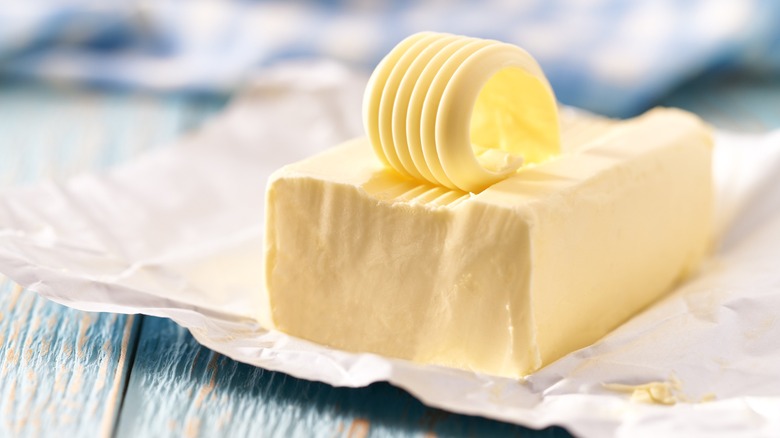
The idea of churning butter at home holds a certain romantic appeal, and also seems like a clever (albeit old-fashioned) way to save some modern money. But speaking of modern, whipping up your own butter nowadays isn't as cost-effective as you might expect. Not to stir (churn?) things up, but we feel the need to share some factual numbers here. The price tag on store-bought butter typically ranges from $4 to $6 per pound (brands vary).
In order to create that same amount of dairy bliss at home, you'd need quite a bit of heavy cream. There's no way to put this nicely: Cream is expensive. And how much you'd need to produce a full pound of butter often ends up costing more than simply buying a tub at the store. Even when using high-quality creams, home chefs say the final product isn't always noticeably better than what you can purchase pre-made.
Historically, making butter at home may have made more sense, especially when households had direct access to fresh dairy (some homesteads even had moo-machines grazing right in the backyard). Nowadays, with modern production and widespread availability, store-bought butter is just the far more practical — and economical — option. If you're doing it for a fun hobby, or maybe just out of curiosity, many have said that churning your own butter can be a rewarding experience. However, if your goal is specifically cutting costs, buying butter is the clear winner.
7. Apple cider

It's undeniable that fresh-pressed apple cider has a certain nostalgic charm. It also feels like an item that should save you money if you made it yourself. We can almost picture it now: Idyllic images of traipsing through orchards, filling our little baskets with apples, then just going to town with a simple recipe, fill our heads. Everything seems right about that (naturally) sweet scene, right? The only problem is that thinking of DIY apple-pressing with this money-saving expectation is usually dead wrong.
In order to produce a single gallon of cider, it requires a large amount of apples — 30 to 40, a number which typically costs significantly more than picking up a readily available, to-go carton at the store for roughly $5. And raw apples are just the beginning of the costs for making cider at home from scratch. If you're determined to press your own cider, costs can skyrocket; equipment like presses, grinders, fermentation containers, and more can total in the hundreds of dollars, or greater.
Even if opting for a smaller setup means investing in tools and supplies that most home cooks just don't have lying around for use already. For some DIY cider-makers, this is a passion project or interesting hobby, and the cost is part of the experience, which they embrace. But for the average person just looking to enjoy a glass of cider? Let's just say the store-bought version is a far more practical (and affordable) sip.
8. Frozen pizzas
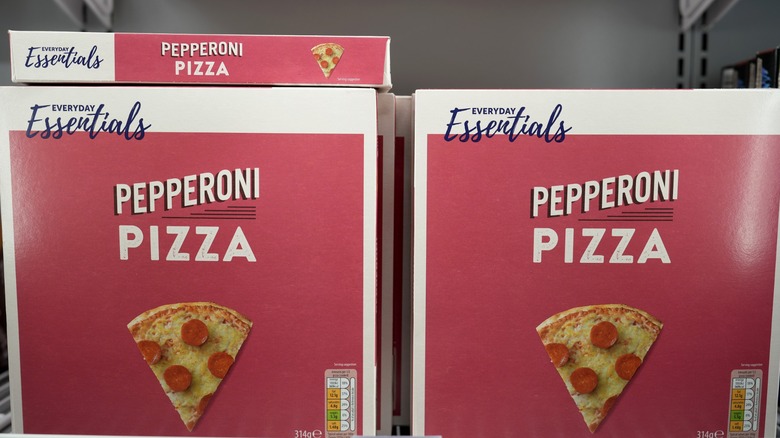
Making pizza at home may sound like a big win for your budget, but when you're starting at square one, that's a different way of slicing things that serves up costs you may not be prepared to eat. When budget-friendly frozen pizzas are often priced between $3 and $5, this makes the store-bought versions tough to beat. To make your own, you'd need to purchase every individual ingredient required (yeast, flour, sauce, cheese, toppings). That grocery haul alone can hit the $10 to $15 range or even more, depending on brands.
One ingredient (everybody, say cheese!) is the real sticking point as far as costs are concerned, as even a single pizza can use up a large potion of a package. Then adding preferred toppings, too? Yikes. There's also that "starting from square one" issue. Basically, if you don't already have pantry staples in place — think seasonings, oil, flour — you're making quite the initial investment. And while that may balance out over time, eventually, it doesn't really add up as a saver when broken down into a single meal.
With this in mind, also think how frozen pizzas benefit from large-scale production and longer shelf life, which helps explain how they can keep their prices low. Stores can stock them efficiently, and manufacturers produce them in bulk. Final verdict? Homemade pizza can absolutely be more customizable, but if your goal is saving money on a quick meal, frozen store-bought options are often the best deal.
9. Lasagna
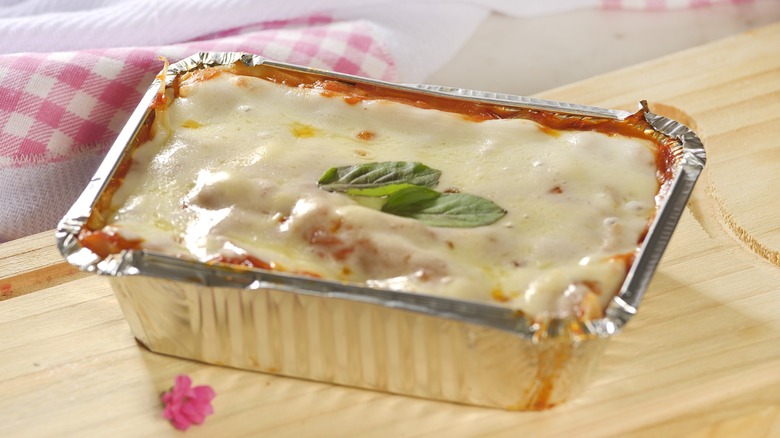
Now, let's use our noodles to realistically talk about DIY lasagna. This comfort food seems like it should be budget-friendly to bake at home, but once you start gathering the absolute gaggle of ingredients required for most recipes, it becomes clear that belief is bogus. In fact, once you crunch the numbers, you'll understand why frozen versions are so popular.
Now, about those numbers: A family-sized frozen lasagna typically ranges from $10 to $14, and provides a serving that feeds several people. Conversely, a lasagna made from scratch requires a lengthy (and costly) list of ingredients such as ground beef, ricotta, mozzarella, parmesan, sauce, and noodles. That list alone can easily rack up costs between $23 and $30, sometimes more depending on brands. Cheese alone is a major expense, carrying a lion's share of the cost, especially when multiple varieties are involved, as is often the case in lasagna. Add in meat and other components? Cha-ching!
Another valid consideration to factor in your total cost calculation is quantity. Most lasagna recipes are created to cater to a crowd, so unless you're cooking for a large group, you may end up with more food than you need. While leftovers can be a bonus, they won't offset the higher upfront cost. There's no denying that homemade lasagna can perhaps deliver a more flavorful and satisfying meal. But if strictly looking at the choice from a financial perspective, frozen lasagna versions are more often than not the most economical choice.
10. Breakfast cereal
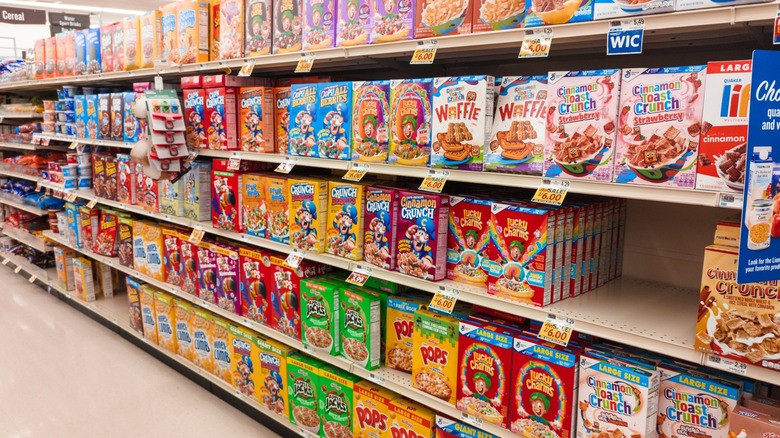
For many shoppers, something like breakfast cereal may not even have crossed your mind as something you'd even think to make on your own at home, but other folks may attempt the DIY morning meal with thoughts of saving money. For these people, based on budget alone, taking this route may set you up for a rude awakening. While from-scratch version of breakfast cereal offer the pros of being able to tailor everything exactly to your preferences, these iterations are rarely going to save you a single penny.
A key reason why is that store-bought cereal is produced at massive scale, which enables the brands to keep prices lower. Even more complex cereal varieties (the ones showcasing multiple grains, flavors, or add-ins) are often competitively priced in comparison to the price when buying each ingredient individually. About those ingredients: Making cereal at home typically involves nuts, seeds, sweeteners, and grains, many of which are among the more expensive items in the grocery store. When you add up all of those costs, the price per DIY cereal batch can more than surpass what you'd pay for a boxed version at the market.
Store-bought cereals are also specifically engineered to last, while homemade versions may not keep as long, thus increasing the risk of waste (translation: money loss). Another consideration is nutrition, with many packaged cereals fortified with vitamins and minerals — difficult to replicate in a home kitchen.
11. Almond milk

With plant-based diets on the rise, items like almond milk have become a staple in many households. As such, making it at home seems like it would be a simple, cost-effective alternative for this alternative. But once you look into the details, store-bought versions usually come out as the winning pick. For instance, a half-gallon of almond milk costs around $3 to $4 at the store.
To make it yourself, you'd need quite a lot of almonds — roughly one cup for every few cups of almond milk produced. Considering the seemingly constant rising price of almonds, that cost alone can make homemade versions more expensive per ounce. Store-bought almond milk also benefits from a different formula. It's largely water-based, with added thickeners and stabilizers, which helps keep production costs low for the brands. That explains why it's more affordable compared to what you'd make at home.
There's also equipment costs. While not strictly necessary, many people use blenders, strainers, or specialized tools to ensure their almond milk reaches a certain consistency. This is great for catering to their tastes, but undeniably adds another layer of cost to the equation. Bottom line: Homemade almond milk can offer more control over ingredients, but if solely focused on budget, the carton from the store is usually the cheapest choice.
12. Peanut butter
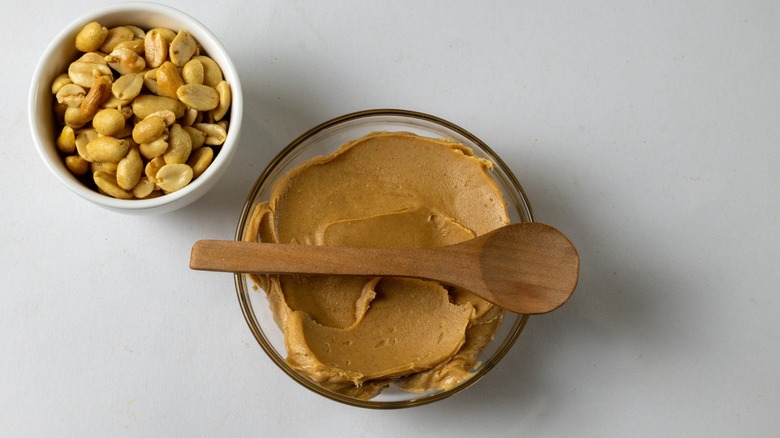
When considering what could be one of the easiest, perhaps best food items to make yourself in order to save, peanut butter feels like a no-brainer. After all, it's just peanuts. Get some, grind and blend until smooth, then ta da! And while the simplicity part of that equation is 100% true, the financial factor proves a little faulty.
This is because store-bought peanut butter (especially from major brands or bulk retailers), is incredibly affordable. Large jars are often priced low enough that it's difficult to compete, even if home chefs go the extra mile to purchase their peanuts in bulk.
When making PB at home, the biggest variable (and most moving target) is the cost of the peanuts themselves. Depending on where and how you buy them, they can be surprisingly (shockingly) expensive. Then, after factoring in the amount needed to produce a full jar, the savings often disappear entirely. And the equipment. Let's be real: Blending peanuts into a smooth, spreadable consistency takes a good processor (translation: probably not your super cheap and affordable Temu version). So, if your main goal is sticking to a budget, store-bought peanut butter is your pick.