

11 Popular Brands Mars Inc. Actually Owns
A company called "Mars Inc." may sound like something out of the Golden Age of Science Fiction, but it's actually a candy company — one that happens to be among the largest companies in America. Founded by one Frank C. Mars in 1911, the company first saw success with the introduction of the Milky Way, a classic candy bar that's as popular as ever. Today, Mars owns all sorts of brands, candy and non-candy alike; some of which may surprise you.
If you know anything about candy, you probably know that Mars is behind such sweet luminaries as M&Ms, Snickers, and Twix. Thanks to its acquisitions of Wrigley and Kellanova, it now has all sorts of different candy aisle titans under its umbrella and a few heavy hitters in the cereal aisle, too. Just like fellow food conglomerate Nestlé, Mars plays a terrific game of mergers and acquisitions, and its portfolio runs deep. (We're not even going to talk about the pet food brands Mars owns, like Iams and Pedigree, instead focusing on human food.)
Skittles
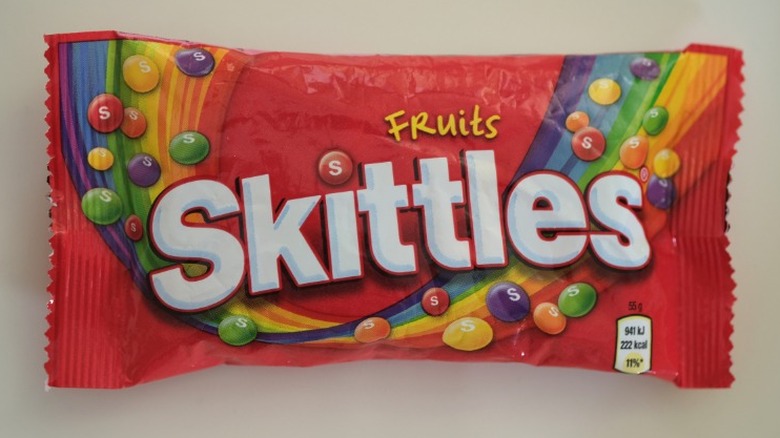
Beloved by children, diabetics looking to fix their blood sugar, and football legend Marshawn Lynch alike; Skittles were actually a British candy before America got to taste the rainbow. Launched in 1974 by Jack Candies, a British subsidiary of Mars, Skittles got their name from an old English game that was a precursor to bowling. By 1979, the candy had broken through to the States, and in 2009 they were given to the newly acquired Wrigley — who probably won't reintroduce discontinued flavors like Chocolate Skittles anytime soon.
Life Savers
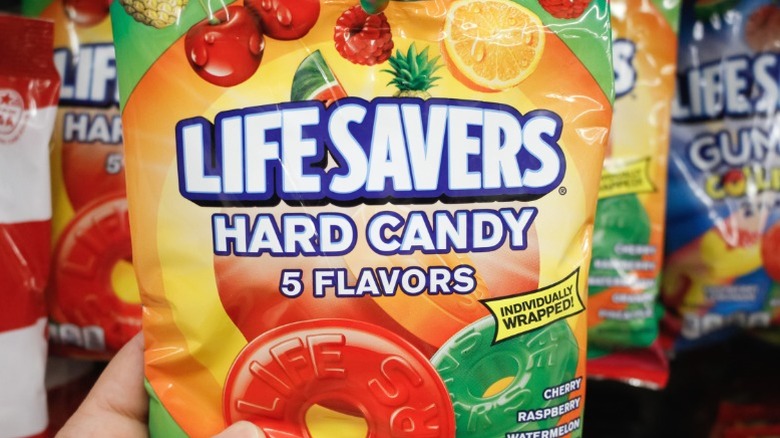
Whether you need to freshen your breath, keep your ears from popping on an airplane, or you just need to suck on something sweet, Life Savers has you covered. They were invented in 1912 by an Ohio confectioner named Clarence Crane (the father of avant-garde poet Hart Crane, weirdly enough). Crane sold the rights to Edward John Noble, who founded the Life Savers company. (It was Noble's idea to sell the candy in little tinfoil rolls.) After a series of mergers and acquisitions, Life Savers was bought by Wrigley in 2004, before Wrigley was itself bought by Mars in 2008.
Eggo
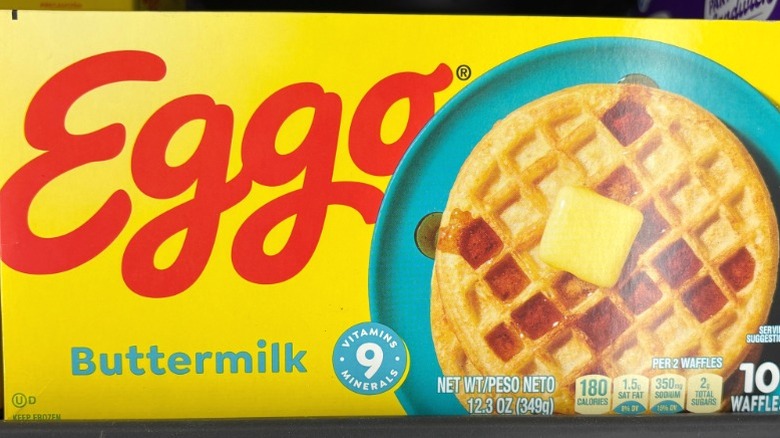
If you're wondering why Eggo (a frozen waffle brand only tangentially related to eggs) has that name, it's because founder Frank Dorsa got his start making the egg-based condiment, mayonnaise. After creating Eggo waffles in 1953, Dorsa sold the copyright to Kellogg's in 1968. It was Kellogg's who turned the brand into a frozen waffle juggernaut, coining the slogan "L'eggo My Eggo" in 1972. Eventually, Mars bought Kellanova, the company which was once Kellogg's, meaning it's now the proud owner of "Stranger Things" character Eleven's favorite food.
Cheez-It
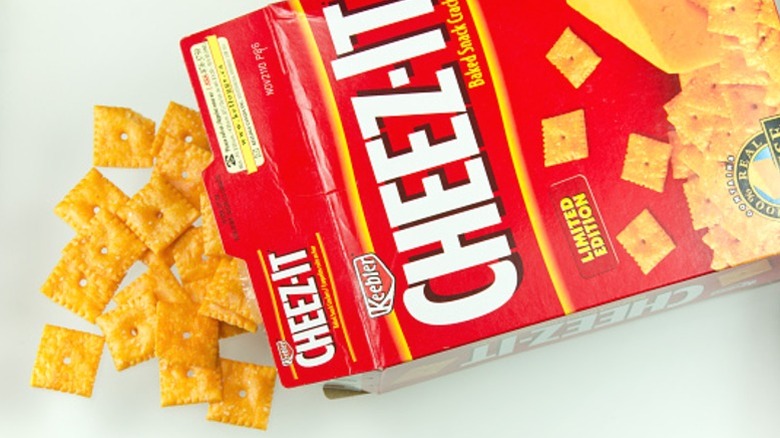
This staple of road trips and game nights got its start in 1921, when the Dayton, Ohio-based Green & Green snack company made a dried, cheesy cracker designed to approximate the taste of rarebit, aka melted cheese on toast. (If that sounds like a pretty mundane snack, bear in mind this was right after World War I; we imagine rarebit hit different in the trenches.) The snack changed hands a few different times, going from Sunshine Biscuits to Keebler to Kellogg's over the course of a century before finally ending up under Mars.
Juicy Fruit
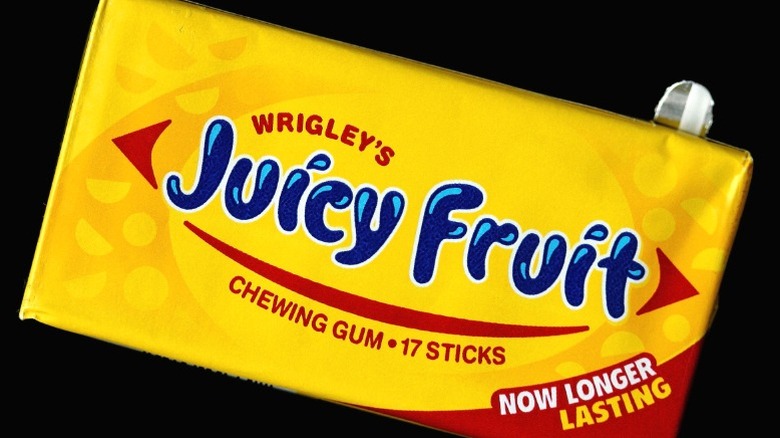
Wrigley's may be synonymous with gum these days, but it actually started life selling soap and baking powder. After the gum William Wrigley, Jr. slipped into certain orders as a bonus proved to be wildly popular, the company pivoted and its flagship gum was introduced in 1893. We may not know exactly what Juicy Fruit is supposed to taste like (some mix of lemon, banana, and grapefruit, perhaps), but enough people like it that it's still going strong over a century later, albeit with new corporate ownership.
Altoids
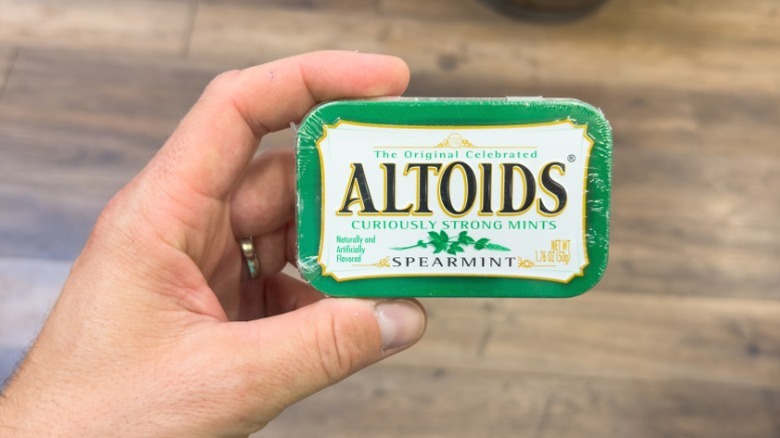
These strong mints are by far the oldest brand on this list. They were created in 1780 by Smith Kendon in London as a product intended to fight indigestion. Those who sucked on these "curiously strong" mints found that they did a great job fighting bad breath, as well. (Seeing as this was England in the 18th century, we're sure they needed the help.) After some time being owned by Callard & Bowser, Altoids were bought by Wrigley in 2004, a few years before Wrigley was bought by Mars.
Rice Krispies Treats
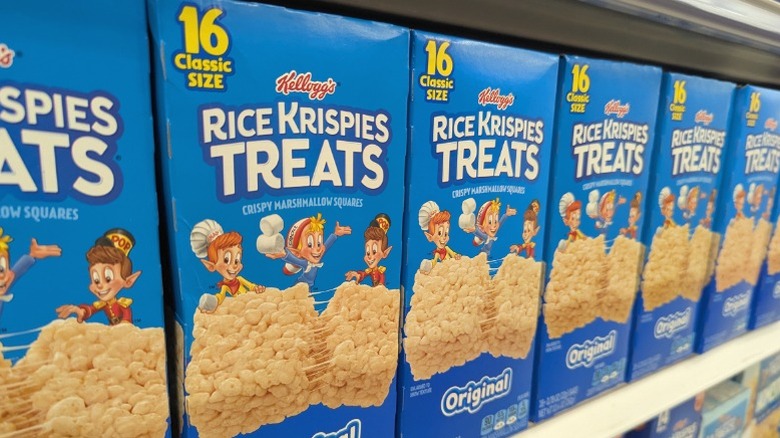
Here's something a bit confusing. Although Mars owns Rice Krispies Treats, it doesn't own the Rice Krispies cereal, at least not in America. When Mars bought Kellanova, it bought the international rights to many of Kellogg's cereals, including Corn Flakes, Froot Loops, and Rice Krispies. But in America, those cereals are owned by WK Kellogg, which is owned by Italian candy giant Ferrero. However, Mars does own Kellanova's snack line, which includes Rice Krispies Treats (and a few other stalwarts you'll see soon). Aren't mergers fun?
Ben's Original
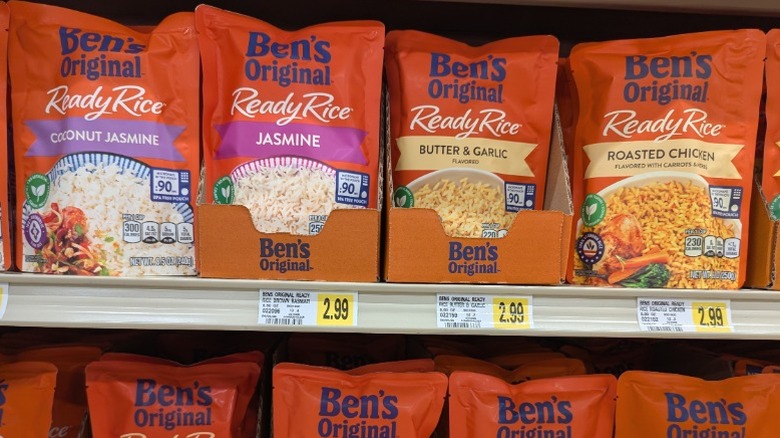
Based on how many brands Mars acquired through Wrigley and Kellanova, you might assume Ben's Original, a popular brand of ready-made rice, was another recent buy. But in fact, Mars got involved in the 1940s. While expanding Mars internationally, Forrest Mars, Sr. met a German-British scientist named Erich Huzenlaub, who was developing a process for parboiling rice to reduce cooking time. Mars went into business with Huzenlaub, and in 1943 Uncle Ben's was born. For a long time the Uncle Ben's brand was sold with the image of an elderly black man as the mascot before being rebranded to Ben's Original and having the image removed after the George Floyd protests of 2020.
Pringles
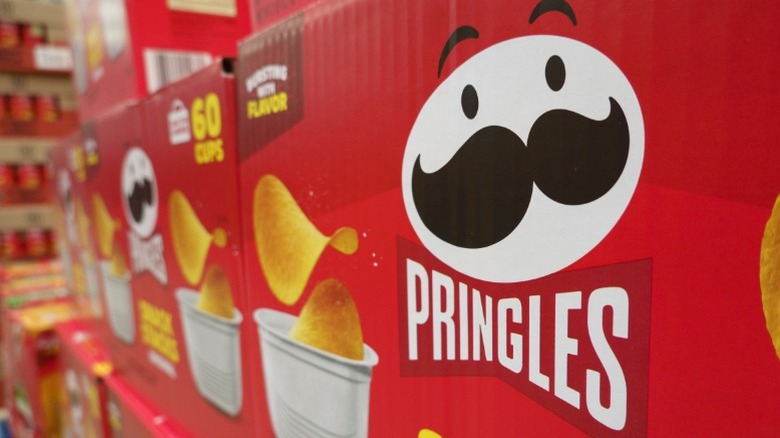
When is a potato chip not a potato chip? When it's a crisp, of course! Pringles is made from flakes of dehydrated potato shaped into chip form, so it can't legally be called potato chips even though there's nothing nefarious behind them. Invented by Procter & Gamble and released in 1968, Pringles became a beloved, endlessly poppable snack that was perfect for putting in your mouth to make a duck bill. Pringles was bought by Kellanova in 2012, which was, of course, bought by Mars in 2024.
Pop-Tarts
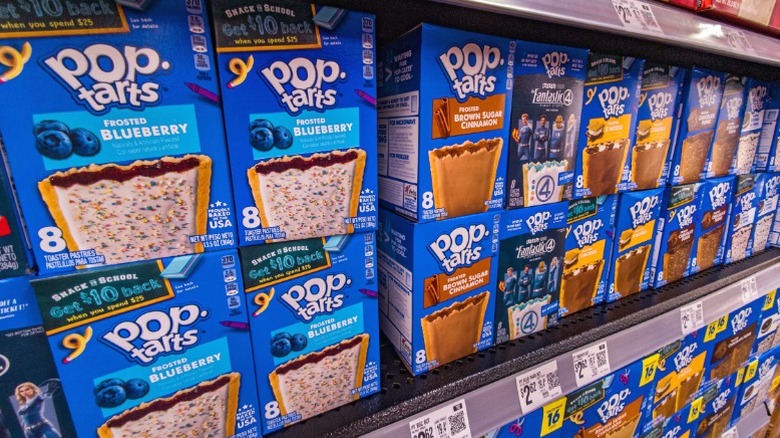
In 1964, the cereal company Post announced an upcoming line of toaster pastries made through a complicated dehydration process. Its archrival, Kellogg, raced to beat it to the punch before the Post pastries went to market; eventually creating its own version in the nick of time, which it called "Pop-Tarts" as a pun on pop art. (If you want to see this dramatized, watch Jerry Seinfeld's spoof film "Unfrosted" — or don't, actually, it's not very good.) Consistently one of Kellanova's most popular products, Pop-Tarts ended up under Mars with the rest of Kellanova's snack line.
Starburst
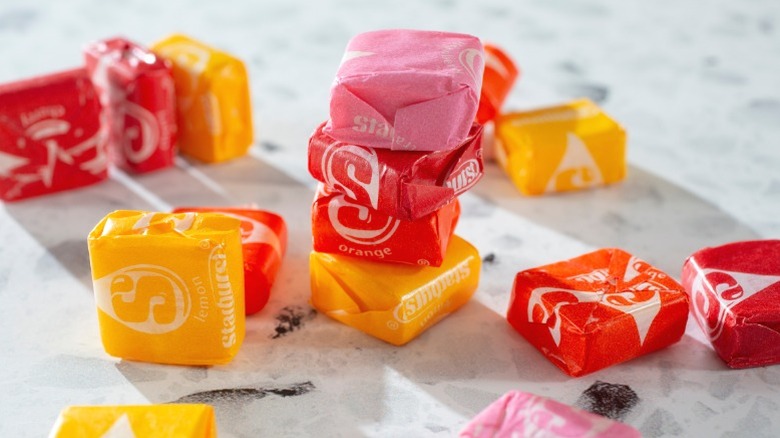
Like Skittles all the way back at the top of this list, Starburst also originated in the United Kingdom. Debuting in 1959, they were originally named "Opal Fruits." When they were introduced to America in 1968, they were renamed "Starburst" to dovetail with the ongoing Space Race. These were another Mars original handed over to Wrigley after the 2008 acquisition.