

5 Fast Food Controversies That Got So Big, Brands Had To Deny Them
They say a lie can make it halfway around the world before the truth has got its boots on. And if you're wondering who "they" is, I have no idea. It certainly isn't Mark Twain or Winston Churchill, who have each had this quote attributed to them over the years. Both attributions were in fact false, which only further proves the point whoever actually cooked up the line was trying to make.
There's nowhere the truism is more true than in the arena of fast food. Long before the modern internet made spreading rumors easy, there were tall tales of liquid meat burgers, dog food-grade mince, and rogue insect parts in drinks; pretty much no fast food chain was safe.
Often, the rumors just spread around the playground or on Facebook, grossing out kids and confusing aging grandparents. Occasionally, though, they gained so much traction that brands had to come out and publicly deny them. In some cases, that denial came in the form of a court case. Exciting stuff, right? I think so. Which is why I've gathered five of my favorites here, including mutant chickens, dissolving teeth, horsemeat burgers, and tuna that was anything but.
Put a tooth in a glass of Coke and it'll dissolve overnight
Ever wondered what the tooth fairy does with all those baby teeth? Well, she certainly doesn't dissolve them in glasses of Coca-Cola. She can't. It wouldn't work. But that simple fact hasn't stopped the pervasive rumor that teeth left in Coke overnight will dissolve. As it's not exactly easy to get hold of teeth to test on at home, the myth is tough to DIY confirm or disprove. That's probably why the Coca-Cola company stepped in. There's a page on the brand's website stating, in no uncertain terms, "No. Coca‑Cola will not dissolve teeth overnight."
Despite the strong rebuttal from the manufacturers, this is one of those old wives' tales that keeps coming back. There's a Snopes article from 2001 debunking it, it's been featured in home schooling blogs over the years, a 2017 local news piece from Ohio's WYTV covered it, and even dentists will sometimes debunk it on their websites. As it's been around a while, the legend has grown and changed over time. These days, the baby tooth version is just one of many, and Coca-Cola takes the others just as seriously. For example, it's keen to point out that Coke won't dissolve a piece of meat overnight any more than it will a tooth. Presumably keen to up sales in the face of these scurrilous rumors, the brand helpfully adds that instead of dissolving meat into thin air, Coca-Cola makes for a great meat marinade. We can confirm this Coke fact is true; it's just one of the myriad delicious ways to use Coca-Cola in the kitchen.
Burger King's (alleged) horse meat Whoppers
If you weren't in Europe at the time, you might have missed the horse meat scandal of 2013, when equine meat was discovered hiding inside beef-based foods in Ireland, the United Kingdom, and the Netherlands. Horse meat is illegal in the United States (and it's not alone), but consuming horse is fine in many other countries. Even when eating horse is allowed, however, selling mislabeled food isn't.
In the United Kingdom, where I'm from, the furor surrounding "beef" lasagna that turned out to contain up to 100% equine mince was rampant. We blamed the French, of course, and freaked out about grand, Channel-spanning conspiracies. The concern over finding horse meat where it shouldn't be kicked off a spate of investigations which eventually led to several convictions spanning Britain, France, and the Netherlands. As the search for meat fraud ramped up in the aftermath, some people began looking at fast food chains.
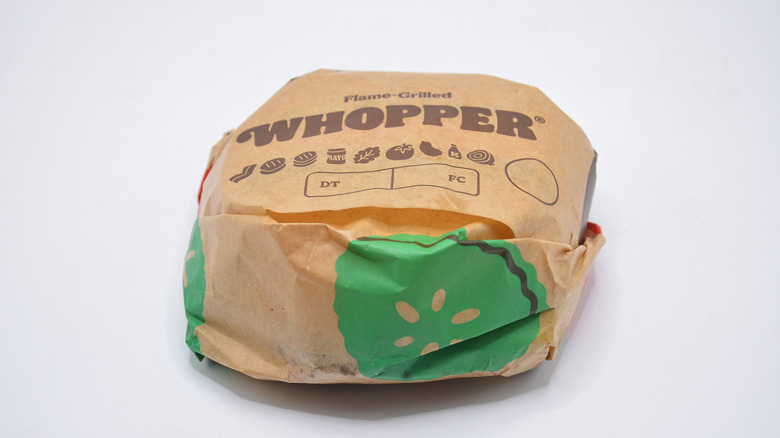
When Eater reached out to fast food companies for comment, this is what they had to say. Jack in the Box simply said, "Jack in the Box does not use horse meat." Denny's said pretty much the same thing, and so did Carl's Junior. Burger King, though? Not as convincing. "Burger King restaurants in the U.S. do not use products from Silvercrest Foods and are not impacted," said the statement. Savvy readers will note the response specifies only American restaurants, probably because its European supplier's burgers did actually test positive for trace equine DNA. While it's unlikely anyone ate a pony whopper, there was a little bit of truth to it.
KFC's mutant chicken meat
Long before AI images made hoaxes as easy as typing a prompt, there was the KFC mutant chicken lawsuit. The rumor that KFC was raising, slaughtering, and making meals from genetically modified test-tube chickens had already been around for decades when three Chinese tech firms began posting about mutant meat on mid–2010s social media sites and spreading rumors via WeChat.
By the time these tech companies got interested, the urban legend had been around for a while. It was probably kicked off by the brand's name change in 1991, the year it dropped "Chicken" from its moniker and became KFC. Online muck rakers claimed that this change was government-mandated because of a lack of real chicken in the restaurant's food, some going as far as citing completely fictional studies and doctoring images to back up their sci-fi allegations.
Unsurprisingly, this tale ends with a lawsuit. KFC's parent company, Yum Brands, denied the Frankenstein's-poultry-monster rumors in front of a judge when it filed against the dirt-spreading tech firms in June 2015. The holding company won the lawsuit when it was confirmed that KFC doesn't use mutant chickens, after which the tech companies were ordered to pay damages. In the end, Yum brands went on to further growth over the years. And while KFC itself might be struggling, the near-omnipresent fast food chain hasn't resorted to using mutant meat; at least not yet.
McDonald's and the eternal burger
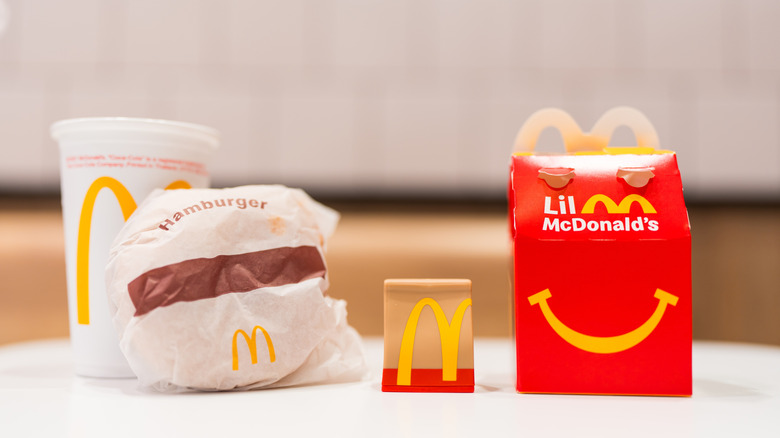
While it's true that fast food burgers vary in quality, we can say with a pretty high level of certainty that they're all made, at least mostly, from beef. This is something that has been debated over the years when it comes to one chain's burgers, however. McDonald's burgers are rumored to last forever because they're alleged to be more science-lab chemicals than meat. The claims went mainstream with Morgan Spurlock's "Super Size Me" documentary which came out in 2004, but it's being kept alive and well today on TikTok despite a very specific denial from McDonald's in 2020.
There is a kernel of truth to the idea that Maccy D's burgers are weirdly long lasting, but the science is much simpler than forever-chemical concoctions. The burgers are just kind of dry and the patties are thin. Not the most exciting conclusion to a barely-believable fast food scandal, but Occam's razor does often lead to disappointingly banal conclusions. There is some fun news, though; DIY scientists have done some pretty weird things trying to prove McDonald's created eternal meat patties.
Claims that Subway's tuna wasn't what it seemed
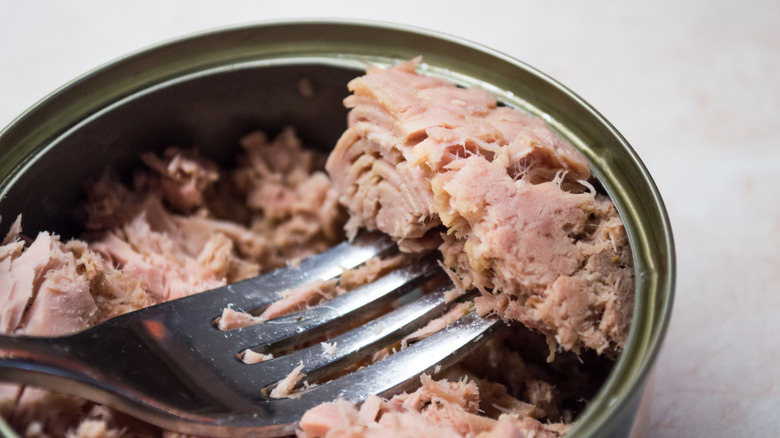
Subway's tuna scandal arose from a misunderstanding of data and the basics of the English language. The sandwich spot's tuna was questioned in court by two determined Californians, Karen Dhanowa and Nilima Amin, who just kept filing lawsuits alleging that there was something amiss with the fish.
The lab tests cited in the lawsuit gave varying results, often finding no tuna DNA while sometimes finding chicken or pork. Subway's representatives cited reasonable cross contamination. Anyone standing in front of a counter and watching their sandwich being made, they said, would be aware of that risk. The scientists responsible for the tests pointed out that it's possible the tun was so heavily processed that the DNA was no longer detectable as being tuna DNA. The plaintives pivoted by claiming the only acceptable ingredient in a sandwich labelled "100% tuna" is tuna. The claim was rejected, but it has got me wondering what a 100% tuna sandwich would look like.
Amin and Dhanowa's final lawsuit was dismissed in 2023, but not before it had done substantial damage to Subway's reputation. The brand launched a whole Tuna Facts website about how great and definitely real its tuna is, but it remains so haunted by its time in court that there are still live Google Ads with the headline "Subway tuna is real tuna" floating around. Amin and Dhanowa might not have got the payday they wanted, but that's quite a legacy.