

11 Mistakes To Avoid Making When Dining At A Steakhouse
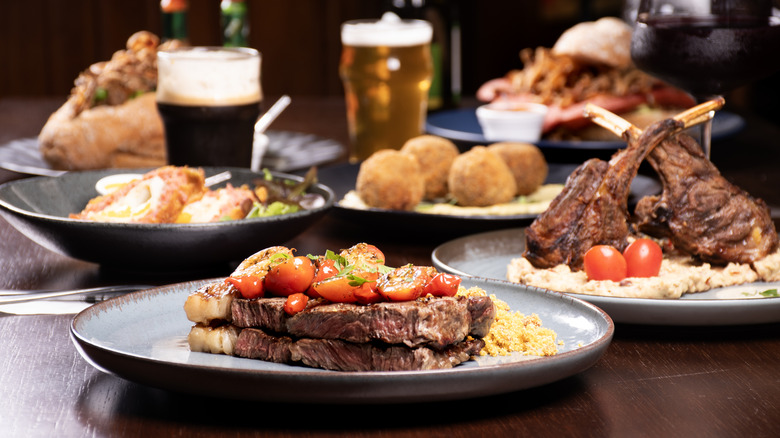
A memorable steakhouse meal isn't only about ordering the most expensive cut of meat. It's about understanding the craft behind the menu and the techniques that steer the kitchen. It involves knowing how to order with confidence, what cuts to choose, and what dishes complement each other. In the end, it's clear that every little decision can shape either an average or exceptional evening.
To bring authority and experience to our guide on making the most of your steakhouse experience, we turned to industry leaders who understand all sides of the steakhouse world. Andrew Hunter is the head of culinary development for Wolfgang Puck Worldwide and executive chef for Niman Ranch. Joining him is Ken Hoffman, chief operating officer of Dividend Restaurant Group, the company behind Sullivan's Steakhouse, Eddie Merlot's, and Beauty & the Burger. We also spoke with Luis Haro, senior director of culinary operations at Logan's Roadhouse, and Lucas Dudley, vice president of franchise operations at Steak & Ale.
Together, their insights bridge the gap between what happens in the kitchen and what unfolds in the dining room. These are their precise tips for maximizing the steakhouse dining experience.
Order the steak you want (not the one you think you're supposed to order)
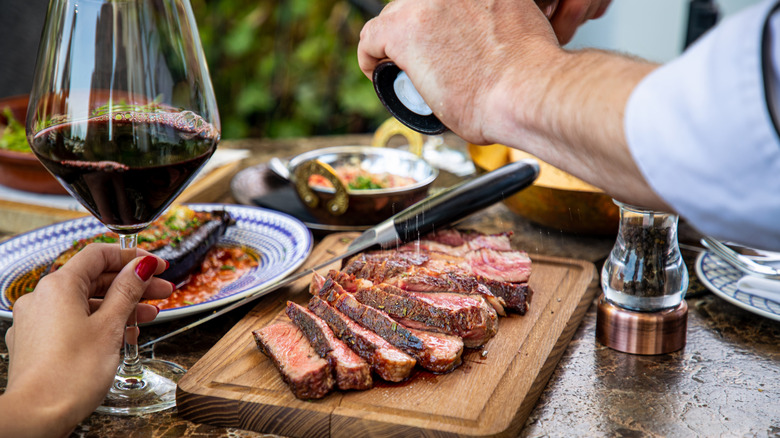
There's an unspoken lore that surrounds the steakhouse dining experience. It implies a hierarchy of orders where rare is considered the choice of more "serious" diners, medium-rare is just about acceptable, while anything beyond that, and you might as well wear a "novice" sticker. In reality, though, falling for this belief hurts no one else except you — the diner.
Andrew Hunter sees this play out in real time often enough. "The most common mistake is ordering a rare steak because you think it's how you should order. If you like your steak medium, then order it medium." He recalls a recent dinner with a friend who "ordered his filet burned." The server didn't laugh, but instead brought a beautifully cooked and juicy well-done steak with a hard sear.
As Ken Hoffman points out, the issue often begins with communication. "The most common mistake is not clearly communicating preferences. ... A truly exceptional steakhouse experience is collaborative." When customers expertly order their steak by stating exactly what they're looking for, chefs can "tailor every detail and deliver the experience exactly as intended." The key takeaway here is not that one type of steak or order is better than the other. What's more important is personal preference. Once you are clear about what you enjoy, your meal will almost always tick all the right boxes.
Bigger isn't always better
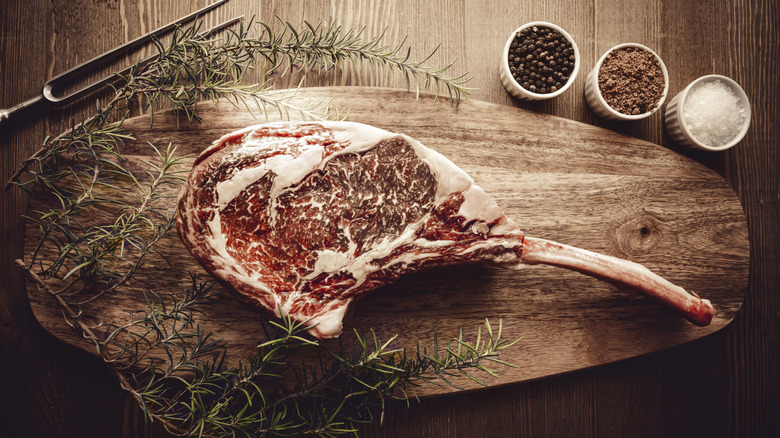
Nothing screams celebration more than a massive steak arriving at the table. The sheer scale and spectacle feel indulgent and worth the occasion. But in a surprising twist, our experts inform us that ordering the biggest cut on the menu isn't always the smartest move.
Andrew Hunter is curious about diners who only have the largest steaks in their sights. "They order the biggest steak possible. Who can eat a 32-ounce bone-in ribeye?" According to him, size, while impressive, doesn't always translate to a better dining experience. If you do want to eat a bone-in steak and feel ready to tackle the large cuts, he suggests asking for the steak to be sliced for the table to share. This ensures that portions are manageable and that everyone at the table can enjoy a wider variety of textures and flavors alongside the meat.
Ken Hoffman adds another layer to this decision-making process. "If you're unfamiliar with the differences between cuts, don't hesitate to ask." Luis Haro agrees. "I've read complaints about a ribeye having too much fat, but that's the nature of that cut," he says. "Understanding fat content makes a big difference in choosing the right steak." In other words, the goal should not be to conquer the largest steak in the room. Instead, choose one that focuses on flavor and balance, especially in relation to the other dishes ordered to the table.
Don't dine based on price or reputation alone
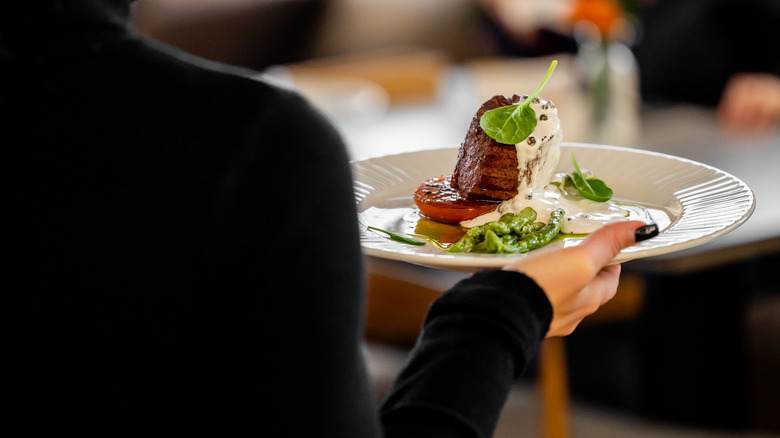
At a steakhouse, price and prestige aren't always the best markers of a successful experience. It's easy to assume that the more expensive the dish or the more lofty the reputation, the more assured one is of a top-quality meal. However, as Ken Hoffman notes, "In reality, marbling and how a steak eats have a far greater impact on the overall experience than size or reputation alone." Lucas Dudley concurs: "One thing we've learned over six decades is that value isn't about the biggest steak — it's about choosing the cut that delivers the best experience." Many steakhouses have budget-friendly menu options that offer excellent value, so don't be afraid to ask.
Andrew Hunter echoes this from another angle: diners frequently assume that all high-end steakhouses serve top-tier beef across the board. "Many people assume steakhouses serve prime beef," he says. In reality, a large number serve USDA Choice, even if it's suggested otherwise on the menu. He advises researching a steakhouse before a visit. He assures us that "the good ones will talk about their beef program and the standards they apply to purchasing." Keep in mind that steakhouses that take their sourcing seriously are usually happy to talk about it. The more you learn about grading standards, marbling, sourcing, and aging methods, the easier it becomes to choose a more satisfying meal.
Sharing is a smart move
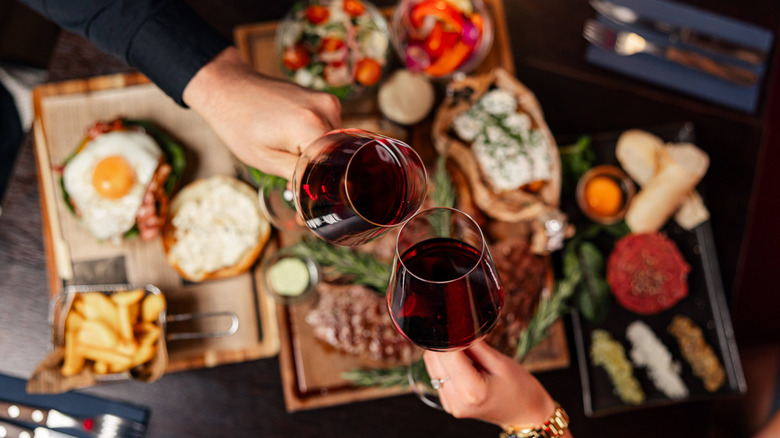
It's not by chance that steakhouses feel abundant. Generous portions, rich sides, a variety of choice — the menus keep tempting you into ordering just one more thing. So, it's understandable that you get swept up in the atmosphere and order way more than you had planned to. Andrew Hunter sees this play out regularly. "Guests tend to order giant steaks. My advice is [to] order one steak per two people and ask for it to be rested for ten minutes and sliced. Then order a bunch of starters and sides to be served with the steak."
For Lucas Dudley, it's also about experimenting. "We always encourage guests to ask about other options and specials on our menu. Just because we are a steakhouse doesn't mean that we don't have other stellar dishes like our famous Hawaiian Chicken or our Tableside Caesar Salad."
Ken Hoffman notes that excitement often leads guests to order more than they need. In reality, a more restrained approach tends to be more satisfying. "Often, a well-chosen steak with one or two shared sides is the most satisfying way to dine," he notes.
Ask more questions before you order
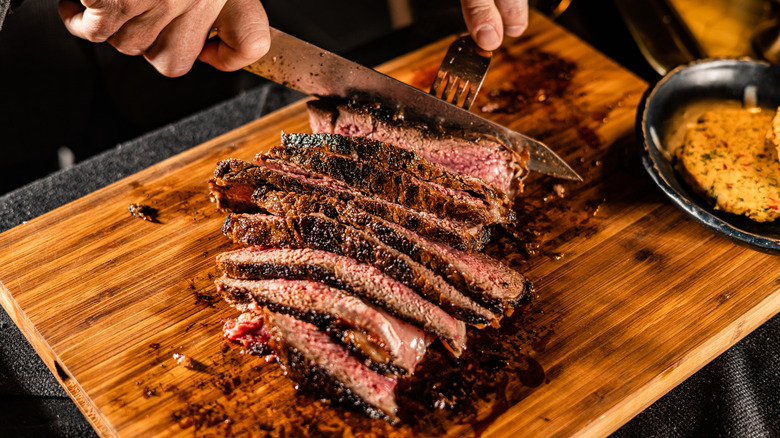
One of the simplest ways to improve your dining experience is to speak up early and ask about what matters to you. Our experts understand the hesitation behind asking too many questions or the feeling that clarifications might slow things down, but if it's important to you, they assure us, it's important to the restaurant team as well. Luis Haro recommends that you "ask about tenderness and fat content. Some guests don't like heartier steaks like sirloins and would probably be better off ordering a filet. A quick question can really help guide you."
Andrew Hunter encourages diners to be curious about all the details. "Ask about what's important to you," he says. "If you care about the provenance of the beef or the kind of wood they're grilling with, then ask. I always ask the server if I've ordered enough or too much. They almost always give an honest answer."
As Ken Hoffman notes, "Waiting too long to speak up or not asking questions can impact the experience. Whether it's temperature, seasoning, or pacing, the sooner we know, the better we can make it right." And remember, asking (politely) does not mean you are being unnecessarily demanding. Instead, it's about fostering a sense of collaboration. Ultimately, the more clearly you communicate what you're looking for, the easier it becomes for the team to deliver an experience that feels considered rather than generic.
A steakhouse meal is carefully timed
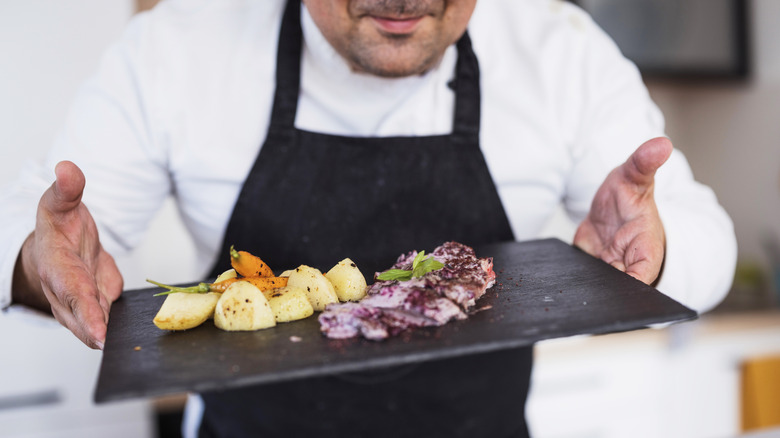
As you sit back and enjoy your steakhouse meal, it's easy to forget just how much fine-tuning is going on behind the scenes. An average steakhouse kitchen has multiple plates heading out in sync, along with sides getting ready just as the steak is waiting to be served. This type of effortless flow is anything but accidental.
Ken Hoffman explains, "Many guests don't realize how precise the timing is. A steakhouse kitchen is highly choreographed — every steak, side, and sauce is timed intentionally so everything arrives together. It's very much like a fine symphony: coordinated, disciplined, and never rushed." This type of coordination relies heavily on clear communication. Andrew Hunter notes that while grill cooks are deeply skilled, certain dishes require more nuance and attention. "Most grill cooks know how to cook steaks rare or well done," he says.
His advice? Be specific about what you want so the kitchen can give your order the time it needs. When guests clearly explain their preferences, it helps the team align to meet those expectations. Once you understand this careful choreography of events, it also explains why patience is part of the experience. And finally, Lucas Dudley cautions against rushing your meal. As he states, "A steakhouse visit is meant to be enjoyed at a relaxed pace."
Rare isn't automatically better
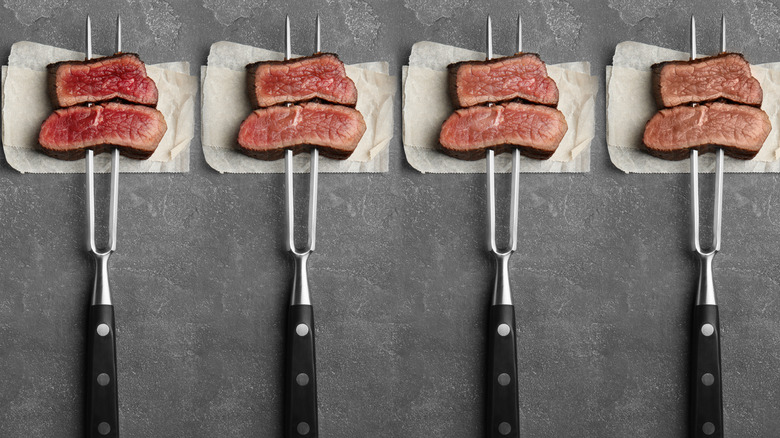
In steakhouse culture, rare steak is often treated as a badge of honor. Many assume that the less cooked a cut of meat is, the more sophisticated the diner's taste. Needless to say, our experts agree that this idea doesn't hold up under closer scrutiny. Luis Haro explains, "Between the different cuts, there are variations in tenderness, fat content, aging, and marinating. Not all steakhouses handle steaks the same way, either — that's why we're all different."
Ken Hoffman points out that acceptable doneness of a steak isn't a universal rule. "There's a misconception that rarer always means better. The ideal temperature depends on the cut, the marbling, and the guest's personal preference. There's no one-size-fits-all rule when it comes to steak." Andrew Hunter takes this one step further with a more technical perspective. "Never order a steak rare, unless it's an A5 wagyu," he says.
The reason lies in the fat itself. Marbling — the intramuscular fat that defines a great steak — begins to melt between 130 and 140 degrees Fahrenheit. That transformation is what gives steak its richness and tenderness. What we now understand is that there are certain cuts that work better served rare, while others respond more to a higher temperature and longer cooking time. Ultimately, the best doneness is the one that allows the specific cut in front of you to perform at its best.
Build balance into the meal
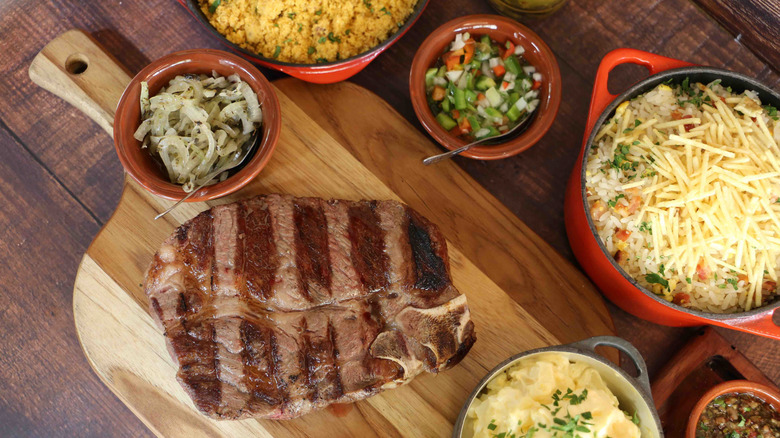
Steak is undoubtedly a decadent and indulgent main course. However, this doesn't mean every bite accompanying your cut of meat should match its heaviness. One of the easiest mistakes diners make is treating sides and starters as fillers rather than as complementary dishes that add to the overall dining experience.
Ken Hoffman advises, "Think balance, not volume. Steak is rich, so starters and sides should complement it by adding flavor, texture, or contrast rather than competing with it." The goal is to let each component shine while ensuring the overall experience remains satisfying rather than overwhelming. Andrew Hunter suggests a practical way to achieve this balance: "Order starters and sides to be served with your steak, not as appetizers. This way you're not stuffed when the steak is served." He also recommends skipping bread before the main course. It fills you up unnecessarily.
Apart from this, aim to be selective and opt for the classic side dishes. "Skip the mashed potatoes because they were probably made hours ago," Hunter advises. "Instead, order grilled asparagus, sautéed spinach, and crispy fries." These choices offer freshness and texture that enhance the steak and don't overwhelm the meal. Each side or starter chosen should add a welcome layer of flavor as well as a contrast in texture for the most harmonious meal. And as Lucas Dudley reminds us, "We encourage guests to save room for dessert and take some food home for later."
Speak up early, not late

One of the most important lessons in steakhouse etiquette is knowing when and how to raise a concern. Even more important is to do so promptly. Honestly, this advice applies to eating in any type of restaurant. There's no point in waiting until after your (disappointing) meal to speak up. Or even worse, type up a nasty review when you return home. All this accomplishes is further frustration and compounding a problem that may have been fixable. Luis Haro recommends, "Talk to a manager nicely and share your concerns. The servers don't cook the steaks, and most of the time they get the blame."
Andrew Hunter emphasizes context before escalating an issue. "It depends on why you're unhappy," he says. "If your steak isn't cooked according to your request or if they served your NY Strip from the vein-end, then send it back." Unfortunately, he adds, "if you just have buyer's remorse, then you need to grin and bear it." Ken Hoffman echoes this principle from a hospitality standpoint. "Speak up immediately. Any great steakhouse wants the chance to fix it on the spot."
When a kitchen knows early on that something isn't correct, they can take the necessary action to remedy the situation without disrupting the flow of service. Remember, complaining about your restaurant food is possible without being a jerk. It's a way to help the team deliver the meal you were expecting.
Look beyond the usual cuts
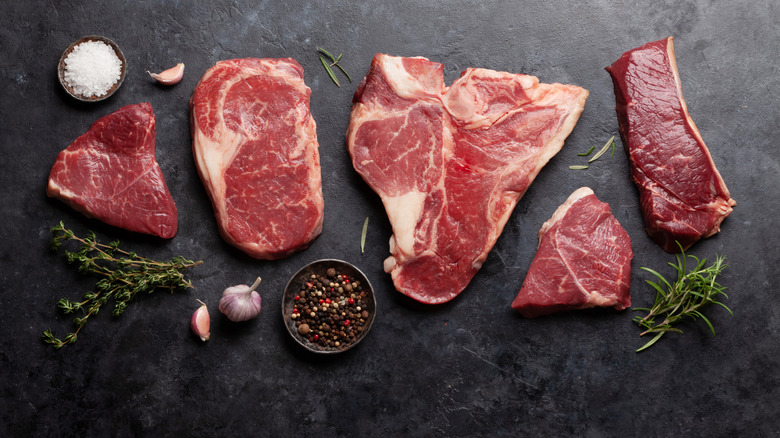
When most diners think of a steakhouse menu, they look forward to a ribeye, New York strip, or filet mignon – the classic, well-known cuts that dominate the menu. While these are popular cuts for a reason, it is also worthwhile to explore some lesser-known options for an equally memorable dining experience.
Andrew Hunter points out a few personal favorites. "My two favorites are the tri-tip and the sirloin cap," he says. "Both of these cuts have a chew to them which I prefer. They also tend to be less expensive options." Luis Haro adds, "The lesser-known steak cuts are always underrated. Most consumers stick to the regular steaks, but if you explore different cuts like a flat iron, culotte, or chuck steak, you'll realize there are some great, lesser-known options out there."
Ken Hoffman adds that some of the best-kept menu secrets come from in-house butchery. "While a great steakhouse starts with the best cuts and highest grades of beef, some of the best values come from restaurants that cut their steaks fresh in-house," he says. "This level of control allows chefs to create outstanding specials from unique or irregularly sized cuts that are still exceptional in flavor and tenderness." Moral of the story? Don't limit yourself to the headline items. Unique cuts and daily specials can lead to discoveries that are as satisfying as the same old suspects.
Relax — you're not being judged
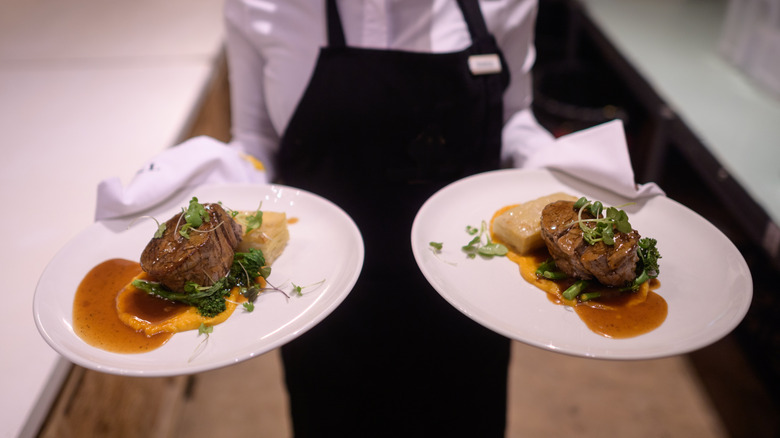
There are times when walking into a steakhouse can feel like stepping onto a stage. Things can get pretty theatrical around here. From large cuts of meat making an entrance to polished service and an abundance of menu options, it's easy to worry about making the "right" moves.
But Ken Hoffman encourages diners to leave their worries at the door once they enter a reputed steakhouse. "Relax, enjoy being taken care of, and trust the team," he says. "When guests lean into the experience and the expertise around them, the evening almost always gets better." He reminds us that the staff is there to guide you, and as much as you may think so, no chef is judging you for your steak order. From suggesting a cut to explaining a cooking method, any good restaurant will take the pressure off its diners from the moment they are seated.
Andrew Hunter adds a practical reminder about ownership of the meal: "If you're at a great steakhouse, then you're paying a lot of money for dinner. Relax and enjoy, and remember you're ordering for your pleasure, not the chef's." In short, a steakhouse is designed for indulgence and enjoyment.