

11 Easy Ways To Make Your Instant Ramen Restaurant Worthy
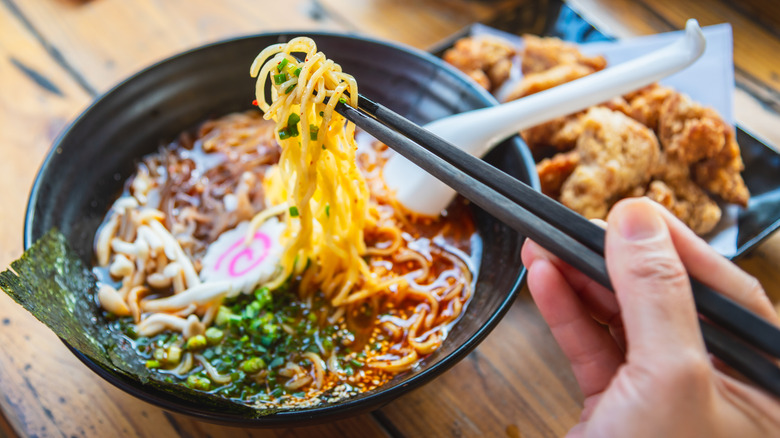
For many of us, a steaming bowl of ramen is all about comfort. It's that perfect quick meal between tasks or the ideal late-night craving. Even the simple tasks of boiling the water, cooking the noodles, and tossing in the seasoning has a ritualistic feel to it that is dependable and familiar. However, all of this does not mean your everyday bowl of ramen has to be forgettable!
We spoke with ramen superstars like Ivan Ramen executive chef and owner Ivan Orkin — who is widely recognized as the American authority on ramen and all things Japanese. Featured in the hit Netflix series "Chef's Table," his flagship in the United States continues to enjoy critical acclaim. He is joined by executive chef Julian Valencia of Ani Ramen House, who brings over 15 years of learning and perfecting the art of cooking Japanese food. His style is unique and his food is a representation of the cultural diversity found in America — his love for food and the respect for each ingredient shows in his dishes.
Both our experts understand that what makes ramen special is more about intention than unnecessary complications. Often, it's the smallest adjustments that make the biggest difference and our experts don't hold back on their best insider tips and tricks. From warming your protein to adding a drizzle of oil at the end, these subtle shifts promise to turn your routine meal into something that is less of a mere convenience and more of a moment of comfort worth savoring.
1. Start with the broth
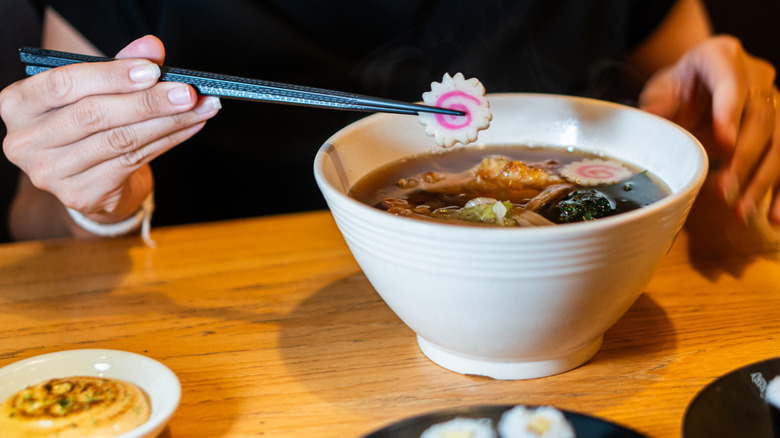
Unsurprisingly, both chefs agree that the foundation of a great ramen (instant or otherwise) is the broth. Once you have the base broth right, everything else builds from there. Chef Ivan Orkin understands the visual appeal of various toppings on a ramen but considers them to be mere distractions if the broth is not exemplary. "Piling on too many additions without fixing the broth first" is the most common mistake, he cautions. "If the liquid underneath is thin and overly salty, nothing on top will save it. Start with the broth, and everything else falls into place naturally."
With this perspective, the focus shifts back to what makes your instant ramen, restaurant-worthy — an umami-packed soupy base that has depth and balance. Chef Julian Valencia offers an easy way to build this depth by using ingredients many home cooks already have. Just look into your vegetable drawer and choose tomatoes, onions, mushrooms, or even cabbage to introduce layers of taste in under 10 minutes. All that is needed is a quick sauté of the veggies along with seasoning (and maybe a little bit of something special) before adding them to the soup. Instead of the flat, single note of flavor usually created by the average seasoning packet, vegetables help build a subtle complexity. Our experts assure us that this approach mirrors how restaurants treat ramen: by enhancing the soup component first, you allow every other ingredient that comes after to integrate more seamlessly.
2. Swap the water for dashi
While we are on the subject of ramen broth, let's take it one step further. If you want your instant ramen to taste even more refined and authentic, it may be time to rethink the cooking liquid entirely. For chef Ivan Orkin, this means using a quick dashi in place of plain water as the base. He advises, "dashi is the foundation of Japanese cooking; that clean, layered umami is exactly what sets a restaurant's broth apart from something flat."
What he's saying is the key to what makes a ramen savory and appealing. Instant ramen seasoning packets often offer not much more than saltiness with a hint of taste. Dashi, on the other hand, traditionally made from kombu (dried kelp) and katsuobushi (bonito flakes), offers a flavor profile that feels rounded rather than heavy.
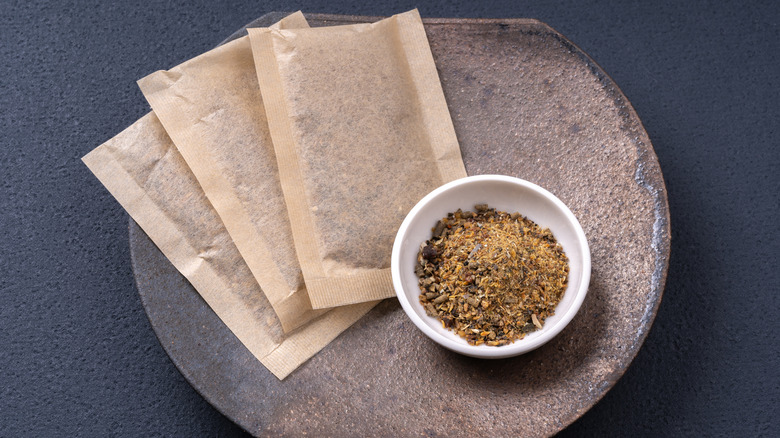
Another advantage to dashi is that it doesn't require hours of simmering. Chef Orkin points out that quality dashi powders or sachets make the process almost effortless. "One packet in a couple of cups of hot water and you have a proper base in under five minutes," he says. From there, the seasoning packet can be added gradually and adjusted to taste. "Build your seasoning packet on top of that, and you've already done most of the work." The resulting broth is less like dried noodles without soul and more like something built with care and attention.
3. Use the seasoning packet strategically
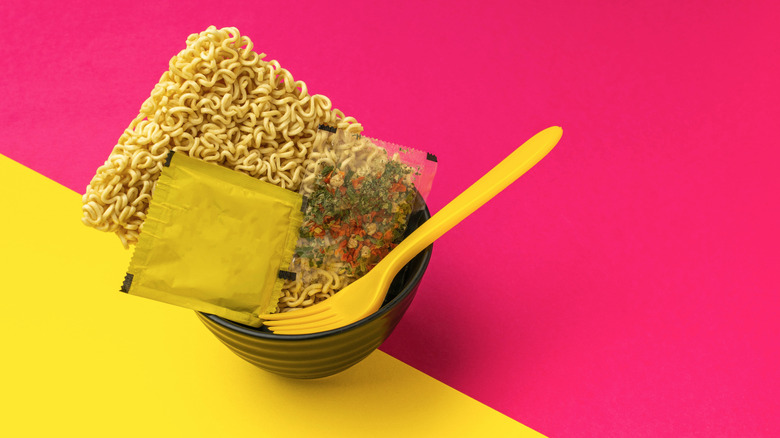
Let's take a look at any straightforward instant ramen instructions. You usually have to boil the water, cook the noodles, add the seasoning packet and mix before serving. That last step of dumping the entire seasoning packet into your pot is where things can go wrong.
Chef Ivan Orkin is a fan of restraint when it comes to the added seasoning: "Use less of the seasoning packet than the instructions call for, maybe two-thirds of it, and adjust from there with a touch of good soy sauce or a quality finishing salt." He reassures us that this one simple shift can change the entire dynamic of the bowl. Now instead of creating a dish with a pre-prescribed level of salt and seasoning, you have room to refine and redirect the balance of the ingredients and taste. As Orkin explains, "Restaurant bowls are built in layers, not dumped in all at once." Broth is seasoned gradually, tasted repeatedly, and adjusted with precision. The same principle must be applied when making instant ramen at home as well.
Starting with less seasoning allows you to taste the broth itself, especially if you've upgraded the base with dashi or sautéed vegetables. Even a small drizzle of flavored oil can shift the balance more effectively than excess powder. And don't worry about wasting that half-used seasoning packet — there are ways to use it effectively apart from your ramen bowl.
4. Build the bowl in stages
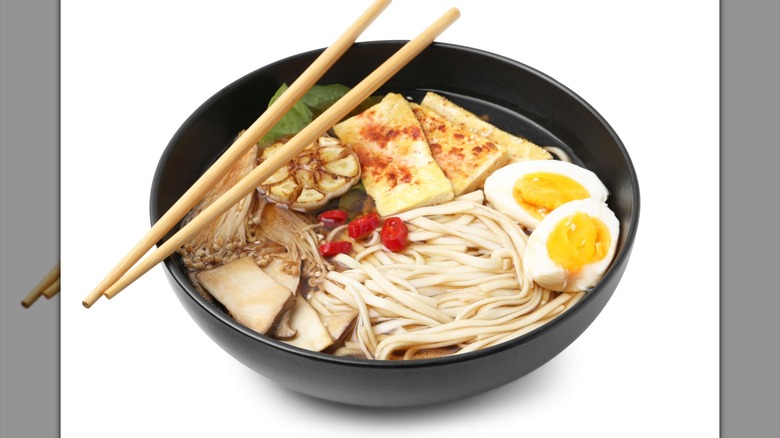
Next up is how you order your list of ingredients. A simple factor that separates a thoughtful bowl of ramen from a hastily pulled together one often comes down to sequencing. As our experts have mentioned earlier, in restaurants, ramen is never an afterthought or something assembled with everything chucked into one large pot in a single go. A good ramen will be constructed deliberately, component by component, until the moment it is served.
Chef Julian Valencia emphasizes the need to prep your broth, noodles, proteins, and toppings separately: "They meet and complement each other the moment the ramen is ready to be served." This method ensures that each ingredient preserves its integrity with its intended flavor and texture still intact. Follow this method to keep your noodles springy rather than bloated, your ramen protein warm and seasoned, and all the vegetables crispy and snappy.
Chef Ivan Orkin distills this idea into three powerful methods that immediately signal intent and expertise: "Dashi as your base liquid, a good fat such as chili oil or a little rendered pork fat, and a marinated soft-boiled egg." Together, he explains, those elements add "the sense that someone actually thought about the bowl before serving it." And do not be fooled into thinking that instant ramen needs restaurant-level ingredients and equipment to save the day.
5. Vegetables as flavor builders
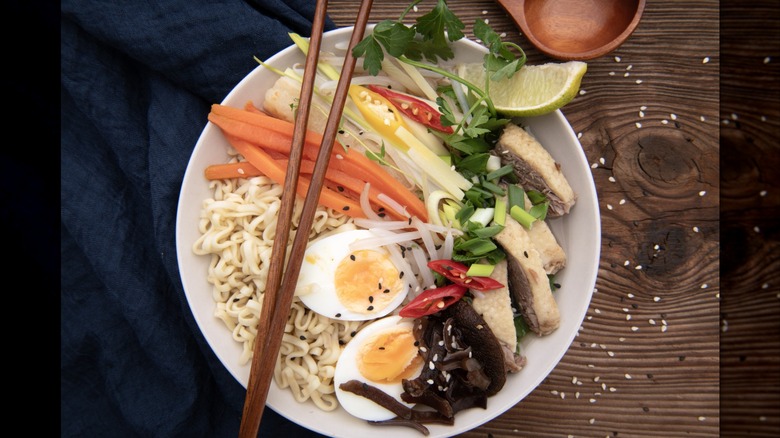
It is time to stop treating the vegetables in your ramen bowl as a mere garnish. Sure they can add crunch and color but, when used thoughtfully, they can also actively shape the flavor profile of the entire bowl. Chef Ivan Orkin recommends choosing vegetables carefully. There are some that complement the broth rather than compete with it. "Anything that wilts quickly and absorbs broth well works great: baby spinach, thinly sliced scallions, bean sprouts, or soft corn," he suggests. These ingredients integrate seamlessly, with the hot broth softening them up just enough to still retain their snap. On the other hand, he cautions against vegetables that require significant cooking time: "Avoid anything that needs real cooking time, like raw carrots or broccoli florets, unless you've blanched them first." If your vegetables are still uncooked and raw, the delicate layers of the broth can feel hurried and unfinished.
Chef Julian Valencia takes a broader, more flexible view. Choosing vegetables, according to him, ultimately comes down to personal preference. Whether raw, boiled, sautéed, or even fried, vegetables can work beautifully as long as they're handled intentionally. Together, their advice suggests a simple framework: select vegetables you genuinely enjoy, but prepare them in a way that respects the broth.
6. Warm-up and season your protein
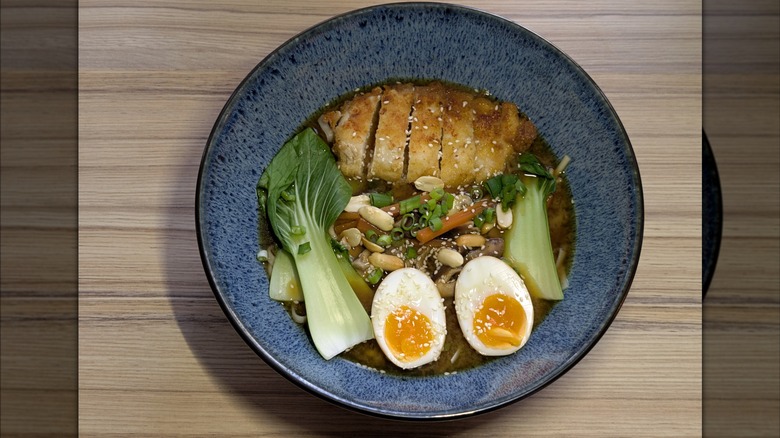
Now for the meaty part (sorry, could not resist). Chef Ivan Orkin is vocal about how protein can make a bowl of instant ramen feel substantial but only if it is treated with the same care you have so far shown the broth. "Whatever protein you're using, make sure it's warm and seasoned before it hits the bowl," he explains. "Cold protein dropped into hot broth immediately signals 'afterthought.'"
What he is saying is that temperature matters. When protein is properly warmed, it does not disrupt the balance of the bowl. Instead it integrates into the broth, keeping it at an even temperature. Even something as minor as adding cold, leftover rotisserie chicken can upset the overall effect of your noodle meal. Instead, chef Orkin suggests you add the chicken, "pulled and briefly warmed in a little soy sauce." The goal is for every component to feel like it belongs there.
Chef Julian Valencia reinforces the same principle but from a technical standpoint. "I recommend cutting your proteins into thin slices and cooking them in a sauté pan or skillet or boiled, this will retain texture and natural flavor," he says. This approach also provides control. Cooking protein separately allows you to season it properly before it even touches the soup.
7. Master the jammy egg
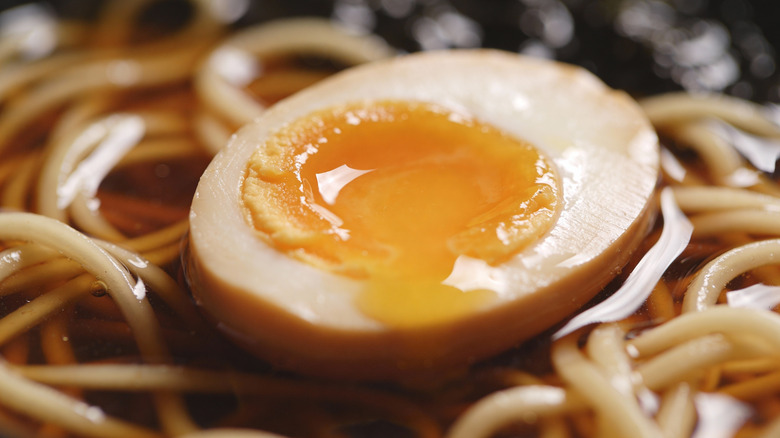
Nothing shouts "ramen shop quality" more than an oozy, perfectly cooked jammy egg atop your broth. From the custard soft yolk to the to tender white egg, it adds structure as well as instant visual appeal. When it comes to mastering this culinary treat – something you can enjoy on its own as well – chefs agree that precision is everything. Chef Ivan Orkin outlines a method that promises you the best results repeatedly: "Bring water to a full boil, lower your eggs in gently, cook exactly six and a half minutes, then transfer immediately to an ice bath." When you introduce the egg into cold water it halts the cooking process and prevents the yolk from turning chalky.
Chef Julian Valencia follows a nearly identical approach. He suggests letting a pan of water come to a boil before fully submerging the eggs to avoid cracking. His sweet spot for cooking time is six minutes and 30 seconds for large eggs, while medium eggs need closer to six minutes. From there, you have options to up the flavor game. Chef Orkin recommends letting the peeled eggs sit in a 50/50 mixture of soy sauce and mirin for at least a few hours or overnight is even better. The marinade seasons the whites and deepens flavor throughout. Chef Valencia suggests a simpler finish: a sprinkle of salt or a splash of soy sauce if you don't have the time (or foresight) for a longer marinade.
8. Think in contrasts
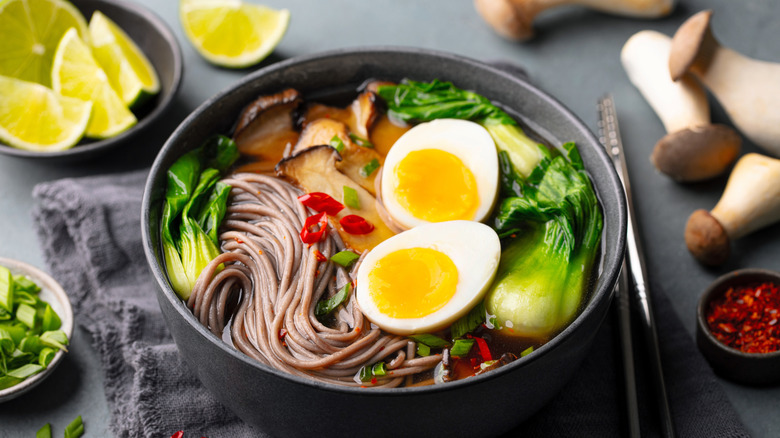
Now that we have all our basics in place, it's time to have some fun! One of the most powerful ways to elevate a bowl of instant ramen is to play around with texture. No doubt, a simple bowl of noodles and seasoning is comforting in its predictability and uniformity, but it can also feel flat and unremarkable. And while there are unusual flavor add-ons you can play around with, you may not want to veer too far from the original vision. Simple textural ingredients, on the other hand, can transform every mouthful into something wonderfully dynamic.
Chef Ivan Orkin suggests a simple framework: "Think about something soft, something with a little bite, and something with crunch." The noodles and a perfectly cooked jammy egg already cover the first two. For crunch, options are versatile: crushed nori adds crispness and a subtle savory note, while lightly blanched vegetables, like bean sprouts or sugar snap peas, offers a fresh bite that contrasts the richness of the broth. Chef Julian Valencia adds that protein can also contribute to textural variety. "Personally I like adding eggs any style, soft tofu, or any type of cured meat to instant ramen. Fresh, crisp, or lightly cooked veggies are great for texture. Avocado, peas, carrots, and corn are my favorites to use and are always available in my fridge." Even a simple packet of instant ramen can feel thoughtfully composed with this approach.
9. Finish with fat
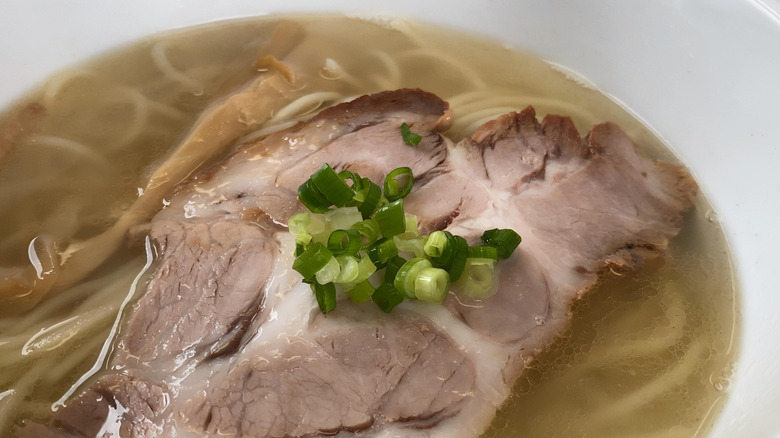
We're down to the final stretch. By now your ramen bowl is filled with a power-packed umami broth, the vegetables have been prepped, and the jammy egg is poised for its moment of glory. But according to our experts, there are still a few things you can do to wow your taste buds even more. And for this they both turn to — fat!
Chef Ivan Orkin emphasizes the importance of combining fat with a touch of acid at the end of cooking. For him it's always, "fat and acid, in small amounts, right at the end. A few drops of chili oil or flavored fat add richness and aroma. Also, an aromatic vegetable, like sliced scallions, really lends a little aroma and flavor punch to the bowl." Chef Julian Valencia underscores the same idea, highlighting the versatility of animal and aromatic oils. He believes that, "Adding animal oils (chicken, beef, or pork fats) or aromatic oils such as sesame, garlic, or chili oil gives the bowl an extra kick of body and flavor."
At home, it's easy to recreate this effect. After assembling your proteins, vegetables, and broth, and serving up the noodles, just finish with a drizzle of your chosen oil. What this does is create a silky mouthfeel while enhancing the aromas. To add to the experience, squeeze a tiny amount of lemon juice or a few drops of vinegar to balance the richness.
10. Cook noodles with intention
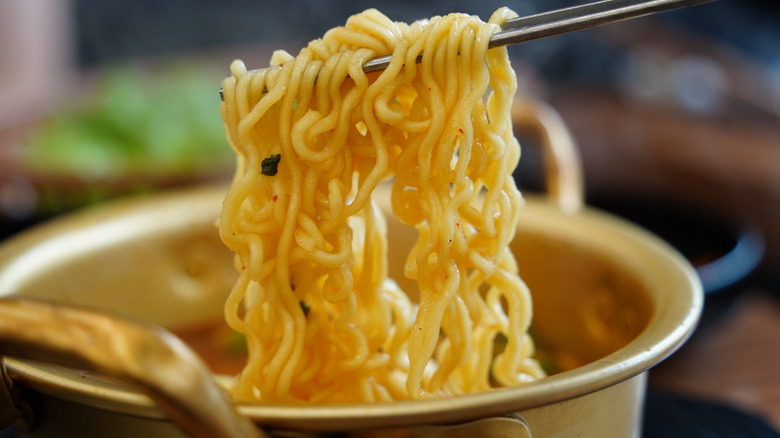
Usually overlooked, noodles are often tossed into a ramen bowl as a last-minute addition. In reality, how you cook your noodles can have a significant impact on your final texture and combination of flavors. That said, chef Julian Valencia reminds home cooks that "most instant noodles are precooked (typically steamed); some just need to be rehydrated." He urges you to follow the instructions mentioned on the packet to ensure you don't overcook them. Even a small distraction and a too long cook time can lead to a limp, unappealing mess of noodles that would undermine all the effort you have taken so far.
Chef Ivan Orkin advises cooking noodles in a separate pot of boiling water rather than directly in the broth. "Pull them just before they're fully done," he says. "They'll finish in the bowl. Cooking noodles in broth clouds everything and makes it starchy; keeping them separate gives you cleaner broth and better noodle texture." This promises noodles with a bite rather than the dreaded mushiness of overcooked ones. Chef Orkin also notes that if you have access to fresh ramen noodles from an Asian market, you might consider swapping them for their superior chew and flavor. Proper noodle technique may seem minor, but it's one of the quickest ways to move a simple bowl toward restaurant-quality.
11. Focus on your plating
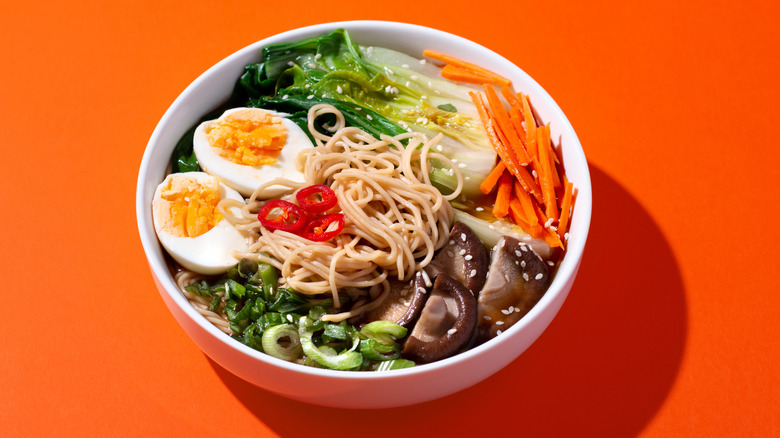
How a bowl of ramen is arranged affects both the eating experience and the perception of quality. Chef Julian Valencia adds practical guidance for a polished finish. "When preparing and plating, I recommend cutting toppings and proteins into bite-sized pieces so they are easy to pick up with chopsticks," he suggests. "Arrange the toppings evenly across the bowl for a clean presentation. It will make your eating experience more traditional and enjoyable."
Chef Ivan Orkin recommends building the bowl with intention: start with the broth, then add the noodles, followed by toppings that are carefully placed. Now is not the time for a careless scattering of ingredients and thoughtless plating. "Keeping each element in its own zone rather than stirring everything together before serving makes the bowl look considered and gives people different bites as they eat through it," he says. This method ensures that each component retains its texture and flavor, while also creating visual appeal. And don't forget to warm the bowl before serving up your elements. Pouring hot broth into a cold ceramic bowl cools the liquid too quickly and you end up muting the flavors and diminishing the overall effect of the meal.