

13 Best Meat Alternatives For Lent That Aren't Fish
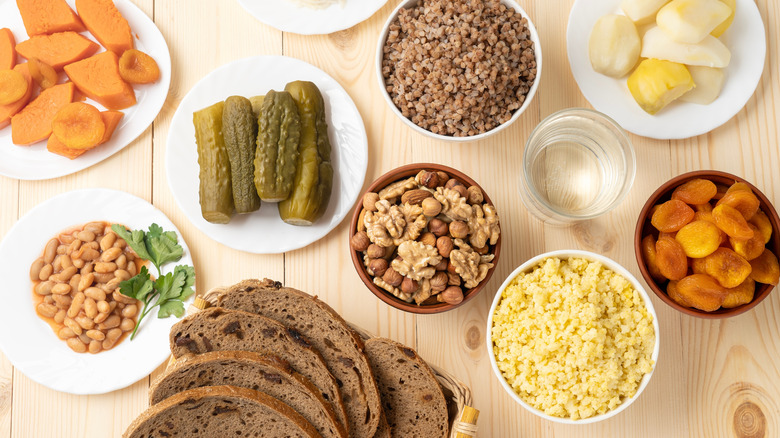
Lent has long been regarded as a period for fasting and restraint, with the practice of abstaining from meat more rooted in reflection rather than punishment. Switching to a meat-free diet for the 40 days leading up to Easter is meant to sharpen focus, and quiet any desire for indulgence or excess.
Today, many have adopted this tradition in a more moderate manner by observing meatless Fridays, a practice that has become shorthand for eating fish-heavy meals. Allow us to be a bit pedantic here, but this swap misses the bigger picture: It's not that difficult to replace meat with fish or seafood, so does doing so really give you a chance to eat more intentionally? What's more, if you're not a fan of fish, you're far from alone.
You may be observing Lenten rules for religious reasons or just as a desire to shake up your routine. Either way, you likely want options. Ingredients like quinoa, chickpeas, and tofu offer comparable micronutrients and less heaviness than meat. Following are a list of Lenten alternatives to fish that are satisfying, grounding, and have sustained cultures the world over, long before "plant-based" became a buzzword.
1. Chickpeas

To be honest, there's no lack of meat-free substitutes for Lent. The real question is, are they as delicious? When it comes to the humble chickpea, best known for its versatility and nutritional benefits, you might be surprised to learn how satisfying and appetizing it can be.
Chickpeas are packed with complex carbohydrates, fiber, and protein, promising lasting energy rather than post-meal slumps or the quick highs that come from other, more processed foods. Genuinely filling, chickpeas can be used in several different ways. Its neutral taste allows it to take on different roles without too much of an effort.
For example, you can mash chickpeas (either tinned or boiled yourself) into burger patties or fritters. Chickpeas simmered in coconut milk and spices make for an easy curry. Chuck a cup into a green salad for a lunch with heft, or — our personal favorite — toss them in some olive oil, and bake to make a wonderful, crunchy snack when one is feeling peckish. Let's not forget creamy homemade hummus, either; it's everyone's favorite chickpea preparation for a reason. Whether spread onto bread and sandwiched with roasted veggies or scooped as a dip, your Lenten lunches and savory snacks are sorted with chickpeas.
2. Tofu

Look, we get it. Tofu has long had a bad reputation, and been called all sorts of things, from "boring" to "tasteless" to "spongy." But the problem here has far less to do with the ingredient itself, and far more to do with how it's treated.
Look beyond the dissing and you will discover that tofu is, in fact, one of the most reliable and accommodating ingredients around. And as a meat alternative during Lent, it ticks a whole load of boxes. For instance, it is rich in plant-based protein, as it is made from soybeans (and not much else). Tofu is also naturally low in saturated fat, and when it's paired with vegetables or grains, it makes for a balanced and filling meal. Thanks to its mild flavor profile and neutral flavor, tofu is an ingredient that easily carries the seasoning or sauce it is cooked with. This makes it the perfect addition to dishes like stir-fries and curries. Instead of feeling like a poor substitute for meat during Lent, tofu can become a vehicle for the flavors people already love.
The trick to cooking tofu is to get the texture right. Remove the excess moisture before cooking, and this plant protein can develop a pleasantly chewy interior and crisp exterior. Once you learn to love tofu, you'll be happy to toss crunchy chunks in a light sauce, or enjoy them scattered over a salad.
3. Portobello mushrooms
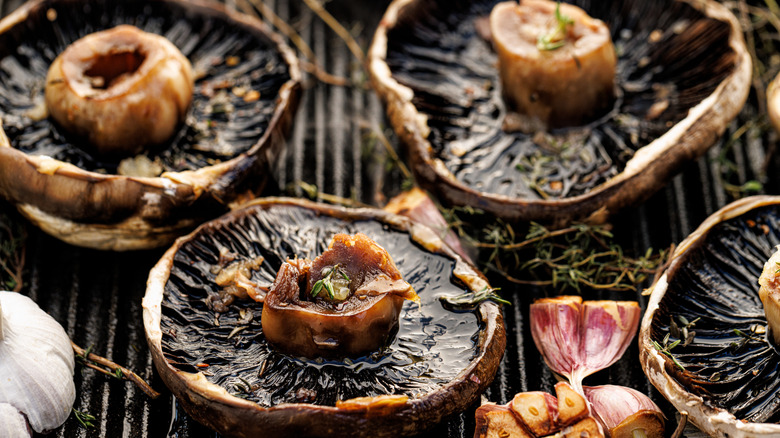
Portobello mushrooms are one of the closest things to a meat-looking, meat-tasting alternative you'll find for your Lenten menu. With their broad caps that slice into satisfying chunks or slivers, dense texture, and naturally savory flavor, these mushrooms deliver all the positive attributes associated with a good cut of meat, without the heaviness.
If you prefer more substantial meals and you don't want your Lenten choices to leave you hungry, portobello mushrooms are the solution. Serve them baked or grilled with a side of vegetables or grains, or use them in place of meat in a sandwich or wrap. They roast beautifully, grill with ease, and are an easy match for whatever herbs, sauces, or seasonings are on hand. You can even pop an entire grilled portobello into a bun to make a delicious no-meat burger.
Nutritionally, portobello mushrooms are low in calories, and high in fiber and antioxidants. When combined with other healthy, plant-based ingredients, they make for a meal that is balanced and supportive of your overall health and well-being.
4. Zucchini
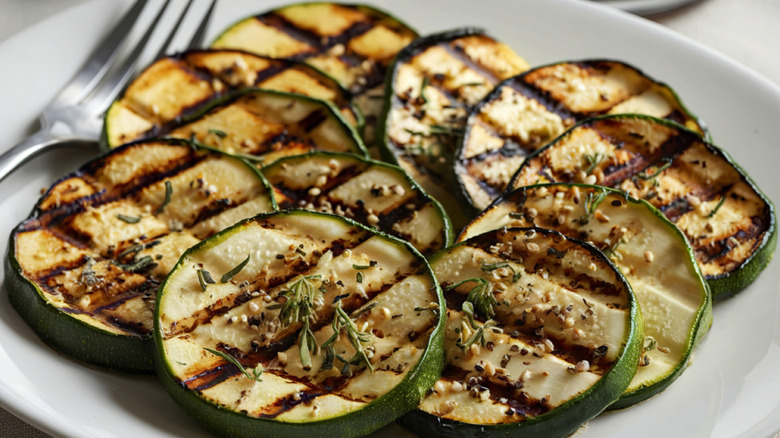
Zucchini is more often the side note rather than the main attraction. And while this unassuming vegetable rarely demands attention, its mild flavor and easy availability make it a useful addition to your Lenten grocery list. When handled purposefully, it can step confidently into the role of meat alternative in a meal. For example, zucchini can add volume and texture without overpowering any of the other ingredients. Its neutral flavor makes it especially well-suited to preparations where meat is added for its structure rather than for its protein content. Dishes like zucchini Parmesan as an alternative for chicken would work well, as would thick slices of roasted or grilled zucchini as a main.
From a nutritional standpoint, zucchini provides much needed vitamins A and C, as well as potassium and antioxidants, making it a smart choice for Lent, when meals need to be both mindful and sustaining. Once you learn how to properly cook zucchini (because no one wants soggy zucchini), it is firm enough to be stuffed, roasted, or layered with any number of sauces, spices, and cheese. When sliced thick, zucchini provides a satisfying bite that holds sauces and seasonings much like meat does. Its high water content helps keep dishes light as well, and allows it to pair effortlessly with grains, legumes, and dairy. There are many creative uses for zucchini that will lead to meals that feel complete and thoughtful rather than pieced together clumsily.
5. Vegetarian pasta
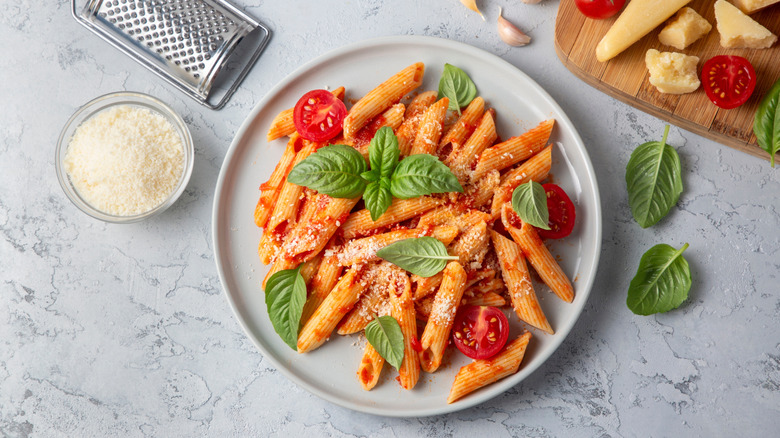
Historically, pasta dishes have been a staple during Lent. In Italy, meatless pasta dishes are known as ricette di magre or "lean recipes," and have been traditionally cooked during days of fasting and periods of abstinence. But that doesn't mean that pasta dishes that exclude meat have to be light or unsubstantial.
There's also enormous flexibility when we consider pasta as a meal, regardless of whether you resort to store-bought or make your own pasta from scratch. There are so many creative pasta recipes that call for various shapes, slow-cooked sauces, and fresh ingredients. Herbs, flavored butters, infused olive oils, spices, dairy, and nuts offer innumerable options, so you don't need to rely on meat at all. What allows pasta to fill in as an easy meat alternative during Lent is how it's built. Adding protein-packed ingredients such as lentils, beans, peas, nuts, or various types of cheese ups the nutrition content and keeps you full for longer. These ingredients provide texture, fat, and density — the same qualities that meat typically brings to the table.
Today, we also have a range of protein-rich pasta options that are made from lentils, chickpeas, and other nutrient-dense ingredients to offer a complete, balanced plate rather than a side dish. During Lent, pasta is not only an easy, crowd-pleasing choice, but it's also a reminder that restraint doesn't have to mean sacrifice, and that some of the most satisfying meals are built from the humblest ingredients.
6. Vegetarian soup
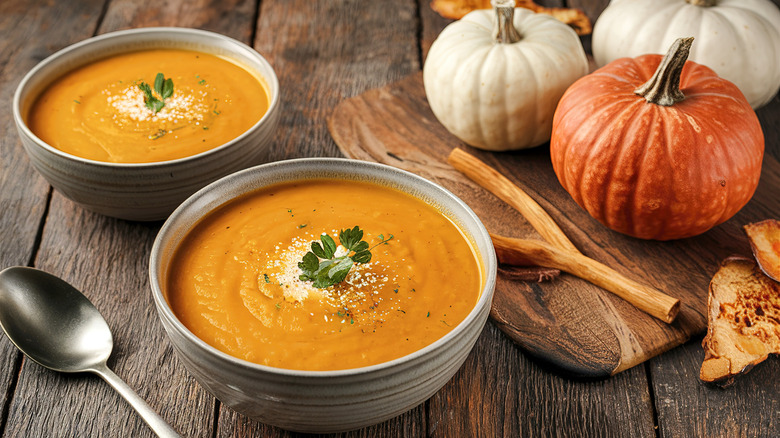
When we talk about the spirit of Lent, we are usually referring to an overall sense of restraint and mindful intention. This is reflected in our meal choices, so it's no surprise that soups feel especially aligned. A vegetarian soup is a simple, non-flashy type of food; one that is meant to nourish and sustain.
Vegetarian soups can be built on vegetables (duh) as well as legumes and grains. Adding elements of creaminess via dairy or nuts can turn a simple soup into a filling meal, and one that is often rich in fiber and plant-based protein as well. A truly satisfying meatless soup doesn't have to be light or incidental. Instead, it can be intentionally adapted to replace what meatier recipes can provide.
The trick to making a great soup is to get your basics right. Choose from hearty soup recipes that feature roasted veggies and chunks of bread, or add legumes like lentils and chickpeas to bring protein and fiber to slow digestion. Texture matters as well. Grains such as barley or farro add chew, mimicking the satiety we associate with meat-based dishes. Thick, creamy purées of squash or cauliflower add a sense of richness that makes a soupy meal feel more complete rather than lacking. A pot of soup also stretches further than most meals, feeding families and guests for multiple days with minimal effort.
7. Black beans
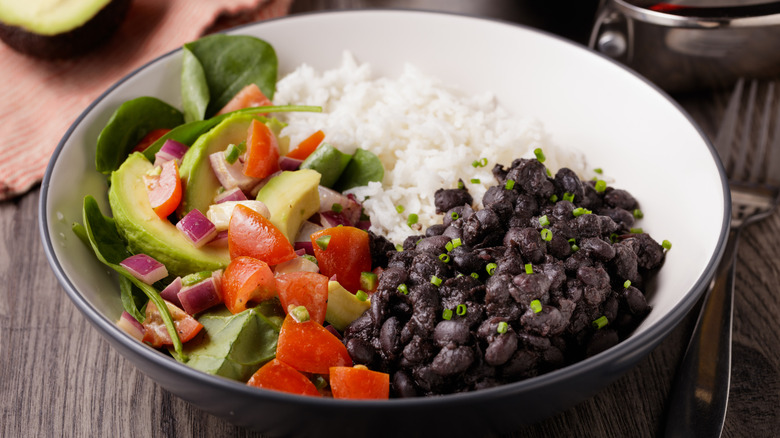
Not everyone rushes out to buy fish for Lent. For some, it's beyond their budget or not to their tastebuds. Thankfully, there are other familiar and more cost-effective options out there, like multi-talented black beans. While it's true that black beans make a great depression meal, they can also stand proudly in the spotlight.
Shelf-stable and easy-to-use black beans are one of the most dependable meat alternatives during Lent. A common staple in cuisines where meat is used sparingly or not at all, black beans do their fair share of heavy lifting in any recipe. Rich in plant-based protein and fiber, black beans easily add heft to your meatless meals.
Texturally, black beans offer something many plant foods don't: creaminess with structure. This makes them versatile. Adding black beans to a soup transforms it into a hearty main. Mash them into a patty and season it well, and you'll have a vegan-friendly burger in no time. Add them to rice bowls or tacos to increase the nutritional benefits and improve satiety. The options are endless.
8. Grilled cheese sandwich

There are no rules preventing you from turning to your favorite comfort food during Lent. Take, for example, the classic grilled cheese sandwich, popular for its familiarity and practicality. Grilled cheese earns its place in Lenten cooking not because it's a direct swap for meat in a dish, but because, as a meal, it can provide the richness and satiety we might crave from meat.
Unlike meatless meals that require many ingredients, a grilled cheese sandwich can be as simple as you'd like. Slap together two slices of bread, add your favorite cheese, and toast it until it reaches the burnished level you prefer. (But first, butter both slices of bread on both sides for a better, crispier grilled cheese.) Use sharper or aged cheese, likeGruyère or Comté, to add some umami — a quality associated with meat-centric comfort foods.
You can further up the ante by making some small variations: Add thick slices of tomato, avocado, or caramelized onions, or include crunchy pickles. A dollop of exoticism in the form of kimchi won't go amiss, while an accompanying bowl of creamy tomato soup can only make the meal better. The idea is to refresh the experience without overly complicating it. In the end, grilled cheese is endlessly accessible and always efficient. And it definitely gets bonus points for being a dish that doesn't require special ingredients or advanced planning, which is especially useful on days when energy is low or schedules are tight.
9. Lentils
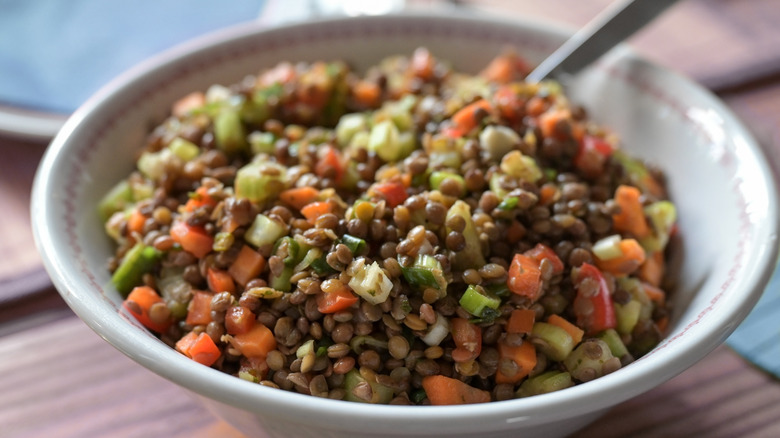
If you are looking for a meat-free alternative that is affordable, nourishing, and delicious, lentils may be what you need. In terms of nutrition, this powerhouse ingredient is high on the good-for-you list. Lentils are naturally low in fat, free from cholesterol, and rich in dietary fiber. To make things even better, they are also rich in protein and essential nutrients like folate, iron, and potassium. When eating lentils, even a little goes a long way.
Let's not gloss over the fact that lentils also have a practical appeal that makes them fit into our busy, modern lives. Yes, you can go old-school and soak dried lentils overnight before cooking them, but you don't need to as there are so many ways to use canned lentils for daily dinners. Even if you are not used to cooking with legumes, most lentil recipes can be whipped up in no time at all thanks to the readily available varieties on offer.
Lentils also have a naturally hearty quality that works well in dishes where meat would normally provide structure, like a loaf or patty. They absorb flavors easily and blend seamlessly with vegetables and spices, allowing you the freedom to experiment with different ingredients and culinary techniques.
10. Eggplant
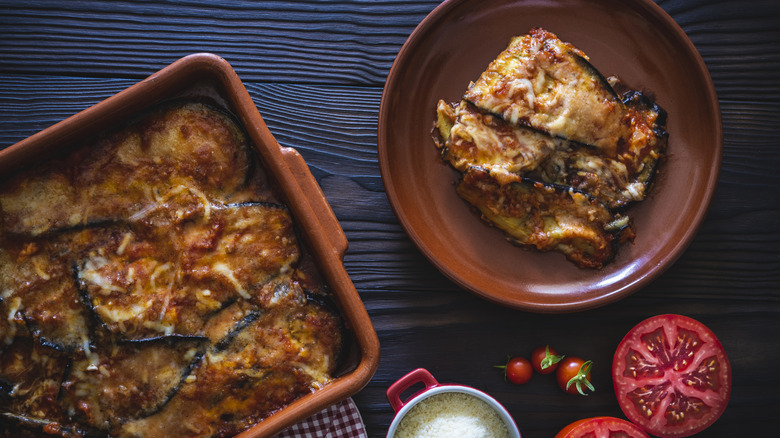
Often described as "meaty", eggplant brings some much-needed depth and body to vegetarian meals. Thanks to its substantial texture, eggplant easily imitates meaty proteins on a plate. For example, when baked, it layers beautifully to add heft and dimension to a dish. Frying slices of eggplant provides a toothsome bite that some vegetarian substitutes lack. A great way to highlight the distinct texture and body of eggplant would be to make Ina Garten's favorite eggplant Parmesan, or another dish that calls for simmering cubes of it in a sauce.
From a nutritional point of view, it doesn't do too badly, either. Low in calories (except when deep fried, of course) and high in fiber, eggplant will get some key nutrients into your weekly menu rotation. Perhaps this is why, in global cuisines across the Mediterranean, Middle East, and Asia, it's treated more as a centerpiece rather than a substitute, standing firmly on its own as the focus of many popular recipes.
11. Quinoa
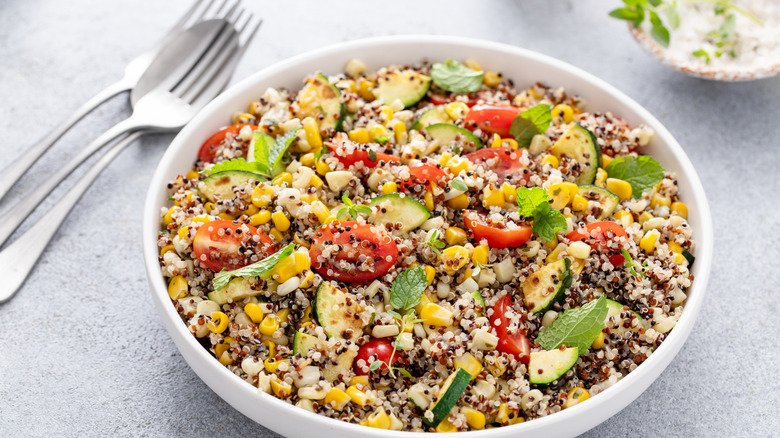
These days, it's hard to find a healthy restaurant menu without quinoa on it. Touted as a powerhouse of plant-based nutrition, it's considered an ancient grain, though it's actually a seed. It's packed with protein, and also hefty doses of fiber, vitamins, and minerals. And with its chewy texture and slightly nutty flavor profile, quinoa is as satisfying as it is filling.
If you are wondering how best to prepare quinoa, we urge you to think outside the box. Sure, you could toss it into your salad, or use it in place of white rice, but you should also know that quinoa works in sweet dishes as well. Simmer quinoa in coconut milk for a nourishing treat that can become a tasty quinoa breakfast bowl. Meanwhile, when cooked in vegetable stock and tossed with roasted veggies and nuts, quinoa makes a lunch to prevent any afternoon slumps. In short, quinoa adapts seamlessly to a range of flavors, making it a versatile ingredient for any meal of the day.
There's also the ingredient's practical appeal. Quinoa is easy to store and quick to prepare, without requiring any elaborate prep work. What's not to love, right?
12. Pumpkin and squash
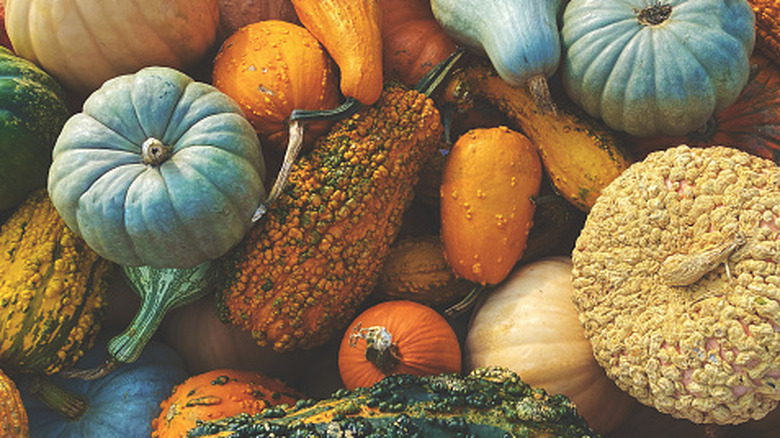
We all have our favorite vegetables — the ones that we blindly reach for when it's crunch time, and we need a meal on the table. Carrots, potatoes, and mushrooms are often the usual suspects, but this Lent, we encourage you to look a little beyond the obvious. There's a cornucopia of pumpkin and squash just waiting to be discovered. These are the unsung heroes of meatless meals. Thanks to their natural sweetness and creamy texture, these vibrant gourds are often the perfect stand-in for richer, heavier ingredients.
There are many exciting ways to cook with pumpkin and other winter squash. These versatile vegetables can be puréed into creamy sauces or layered into gratins. Their subtle flavor allows them to be paired effortlessly with bolder spices like curry or smoked paprika, and they can add depth to savory ingredients like beans, grains, and cheeses.
The deep orange flesh of butternut is ideal for soups and stews, while the nutty and dense kabocha can build a spicy roasted squash sandwich as satisfying as any made with meat. Roasting is the simplest way to unlock the potential of squash. The natural sugars will caramelize in the oven, transforming the flesh into a rich, golden base that can then be used in casseroles, or added to pasta or grain dishes to make filling meals.
13. Jackfruit
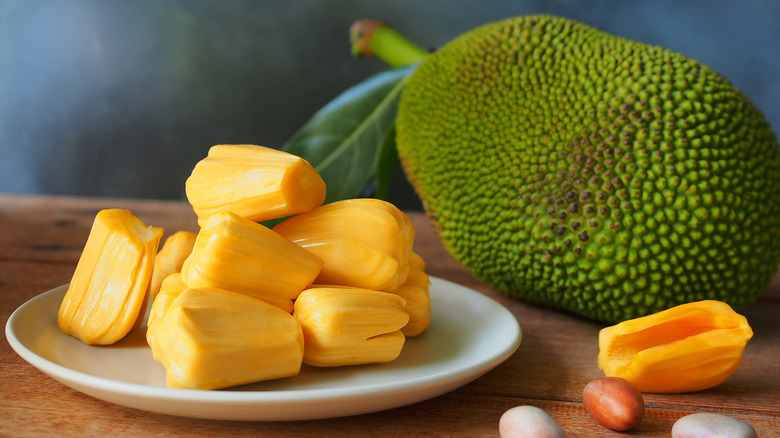
Jackfruit — that strange, spiky fruit with the juicy, fibrous flesh — is the current darling of the plant-based world for a few reasons. For one, when unripe and properly prepared, the texture of jackfruit can closely mimic meat. While technically a fruit, the pull-apart insides of this tropical treat can feel so similar to shredded chicken or pork that even hardcore meat eaters get confused.
To add to its appeal is the fact that tender jackfruit is a deliciously neutral palate to work with. Although it sweetens as it ripens, young jackfruit has very little flavor on its own, and therefore acts as a perfect vehicle for all types of stronger marinades and sauces. It takes on any type of spice, seasoning, and smokiness with aplomb, much like its meatier counterparts.
In practical terms, jackfruit mimics meat by providing volume and chew. It can also be cooked in multiple ways. When braised, it melts in the mouth; when grilled, it develops wonderfully crispy edges; and when slow-cooked, it becomes tender and caramelized. In other words, once you know how to cook jackfruit, you can easily apply it to your favorite meat dishes. And while it isn't a high protein food on its own, it makes it to this list of meat alternatives for Lent because it most easily replaces meat's physical presence in a recipe. So go ahead and dig in — without the FOMO.