

14 Delicious Sauces To Put On Pizza That Aren't Tomato

Eating pizza is embedded in our core memories of birthday parties, theme parks, and movie nights. It is filling, comforting, and familiar. But too often, we stay in our comfort zone, always falling back on our favorite pies and not trying something new. Pizza dough is a culinary blank canvas. With so many options, there's no reason to automatically go with traditional tomato sauce every time. After all, many of the most popular pizzas were invented by thinking outside of the tomato-based pizza box.
Pizza preferences are often shaped by your regional pizza style, but when you take the opportunity to try something new, you may find your new favorite kind of pizza. We've compiled a list of tomato sauce alternatives for pizza. Some are more traditional, while some are more unique and definitely won't appeal to everyone, but all are delicious in their own right.
Pesto
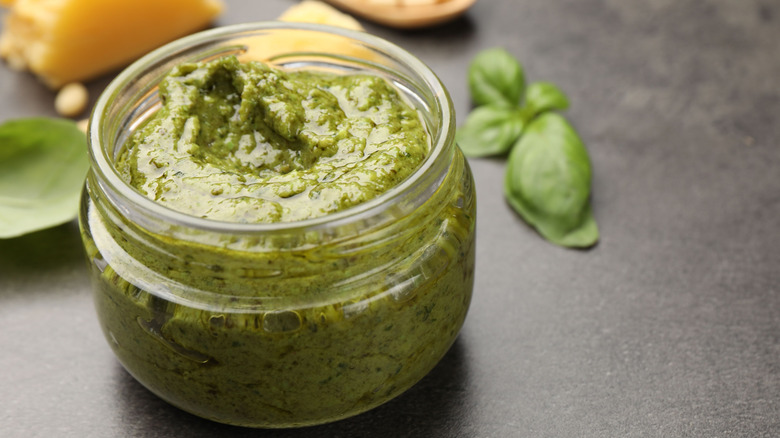
Pesto is a go-to pizza topping when you want a fresh, herby pop. It is traditionally made with fresh basil leaves and pine nuts, blended with olive oil, garlic, and Parmesan cheese. Pesto originates from northwestern Italy, with different regions using slightly different ingredients, such as adding roasted red peppers or tomatoes. For a pizza sauce, even a simple emulsion of basil leaves and olive oil adds sufficient flavor to highlight toppings such as chicken, fresh tomatoes, and prosciutto.
The quality of the individual ingredients determines the final taste of pesto. You can swap pine nuts for pistachios for a cheaper and sweeter alternative that complements the green hue. Taking culinary inspiration from other cultures can produce a great sauce base, too. Try pesto made with other regional flavors such as za'atar or chimichurri for an extra tasty pizza sauce.
Keep in mind, a pesto drizzle added after the pizza comes out of the oven will maintain its vibrant taste and color. However, when used as a base sauce and cooked in the high heat of the oven, the basil will darken in color and mellow in flavor.
Ranch and other dressings
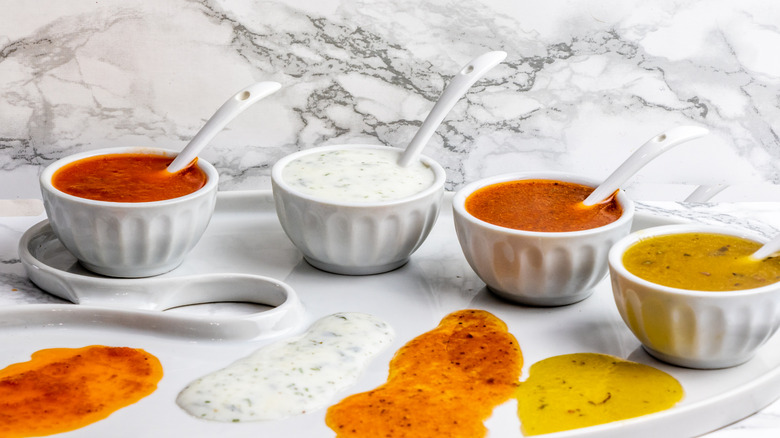
As an American staple, ranch dressing is no stranger to pizza, especially when chicken or bacon is present. The tang of the buttermilk and the familiar blend of seasonings are at home on a bready crust, and they bring out the best in toppings such as chicken, tomatoes, and green onions.
Ranch has a devout following as a pizza dipping sauce, but can also be used as a base. It's also not the only dressing with this kind of versatility. For example, in Biloxi, Mississippi, some people eat their pizza doused with French dressing. When you start thinking outside the box and the plastic condiment cup, and consider the punch of flavor and variety of taste combinations that open up by simply replacing pizza sauce with a layer of salad dressing, you'll realize there's no need to commit to just one type of sauce.
There are endless varieties available to make or buy that will complement any type of pizza toppings. Thousand Island dressing is the best sauce choice for a Reuben-inspired pizza. A sweet honey mustard or Catalina dressing is the perfect complement to a spicy jalapeño or pepperoni pizza. Even a simple Italian vinaigrette provides the ideal light and herby sauce for a roasted veggie pizza.
Your favorite fast food dipping sauce
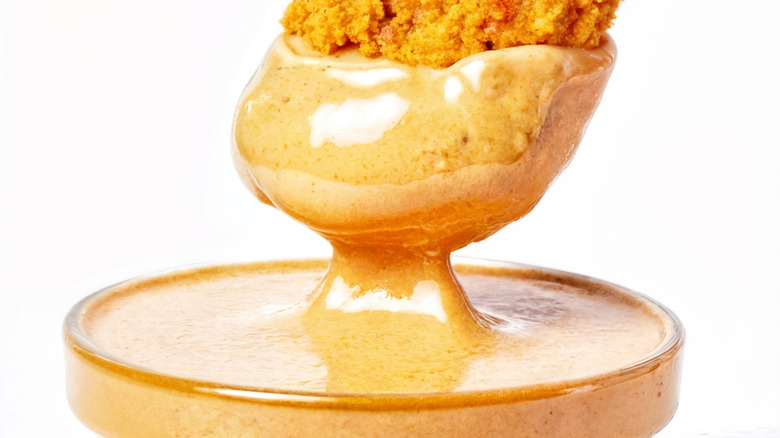
Many restaurants these days use a signature sauce to attract and retain customers. The likes of Chick-fil-A, In-N-Out, Popeyes, and Raising Cane's sauces have devout, almost cult-like, followings. If you're really committed, you could even use your favorite dipping sauce as a replacement for pizza sauce. Follow the lead of one TikToker who made a pizza using everything on Raising Cane's menu, beginning with the beloved Cane's Sauce, a proprietary blend of creamy and tangy flavors.
While Raising Cane's doesn't share its exact recipe, it's basically a spinoff of the same Thousand Island dressings used at many burger chains. You may be used to eating it on burgers, fries, and chicken, but as a pizza sauce, it might be hard to swallow. It may help to think of it as an aioli, because at their core, these dipping sauces are just mayonnaise with mix-ins.
You can make your own creamy, customized dipping sauce-turned-pizza sauce by adding your favorite spicy, smoky, or tangy ingredients to mayo. Alternatively, take inspiration from mayonnaise variations found all around the world. Any tangy, creamy, and smooth mayo creation would be a delicious base sauce for a BLT, shrimp, or cheeseburger pizza, or, really, any pizza with bacon, chicken, seafood, mushrooms, garlic, or onions.
Vegetable puree
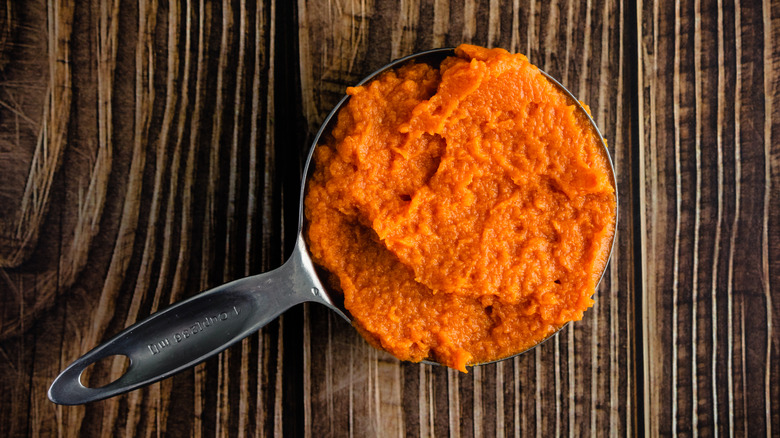
Tomato sauce provides a flavorful base for traditional pizza, but experimenting with other pureed fruits and vegetables, such as pumpkin, spinach, beets, carrots, or roasted red peppers, can take pizza in a whole new direction. A good substitute should have all the elements of a good tomato sauce — soft, spreadable, wet but not runny, well-seasoned, and with a touch of acidity. Without salt to enhance flavors and acid to balance them, you'll likely just have a bland paste that would be hard to swallow as a pizza sauce.
Fortunately, there are several options that can thin the puree and add flavor, acidity, and moisture at the same time. Balsamic vinegar is commonly partnered with roasted vegetables, making it a good choice for thinning. Other types of vinegar also work well as long as they are cooked with the vegetables to allow the astringent flavors to mellow. Other options to liven up vegetable puree include Worcestershire or steak sauce, brine from a bottle of pepperonis or capers, olive tapenade, herbaceous chimichurri, buffalo sauce, adobo sauce, or chili sauce. For additional zing, top the pizza with tangy feta or goat cheese.
BBQ sauce
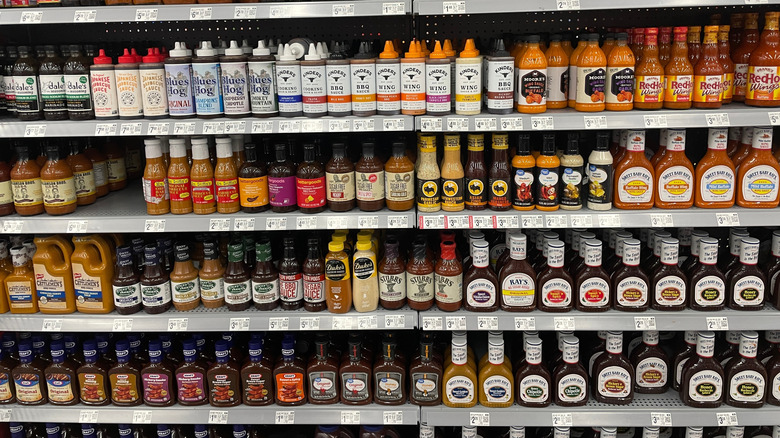
The original BBQ pizza was invented in the 1950s by a Memphis restaurant owner who replaced Italian tomato sauce with the familiar Memphis-style BBQ sauce to win over his customers. But most Americans got their first taste of BBQ pizza after 1985 when California Pizza Kitchen introduced its own BBQ chicken pie. The original recipe with BBQ sauce, grilled chicken, red onions, smoked Gouda, and cilantro is still considered the quintessential BBQ Chicken Pizza. However, there are plenty of creative spin-offs and additional toppings – such as pineapple, jalapeños, pickled banana peppers, and green onions – that also taste great on this kind of pie.
Replacing tomato sauce with BBQ sauce as a base on a pizza is as simple as choosing a brand and dumping it on a crust. But choosing the right sauce may not be so simple. Different kinds of BBQ sauces vary in taste, sweetness, smokiness, spiciness, acidity, and consistency, so it could take some experimentation to find which one you like best. If you don't care for smoky and spicy BBQ sauce, take your pizza pie in another direction with Carolina-style BBQ sauce, which has a spicy vinegar or tangy mustard base. Alternatively, you can expand outside the country and replace your pizza sauce with hoisin, which tastes like a more complex BBQ sauce with umami flavors from the likes of soybean paste. Also consider Korean BBQ sauce, made with ingredients such as sugar, soy sauce, sesame oil, garlic, ginger, and gochujang.
Gravy
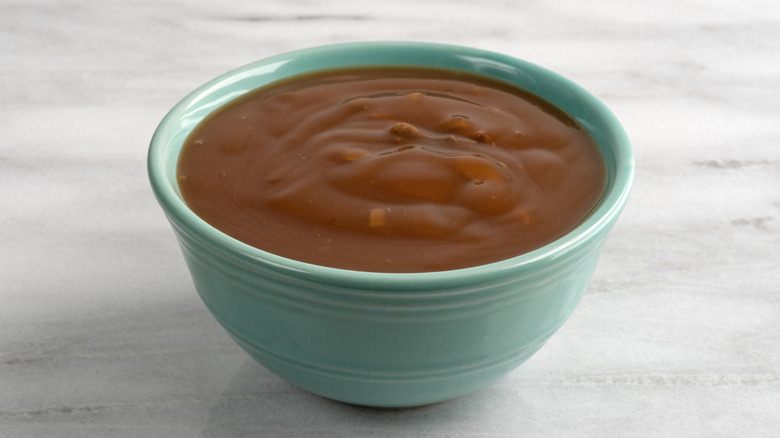
Picture a golden brown crust slathered with hearty beef gravy, topped with crispy French fries and puddles of melted cheese curds (or mozzarella) — in other words, a rich, cheesy, poutine pizza. Gravy on a pizza just makes sense when you think about how both pizza and poutine are go-to, ooey-gooey, cheesy comfort foods.
Mushroom gravy would be equally successful. Chicken marsala sauce, with its rich and savory umami flavors, can also take pizza to a deeper level. To adapt the recipe as a sauce, sauté mushrooms and then, after you've added chicken stock, garlic, shallots, and Marsala wine, hit the sauce with an immersion blender so the soft mushrooms will thicken the sauce into something more spreadable. This can then be combined with pieces of chicken and your chosen cheese. The marriage of earthy mushrooms, sweetly tangy wine, aromatic shallots and garlic, and melted cheese is an oh-so-ooooh-mami alternative to red sauce.
Curry sauce
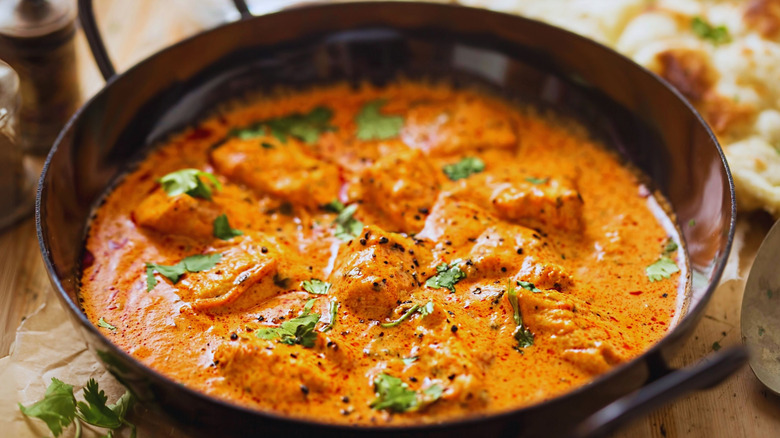
If you haven't tried curry pizza yet, what are you waiting for? Multicultural fusion flavors are the hot trend for hot slices that heat up the palates of pizza lovers. It's not just specialty pizza places that use curry sauce as a replacement for pizza sauce. You can make your own curry-infused pie by taking any curry sauce you'd normally mop up with naan — think korma, tikka masala, or butter chicken — and using it the same way you would a tomato sauce.
If you're feeling particularly adventurous, try making the Swedish favorite that is a banana curry pizza. This takes a rich curry sauce and tops it with chicken, peanuts, bananas, and pineapple. Thai curry sauce is another flavorful choice. This combines yellow Thai curry paste with coconut milk, serving as the perfect base for the likes of red bell peppers and red onion.
White sauce
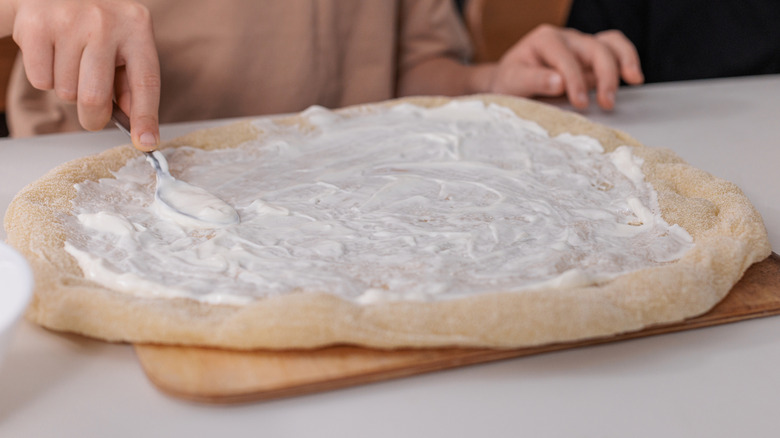
White sauce, or béchamel, is a milk-based sauce thickened with a roux. It's a common alternative to traditional tomato sauce, especially when topped with broccoli, zucchini, mushrooms, seafood, chicken, or other mild-tasting ingredients that would be overwhelmed by the robust flavors of a traditional red sauce. That doesn't mean white sauce is bland. It's just subtle enough to make it the ideal vehicle for introducing other flavors and seasonings to a pizza, including garlic.
In many regions, white sauce is synonymous with garlic sauce. To make your own garlic sauce, be patient and careful. Warm the milk before adding it to the hot roux, then roast or sauté your garlic slowly to avoid a burned and bitter taste. How much garlic you put in your sauce is based on personal preference, but remember its flavor mellows as it cooks. Emeril Lagasse uses 10 cloves of garlic for the sauce of one roasted garlic white pizza. Never one to be afraid of strong flavors, he's also not timid with seasoning and adds a bit of zing to his sauce with cayenne and crushed red pepper.
Cheese sauce
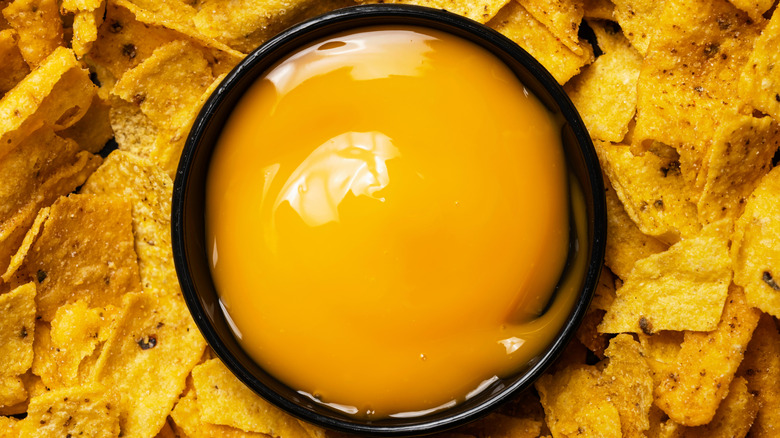
Using a cheese sauce in place of tomato sauce creates a richer, thicker, and creamier pizza. The simplest substitute is to spread your pizza crust with a soft cheese, such as cream cheese, ricotta, or crème fraiche, or an herby Boursin cheese melted into a simple sauce. For a saucier sauce, use a rich Alfredo, which is rich with heavy cream, butter, and plenty of Parmesan. A basic Alfredo sauce pizza mimics Alfredo pasta featuring chicken, spinach, and bacon. Cheese sauce can also add a decadent creaminess that balances out spicier toppings, so go ahead and add sausage, onions, basil, and hot honey to your heart's content.
For an impressive taco pizza, start with a spicy queso or nacho cheese sauce and top with spicy meats and vegetables to cut through the richness of the cheese. Or make a strong-flavored impression by using Welsh rarebit sauce as a rich and savory pizza sauce. The fermented, pungent flavors of Worcestershire, mustard, and beer cut through the tang of the sharp cheddar cheese, combining to make the heartiest cheese pizza you'll ever taste.
Chili
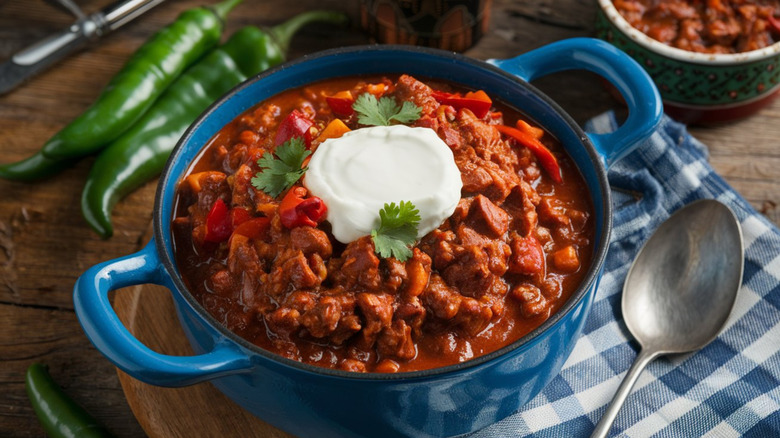
If you've ever made a big batch of homemade chili and wondered what to do with the leftovers, consider using them as a sauce for pizza. You can also make a last-minute swap from pizza sauce to canned chili, straight from the pantry. Realizing that the definition of chili — and what it should and shouldn't contain — is a divisive topic, please picture your ideal chili, with or without beans, and consider how it can add moisture, flavor, and texture to pizza.
No matter the bean or meat content, most chili would make a soggy mess if just ladled directly onto raw pizza dough. Taking a few minutes to drain the chili may be enough to thicken it into a sauce, but if you have some time to simmer the chili, it will not only thicken but also develop a deeper flavor. From this point, let the chili inspire your choice of pizza toppings. Whether you add hot dogs for a chili cheese hot dog pizza or spicy sausage and peppers for a more traditional chili-inspired pie, wait to add the likes of green onions, cilantro, and sour cream until after it's baked, just as you would with chili served in a bowl.
Hummus and other bean spreads

Beans mashed into a paste are a popular alternative to red sauce. For your first foray into bean-based pizza, start with the familiar pairings of refried beans and salsa for a taco pizza sauce. Then graduate to a more adventurous base of black beans with adobo sauce, garlic, onion, and cumin for a spicier pizza.
Other familiar creamy bean spreads, such as chickpea hummus, add bulk and protein to a vegan pizza. With its rich taste and velvety texture, hummus of any flavor can take any pizza to a whole new level. You'll find a variety of hummus flavors at the grocery store suitable for pizza, but you can also just use one of these additions to upgrade plain hummus if you're craving something different.
Tahini, aka the sesame seed paste that gives hummus its nutty kick, can be used on its own as a sauce substitute with a bitter boost. Its silky texture and powerful flavor are tasty on a veggie pizza or a simple chicken and garlic pizza, but can also hold their own with spicy meat and peppers on a shawarma pizza.
Mustard
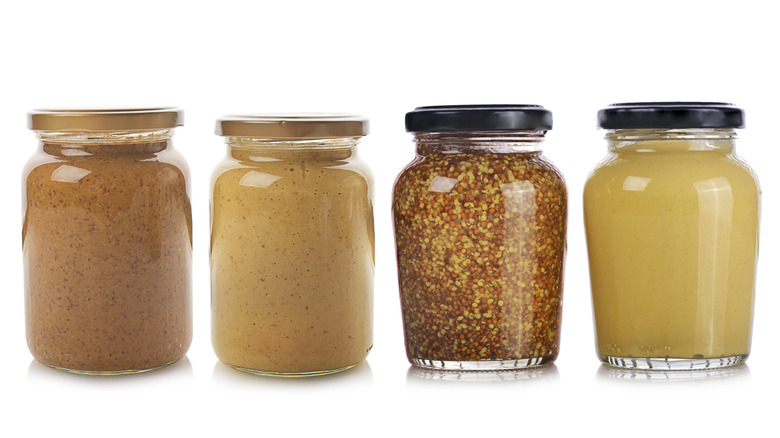
Whether you are out of every other pizza sauce substitution or you just love trying new flavor combinations, mustard as a pizza sauce is your answer. Basic yellow mustard would be right at home with ham, sausage, and ground beef, or on a meat-lovers pizza. A whole grain or spicy mustard would make an ideal base for a pizza inspired by a cheese plate, topped with smoked meats, pickles, and cheese. A more vegetable-forward pizza would be a good application for earthy, subtly sweet Dijon mustard. And in a classic flavor pairing of mustard and ketchup, mustard pie — a local favorite in Trenton, New Jersey – features spicy brown mustard topped with dollops of sweet blended tomatoes, covered in mozzarella cheese.
Particularly pungent or acidic mustards may need to be diluted with olive oil to not only make it easier to spread, but to more evenly distribute the flavor and avoid a sudden overpowering bite. For a milder and creamier option, stir the mustard of your choice into a basic béchamel white sauce to create a creamy mustard sauce. Or simply spread a mixture of mustard and mayonnaise on your pizza dough and then load it with sausage, onions, and plenty of cheese. Once it's out of the oven, add warmed sauerkraut for a touch of extra tanginess.
Clam sauce
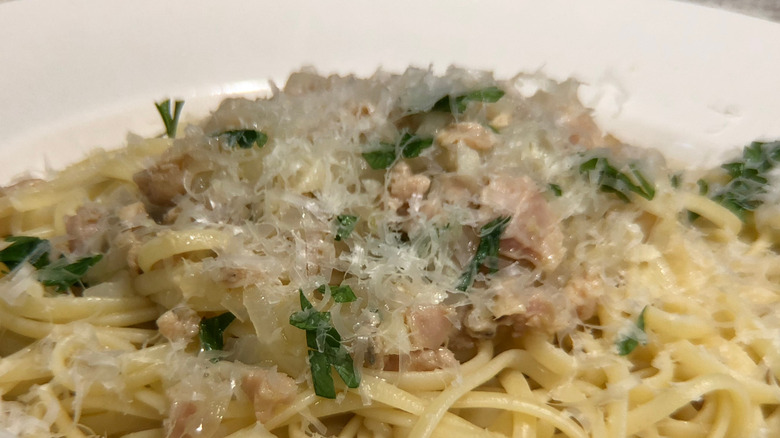
Clam sauce provides a buttery, briny base for a salty, savory pie pizza. For a traditional clam sauce pizza, which originated in the Northeast, onions and garlic are sauteed in butter and olive oil before being combined with the likes of white wine, cream, Parmesan, and, of course, fresh clams.
These clams add texture and taste to pizza, but the additional ingredients and seasonings also play key roles in steering the flavor. For a more robust flavor, use ingredients found in clams casino pasta – think red and green peppers, red onions, hot sauce, and bacon. For a punch of spice, stir gochujang into the butter, top with jalapeño peppers, or finish the pizza with a drizzle of chili oil or sprinkle of chili flakes. No matter how you top it, keep in mind that clam sauce is a wet sauce, so it is recommended to par-bake the crust for five minutes before adding the sauce and toppings.
Nomato sauce
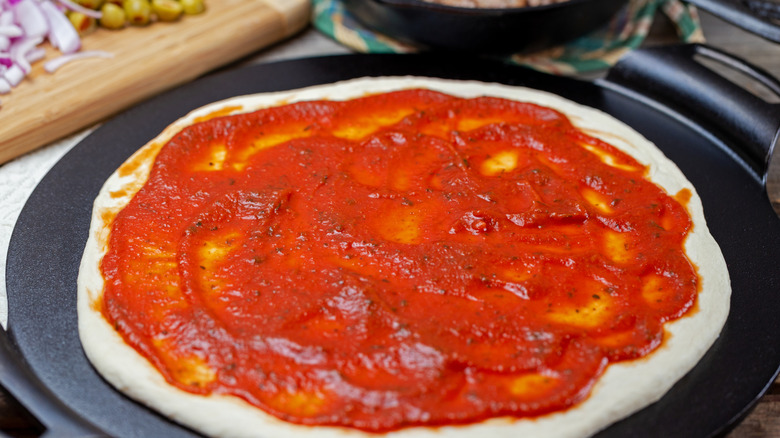
A surprising alternative to tomato sauce comes from an early 1800s recipe for what's described as mock tomata sauce. Apparently, back then, tomatoes were tomatas, and they were more gold than red. The savory sauce uses cooked apples for texture, turmeric for color, and vinegar for acidity in an attempt to match the particulars of tomato sauce. While we are used to a smoother, redder, umami-flavored pizza sauce, those who have tried the faux-tomato sauce have said that, when seasoned like pizza sauce and paired with traditional toppings, it was an acceptable substitute.
More modern mock tomato sauce recipes are often cleverly titled nomato sauce and appeal to those who don't eat nightshade plants. These alternative pizza sauce recipes are packed with fiber and vitamins because they use a mixture of vegetables, such as carrots, butternut squash, and celery for a saucy texture, while the likes of beets provide a red hue. They each have an acidic component, such as apple cider vinegar or red wine vinegar, and call for plenty of fresh Italian herbs and spices, helping the final product look, feel, taste, and smell like pizza sauce.