

The Biggest Mistakes People Make When Using Bay Leaves
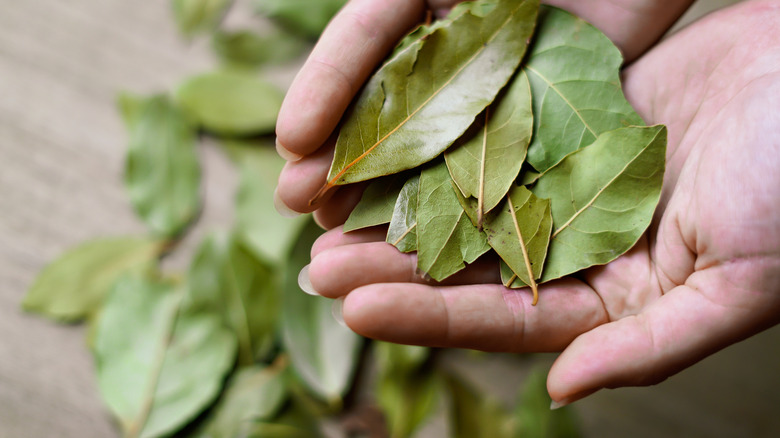
Bay leaves are aromatic, sturdy herbs with a long and legendary history, linked to everything from the Olympics to witchcraft. The leaves, which have a leathery texture with pointed tips, were once woven together to create wreaths for Olympic champions in Ancient Greece. The Ancient Greeks also believed that bay laurel trees protected against evil and lightning, among other unsavory things.
When it comes to kitchen uses, uniquely flavored bay leaves are most often found in soups and stews, but are removed before consuming due to their stiffness and sharp edges. Bay leaves have both an herbal and slightly floral flavor, with hints of mint. But despite their widespread popularity, bay leaves are often misunderstood by home cooks.
If you've ever wondered about the purpose of using bay leaves in your cooking, you're not alone. There are two main types of culinary bay leaves. Turkish bay leaves are the most common and have a slightly less intense flavor than the California variety, which has a more potent flavor. If you purchase fresh bay leaves, they are most likely the California variety, while Turkish bay leaves are typically sold dry. Bay leaves don't soften much as they cook, so they are ideal for braising and simmering. While the popular herb is generally easy to use, there are a few mistakes to avoid when using it.
Thinking there is only one type of bay leaf
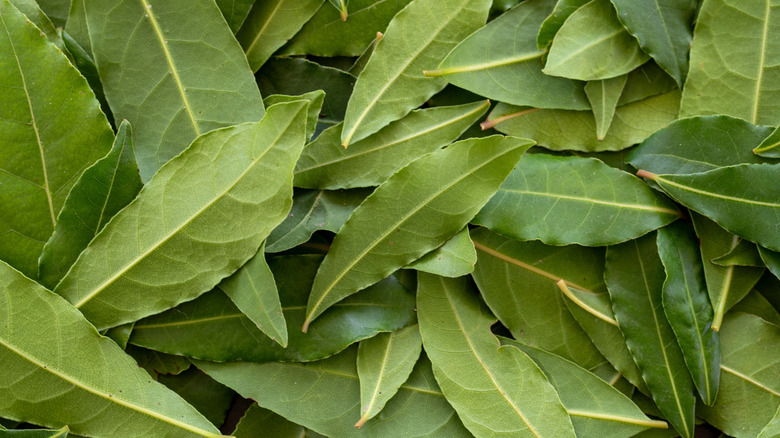
Bay leaves have been used in cooking all around the world for centuries, and thrive in warm environments, such as California and the Mediterranean. The herb goes by several different names, including sweet bay and bay laurel, and is grown on evergreen shrubs.
While there are many different types of bay leaves, just a handful are used in recipes. The two main types of bay leaves are California and Turkish (or Mediterranean), and each has its own distinct flavors and qualities. Turkish bay leaves are more commonly used in cooking, as the California variety is known to have a stronger, more minty flavor that can easily overwhelm a dish if you're not careful. Turkish bay leaves feature a more subtle and nuanced flavor ideal for all cooking applications.
Other types of edible bay leaf varieties include Indian bay leaves, also known as tej patta, which have a flavor comparable to cinnamon. The West Indian bay tree, which is native to the Caribbean, produces leaves that are highly aromatic and have a flavor similar to allspice. Indonesian bay leaves, or daun salam, can be used either fresh or dried and are commonly found in Sumatran and Balinese dishes.
Not removing bay leaves from a dish before serving
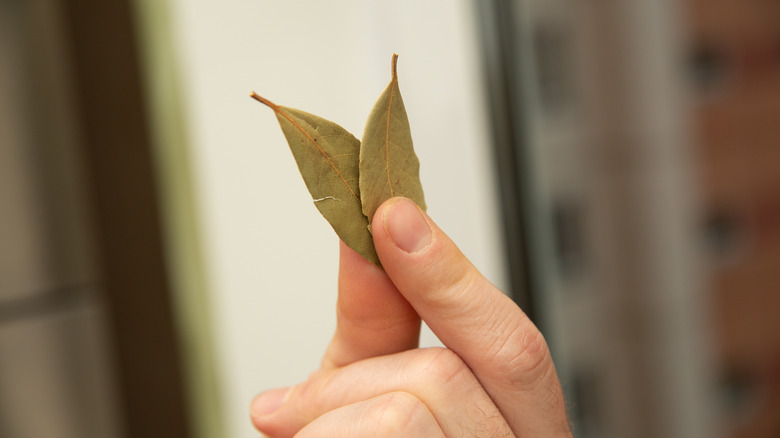
Although bay leaves are wonderful herbs for flavoring food and giving it a distinctive earthy taste, they aren't so great to consume. Some types of bay leaves, including mountain laurel and cherry laurel, are toxic and aren't safe for consumption, but the kind sold for culinary purposes is completely safe to ingest. So, if they aren't poisonous, why should we remove them from soups, stews, and other dishes prior to eating them? The answer is because even once they're cooked, the robust herbal leaves are still just as tough and leathery as when you dropped them in at the start.
That means that while bay leaves aren't dangerous to eat, per se, you would have a hard time chewing them, and any jagged pieces could potentially pose a choking hazard. For this reason, you should always add them to your dishes whole, rather than in broken pieces, which may have sharp edges. If you consume a bay leaf, it could scratch your throat or esophagus, or even damage your digestive system, requiring surgery.
The best idea is to either remove the individual leaves from your dish before serving or make them into a bouquet garni, which is a bunch of herbs that are bundled together with kitchen twine and added to dishes to enhance flavor before being easily removed. You can also make a bouquet garni without twine by using cheesecloth and other household items.
Breaking up bay leaves when adding to a recipe
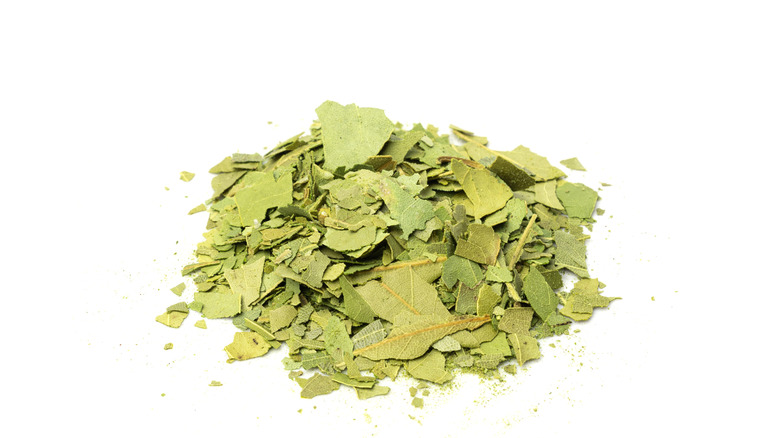
You may have always placed whole bay leaves into your crockpot or soup pot without thinking twice, but there is a very good reason why this is the best method. When sturdy bay leaves are broken into small pieces, they have sharp, jagged edges that can cut your mouth or tongue or get caught in your throat. Biting into one of these broken herb leaves is as unpleasant as finding a fish bone in your mouth, and can turn a delicious meal into an annoying and possibly even dangerous experience. Save yourself and your dinner guests from possible digestive discomfort by leaving the bay leaves intact and fishing them out of the dish before serving.
Using only intact bay leaves also makes them easier to remove from the soup or stew. If you add broken pieces into the pot, you'll have a more difficult time retrieving them before it's time to eat. Otherwise, you will wind up hunting the pointy pieces down and sticking them on the side of your plate instead of enjoying your dinner. Also, breaking the leaves down prior to adding them may overpower the dish with a strong herbal flavor. If you run out of bay leaves and are left with only fragments, it's best to dump them and buy whole ones.
Forgetting to add bay leaves to stocks and soups
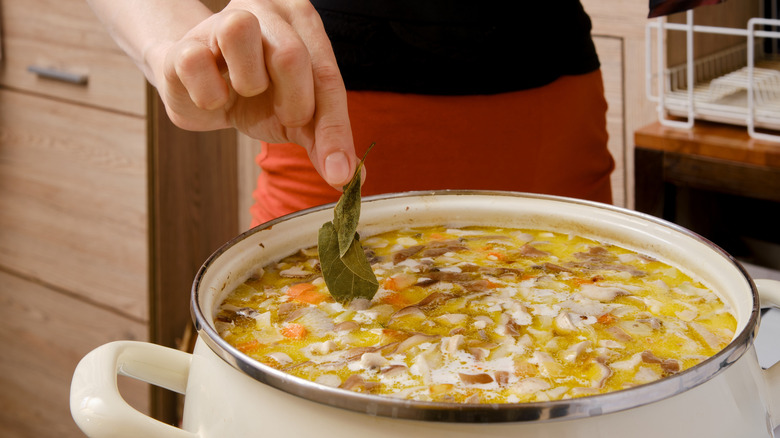
Even though dried bay leaves only have a delicate flavor when they're pulled off the spice rack, they add a nuanced flavor to many homemade dishes. When you add just the right amount of the herb to a stock, stew, or soup, it can add depth that you'll notice is lacking if you taste the same broth made without bay leaves. The key is using not too much or too little of the leaf. You will either taste nothing or will find yourself overpowered by the herbal goodness.
So, what is the right amount? It really depends on how much earthy flavor you want to add to your soup or stew, and whether you're using fresh or dry bay leaves. For instance, you may need to add multiple dry leaves to achieve a similar effect to one fresh leaf.
Although it's best to add bay leaves at the start of the cooking process, placing more in the pot later won't change the texture of the leaves as they never soften or break down. While a bay leaf or two won't change the overall flavor of your homemade recipe, you may notice if the subtle earthiness isn't there. You can use bay leaves on their own, but they also work well in harmony with other fresh or dried herbs such as rosemary, thyme, and oregano.
Not adding bay leaves during the simmering phase
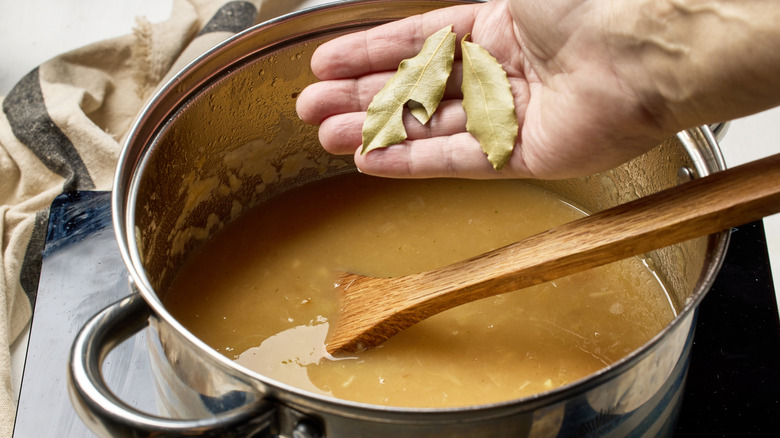
While you can drop a bay leaf or two into your pot of soup, stew, sauce, or stock at any point during the cooking process, you'll be doing your dish a disservice if you don't let it join the ingredient party at the beginning. The best time to add either the fresh or dry herbal leaves to your pot is during the simmering phase. This will allow plenty of time for their flavor to develop in the dish, mixing and mingling with the other ingredients such as vegetable, beef, or chicken broth, a variety of vegetables, and any other herbs or seasonings.
The flavor of the bay leaves is slowly released over time and with heat, so as the pot simmers, more and more of the herb's unique earthy qualities will be infused into the dish. Not only does the herb enhance meaty dishes, such as beef- and chicken-based soups, but it also works well with seafood-inspired recipes, including shrimp bisque and oyster stew.
Failing to use bay leaves in your desserts and drinks
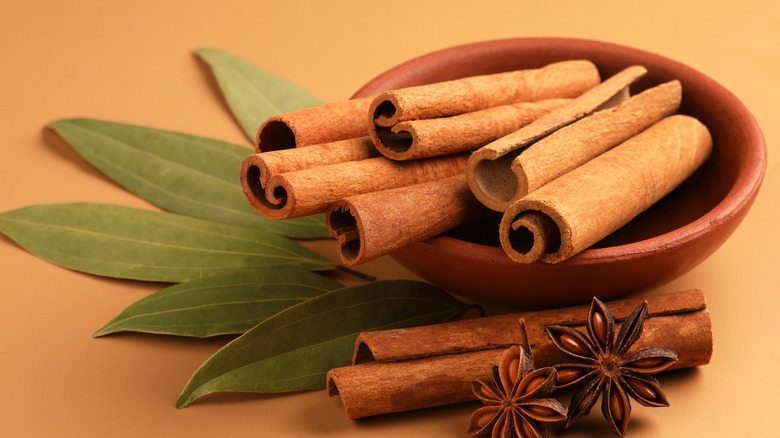
By now, you know that bay leaves are more than just a supporting player in soups and stews, and add a rich depth of flavor to stocks and sauces as well. But did you know that you can also use them to enhance your dessert recipes? Yes, it's true. You can incorporate this often overlooked herb into a variety of sweet treats, including ice cream and cakes.
Since bay leaves are related to sassafras and cinnamon, it isn't too hard to imagine them adding a special touch to desserts as well. While bay leaves are traditionally used in savory dishes, including jambalaya and gumbo, they can also impart an after-dinner delight with surprising earthy and floral notes. Bay leaves will infuse goodies such as panna cotta, pound cakes, fresh whipped cream, and a variety of cookies with extra depth of flavor. Using fresh herbs is also an easy way to give your cocktails a fresh twist. They make fun and flavorful additions to sweeter cocktails containing rum, gin, and vodka.
One way of incorporating bay leaves into a dessert recipe is by first making an herbal infusion. Boil some of the fresh or dry leaves in water so that they form a concentrate, and then add as little or as much of it as you like to your batters, sauces, custards, and creams. You can also add even more depth and flavor by creating a boozy extract. Try steeping bay leaves in a bottle of bourbon and adding the infusion to summertime sodas and drinks.
Believing bay leaves can't be ground into powder
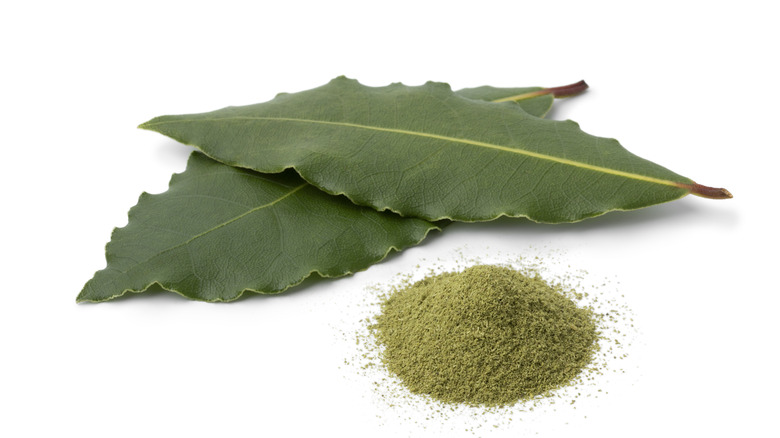
Another popular way of incorporating bay leaves into your cooking is in powdered form. Derived from dried bay leaves, the powder has been incorporated into recipes and herbal remedies for centuries.
Over the years, ground bay leaves have been revered for the distinctive flavor they bring to a wide variety of dishes, as well as some possible health benefits. When dried bay leaves are ground into a fine powder, their herbal flavor is concentrated, making it easy to sprinkle into soups, stews, marinades, and sauces, among many other dishes. The powder, which features an earthy, minty, and even slightly sweet flavor, adds complexity and a depth of flavor to any dish it enhances.
Another benefit of using bay leaf powder is that you don't have to worry about removing the whole leaves or fragments of them from your dish before eating. The powder is a safer option since it doesn't contain any possible sharp edges like whole bay leaves. The bay leaves are ground down into a fine powder ideal for sprinkling into a simmering pot or onto meat or vegetables before roasting, grilling, or stir-frying. When it comes to cooking, the general rule is to use ⅛ teaspoon of bay leaf powder in place of a whole bay leaf.
Not recognizing the difference between fresh and dried bay leaves
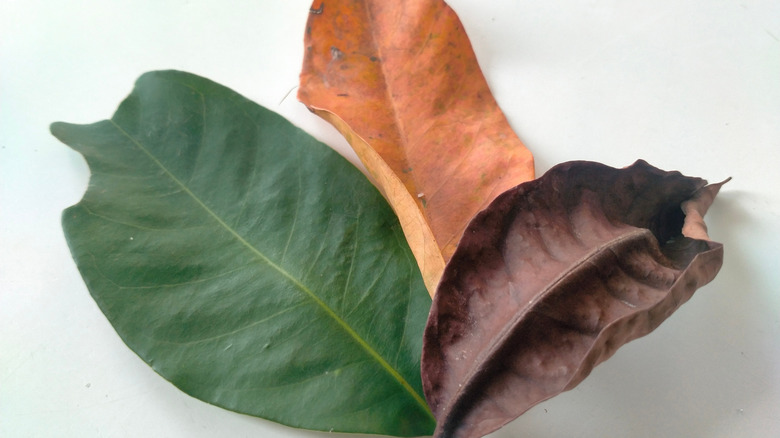
There is a time, place, and recipe for both fresh and dry bay leaves. Used in delicious dishes all around the world, from birria tacos to simple chicken and rice, bay leaves are a subtle yet essential ingredient to many recipes. They infuse soups, stews, and marinades, as well as other dishes, with a unique eucalyptus-like flavor and aroma. The two primary types of culinary bay leaves — Turkish and California — can be used in both fresh and dried forms. Most of the fresh bay leaves you'll purchase at the grocery store will be the California variety, while dry bay leaves are typically the Turkish type.
The good news is that because several of the flavor compounds in bay leaves are non-volatile and won't evaporate when dry, the dried herb doesn't pack a drastically weaker punch than its fresh counterpart. Both dry and fresh bay leaves feature an herbal and floral flavor combination, with both warm and earthy notes. While dried bay leaves last longer than fresh ones, they still have expiration dates to be aware of. If dry bay leaves are past their prime, they may not be as flavorful.
Only using bay leaves to cook
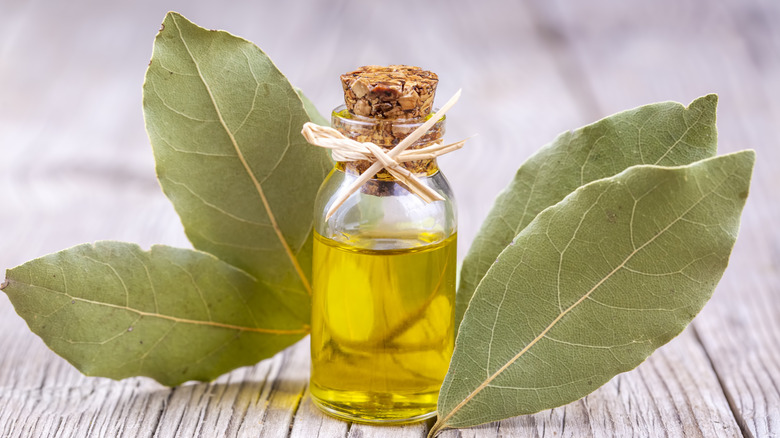
As valuable as they are to your cooking, bay leaves also have a wide range of non-culinary uses. In fact, bay leaves can serve a much bigger purpose in your kitchen than adding flavor to soup. When simmered, infused, and extracted, bay leaves release a heady herbal infusion of mint, eucalyptus, pine, and other earthy scents. This fresh and aromatic aroma is ideal for a variety of household and body care applications, especially for those who prefer using natural products.
You can use bay leaves to scent your home by making a potpourri along with other aromatics, including cinnamon sticks, cloves, and orange peels, and boiling it in a pot on your stove. You can also place the sweet-smelling leaves in a sachet and use them to freshen up drawers and closets. Bay leaves are also often recommended as a home remedy to repel certain pests, so consider placing them in your pantry and cupboards to keep weevils out of your flour and ward off the likes of cockroaches and moths.
Bay leaf essential oil is also found in everything from skin and hair care to DIY cleaning solutions. Try adding a few drops of bay leaf essential oil or dried leaves to mop water to take advantage of their antibacterial properties, or cooking a handful of dried leaves for a few minutes to deodorize your oven.
Adding too many or not enough bay leaves to your dish
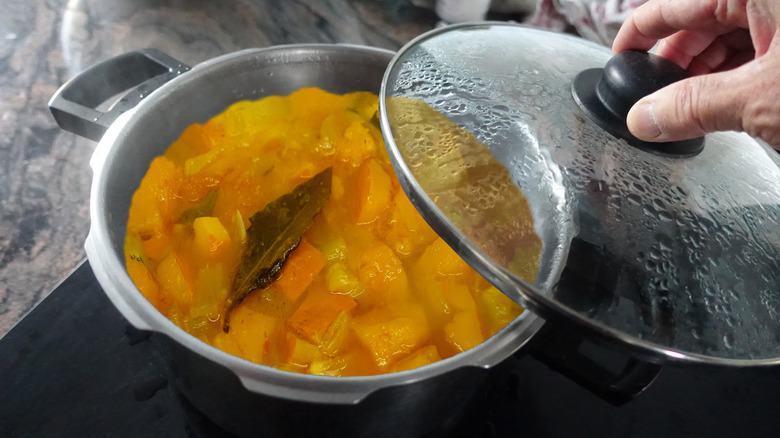
Although bay leaves infuse many dishes with an irresistible flavor and a depth you won't find with other herbs, it is possible to use too many of them. Since the herb is highly aromatic when simmered, you run the risk of overpowering your recipe, whether it's a delicate soup or a hearty stew, if you use too much. On the flip side, you may not even be able to notice the taste if you don't throw enough dry or fresh bay leaves or ground powder into the pot.
The key is to add fresh or dry bay leaves to the dish during the simmering phase so that they have time to release their flavor into the dish. Fresh bay leaves will give the recipe the strongest flavor, so you may need to use a few more of their dried counterparts to achieve the same intensity. A good rule of thumb is to start by adding just one or two leaves at the beginning of the cooking process, and then incorporating more as needed. There's no way to remove any of the bay leaf flavor from the dish if it becomes too intense.
Keeping bay leaves past their expiration date
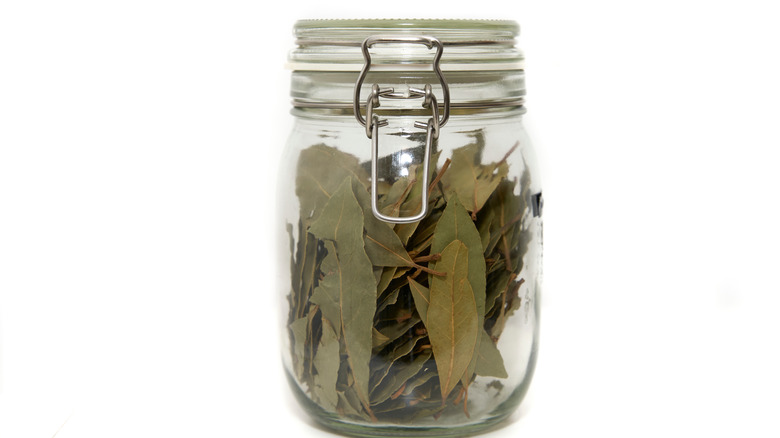
All good things must come to an end, and that includes the bay leaves in your kitchen. Whether you have dry or fresh bay leaves, you'll need to be mindful of their expiration dates. If you buy store-bought herbs, you'll most likely find a "best by" date on the packaging. To maintain their freshness until that day, it's important to store dry or ground powdered bay leaves in a cool, dry place, such as your pantry.
When it comes to fresh bay leaves, they typically last one to two weeks in an airtight plastic bag in the refrigerator. If you know you won't be able to use them within that time, you can also freeze them so that they'll remain usable for another six months. Fresh bay leaves should be green and aromatic, so if they look wilted, darker, or have lost some of their distinctive aroma, it's best to discard them. Another way to extend the life of fresh leaves is to dry them on a baking sheet in your oven at the lowest temperature until they easily crumble.