

You Don't Need Cauliflower: These 17 Veggies Have More Fiber Anyway
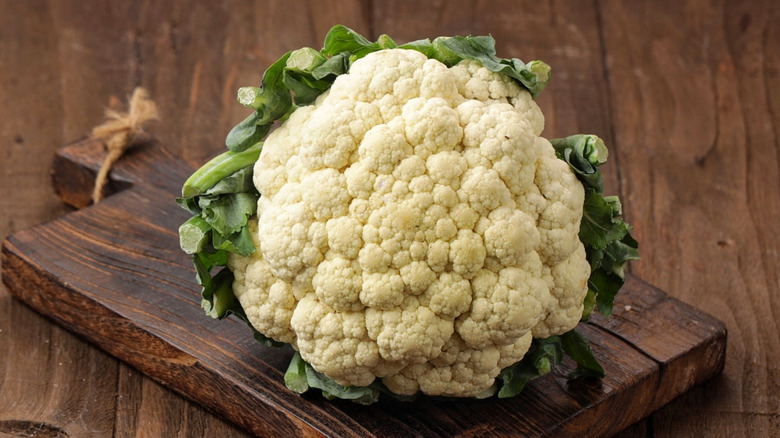
In recent years, cauliflower had a big moment. Everyone was replacing everything they possibly could with cauliflower. Rice? Swap it for cauliflower. Pizza crust? Cauliflower. Buffalo wings? That's right — you can make faux wings with cauliflower. Restaurants and major brands got into the fad and it seemed like you couldn't go anywhere without cauliflower being shoved into your face.
Admittedly, cauliflower is a great food. It's low in calories and comes with a lot of nutrients and antioxidants. If you're trying to cut down on your starch intake, then, yes, cauliflower could be a nice swap for rice or pizza crust. If you're looking for vegan alternatives, by all means, cauliflower can stand in for your wings.
However, there's one thing that cauliflower can't do and that's provide you with a ton of fiber. While raw cauliflower contains 2 grams of fiber per cup (note that some sources will say that a cup of cooked cauliflower contains 3-plus grams of fiber, but this is because cooked cauliflower condenses, meaning more cauliflower ends up in the cup), there are many more vegetables that offer more fiber overall.
So, if it's fiber that you're after, don't fall for the cauliflower hype. Opt for eating one of these other veggies instead (we'll even give you some ideas for how to do so).
1. Green peas
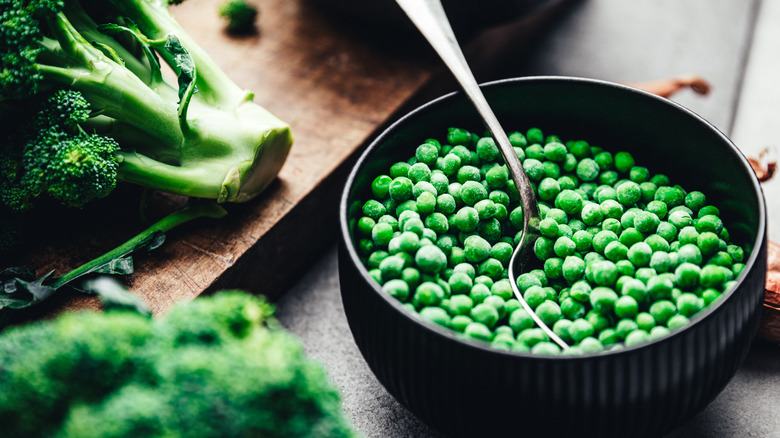
Green peas are a great source of fiber, with a cup of boiled green peas serving up 9 grams of fiber. It's recommended that adults consume a minimum of 25 grams of fiber every day, so that means that, by eating just a single cup of green peas, you'll get more than ⅓ of your necessary intake for the day. Green peas come with other health benefits, too. They're low in calories and high in plant-based protein. They also contain plenty of vitamins, antioxidants, and nutrients.
Never been a pea person? Don't worry. You don't have to eat these peas plain in order to reap all their benefits. Grab a bag of frozen green peas and make slow-cooker potato pea curry for a meatless Monday. You can also make a tasty snack of potato-crusted air fried peas by combining frozen green peas with instant mashed potato flakes and the power of air fryer magic.
2. Broccoli
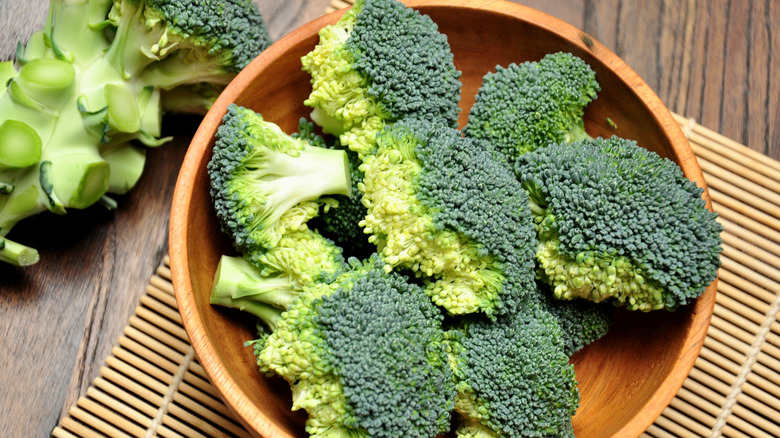
A cup of boiled broccoli contains 5 grams of fiber, so not quite as much as the green peas, but still more than cauliflower. However, note that the raw versus boiled distinction matters. Raw broccoli will only have a little over 2 grams of fiber, which puts it on par with the cauliflower; as such, if your aim is to increase your fiber content, go for cooked.
If you haven't had great experiences with boiled broccoli in the past, don't assume that it has to be slimy, limp, and unsatisfying. The key is to not overcook it. You want that broccoli to still have a little bit of a bite. It doesn't take long at all to cook once you add it to boiling water — as little as two minutes. Then, once your broccoli is boiled, you can add it to all sorts of flavorful recipes, such as linguine and broccoli, which requires you to boil broccoli before combining it with pasta in a garlic-anchovy-infused sauce.
3. Greens
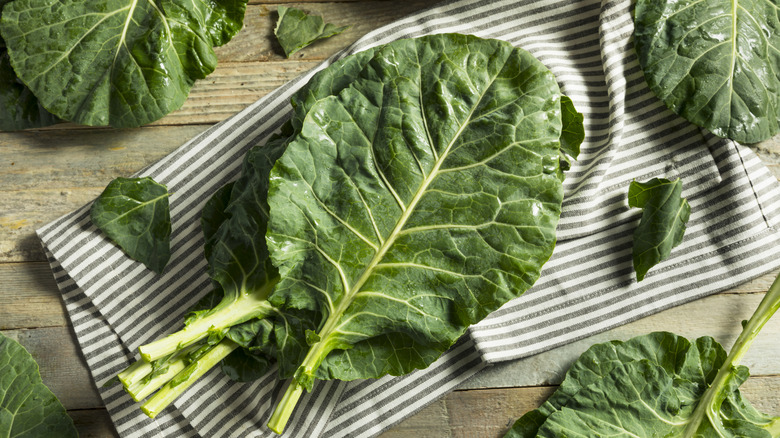
There are many different types of greens and many varieties contain more fiber per serving than cauliflower. For example, collard greens contain 4 grams of fiber for every cup of cooked greens. Turnip greens, meanwhile, have even more, at 5 grams of fiber for every cup cooked, and a cup of beet greens comes with nearly 6 grams of fiber per cup cooked.
If you've never cooked with greens before, you're in for a treat. For collard greens, for instance, you can reduce the bitterness by blanching the greens and they come out with a ton of flavor. Turnip greens can be cooked much the same way, and many prefer sautéing for beet greens. It is worth noting, though, that, with some greens, you can see a decrease in nutritional value the longer you cook them, so that is something to keep in mind.
4. Brussels sprouts
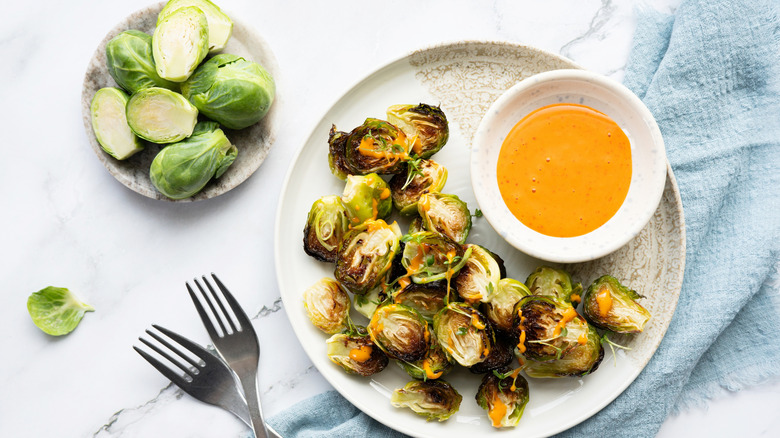
For years — actually decades — Brussels sprouts were unfairly maligned as a terrible vegetable. They were considered slimy, smelly, and all together unappetizing. However, in more recent years, this veg has undergone a renaissance. It's been welcomed by a new generation of chefs that've learned how to actually cook it. They've realized that Brussels sprouts, when sautéed, roasted, or fried, can actually be quite delicious, a far cry from the over-boiled Brussels sprouts of yesteryear.
It just so happens that Brussels sprouts are quite nutritious, too, with more fiber than cauliflower, at 6 grams per cup cooked. That's more than 20% of your daily recommended value, if you're aiming for 25 grams of fiber a day (though, keep in mind that's the minimum — more could be better, with some sources recommending 30 grams of fiber per day).
Tried the popular roasted Brussels sprouts and looking for something different? Sample a recipe for air fried Brussels sprouts, served over Greek yogurt and fried alongside olives.
5. Potatoes
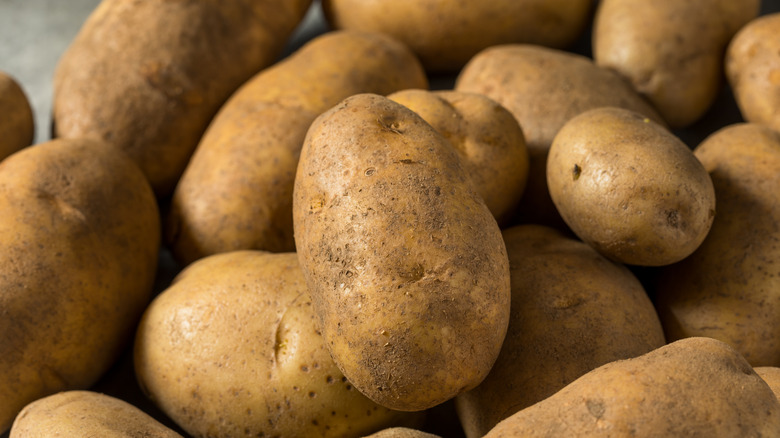
Potatoes also get a bad rap, but not for the same reason as Brussels sprouts. We can all probably agree that potatoes taste heavenly. They're one of the finest foods given to man, no matter how you like 'em. Mashed, roasted, frenched and fried, hashed, baked, twice-baked — there's no bad way to have a potato. But potatoes have been, at certain points in modern history, kind of considered an unhealthy food. When it comes to fiber, though, the humble potato shines (or at least shines brighter than cauliflower). A baked russet potato contains 4 grams of fiber.
Fun fact? The majority of a potato's fiber is in its skin. That's a great excuse to make a big batch of potato skins or some potato wedges. Even if you're just making some breakfast spuds, leave the skin on before frying the diced potatoes up. You'll get more fiber and more texture.
6. Corn
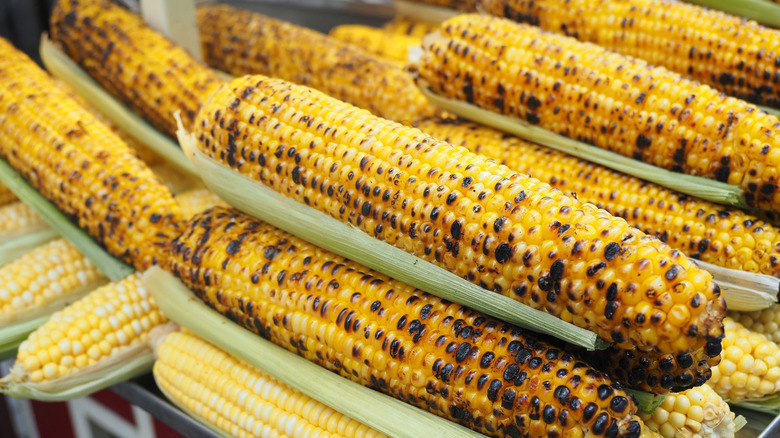
Corn likewise isn't always considered one of the healthiest vegetables out there. It's not a "superfood" and you might not want to eat it as your one source of veggie goodness. However, for fiber, corn doesn't do half bad and is better than cauliflower, with 4 to 5 grams of fiber in a cup of boiled sweet corn.
Of course, the easiest way to take advantage of this fiber is to simply boil some fresh, sweet, preferably summer-picked corn cobs until they're done, top them with a little salt and butter, and chow down. It's fresh produce tastiness and simplicity at its finest. However, if you're not quite feeling corn on the cob at the moment, you do have other options. For example, consider making a batch of sweet corn soup. After shucking your corn, you'll run it through a juicer, creating a soup that you'll top with chive oil and salt.
7. Artichokes
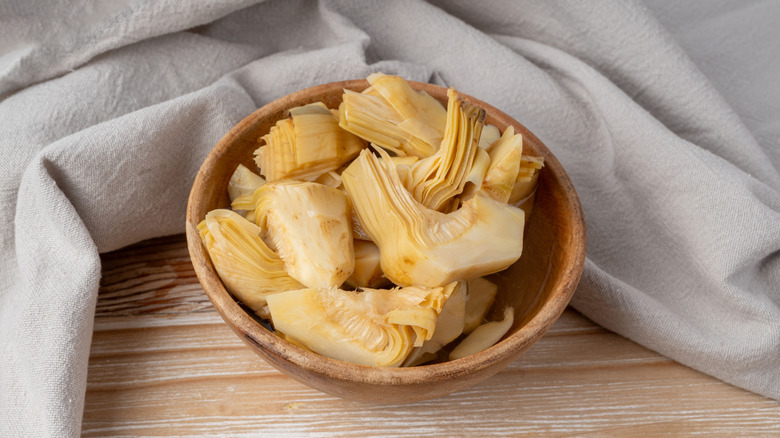
Artichokes honestly don't receive enough love in the home cook's kitchen. Maybe it's because they're a bit intimidating? Processing a whole artichoke at home can come with a learning curve. If you can get around that fact, though, you can begin reaping the fiber benefits of this vegetable. You'll get 4 grams for every medium-sized artichoke. Cooked, this veg will produce even more fiber, with a cup of cooked artichoke hearts offering 10 grams of fiber per serving. (Again, as is the case with cauliflower, this big difference can be due to the fact that cooked artichokes condense, so you get more artichoke per serving.)
If you've never cooked with artichokes before, maybe skip all the from-fresh processing and simply pick up a can of artichoke hearts. You can start out easy with a recipe for artichoke toast. Artichoke hearts meet lemon, olive oil, capers, and seasonings, before being spread across your favorite toasty bread.
8. Asparagus
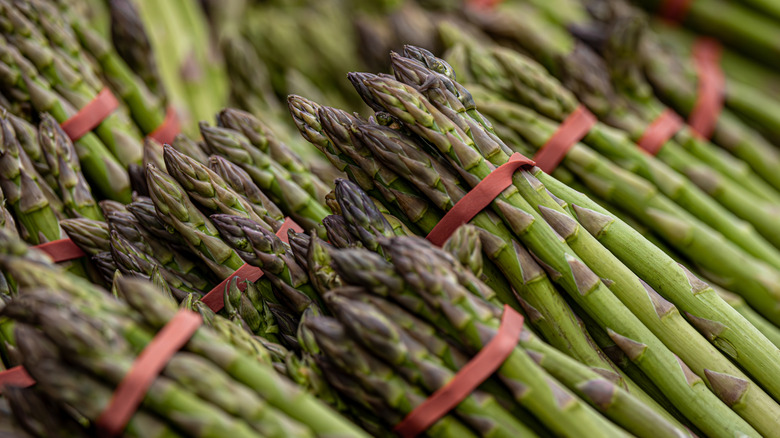
A cup of asparagus contains 4 grams of fiber, putting it above cauliflower in the fiber rankings. However, this seemingly simple vegetable also comes with many other health benefits. Very low in calories, it additionally contains admirable quantities of vitamins C, A, and K, alongside folate and antioxidants.
As is the case with some of the other vegetables on this list, home cooks might avoid asparagus because it can be very easy to overcook, turning it into a slimy, stinky, limp mess. However, you can easily avoid these results. After properly trimming or snapping your asparagus, consider roasting or grilling it for just a short amount of time, for deeper flavors. For even more convenience and flavor, try out an air fryer recipe for Sichuan cumin asparagus, which requires very little effort but provides a big payoff thanks to the marinade that blends Sichuan peppercorns, sesame seeds, Shaoxing wine, soy sauce, garlic, ginger, cumin, salt, and pepper.
9. Carrots
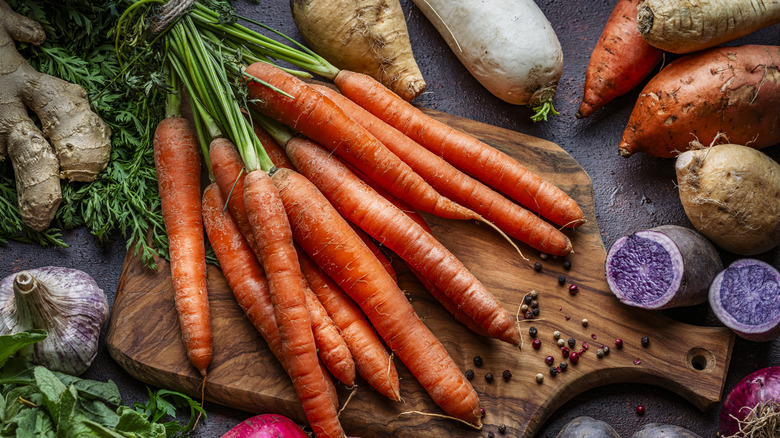
A cup of cooked carrots comes with 5 grams of fiber. (A single, medium raw carrot alone will give you 1.5 grams of fiber.) Additionally, carrots offer beta-carotene, vitamins such as K1 and B6, and minerals like potassium.
You can simply crunch your way through a bag of baby carrots to get some extra fiber, but consider the many ways that you can cook carrots in order to get more fiber into your diet, too. Yes, you can roast them, boil them, and even mash them into your potatoes, but we have a few other ideas.
Magic carrot soup is a microwave-friendly recipe that's also exceptionally affordable and easy for beginners. We also wouldn't blame you if you made a peeled carrot cake and claimed that it was a healthy addition to your diet. Yes, you're getting all the carbs, sugar, and fat from the cake, but those carrots in there have to count for something, right?
10. Green beans
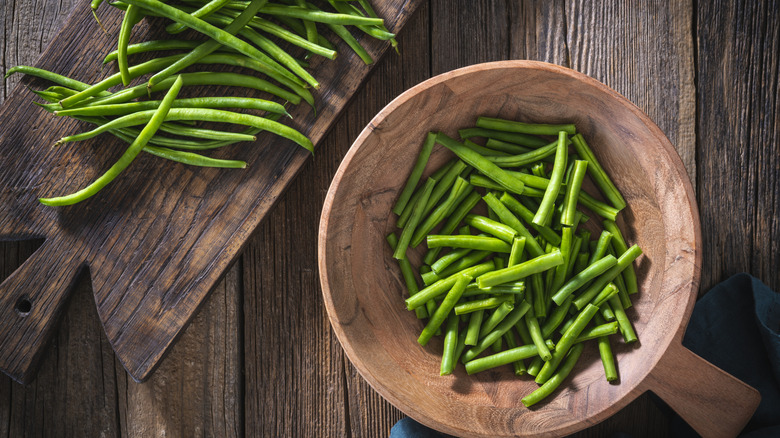
A cup of cooked green beans will give you 4 grams of fiber, whether you cook them yourself or pop them out of a can. Additionally, these low-calorie beans will also offer you a good amount of vitamin K and C, plus folate and some iron and potassium. Again, you'll enjoy these benefits whether the beans are fresh, canned, or frozen — just be careful not to overcook them because, as mentioned above, sometimes overcooking vegetables can deplete their nutrients.
You can, of course, enjoy your fiber-rich green beans as is (sometimes on a busy weekday night, when you need a quick side dish, all you can manage is heating up a can of green beans on the stove); that said, consider incorporating your green beans into your diet in other ways. Try Greek braised green beans, combining the beans with potatoes, tomatoes, zucchini, and a lot of flavor, for a dish that's going to win over even the most hardened green bean skeptics.
11. Jicama
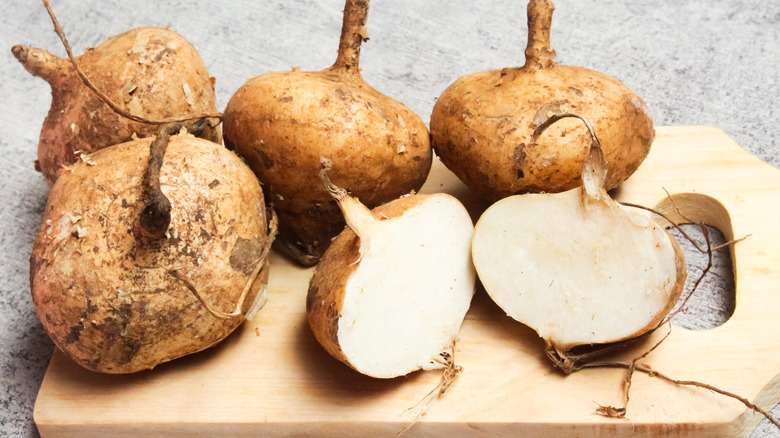
Corn, green beans, potatoes — these are all ingredients that you can walk into just about any kitchen in America and find. Jicama is less common but deserves more of your attention. This very versatile vegetable is also known as a Mexican potato. With just 1 cup of this veg, you get more than 6 grams of fiber, plus a good amount of vitamin C, with other vitamins and nutrients coming in at lesser quantities.
No matter how you use jicama, though, the important thing to remember is that there is a small risk. The vegetable's seeds, stems, and skin can be harmful to humans, so you have to be careful to clean and peel the vegetable thoroughly before use. Once you've prepped it properly, though, you can enjoy jicama in a variety of ways. On Reddit, users discuss using it as an ingredient for tacos, salads, and slaws. You can also cut it up and eat as a snack, topped with lime and Tajin spice.
12. Pumpkin
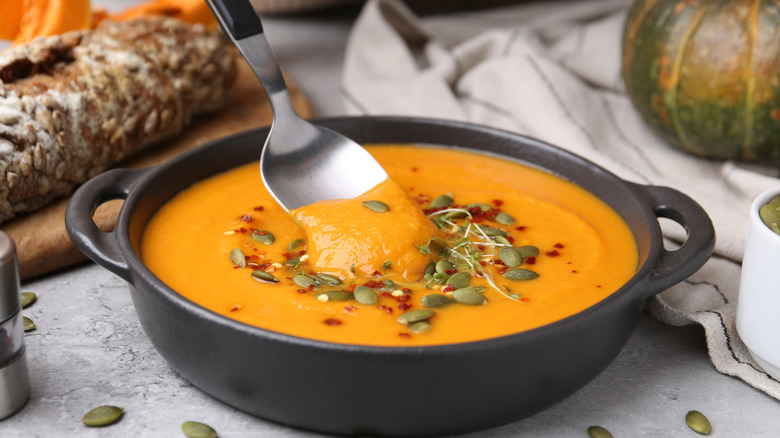
If you're only eating pumpkin as a part of your holiday celebrations, you might want to rethink your choices. Cooked, pumpkin offers up a whopping 7 grams of fiber per cup. Additionally, pumpkin provides you with vitamin A and potassium, while being very low in fat and calories.
Luckily, there are tons of uses for canned pumpkin that aren't your typical pies, breads, and bars. Pumpkin soup is a go-to option, as is a canned pumpkin curry. You can use pumpkin in your pasta sauce or chili, or mix it into your mashed potatoes or risotto. If you do really like the thought of putting pumpkin into your baked goods, but are bored of the pies, breads, and bars that take over the holidays, consider other baked items like cookies or a cheesecake. On Reddit, home cooks also recommend using pumpkin in smoothies, oatmeal, muffins, or as a pasta filling. One commenter even said they often add pureed pumpkin to their chicken noodle soup!
13. Spinach
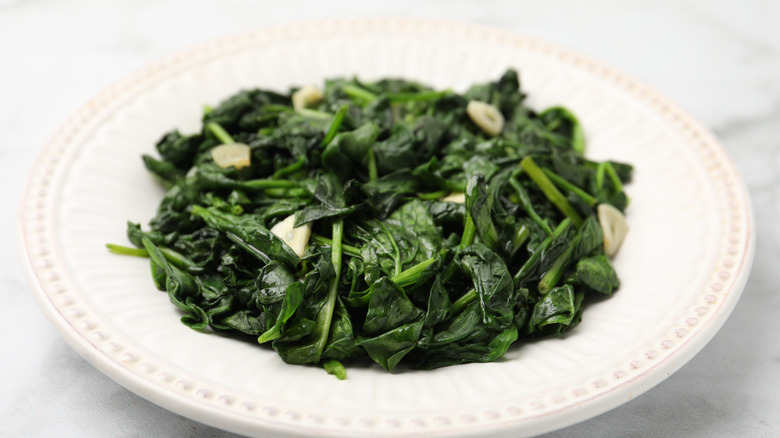
A cup of cooked spinach loads you up with 4 grams of fiber. However, if you've ever seen a Popeye cartoon, you know that spinach provides much more than just gut-healthy ingredients. It also gives you plenty of other vitamins and nutrients, such as Vitamin A, C, and K1, as well as folic acid, iron, and calcium.
You may be accustomed to eating spinach mostly raw, in salads and sandwiches, but consider eating it cooked as well. As mentioned, that's how you're going to get those 4 grams of fiber, and you'll also get more of certain vitamins, protein, iron, and calcium when consuming the spinach cooked.
Looking for a good cooked spinach recipe? Try a classic, no-nonsense creamed spinach. All you'll need is spinach and the ingredients necessary to create all that creamy perfection, such as two types of cheeses, and whipping cream.
14. Sweet potato
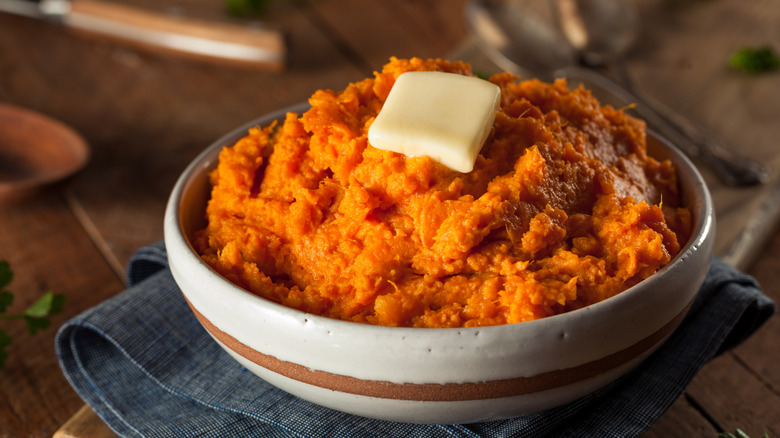
While russet potatoes have already made the list for vegetables that contain more fiber than cauliflower, sweet potatoes go above and beyond, exceeding the amount of fiber in a white potato. While a baked russet potato may contain 4 grams of fiber, a baked sweet potato can contain nearly 6 grams of fiber. Additionally, the sweet potato also offers a range of vitamins and nutrients, for a vegetable that some have referred to as a superfood.
While just baking a sweet potato, slicing it open, and topping it with some butter (or brown sugar and marshmallows, for added sweetness) is an option, consider incorporating other sweet potato recipes into your routine. From sweet potato chutney to homemade sweet potato fries, sweet potato gougères to sweet potato rolls, you've got options. Sweet potatoes are incredibly versatile and, if you don't like them one way, chances are good that you'll like them another.
15. Winter squash
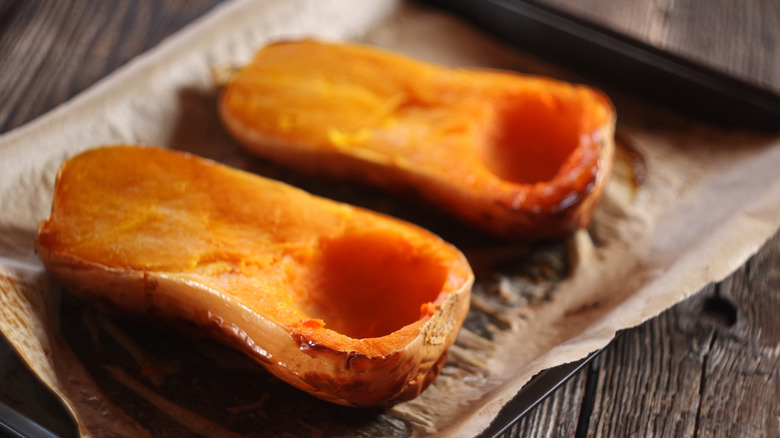
A cup of baked winter squash can contain as much as 9 grams of fiber. Of course, there are a lot of different winter squash varieties, and some have more health benefits than others. Many, though, are reliably high in not just fiber, but also vitamins C and A, plus potassium. Winter squash varieties include acorn squash, butternut squash, spaghetti squash, delicata squash, and others.
With so many different varieties, there are so many different ways to cook these fiber-rich types of squash. You can roast them, turn them into "spaghetti," put them in a soup, or cook them even in the microwave. If you're a squash beginner and really looking for the easiest avenue, consider making roasted delicata squash, which requires just the 1 squash, some oil, salt, and pepper (plus other spices if you like). After about an hour in the oven, you'll have a large serving of roasted squash that you can eat on its own or use to top a salad.
16. Parsnips
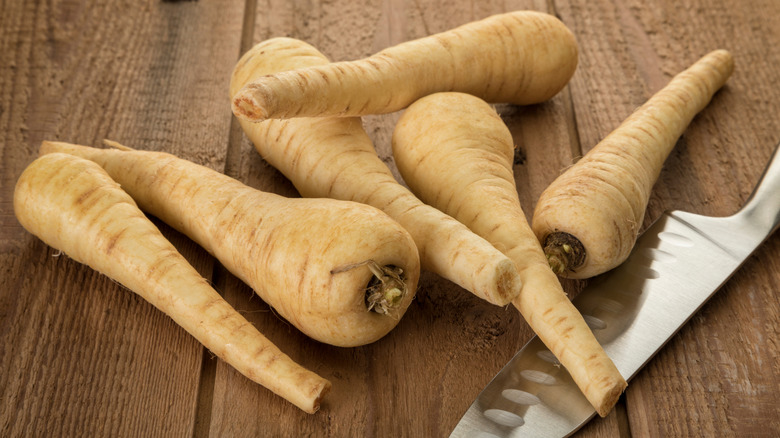
If you're not yet using parsnips throughout your kitchen on a regular basis, it's time that you discovered this root vegetable. It can be used very similarly to carrots. It can be mixed with potatoes for a mash. It can be used in soups and stews. All the while, it'll give you some fiber and other great health benefits. Parsnips contain a large amount of vitamin C, as well as fiber, with 5 to 7 grams per ½ cup. They're also a good source of potassium, iron, folate, niacin, and vitamin K.
Parsnips are a celebrity chef-endorsed vegetable, too. In fact, it's the lesser-used veggie that Martha Stewart suggests adding to chicken noodle soup. That addition makes sense, when you consider how much a parsnip has in common with a carrot. For more options, Reddit users recommend incorporating parsnips into fricassee, cassoulet, and even cake, similarly to how you might make a carrot cake.
17. Beets
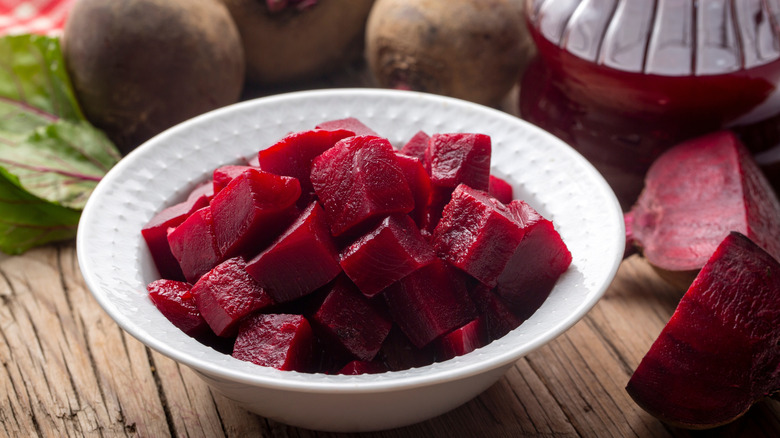
Last, but certainly not least, we have the mighty beet. Beets aren't as appreciated as they should be, and they come with many complaints. Some might complain about their earthiness. However, they do have 2.8 grams of fiber per 1 cup of boiled beetroot, putting them just above cauliflower in the fiber race. Additionally, beets contain folate, manganese, potassium, iron, and vitamin C.
If you've never been a fan of beets in the past, you can easily make this veg your friend with a simple beet, feta, and walnut salad recipe. You'll roast fresh beets, then put together a salad comprised of feta, walnuts, olive oil, lemon juice, and salt. It's a very simple and straightforward recipe, and nearly impossible to mess up. If you want something a little more complex, consider going with a traditional recipe for beet borscht. The soup requires more ingredients, but is very satisfying.