

5 Genius Tips For Saving Serious Money On Seafood
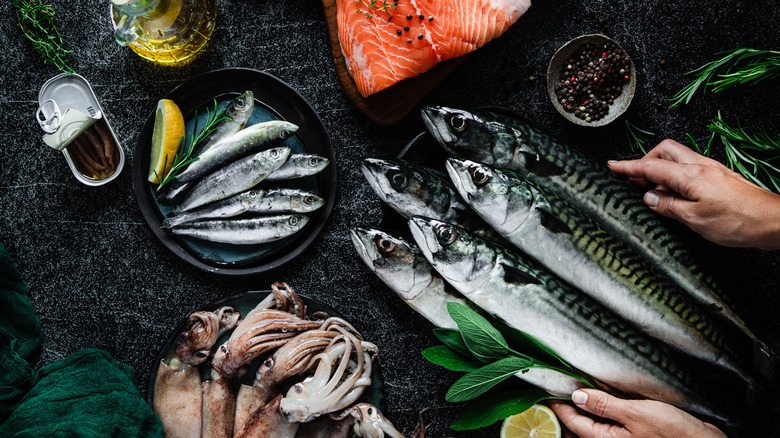
What's the first thing most people think of when seafood is mentioned? For some, it's expensive lobster, crab, and caviar. But in actuality, seafood can range from pricey and rare delicacies like torafugu (tiger pufferfish) served at an upscale restaurant to affordable halibut fillets that you can grill at home. If you're a novice in the kitchen, there are luckily many beginner-friendly recipes on the internet, ranging from Cajun crab boils for a dinner party to teriyaki shrimp stir-fry that's perfect for meal prep.
However, in this economy, it's clear that cooking seafood at home isn't enough to save on grocery bills anymore — we have to rethink how we purchase seafood at the supermarket as well. There are plenty of strategies, from perusing the shelves for tinned products to buying fish whole and getting it cleaned at the counter. Here are some of our favorite ways to save money on seafood,
Opt for frozen
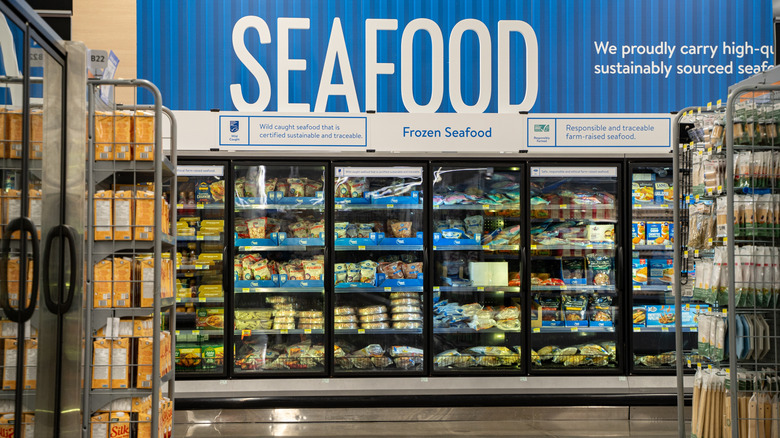
While it sounds counterintuitive, frozen seafood can be even more nutritious than fresh seafood, and more economical. Using a process called flash-freezing, which is when the temperature of the freshly harvested seafood is quickly lowered, frozen seafood retain their nutrients and taste while also preserving that signature flaky texture. And as most of these items are individually frozen, it's easier to portion them out for meal prep. This cuts down on kitchen waste, which in turn is more budget-friendly for your wallet.
The best part is there's a wide variety of frozen seafood you can grab from the supermarket, including salmon fillets, large bags of cocktail shrimp, and crispy beer-battered fish sticks. These are all affordable and easy to add to a quick dinner after a busy day. Just don't forget to check on the seafood every once in a while in case ice crystals form or it gets freezer burn.
Look to the shelves for canned seafood
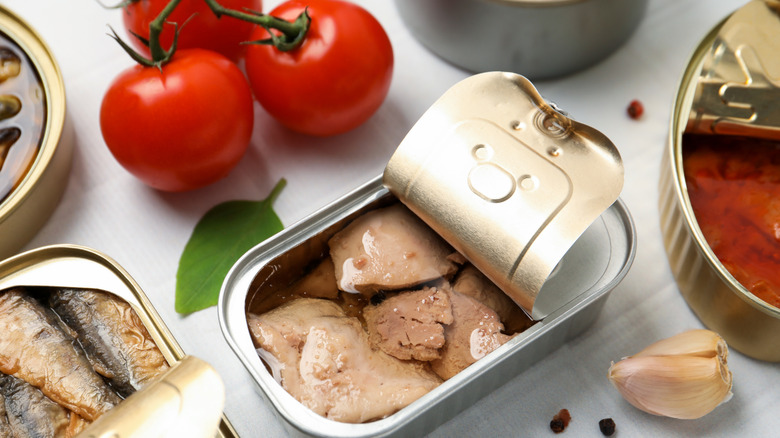
Canned seafood is experiencing a resurgence, and for good reason. Not only is canned seafood an underrated source of protein and other nutrients for quick meals, but it's also low-cost and readily available at supermarkets. Canned seafood ranges from everyday pantry items like tuna and salmon to tinned delicacies like octopus and smoked trout, and it can be spiced up with different seasonings for bolder dishes. For people who like to stock up during a great sale, you can buy it in bulk from retail warehouses like Costco or order a large pack from Amazon. Due to its shelf-stable nature, it will last longer than fresh or frozen and can save you money in the long run.
Surprisingly, not only is canned seafood a budget-friendly option, it's also a sustainable one. Many tinned seafood brands are now getting certified by organizations like the Marine Stewardship Council and the Aquaculture Stewardship Council to ensure they're using responsible fishing practices and nurturing healthy marine ecosystems. By buying canned seafood, you can rest easy knowing that you're helping the environment and saving money at the same time.
Choose the underdog seafood

In an ideal world, we'd eat caviar and drink Champagne every day, but that's simply not the reality for many. For more affordable frozen or fresh seafood, consider picking up some no-frill options like tilapia, cod, Alaska pollock, or mussels. Many home chefs know how easy it is to prepare these options by seasoning them with herbs like rosemary and thyme, cooking them with wine and garlic, and serving them alongside crusty bread or rice.
Another inexpensive seafood option would be small, oily fish like sardines, herring, mackerel, and anchovies. These have lots of nutrients and flavor as well as lower mercury levels when compared to bigger fish. They are also quite versatile: In Korea, godeungeo-gui (grilled mackerel) is often served as a side dish alongside main courses due to their strong flavor, and you can do the same at home. Some people are turned off by their strong smell, but these small fish are delicious when grilled and topped with a squeeze of lemon or olive oil.
Buying in-season
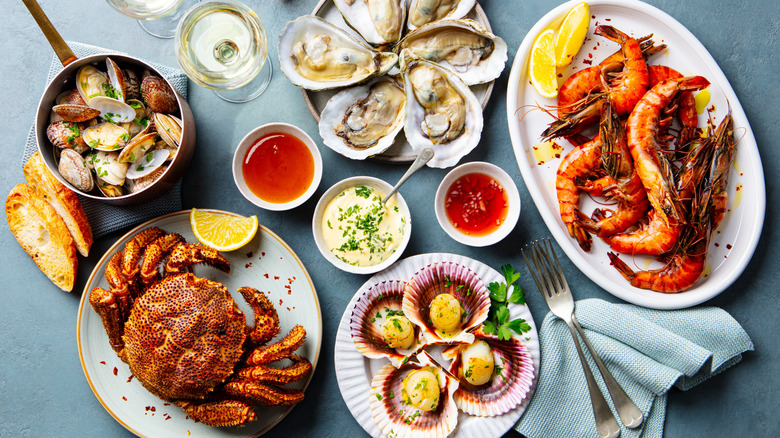
Flash-freezing makes many seafood items available all year round, but the seafood section at the supermarket actually reveals what wild catches are actually in season. Wild salmon and swordfish peak through the summer, while shellfish (like clam, mussels, and oysters) peak during fall and winter. By following the seasonal trends, which are driven by fish migration and natural breeding cycles, you'll find that these in-season seafood items will be in higher supply, leading to more competitive pricing and overall better deals at the supermarket.
Take Alaska sockeye salmon, for example. Peak season runs from June to July, when it typically costs $14 to $22 per pound in supermarkets. When it's out of season, flash-frozen sockeye can go up to $25 and more per pound. Whenever any seafood species is in season, it not only tastes the freshest, but it's also more budget-friendly.
Purchase whole fish
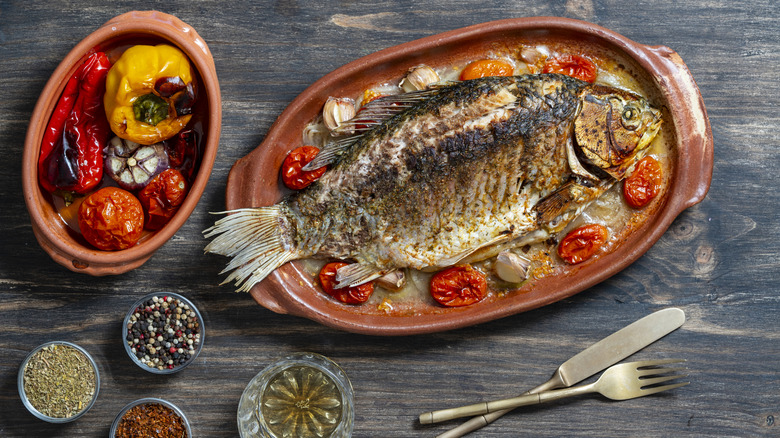
Fresh seafood can be expensive, but one way to lessen that cost is by buying it in its most unprocessed form — like getting a whole fish, including the head and the tail. For example, farm-raised whole rainbow trout can go for about $9.99 per pound, while rainbow trout fillets go for closer to $15.99 per pound. Fillets tend to be more expensive because the consumer is paying for the labor, time, and specialized equipment required to process these fish. If you want to save some money but don't want the hassle of cleaning the fish at home, you can often purchase the fish whole and ask the counter to scale, gut, and debone the whole fish on the spot for free.
If you're worried you can't finish the entire fish, you can deconstruct it into smaller portions and freeze them for later meals. In addition, fish heads, bones, and tails can be used for making fish stock, which is excellent for adding umami to other dishes. Of course, you can also cook up a whole fish to serve and impress friends or deep fry the fish so you can eat the bones as well. Overall, buying the whole fish helps reduce food waste and saves you money along the way.