

5 Ways To Upgrade Store-Bought Salsa
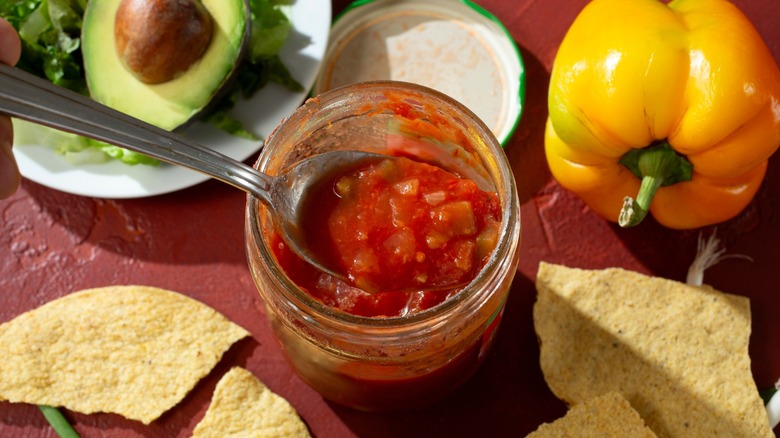
When tacos, enchiladas, or some game day chips are calling your name; a bright, flavorful salsa quickly becomes the star of the show. Unlocking the ultimate homemade salsa doesn't require extra ingredients — it's all about how you prepare the foundation. You don't have that opportunity with a store-bought product, but there are a few ways to finagle the lackluster salsa you picked up from the supermarket to breathe new life into the condiment.
One of the most common complaints about store-bought salsa is the vibrant color doesn't translate to flavor. They often taste flat and lifeless, due in large part to the canning process. Canning requires high heat to ensure bacteria don't taint the product, but it also dulls the flavorful ingredients meant to give the salsa a fresh, bright taste.
If you have store-bought salsa so good you want to lick the jar clean, congratulations — it's time to chow down. But if you find it lacking heat or vibrancy, some quick fixes wouldn't be a bad idea. Rick Bayless, the owner of Frontera Grill, Topolobampo, Xoco, and Bar Sótano, spoke with The Takeout about creative ways to elevate store-bought salsa. Some methods he mentions seem almost intuitive, but he also suggested techniques that many folks might never consider.
Bring the heat with chiles
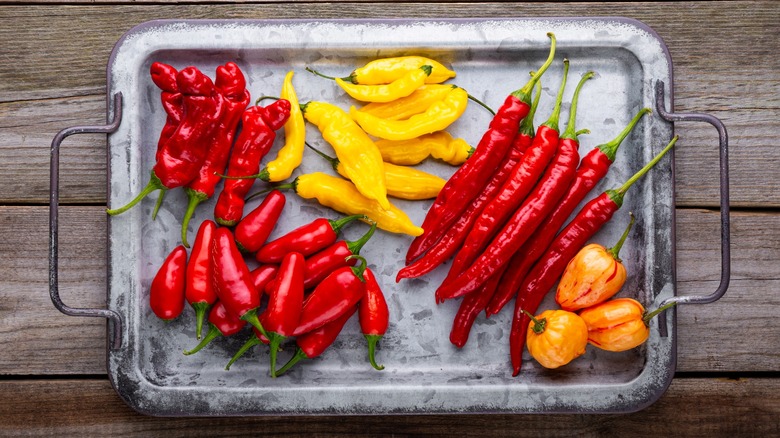
Perhaps the most obvious adjustment a store-bought salsa can call for is a spicy zing. While there are certainly products in the grocery store that are packing some serious heat, many tend to lean toward the mild side. Bayless mentioned a couple of fixes that can light a fire in weak grocery store salsa. He says, "A store-bought salsa with chipotle chiles rarely has enough, so I'll blend some of it with more canned chipotle (and a little of the tomatoey canning liquid)."
In salsas without chipotle, adding various other chiles can still be a game changer. What kind of chiles you include really depends on your heat tolerance and preference. If you just want to give the condiment a minor boost of heat, mild peppers like poblanos will do the trick. They only range from 1,000 to 1,500 Scoville Heat Units (SHU), whereas your average jalapeño ranges from 2,000 to 8,000 SHU. Anaheim peppers can also give store-bought salsa some kick without making smoke come out of your ears, as they range from 500 to 2,500 SHU.
Folks who can tolerate something a bit spicier would do well to add jalapeños, Hatch green chiles (1,000 to 8,000 SHU), or serranos (10,000 to 25,000 SHU). However, if you're attempting to manipulate store-bought salsa so it's as fiery as some of the hot sauces on "Hot Ones," get your gloves on. Habaneros and Scotch bonnets both range from 100,000 to 350,000 SHU, and the infamous Bhut Jolokia (better known as the ghost pepper) can carry between 855,000 and 1,050,000 SHU.
Balance the profile with herbs
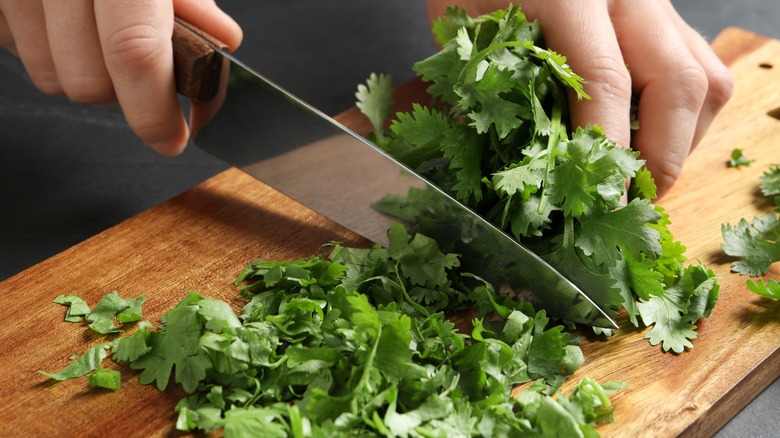
Salsa isn't just about bringing the heat. At its best, it has some spice combined with fresh vibrancy and a depth of flavor that's often created by adding fresh herbs to the mix. Bayless recommends using an herb that's central to many Mexican dishes. "To make a store-bought tomato salsa fresher and more vibrant, I always pour half of it into a blender jar, add some fresh cilantro and a chopped serrano or jalapeño Chile and blend to a coarse puree."
The slightly citrusy, mildly bitter characteristics of cilantro balance the heat and sweetness that tomatoes and chiles contribute to salsa, helping to create a harmonious blend of flavors. If you're one of those people who think cilantro tastes like soap, parsley can work as a substitute. However, you'll miss out on some of the brighter citrus notes.
When you don't have any fresh herbs on hand, a trip to the spice rack is your next best solution. Mixing in Mexican oregano or cumin is a terrific way to impart some earthy notes to a store-bought salsa. Including warming spices, like some of the staples that make up a DIY pumpkin spice seasoning, works well in tomato- and bean-based salsas to add some depth that's difficult to achieve otherwise.
Introduce some extra acidity
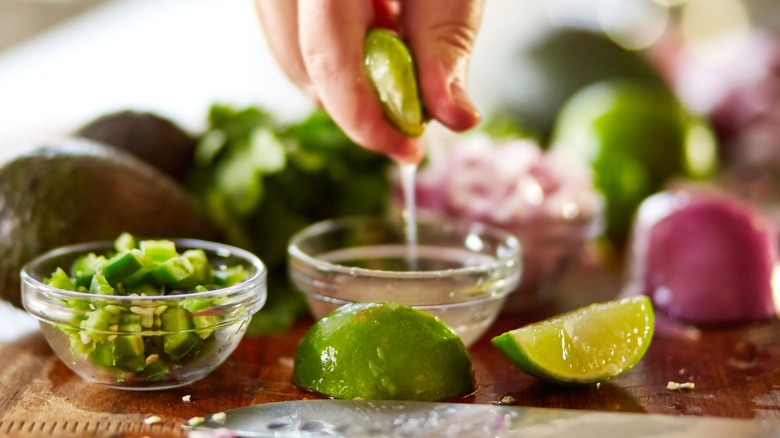
You would think that adding chiles and herbs to store-bought salsa would level it up instantly, and you will notice an improvement, but admittedly it can still taste a little dull. If you've tossed in some fiery elements and balanced the profile with various herbs and it still doesn't pop, it's likely begging for some acidity. All your flavors are there — they just need a catalyst to wake them up, and Bayless has just the thing.
If you follow his advice and turn half your salsa into a coarse puree, the final step that brings everything together uses a simple kitchen staple. He says, "Pour into your serving dish with the remaining salsa and season with a squeeze of lime." Just a spritz of lime juice will invigorate the ingredients already in the store-bought condiment as well as the ones you added in yourself. In some cases, a squeeze of lime is all you need to rouse a tired salsa — no extra herbs or chiles necessary.
Bottled lime juice can lift up a salsa, but the flavor isn't as robust as fresh lime. Additionally, some brands are sweetened, which will affect the overall balance you're aiming for. Fresh limes also afford you the opportunity to add lime zest, which makes it even brighter by adding a more intense citrus note to the condiment.
Store-bought salsa often lacks umami
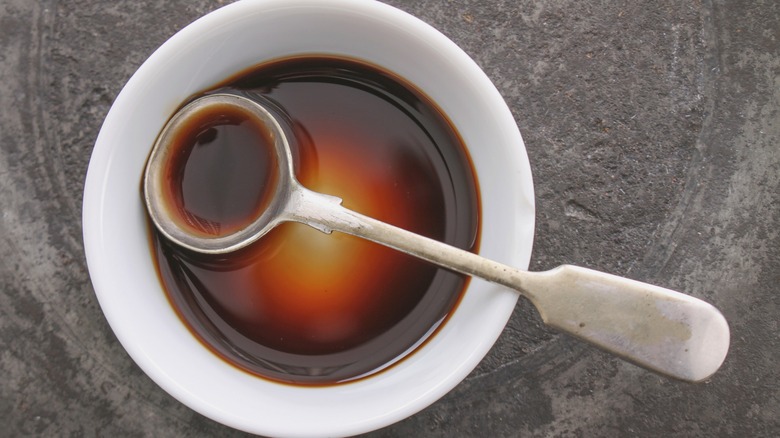
When you're doctoring up a store-bought salsa you will sometimes notice it's missing something you can't put your finger on. You've got heat, the brightness is there, but something still seems lacking. Bayless knows exactly what the problem is in that case. "Often store-bought salsa is made with canned tomatoes or tomatillos, pickled jalapeños and vinegar instead of lime. All of those bring down the flavor," he says.
So if chiles, herbs, and acidity aren't the answer, what else is there? Bayless recommends using an everyday pantry staple to act as that missing piece when all other roads have been explored. "To add richness, a dash of Worcestershire does the trick."
Worcestershire sauce might seem like a wild ingredient to add to salsa, but when you think about what it does for other foods it isn't actually all that wacky. The dark liquid provides an instant infusion of umami to soups, marinades, sauces, and more. Consider how it adds a bold richness to a tomatoey Bloody Mary, for example. The same concept applies to a tomato-based salsa, though it would also serve as a welcome addition to other types of store-bought salsa lacking an umami backbone.
When all else fails, peanuts to the rescue
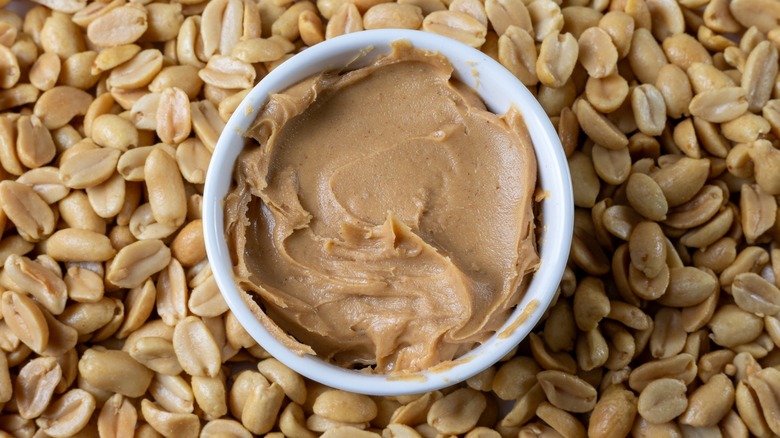
If nothing you add to a store-bought salsa is making your taste buds do a happy dance, not all is lost quite yet. Bayless has one other suggestion to transform salsa from the grocery store into something tastier. It's a bit unconventional, but hear him out. He says, "I'll add some peanut butter, which makes a deliciously different version."
This isn't actually as out of left field as it might seem. Nuts play a significant role in many Mexican salsas. Peanut butter in particular can impart a richness you can't get from Worcestershire, and the creamy texture can put a whole new spin on the condiment, especially when they're bean-based. However, you'll want to leave that jar of Jif (or is it called Jiffy?) on the supermarket shelf. Commercial peanut butters are typically sweetened and you don't want that extra sweetness wrecking the balance you've carefully constructed.
Natural peanut butters work best, but there are other options that have a similar effect. Cashew butter is a good example. Its fairly neutral profile will add a creamy richness to salsa without overpowering the tomatoes, chiles, and herbs. If it's too thick, thinning it out with water should fix the problem. And if the richness itself is too prominent, just reach for a splash of your old friend lime juice to balance the flavor back out.