

Putting These 11 Cheeses In Mac And Cheese Should Be A Crime
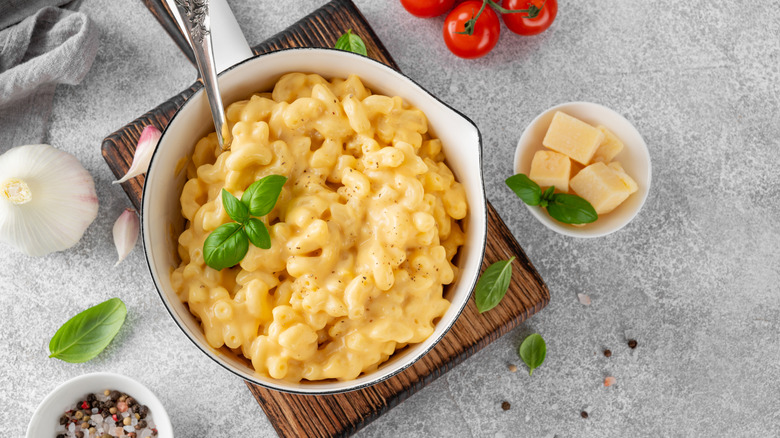
When we talk about comfort foods, few can come close to a delicious mac and cheese. It's a great side dish for many proteins, and you can add ham, bacon, other meats, or even peas and other vegetables to make a hearty meal of it. Now, no matter what protein you add, what pasta you use, or what other ingredients go into your homemade dish, the cheese is the most essential. A blend of good cheeses, such as a three-cheese blend recipe, makes all the difference. Choose cheeses for their flavors, how they blend, and how they melt together for a smooth texture.
On the other side of the coin, some cheeses, for various reasons, should not be used in a quality mac and cheese. How do you know which ones those are? That's what we're here for. We have discovered 12 cheeses that are poor choices for this classic comfort food. We tell you what they are and why they don't work so well. It's our goal to help you make this comfort food even better.
Feta
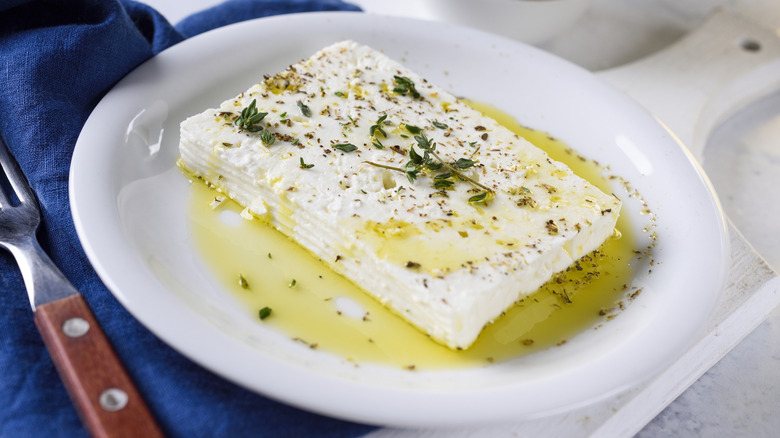
Feta is a Greek cheese with a salty, briny flavor that works well in many recipes. For example, you can use it to make a whipped feta spread that goes on just about everything. What you don't want to use it for is mac and cheese. The flavor could definitely contribute to a tasty dish. However, it's the texture that can cause big problems. It is an aged cheese that crumbles nicely as a salad topping. The problem is that crumbly cheeses don't melt well because they dry out as they age.
We're talking about making your best mac and cheese, and you want that smooth, silky texture that feels good in your mouth and enhances the experience. As a Redditor posted in r/cooking, "Feta cheese does NOT melt and does not work well to make an alfredo sauce." A good Alfredo sauce should be as smooth as mac and cheese, but feta's poor melting issue can easily ruin both. In addition to the lack of moisture, feta is an acidic cheese. Too much acid affects how the cheese melts, with the sweet spot being a pH in the range of 5.5 to 5.7. Feta falls in the 4.4 to 4.6 range, which is too acidic. Save your feta for other recipes and keep your mac and cheese comforting.
Pre-shredded
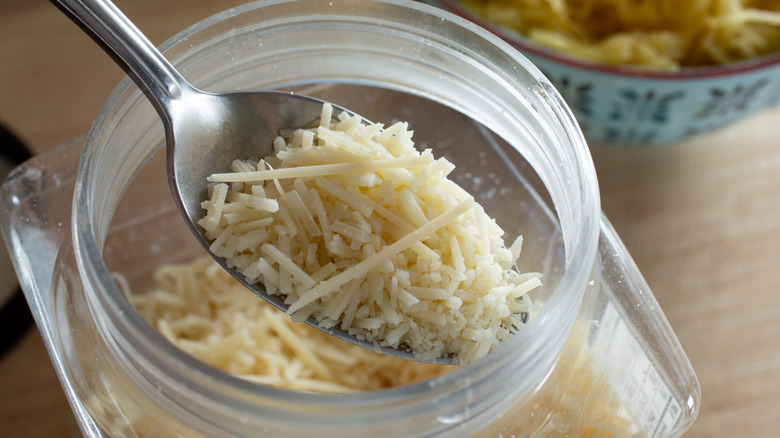
Shredded cheese works well in any recipe that calls for melting cheese. The cheese distributes nicely throughout the dish, such as on pizza, baked ziti, or cheese-topped Italian foods. This also works well for mac and cheese. However, as convenient as it is, it's not a good idea to use packaged pre-shredded cheese of any type. Many varieties are available in pre-shredded form, including plenty that will add to the taste of a good mac and cheese. Some of these are generally good melting cheeses, but when they are pre-shredded, there is a potential problem.
To give them added shelf life, shredded cheeses are usually coated with cellulose or potato starch. These ingredients prevent the shreds from caking and keep them separate and intact. The anti-clumping agents dry the strands out and prevent them from melting into a smooth texture. It tends to create plastic-like pools of cheese that feel unpleasant in the mouth and can completely ruin what would otherwise be a delicious dish. Our advice is to take the time to grate the cheese yourself. It's worth the effort.
Processed American
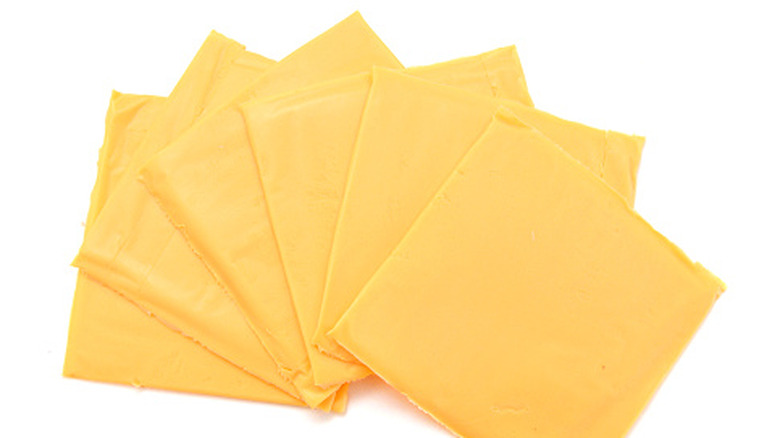
One of the most common and convenient cheeses is the processed, individually packaged American cheese. No cutting involved, and you can use the slices on sandwiches, with crackers, or just eat them as is. They also make a really good grilled cheese. Now, some people use processed American in mac and cheese, but for a world-class version of the popular dish, you should definitely avoid this type.
Truth be told, all cheese is "processed." However, the American slices in every grocery store have other added ingredients. Each brand has its own recipe, but they tend to include milk proteins, whey, and emulsifiers. Many contain natural coloring or artificial food dyes as well. American cheese melts beautifully into a smooth texture, but the various non-cheese elements can bring down the flavor of an otherwise truly delicious mac and cheese. It's also high in sodium, which could make a difference to some who have high blood pressure or other health issues. Save your American slices for grilled cheese and leave them out of your mac and cheese.
Parmesan
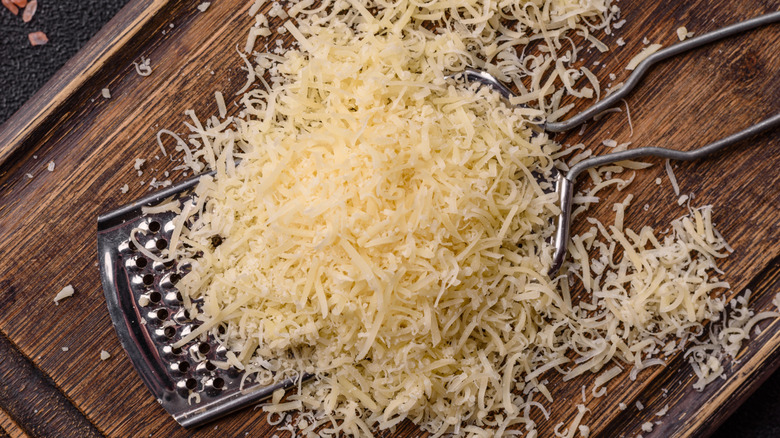
Who doesn't love Parmesan? It's a must-have to sprinkle over pasta and can be used in many other dishes. The tasty cheese has a long and distinguished history, starting in its native Italy and expanding abroad. The best of it, Parmigiano-Reggiano, is a Protected Designation of Origin food, meaning it can only be made in certain regions of Italy. One of the finest cheeses on Earth, no question, but not ideal for mac and cheese.
Like our friend feta, Parmesan is an aged cheese. It has a dry, crumbly texture, perfect for grating, but not for melting. While certain cheeses better at melting, Parmesan is not one of them. It melts with a grainy texture that interferes with the smoothness you seek. The flavor, on the other hand, can still contribute to a great mac and cheese. Grate some over the top after pulling it out of the oven (baked mac and cheese is always better). Better still, mix some grated Parmesan with panko and fresh, chopped herbs as a topping. Pop it in the oven for five minutes or so and take the dish to the next level. A little crunch on top of the creamy smoothness.
Cottage cheese
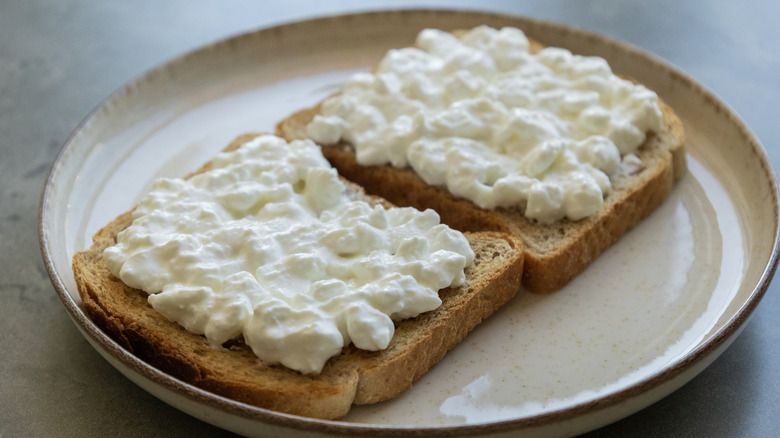
Anyone who has ever seriously dieted is familiar with cottage cheese. Its low-fat and high-protein composition makes it ideal for healthy meals. It's fresh and not aged, and it goes great with fruit or in a salad. But is it a candidate for a good mac and cheese? That's an emphatic no. The very low fat content that makes it healthy also negatively impacts its ability to melt well. The protein structure differs from fattier cheeses, meaning it won't melt the way you need it to in mac and cheese.
Another problem is that a fresh food like cottage cheese contains a lot of water. Too much of it, in fact. When cottage cheese melts, it releases its moisture and then can make a watery mess of your mac and cheese. That will completely ruin the silky texture you seek, destroying what could be an incredible dish. We can't emphasize enough how important it is to skip the cottage cheese when making your favorite comfort food dish.
Ricotta
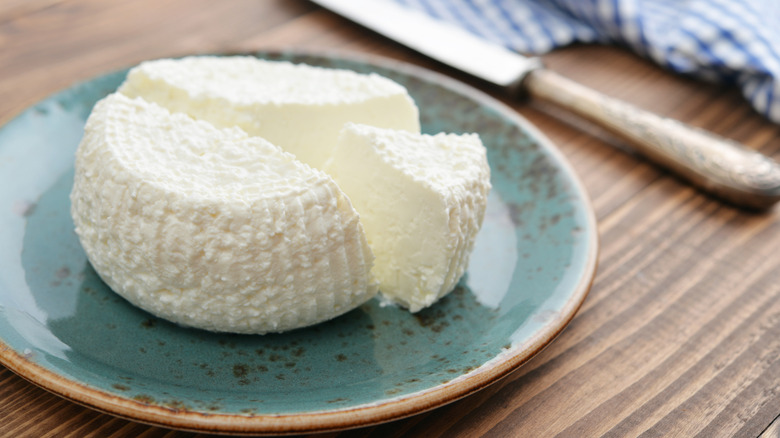
Ricotta is a slightly sweet, soft, and creamy cheese. What would lasagna, manicotti, or cannoli be without it? It can also be used in risotto, other desserts, or on its own with a nice glass of sparkling wine. Another plus is that it is surprisingly easy to make ricotta at home. Its flavor could add nicely to a cheese blend with cheddar, Monterey Jack, and other tasty dairy elements, but it does have a major drawback. Ricotta's composition causes problems similar to those of cottage cheese, making it unsuitable for a good mac and cheese.
Ricotta is made from whey, which is a liquid dairy component. Whey proteins don't melt well. Heating this cheese releases all that liquid and makes for a soupy, unappealing sauce. Not even close to the smooth, silky texture that makes mac and cheese so wonderful. Put ricotta on your "do not use" list, and save it for recipes that suit its strengths. There are plenty of other opportunities to enjoy this cheese.
Aged cheeses
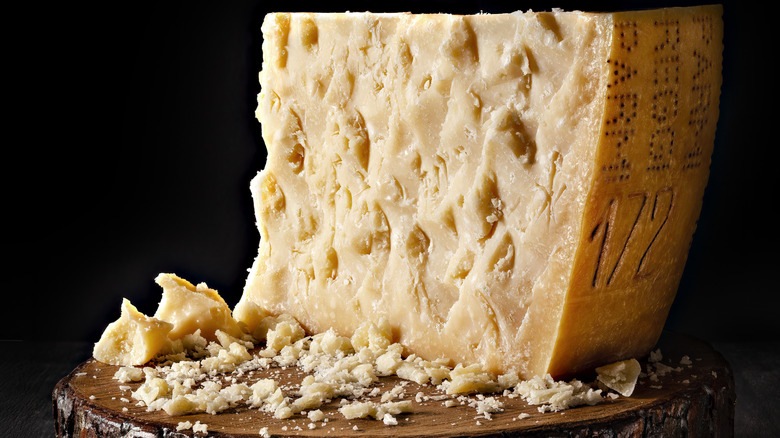
Many cheeses are aged. As with wine, the process improves and develops flavor. Cheeses are aged in climate-controlled conditions, often in caves. Cheese can be aged in up to three stages, during which fermentation occurs and the cheese dries out. Sometimes, protein crystals form. Flavor-wise, an aged cheese might work in a mac and cheese. Once again, it comes to the all-important process of melting.
Too much moisture inhibits how well cheese melts. We have seen that. So does too little moisture. When heated, dry, crumbly cheeses don't melt. Rather, they break down into a grainy texture. This will certainly ruin the mouthfeel of an excellent mac and cheese. Aged cheeses can also become oily under heat, resulting in a greasy and unpleasant sauce. As tasty as that 13-year-old cheddar is, go with a younger version for a mac and cheese you will be proud to serve and happy to eat.
Blue cheese
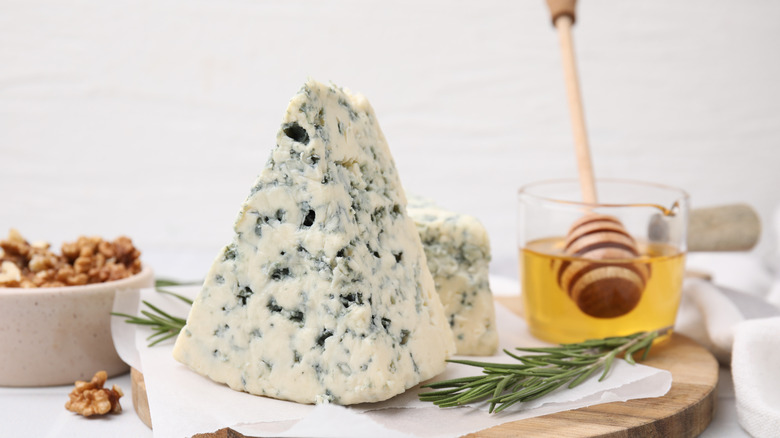
Tangy and distinctive, great in a dressing, blue cheese is a favorite of many cheese lovers. This, despite the fact that it has mold, which is what makes blue cheese blue. There are different varieties of blue cheese, including Gorgonzola from Italy and Roquefort from France. They are common ingredients in the cuisines of these nations, as well as others. The mold is what gives it that tangy flavor. The taste might seem to be a desirable choice for your mac and cheese and could certainly add some zip. But, all together now: It doesn't melt well.
It takes time for the mold to grow, which means blue cheese must be aged. As we have already seen, that makes it dry and inhibits melting. You get the same grainy texture we're trying to avoid. If melted aggressively, such as in the oven in a blend, blue cheese tends to form oily puddles. It has to be melted gently and in small amounts. This isn't conducive to the typical baking method of a good mac and cheese where you want all the cheeses to bake together with the pasta and other ingredients. Save your blue cheese for other cooking applications.
Mozzarella
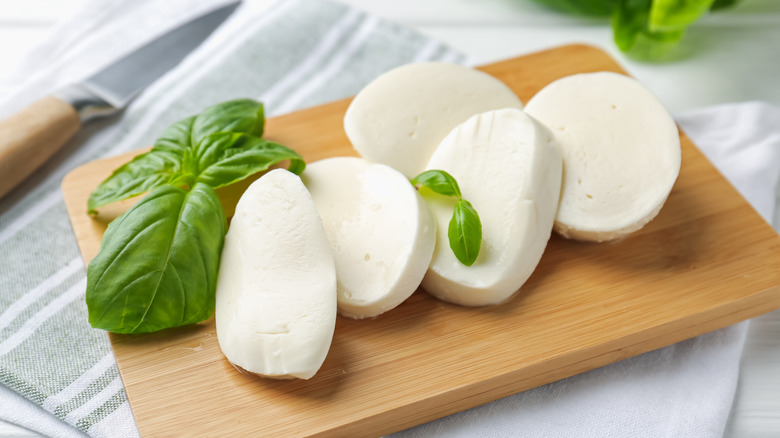
When it comes to popular cheese varieties, mozzarella ranks high on the list. The perfect topping for baked pasta dishes, it's also great in a caprese salad and is a key pizza ingredient. Slicing it up as a snack on its own is pure delight. It's a basic cheese but has a beautiful texture, a little saltiness, and a mild but pleasant flavor. As we all know, its greatest strength is that it melts extremely well. Sounds like a good candidate for mac and cheese. Well, not so much.
When mozzarella melts, it forms those strings of cheese that are fun to pull when grabbing a slice of your favorite pizza. Many people find that the stringiness doesn't work so well in mac and cheese and runs counter to the smoothness you want. Trying to spoon out servings is pretty tricky with a long string of melted cheese running throughout the pan. Another problem is that mozzarella has a mild flavor that is easily overpowered by cheddar, Monterey Jack, or other typical mac and cheese ingredients. Save it for your pizza and baked ziti.
Cotija
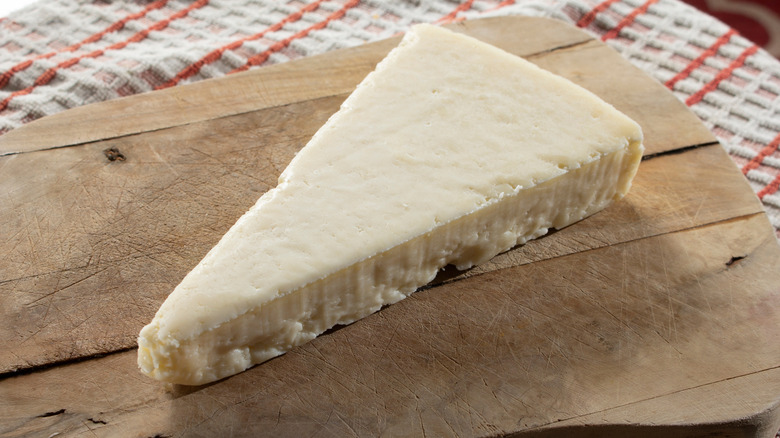
Our next cheese is one of several that come from Mexico. Cotija is an aged cheese with a very strong and salty flavor. Because of its texture, it is commonly used in Mexican cuisine to crumble over soups, salads, tacos, burritos, and other dishes. It is a welcome addition to these recipes and adds a considerable amount of flavor to already tasty Mexican dishes. As you have certainly guessed, you don't want it in your mac and cheese.
The taste could conceivably add to the flavor profile, but, as strong as it is, it may be a bit too much. However, we know the real problem. It is aged and crumbly. It doesn't melt and will add graininess that will ruin the texture of a good mac and cheese. As tasty as cotija is, it is a cardinal sin against all comfort foods to place it in your mac and cheese blend. You could have your ladles taken away for this. Store it next to your salsa and cilantro.
Low-fat
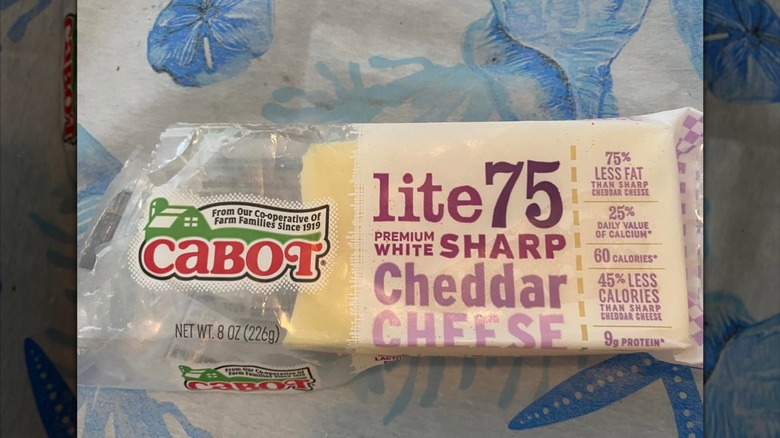
People these days seem to be more health-conscious than ever, and that's a good thing. Low-sodium, low-carb, and low-fat. Plenty of low-fat cheeses are delicious options for eating more mindfully, but they are not suitable for every application. One thing you don't want low-fat cheese in is your mac and cheese. You can make a low-fat version with it, but it probably won't be as comforting as it could be.
The fat in cheese is one of the key elements in helping it melt. Less fat inhibits the melting process and won't give you the smooth texture that makes a mac and cheese silky and satisfying. Low-fat cheese doesn't get the stretchiness that allows it to spread over the pasta. Another problem is that low-fat cheese tends to burn easily. A crunchy, burned cheese with a bitter flavor will certainly ruin your comfort food dish. So, eat healthy, but indulge a bit when making mac and cheese. Just eat it in moderation, and you'll be okay.