

13 Depression-Era Dinners That Actually Sound Good (Hear Us Out)
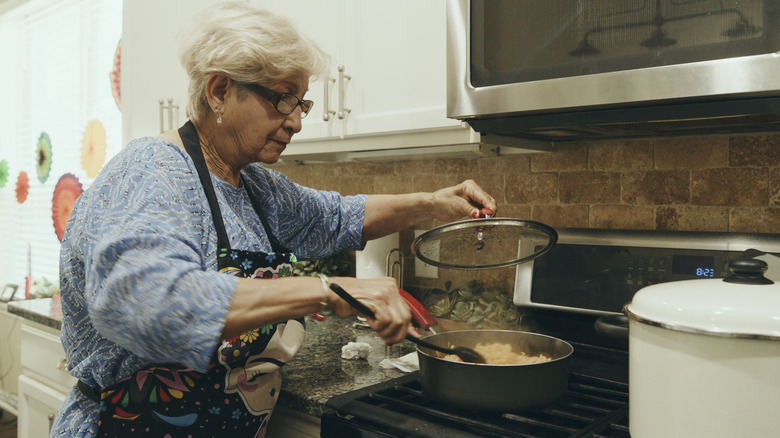
Americans who survived the Great Depression endured more than a decade of crippling, widespread unemployment. Families went hungry while crops sometimes rotted in fields because people simply couldn't afford to buy them. With money scarce, home cooks had to get creative with whatever they could find. The Depression era was the time for pies featuring watery fillings and cakes made without eggs or butter.
Some of the dishes born from that resourceful period are as bleak and unappetizing as you'd expect (lard sandwich, anyone?), but there are plenty of time-tested winners. Using staples such as potatoes, beans, pasta, and cabbage to make affordable meals will never go out of style. Our list of Depression-era meals includes a treat that originated in the 11th century, while others are simple combinations that remain familiar comfort foods today. Nearly 100 years later, these dishes are still budget-friendly and enjoyable. Here are 13 Depression-era dinners we're convinced hold up to this day.
1. Meat and potato patties
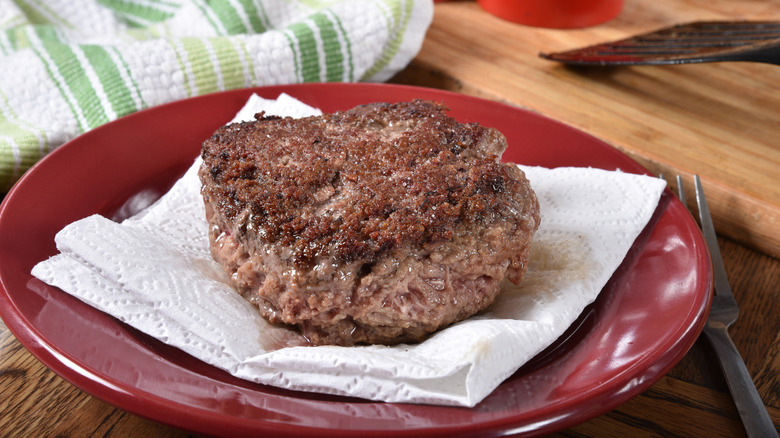
When banks failed and the Great Depression hit the U.S. in 1929, cravings for satiating, beefy dinners didn't just disappear. However, splurging on beef wasn't always an option, so hungry carnivores turned to affordable meals like patties made with a blend of both meat and potatoes. Unlike traditional all-beef burgers, these patties were plumped up with extra ingredients designed to keep you full.
A typical meat-and-potato patty recipe uses ground beef, shredded potatoes, and chopped veggies like onions and peppers. Mix all ingredients until you can form burger patties, give the patties a quick fry in a skillet, and simmer them in tomato sauce. Missing an ingredient? Many cooks in the 1930s were, too. You can easily adapt this recipe to suit your circumstances or tastes — for example, by adding spicy taco sauce or salsa, or topping it with copious amounts of cheese. You could also add rice to your patties.
2. Water pie
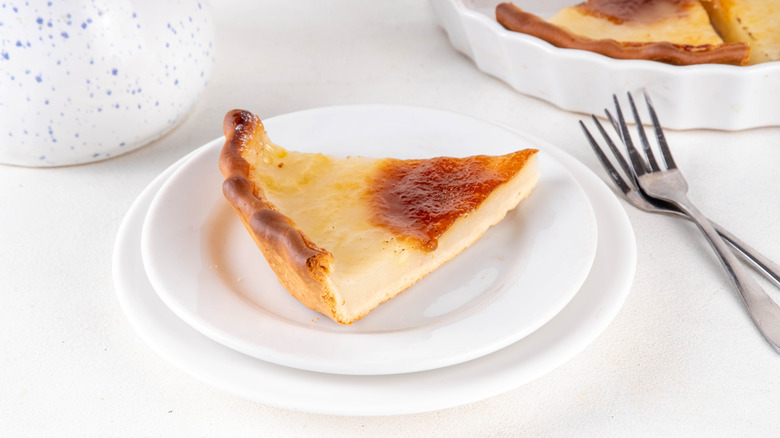
A good pie needs a rich, creamy, or jammy filling. Water pie goes for creaminess, even though it contains no egg yolks or milk. It's a lean-times pie, and water's the star. To the uninitiated, the pie sounds more like the sloshy mess a toddler would make when they're tired of mud brownies, but it's a real dessert that graced dinner tables during the hardest months of the Great Depression.
Making water pie is easy. Just pour 1.5 cups of water into a deep-dish, unbaked pie crust and add a little sugar, vanilla, butter, and flour. You'll end up with a sweet slurry that thickens into a custard-like texture after an hour or so in the oven, plus a couple more hours in the fridge. Water pie fans say the final flavor is light and buttery. Some even describe it as a vanilla bread pudding dupe.
Water pie was reborn in the 2020s after the original recipe circulated on social media. The new version utilizes a can of Sprite instead of water, upping the sweetness and adding a little tang.
3. Goop
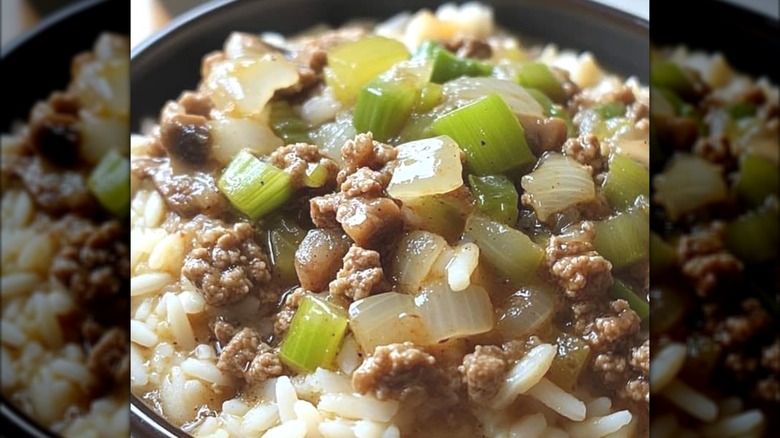
It's 1933, and you're feeding four people with two servings of beef. What's the plan? Do you dole out meager portions to your guests or stretch the meat with veggies and starches? Tubers add bulk to the meaty patties we mentioned earlier, while the famous meal known as goop gets extra calories from pasta and rice. Cooked mushrooms give goop an earthy bite that makes up for the missing beef flavor.
Goop is a pantry cleaner, a meal built around whatever you have available. A good base recipe simmers ground beef with veggies, rice, orzo, water, and seasonings. Almost any vegetable could work, from onions and peppers to tomatoes and carrots. There's only one goop rule: judge by taste, not appearance. As you might expect from a meal called goop, the finished stew rarely looks magazine-quality. Depending on your chosen ingredients, there may not even be much color to appreciate. And that's alright!
Goop's still appeals to us today because it's a hearty, stick-to-your-ribs dinner that you can prepare when your meat's running low. Ground beef goop is the classic, but any meat can shine. Try Italian sausages for more umami, or tender beef tips for extra indulgence.
4. Wacky cake
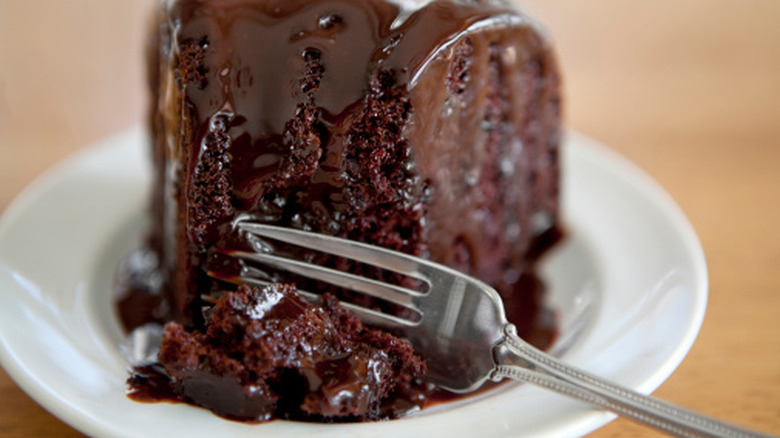
Chocolatey goodness is hard to achieve with limited ingredients. So, wacky cake – sometimes simply known as Depression cake or war cake — was born. Wacky cake nixes eggs, milk, and butter — all prime baking materials that were hard to afford in the 1930s. To make this chocolate dream, mix cocoa and flour with sugar, baking soda, white vinegar, vegetable oil, and water. A little salt and vanilla keep the cake from tasting one-note. Top it with any frosting. Chocolate frosting gives you a rich chocolate-on-chocolate combo, vanilla provides the perfect contrast, and fun flavors like whipped cherry bring a hint of surprise.
Anyone learning about wacky cake today might fear that the creation is dry and bland. After all, where can richness come from if the recipe involves no butter or eggs? In reality, the reaction between the cake's baking soda and vinegar adds air to the batter and helps it rise, creating a delightfully fluffy texture. Think light and airy for this cake, rather than dense and fudgey. Reviewers say it's moist and has a strong chocolate flavor, which makes it a winner in our eyes. If you're not a chocolate fan, the cocoa powder actually isn't necessary. Some cooks omit it and bake a plain white cake instead, or add cinnamon and chopped apples for a spiced alternative.
5. Meatloaf
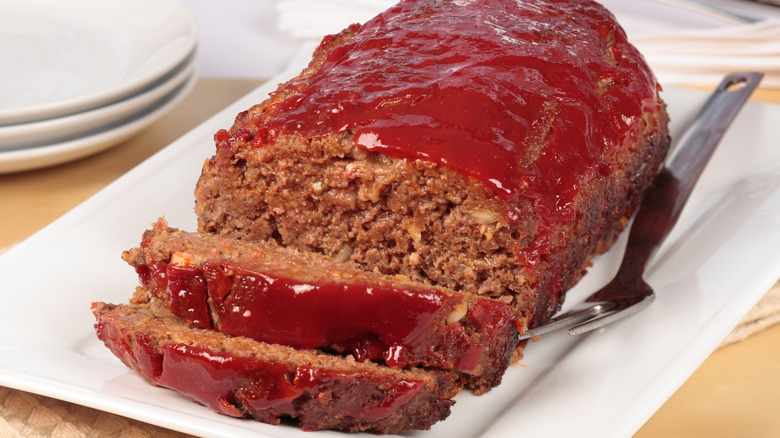
Meatloaf is another meal that will never win any points for glamor, having become an American staple during the Great Depression. It's a homey log of meat that's usually slathered in ketchup and studded with diced veggies. Anyone who can shape the meat and turn on the oven can make a mouthwatering meatloaf, as most recipes are quite simple. Chefs say the trick to making meatloaf more delicious is to get the air bubbles out before baking and ensure the loaf is evenly sized. Depression-era cooks, however, weren't so picky. At that time, just having enough ingredients to put together a decent meatloaf was a cause for joy.
You get a sense of the different priorities when you browse old recipes. Modern meatloaves are lavish with spices and often include fresh eggs and milk, plus that ketchupy coating on top. The average Depression-era meatloaf recipe lacked a ketchup coat, limited the spices to salt and pepper, and used evaporated milk rather than eggs. It's still a meatloaf, just not quite as satisfying as what Americans can make today. The recipe has now been tweaked so many times that you could make it a hobby to try new meatloaves. Some of the most underrated meatloaf additions include salsa, onion soup powder, and pesto.
6. Pasta e fagioli
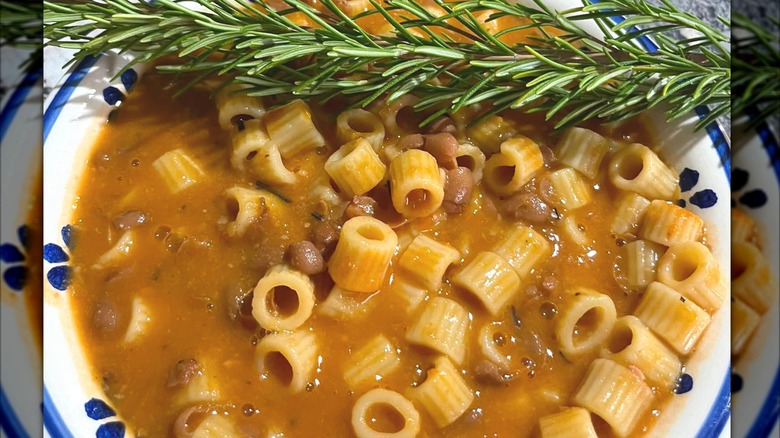
Few meals are as simple as Italy's pasta e fagioli, no matter what version you prefer. At its most basic, the soup is a savory blend of pasta, beans, and aromatics. The short list of ingredients made it an obvious struggle meal after the 1930s banking collapse. Modern versions aren't quite so sparse. A Tuscan chef preparing pasta e fagioli might add veggies like celery and carrots for color and crunch. A chef with Italian-American leanings might prefer a soup thick with chopped bacon and grated cheese. The real palate pleasers, however, are in the name. Pasta e fagioli means pasta and beans in Italian.
Poor-quality, badly seasoned beans will kill this recipe, even if every other touch is masterful. Canned beans can work if you season them as though that's the only flavor they will get. A good place to start is two cans of cannellini beans — but if you have more time, pasta e fagioli purists swear by fresh shelled beans. Going fresh lets you appreciate more of the bean's naturally robust, nutty flavor. Store-bought pasta is fine, just stick with short styles like elbow. Finish the soup with a drizzle of high-quality olive oil.
7. Creamed chipped beef
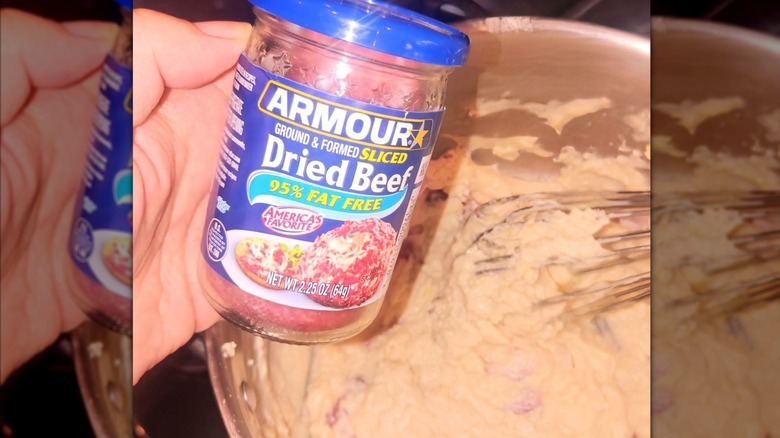
A little fat can work magic on salty, chewy beef, as many soldiers learned for themselves during World War I. Two decades later, the meal gained new converts during the economic devastation of the '30s. You had to have dairy in the house, but chipped beef is shelf-stable and can last for a long time in the pantry. It's lean meat that's brined, cured, and air-dried before being sliced into strips.
Creamed chipped beef often starts with frying the meat with diced onions until everything is soft and glistening with oil. Add the veggies next, then enough butter, flour, milk, and cream to make a thick gravy that swaddles every crevice of the beef. The most popular dish involved serving creamed chipped beef on buttery toast — a meal nicknamed SOS (an acronym with many meanings, some ruder than others) by soldiers — but there are many possibilities that sound equally scrumptious to us. Beef and potatoes are always a droolworthy pair, as are beef and pasta. Ladle the gravy over a biscuit or English muffin for a bready option more exciting than the military's white toast. People also make versions of creamed chipped beef with beef jerky and cubed country ham.
8. Bread pudding
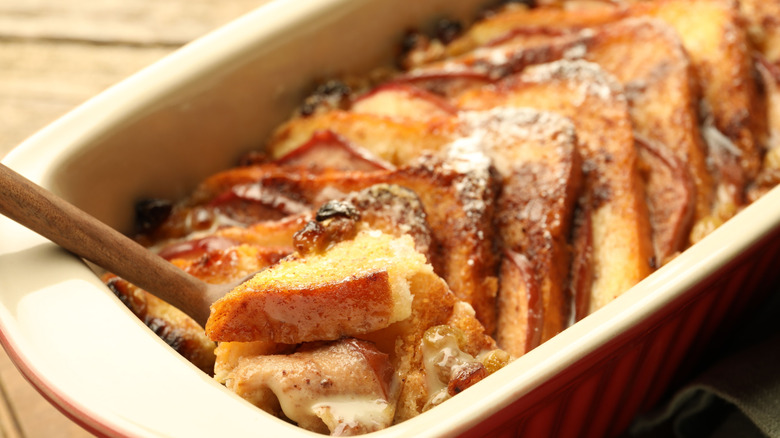
See those crusty, old slices in your bread box? They could become the base of a decadent pudding. History credits English cooks from the 11th century with creating the first version of bread pudding. They softened stale bread in hot water and sweetened the mixture with sugar and whatever spices they had around.
Depression-era bread puddings were far more luxurious, with a custardy texture made from baked milk, butter, and eggs. Delicious. Families troubled by dwindling funds and rising expenses could make bread pudding and still enjoy the bliss of biting into a dreamy, restaurant-worthy treat. It was likely an occasional indulgence, though. Keeping the fridge stocked with the dairy needed for a good bread pudding was often a struggle.
A more stable economy has left space for more creative bread puddings. Today, you can find bread submerged under caramel and apples, bread spiced with warming chai, and bread doused with sweet rum sauce. Sometimes bakers don't use bread at all and replace it with stale bagels or croissants. Whatever style you choose, stale bread is preferred so it's dry enough to soak up as much flavorful liquid as possible. If your bread's too fresh, dry it out in a 300-degree Fahrenheit oven. About 10 minutes should do.
9. Haluski
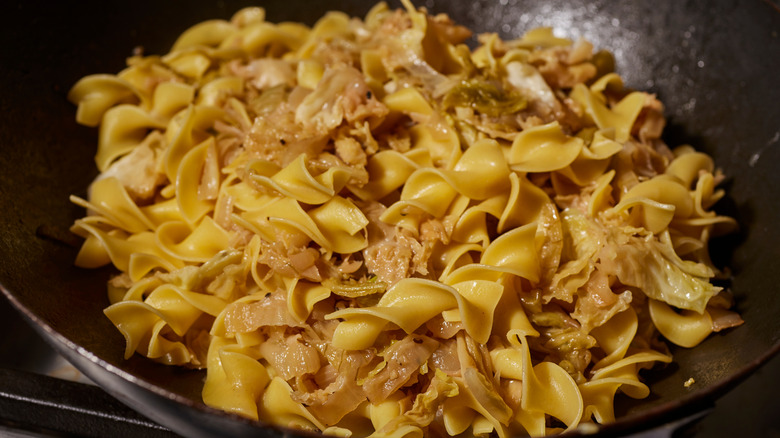
Immigrants brought haluski's buttery simplicity to the U.S. from Eastern Europe. Fans fell in love with both the cost and flavor, and the recipe became a favorite during the Depression. The ingredients are bare-bones: just butter, cabbage, onion, and egg noodles. Sauté the veggies in a skillet, then add the cooked pasta. Salt and pepper are the only spices needed. It's a hard meal to mess up; even the fried bits of cabbage and noodles stuck to the bottom of the pan tend to be delicious.
You can eke out even more flavor by cooking the cabbage longer. A standard 1930s haluski spent about five to 10 minutes on the stove. Extending that time to 25 minutes caramelizes the cabbage and gives your taste buds more to play with. Adding meat is another common change. Bacon, sausage, and ham are salty and fatty enough to hold their own in a sea of buttered noodles and cabbage. Chicken is fine, too, but it should be well-seasoned.
10. Baked apple pudding
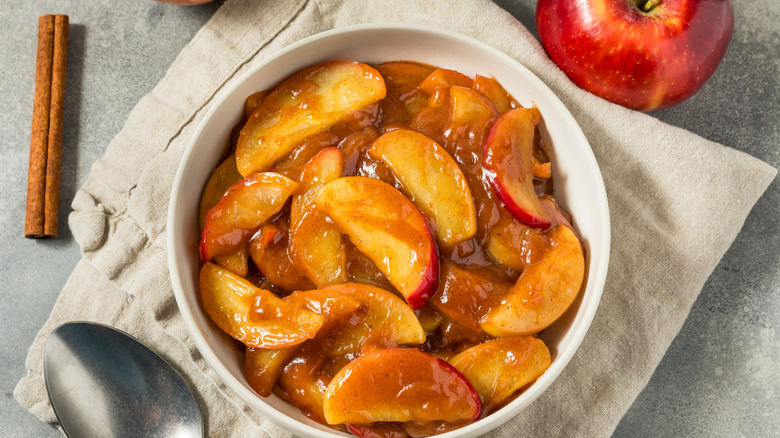
Apple-based desserts fall right into America's wheelhouse. After all, we're the nation of Johnny Appleseed and warm apple pie, fresh from the oven. Baked apple pudding evokes the same cozy nostalgia, and it's quick and easy to make. People adore this recipe when they're trying to recreate famous Depression-era classics. You need most of the ingredients you'd use for an apple pie or crumble, plus roughly 2 cups of water to pour on top of everything. Be careful with the water — the dessert rises, and if your dish is too full, everything might spill over the sides.
Perhaps because of all the competition among apple desserts, we'd argue that baked apple pudding is one of the least popular options on our list. You may never run into it at a restaurant or at a friend's house. All the more reason to make a batch yourself! You simply have to throw a few ingredients into a pan and pop it into the oven.
11. Potato soup
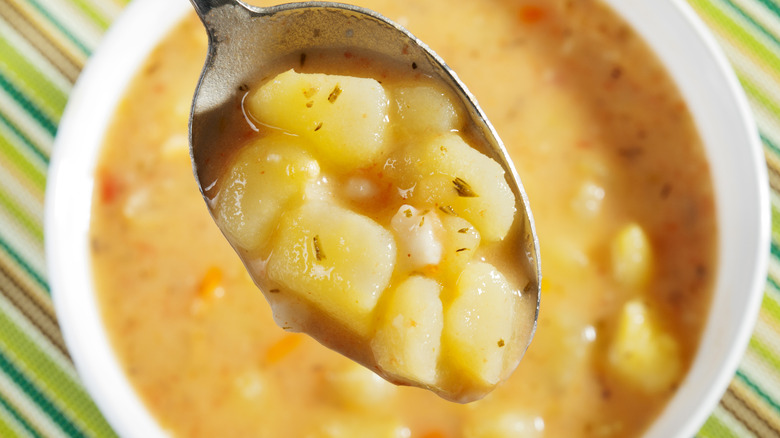
Potato soup is the creamy base for many satisfying dinners. You can strip it down to just butter, potatoes, and milk, as was recommended as a simple, affordable recipe during the Great Depression. This version goes beautifully with bread. Or you could go to the other extreme and brighten the soup with carrots and onions. Either way, potato soup is about comfort. Find one that can warm you up on a cold, dreary day. Bacon's a strong addition if a vegetable-only soup doesn't appeal.
Of course, you don't have to add a thing. A spoonful of simple Depression-era potato soup still has a luscious and craveable mouthfeel. It's basically a bowl of ultra-soft mashed potatoes with a few chunks left in it — in other words, the perfect comfort food. While classic recipes from the 1930s called for salt and pepper to taste, you can always jazz things up by adding flavorful herbs such as parsley and thyme.
12. Hot water cornbread
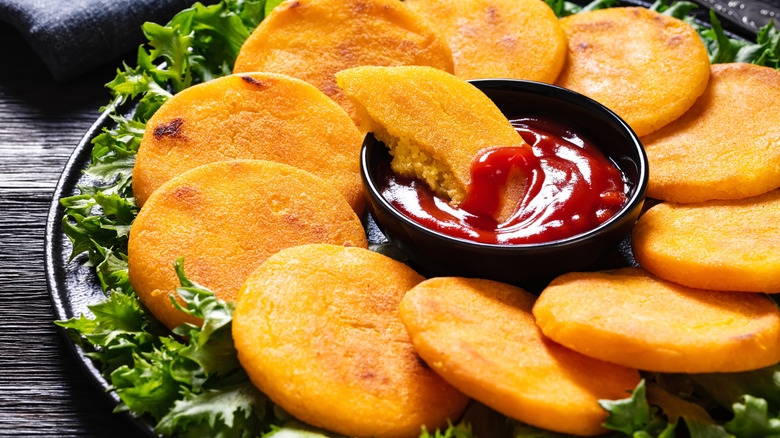
Hot water cornbread has its roots in Native American cuisine and was later also adapted by enslaved Africans. By the time more budget-conscious home cooks started turning to the recipe in the 1930s, Southerners had already made it an iconic regional staple. Countless Southern-style restaurants and BBQ joints serve hot water cornbread. However, it's not the lightly sweet cornbread with which most people are familiar. Regular cornbread is baked, while making hot water cornbread typically requires cooks to shape thin patties from cornmeal, salt, and boiling water before frying them in the fat of your choice. Opt for bacon grease if you want a bit more savoriness.
Unlike haluski, which marries simple fare and achieves tantalizing results, old-fashioned hot water cornbread is fairly plain. But it's not meant to be the highlight of your plate. It's a supporting player for sweet spreads and saucy or spicy proteins. Pick an updated recipe for hot water cornbread if you want to relish it as is. These recipes may include sugar or extra salt. If that's not enticing enough, try adding sliced jalapeños for some heat.
13. Poor man's meal
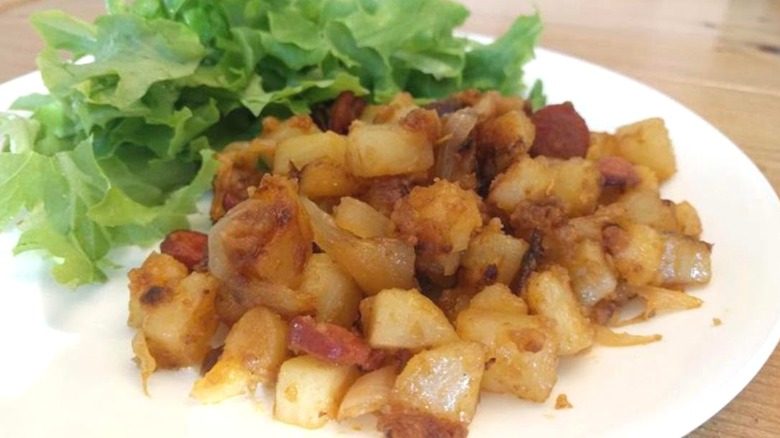
Poor man's meal can't be pinned down to a single recipe. It's actually a collection of frugal, flexible meals that revolve around potatoes, onions, and cheap meat. The combo was gold during the Great Depression, when filling the fridge was out of reach for many.
Some versions of poor man's meal use hot dogs as the base, combined with tomato sauce for a deeper flavor. Hot dogs were introduced in the late 1800s and skyrocketed in popularity when the Depression altered Americans' purchasing power. Another popular version of poor man's meal used ground beef and cream of mushroom soup. If that doesn't appeal to you quite as much as it does to us, the beauty of poor man's meal is that you can customize it to your taste.
The name "poor man's meal" reflects the rampant poverty of the 1930s. People who struggled to buy regular groceries could often scrape the meal's scant ingredients together, especially if they used hot dogs rather than ground beef. A single hot dog might cost a nickel at the time. Meanwhile, a sack of potatoes could cost as much as $1, meaning many families would simply cut off any blemished parts to make the most of their purchase. Home cooks weren't quite as lax on food waste as many are today.