

Tired Of Salmon? These 5 Foods Have More Omega-3
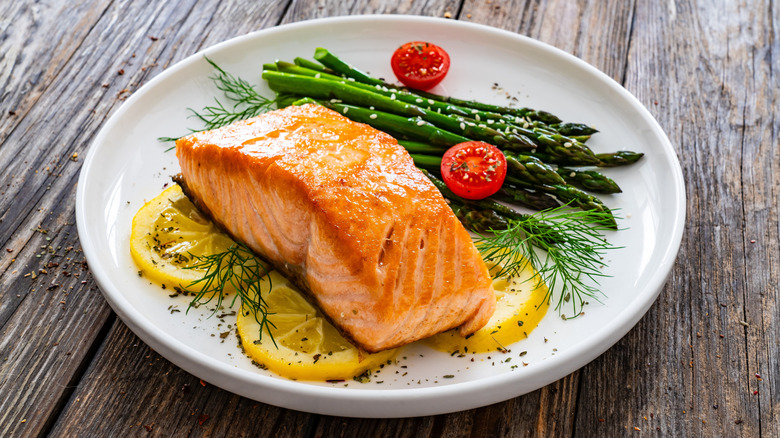
"Omega-3 fatty acids" has become something of a buzz phrase in the health world, with everyone pushing you to get more of them in your diet. Health organizations like The National Institutes of Health and American Heart Association recommend daily intake of omega-3 fatty acids (between 1,100 and 1,600 mg) for heart and brain health, better vision, and improved cholesterol and blood pressure levels. One of the best and most frequently cited sources for these healthy fats is salmon.
While a single serving of salmon has twice the recommended daily amount in one go, not everyone is a fan. Some people think it's too fishy, slimy, oily, or just plain bland. And even those who love salmon might find that it can get old after a while. But what else can you eat that packs as much omega-3 fatty acids for you? If you feel like you're swimming upstream when it comes to finding a tasty, healthy replacement for salmon in your diet, here are five foods that have an equal amount of, and in some cases, even more omega-3 fatty acids.
Holy mackerel!
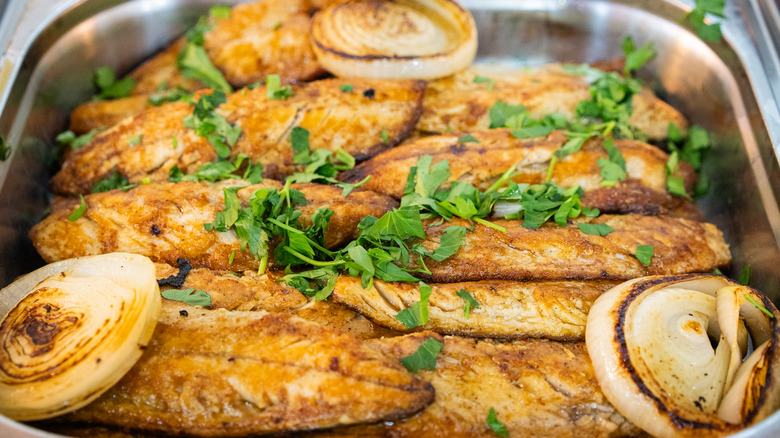
If you like fish but want to branch out from salmon, mackerel also has plenty of omega-3s. In fact, one serving has nearly twice as much as salmon. Mackerel, like salmon, is a fatty fish, often smoked, and also packed full of vitamins (it's an excellent source for vitamin B12, selenium, and other minerals). Additionally, it's a versatile meal and easy to prepare. For example, you can swap out the tuna with mackerel for a tuna salad with luxurious texture and taste.
Caviar dreams
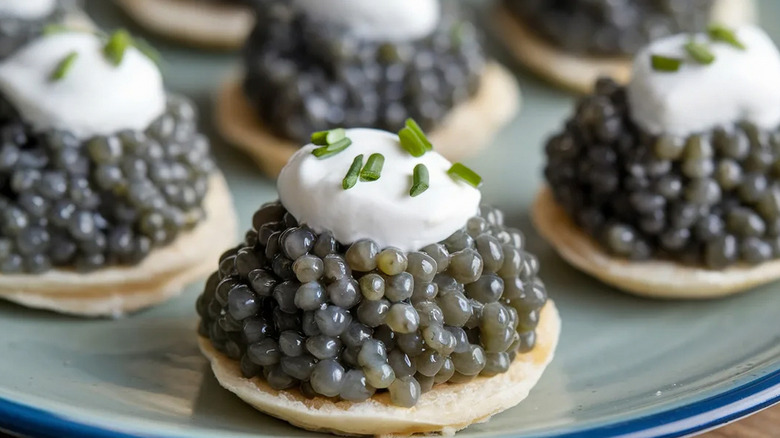
Caviar is the fancy, posh way to get your omega-3s. The salted eggs of sturgeon and other fish, caviar is a prime source not only of healthy fatty acids, but also protein, iron, calcium, vitamin B12, and other nutrients.
Spread these guys on a blini, wash them down with a little Dom Perignon, and you'll be high-rolling it while also bringing in a more concentrated dose of healthy fatty acids per serving than with salmon. Sure, caviar can be expensive, but channel your inner Beyoncé and splurge, knowing that this is one luxury that at least has health benefits.
Health nuts
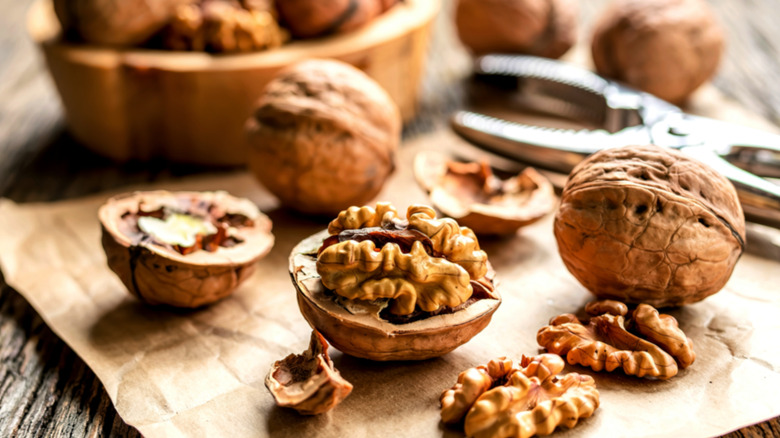
Whether you like them in your Jell-O salad, baked into your banana bread, sprinkled into cream cheese on a sandwich, or just enjoy munching on handfuls of them on their own, walnuts are a great source of omega-3s. These nuts are also loaded with fiber, vitamin E, and manganese (a mineral that is good for your bones and nerves). It's important to note that much of the good-for-you stuff is found in the skin, so look for walnuts with the skins still on them. In a nutshell: Eat more walnuts.
Something's fishy
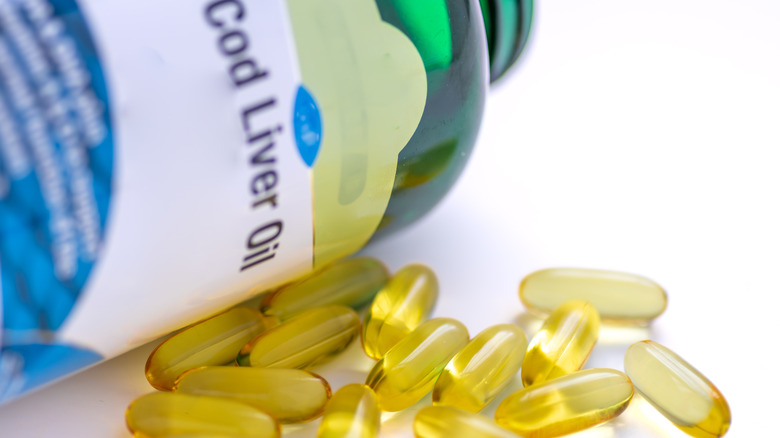
Cod liver oil is a dietary supplement that exists in either liquid form or as a capsule, both offering high quantities of omega-3s as well as vitamins A and D. The liquid is a more potent source of all three nutrients and can be mixed into your lunch for easy consumption without its noticeable and somewhat unappetizing taste.
You can have too much of a good thing, though, and health experts warn against overdoing it on cod liver oil. Taking more than one tablespoon of liquid or upping the dose on capsules can lead to overconsumption of vitamins A and D, and that's a bad thing. It can be toxic.
Good seeds
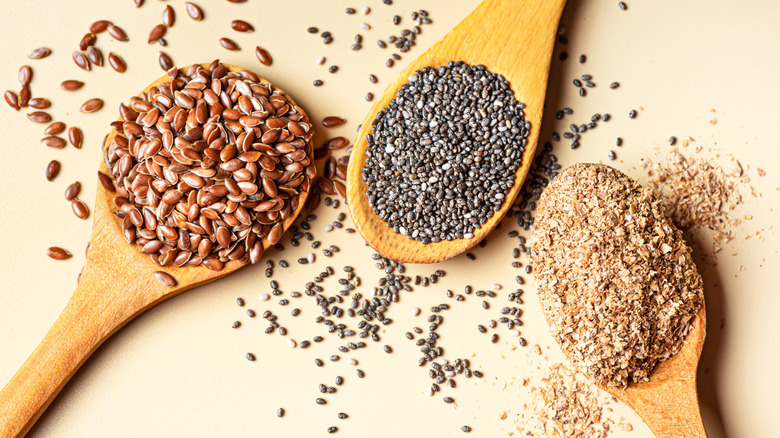
Plant-based omega-3s are slightly different from the ones found in salmon, so it can be something of an apples-and-oranges scenario when trying to compare them. But flaxseed, chia seeds, and hemp seeds are also among the best sources to get the plant-based variety.
In either oil or seed form, flaxseed is the No. 1 source of alpha-linolenic acid (ALA), which is the type of omega-3 found in plants. Flaxseeds are the perfect mix-in for your yogurt, ingredient in a smoothie, or as a protein-packged topper for your morning oatmeal for an ALA boost.
Those little black grains of wonder, chia seeds, are a superfood full of zinc, magnesium, selenium, and, of course, omega-3s, as well as fiber. So not only will they keep you regular, but it turns out that they can also keep you hydrated.
While the hemp plant might be better known for the more recreational uses of its close relation, cannabis sativa, the seeds of the plant make for a delicious addition to everything from breakfast foods to baked goods to bananas. Plus, these seeds are healthy, protein-rich, and have enough omega-3s to give salmon a run for its money.