

Forget Banana Bread: 14 Genius Uses For Overripe Bananas You've Never Thought Of
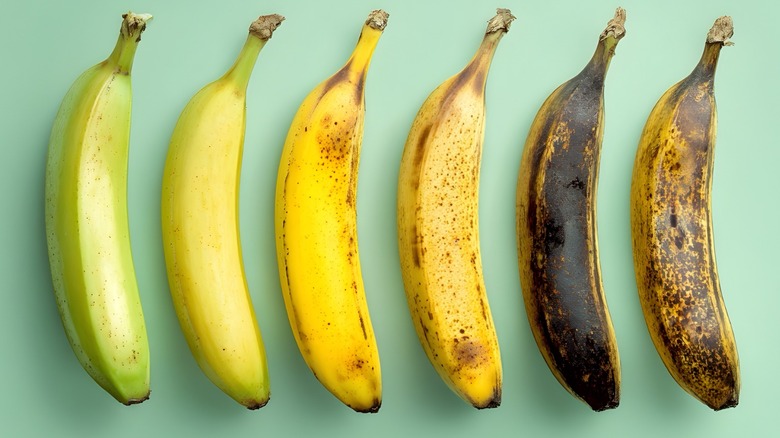
One of the biggest mistakes people make with bananas is tossing them when they become overripe. Many people gravitate toward a perfectly uniform fruit with a bright yellow exterior. While this type of banana is perfect for snacking, overripe bananas have their own appeal. Though the softer texture and brown spots can be visually unappealing, these are actually signs of a more flavorful fruit. An overripe banana means the starches have broken down into sugar, giving it a concentrated sweetness that works perfectly in all kinds of recipes.
Now, for most people, a bunch of overripe bananas sitting on the counter typically only means one thing: A fresh-baked loaf of banana bread is in the near future. However, to limit yourself to churning out one loaf after another would be a mistake. There are plenty of other uses for those extra spotty bananas you have laying around, ranging from easy two-minute desserts to savory entrees. Even the peel has potential when you think outside the box.
1. Cook up a banana curry
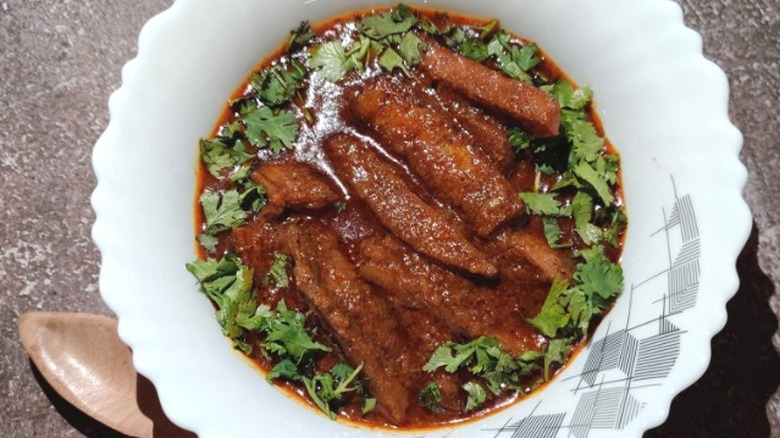
You may have heard of green banana curry. This is a savory dish common in South Indian and East African cuisines. It capitalizes on the starchiness of underripe, green bananas to obtain a potato-like texture that works well paired with savory sauces. However, overripe bananas have just as much of a place in your favorite curry. The sweetness from the bananas adds a complexity to the dish that, when paired with other spices, makes for a well-rounded flavor profile.
Most banana curries start with cooking the banana slices in a little oil or ghee alongside spices like cumin until aromatic and slightly caramelized. Adding ingredients like turmeric, curry leaves, ginger, and garlic balances out the sweetness with spicy and earthy notes, while coconut milk gives the curry a creamy texture. The bananas are the star of this dish but that doesn't mean there can't be reinforcements involved. Throwing in chopped sweet potatoes or a can of chickpeas boosts the nutritional value and is a great way to use up ingredients in your pantry. Plate the finished curry with rice or your favorite flatbread and dig in.
2. Use them as egg replacements in baked goods
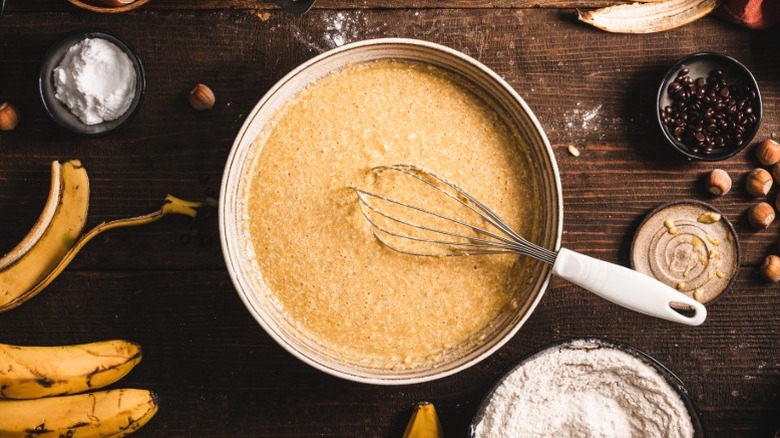
Whether you're plant-based, out of eggs, or still reeling from the skyrocketing egg prices of 2025, overripe bananas make one of the best egg substitutes for baking. In fact, this is one of those times where an overripe banana is a nonnegotiable. When they're past the point of ripeness, they have a much more concentrated sweetness and a softer texture that results in tender, moist, and flavorful baked goods. That extra sweetness is also great if you're looking to limit added sugar.
Bananas work best as substitutes in naturally dense sweets like quick breads, pancakes, cookies, and even brownies. About ¼ cup of mashed banana can replace one egg in a recipe. Since the flavor can be strong, make sure to choose recipes where you don't mind banana shining through, or ones with stronger flavors like chocolate to balance out the taste. Think chewy banana breakfast cookies for busy mornings or eggless brownies for a quick sweet fix.
3. Make an easy microwave mug cake
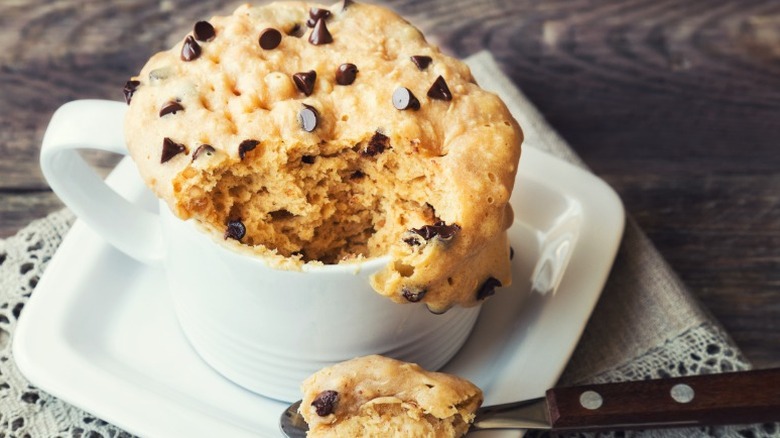
Though overripe bananas elevate banana bread and other baked goods, sometimes preheating the oven is the last thing you want to do. If that's the case, a simple microwave mug cake might be more your speed. These single-serve sweet treats come together in just a couple of minutes, including both prep and cook time. They only require a few pantry ingredients and are easily customizable to your preferences.
To get started, you'll need either a half or whole overripe banana, depending on the recipe you're following. Mash the banana and mix in flour, sugar, milk, oil, and leavening agents. From there you can get creative with add-ins like cinnamon, cocoa powder, chocolate chips, or sprinkles. The cook time may vary but typically takes around one to two minutes. Microwave in short bursts to avoid overcooking the batter. Once the mug cake is done, you can top with more chocolate chips, a drizzle of peanut butter, or caramelized banana slices if you're feeling fancy.
4. Make banana farofa
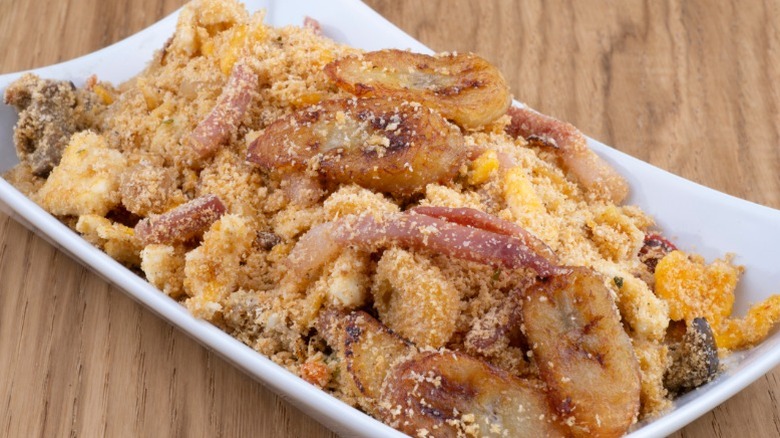
If you've ever ordered sides at a Brazilian steakhouse, you may have come across a dish called farofa. Also known as farinha de mandioca in Portuguese, it's made with toasted cassava flour and has its roots in the Indigenous diets of Brazil. It can be enjoyed as its own dish or sprinkled over rice and beans. The cassava flour takes on a satisfying crunchy texture during cooking and is a wonderful flavor absorber.
Banana farofa is a variation that combines sweet bananas with cassava flour, butter, and seasonings for a salty and sweet take on the classic. You can lean into the savory notes by adding bacon, garlic, or onions. If you prefer a sweeter dish, using coconut butter and some cinnamon takes the banana flavor to the next level. Banana farofa pairs beautifully with picadinho, a Brazilian beef stew, or another hearty Brazilian main for a well-rounded dish full of flavor.
5. Fry up some banana fritters
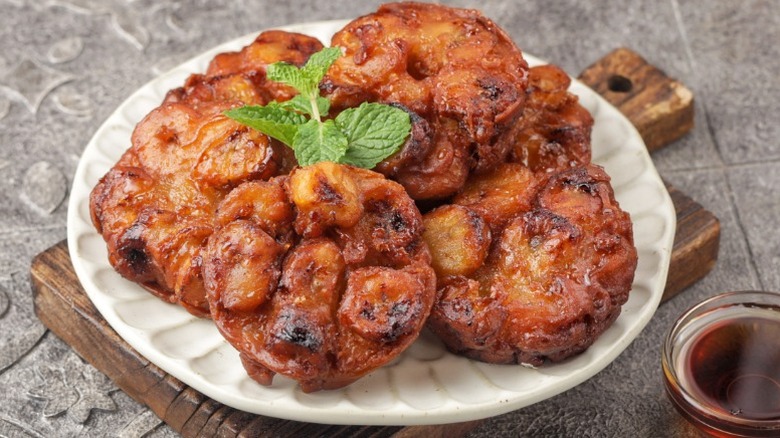
Sometimes it's not the look of overripe bananas that turns people away, but the texture. Luckily, frying is a great way to mask most sins, including an overly mushy banana. Banana fritters are common in quite a few cultures, including Jamaican and Filipino gastronomy. Depending on how overripe your bananas are, they can be sliced, battered, and fried, or they can be mashed into the batter itself.
Besides bananas, the standard batter includes all-purpose flour, sugar, milk, and salt. Some recipes use eggs and leavening agents like baking powder, while others omit these ingredients. If so inclined, you can also add cinnamon and nutmeg to the batter for extra flavor. Fry up the banana fritters in oil until golden-brown and crispy. Serve them hot with powdered sugar sprinkled on top for the best experience. The crispy exterior contrasts with the soft, custardy interior and can be paired with a scoop of vanilla ice cream for an even more indulgent dessert.
6. Blend them into nice cream
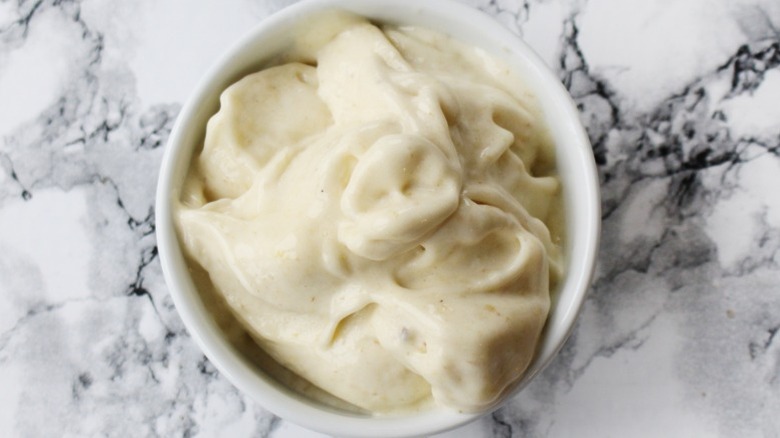
Ice cream is a quintessential dessert, but achieving that perfect creamy texture and full-bodied flavor at home isn't always a simple task. An ice cream machine will help the process but it can be expensive. No-churn recipes can be hit-or-miss, with some resulting in icy scoops. If you're looking for something easier and less frustrating, banana nice cream is the perfect alternative. "Nice cream" is the term for dairy-free, refined sugar-free ice creams that start with a base of frozen bananas. The riper your bananas are when frozen the better, as they'll result in a sweeter dessert.
Simply add frozen bananas to a blender or food processor, along with plant-based milk if needed, blending until smooth and creamy. You can eat your banana concoction as is, but adding other fruits or flavorings can elevate the dessert. For a fruity scoop, add frozen strawberries or mangoes. For something more decadent, swirl in creamy peanut butter or make a four-ingredient chocolate nice cream. If you aren't plant-based, you can always use overripe bananas in regular ice cream recipes as well and go crazy with any other add-ins your heart desires.
7. Make a batch of banana punch
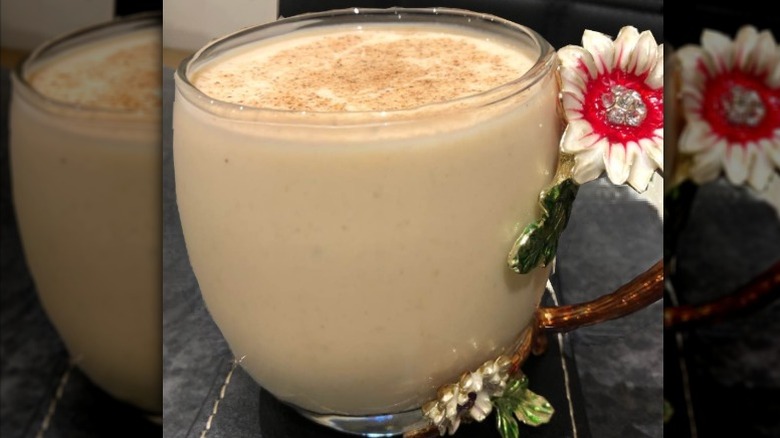
Fly out of the States and land in the Caribbean, and you might soon find yourself sipping on a cold glass of banana punch. You might also hear it called fig punch as bananas are often referred to as figs in many Caribbean countries. It may be sold on the streets but can also easily be made at home with any overripe bananas you've been meaning to use up. While there are variations on the recipe, the basic components are simple.
You'll want to blend together the bananas with vanilla extract, milk, condensed milk, nutmeg, and cinnamon until creamy. Some recipes opt for a more decadent, milkshake-like consistency by using vanilla ice cream. Others add in bitters for a more adult beverage. It's hard to mess this one up. Once you're satisfied with the final product, pour the drink into a glass filled with ice for a refreshing, smooth treat that will take you to a tropical paradise with every sip.
8. Transform banana peels into bacon
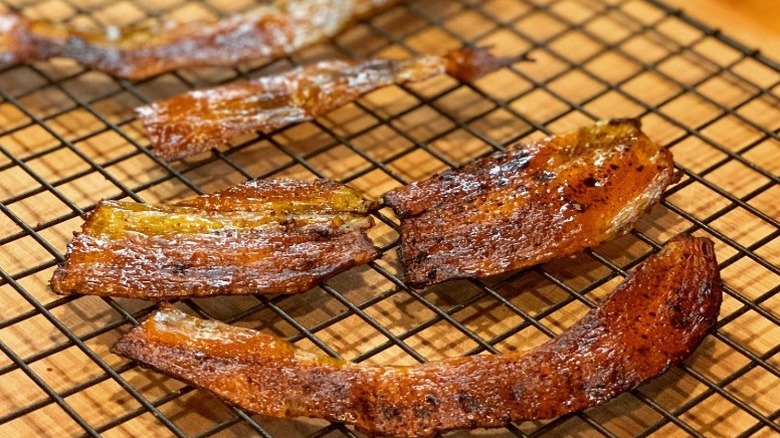
Did you know you can cook with banana peels? While the raw peels are tough to chew and leave a bitter taste in your mouth, the peels can be blended into smoothies or cooked until soft. If you follow a plant-based diet, banana peels can even be used to mimic the taste and texture of bacon strips. This is a cost-effective and environmentally friendly way to use every part of your overripe bananas.
The first step is to thoroughly wash the peels, as the outer layer of the banana can be exposed to dirt and pesticides during the growing process. Cut the peels into smaller strips and remove any residue from the flesh of the banana before placing them in your marinade. The marinade can include ingredients like soy sauce, maple syrup, smoked paprika, garlic powder, and other sweet and savory seasonings. Fry up the banana bacon in some oil then dab off the excess and serve. You can serve this mock bacon like you would the real thing, with eggs or tofu scramble for breakfast, or in a vegan BLT.
9. Brew a cup of banana tea
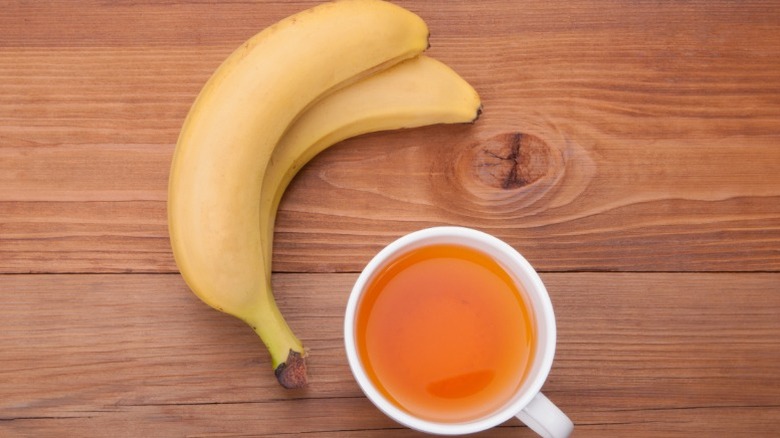
Another ingenious way to use up whole overripe bananas is to brew a cup or two of banana tea. This type of tea is low-sugar and has some potential benefits as a bedtime drink. Bananas contain potassium, magnesium, and tryptophan, which are all linked to getting a good night's rest. Regardless of health benefits, a warm cup of subtly sweet banana tea is simply a relaxing way to end your day.
There are a few different ways to brew banana tea. Some people choose to boil the fruit itself without the peel, some use just the peels, and others boil the banana as a whole. The ingredients are boiled for a few minutes or a longer period of time for a stronger tea. To enhance the flavor of your tea, add cinnamon sticks, cloves, and other spices while steeping. Once the tea is done, stir in a bit of honey or your favorite sweetener, kick back, and relax.
10. Make banana halwa
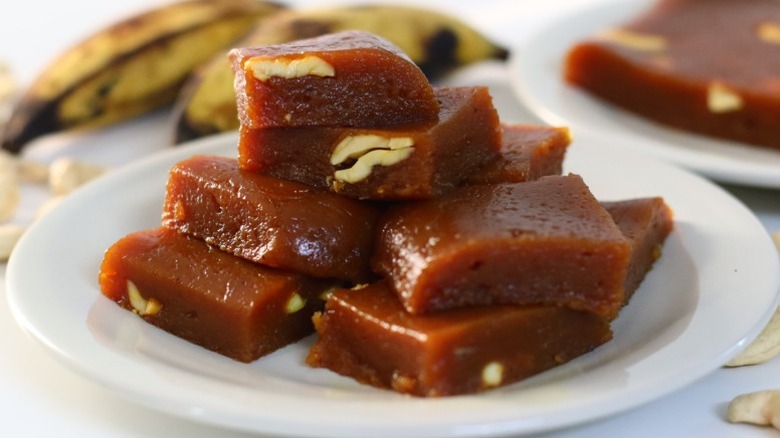
Halwa is a term that encompasses a huge variety of sweets originating in the Middle East, but this particular version of halwa is a popular confection in India. Indian halwa itself has many variations, from kinds made with semolina or nuts to those made with carrots, commonly seen in Indian restaurant in the States. Some variations come in chewy blocks while others are spoonable. If you have overripe bananas on your hands, then banana halwa is the one you'll want to try out first.
One version of banana halwa involves cooking together semolina, bananas, milk, sugar, nuts, and other spices until the liquid is absorbed and the dessert is soft and fluffy. Another take on banana halwa that is popular in South India is known as kele ka halwa. It is made by combining pureed bananas with ghee, jaggery, cardamom, and cashews. This mixture comes together in a paste-like consistency, which is left to set before being cut into soft and chewy blocks. You can't go wrong no matter which variation you try your hand at.
11. Make homemade banana ketchup
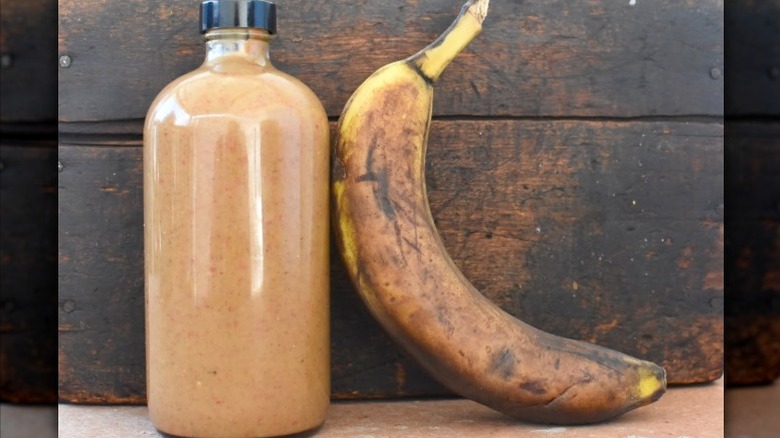
Ketchup is a sweet, slightly tangy, and very versatile condiment. Dip your nuggets into it, squeeze it over some eggs, or use it in a marinade — the options are endless. But how about adding bananas to your ketchup? For some in the United States, this combo might sound controversial, but banana ketchup is the Filipino condiment you didn't know you were missing. The popular condiment was created in the 1930s by a woman named María Orosa. The goal was to swap in locally-grown bananas for imported tomatoes. By the 1940s, the condiment was being sold by the bottle.
The sauce is typically dyed red to emulate tomato-based ketchup, but the core recipe focuses on bananas, vinegar, sugar, and other spices. Garlic, chilis, soy sauce, and allspice are just a few ingredients that can add layers of flavor to your homemade ketchup. The sweeter taste and thicker consistency compared to tomato ketchup make this condiment a welcome change and a perfect addition to any of your meals.
12. Turn them into banana jam
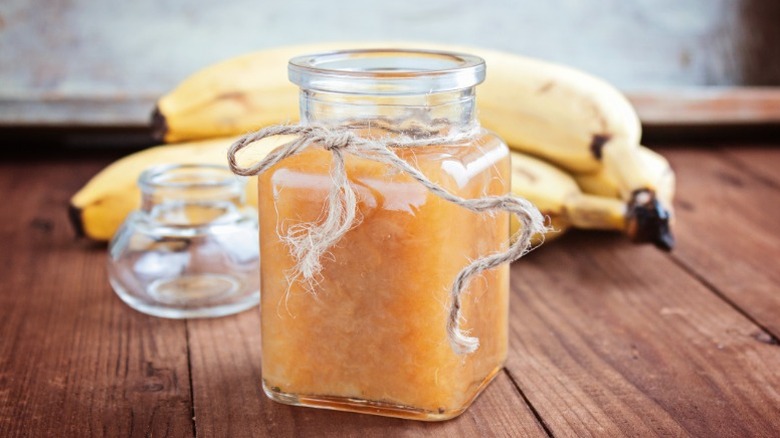
Making your own jam at home is surprisingly simple. All you really need is fruit, sugar, lemon juice, and a little bit of time. You've probably had plenty of strawberry, grape, and raspberry jam in your lifetime, but banana jam is less common, in stores and even at the farmer's market. Still, it's just as easy to make at home with overripe bananas. This is another case where the riper and mushier your bananas the better.
Pull out a saucepan and bring your mashed bananas, sugar, and lemon juice to a simmer. Cook the mixture on low heat until slightly thickened then pour it into jars and leave to cool. Of course, you can always add to the jam base for a more complex flavor profile. Cinnamon, vanilla, and even a little bit of rum can infuse warmth and depth to your jam, making it a perfect addition to bowls of oatmeal and crusty pieces of toast. If you want something a little more summery, add a splash of lime or orange juice to brighten up the flavor.
13. Make banana fruit leather
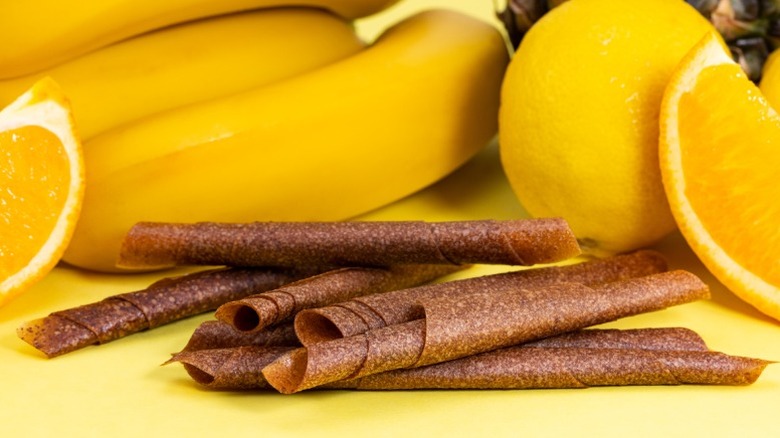
Fruit Roll-Ups are a classic childhood treat that leave your tongue painted neon for hours after the flavor dissolves. But while these have all the nostalgic appeal and taste great, sometimes you want a healthier alternative. If that sounds familiar, try using overripe fruit to make fruit leather. Making homemade fruit leather doesn't have to be a complex process and you don't even need to splurge on a dehydrator to enjoy it. Instead, take those spotty bananas on your counter and get to work.
Spread pureed bananas in an even layer on a baking sheet and bake low and slow in the oven until you can lift it cleanly off the tray. You can cut the fruit leather into long strips or make creative shapes perfect for any little ones in your life. If you have more fruit available, you can also explore other flavor combinations. Mixed berries, plums, and mangoes are all tasty options. You can also add sweeteners and spices into the mix for even more variety.
14. Whip up Korean-style banana milk
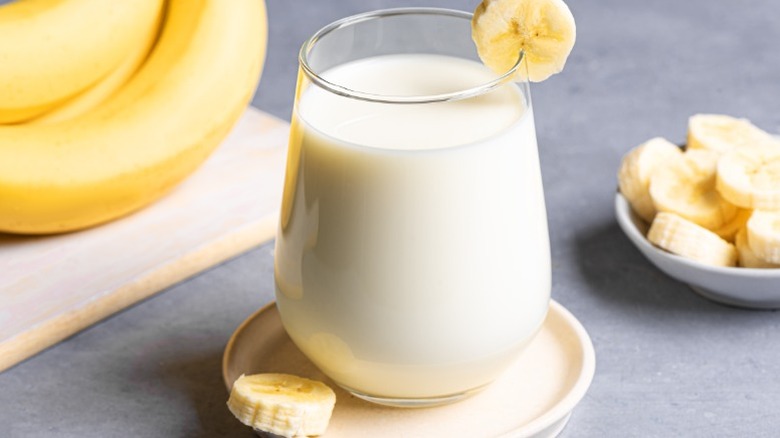
If you've ever visited Korea or been inside a Korean food store in the States, you've probably tasted or at least heard of the famous banana milk. The most well-known brand is Binggrae and can be found in little handheld bottles or juice box-style cartons. The company now makes other flavors such as strawberry, coffee, and melon, but banana remains a mainstay. The original banana milk doesn't actually contain real bananas, instead using banana flavoring to give the milk its beloved flavor. However, you can easily make your own version at home with real bananas.
Simply blend together bananas, milk, vanilla extract, and any desired sweetener like honey or maple syrup. Adjust to your preferences after blending by adding extra sweetener, or add condensed milk before combining for a more decadent take on the classic drink. The result is a light and sweet beverage with even more banana flavor than the store bought stuff. This recipe is also very easy to make vegan. Simply swap the milk (and the condensed milk if you're using it) for plant-based alternatives and you're well on your way to your new favorite beverage.